
Spelt Focaccia With Rosemary, Garlic, And Pecorino

Medically reviewed by Christiana George Updated Date: June 8, 2023
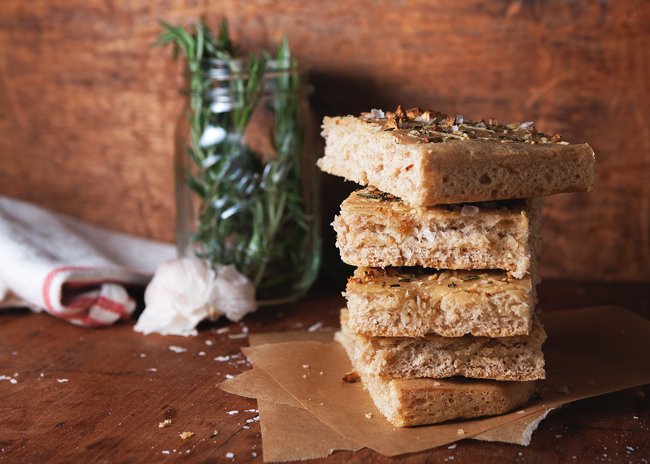
I made buttermilk pancakes the other day and substituted a little of the all-purpose flour for spelt. They were so good! It made me realize that it’s been a long time since I baked with whole grain flours (hard to believe that it had been my sole obsession three years ago). Also, yikes, I just realized the last recipe featured on this blog containing a flour other than all-purpose was way back in November! They’re really good cookies by the way.

I decided to remedy this immediately. As usual, I pulled out my battered copy of Good to the Grain. The recipes coupled with the photography always fill me with this longing to lead a more wholesome life, with no greasy take-out food, no indoor pants, and fresh air coursing through the rooms at all times. Let’s address why these are impossibilities.
First, there’s no way I could do away with my comfort food burritos, which are filled to the brim with rice, beans, meat (MEAT), and other stuff that’s good for the soul but not so much for the waistline (it feels weird writing about waistlines, as I don’t think I’ve ever given mine any proper thought). Secondly, I hate wearing jeans, which is something about me you would never guess because I ALWAYS WEAR JEANS. But it’s true. I’d much rather have my legs be swathed in loose, silky, comfortable pants when there’s no one to impress.
And finally, it’s still 40 degrees out, yo! Despite the fact that both Chris and I think of our heating as the devil because it makes the apartment unbearably stuffy, it only turns on twice a day, so to open the windows would be wasting the heated air.
I think the point I’m trying to make is that the healthful life I dream about is probably largely illusory. Though I enjoy baking with whole grain flours, and eating vegetables with all my meals (well, not breakfast—I do give myself a break then), and going to the gym thrice weekly, I’m not perfect.
Anyway, the focaccia called to me.
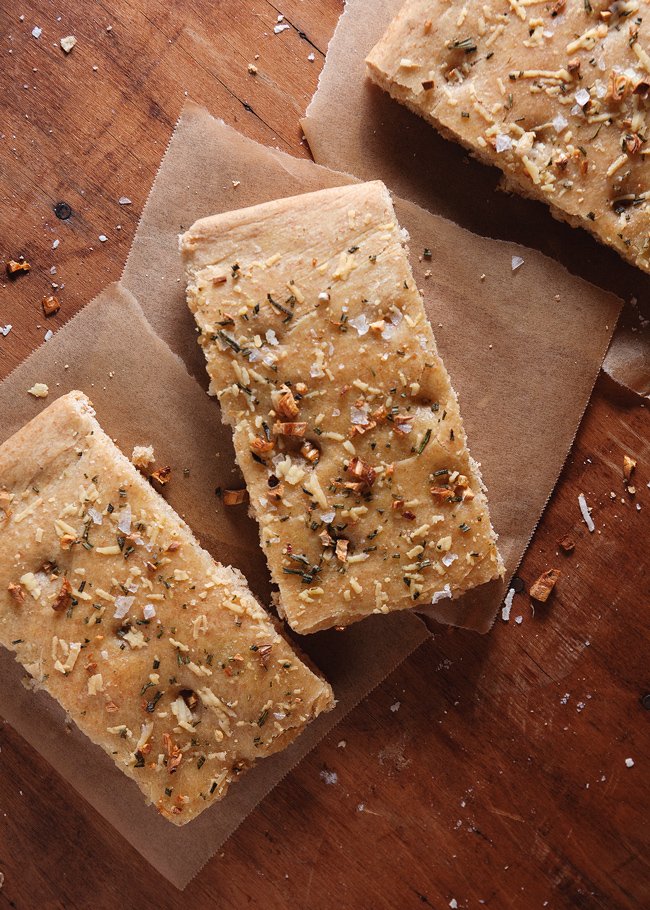
Spelt foccacia is less springy than regular foccacia, of that I’m sure. Since spelt contains low amounts of gluten, doughs containing it don’t rise as well and result in a lack of the same effervescence as all-purpose doughs. Hence, a slightly denser texture and less sticky.
On the other hand, spelt has a great flavor that I think came through in this recipe. It was kind of hard to tell, with such strong-flavored toppings all competing for attention, but I detected a wheat-flour like taste, with that signature nuttiness I really love.
What disappointed me the most about this recipe was probably due to the overall crappiness of my oven, but my focaccia refused to golden-brown properly! Very disappointing, especially because, I’d kept it in there for so long that the garlic and rosemary started burning. It’s alright. I don’t think the taste suffered too much, but it made for a slightly less attractive presentation.
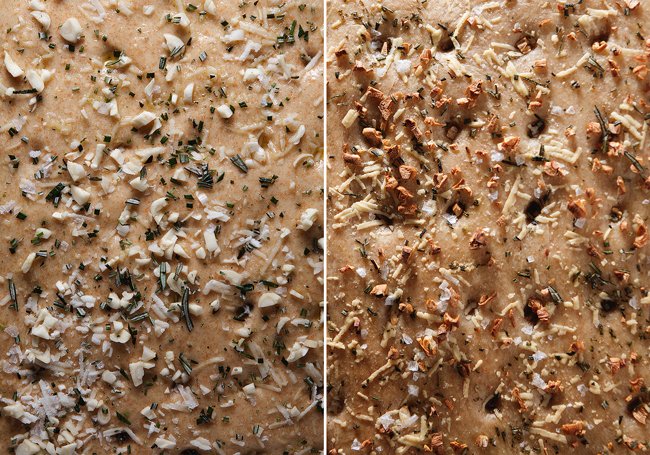
I don’t need to tell you what to do with focaccia. Neither do I need to tell you how to top it. But, I will add, rosemary is one of my favorite herbs, and it really suits breads, spelt, and garlic and pecorino. With that said, a simple sea salt topping would be enough to make me a happy sailor, and I would gladly eat this focaccia in any form it was offered. In my case, it went perfectly alongside leftover soup (third batch and still going strong), always a winning combination.
(I should also add, I accidentally bought 2 pounds of active dry yeast, so I think I’m going to take up bread-making as a hobby for the foreseeable future. Focaccia is only the beginning, my friends!)
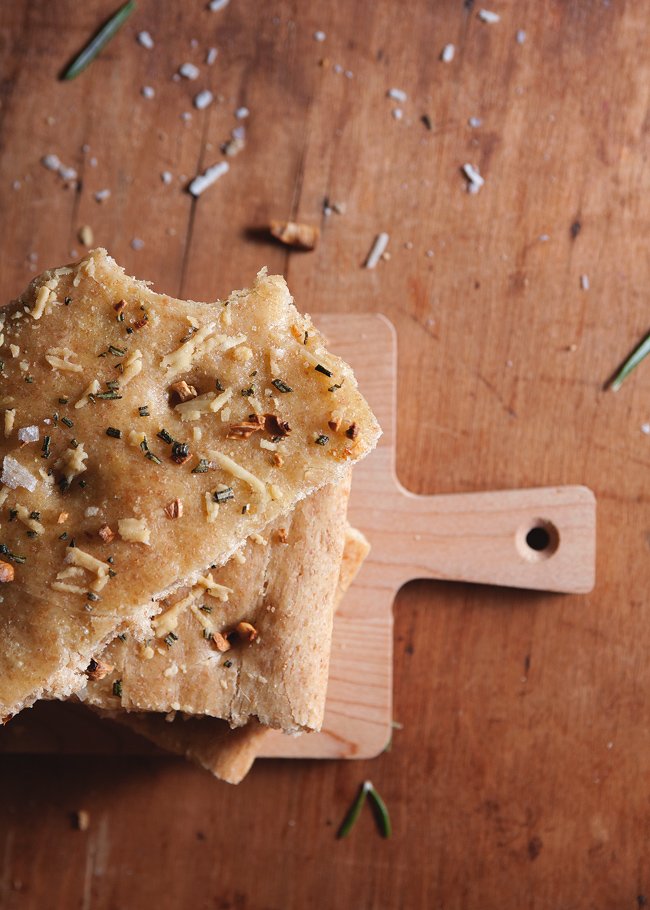
SPELT FOCACCIA WITH ROSEMARY, GARLIC, AND PECORINO
Adapted from Good to the Grain
Makes 1 rectangular focaccia
Ingredients:
1 package active dry yeast (2-1/4 tsp)
Pinch of sugar
1 cup spelt flour
2 cups all-purpose flour, plus more for kneading
1 T kosher salt
1/4 cup plus 2 T olive oil (plus more for greasing)
garlic, herbs, spices, coarse salt, cheese, and any other toppings of choice
Directions:
Lightly rub a large bowl with olive oil. Add 1-1/4 cups of warm water, yeast, and sugar to another large bowl. Stir, and allow the yeast to bloom for about 5 minutes (should start bubbling). Add the flours, salt, and 2 T olive oil and stir to combine. Pour the dough onto a lightly floured surface and begin kneading, adding up to 1/2 cup of all-purpose flour if needed (depending on the manageability of the dough, as it’s quite sticky). Knead for about 10 minutes until the dough is elastic and supple (you’ll start to feel the difference—just keep kneading!)
Put the dough in the oiled bowl, turning it so it’s lightly covered with the olive oil. Cover with a towel and let rise for about 2 hours, or until doubled in size.
Generously oil a baking sheet with olive oil. Place the risen dough onto the baking sheet and stretch it so it fills the pan. Dimple it with your thumb, then cover with a towel and let rise for about an hour.
Preheat your oven to 400 degrees F. Now it’s time to top the dough. First, brush a 1/4 cup of olive oil onto the dough, then sprinkle with the toppings of your choice. Bake for 22 to 25 minutes until golden brown. Allow the bread to cool slightly before slicing and serving.
As a note, you can store the dough in the fridge after the first rise. Just cover it tightly with plastic wrap and make sure to let it come to room temperature before continuing on with the recipe.
Related Posts

Subscribe for New Racipies
Get mental health tips, updates, and resources delivered to your inbox.
Are Bananas Acidic? Bananas for Acid Reflux [Good or Bad]

Bananas are considered the most beneficial fruit for acid reflux, but is it that efficient? To know that, you must dig into the inner facts about whether bananas are acidic or alkaline.
Banana is considered an alkaline food because of their high potassium content. While the pH fluctuates with the ripeness and species, the perfectly ripe, creamy bananas are alkaline. The unripe bananas are acidic as they have a pH of around 5.6. However, ripe bananas have a pH of about 6.5, which is less acidic.
However, there is much more to it! Read on to find out if you should consume bananas when suffering from acid reflux.
Why Are Bananas Acidic or Alkaline?
To understand the basis of the alkalinity of bananas, you first need to know the basics of the pH scale. Anything on a pH scale less than 7 is acidic, and above 7 is alkaline.
The ripe banana’s pH is 6.5, which is mildly acidic. But due to high potassium, ripe bananas show alkalinity in nature.
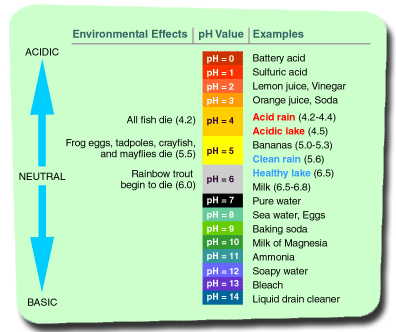
Also, most banana species are non-acidic, but a few, such as green bananas, may show a certain level of acidity.
| Banana species | pH |
| Red banana | 6.2 |
| Cavendish banana | 5.5 |
| Burro banana | 7.6 |
| Baby banana | 7.3 |
| Apple banana | 5.8 |
Also Read: Are Mangoes Acidic? [Mango And Acid Reflux Good Or Bad]
Bananas for acid reflux [good or bad]
Unripe bananas contain the highest concentrations of oxalic, malic, and citric acid. So, if you suffer from acid reflux, it might intensify your stomach acidity after eating.
On the other side, in ripe bananas, the concentration of oxalic acid drops, leading to alkalinity in the fruit. Due to the alkalinity of ripe bananas, it works as a natural antacid, significantly reducing acid reflux.
But how does it work?
The banana’s high potassium content contributes to pH, making it alkaline. Also, ripe bananas contain probiotics, minerals, and vitamins, which help reduce symptoms of acid reflux. However, since your stomach already has an acidic pH, you need foods that do not amplify it. And ripe bananas are exactly what you need!
Low acidic and alkaline ripe bananas prevent acid reflux by shielding the stomach lining from the acids.
Also, ripe bananas contain beneficial digestive enzymes amylases and glucosidases. These enzymes help to strengthen your gut and esophagus and prevent acid reflux.
However, remember that it works when taken in moderation, so do not overeat it.
Are Bananas Bad for Acid Reflux?
Bananas are one of the safest foods to consume for chronic cases of acid reflux and GERD. The high alkalizing properties help reduce the acidity in the stomach and promote the growth of mucous around the stomach. Furthermore, it also ensures proper functioning of the esophageal sphincter, thus, preventing reflux.
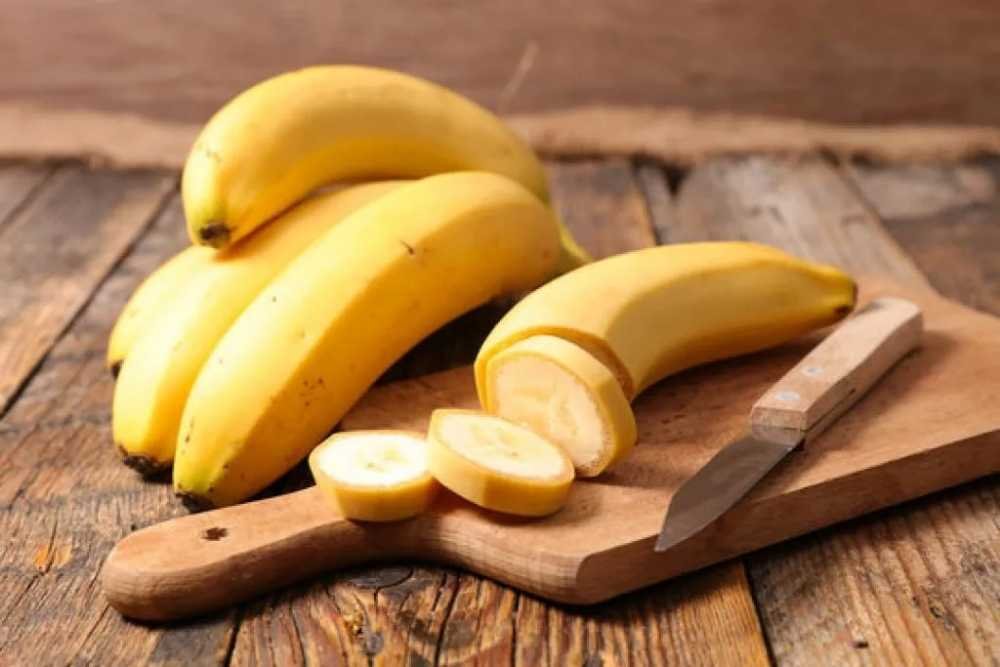
Why Do Bananas Give Me Heartburn?
Is it possible that instead of preventing acid reflux, bananas trigger it for some people? Unfortunately, yes! But this is no reason to consider bananas among foods to avoid with acid reflux .
There could be two reasons if bananas are not working for you. Let’s have a closer look.
Some people have an exceptionally low tolerance for acidic food. Thus, you must closely monitor your diet for any signs of discomfort to rule out if bananas are triggering heartburn.
But wait, there is one more reason! You might be eating unripe bananas, causing acid reflux. Why does that happen? Do bananas cause acid reflux? Unlike ripe bananas, unripe ones have a higher percentage of potassium nitrate, making them comparatively more acidic.
Besides, a few species of bananas are naturally less alkaline, owing to higher starch content. A higher starch content thus contributes to higher gut fermentation, leading to bloating and heartburn.
What Kind of Banana Is Good for Acid Reflux?
Essentially, all kinds of bananas work well for acid reflux. However, a few species are comparatively more alkaline and have a better chance of relieving symptoms. This includes the “Burro bananas” and the “Baby bananas.”
With a pH of 7.6 and 7.3, these species promote mucous formation around the stomach and the proper functioning of LES (Lower Esophageal Sphincter).
Are Ripe Bananas Acidic?
Are bananas alkaline or acidic? Well, ripe bananas are alkaline, with a maximum pH of 7.6. But here’s the catch! Some species of bananas, namely the cavendish and red bananas, are acidic even when perfectly ripe.
This is because of their natural starch content, resulting in a lower pH. However, for the most part, ripe bananas are non-acidic, and patients suffering from acid reflux can easily consume them.
Are Green Bananas Acidic?
Have you noticed a tangy, grassy taste in unripe or green bananas? This is due to a greater starch content in unripe bananas, leading to higher acidity.
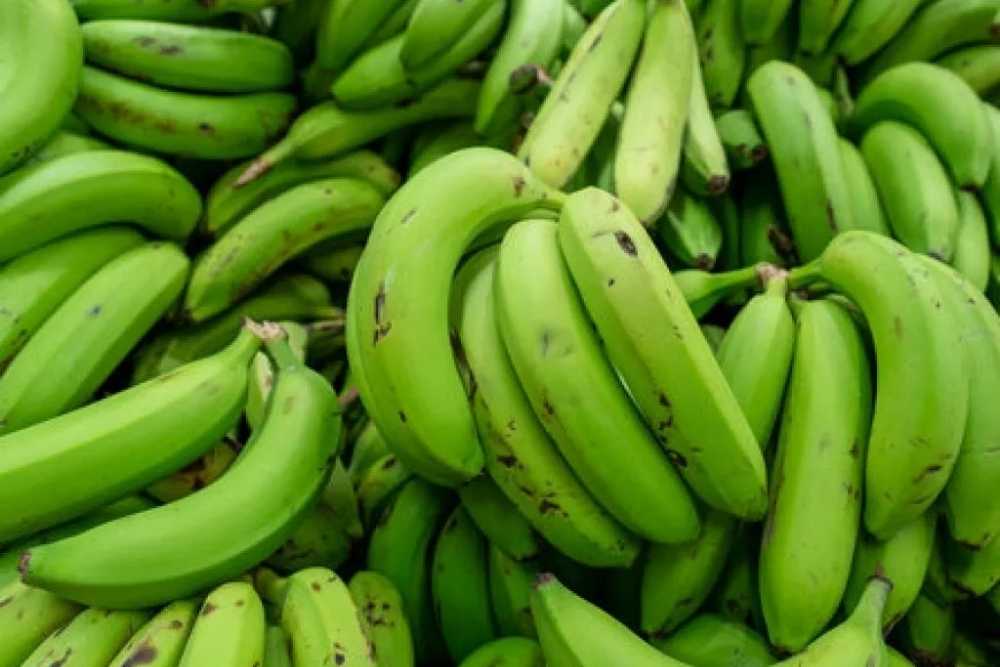
While it essentially depends on how ripe the bananas are and the species, unripe bananas usually have a pH ranging from 4.5 to 5.2. The level of enzymes and oxalic acid also affect the pH balance, making green bananas acidic compared to ripe ones.
Are Overripe Bananas Acidic?
Just as unripe bananas are acidic, overripe bananas are also acidic, although for completely different reasons. Hence, it is important you choose perfectly ripe bananas to ensure optimum alkalinity and help with gastric problems. An overripe banana means breaking down more carbs and producing alcohol. This affects the pH, making them acidic.
| Ripeness | Alkalinity |
| Unripe | Acidic |
| Ripe | Alkaline |
| Overripe | Acidic |
Are Cooked Bananas Acidic?
Cooking the bananas breaks down some of the starch, decreasing the alkalinity. This makes them slightly less alkaline than raw bananas; however, they are still not acidic. The alkalinity also depends on how you cook the bananas, whether you bake, boil, or fry them. Boiling or frying the bananas reduces the potassium content to 40%, resulting in a decline in alkalinity.
| Boiled bananas | Alkaline |
| Baked bananas | Slightly alkaline |
| Fried bananas | Least alkaline |

What Are the Benefits of Eating Bananas?
There are many health benefits of eating banana. Some of the core health benefits are described below.
High Nutritional Value
Bananas are capable of fulfilling your dietary needs while keeping your calories under control. You get a complete package without fat with a total calorie count of 112. From potassium and folate to vitamin C and fibers, it makes an ideal snack with high nutritional gains.
Better Digestion
Thanks to the prebiotics and fibers, such as pectin, your gut health stays top-notch. This prevents constipation and keeps your bowel movement in check to prevent risks of diverticulitis. The fibers also prevent chances of colon cancer, although more studies are required to attest to this observation.
Weight Loss
A medium-sized banana can easily keep your hunger at bay. The best part is that it keeps you full at only 126 calories. The fibers add bulk to your diet, which reduces the hunger pangs and helps maintain a steady weight. Dieticians around the world widely recommend the Banana diet due to its proven weight loss results.
Cardiovascular Health
Potassium has shown to significantly reduce the risk of cardiovascular disorders, such as blood pressure and stroke. What better way to incorporate potassium than the good old bananas? Additionally, the magnesium and folate in bananas contribute to the overall health benefits aiding their popularity.
Easily Accessible
Bananas are one fruit accessible throughout the year in almost all parts of the world. You can eat it as is, or add it to your smoothie, shake, or granola. Since it does not contain much protein, you might want to add it to yogurt or a high-protein source if you plan to add it to your diet.

FAQs
Is ripe banana good for acid reflux?
Ripe bananas are great for patients suffering from acid reflux, thanks to their 7.6 pH and high potassium levels. The alkaline nature of bananas helps against acidity by promoting mucous lining around the stomach. Besides, the natural probiotics and vitamins in bananas also help fight acid reflux symptoms.
Which foods neutralize stomach acid?
Foods that are high in alkalinity are good for neutralizing stomach acid. This includes bananas, apples, pears, avocados, and green vegetables. Ginger tea also helps tame down acidity with its anti-inflammatory properties.
What fruits have low acidity?
A few common fruits with low acidity include melons, bananas, avocados, olives, pears, and mangoes. Hence, people with acid reflux can consume these without fruits without any worries of triggering their symptoms.
What acid does a banana have in it?
Raw bananas have a high concentration of oxalic acid, malic acid, and citric acid. However, as the banana ripens, the level of oxalic acid falls, making it less acidic. Naturally cultivated bananas have more acids compared to treated ones.
Bottom Line
Now that you know the answer to “Are bananas acidic or alkaline?” you can incorporate these into your diet without any worries. However, do not consume them in excess as they can be triggering for some people with extremely low acidity tolerance.
Finding a high-alkalinity species such as the Burro bananas is better, but even the typical species in your local grocery stores work fine.
Related Posts



Subscribe for New Racipies
Get mental health tips, updates, and resources delivered to your inbox.