Nope, there are no pomegranates in this recipe. In fact, if there are any stray arils lying around, they are going straight into my mouth, no recipe involved, because it is unimaginable for me to eat them any other way. That being said, this pomegranate did get the chance to do a little modeling—flashing its resplendent seedlings at the camera—before disappearing promptly. Into my mouth.
How exactly does one dress up curry anyway? It’s remarkably… drab. And lumpy, and unappealing-looking, much like those people in the world who don’t give any thought to how they appear. And then you talk to them and discover that they’re Fields medal-winning mathematicians (one of Chris’s professors in college dressed like a teenage gamer), and world-class cardiologists (my friend’s brother-in-law who received a huge makeover when he started dating his now-wife), and brilliant writers (I suspect our neighbor across the street is one of these. He’s always just returning from the liquor store, wearing a rumpled blazer, one hand in his pocket and the other giddily clutching his goods.)
Curries like these are the Louis CK’s of the world.

So elaborate analogies aside, what I’m trying to say is that this recipe is really really good. Don’t get me wrong, there’s nothing complex about it at all. It relies heavily on curry powder, an admission which I realize puts me squarely in the Blue Box Mac & Cheese camp. But I certainly have no compunctions about using it if it gets the job done. And it does! It does.

As for its name, this recipe comes from Nigel Slater’s Real Fast Food (although he calls it ‘Chicken with spices and cream,’ heh), a collection of recipes that are all supposed to come together in 30 minutes or less. Plus, it’s got a fast food quality to it, with its commercially-blended seasoning powder and all. I imagine that the Curry Up Now food truck uses a very similar recipe for its famous curry burrito that it serves to the masses in the streets of San Francisco’s Financial District.
Oh! And one last thing I should mention, I like my curry thick and hearty so I halved the amount of stock. But if you adhere to the amount the recipe calls for, you should end up with plenty of sauce.

FAST FOOD PANEER CURRY
Adapted from Nigel Slater’s Real Fast Food via The Wednesday Chef
Serves 4
Ingredients
1/2 lb. paneer
Salt & pepper
2 Tbsp vegetable oil
2 Tbsp butter
2 medium onions, roughly chopped
4 large cloves of garlic, minced
2 Tbsp curry powder
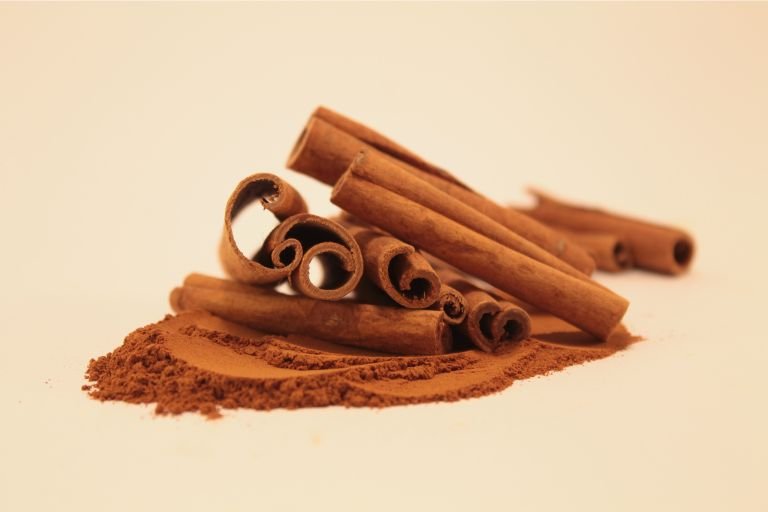
1/2 tsp ground cinnamon
1 14-ounce can of diced tomatoes
1 cup chicken stock (I only used 1/2 cup)
1/2 cup heavy cream
Juice of 1/2 lemon
Directions:
Before prepping the onions and garlic, marinade the paneer in the oil and season with salt and pepper to taste.
When ready to begin, in a shallow, preferably non-stick pan, place the paneer in a single layer and turn on the stove to medium. In a minute or so, flip them over to let the other side brown. Remove the paneer from the pan and set aside.
In the same pan, cleaned of residue, melt the butter and add the onions and garlic, cooking over medium heat until soft, about 7 minutes. Stir every once in a while. Stir in the curry powder and cinnamon and cook for an additional few minutes, until the spices are cooked. You may want to add a couple tablespoons of water to the pan to keep the spices from burning. Add the tomatoes, chicken broth, and paneer, and cook until everything is hot, about 5 minutes. Stir in the heavy cream, season with salt to taste, and squeeze in the lemon juice. Simmer another minute or so, then turn off the stove and serve.
Naan (or pita in my case, haha) makes the best accompaniment in my opinion, but you probably already have your favorite way of eating curry.

Over Thanksgiving weekend, we went to an all-you-can-eat Indian restaurant, one of those fancy kinds with cloth napkins and unlimited mimosas. I was surprised actually; it was a kind wholly new to me. I’m so used to grungy hole-in-the-walls, where you grab a stack of napkins and silverware from a nearby dolly and a carafe of water from the fridge, and juggle everything back to your seat.
The last time I ate Indian food was more than a year ago in Cusco, Peru. Random? It certainly had been to me. The restaurant had been largely empty, although a steady stream of South Asian-looking patrons suggested that it was one of the better spots in town to procure Indian food maybe? I don’t know. It hadn’t been very good. And they hadn’t served naan, which is a dealbreaker.
So subpar experiences aside, I hadn’t eaten Indian food since I moved out of San Francisco. Which is a pity really. I’d forgotten how much I love the cuisine.
This buffet had all the goodies—namely chicken tikka masala (who doesn’t want to lick their plate after eating it?) as well as my other favorite, chana aloo, chickpea and potato curry. And there was naan! Lovely pieces of naan. And mango lassi. And chai. Check, check, check, all my favorite things were represented. What really stood out to me, however, was the palak paneer, spinach curry with cheese. The rediscovery of this humble little dish has stuck with me, demanding to be made.

So I thought I’d begin my forays into Indian cooking on this blog with paneer, Indian cheese. I guess paneer is essentially compacted cottage cheese, similar to queso fresco, but it’s so distinctly Indian to me. It’s great as a vegetarian base for lots of curry dishes, like palak paneer, but I’ve seen it in salads, in soups. It would taste great grilled, or in a wrap.
It’s also incredibly easy to make, requiring nothing more than whole milk and some kind of acid—in my case, lemon juice—to separate the curds from the whey. And that’s it! I love how you can get such great results from making it at home. It definitely convinces me to make it once a week just so I can have it on hand.


With Thanksgiving over, I’ve switched to Winter Mode.
Winter Mode consists of uplifting meals whose main ingredients might include any or all of the following: pasta and/or noodles, cheese, butter, cream, and excessive liquid. Bacon makes a recurring appearance. As does chocolate. My preferred mode of cooking becomes baking. Or boiling. Boiling noodles, that is.
Of course, because our radiator goes on overdrive each and every night, we’re met with a rather bewildering dinnertime situation. To set the scene: we’re minimally dressed. No socks, no sweaters. We’re wearing t-shirts, shorts even. The window’s open—god, can we get some snow in here or something? (Just kidding, but I can’t wait!) While we eat, pools of sweat build up on our foreheads, right by our hairlines. (Why do I bother washing my hair?) My armpits start feeling damp, I’m blowing like crazy on each bite to cool it down.
It’s contradictory-feeling, the heat, and confuses my body greatly. I’m craving fats and proteins, but responding to the stuff adversely once I get it.
But it’s alright. There’s ice cream in the freezer, the perfect after-dinner aid. Armed with a heaping bowl each, we can dangle our feet on our fire escape and contemplate the following day.

To counter the richness, there are mushrooms.
In my estimation, mushrooms are the perfect stand-in for meat. They’re portly and satisfying, with their own irresistible flavors to boot. Plus, they’re not bad on the eyes. (Can tofu boast such a quality? I think not.)
I like shiitake mushrooms the best, but I like mixing them even more. This wild mushroom pasta serves them up simply, with a liberal sprinkling of parmesan cheese and parsley. I think the trick is to not overdo it on the pappardelle, which has the tendency to dry out the dish. While the original recipe called for an approximate one-to-one ratio of pasta and mushrooms, I would halve the heavy (albeit delicious) pappardelle and even increase the amount of mushrooms just a tad.
That way, you’ll really taste the garlicky mushrooms but get to savor the luscious pappardelle as well.
My body can cope with that.