
Devil’s Food Cake With Swiss Meringue Buttercream

Medically reviewed by Christiana George Updated Date: June 8, 2023
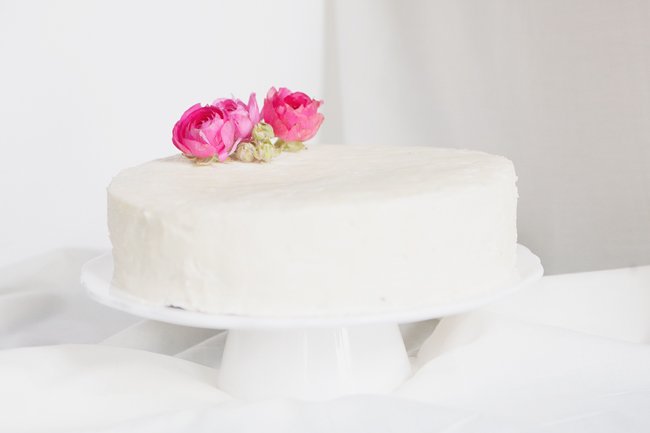
I’m not sure how it happened, but suddenly everything in my life revolves around wedding. I find all the different parts hard to keep track of, especially that big looming figure known as the Budget, but as long as I keep hacking away at different parts, I know I’ll eventually cleave a path through this maze of dresses, flowers, tea lights, stationery, and so so so much more.
While I manage to compartmentalize the wedding talk, only indulging in it in short spurts (although my sister gets the brunt of it), I did think it would be fitting to begin a discussion on… the wedding cake. Because I plan on making my own! This explains the uncharacteristically bright photo above.
Any of you who have spent any time at all reading any wedding blogs will surely be familiar with that sensation of one’s brain becoming scrambled/brainwashed by the extreme girliness and frilliness of their content. Recurring themes: lace, pom poms, rose petals, long tables festooned with flowers, peach, blush and pink, macarons, lace, mason jars, headless shots of the bride holding the bouquet, more lace, and toppling multi-tiered cakes.
I, for one, am not a fan of fondant. What exactly is it anyway? And is it really edible? I’m only half joking.
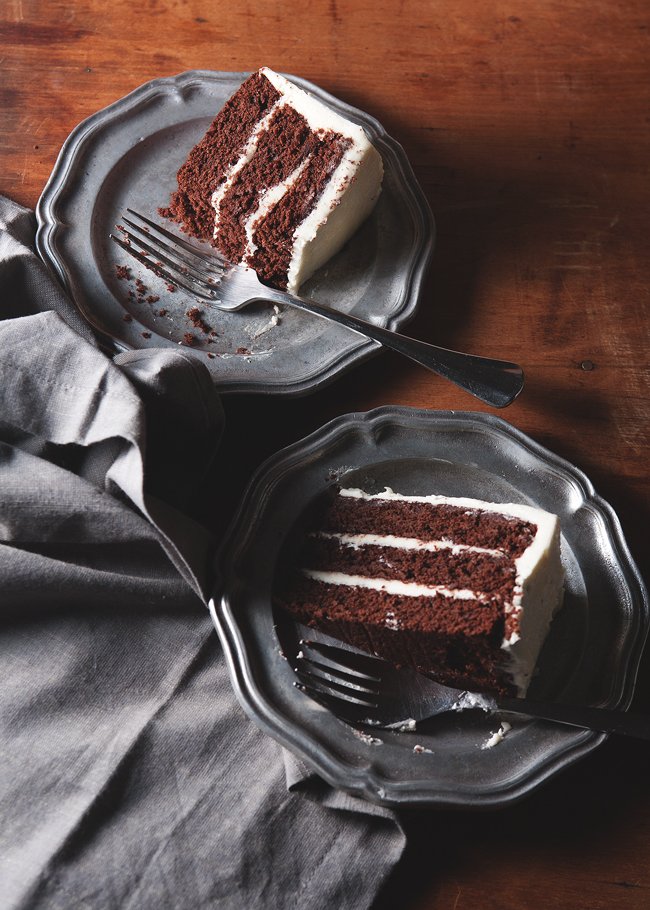
While I’m not an extremely crafty person, I’m convinced that the day will be all the better if I involve myself in it in a tangible sense. This applies strongly to some areas, the wedding cake being one of them. I don’t think I’ve ever considered outsourcing the making of the wedding cake, partly because I’ve had way too many slices of cake-gone-wrong, and partly because I’ve got a secret weapon: my sister. (She’s a star.) While it would be lovely if every aspect of the wedding were made with love, I at least have control over the cake.
The problem is that I don’t have a whole lot of cake-baking experience. Nearly none, actually. I’ve made one other layer cake in my life, and it came out… homely-looking. This cake came out homely-looking as well, but I’d prefer to go with the euphemism “rustic.” It is a little prettier, but its surface gently undulates, like the ocean on a calm day. Nice imagery when describing the scenery, but not ideal when applied to a cake. Also, upon closer inspection, the observer will realize that the vanilla-bean-like flecks are actually stray crumbs that got mixed with the icing. Note to self: buy an icing spatula and stop using one’s bread knife to spread icing.
Anyway, as you can see, I have a lot to learn about the art of cake-making. But I also have seven months to master the art, and I’m not going to stress it. An unprepossessing self-made cake has its own merits.
In this case, its parts: a wonderfully moist devil’s food cake, the recipe I got from the Tartine Bakery cookbook, and a luscious Swiss meringue buttercream. I decided my first forays into cake-making had to begin with the likeliest cake combination we would end up choosing, and probably, quite simply, my favorite cake combination of all. For what could be more satisfying than a moist slice of chocolate cake swathed in Swiss meringue buttercream? To me, nothing. To Chris, a moist slice of chocolate cake swathed in ganache, but we’re not going to go there because our cake has to be white-colored, dangit!
I chose this particular cake recipe because in the description beforehand, Elisabeth Prueitt mentioned that one of her bakery managers used the recipe for her wedding cake. That means it passes the tests in both sturdiness and the ability to stay fresh-tasting after sitting out for awhile.
In addition, the frosting is my absolute favorite. Swiss meringue buttercream looks beautiful patted onto a cake, and it tastes phenomenal: soft, light, very delicately sweet. My only issue with it is that it turns sort of stale after awhile, and tastes more buttery than sweet. Also, it turned slightly yellow after sitting out, but I very well could’ve done something wrong. Does anyone have any ideas on why this happened and how to correct this?
So, cake number one turned out okay. But other flavors await, and I hope to get better at decorating!


DEVIL’S FOOD CAKE
From Tartine
Makes one 9-inch cake (serves 12 to 16)
Ingredients:
1-3/4 cups all-purpose flour
4-1/2 Tbsp corn starch
1 tsp baking powder
1/2 tsp baking soda
1-1/4 cups cocoa powder
1 tsp salt
1 cup (2 sticks) unsalted butter, room temperature
2-3/4 cups sugar
5 large eggs
1-1/4 full-fat buttermilk
Directions:
Preheat the oven to 350 degrees F. Butter and lightly flour the sides of two 9-inch cake pans, knocking out excess flour. Line the bottom of each pan with parchment paper cut to fit exactly.
Sift together flour, corn starch, baking powder, baking soda, cocoa powder, and salt into a bowl and set aside. In the bowl of a stand mixer fitted with the paddle attachment, beat the butter on medium-high speed until light and creamy. Slowly add the sugar and continue to beat on the same speed until light in color and fluffy. Add the eggs one at a time, mixing well after each addition until incorporated before adding the next egg. Stop the mixer and scrape down the sides of the bowl with the rubber spatula. With the mixer on low, add the flour mixture in 3 equal batches, alternating with the buttermilk in 2 batches. Stop the mixer, scrape down the sides of the bowl, and mix again for another few seconds.
Divide the cake batter evenly between the prepared cake pans. Bake until the top springs back when lightly touched or a cake tester inserted into the middle comes out clean, about 45 minutes. Let the cakes cool completely before taking them out. To do so, invert the pans, then turn the cakes upright.
Use a serrated knife to slice off the domed portion of the top of each cake so the tops are flat. You can now slice your cakes into further layers, but read the note below.
Note: I ended up only being able to frost 3/4 of the cake using the recipe below. I had to leave out the fourth layer altogether, and I frosted quite sparingly, so if you plan on creating slicing your cakes into multiple layers, I would double the amounts listed below. You should then be able to go crazy with the frosting (but probably not this crazy.).
SWISS MERINGUE BUTTERCREAM
Makes 5 cups
From Sweetapolita
For a truly comprehensive how-to on making Swiss meringue buttercream, hop over to Rosie’s blog (link above). Sooo helpful.
Ingredients:
5 large, fresh egg whites
1-1/4 cups sugar
1-1/2 cups unsalted butter, cut into cubes and cool, but not cold
2 tsps pure vanilla extract
pinch of salt
Directions:
Start out with a clean electric mixer bowl. Add egg whites and sugar, and whisk the mixture gently over a pot of water (not boiling), until temperature reaches 160 degrees F. Don’t let the bottom touch the water, or the eggs will cook. If you don’t have a candy thermometer, heat until the sugar has completely dissolved and the egg whites are hot.
With whisk attachment of a mixer, begin to whip until the meringue is thick, glossy, and the bottom of the bowl feels neutral to the touch (this can take up to 10 minutes or so). Don’t begin adding butter until the bottom of the bowl feels neutral, and not warm.
Switch over to paddle attachment and, with mixer on low speed, add butter cubes, one at a time, until incorporated and mix until it has reached a silky smooth texture. It will probably look hopelessly curdled after you add the butter, but if you keep mixing, it will smooth out, trust me. (Rosie notes that if mixture is too runny, refrigerate for about 15 minutes and continue mixing with paddle attachment until it comes together.) Add vanilla and salt, continuing to beat on low speed until well combined.
Related Posts




Subscribe for New Racipies
Get mental health tips, updates, and resources delivered to your inbox.
Are Strawberries Acidic? pH Levels, Reflux & Teeth Safety

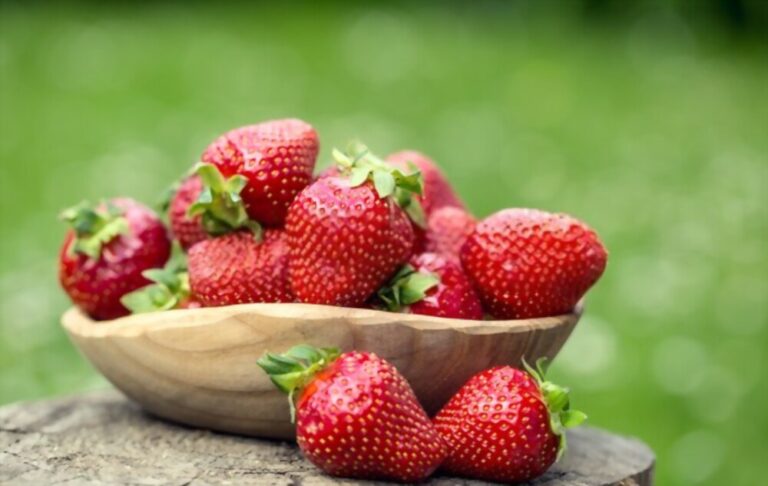
Strawberries are one of the greatest sources of dietary fiber, vitamin C, minerals, and antioxidants. But some people with significant heartburn will notice an increase in their symptoms after eating strawberries.
So, we ask ourselves, are strawberries acidic?
Strawberries have a relatively low pH, in the range of 3.0-3.5, which indicates that they are, in fact, acidic. Strawberries are rich in organic acids. They contain ascorbic acid, malic acid, and citric acid. Since they are acidic, they can worsen symptoms of acid reflux if not managed properly.
In today’s article, we will discuss the health benefits as well as the drawbacks of eating strawberries. We will also discuss how to manage a love of strawberries for someone who suffers from acid reflux. So let’s get started.
Why are Strawberries acidic?
Strawberries have a pH range of 3.0-3.5, which definitely qualifies them as acidic. At this point, you may feel confused. If strawberries are so acidic, why do they taste so sweet?
Though strawberries are relatively low in sugar, they are sweeter than any other berries. The reason is the presence of volatile organic compounds.
These compounds have the effect of making strawberries taste sweet. Strawberries contain approximately 30 volatile components, including esters, alcohols, ketones, aldehydes, and others.
Moreover, as they ripen, strawberries lose their acidic content. Unripe strawberries are very acidic, but as they ripen, they become less acidic. Ripe strawberries have a higher pH (meaning they are less acidic), ripe strawberries’ pH ranges from 3.6 to 4.1.
Fun Fact: You may wonder about strawberries having sexes! Yes you heard me right. They have three varieties: female, male and combo. This was discovered by a farmer in 1840 in Ohio.

pH of various strawberry products
| Strawberries & By products | pH level of Strawberries |
| Unripened strawberries | 3.0-3.5 |
| Ripened strawberries | 3.6-4.1 |
| Strawberry jam | 3.0-3.4 |
| Strawberry juice | 3.44 |
| Strawberry filling | 3.81-5.00 |
As we can see in the table above, different forms of strawberries have very different levels of acidity. The lower the pH, the more acidic the fruit. These pH ranges will help you select your strawberries wisely according to your individual sensitivity to acidic foods.
Strawberry nutritional analysis
| Content of strawberries | Amount (g/100ml) |
| Glucose | 1.89-4.52 |
| Fructose | 2.14-4.14 |
| Citric acid | 0.73-1.58 |
| Malic acid | 0.22-0.69 |
From this breakdown, we can see that strawberries are composed primarily of sugars and organic acids. The organic acidic compound has the right potential to worsen symptoms of acid reflux.
Strawberries also increase your HDL (High density lipoprotein, or “good cholesterol”), which is good for our health.
They help control blood pressure, provide a good amount of vitamin C, are a great source of dietary fiber, and contain antioxidants that help to grow immunity. There is even a study that claims that they can help your immune system fight cancer.
Related:
Are Onions Acidic or Basic? Avoid With Acid Reflux or Not
Strawberries and acid reflux: Good or bad?
While they have lots of health benefits, strawberries can have some bad effects as well. Unfortunately, strawberries can worsen symptoms of acid reflux and can make your stomach quite upset.
Acid reflux occurs when the muscle at the top of the stomach (called a sphincter) relaxes, which allows stomach contents to pass backwards, and up into the esophagus.
The stomach has a very acidic environment because of the presence of hydrochloric acid. This is secreted by the cells lining the stomach, and it aids in digestion. Therefore, when reflux occurs, this very acidic fluid becomes present in the esophagus.
This creates a burning feeling in the esophagus, chest, and sometimes in the mouth. It can also cause vomiting, chest burn, and bloating. If left untreated, it can cause dangerous changes to the lining of the esophagus over time.
That is why when we eat more acidic fruits like strawberries, it can exacerbate the acidic environment in the stomach and predispose a person to reflux symptoms.
Overall, a person with a history of acid reflux may have trouble again after eating strawberries.
Acid reflux or gastritis should be managed because it can lead to more severe problems like ulceration, esophagitis, and even esophageal cancer. It can also worsen asthma.
Now, here you may think, how can I continue to eat my favorite food (strawberries!), but be risk-free? To help with this, we will show you some hacks that will keep you safe from acid reflux.

7 Ways to make strawberries less acidic and healthier
People love strawberries and crave them. However, they are also acidic, so one should be careful eating them, especially if you have a history of reflux symptoms. Here are 7 suggestions.
Strawberries with alkaline foods
Try to eat strawberries in combination with some more alkaline foods, such as bananas, coconut, or papaya. These more alkaline foods will help lessen the acidic effects of strawberries.
Having milk
Have some milk right after eating strawberries. This will help you reduce the acidity inside the stomach. Milk has a higher pH, in the range of 7.0-9.0. Almond milk is particularly helpful in reducing symptoms of heartburn.
Drinking water
Drink lots of water after having strawberries. Water will help to diffuse the acidity and make the pH higher inside the stomach.
The more water in the stomach, the more it reduces the acidity. Large water content dilutes the acid and makes the pH higher.
Coconut water
Having some coconut water is another way to help reduce acidity. Coconut water is primarily water (94%) and is also a very good source of potassium. This is helpful because potassium and calcium are the two major components that help reduce acidity.
Yogurt
Yogurt is another food that can help reduce the acidic environment in the stomach and blunt the effect of eating strawberries. It is also a great source of calcium, potassium, and magnesium, all of which help control the flow of acid inside the stomach.
Fun Fact: “ Did you know, strawberries are actually known as “false fruits?” They are not true fruits, because they do not have seeds on the inside.
What fruit is low in acid?
Here is a list of 10 fruits that are low in acid.
| Fruits Name | pH level |
| Avocados | 6.27-6.58 |
| Persimmon | 4.42 – 4.7 |
| Cantaloupe | 6.13 – 6.58 |
| Honeydew Melon | 6.3 – 6.7 |
| Mangoes | 5.80-6.00 |
| Dates | 5.49 |
| Honeydew | 5.42 |
| Papaya | 5.20-6.00 |
| Watermelon | 5.18-5.60 |
| Pear | 3.6–3.8 |
Is eating strawberries bad for you?
Nothing is beneficial if eaten in excess. You must be careful about overeating this fruit, like all fruits. Strawberries are worth taking caution, because their acidity can cause symptoms if overeaten.
Since they are a fruit, strawberries do contain some sugar. If you are trying to control your weight, watching your sugar intake is necessary.
Excessive intake of strawberries might also cause diarrhea or stomach distress. Strawberries are also a known allergen, so some people may suffer from an allergic reaction.
Are you getting heartburn from strawberries?
One of the most common problems for strawberry lovers is that they face severe heartburn. This is a very common sign of acid reflux.
An unbalanced diet, including excessive intake of acidic foods like strawberries, can cause this problem.
The best solution is to eat acidic foods in moderation, or in combination with more alkaline foods. This will help you be able to eat strawberries while staying healthy.
Heartburn and cravings for strawberries
It’s natural to have cravings for foods as delicious as strawberries. But then we come back to the heartburn issue. We understand that acid reflux is what causes heartburn. How can we solve the heartburn issue?
- Some anti-acidic drugs help to reduce the burn, known as “antacids.”
- Eat a high alkaline food after having the strawberries, such as bananas, milk, papayas, or coconut.
- Stay hydrated, and drink milk or water with or after your strawberries.
Fun Fact: Strawberries are the only fruit to ripen in the spring.
Are strawberries acidic to the teeth? Do they damage my teeth?
Yes, strawberries are acidic, and acids can damage the enamel on your teeth. However, strawberries also contain maleic acid, which is beneficial in that it is known to whiten your teeth. However, strawberries should not be used to whiten teeth.
The effect of the acidity on the enamel and sugar, which can lead to cavities, means that strawberries probably do more harm than good for your teeth. It is a good idea to brush, or at least rinse your mouth, after eating sugary or acidic foods.
Are frozen strawberries more acidic? Should I have it or avoid it?
Frozen strawberries are more acidic than fresh ones, and have a pH of 3.0 to 3.3 on average. Freezing temperatures slow the ripening process, letting the strawberries remain more acidic. This low temperature is necessary for storing the strawberries.
Fun facts: There’s another type of strawberries called “purple strawberries” which was created by the seed company Burpee.
FAQs
Can strawberries cause acid reflux?
Ripe strawberries are safe to eat for a person who has acid reflux. For those who don’t know what acid reflux is, it results from a weakened esophageal sphincter that allows the stomach acid to flow up to the esophagus.
Ripe strawberries have lower acidity and are good for those who have severe problems with acid. Unripe strawberries are more acidic.
Are strawberries citrus or acidic?
Strawberries have a fair amount of citric acid, but they are not categorized as citrus fruits. Why is this? We first need to know what citrus means. Citrus is the genus of certain trees with flowering qualities. Strawberries are grown from small plants on the ground, and are thus not citrus plants.
How to reduce the Acidity of Strawberries?
If you suffer from acid reflux disease yet have a serious craving for strawberries, you can still enjoy them in moderation. You can reduce the acidity of strawberries by eating them alongside something alkaline.
As a liquid in a strawberry smoothie, for instance, unsweetened almond milk is a great choice. Because it complements the flavor of the fruit without adding any sweetness.
Are strawberries acidic for babies?
Many babies love the sweet flavor of berries. If you notice that your baby has signs of acid reflux or any signs of an allergic reaction, please seek medical attention.
As with anything, foods are best eaten in moderation, and overall, strawberries are good for health and are also a good source of vitamins and fiber.
Why do strawberries taste sweet?
Ripe strawberries are sweet because their acidity has decreased as they ripen, and they also contain various organic compounds that produce the sweet taste. Here, another interesting fact is played by the “Auxin”. It’s basically the hormone that makes the fruit taste so sweet.
Conclusion
If you want to include one fruit in your diet that will help you to keep fit and healthy, then strawberries are a good option. Strawberries will fill your requirements for fiber, vitamins, and antioxidants.
As always, all foods have pros and cons. And nothing is healthy when eaten in excess. In moderation, strawberries are an excellent addition to most diets.
References
1. On Strawberry Acidity & pH Levels
- Pathogen Modeling Program (PMP) Online (USDA Agricultural Research Service): Lists the pH of fresh mature strawberries at approximately 3.21–3.42 and frozen strawberries at 3.30–3.55.
- Yuri Elkaim (Nutritionist & Health Expert): Confirms strawberries typically have a pH between 3.0 and 3.5 and contain organic acids like citric and malic acid.
2. On Acid Reflux & GERD
- Health.com: Explains that while strawberries are acidic, they are often considered a “low-acid” fruit compared to citrus and can be eaten by many people with GERD, though individual tolerance varies.
- Gastroenterology Consultants of San Antonio: Notes that strawberries can contribute to GERD symptoms for some people due to acidity and suggests pairing them with lower-acid foods like yogurt or oatmeal.
3. On Dental Health (Enamel Erosion)
- Summit Dental Excellence: Discusses the myth of using strawberries for whitening, clarifying that the acids (citric and malic) can erode enamel and eventually make teeth look darker by exposing the dentin.
- Dr. Kevin Sands, DDS (Cosmetic Dentistry): Lists strawberries as a highly acidic food that can temporarily soften enamel, recommending patients rinse with water after eating them.
4. On Botanical Classification (Not Citrus)
- Encyclopædia Britannic: Classifies strawberries as part of the Rosaceae (Rose) family, distinct from the Rutaceae (Citrus) family, and explains they are “aggregate accessory fruits” rather than true berries or citrus.
Related Posts


Subscribe for New Racipies
Get mental health tips, updates, and resources delivered to your inbox.