
Are Apples Acidic? Apples for GERD: Good or Bad?

Medically reviewed by Christiana George Updated Date: January 1, 2026

“A little sweet and a little tart; who doesn’t like the apple bite?”
When we bite an apple, we have no idea what’s inside. However, when you have health issues like GERD or acid reflux, will they keep us healthy or send us to a doctor? Then the question may pop, “Are apples acidic?”
Apples are low-acidic, containing malic acid and ascorbic acid. They have a pH level of around 3.5, less acidic than lemons but more acidic than bananas. However, apples’ acidity doesn’t adversely affect your acid reflux. Besides, they are a good source of fiber and vitamins, keeping you healthy.
However, not all foods are suitable for everyone. No matter how low-acidic apples are, it’s always wise to follow doctors’ suggestions.
Let’s check in detail to what extent do apples contain acid? Are we going to be able to avoid visits to the doctor because of it?
Why are apples acidic?
Anything on a pH scale from 0 to 6.9 is considered acidic. The apple’s pH is around 3.5, so it falls in the acidic range. Also, Apples are acidic because they contain malic acid.

Malic acid is a sour-tasting compound found in many fruits and vegetables. Apples contain more malic acid than most other fruits, which is why they have a tart, tangy flavor.
Other fruits that contain similar or more malic acid include apples, pears, and cherries. It is an additive in food and beverages and a component of some dietary supplements.
pH of Apple
The pH value of apples is around 3.5, which means they are slightly acidic. However, the acidity level of apples varies depending on the type of apple. For example, Granny Smith apples are more acidic than Golden Delicious apples.
| Apples | pH Values |
| Apple, baked with sugar | 3.20 – 3.55 |
| Apple, eating | 3.30-4.00 |
| Apple – Delicious | 3.9 |
| Apple – Golden Delicious | 3.6 |
| Apple – Jonathan | 3.33 |
| Apple – McIntosh | 3.34 |
| Apple Juice | 3.35-4.00 |
| Apple Sauce | 3.10-3.60 |
| Apple – Winesap | 3.47 |
pH of Apple Juice
The pH of apple juice is around 3.48-3.69, and apple juice is surprisingly more acidic than orange juice. According to the USDA, the pH of apple juices is below.
| Apple Juices | pH Values |
| apple juice | 3.48-3.69 |
| apple juice, Delicious | 3.55-3.79 |
| apple juice, Golden Delicious | 3.78-3.94 |
| apple juice, Jonathan | 3.52-3.62 |
| apple juice, Grimes | 3.74-3.82 |
| apple juice, Stayman | 3.54-3.62 |
| apple juice, Winesap | 3.57-3.65 |

Are Apples Acidic in The Body?
Apples are acidic in the body, but in a good way. Apples’ acidity is relatively low on the pH scale, and they are considered neutral foods.
However, when you eat an apple, your body does have to work a little harder to digest it. This is because apples contain a type of acid called malic acid.
Malic acid is also found in other fruits and vegetables, but it’s not as common as in apples.
Are Apples Good For Acid Reflux?
An alkaline environment in the stomach is thought by some to be effective in neutralizing the acid. Eating an apple after a meal or before bedtime can help you get a good night’s sleep.
Apples provide a healthy dose of three essential minerals: calcium, magnesium, and potassium. The alkalinizing properties of these minerals have been hypothesized to reduce acid reflux symptoms.
However, use a sweet apple rather than a sour one to get the best results.
Best Apple For Acid Reflux
Some apples are more acidic than others, triggering heartburn and other acid reflux symptoms. So, what is the best apple for acid reflux?
The answer may surprise you – it’s the Granny Smith apple.
This tart apple is less acidic than other types of apples and can help neutralize stomach acid. It makes it an ideal choice for people who suffer from acid reflux.
So, if you’re looking for an apple that won’t trigger your symptoms, reach for a Granny Smith the next time you’re at the store.
Least Acidic Apples For Acid Reflux
A few different apples are the least acidic and thus may be better for people with acid reflux. These include
- Red Delicious,
- Golden Delicious, and
- Granny Smith apples.
These apples have a pH level of around 3.5-4.5, which is less acidic than other types of apples.

Are Apples Bad For Acid Reflux?
Apples are generally safe to eat, but some varieties may aggravate acid reflux symptoms.
Red apples do not typically worsen symptoms for those with acid reflux. Some people may experience discomfort eating green apples due to their higher acidity.
But this is not generally the case with red apples. Red apples are a good option if you have acid reflux and are looking for a safe fruit to eat.
Acidity Level of Different Types of Apples
Apples are of different types – red, green, golden, gala, etc. So, a question can be, do all types of apples contain the same acidity level? Well, the simple answer is no.
Different apples contain different pH levels, and here’s the list.
| Apple Types | pH level |
| Gala | 6.2 |
| Ida Red | 3.0 |
| Golden | 4.0 |
| Golden Delicious | 4.2 |
| Amri | 3.8 |
| Red Chief | 4.0 |
| Spartin | 4.3 |
| Red Golden | 4.3 |
| Sky Spur | 4.8 |
| Granny | 3.0 |
| Jona Gold | 4.3 |
| Double Red | 4.2 |
Are red apples acidic?
Yes. Red apples are acidic. However, the acidity level is pretty low, which you can consider acidic.
As we all know, apples are among the tastiest fruits ever. However, determining whether or not apples are beneficial is an important task.
Are green apples acidic?
Green apples are acidic, with a pH of 3.1. The reason is the high levels of malic acid in the fruit. While the acidity of green apples may vary depending on the variety, they are generally more acidic than other apples.
Are cooked apples acidic?
You may consider raw apples acidic and cooked apples not. But cooked apples are also acidic, with a pH of 3.5-4.0.
The presence of malic acid in apples also keeps cooked apples acidic.
When you cook apples, the malic acid breaks down into other acids, including lactic acid, which makes the apple more acidic.
Are Gala apples acidic?
Gala apples are a type of apple known for being sweet and crisp. While the pH level of a Gala apple can vary depending on where it is grown and how ripe it is, they are generally considered slightly acidic. This acidity gives Gala apples their characteristic tart flavor, which many people enjoy.
Are Apples Acidic For Teeth?
Yes, apples are acidic for teeth. The acidity in apples can cause tooth enamel to erode over time. This is why brushing your teeth after eating an apple is important.
7 Impressive Health Benefits of Apple
Apples are a popular fruit that offers a range of health benefits.
They are a good source of fiber, vitamins, and minerals. They also contain antioxidants that can help protect against cell damage.
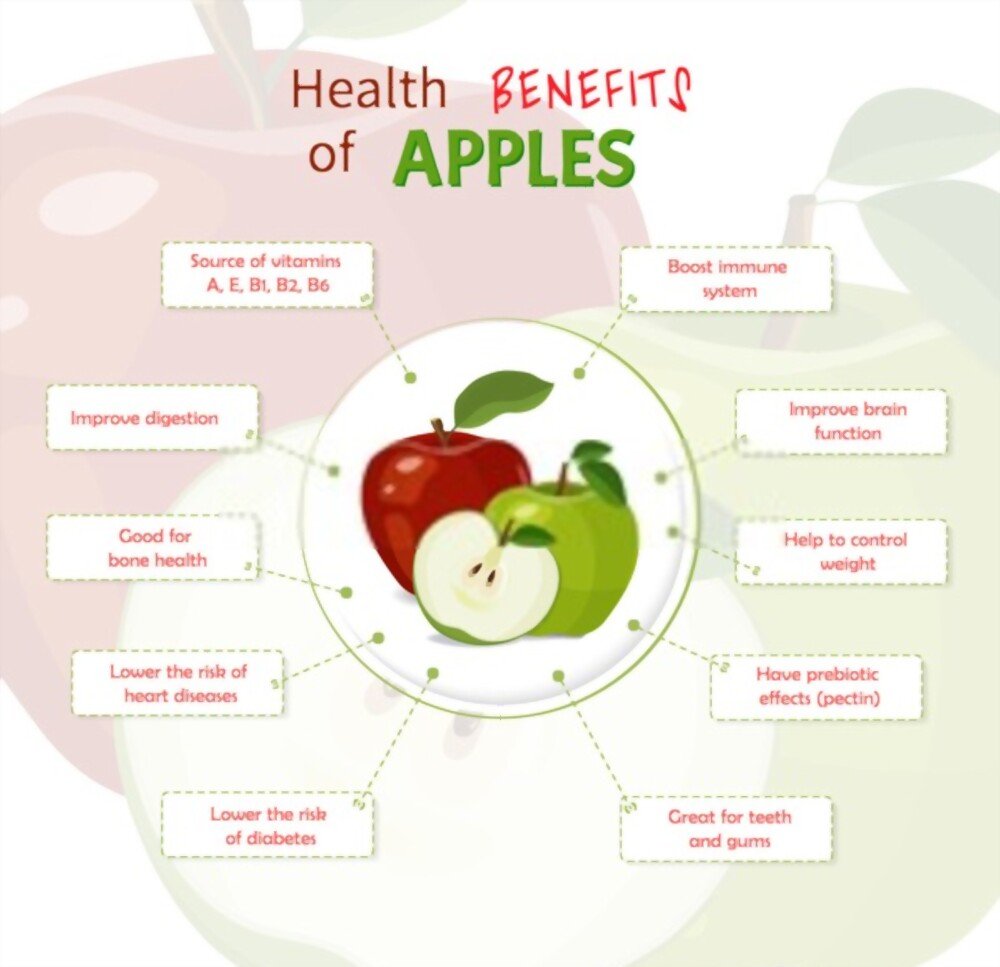
Studies have shown that apples may help reduce the risk of stroke, heart disease, and cancer. They may also help improve gut health and cognitive function. Overall, apples are a nutritious fruit that can offer many health benefits.
Boost Immunity
Who wouldn’t want a powerful immune system as autumn approaches? Do you know apples could be a booster for your immune system?
Studies found that a high-soluble-fiber diet promoted the differentiation of pro-inflammatory immune cells into anti-inflammatory, immune-supportive ones. However, more research is needed.
Moreover, vitamin C, found in apples, is known to help the immune system.
According to a review published in the journal Nutrients in November 201, vitamin C protects against environmental oxidative stress caused by pollution and radiation and helps the epithelial (a type of tissue) barrier against pathogens.
Heart Friendly
“An apple a day keeps a doctor away.” Well, you can say it about heart disease.
Do you know that eating an apple daily reduces the risk of heart disease?
Apples contain soluble fiber, which can reduce cholesterol levels in the blood. They may also provide polyphenols, which also help keep your heart healthy.
In addition, apples also contain Epicatechin, a flavonoid type with hypotensive effects.
A study showed that flavonoids might be connected to reduced stroke risk.
Additionally, they can aid in the prevention of heart disease by lowering blood pressure, decreasing LDL cholesterol oxidation, and slowing the development of atherosclerosis.
Gut Health Friendly
Apples are a good source of the prebiotic fiber pectin. This means the beneficial bacteria in your gut (the gut microbiota) will benefit by consuming apples.
Pectin, a type of dietary fiber you can’t digest, arrives at your colon undamaged and encourages the growth of beneficial bacteria. It boosts the ratio of Bacteroidetes to Firmicutes, the two main types of gut bacteria.
As you know, the microbiota in your digestive tract plays a significant role in your health and disease resistance.
Recent studies suggest that eating apples can help prevent chronic diseases like obesity, type 2 diabetes, cardiovascular disease, and cancer by positively influencing the gut microbiota.
Lowers Diabetic Risks
Apples have been shown to lower the risk of developing type 2 diabetes.
According to a meta-analysis of epidemiological studies, eating fruit like apples and pears has been linked to an 18% lower risk of developing type 2 diabetes. It has been suggested that consuming even one serving per week can reduce risk by 3%.
This beneficial effect may be due to the high levels of the antioxidant polyphenols quercetin and phloridzin in these foods. Phloridzin is thought to decrease intestinal sugar absorption, lowering blood sugar levels and the likelihood of developing diabetes.
Insulin resistance is a major contributor to the development of diabetes, but quercetin’s anti-inflammatory properties may help alleviate this problem.
Helps to Lose Weight
For weight loss, foods that fill you longer are vital. Fiber and water content in apples contribute to their filling nature.
One study found that compared to consuming the same amount of apple purée or juice, eating whole apples increased feelings of fullness for up to 4 hours longer. That’s because eating an entire apple slows your stomach’s emptying process.
In addition, studies show that eating apples can significantly lower Body Mass Index (BMI), a weight-related risk factor for cardiovascular disease.
It has been speculated that apple polyphenols can also help fight obesity.
Keep Your Brain Refreshed
The antioxidant effects of quercetin have been studied in rats. The results suggest it may protect the brain and nerves from oxidative damage and injuries that can lead to degenerative brain diseases like Alzheimer’s and dementia.
Furthermore, quercetin may protect against nerve damage caused by stress by controlling oxidative and inflammatory stress markers.
However, remember that most studies examine a specific compound instead of apples as a whole. Because of this, more study is required before we can make any conclusions.
FAQs
Is an apple alkaline or acidic?
An apple is an acidic fruit with a pH level of around 3.5. It is slightly less acidic than lemons and other citrus fruits but more acidic than bananas and grapes. It’s the malic acid that makes apples acidic.
This acid is also found in other fruits, such as pears and cherries. Malic acid is a type of organic acid used in many foods and drinks as a flavoring agent.
Are apples OK for acid reflux?
There is no definitive answer to this question as it depends on the individual. Some people find that apples help relieve their acid reflux symptoms, while others find that they worsen them. If you are unsure, it is best to speak to a doctor or dietitian who can advise you on what is best for you.
Are apples a low-acid fruit?
Yes, apples are low-acid fruit. This means that they have a pH level of 3.5 or lower. Apples are also a good source of fiber and antioxidants. Lemon and lime are more acidic than apples, with a pH value between 2 to 3.
Which fruit is least acidic?
Many fruits are low in acidity, including watermelon, cantaloupe, honeydew, mango, papaya, and pineapple. These fruits are all less acidic than other fruits, such as oranges, lemons, and grapefruits.
Conclusion
Apples are crunchy, sweet, tangy, and delicious fruits with several health benefits. However, when it comes to GERD, one common question is, Are apples acidic? Will it worsen your condition?
Apples are acidic; however lower in pH level, around 3.5. Green apples are more acidic than red apples. Due to this, eating green apples may affect your acid reflux. However, red apples are relatively safer.
But apples are nutrient-dense fruits that can help in several ways to promote long-term wellness and protect you against disease. So, you can add apples to your diet to be fit and healthy.
Related Posts



Subscribe for New Racipies
Get mental health tips, updates, and resources delivered to your inbox.
Is Almond Milk Acidic? Exploring Its Impact on Acid Reflux

Almond milk has become a popular alternative to dairy milk, thanks to its rich flavor, nutritional benefits, and suitability for various dietary restrictions. But if you’re managing acid reflux or concerned about food acidity, you might wonder: Is almond milk acidic? This article dives deep into almond milk’s acidity, its role in an acid reflux-friendly diet, and how it compares to other types of milk.
In this comprehensive guide, we’ll explore almond milk’s pH level, its effect on digestion, and its compatibility with those who experience acid reflux. Whether you’re looking for a dairy alternative or simply curious about its properties, this article provides everything you need to know about almond milk and its potential benefits.
Is Almond Milk Acidic or Alkaline?
Studies at The American College of Healthcare Science’s mentioned that Almond milk is considered alkaline-forming rather than acidic. While its pH level typically ranges from 6.0 to 8.4, depending on the brand and additives, almond milk’s overall effect on the body is alkalizing.
Why Almond Milk is Alkaline-Forming?
- Natural Composition: Almonds, the primary ingredient in almond milk, are inherently alkaline-forming.
- Low Acidity: Unlike dairy milk, almond milk lacks lactose, a sugar that can contribute to acidity.
- Fortified Nutrients: Most almond milk brands are fortified with calcium and vitamin D, supporting an alkaline balance in the body.
Almond Milk and Acid Reflux
Almond milk is often recommended for individuals with acid reflux. Its natural alkalinity helps neutralize stomach acid, reducing heartburn and discomfort. Here’s why almond milk is a go-to option for those managing GERD or acid reflux:
Benefits for Acid Reflux Sufferers
- Alkalizing Effect: Helps balance pH levels in the stomach.
- Low Fat Content: High-fat foods can exacerbate reflux, but almond milk is naturally low in fat.
- Lactose-Free: Unlike cow’s milk, almond milk doesn’t contain lactose, which can be difficult to digest for some people.
How to Use Almond Milk for Acid Reflux Relief?
- Add almond milk to smoothies with alkaline fruits like bananas.
- Use it as a base for oatmeal or cereals.
- Replace dairy milk in coffee or tea to reduce acidity.
Author Tip: Are Almond Milk Good for Acid Reflux?
Comparing Almond Milk to Other Milk Alternatives
When choosing milk for acid reflux, it’s essential to consider acidity levels and how each type of milk interacts with your digestive system. Below is a comparison of almond milk with other popular milk options:
| Type of Milk | pH Level | Effect on Acid Reflux |
| Almond Milk | 6.0–8.4 | Alkaline-forming; soothing for acid reflux |
| Cow’s Milk (Whole) | 6.5 | Neutral to slightly acidic; high-fat content can trigger reflux |
| Oat Milk | 6.0–7.0 | Neutral; may be suitable for acid reflux sufferers |
| Soy Milk | 7.0–8.0 | Neutral to slightly alkaline; can be reflux-friendly |
| Coconut Milk | 6.1–7.0 | Neutral; high-fat content may aggravate reflux |
Related to Read: Is Goat Milk Acidic?
Nutritional Benefits of Almond Milk
Almond milk is not only gentle on the stomach but also packed with essential nutrients:
| Nutrient | Amount per 1 Cup (240ml) | Health Benefit |
| Calcium | 450 mg | Strengthens bones |
| Vitamin D | 2.5 mcg | Supports immune function |
| Vitamin E | 7.5 mg | Acts as an antioxidant |
| Low Calories | 30–60 calories | Aids in weight management |
Tips for Choosing the Best Almond Milk
When buying almond milk, consider these tips to maximize its benefits for acid reflux:
- Choose Unsweetened Varieties: Avoid added sugars, which can contribute to acidity.
- Check for Fortification: Opt for brands fortified with calcium and vitamin D.
- Avoid Additives: Some almond milk contains preservatives or flavorings that may irritate the stomach.
Author Tip: 7-Day Meal Plan For Gastritis
FAQs About Almond Milk and Acidity
Is almond milk OK for acid reflux?
Yes, almond milk is an excellent option for acid reflux sufferers. Its alkaline properties help neutralize stomach acid, and its low-fat, lactose-free nature makes it easy to digest.
Does almond milk have high acidity?
No, almond milk does not have high acidity. It is slightly alkaline-forming and is considered one of the least acidic milk alternatives.
What kind of milk is the least acidic?
Almond milk and soy milk are among the least acidic milk options, making them ideal choices for individuals with acid reflux.
Is almond alkaline or acidic?
Almonds and almond milk are considered alkaline-forming. They help balance the body’s pH levels and are less likely to cause acid reflux.
Conclusion: Is Almond Milk a Good Choice for Acid Reflux?
Almond milk’s alkaline properties and low-fat content make it an excellent choice for managing acid reflux. Its nutritional benefits and versatility further enhance its appeal, whether used as a dairy substitute or consumed on its own. When choosing almond milk, opt for unsweetened, minimally processed varieties to maximize its positive impact on digestion and overall health.
By incorporating almond milk into your diet, you can enjoy a flavorful, reflux-friendly alternative that supports your digestive health.
Related Posts
Subscribe for New Racipies
Get mental health tips, updates, and resources delivered to your inbox.