
Are Blueberries Acidic? Blueberries for Acid Reflux(Good or Bad)

Medically reviewed by Lindsay Ewan, MD Updated Date: January 5, 2026
Blueberries are sweet and rich with nutrients. They are quite popular among people because of their wonderful taste. One cannot ignore blueberries’ numerous benefits that contribute to maintaining good health. Despite having all these good qualities, blueberries also have some downsides.
At this point, many people will ask, “Are blueberries acidic?”
Blueberries have a pH in the range of 4.0 to 5.0 which makes them slightly acidic. However, being an acidic fruit does not mean they are less healthy. It is important to note that acidic fruits can be an issue for those with acid reflux. However, when eaten in moderation, blueberries are unlikely to cause a problem, and they have significant health benefits that make them worth eating.
In this article, will learn some interesting facts about blueberries and also gather information about whether blueberries are bad for acid reflux or not. So, let’s get started.
Are Blueberries Acidic or Alkaline? An Analysis by the Experts!
Blueberries are acidic by nature but that doesn’t mean you can’t include them in your diet. Blueberries have a pH ranging from 4.0 to 5.0. By definition, anything with a pH under 7 is considered acidic, so blueberries are definitely acidic.

However, being acidic doesn’t make blueberries any less healthy. There are a wide range of health benefits from eating blueberries. Let’s get into the details!
Let’s have a look at an analysis of the contents of blueberries, so you can see for yourself. Here is a table showing below the total percentage or acidic amount of content in blueberries.
Table 1 shows the breakdown of the different types of acids within blueberries. As you can see, the primary acid is citric acid.
| Acidic Content in Blueberries | Amount |
| Citric Acid | 77 to 87% |
| Quinic & Malic Acids | 4 to 11 % |
| Succinic, tartaric and shikimic Acids | Very minimal to mention |
The above analysis of acids within blueberries demonstrates that the primary acid in blueberries is citric acid, and this is the primary reason that blueberries are an acidic food.
Table 2 below shows the breakdown of nutritional components found in blueberries, including protein, vitamins, and other nutrients.
| Nutrition | Amount per cup |
| Energy | 80 calories |
| Protein | 1.1 grams |
| Carbs | 21.5 grams |
| Sugar | 14.7 grams |
| Fiber | 3.6 grams |
| Fat | 0.49 grams |
| Manganese | 25% of RDI |
| Vitamin K | 36% of RDI |
| Vitamin C | 24 % of RDI |
Blueberries are a low calorie food that is rich in vitamins E, A, and K. They also have a significant amount of water, which helps with hydration. They have a significant amount of fiber, and also a small amount of protein and fat.
Fun fact: Blueberries are also called “Star Fruits” by North Americans because of the five pointed shape which forms at the blossom end of the berry.
Are Blueberries Good for Acid Reflux?
This is a frequently asked question! Eating an excessive amount of acidic foods can definitely exacerbate acid reflux, or gastroesophageal reflux disease (GERD). If you suffer from either of these conditions, it is wise to limit your consumption of acidic foods.
However, one should not completely eliminate a food like blueberries simply on the basis of its acidity. Obviously, blueberries, like any food, can be harmful to one’s health if consumed in excessive amounts.
However, as discussed above, they are great sources of fiber and several vitamins, which can contribute to a healthy digestive system and overall good health.
The best approach is to observe how your body reacts when you consume something, and proceed accordingly. The amount of blueberries one can consume without triggering reflux varies from person to person. It depends on how prone you are to reflux.
Is Blueberry Juice Bad for Acid Reflux or Not?
Blueberry juice lacks the fruit’s fiber, but otherwise has the same nutritional content as whole blueberries. That is, blueberry juice is also somewhat acidic. Since fiber is beneficial for health, and can actually decrease reflux. Thus, from an acid reflux standpoint, blueberry juice is worse than whole blueberries.
As mentioned above, blueberries contain sugar, which can be difficult to digest. If not digested fully, sugar can be a cause of increased stomach acid, which can exacerbate acid reflux. This is clearly a negative consequence since this causes heartburn and can cause other conditions.
Is It Bad to Consume Blueberry Jam if I Have Acid Reflux?
Blueberry jam is less acidic than whole blueberries, but that does not mean that blueberry jam is a healthy food!
It is not recommended to consume large quantities of commercially prepared jam because of the amount of sugar in it. Naturally prepared jams are better, because they are less processed, and some people feel this is easier on their stomach.
Related Article: Are Strawberries Acidic? Do They Cause Acid Reflux?
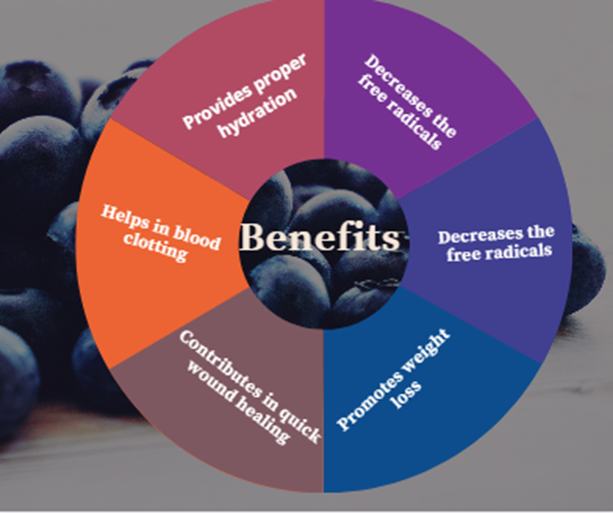
5 Reasons That You Should Add Blueberries in Your Diet
From a health perspective, blueberries are a blessing because they are considered a low-calorie food since they contain just 84 calories per cup. They are almost fat-free. Since fat can exacerbate GERD, this is a benefit also.
Additionally, from a vitamin perspective, they are rich in vitamin K which is essential for good health. These are some of the amazing benefits of blueberries.
Blueberries Promote Healthy Bones
Blueberries contain a good amount of iron, calcium, phosphorus and other nutrients, all of which help in building, maintaining, and strengthening bones. They also promote calcium absorption.
Blueberries Promote Skin Health
Collagen is one of the most important elements in skin health. Collagen helps prevent skin damage by maintaining skin’s elasticity. Blueberries contain vitamin C which is essential in collagen formation. Antioxidants in blueberries also prevent skin damage from smoke, pollution, and UV rays.
Lower the Blood Pressure
Since blueberries are free of sodium, they are relatively good for the blood pressure. They contain potassium, magnesium and calcium, which are elements that help reduce blood pressure.
Good for Heart
Blueberries are rich in fiber, potassium and Vitamin C, which are good for the health of the heart. Additionally, fiber helps decrease the cholesterol level in the blood, which reduces the risk of heart disease.
Prevents Cancer
Blueberries are considered a “superfood.” Part of the reason for this is that they have very high levels of powerful antioxidants. Blueberries therefore help in reducing the inflammation, and help rid the body of free radicals, which can prevent conditions like sun damage and cancer.
Blueberries Vs Blackberries: which one should I go for?
Usually, all types of berries are considered a good source of fiber and micronutrients.
However, these two berries have more value if you make them a part of your diet because they are particularly good at preventing various kinds of diseases such as inflammation and cancer.
If you want to compare the benefits of each, here is a detailed comparison. Let’s have a look at it.
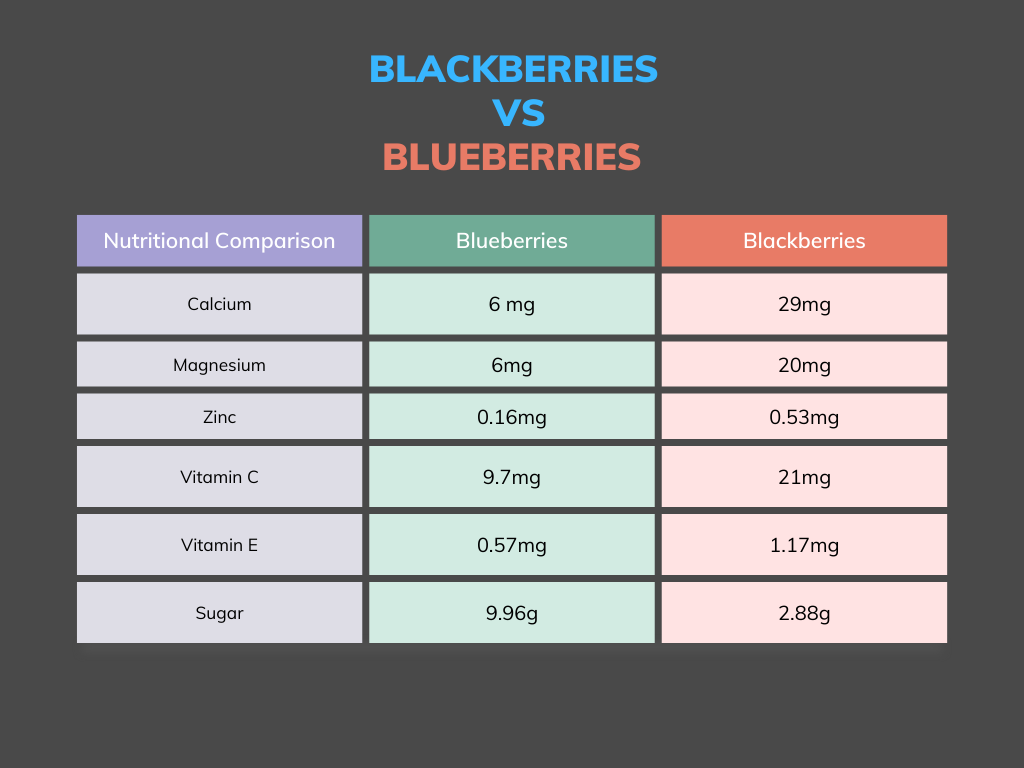
This analysis demonstrates that both fruits contain significant levels of nutrients. The choice of the healthiest berry may seem difficult. I personally suggest blueberries for the people who have blood pressure problems.
Since blueberries are higher in sugar, they may not be the optimal choice for people suffering from diabetes. Blackberries would be a better choice since they are lower in sugar.
Related Article: Are Cherries Acidic? Cherries and GERD [Good or Bad]
FAQs
Do Blueberries Exacerbate Acid Reflux?
Blueberries can cause acid reflux. However, they will not cause acid reflux in all people. Different people are more or less susceptible to acid reflux. Some people can consume blueberries, and not suffer any acid reflux.
But others may have symptoms from eating just a small amount of blueberries. It is important to consult your own physician before making significant changes to your diet.
How Much Acids in Blueberries?
They contain about 1-2% acid, and have an average pH of 4.0 to 5.0. These berries aren’t very acidic because of their antioxidant nature. However, this does not mean that one should eat an excessive amount of them.
Which Fruit Contains the Low Acidic Content?
There is a wide range of fruits that are low in acid, including:
- Olives
- Black
- Honeydew melon
- Dates
- Ripe mangoes
- Avocados
These fruits are very low in acid content, and can be readily consumed by people who are prone to acid reflux.
Are Blueberries Too Acidic for Babies?
As we have discussed, blueberries are acidic. Some babies may be sensitive to this.
Of note, since whole blueberries are round, they are considered a choking hazard for babies and young children, so one should take caution when feeding them to those individuals.
In general, blueberries are not too acidic for babies, but if you notice that the baby becomes irritable, it may be wise to decrease his or her intake of acidic foods.
Are Wild Blueberries Acidic?
Wild blueberries are the lowest of all blueberries in acidic content. They have a pH ranging from 4.2 to 5.0. Wild blueberries are the preferred choice of dietitians because of their high quality, vitamin C content, mineral content, and antioxidants.
Conclusion
Blueberries contain a huge amount of nutrients such as vitamins, protein, fiber and many others. They are acidic by nature, which means that some people may be sensitive to them when eaten in large amounts.
However, eating blueberries in moderation has significant health benefits. You should consider consuming them as long as your body seems to tolerate them well.
Related Posts



Subscribe for New Racipies
Get mental health tips, updates, and resources delivered to your inbox.
Are Pineapple Juices Acidic? Pineapple Juice and Acid Reflux


Pineapple juice is a popular beverage, loved for its refreshing taste and health benefits. But have you ever wondered if it’s acidic? The answer is yes—pineapple juice is acidic, with a pH level of about 3-4. This means it falls on the acidic side of the pH scale, which ranges from 0 (highly acidic) to 14 (highly alkaline).
While it contains beneficial compounds like bromelain and Vitamin C, its acidity raises some concerns, especially for individuals prone to acid reflux. Bromelain, a natural enzyme in pineapple, aids digestion but can irritate sensitive stomachs when consumed in excess. Understanding the balance between its benefits and potential risks is key to enjoying pineapple juice without discomfort.
In this article, we’ll explore why pineapple juice is acidic, its health benefits, and how to enjoy it safely. Whether you love pineapple juice or are curious about its effects on acid reflux, we’ve got you covered. Let’s dive in.
What Makes Pineapple Juice Acidic?
The pH Level of Pineapple Juice
The acidity of pineapple juice comes from its natural pH level, which typically ranges between 3 and 4. This low pH indicates a high concentration of hydrogen ions, making it acidic. The tangy taste of pineapple juice is a direct result of this acidity.
Acids Present in Pineapple Juice
The primary acids in pineapple juice are citric acid and malic acid. Citric acid is commonly found in citrus fruits and contributes to the tartness of the juice. Malic acid adds a slightly sour note and is also found in apples and grapes. Together, these acids give pineapple juice its characteristic flavor and acidity.
Comparison with Other Acidic Beverages
When compared to other acidic drinks like orange juice (pH 3.3-4.2) or lemonade (pH 2-3), pineapple juice sits comfortably within the acidic range. However, it is less acidic than lemon juice but more so than apple juice (pH 3.3-4.0). This moderate acidity can be tolerable for some but may pose challenges for those with sensitive stomachs.
The Role of Bromelain in Digestion
What is Bromelain?
Bromelain is a group of enzymes found in pineapple. It helps break down proteins into smaller peptides and amino acids, making it easier for your body to digest. This enzyme is unique to pineapples and is concentrated in both the fruit and its juice.
Benefits of Bromelain
Bromelain has anti-inflammatory properties that can soothe digestive discomfort. It may also reduce bloating and aid in nutrient absorption. Many people use bromelain supplements to manage conditions like osteoarthritis or sinusitis, highlighting its versatility as a natural remedy.
Bromelain and Acid Reflux
While bromelain is beneficial, it’s not without risks. Its digestive enzymes can irritate the stomach lining in people with acid reflux or GERD (Gastroesophageal Reflux Disease). This irritation may lead to symptoms like heartburn, especially when consuming undiluted pineapple juice. Moderation is essential to avoid triggering discomfort.
Pineapple Juice and Acid Reflux
Is Pineapple Juice Bad for Acid Reflux?
Acidic foods and beverages, like pineapple juice, can aggravate acid reflux symptoms in some individuals. The acidity can irritate the esophagus, leading to a burning sensation. If you have GERD or frequent acid reflux, drinking pineapple juice might not be the best choice.
Different Responses in Individuals
Not everyone reacts to pineapple juice in the same way. Some people tolerate small amounts without issues, while others experience immediate discomfort. Those without GERD may enjoy pineapple juice without any symptoms. It’s all about knowing your body’s tolerance.
The Impact of Acidic Foods on Reflux
When acidic foods are consumed, they can relax the lower esophageal sphincter (LES), a muscle that prevents stomach acid from entering the esophagus. When this happens, acid reflux symptoms like heartburn, regurgitation, and bloating may occur. Pineapple juice, due to its acidity, is one such potential trigger.
Health Benefits of Pineapple Juice
Despite its acidity, pineapple juice has several health benefits:
- Rich in Vitamin C: Pineapple juice is an excellent source of Vitamin C, which supports the immune system and promotes healthy skin.
- High in Manganese: This mineral is essential for bone health and energy production.
- Anti-Inflammatory Effects: Bromelain helps reduce inflammation, making it useful for conditions like arthritis and post-surgery recovery.
However, for those prone to heartburn, these benefits may come at a cost. While bromelain can aid digestion, the juice’s acidity might counteract this advantage in sensitive individuals.
Pineapple Juice vs. Alkaline Diets
Can Pineapple Juice Fit in an Alkaline Diet?
The alkaline diet emphasizes consuming foods that reduce the body’s acidity. While pineapple juice is acidic, its metabolic effect on the body may vary. Some proponents argue that certain acidic foods leave an “alkaline ash” after digestion, which could make them compatible with the diet. However, scientific evidence on this is limited.
Debunking Myths About Alkaline Foods
The idea that acidic foods cause the body to become more acidic is a common misconception. The body tightly regulates blood pH, regardless of diet. Therefore, while pineapple juice is acidic, it won’t significantly impact your body’s overall pH balance.
Author Tip: 7 Kinds of Foods to Avoid with Gerd: A Complete Guide!
How to Enjoy Pineapple Juice Safely?
For those who love pineapple juice but worry about acid reflux, here are some tips to enjoy it without discomfort:
- Dilute It: Mixing pineapple juice with water reduces its acidity and makes it gentler on your stomach.
- Pair It with Food: Eating pineapple juice with less acidic foods can help balance its effects.
- Drink in Moderation: A small glass is better than a large one. Overconsumption increases the risk of reflux.
- Choose Fresh Juice: Freshly squeezed juice is less likely to contain added sugars, which can worsen reflux symptoms.
FAQs
Is pineapple juice acidic or alkaline?
Pineapple juice is acidic, with a pH level typically between 3 and 4. This low pH places it on the acidic side of the scale, where 0 is highly acidic, 7 is neutral, and 14 is highly alkaline. The acidity comes primarily from citric acid and malic acid, natural compounds that give pineapple juice its characteristic tangy flavor. While this acidity makes it refreshing and flavorful, it also means the juice can irritate the digestive tract in individuals with conditions like acid reflux or GERD. Understanding its acidic nature can help you determine how it fits into your diet.
Can pineapple juice help with acid reflux?
Pineapple juice has a complex relationship with acid reflux. On one hand, it contains bromelain, an enzyme that aids digestion and can reduce inflammation in the digestive tract. For some people, this can ease mild indigestion. However, its acidic nature often outweighs these benefits for those prone to reflux. The acidity can irritate the esophagus and trigger symptoms like heartburn, especially if consumed on an empty stomach or in large quantities. If you’re considering using pineapple juice for digestive health, start with small amounts and monitor your body’s response. Diluting the juice with water may also help reduce its potential to worsen acid reflux.
How does bromelain in pineapple juice affect digestion?
Bromelain, a natural enzyme found in pineapple, plays a key role in its digestive benefits. It helps break down proteins into simpler components, making them easier to digest. This property can be particularly helpful after consuming protein-rich meals. Additionally, bromelain has anti-inflammatory effects, which can soothe minor digestive discomfort and reduce bloating.
However, there’s a downside. For individuals with sensitive stomachs or acid reflux, bromelain’s activity, combined with the acidity of pineapple juice, can sometimes irritate the stomach lining. Overconsumption of pineapple juice may lead to discomfort, such as burning sensations or mild gastritis. To harness bromelain’s benefits without adverse effects, enjoy pineapple juice in moderation and avoid drinking it on an empty stomach.
Is pineapple juice good for GERD patients?
Pineapple juice is generally not recommended for GERD (Gastroesophageal Reflux Disease) patients due to its high acidity. GERD is a condition where stomach acid frequently flows back into the esophagus, causing irritation and discomfort. Acidic foods and beverages, like pineapple juice, can exacerbate these symptoms by relaxing the lower esophageal sphincter (LES) and increasing acid exposure in the esophagus.
That said, not all GERD patients react the same way. Some may tolerate small amounts of diluted pineapple juice without issues. If you want to include pineapple juice in your diet, start with a heavily diluted version (mixing one part juice with two or three parts water) and observe how your body reacts. Always consult your doctor or a dietitian for personalized dietary advice if you have GERD.
What are alternative juices for acid reflux?
If you experience acid reflux, you may need to avoid acidic juices like pineapple juice. Fortunately, there are several low-acid options that can provide hydration and nutrition without triggering reflux symptoms.
- Aloe Vera Juice: Known for its soothing properties, aloe vera juice can help calm the stomach and reduce irritation in the digestive tract.
- Coconut Water: Naturally low in acidity, coconut water is a hydrating choice that’s gentle on the stomach.
- Watermelon Juice: This sweet and refreshing juice has a high water content and low acidity, making it ideal for people prone to acid reflux.
- Cucumber Juice: Mild and alkaline, cucumber juice is another excellent option for those avoiding acidic beverages.
- Pear Juice: Slightly sweet and low in acidity, pear juice is often recommended for sensitive stomachs.
Incorporating these alternatives can help you maintain variety in your diet while minimizing the risk of triggering reflux symptoms.
Conclusion
Enjoying pineapple juice doesn’t have to be off-limits, even if you have a sensitive stomach. By consuming it in moderation, diluting it, or pairing it with low-acid foods, you can reduce its potential for irritation. Listening to your body is crucial—everyone reacts differently, so understanding your personal tolerance is the best way to include pineapple juice in your diet without discomfort.
For those with severe reflux, exploring alternative juices like aloe vera, coconut water, or watermelon juice might be a better choice. These options provide hydration and nutrition without the acidic punch. Whether you’re sipping pineapple juice or trying alternatives, the key to enjoying your beverages lies in mindful consumption and balance.
Related Posts
Subscribe for New Racipies
Get mental health tips, updates, and resources delivered to your inbox.