
Are Falafels Healthy? Tasty & Nutritious Chickpea Bites!

Medically reviewed by Christiana George Updated Date: January 5, 2026

Falafels? Or do you call it vegan kebab patties?
Well, whatever you debate over the scrumptious flavorful Middle Eastern delicacy is worth drooling over. All these vegan patties contain chickpeas/ fava beans, some flour, garlic, onion, and spices.
Still, the question may arise- are falafels healthy?
Falafels are rich in unsaturated (good) fat but low in saturated (bad) fat and have zero cholesterol as a vegan option. The chickpeas/ fava beans in falafel are rich in protein, iron, copper, folate, manganese, and fiber. But, falafel patties are deep-fried, which may increase their calorie count.
Since this Middle Eastern street food has been increasingly gaining popularity as a main dish or starter in Europe and North American cuisines, it is essential to know its positive and negative effects on health.
Nutritional Chart of 1 Falafel Patty
One falafel patty, or 20 grams of falafel, contains the following nutritional value.
| Nutrients | Amount | % Daily Value* (DV) |
| Calories | 83 | |
| Total Fat | 7.3 g | 9% of DV |
| Saturated Fat | 0.5g | 2% of DV |
| Cholesterol | 0 g | 0 % of DV |
| Sodium | 30 mg | 1% of DV |
| Total carbs | 3.7 g | 1% of DV |
| Dietary Fiber | 0.9g | 3% of DV |
| Protein | 1.1 g | |
| Potassium | 39.3 mg | 1% of DV |
| Iron | 1% | |
| Manganese | 6% | |
| Copper | 5% | |
| Folate | 5% of DV | |
| Vitamin B6 | 18% of DV | |
| Vitamin C. | 2.3% of DV |
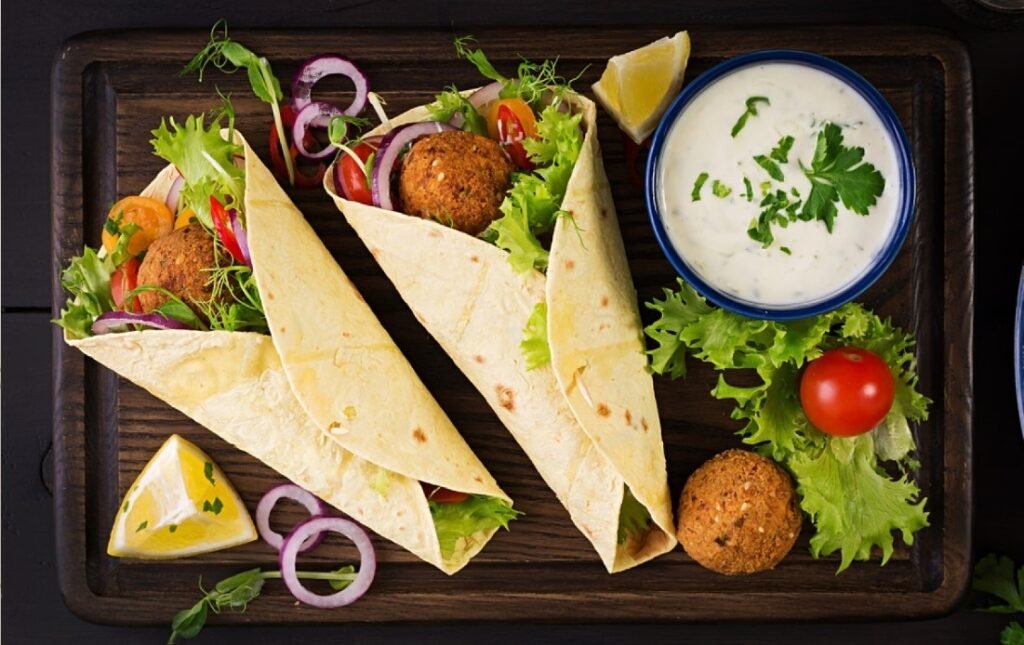
One of the best things about falafel is the predominance of monounsaturated fat vs saturated fat. This ratio and zero cholesterol make it an excellent vegan option for active but health-conscious individuals.
High protein and complex carbs make it an energy-boosting food for almost any activity. Iron, manganese, copper, folate, Vitamin B6, and C are bonuses for stronger immunity, brain function, and metabolism. The only concern is the high sodium that may trigger issues like high blood pressure.
Related Article: Are Honey Bunches of Oats Healthy? Truth Revealed!
Are Falafels Healthy? 4 Factors Make Them Healthy
If you are an avid lover of meatballs, I would suggest you give up on that and introduce falafels to your plate. Here are some ways falafels are healthy; that will make it love more.
Fact 1 of 4: Easy on Your Stomach
Falafels are delicious, healthy, and filling. Since their primary ingredient is chickpeas or fava beans, you get a substantial amount of fiber from them. And we all know how important fiber is for better digestion and easy bowel movement!
You can keep constipation at bay by including falafel in your meal. Besides, a study suggested that regular consumption of chickpeas can promote intestinal health.
Is Falafel Good For Weight Loss?
Yes, falafel can be a good option for weight loss when consumed as part of a well-balanced diet and in moderation. Falafel is typically made from ground chickpeas or fava beans, which are high in protein and fiber, and can help keep you feeling full and satisfied, which may aid in weight loss efforts.
However, it’s important to note that the way falafel is prepared and consumed can greatly impact its healthiness for weight loss. Traditional deep-fried falafel can be high in calories and fat, which can contribute to weight gain if consumed in excess. To make falafel a healthier option for weight loss, consider baking or air-frying them instead of deep frying to reduce the amount of added fat.
Fact 2 of 4: Rich in Unsaturated Fats than Saturated Fat
Falafels are rich in monounsaturated and polyunsaturated fats, which benefit cardiovascular health. All thanks to the chickpeas used here.
Is Falafel Good For Cholesterol?
Unsaturated fats in falafels help to increase good cholesterol and lower bad cholesterol. As a result, you can avoid any potential heart disease. Plus, the amount of unhealthy fat is significantly lower than the good ones, preventing weight gain.
Fact 3 of 4: Get All Your Protein Here
Chickpeas and fava beans are rich sources of protein, plus you aren’t getting any fat or cholesterol in return- unlike meats.
Is Falafel High In Protein?
Falafels are one of the most healthy protein-based snacks. A single patty of falafel has 1.2 grams of protein. So if you have one serving of it (4-5 patties), you get 25% of your daily protein requirement. How cool is that?
Also, adding fava beans to your falafel gives you a massive iron boost. Iron is an important micronutrient for our immunity that we often overlook.
Fact 4 of 4: Filling Snack with Low Calories
If you are feeling hungry in the middle of the day, falafels can be the snack to fill you up without adding many calories. The rich protein and fiber can keep you filled till dinner.
If you are watching your weight, you can try keeping a few patties of falafels in your evening snack regime.
Related Article: Are Quesadillas Healthy? [5 Surprising Reasons]
Is Falafel or Chicken Healthier?
If you’re following a plant-based diet, falafel would be a healthier choice. On the other hand, skinless grilled or baked chicken may be a better choice if you’re looking for a low-carb, high-protein option.
Let’s compare some general nutritional aspects of falafel and chicken to understand their health benefits better.
Falafel
- Vegetarian/vegan-friendly
- Made from chickpeas or fava beans, which are high in fiber and protein
- Provides essential vitamins and minerals such as iron, folate, and magnesium
- Often deep-fried, which increases fat and calorie content
Chicken (specifically skinless, grilled or baked)
- High in lean protein, which helps build and repair muscle tissue
- Contains essential vitamins and minerals such as B vitamins, selenium, and phosphorus
- Low in saturated fat and calories when compared to fried or processed versions
What Makes Falafels Unhealthy?
Traditionally, falafels are deep-fried in oil, which makes them unhealthy. Eating them at restaurants or on the streets is more likely unhealthy because they are fried in hydrogenated oil high in saturated fats and cholesterol. Despite being made from healthy ingredients- it is what makes them unhealthy.
As a result, falafel lovers across the globe suffer from gastric, heartburn, or constipation as short-term issues. Whereas eating every day can lead to the buildup of unhealthy fats in the body leading to high cholesterol and weight gain.
So, if you wish to eat falafels every day as a meal, make them at home. Whereas consuming them outside should be an occasional thing.
Related Article: Are Burgers Healthy? 6 Tips to Turn Burgers Healthier
Healthier Ways to Make Falafel
Since falafels are deep-fried, you can make them more nutritious by baking them on a baking sheet lined with parchment paper or foil. A falafel patty has 83 calories, whereas oil contributes about 17 calories.
So, if you bake them instead of deep drying them, you can cut down a lot of unhealthy fats and calories from the falafel. Also, they’ll taste great without a lot of fat.
Airfrying falafel will give you a similar healthy outcome by reducing the calories. There will be no additional oil in the air fryer, so you don’t have to worry about weight gain or cholesterol.
Or, if you want to keep up with the traditional method of deep frying, substitute regular frying oil with cooking oils like coconut, olive, or avocado oil.
Traditionally, falafels are made with ground chickpeas and fava beans bound with flour and mixed with spices and herbs. So, there isn’t any ‘unhealthy’ ingredient to swap.
But if you want to add an extra protein punch, try adding some lentils. Instead of flour, you can add corn starch for gluten-free and a low-carb binder.
Also, if chickpeas irritate your stomach, you can replace them with cauliflower. Cauliflower has a similar texture when ground and provides additional nutrients like vitamins C, K, and folate.
Related Article: Are Fish Sticks Healthy – 10 Healthy And Unhealthy Facts
Healthy Ways to Eat Falafels: When & How To Eat
Falafels are delicious little balls of fried goodness that can be stuffed into pitas, eaten as sandwiches, used in salads, or added to rice dishes. You can have them as an appetizer or snack or as the main ingredient in wraps and burgers, an alternative to unhealthy meat fillings.
If you enjoy falafels in restaurants, limit yourself to 2 to 3 patties occasionally. However, if it’s homemade or, even better, baked, you might be able to get away with 1 or 2 more because they’ll be less greasy than fried ones.
Ensure you avoid eating them late at night. When you’re hungry and want something quick to eat, falafels can be a bad choice. Although they are packed with good-for-you fats, calories can add up when you have too many at a time leading to weight gain and other problems.
Related Article: Are Burritos Healthy? [Benefits and Risks]
Who Should Avoid Falafels
However, falafel is healthy for most; several people may consider it second.
Keto dieters
You may wonder what the harmless falafels have to do with keto dieters. If you ask, “are falafels keto” the answer is no, it’s not. One of the main ingredients in falafels is white flour, used as a binder, providing most of the carb content of the delicacy.
Also, legumes like chickpeas and fava beans used in falafels are a rich source of carbs, which is a big no-no for keto dieters.
Irritable Bowel Syndrome
If you have IBS (irritable bowel syndrome), legumes like chickpeas can further trigger the digestive condition.
Related Article: Are Crackers Healthy? Should you avoid or eat crackers
FAQs
Is Falafel Healthy for Weight Loss?
Falafel can be a healthy option for weight loss when consumed as part of a well-balanced diet and in moderation. While falafels are typically made from ground chickpeas or fava beans, which are high in protein and fiber, they are also usually deep-fried, which can increase their calorie and fat content.
To make falafel healthier for weight loss, consider baking or air-frying them instead of deep frying. Additionally, portion control is important, as eating too many falafels, even if they are baked, can still contribute to weight gain. Pairing falafels with plenty of vegetables and choosing whole grain options for wraps or pita bread can also make them a more nutritious choice.
Are Baked Falafels Healthy?
Yes, baked falafels can be a healthy option. Baking falafels reduces the amount of added fat compared to deep frying, making them lower in calories and fat. They are still a good source of plant-based protein and fiber from chickpeas or fava beans. Pairing baked falafels with plenty of vegetables and whole grains can make them a nutritious choice for a balanced meal.
Can I eat falafel everyday?
While falafel can be a delicious and nutritious addition to a balanced diet, it’s not recommended to eat falafel every day. Falafels are typically fried or baked patties made from ground chickpeas or fava beans, which can be high in calories and fat. Eating falafels in moderation as part of a well-rounded meal plan is recommended.
Are falafels healthier than meat?
Falafels can be a healthier alternative to meat for those who follow a plant-based or vegetarian diet. They are generally lower in saturated fat and cholesterol compared to meat-based options. However, it’s important to note that the nutritional content of falafels can vary depending on how they are prepared and cooked.
Is falafel high in carbs?
Yes, falafel can be relatively high in carbs due to its main ingredient, chickpeas or fava beans, which are naturally high in carbohydrates. However, the specific amount of carbs in falafel can vary depending on the recipe and serving size. It’s important to consider portion sizes and balance it with other foods in your diet if you are watching your carbohydrate intake.
Is falafel a Superfood?
Falafel is not typically considered a superfood. While it can be a good source of plant-based protein, fiber, and various vitamins and minerals, it doesn’t have the same nutrient density as some other superfoods like kale, spinach, or quinoa. It’s important to consume a variety of foods as part of a balanced diet for overall health and well-being.
Final Thought – So Are Falafels healthy?
Well, you can make falafel a part of your meal, considering you are making them at home at self-inspection. These little patty balls are much healthier than much so-called healthy food. The best part is that they are filled with more good than bad, positively impacting your overall health.
However, try avoiding the store-bought deep-fried ones and opt for a healthier version – homemade or baked to get the full benefits.
Related Posts




Subscribe for New Racipies
Get mental health tips, updates, and resources delivered to your inbox.
11 Effective Homemade Drinks That Burn Fat While Sleeping

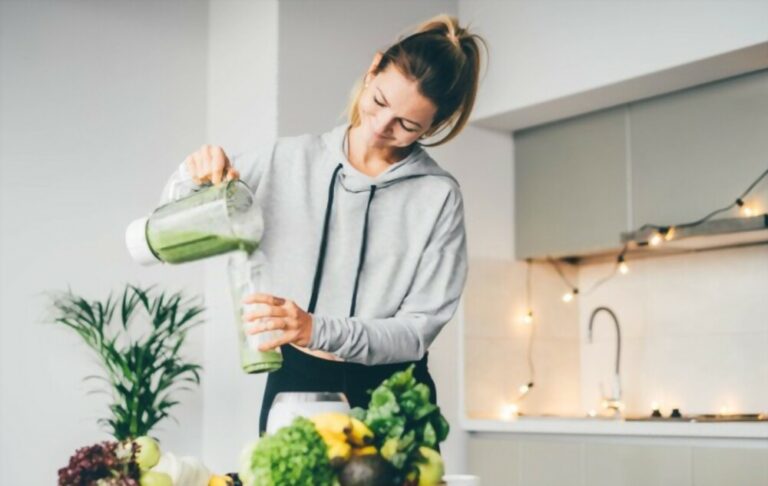
Indeed, there are a number of fat-burning supplements and beverages that are supposed to aid weight loss overnight, but most of them hardly help in melting those extra pounds. However, homemade drinks that burn fat while sleeping are safe and more effective than market fat-burning beverages.
So, what are the strongest, best, and miracle weight loss drink recipes?
Normally, there are some naturally occurring herbs, spices, fruits, and foods that act as fat burners, for instance, apple, cinnamon, lemon, chia seeds, and green veggies have significant anti-inflammatory and weight loss properties.
Using these ingredients in your natural homemade fat-burn drinks helps in reducing the fat even when you are doing nothing (sleeping or at rest).
Here we have compiled the 11 best and most effective homemade weight loss beverage recipes for faster and healthier weight management.
Homemade Drinks That Burn Fat While Sleeping
| Drink Name | Ingredients | No of Calorie | Best time to take |
| Chamomile And Cinnamon Tea | Chamomile flowers, cinnamon stick or powder, water, and honey | 0 | Throughout the day (preferably between the meals), Before bedtime |
| Protein Water | Water + Protein powder | 70 calories per 16-ounce | Anytime in the day, and night, post-workout |
| Greek Yogurt Protein Shake | Greek yogurt, milk, banana, peanut butter, leafy green veggies (optional), ice cubes | 140 | On the empty stomach (in the morning), before bedtime |
| Ginger, Lemon, Green Smoothie | Ginger, lemon juice, parsley, apple cider vinegar, cinnamon | Inputs vary depending on the recipe | On the empty stomach (in the morning), before bedtime |
| Hot Water With Lemon And Honey | Water, lemon, and honey | 16 | Between the meals, at night (after last meal) |
| Lemon Ginger Fat-Burning Drink | Lemon grin, lemon juice, ginger, water, honey, pepper (optional) | 4 | Bedtime tea |
| Apple Cider Vinegar Drink | ACV, water, honey (for better taste) | 3 | Between meals, before going to sleep |
| Cucumber, Lemon, And Mint Detox Water | Cucumber slices, lemon or lime slices, mint leaves, water | 2 | Throughout the day and night |
| DIY Fat Burning Drink | Cucumber, green apple, ginger, spinach, lemon juice, water | 110 | In the morning on an empty stomach, at night |
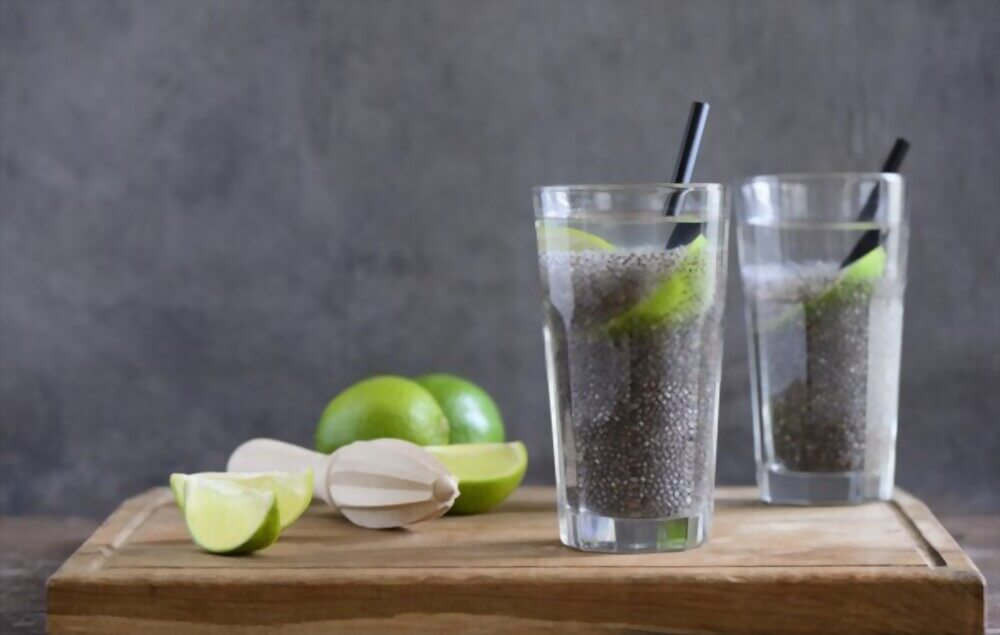
| Chia Lemonade | Chia seeds, lemon, water, honey (for flavor) | 40 | Before bedtime |
| Green tea with mint and lemon | Green tea leaves, mint , lemon and water | 2 | Throughout the day |
1. Chamomile and Cinnamon Tea
Chamomile and cinnamon-infused tea or plain herbal tea are superb detox drinks for fat burning. It is generally high in powerful antioxidants, flavonoids, essential minerals, and nutrients that are beneficially helpful for weight loss and maintaining overall health.
Cinnamon extract is naturally high in antioxidants, microbicidal, and anti-inflammatory properties which make it an excellent drink to boost the metabolism and generate heat from the stubborn fat areas.

Moreover, chamomile tea helps remove the toxin chemicals and excess water cells. Drinking it before bedtime improves sleep quality, and you lose weight.
How to Make?
For making cinnamon chamomile tea, add 3 to 4 chamomile flowers or 1 tea bag in boiling water. Add 1 cinnamon stick or 1 tablespoon of cinnamon powder to the kettle.
Let it steep for 15 minutes. Next, strain the tea, add honey and drink it hot before bedtime.
2. Protein Water ( Simple Homemade Drinks to Lose Belly Fat in a Week)
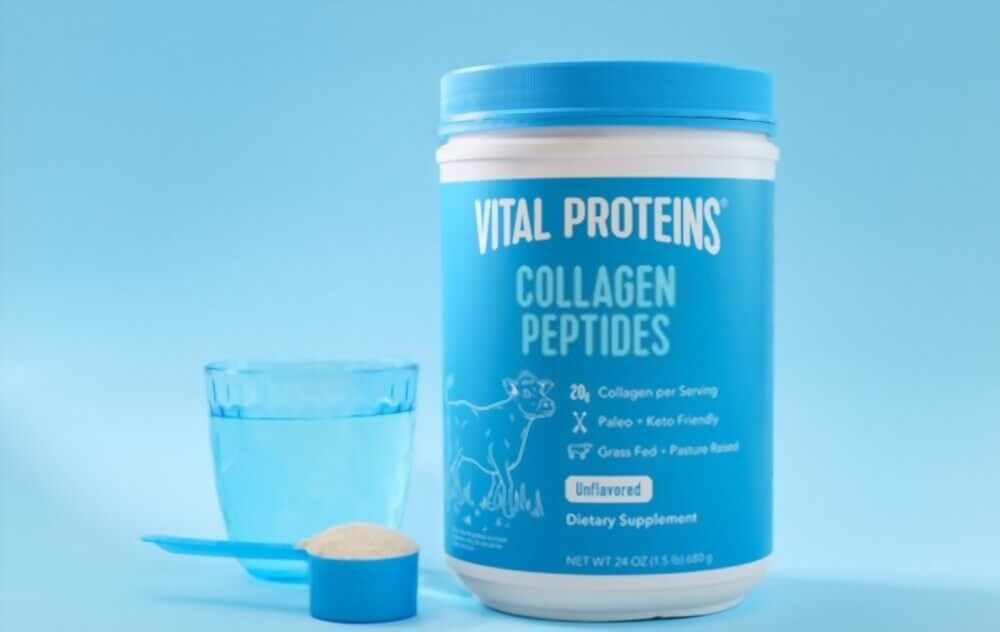
Unlike sparkling and detox water, drinking protein water helps greatly in getting a flat tummy. As it is incredibly rich in protein content which promotes muscle building while trimming the extra fat, therefore, it helps greatly in getting a lean body within weeks.
How To Make?
Mostly you can find protein water in the superstores, however, most of them contain stimulants, additives, or additional sugar which may hinder you from losing weight. It may also cause some side effects.
To make protein water at home, you can mix your favorite natural protein powder in mineral water and mix it finely. You can use collagen, whey, or any other available protein powder best for lean muscles.
3. Greek Yogurt Protein Shake
Greek yogurt protein shake is another best bedtime drink to lose belly fat overnight. This tasty smoothie beverage helps in the building and recovery of muscle protein.
Consequently, it helps in the continuous burning of calories which leads to fat burning while you are doing nothing.
Greek yogurt protein shakes provide you with a steady and effective dose of amino acids, which constantly burn fat from problematic areas.

How to Make?
For making a Greek yogurt protein smoothie, add ½ cup of plant-based milk (preferably almond milk) ½ cup of Greek yogurt, 1 banana, 1 tablespoon of peanut butter (or other nut butter of your choice), 1 cup of leafy green veggies (optional), and 6 to 7 ice cubes in the blender.
Blend the puree until the shakes smoothen fine, that is your energy booster miracle shake recipe for weight loss. For extra fat-burning results, add chia seeds or flaxseeds to your shake.
4. Ginger, Lemon, Green Smoothie (Drink to Reduce Belly Fat in 4 Days)
Belly fat is indeed one of the stubborn and most problematic to lose. However, with the high metabolic and antioxidant ingredients, it can be lost efficiently within a short time. Here is one of the best homemade drinks to trim belly fat in just 4 days.

How to Make?
Take half a cup of lemon juice, ½ cup of ginger pieces, half a cup of parsley leaves, 1 cup of apple cider vinegar, 1 cup of water, and 1 tablespoon of cinnamon powder. Add all these ingredients to a blender and blend it until smooth. After fine blending, strain the water and drink it twice a day.
You should drink it in the morning on an empty stomach and before bed, it helps in maximum heating of abdominal fat cells.
5. Hot Water With Lemon and Honey
Homemade hot water with lemon and honey is the best way to lose belly fat in a few weeks. Drinking it in the morning and at night specifically targets belly fat.
It boosts metabolism, aids digestion, supports detoxification, and encourages weight loss. This homemade drink is simple and convenient and can be used throughout the day for smooth body function.

How To Make?
Cut the lemon into slices, squeeze its juice, and add the lemon content to the boiling water. Let it set for some time then add honey. Drink it on an empty stomach to facilitate belly fat reduction.
6. Lemon Ginger Fat-Burning Drink
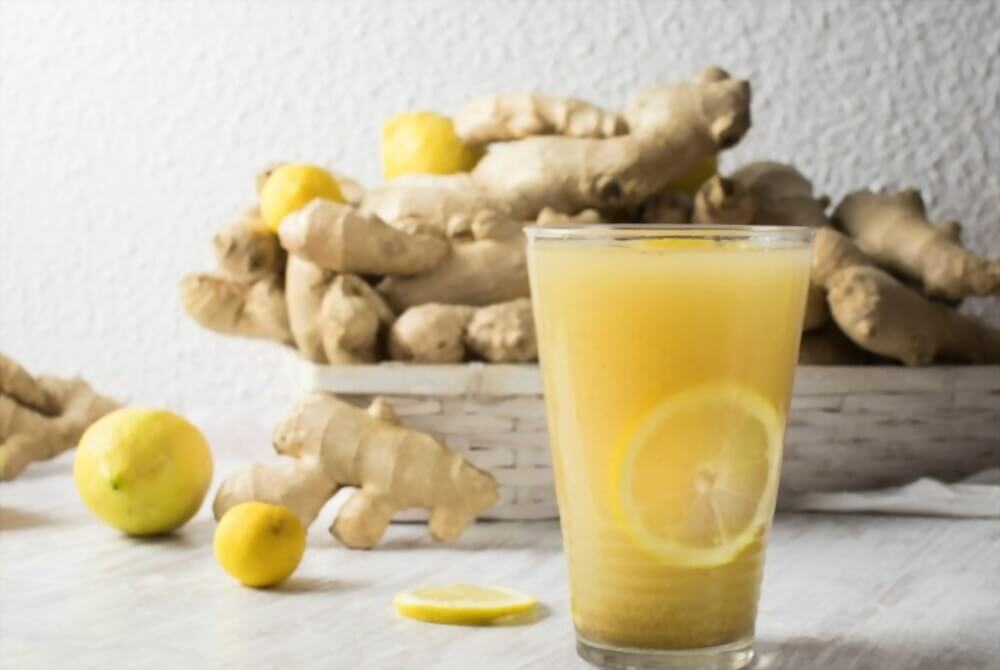
Ginger and lemon are highly researched and science-backed to help weight loss. These are the two most powerful and exceptionally efficient weight loss and fat melting agents.
Adding lemon juice and ginger to tea or juice helps in losing weight and shedding extra fat masses while strengthening your immunity and boosting your metabolism.
How to Make?
There are two ways of making lemon ginger fat-burning drink, one is detox water and the other is hot tea. For making the lemon ginger drink, take 1 liter of water, and add two lemon grinds, lemon juice, and 1-inch ginger to the water.
Also, you can add 1 tablespoon of pepper for an enhanced flavor. Bring it to a boil, until everything softens, after that strain the lemon ginger water, and let it cool down. Enjoy drinking it with honey or more lemon juice.
Moreover, you can also drink it hot as a fat burner bedtime tea.
7. Apple Cider Vinegar Drink
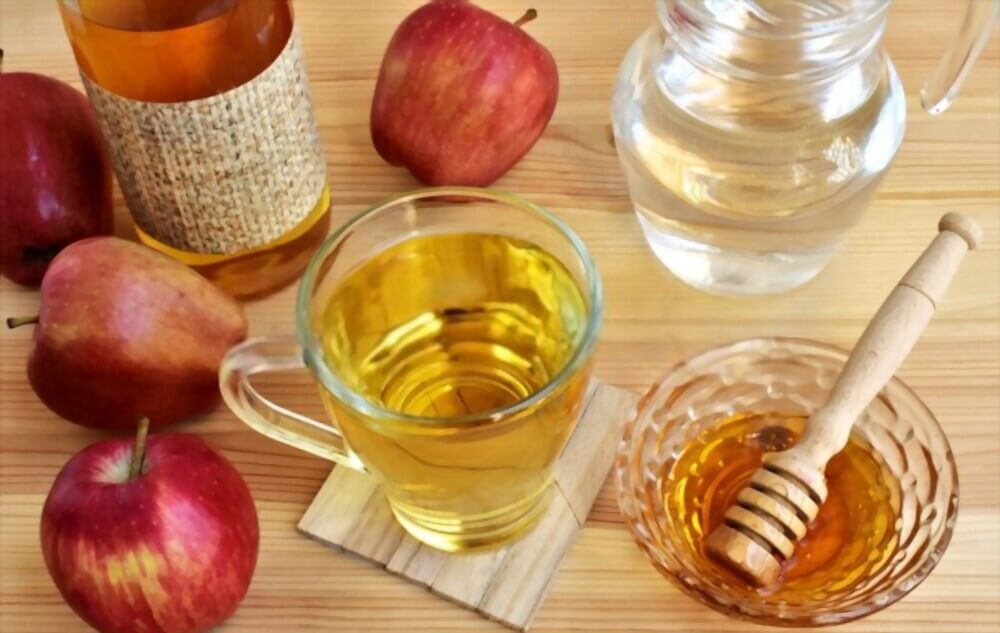
Drinking ACV mixture is the simplest and highly successful weight loss home remedy. It has powerful antioxidants which give an incredible boost to the metabolism and accelerate the fat-burning process efficiently.
How to Make?
You can’t drink apple cider vinegar directly, due to its strong taste and pungent smell. For weight loss, mix 1 tablespoon of ACV in a cup of water. For better taste and health benefits you can also add some honey.
8. Cucumber, Lemon, and Mint Detox Water
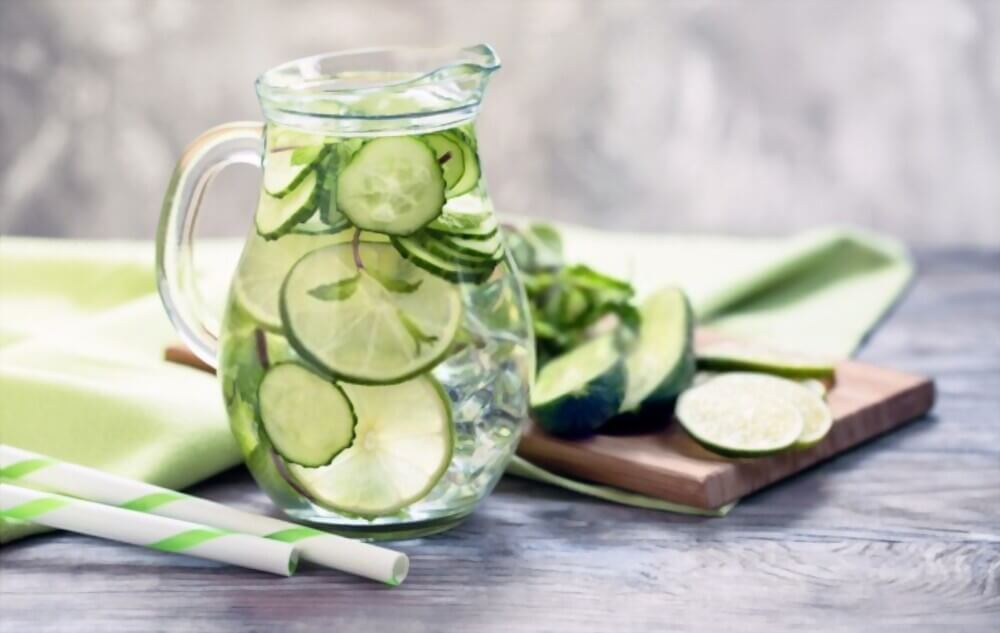
Cucumber, lemon, and mint-infused water are the best detox drinks out there. Besides detoxifying the body, it is exceptionally hydrating. Drinking this detox water aids in natural weight loss, improves skin texture, promotes digestion, and boosts immunity.
It is one of the best nighttime drinks to lose belly fat faster.
How to Make?
Finely slice the fresh lemons and cucumber. Add these slices to a jug of water with some mint leaves, and add some ice cubes for refreshes. Drink this throughout the day and night.
9. DIY Fat Burning Drink (Strongest Belly Fat Burner Drink Loses 10 KG in 10 Days)
It is not normally possible to lose 10 kg of weight in 10 days; it may be possible with a low-calorie diet, intense workouts, and some medical procedures, but losing 1 kilogram each day is not medically suggested. In fact, a healthy weight loss should be 1 to 1.5 pounds every week.
We’ve created the most potent fat-burning DIY drink recipe to help you lose weight faster. It consists of all-natural and effective substances that are backed by nutritionists to help with fat loss even from problematic places.
How to Make a Powerful Fat Burning DIY Drink?
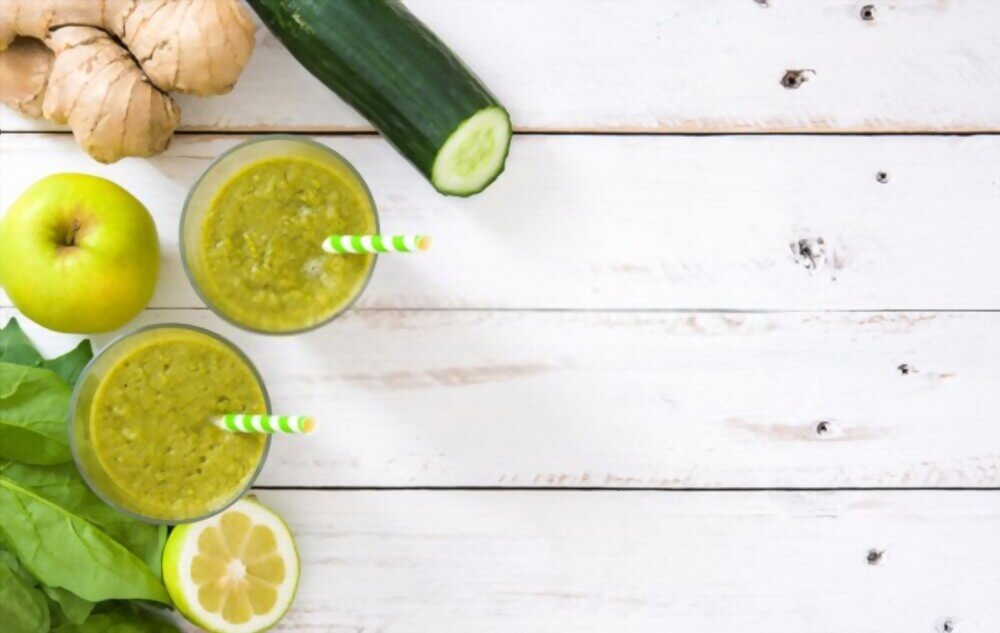
For making the strongest fat-burning drink, take 2 finely sliced cucumbers, 2 green apples sliced with skin, 1-inch ginger peeled and sliced, lemon or lime juice, 2 cups of fresh spinach, and 3 to 4 cups of water. Add all the ingredients to a blender and blend until smooth. Add some lime juice and serve.
Ideally, drink this twice a day, preferably in the morning on an empty stomach and before bed, and see the results!
10. Chia Lemonade
One of the magical rapid weight loss drinks is chia lemonade. It aids in weight loss, stomach health, heart health, inflammation relief, obesity reversal, and muscle strength enhancement.
Drinking chia lemonade on a daily basis will help you lose weight steadily and permanently.
How to Make?
To make chia lemonade at home, take 2 tablespoons of chia seeds, 1 lemon or lime, honey for flavor, and water. Add all these ingredients to a jar and give it a good mix. Drink this detox and refreshing drink before bedtime to lose weight and improve your health while you sleep.
11. Green Tea With Mint and Lemon
You may get shocked that you can get an incredible weight loss with green tea. Yes, green tea is the most active ingredient for rapid fat burning. Here is our exclusive miracle weight loss drink recipe:

Ingredients
- 1 tea bag or 2 tablespoons of green tea leaves
- Juice of 1 whole lemon or lime
- 6 to 7 mint
- 1.5 cups of water
How to Make?
In a saucepan, combine the water, mint leaves, and green tea. Stir continuously until the water level decreases, then let it steep finely. After 5 minutes, strain the mixture and add the lemon juice. Drink it hot to see immediate weight loss results.
What Can I Drink Before Bed to Lose Belly Fat?
Below are a few highly efficient drinks you can drink before bed to lose belly fat:
- Raw vegetable juices
- Whole fruit juices
- Soaked fenugreek water
- Chamomile tea
- Turmeric milk
- Cinnamon tea
- Aloe Vera juice
- Cucumber-parsley juice
- Celery juice
- Kefir
- Kombucha
- Ginger tea
- Oolong tea
- Green tea
- Plenty of water
- Black tea
- Coffee
- Psyllium husk
- Pineapple juice
- Lemon juice
- Sparkling water
Author Tips: Delicious “Red Cocktail” Juice Melts Off 3 lbs Every 4 Days✔️
FAQs
Below are a few frequently asked questions regarding “homemade drinks that burn fat while sleeping”.
What Drink Burns Belly Fat While You Sleep?
Drinking fenugreek seeds water before bed helps in melting the fat overnight. It has strong anti-inflammatory and antacid effects, which help in generating heat which speeds up fat burning while you sleep.
Is There a Way to Burn Fat While Sleeping?
Making your body calorie deficient allows you to burn fat for energy while sleeping. Therefore, it is recommended to take low caloric and carbs throughout the day and especially before bedtime.
What Drink Burns Fat Overnight?
Drinking turmeric milk, chamomile tea, cinnamon tea, green tea, protein shake, green veg smoothies, and fiber-rich juice helps you burn significant fat overnight.
Author Tips: Fizzy juice “eats through” 62 lbs of stubborn fat✔️
What Burns Fat While Sleeping?
Taking lemon in water, tea, juice, or drinks helps greatly in burning the fat while sleeping. Since it has a strong alkalizing effect on the body, therefore it helps digestion, colon cleansing, and metabolism-boosting, which in return helps fat burn while you sleep.
What Can I Drink to Make My Stomach Flat?
Green tea, peppermint tea, ACV drink, pineapple juice, hot water with lemon, and mint are effective at burning belly fat.
Final Recommendation
Before bedtime, it is generally not good to drink high-calorie, carbonated, and sugar drinks as it can lead to unhealthy fat buildup.
Instead, it is good to make homemade drinks that burn fat while sleeping. Besides fat burner beverages, you can do exercise and diet to faster the weight loss results.
Related Posts




Subscribe for New Racipies
Get mental health tips, updates, and resources delivered to your inbox.