
Are Pickled Onions Good for You? [Heart and Gut Health]

Medically reviewed by Lindsay Ewan, MD Updated Date: January 2, 2026

Raw onions offer many health benefits because they are rich in antioxidant compounds like flavonoids. But what about pickled onions? Are they suitable for you and can you eat them every day?
The answer is yes. Pickled onions are good for you as they are rich in many nutrients, including:
- Folate
- Phosphorus
- Potassium
- Antioxidants
However, pickled items should be eaten in moderation. Some items are high in sugar, and pickled items are generally high in sodium (salt), and are highly acidic. You can choose to eat fermented or unfermented pickled onions. However, eating fermented pickled onions in moderation can benefit your gut health.
Lacto-fermented pickled onions are a specific type of pickled onions. They are thought to be good for your gut health because they contain beneficial bacteria strains.
Besides your gut, these onions are good for your heart and liver since they are also rich in potent antioxidants. Below is a table of the differences between fermented and unfermented onions.
| Fermented Pickled Onions | Unfermented Pickled Onions |
| Uses 2-5% (diluted) brine of salt for fermentation. | Uses 16% (concentrated) brine of salt for preservation |
| Contains naturally occurring beneficial bacterial strains | Lacks beneficial bacteria |
| No pasteurization needed | Must be pasteurized using heat |
| A little sour | Has a mild sweet taste |
| Preserved using lactic acid, spices, and sugar | Preserved using undilute brine |
Since fermented pickled onions are good for you, how do you prepare them, and how much should you consume? In this guide, we will respond to all your questions, including what recipes to pair your pickled onions with.
Are Pickled Onions Good for You?
Yes. Like plain onions, pickled onions contain various micronutrients, including vitamins and minerals. Even better, this food item is low in calories, low in fat, and has zero cholesterol. This makes pickled onions a great addition to your healthy diet as long as you eat them in moderation.

Pickled onions are good for you because they also contain significant folate or vitamin B9. This essential vitamin plays a vital role in forming white and red cells. It may also help improve heart health and lower blood pressure.
In addition, these onions are rich in flavonoids, powerful antioxidants that may help protect against cancer. Flavonoids may also reduce the risk of heart disease.
Below, you can check out the type of nutrients pickled onions in vinegar contain per 50-gram serving size.
| Nutritional Information of Pickled Onions | Amount Per Serving (50 grams) |
| Calories | 23.2 kCal |
| Carbohydrates | 4.3 grams |
| Protein | 0.5 grams |
| Dietary fat | 0.5 grams |
| Sodium | 64 mg |
| Calcium | 11 mg |
| Phosphorus | 11.5 mg |
| Vitamin B6 | 0.05 mg |
Are Pickled Onions Good for Gut Health
Besides being good for your heart; pickled onions may help support a healthy gut. However, this is true only if you eat fermented pickled onions, not unfermented ones. Fermented onions are made with 2 to 5% salt diluted brine instead of vinegar. Therefore, the pickles usually grow naturally occurring lactic acid bacteria, including lactobacillus, after one to two weeks.
These are good bacteria found in the gut, which help maintain a healthy digestive system. In addition, lactic acid bacteria help control intestinal infections and help improve lactose digestion.
How To Make Pickled Onions?
Like preparing the famous candy grapes recipe, making pickled onions is easy. You will need ingredients such as:
- A medium red onion
- 1 1/2 teaspoon sea salt
- 1 tablespoon honey or maple syrup
- 1/4 apple cider vinegar or brine
- 1/2 teaspoon red pepper flakes (optional)
- Bay leaves, cloves, and mustard seeds (optional)
Below is a step-by-step guide to help you prepare crunchy pickled onions with an irresistibly tangy taste.
Step 1: Thinly slice the onion
Cut your red onions into slices about 1/8-inch thick. The thinner the slices, the more quickly they can soften and absorb the vinegar or brine. Then, put your onions in a mason jar.
Note that you could use white or yellow onions, although red onions are the most popular because of their mild flavor.
Step 2: Prepare your pickling liquid
Mix the maple syrup, salt, apple cider vinegar, bay leaves, cloves, and red pepper flakes in a small bowl. You can choose to simmer the mixture over medium heat if you want unfermented pickles or not for fermented pickles.
Step 3: Mix the onions and pickling mixture
Next up, pour your mixture into the mason jar with onions inside. Then, add about one cup of water. After that, cover the jar tightly with a lid and let it sit out for at least 12 to 14 hours.
Step 4: Serve the pickled onions
Once the 12-hour period has elapsed, serve your pickles and refrigerate the leftovers for later. However, you must consume them within a week or two.
How Much Pickled Onions Should You Eat?
You must eat pickled onions in moderation. While they offer many health benefits, pickles also have potential side effects. These adverse effects result from the ingredients used in the pickling process, including vinegar, salt, and other preservatives.
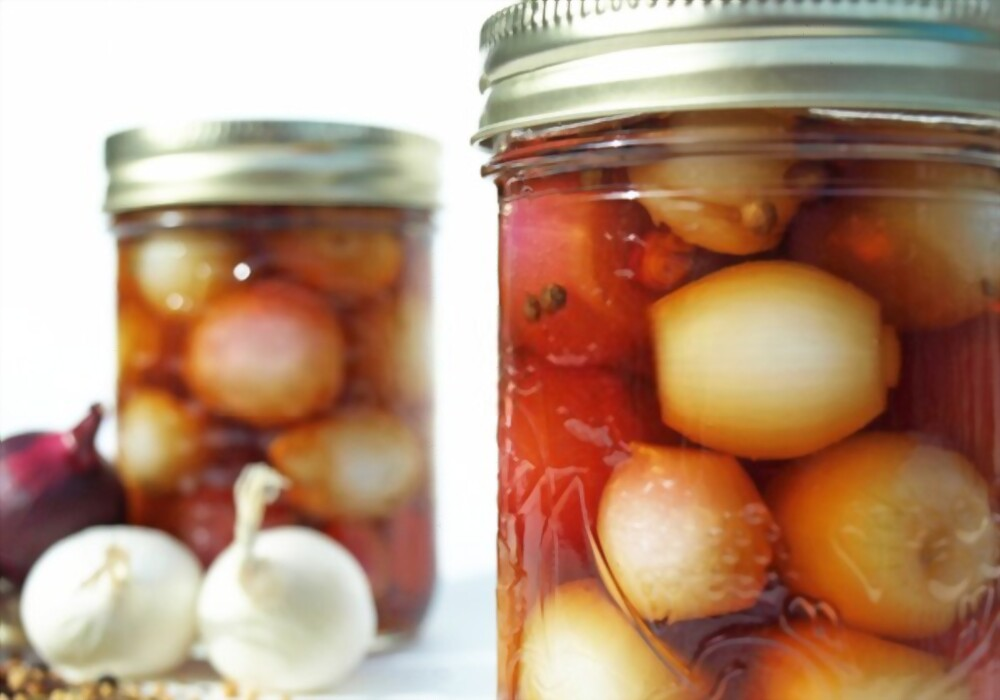
For instance, overeating pickled onions may be dangerous for individuals with diabetes or high blood pressure. This is because the onions contain a significant amount of salt, which can be concerning to those with medical conditions. In addition, eating many pickles increases your risk of stomach cancers due to the high acidic content of vinegar.
What Do Pickled Onions Go Good With?
Although you can eat pickled onions without any accompaniment, they are perfect for adding to different recipes. These include:
Salads
Pickled onions work with just any type of salad. It does not matter whether it is vegetable or green salads, salads of pasta, grilled potato salad, or mixed salads.
Sandwiches
Additionally, you can use the pickles as filling for your sandwiches. You just stuff them in your favorite chicken, egg, ham, seafood, grilled cheese, or Nutella sandwich.
Mexican dishes
Whether you like shrimp, vegetables, or fish tacos, pickled onions pair well with any taco, thanks to their sweet acidity. You can also pile the pickles on your favorite quesadillas made with healthy ingredients.
Hot dogs and buggers
You can also use pickled onions as toppings on buggers and hot dogs. They will definitely add unique flavoring.
How Long Can Pickled Onions Last?
Homemade pickled onions can last between 2 and 3 weeks once opened. You just put the pickles in an airtight mason jar and refrigerate them. But if you refrigerate the onions without opening them, they can last up to six months. This is because vinegar and brine are natural preservatives.
On the other hand, store-bought pickled onions boast extended shelf life than their homemade counterparts. When unopened, the onions can stay fresh for up to 2 years. However, you must keep checking the expiration date. Once opened, you should use them for 2 to 4 months.
FAQs
In this section, we will respond to commonly asked questions regarding whether or not pickled onions are good for you.
Are pickled onions good for weight loss?
Eating pickles will not help you burn excess fat because losing weight involves burning more calories than you consume. However, because these onions are low in calories, you can add them to your weight loss diet. Though, like any food, eating it in excess is not advantageous.
Are pickled onions good for your liver?
Yes. Plain onions are rich in sulfur-containing amino acids, essential for maintaining normal cellular functions. These amino acids also help your liver efficiently remove toxins from your body while preventing fatty liver disease.
Can you eat pickled onions every day?
Ideally, one should not eat an excessive amount of pickled onions. They are best eaten in moderation. This is because the salt, sugar, and vinegar used in the pickling process may lead to digestive issues. You may experience bloating and water retention due to the high amounts of sodium in these pickles.
Conclusion
Pickled onions are good for you as long as you eat them periodically. They are suitable for your heart and gut health, especially when fermented. You can also continue eating them as part of your weight-loss diet.
While you can buy pickles from a grocery store, you can also prepare them at home. The process is easy, just like making mixed berries galette recipes. Even better, you will love that you can pair the onions with a wide range of recipes like tacos, buggers, and salads.
Related Posts


Subscribe for New Racipies
Get mental health tips, updates, and resources delivered to your inbox.
Apricot Raspberry Galette, Or Look What I Made!

Under Elisabeth Prueitt’s tutelage, I feel invincible.
She’s the co-founder of Tartine Bakery in San Francisco, head pastry chef, and, purveyor of all things baked and sweet and wonderful. Along with her husband Chad Robertson, they’ve turned Tartine into something of an institution. This is a widely-acknowledged fact. Even if institutions are generally quite a bit older than the 10 years that this bakery’s been around. Anyway, I’m sure many of you savvy cooks and bakers have heard of it, so I won’t wax any more poetic except to say that the almond croissants are SO SO good.
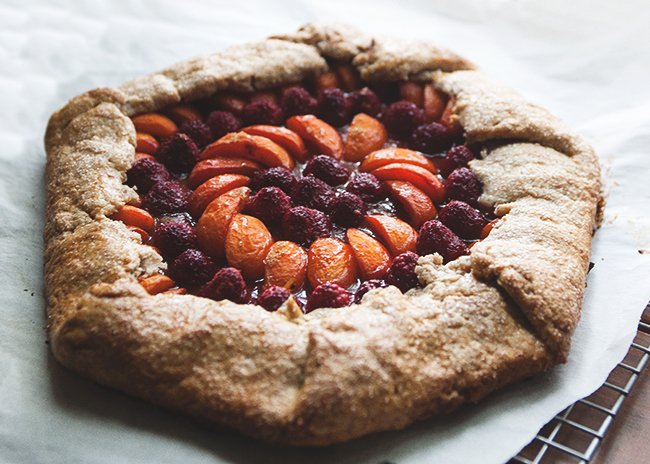
Instead, I meant to give you a recipe for an apricot raspberry galette.
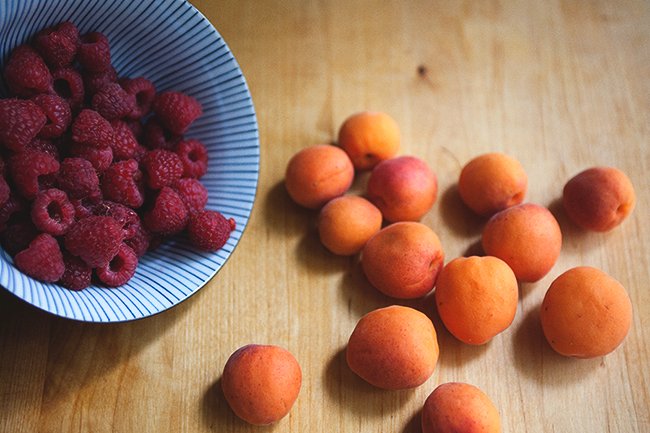
I’ve always been charmed by galettes; they’re so endearing and sweet, homely little things brimming with the fresh and organic. At the same time, I’ve always been intimidated by the idea of making the crust—tart doughs seem such fickle things. So in undertaking this recipe, I knew that I wanted to turn to Prueitt’s cookbook Tartine… she’s never led me astray, you see.
She describes galettes as “quintessentially beautiful rustic tarts… they are very satisfying to make.” I wanted to grasp satisfying! More than that, I wanted to feel the gratification that comes from sinking my teeth into something substantial. I wanted to feel the flour and butter between my fingers, build something lovely and wholesome completely out of scratch. The process of baking, of creating really, is never as palpable as when you’re getting your hands (and in my case, feet) dirty, smearing butter everywhere, flexing those arm muscles rolling and lifting and pleating. It’s a rewarding feeling.
So I took out the rolling pin—we don’t see much of it these days—and began the painstaking process of flattening frozen butter into long thin strips in flour. Which came together into something that resembled dough. Which came together into something that resembled a free-formed tart. And when it came out of the oven, I was astonished to find a galette. It came out rustic indeed. Seven-sided, lopsided, shriveled fruit and all, I loved it upon sight. Because I’d made it from scratch.


APRICOT RASPBERRY GALETTE
Fruit Galette recipe in Tartine by Elisabeth Prueitt & Chad Robertson
Makes 1 large galette or 6 mini galettes
Ingredients:
For dough:
1 cup (2 sticks) unsalted butter, very cold
1/2 cup water
3/4 tsp salt
1 cup rye flour
1-1/2 cups all-purpose flour (or use all all-purpose if you’d like)
For filling:
3 cups fruit (berries, stone fruit, sauteed apples or pears, etc.)
2 to 4 Tbsp brown or granulated sugar
Lemon juice if needed
Egg wash:
1 large egg yolk
1 Tbsp heavy cream
Granulated sugar for sprinkling
Directions:
Cut the butter into 1-inch cubes and put them in the freezer. Measure the water, dissolve the salt into it, and put it into the freezer. Chill both the butter and the water for about 10 minutes.
Measure the flour onto your work surface and spread it into a rectangle about 1/3 inch deep. Don’t worry about mixing it, as it’ll get mixed in the process. Scatter the butter cubes over the flour and toss some flour over them so they don’t stick to your rolling pin. Begin rolling. When the butter starts flattening into long, thin strips, use a bench scraper to scoop up the sides so it’s about the same size as when you started. Repeat this rolling and scraping 3 to 4 more times.
Make a well in the center and pour in the cold water. With the bench scraper, scoop the sides of the dough into the center, mixing the water and flour in a cutting motion. Keep scraping and cutting until the dough is shaggy, then shape it into a rectangle about 10 by 7 inches. Dust the top lightly with flour. Roll out the flour until it’s about half as thin, then scrape all four sides back to its original shape and reroll. Repeat this a few more times until your dough is smooth, cohesive. You should end up with a 10 by 7 inch rectangle.
Transfer the dough to a large baking sheet, cover it with plastic wrap, and chill for about 1 hour.
While the dough is chilling, prepare your fruit. Peaches can be sliced into eighths, apricots quartered.
When the dough is chilled, you can divide it into six equal parts at this point. Roll the dough into a rough circle of about 14 inches in diameter if making a single galette or 6 to 7 inches if making mini galettes. (Prueitt gives lengthy instructions on how to do this, but for the sake of not being too fussy, I won’t go into details) Transfer the circle/s to a baking sheet and chill about 10 minutes.
Fill the center of each circle with fruit, leaving a 2-inch border if making a large galette, or a 1-inch border if making small. At this point, taste the fruit to decide how much sugar you want to sprinkle on top, anywhere from 2 to 4 Tbsp on the large galette or 1 to 2 tsp on each small galette. If you want, squeeze some lemon juice on top. Fold in the sides into that classically gorgeous galette shape, making sure to seal crevices where the juice can leak out. Chill for about 10 minutes, and start preheating the oven at 375 degrees F.
At this point, Prueitt says you can store them in the fridge, unwrapped, for a few hours or wrap them airtight and store them in the freezer for up to 2 weeks. Otherwise, make your egg wash by whisking together the cream and egg yolks. Brush the egg wash on the pastry edges and sprinkle them with granulated sugar.
Bake the galettes until the crust has visibly puffed and baked to a dark brown and the fruit juices are bubbling, 45 to 60 minutes for the large galette and 40 to 50 minutes for the small. Rotate halfway through for even browning. (If baking them straight from the freezer, tack on about 10 minutes to the baking time.) Remove from the oven and serve immediately, or let it cool and serve warm or at room temperature.
Related Posts



Subscribe for New Racipies
Get mental health tips, updates, and resources delivered to your inbox.