
Is kiwi Acidic? Is it good for You?

Medically reviewed by Christiana George Updated Date: January 6, 2026
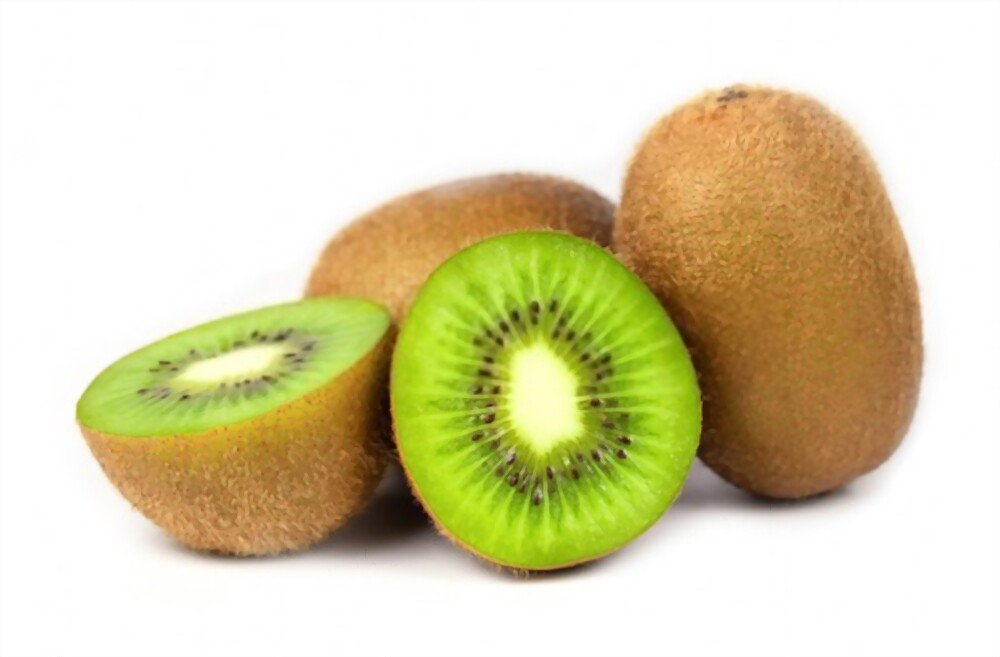
Kiwi fruit has a mesmerizing tangy taste with a unique and attractive appearance. It has furry brownish-green skin and an oval shape. Kiwi smoothies and kiwi in salads are very popular throughout the world.
However, a question often comes to mind while eating this tasty fruit: is kiwi acidic?
The short answer is yes, kiwi is acidic. All types of kiwi have a pH under 4, mostly in the range of 3.1 to 3.96. Anything with a pH less than 7 is acidic, and things with a pH less than 4 is moderately to highly acidic. Kiwis contain quinic, citric, and malic acids, which are responsible for the fruit’s level of acidity. Because of the acidity of this fruit, it may not be the best choice for people suffering from acid reflux.
In this article, let’s discuss some interesting facts about Kiwi fruit.
Kiwi Fruit – Acidic, Alkaline, or Neutral?
The categorization of compounds as acidic, alkaline, or neutral depends entirely on the pH of the compound. Anything with a pH less than 7.0 is acidic, and the lower the pH, the more acidic it is. Anything with a pH higher than 7.0 is alkaline, and the higher the pH, the more alkaline the compound is.
Acidic foods are acidic because of the individual compounds they contain. In the case of kiwis, they contain acids including citric acid, quinic acid, and maleic acid.
Malic acid comprises about 10% of the acids in kiwi, and the remainder is split fairly evenly between citric acid (40 to 60%) and quinic acid (40 to 60%).
pH of Kiwi
Not all kiwi have exactly the same pH. The pH of a kiwi varies by the variety of kiwi, and also how ripe the fruit is. pH values of kiwi ranges from 3.1 to 3.9. Let’s look at these values in more detail.
| Name | pH range |
| Green Kiwi Fruit | 3.1 to 3.4 |
| Golden Kiwi | 3.7 |
| Kiwi Berries | 3.1 to 3.9 |
| Hardy Kiwi | 3 |
| Red kiwi | 3.1 to 3.9 |
Are kiwis good for you? (5 Reasons You Should Eat Kiwis)
In short, yes! Kiwi is good for you. It is an essential source of vitamins and minerals. Several of the reasons that we should eat kiwi are that it can increase heart health, digestive health, and even the body’s immunity against diseases. So let’s take a brief look at the five most attractive benefits.
#1 Assist in Weight loss
Kiwi contains high levels of dietary fiber and is fairly low in calories. Therefore, it is an ideal fruit for people on a diet. Eating a reasonable proportion of kiwi daily can be very helpful in their weight loss journey.
#2 Blood Pressure Control
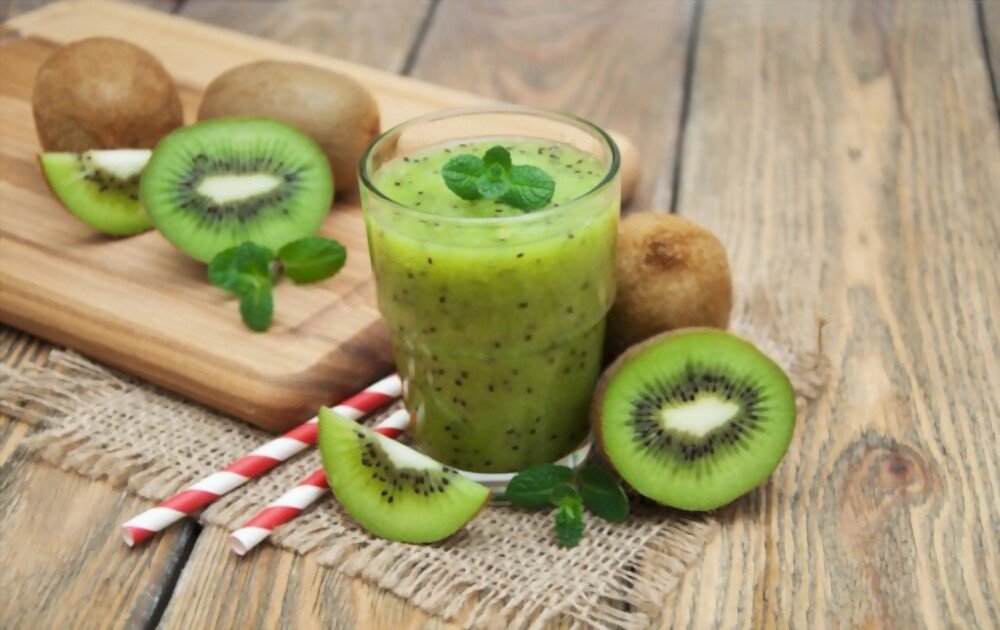
Kiwi is a very beneficial fruit for people with high blood pressure. One study showed that people who ate kiwis demonstrated a reduction in their blood pressure. So, patients known to have high blood pressure can drink kiwis smoothies or eat kiwi in salads as a way to help control their blood pressure. An added benefit is that kiwi has a fairly high water content, which makes it a hydrating food.
#3 Increase immunity
Kiwi is a fantastic source of vitamin C. Vitamin C is essential to strengthening the body’s immunity system, and its ability to fight various diseases. The immune system is important to fighting off viral, bacterial, and fungal infections. People who would like to strengthen their immune system should consider adding kiwi as an excellent source of vitamin C.
#4 Healthy skin
As we said above, kiwi is an excellent source of vitamin C. Kiwi also contains antioxidants. Both of these types of compounds are known to be good for the skin. Eating kiwi is one way to achieve healthy glowing skin. In addition to eating kiwi, kiwi is in some cosmetics and skin products. It is thought to have moisturizing and rejuvenating properties, which are characteristics many people are fond of.
#5 Prevention of constipation
Constipation can be a really uncomfortable condition. But, you can avoid it. How? Kiwi smoothies and raw kiwi can prevent constipation. Kiwi is a rich source of dietary fiber and water, which are two of the most important elements in treating constipation. So, kiwi is a great choice for people suffering from constipation.

| Nutrient | Concentration in 1 Kiwi (69g) |
| Dietary Fiber | 2.1 gram |
| Vitamin C | 64 mg |
| Carbohydrates | 10.1 gram |
| Energy | 42 calories |
| Calcium | 23.5 mg |
| Vitamin E | 1.0 mg |
| Potassium | 215 mg |
Does kiwi affect acid reflux?
People who have acid reflux should avoid Kiwi; you may wonder why. The reason behind this is that Kiwi is an acidic fruit. Kiwi can increase acidity in the stomach of acid reflux patients.
The elevated amount of acid can cause a burning sensation, vomiting, and irritation of the esophagus. According to healthcare professionals, Kiwi does affect acid reflux.
Sometimes, patients who eat Kiwi with acid reflux complain about gassy bloating in the stomach, a bitter taste, and irritation in the lining of their esophagus. It is due to the backward movement of acid from the stomach to your mouth.
Anything you eat can have either a positive or negative effect on your body. It is important to make choices that have the most positive effect on your body. For those with reflux, kiwi may not be the best choice.
Is yellow kiwi fruit acidic?
Yes, yellow kiwi fruit is acidic. However, it is somewhat less acidic than green kiwi. Yellow kiwi is sweet, and not as tangy as green kiwi, which has a more tangy taste.
Research has shown that yellow kiwi has a pH of 3.7, which means that yellow kiwi is also an acidic fruit. Therefore, you can get the nutritional benefits of kiwi from a slightly less acidic fruit by eating yellow kiwi instead of green ones.
Is golden kiwi acidic?
Yes, golden kiwi is also an acidic fruit. According to some people, their taste is intermediate between the taste of mangoes and strawberries. But don’t be fooled by their sweet taste. It doesn’t mean that golden kiwi is not acidic. Like green kiwi fruit, gold kiwi also contains citric acid, quinic acid, and malic acid, and is definitely acidic.
Are kiwi berries acidic?
Kiwi berries are also acidic, like kiwi fruit. They’re juicy with a sweet and tangy taste. In appearance, kiwi berries look like miniature kiwi fruits. Like kiwi fruit, they have a high citric acid content, which means they are acidic as well. They are used as a snack around the world. They are quite popular because they are low in calories but high in nutrition.
FAQs
Is kiwi acidic food?
Kiwi fruit is acidic food. It contains a high concentration of citric acid, malic acid, quinic acid, and folic acid. It is about as acidic as an orange, but less acidic than lemons and limes. Due to its acidic nature, it has specific effects on the human body. It can increase acidity in the stomach, which results in exacerbating symptoms of acid reflux.
Does Kiwi have lots of acids?
Yes, kiwis do have lots of acids. As a breakdown of the acid content, about 40 to 60 percent is citric acid, nearly 40 to 60 percent is quinic acid, and the remaining 10 percent or so is malic acid. The presence of these acids indicates kiwis are acidic. Their pH range is around 3.
Which fruit is most alkaline?
Watermelon is one of the most alkaline fruits. Most fruit is at least somewhat acidic, but watermelon is very close to neutral. In addition to this, coconut, bananas, and papayas are close to neutral.
Can you eat kiwi fruit with acid reflux?
You cannot eat kiwi fruit with acidic reflux because kiwi is a fairly acidic fruit. Therefore, if a person with acidic reflux consumes kiwis, he or she is likely to face the bitter consequences of it. In addition, the burning sensation in the esophagus, commonly known as heartburn, may increase.
What are the disadvantages of kiwi fruit?
Kiwi fruit has certain disadvantages. It can cause hives in people. It can cause severe allergic reactions to those who are allergic to fruits. Although Kiwi is healthy fruits, they have many adverse effects as well on the body.
Bottom Line
To conclude, Kiwi is a beneficial fruit for our health with a unique sweet and tangy taste. The main point of the above discussion is the question, “are kiwis acidic?” And to answer this, yes, kiwis are acidic, and for this reason, patients with acidic reflux should avoid eating them. It can increase their acidic reflux and bring discomfort to them. It should now be clear that kiwi does affect acidic reflux. A healthy person, without any symptoms of GERD, can add kiwi to his balanced diet, and enjoy the health benefits of doing so.
Related Posts
Subscribe for New Racipies
Get mental health tips, updates, and resources delivered to your inbox.
Ramps and Ricotta Gnocchi


I haven’t eaten enough gnocchi in my life to be on the fence about it, but I am. I don’t think I’ve given it a fair chance though. My mind conjures up images of heavy balls of dough, not helped by the fact that the one and only time I tried gnocchi, it was doused in a heavy gorgonzola sauce, so uniform in cheesiness that it tasted positively… bland? What I mean is, the sauce was a homogeneous goop-soup of melted cheese and heavy cream. So while the gnocchi itself probably tasted amazing, I could barely eat beyond a bite.
Luckily (for me), I was only sampling what my friend had ordered. We were in southern France, Nice to be exact, and I’d ordered a niçoise salad that was absolutely delectable. Earlier in the day, we’d consumed massive amounts of socca and pissaladière and gorgeous ripe cherries procured from the produce market and I was starting to feel really good about French Riviera cuisine – until the gnocchi bombs dropped.
Ever since, I’ve avoided the stuff. Knowing that potato is one of its primary ingredients certainly doesn’t help. (I’ve never been fond of potatoes.) Like I said, totally unfair right?
Well, let me tell you, these little guys are almost completely potato- and flour-free! In fact, aside from the flour used for dusting, these gnocchi are gluten-free. As a result, they have a texture that goes poof, a mouthfeel as light as a cloud; the gnocchi disintegrates as softly in the mouth as a silk slip. And the single note of ramps is a more winsome version, its garlicky edge dampened discreetly by parmesan. All in all, these are things of beauty.
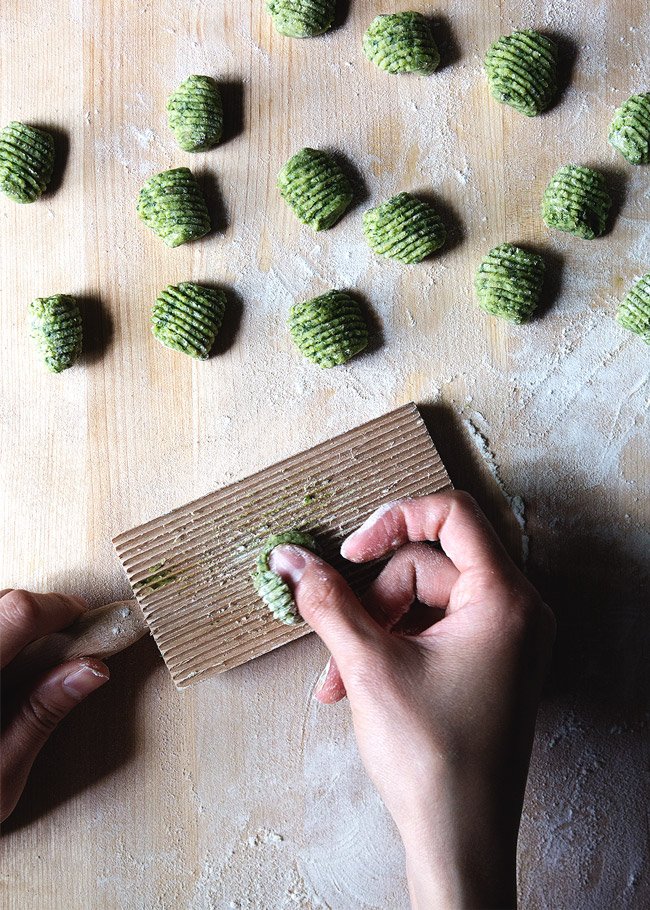
Of course, I’m aware of the fact that ramps season is hurtling to its end. For some of you (and me), it’s just about finished, which makes this dish a bit irrelevant in a sense. But ramps, which you all know by now are kind of faddish anyway (though they really are good!), can be replaced with Chinese leeks, which smell so similar that I wouldn’t be able to tell them apart in a blind (what’s the olfactory equivalent? Stuffed-up?) smell test.
To be honest, I’ve actually made these gnocchi multiple times since ramp season began (and even posted them on Instagram a few weeks ago). I’d intended on sharing them much, much sooner. So now you know about my laggard ways. Anyone who knows me in person knows about my laggard ways, so I guess the secret is out.
Anyway, better late than never, right? I know there are still ramps floating out there, somewhere. Make this, and be prepared for the lightest “pasta” you’ve ever tasted.

RAMPS AND RICOTTA GNOCCHI
Adapted from Rachel Eats
Serves 3 to 4 (makes around 50 pieces)
This recipe is almost gluten-free. Feel free to sub the AP flour with rice or oat flour to make truly gluten-free gnocchi. Also, rolling the gnocchi with a gnocchi paddle is a completely gratuitous touch, and in fact, can get messy very quickly (as is evidenced by the state of my paddle in the images above), so I didn’t include the step in the directions below.
Ingredients:
8 oz. (225 grams) ramps, about 30 to 40 stalks
1 Tbsp butter
2.5 oz. (75 grams) ricotta, drained of as much liquid as possible
1 egg yolk
2 oz. (60 grams) parmesan (can sub half the cheese with pecorino, but not much more than that!)
salt and pepper to taste
AP flour for dusting
For the sauce: 1 Tbsp butter per serving
For serving: salt, pepper, and parmesan cheese
Directions:
Separate the ramps into leaves and roots. Slice the roots into small pieces, and roughly chop the leaves. In a medium skillet on medium heat, melt the butter. Add the ramp roots and cook for a few minutes until softened. Add the leaves and cook another few minutes. Season with salt and pepper to taste and let cool. Once cool enough to handle, squeeze the ramps until drained of any excess liquid. Empty into a food processor. Add the ricotta, egg yolk, and parmesan, and process for about a minute until completely combined. Store the mixture in a bowl in the fridge for a couple hours.
Alternatively, if you don’t want to use a food processor (like me—raise your hand if you hate the clean up!), mince the ramps and toss them into a bowl. Add the ricotta, egg yolk, and parmesan, and stir vigorously until the mixture is well-combined. Store in the fridge for a couple hours.
Dust a clean work surface liberally with flour. Working quickly, take a portion of the ricotta dough and roll it into a log. It should be much easier to handle once coated with flour. Cut it into pieces (size is your preference) and rest them in a pan dusted with flour. Continue with the rest of the dough, re-dusting the surface with flour as needed. Keep in mind, the more flour you use, the heavier the gnocchi will be, so only use as much flour as necessary.
At this point, you can store the gnocchi in the fridge, covered, for up to two days. I found that they dry out a bit this way, which actually makes handling them a bit easier.
To cook, bring a pot of water to a boil, then reduce the heat to barely a simmer. Drop the gnocchi in a few pieces at a time, cooking for 30 to 60 seconds, then gently removing them with a slotted spoon into bowls for serving. They’re very delicate!
In the meantime, brown some butter for the sauce. In another pan, heat the butter on medium heat until it turns a medium brown and smells nutty and delicious, about 2 minutes. Spoon the browned butter onto the gnocchi, and season with salt, pepper, and extra parmesan.
Related Posts



Subscribe for New Racipies
Get mental health tips, updates, and resources delivered to your inbox.