
Preserved Lemons, A Work In Progress

Medically reviewed by Christiana George Updated Date: June 8, 2023
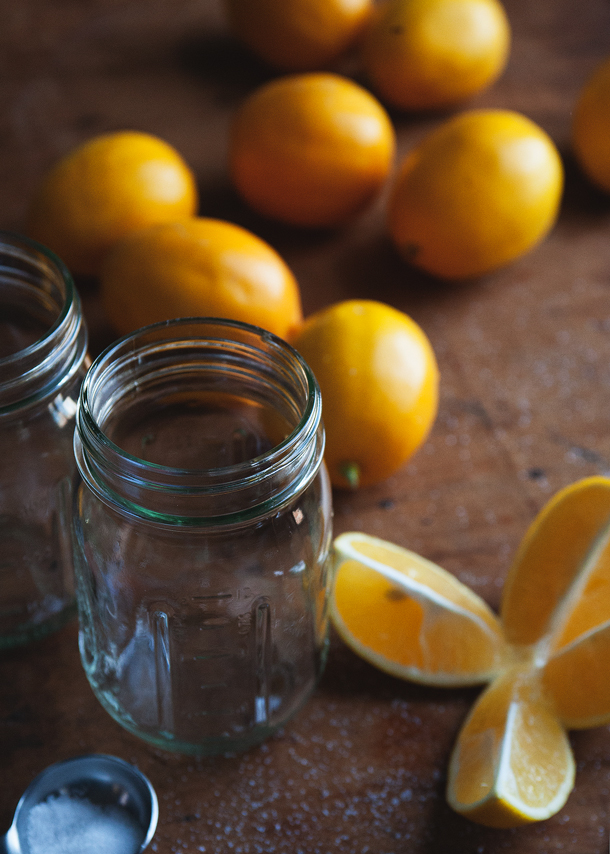
I don’t have a recipe to share, just the beginnings of a process. While I’m mostly there in muscle work, the wait has just begun.
The story starts with ten Meyer lemons, four of which are present in the shots below. They were gifts from my sister, who gave them to me, freshly purchased from the farmer’s market, right before Chris and I left for the airport. The precious bundle became part of my check-in baggage, wedged carefully under the seat ahead of me much to the amusement of the passenger to my left. Clearly he didn’t realize they weren’t ordinary lemons.
For days, I contemplated what I would make, all the endless possibilities, but my mind had already made itself up. It was going to be preserved lemons. I’d been thinking about making my own for awhile, but my hangup has always been the fact that the jar would be sitting on the counter at room temperature for days. Doesn’t botulism develop under such conditions?
But how exactly does botulism develop in a jarful of acid and salt? Reason conquered dramatics. Plus, I sterilized my jar.
So, without further ado, a free form how-to on making preserved lemons, gleaned from multiple sources (but I like the pictures here the best.)

You start with a sterilized jar (I’m not sure how necessary this step is, but do it just to be safe) and however many of these babies you think will fit in it snugly. (I ended up misjudging, thinking I could fit four lemons in a 12-oz. mason jar when it only fit three. But my lemons were huge.) Make sure to scrub them very very well, because the peel is what you’ll be eating.

Chop off the tops, then slice each lemon into four segments…

… stopping a little short of the end so that they’re still attached.
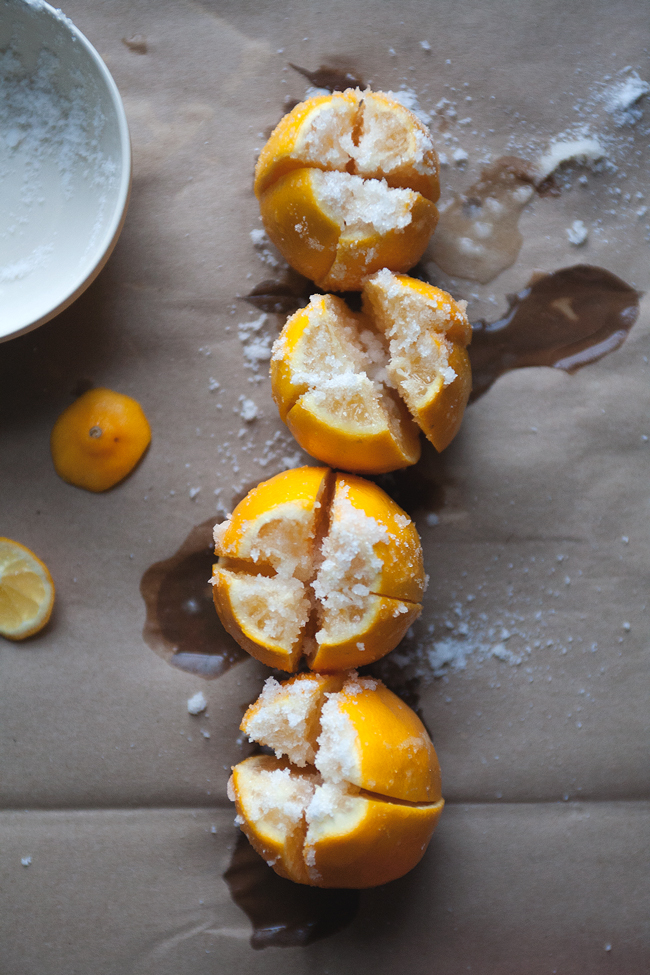
Then, using non-iodized salt (iodized imparts an unpleasant taste), stuff each lemon with about 1 Tbsp of salt. Rub the salt all over (but watch those tiny paper cuts and hangnails as they will sting!), jam it in.

Cover the bottom of the jar with a layer of salt, and then squelch a lemon in. Push it in hard, so that the juices squirt out.

Between lemons, add more salt, and spices if you decide to use them (some choices include whole black peppercorns, cinnamon sticks, dried bay leaves, cloves, coriander seeds). I would spice sparingly.

In the end, I managed to fit three lemons in the jar very snugly. (I considered preparing a second jar, since I’d already prepared a fourth lemon, but in case the jarring doesn’t go well, I’d like to have lemons left over to make other delicious things with.) And they were very juicy, so I was able to cover the lemons with the juice. If the wedges are not covered, squeeze in more juice until it covers the wedges. Make sure there’s some air space left behind (I’m afraid my jar is too full, but let’s see, shall we?).

Screw on the lid, and you’re done!
Now, The Wait. Leave the jar on the counter for the next few days, giving it a shake every now and then to distribute the salt and juices. Transfer the jar to the fridge and let it sit another month or so. Give it a shake every now and then.
Alright, in true journalistic fashion (this is very serious reportage here), I’ll report on the progress of my preserved lemons every week or so and give you guys an update. (This is kind of like a reality show, isn’t it?) And when they’re finally ready… well, those tantalizing thoughts are best buried in the back of the mind, but I’ll be featuring recipes here, that’s for sure!
Related Posts





Subscribe for New Racipies
Get mental health tips, updates, and resources delivered to your inbox.
Are Plums Acidic? Plums for Acid Reflux: Are They Good or Bad?

Plums, with their sweet and tangy flavor, are a popular fruit enjoyed worldwide. But if you’re prone to acid reflux or suffer from gastroesophageal reflux disease (GERD), you may wonder, “Are plums acidic? Are they safe for acid reflux?” Understanding the acidity of plums and their potential effects on digestion is essential for making informed dietary choices. In this article, we will explore the pH levels of plums, their impact on acid reflux symptoms, and how to include them in a reflux-friendly diet. By the end, you’ll know whether plums are a suitable addition to your menu.
Are Plums Acidic or Alkaline? Examining Their pH Levels
Plums are classified as slightly acidic, with a pH range between 3.0 and 4.5. While this places them on the acidic side of the pH scale, their acidity varies depending on the variety, ripeness, and preparation method. Here’s a quick look at the pH levels of plums:
| Food | pH Level | Classification |
| Fresh Plums | 3.0–4.5 | Acidic |
| Dried Plums (Prunes) | 4.0–4.8 | Slightly acidic |
Despite being acidic, plums contain essential nutrients and compounds that may offer health benefits.
Related to Read: Are Nectarines Acidic?
Nutritional Profile of Plums: A Burst of Vital Nutrients
Plums are nutrient-dense and low in calories, making them an excellent choice for a balanced diet. Here’s what makes plums stand out:
- Vitamins: High in vitamin C and vitamin K, which support immune health and blood clotting.
- Fiber: A good source of dietary fiber, aiding digestion and promoting gut health.
- Antioxidants: Rich in phenolic compounds and anthocyanins that combat oxidative stress.
- Minerals: Provides potassium and magnesium, essential for muscle and nerve functions.
- Low Glycemic Index: Helps maintain stable blood sugar levels.
Are Plums Safe for Acid Reflux? Understanding Their Effects
Acid reflux occurs when stomach acid flows back into the esophagus, causing discomfort and heartburn. Plums, due to their acidity, may have varying effects on individuals with reflux:
1. Potential to Trigger Acid Reflux Symptoms
The natural acidity of plums may irritate the esophagus in sensitive individuals, particularly if consumed in large quantities or on an empty stomach.
2. Fiber Content Supports Digestive Health
Plums are rich in fiber, which can aid digestion and prevent constipation, reducing pressure on the lower esophageal sphincter (LES).
3. Antioxidants Reduce Inflammation
The antioxidants in plums may help soothe inflammation in the esophagus caused by acid reflux.
Author Tip: 7 Kinds of Foods to Avoid with GERD
Tips for Including Plums in an Acid Reflux-Friendly Diet
If you enjoy plums but are concerned about acid reflux, here are some tips to minimize potential discomfort:
1. Opt for Moderation
Eat small portions of plums to gauge your body’s reaction and avoid overloading your digestive system.
2. Choose Ripe Plums
Fully ripened plums are less acidic and easier on the stomach compared to unripe ones.
3. Pair with Alkaline Foods
Balance the acidity of plums by combining them with alkaline foods like bananas, oats, or spinach.
4. Avoid Eating Before Bedtime
Consuming plums late at night may worsen reflux symptoms. Aim to eat them earlier in the day.
5. Experiment with Prunes
Dried plums (prunes) are less acidic and may be better tolerated by those with acid reflux.
Author Tip: 7-Day Meal Plan For Gastritis
Health Benefits of Plums Beyond Acid Reflux Relief
Plums offer a range of health benefits that make them a valuable addition to your diet:
1. Supports Digestive Health
The fiber in plums promotes regular bowel movements and prevents constipation.
2. Boosts Immune System
High levels of vitamin C enhance immune function and protect against infections.
3. Improves Heart Health
Potassium in plums helps regulate blood pressure, reducing the risk of heart disease.
4. Combats Oxidative Stress
Antioxidants in plums protect cells from damage caused by free radicals, reducing the risk of chronic diseases.
5. Supports Bone Health
Vitamin K and magnesium in plums contribute to maintaining strong and healthy bones.
Scientific Research on Plums and Acid Reflux
Research provides insights into the effects of plums on digestion and acid reflux:
- Digestive Benefits: A study published in the Journal of Gastrointestinal Health found that fiber-rich fruits like plums support gut motility and reduce reflux symptoms.
- Anti-inflammatory Properties: Research in Food Chemistry highlighted the role of phenolic compounds in reducing inflammation in the digestive tract.
- Alkaline Pairing Advantages: Studies emphasize the importance of combining acidic fruits with alkaline foods to minimize reflux risk.
Potential Downsides of Plums for Acid Reflux Sufferers
While plums are generally healthy, they may not suit everyone, especially those with severe reflux:
1. Trigger for Heartburn
The acidity of plums may exacerbate heartburn in sensitive individuals.
2. Individual Sensitivities
Some people may experience bloating or gas after consuming plums, which can worsen reflux symptoms.
How to Enjoy Plums Without Worsening Acid Reflux
Here are some reflux-friendly ways to include plums in your diet:
1. Plum Smoothies with Low-Acid Ingredients
Blend ripe plums with almond milk, spinach, and a banana for a delicious and reflux-friendly smoothie.
2. Baked Plums with Honey and Spices
Bake plums with a drizzle of honey and a sprinkle of cinnamon for a soothing dessert.
3. Plum and Yogurt Parfait
Layer chopped plums with Greek yogurt and granola for a nutritious and satisfying snack.
4. Plum Sauce for Grilled Meats
Use plums to create a tangy and flavorful sauce for chicken or pork dishes.
Conclusion: Are Plums a Good Choice for Acid Reflux?
Plums are slightly acidic, but their nutrient-rich profile and potential health benefits make them a worthwhile addition to a balanced diet. For individuals with acid reflux, moderation and proper preparation are key to enjoying plums without triggering symptoms. By combining plums with alkaline foods and avoiding overconsumption, you can savor their unique flavor while supporting your overall health.
Related Posts



Subscribe for New Racipies
Get mental health tips, updates, and resources delivered to your inbox.