
Behind the Scenes

Medically reviewed by Christiana George Updated Date: December 17, 2022
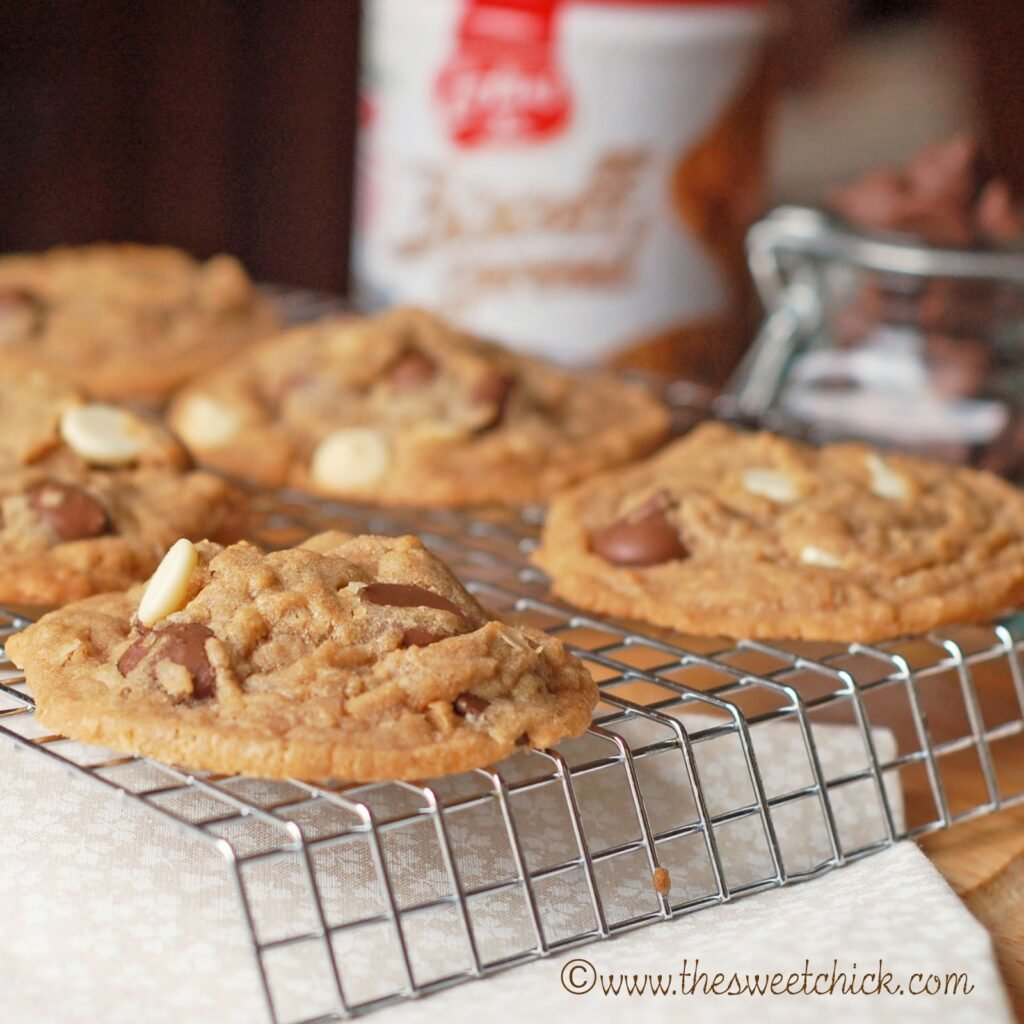
I thought it would be fun to show you all how I go about taking my food photos for this blog. I am by no means an expert on photography, but I have learned some new things over the past year that have helped improve my overall images. I have been able to get my photos featured on Tastespotting, Foodgawker, and Tasty Kitchen. I am quite pleased with that accomplishment. It means my hard work is paying off.

This is my camera, a Nikon d50. I bought it over six years ago before my daughter was born to take pictures of her. Now it has been re-purposed. This poor camera usually ends up with bits of food on it as I try to take pictures of my treats as I am in the process of making them. Thankfully it has been a good sport. It may be old, but it is still a good camera. I do not have a need to upgrade yet.
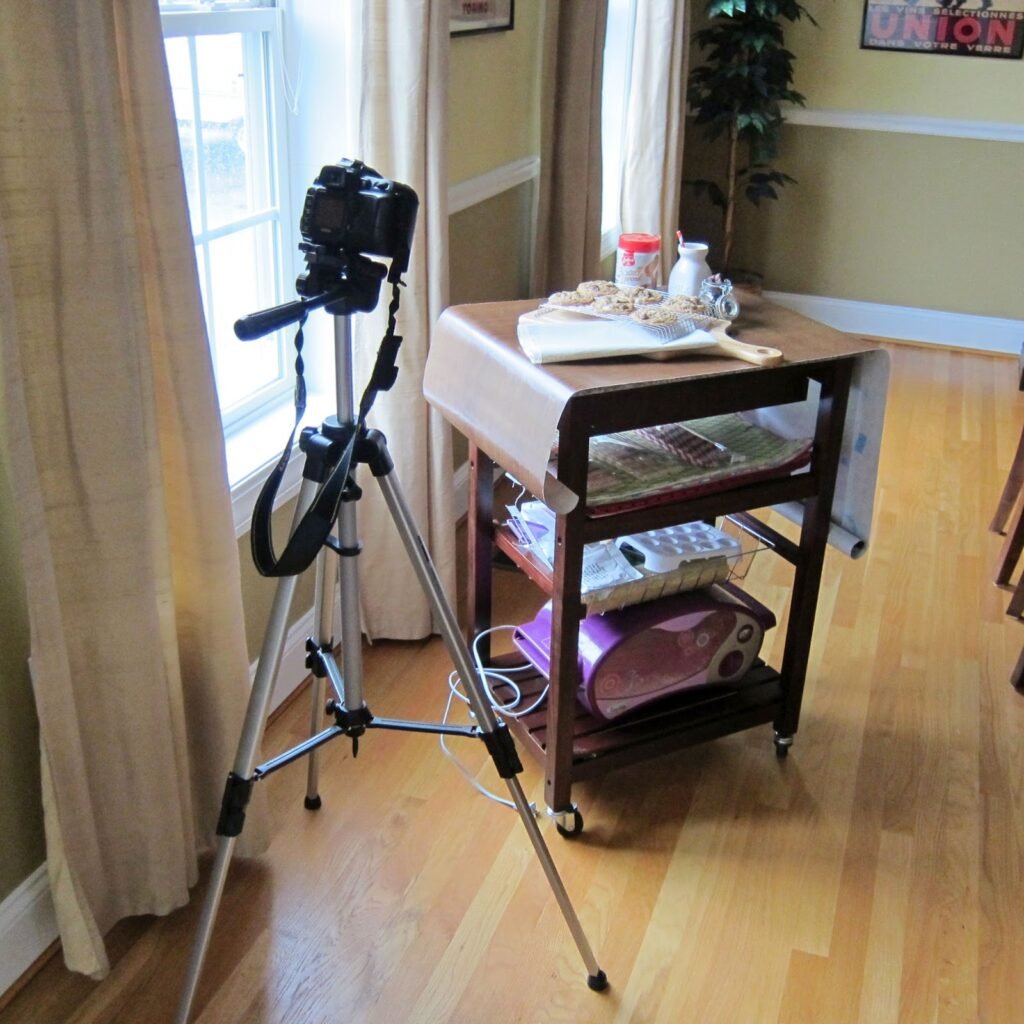
When I first started this blog I was mostly taking pictures at night when the kids were asleep, so I depended on my flash to brighten things up. I know, shame on me. I have since learned that flash is such a no-no when it comes to food photography. It just makes the food look unreal and unappetizing. Now I wait for the weekend to bake and take pictures during the day, so as to capture all the natural light I can get.

Since my kitchen is not very sunny, I take my pictures in the dining room. I have found that between 2pm and 3pm (Eastern Time Zone) I have the best lighting. Of course, some weekends we have plans and I have to make do with whatever light I can get. The less light, the closer I get to the window. Sometimes I use some white foam boards to bounce light off of. I just prop them up on some chairs next to my table. I don’t have any fancy light boxes. I really try to keep equipment down to a minimum. I don’t want to clutter my closets anymore than they already are.
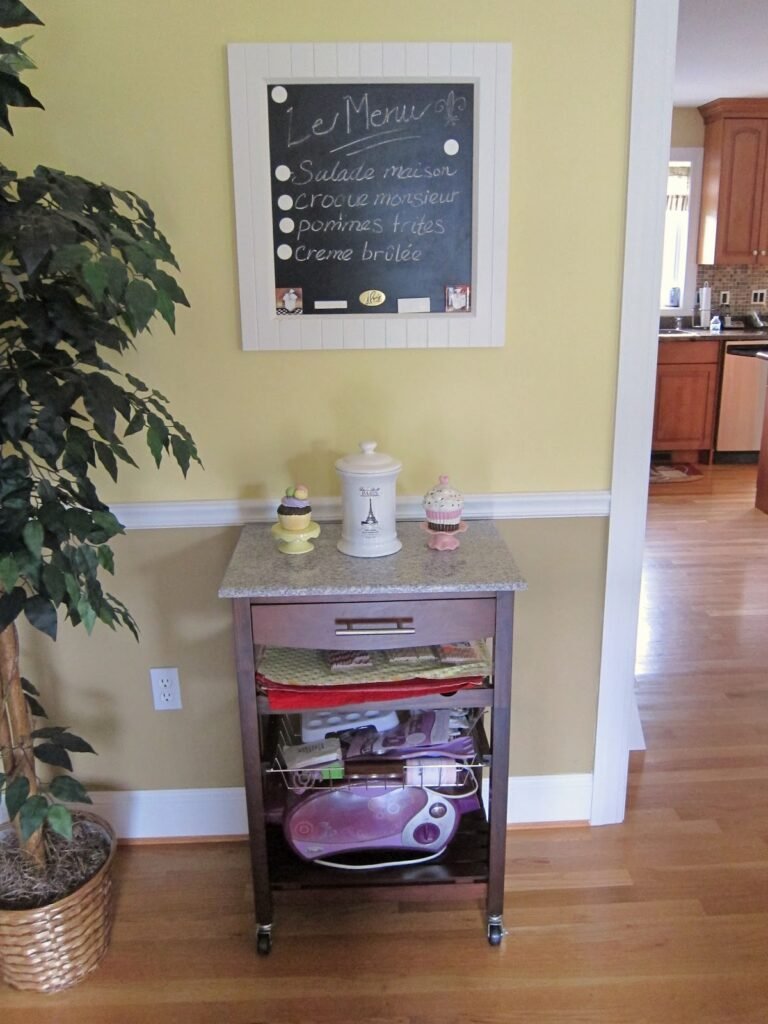
I bought this kitchen cart at Walmart to use as my “table” for taking my food photos as well as hold some of my props (and now my daughter’s Easy Bake Oven). It is just the right size and it is easily moveable. When not in use, it stays in the dining room as a furniture piece.

Even though I have had my camera for over six years, until this year, I have never taken it out of “auto” mode. After reading many tutorials online and actually downloading the manual for my camera onto my iPad, I have learned how to use natural light and set my camera properly to achieve better quality photos. I am still learning what all the buttons do. I should probably take a class, but with a full time job and two small kids, that isn’t convenient. Plus, I am stubborn by nature, so I like to learn my way.
What works best for me is a 50mm lens and the aperture priority auto(“A”) setting. It gives a nice blur to the background, while keeping the subject in focus. You do have to use a tripod to get crisp, clear photos. I bought mine around the same time I bought my camera. It was not expensive, but it does what I need it to. It holds my camera still and I can adjust the height. I like to keep it simple. I still have a lot of learning to do, but I am happy with my progress thus far.

I would like to thank my production team for all their help. Here is my Chief Technical Engineer, he always makes sure my tripod is in working order by randomly turning knobs and waiting for a reaction.

And here is my Assistant Photographer. She is in charge of taking test shots to make sure the camera is working properly and that my set looks good. I don’t know what I would do without them. Well, except maybe take my pictures a lot faster.
So how do you take your food photos? I’d love to hear from you.
Related Posts




Subscribe for New Racipies
Get mental health tips, updates, and resources delivered to your inbox.
Is Tapioca Pudding Acidic? A Gentle Dessert or a Trigger?

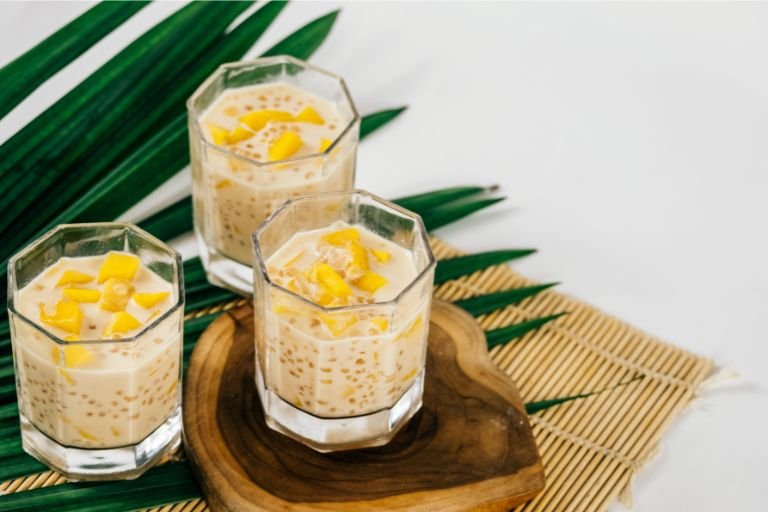
Tapioca pudding is a creamy and comforting dessert made from tapioca pearls, milk, sugar, and vanilla. It’s loved for its smooth texture and mild flavor, making it a favorite treat for people of all ages. However, if you suffer from acid reflux or GERD (gastroesophageal reflux disease), you might wonder: Is tapioca pudding acidic, and can it trigger reflux symptoms?
In this article, we’ll delve into the acidity of tapioca pudding, whether it’s safe for acid reflux sufferers, and how to make it a reflux-friendly dessert. Additionally, we’ll discuss its nutritional benefits, provide tips for enjoying it without discomfort, and answer common questions about tapioca pudding and acid reflux.
Is Tapioca Pudding Acidic or Alkaline?
1. The Acidity of Tapioca
According to the Journal of Halal Science and Research Tapioca is derived from the cassava root, which has a neutral pH of 6.5 to 7.5. This makes tapioca itself non-acidic and gentle on the digestive system.
2. The Impact of Ingredients on Acidity
While tapioca is neutral, the other ingredients in tapioca pudding—such as milk and sugar—can influence its overall acidity. Milk, for example, has a slightly acidic pH, but its alkaline-forming properties during digestion make it generally reflux-friendly.
3. Tapioca Pudding’s Overall Acidity
Tapioca pudding, as a dish, is mildly acidic but usually gentle enough for most acid reflux sufferers when prepared with reflux-friendly ingredients.
Author Tip: Is Tapioca Acidic?
Can Tapioca Pudding Trigger Acid Reflux?
Tapioca pudding is not a common trigger for acid reflux, but some factors could cause symptoms in certain individuals:
1. High-Fat Dairy
If whole milk or heavy cream is used in the recipe, the high fat content may relax the lower esophageal sphincter (LES), leading to reflux symptoms.
2. Added Sugars
Excessive sugar can increase stomach acidity, potentially causing discomfort for those with sensitive stomachs.
3. Portion Size
Eating large portions of tapioca pudding can put pressure on the stomach, increasing the likelihood of reflux.
4. Individual Sensitivities
Everyone’s body reacts differently to certain foods. While tapioca pudding is typically mild, some individuals may still experience symptoms based on their personal tolerance.
Why Tapioca Pudding May Be Suitable for Acid Reflux?
Tapioca pudding, when prepared thoughtfully, offers several benefits that make it a good choice for people with acid reflux:
1. Neutral pH of Tapioca
Tapioca is naturally non-acidic, making it a gentle ingredient that is unlikely to irritate the digestive system.
2. Digestive-Friendly Texture
The smooth, creamy texture of tapioca pudding is easy to digest and can help soothe an irritated esophagus.
3. Alkaline Properties of Milk
Milk used in tapioca pudding can help neutralize stomach acid, providing relief from heartburn in some cases. Opt for low-fat or plant-based milk to maximize reflux-friendliness.
4. Customizable Recipe
Tapioca pudding can be easily adapted to suit dietary restrictions and reflux needs by swapping out ingredients like sugar and whole milk.
Tips for Making Reflux-Friendly Tapioca Pudding
Follow these tips to ensure your tapioca pudding is gentle on the stomach and safe for acid reflux sufferers:
1. Use Low-Fat or Plant-Based Milk
Replace whole milk or cream with low-fat milk, almond milk, or oat milk to reduce fat content and minimize the risk of reflux.
2. Limit Added Sugar
Sweeten your tapioca pudding with natural sweeteners like honey or maple syrup instead of refined sugar. Use these in moderation.
3. Avoid Heavy Toppings
Skip high-fat or acidic toppings like whipped cream, chocolate syrup, or citrus fruits. Instead, opt for reflux-friendly options like sliced bananas or blueberries.
4. Eat in Moderation
Stick to a small portion size to avoid overeating, which can put pressure on the stomach and lead to reflux symptoms.
Author Tip: 7-Day Meal Plan For Gastritis
Reflux-Friendly Tapioca Pudding Recipe
Here’s a simple and acid reflux-friendly tapioca pudding recipe:
Ingredients
- 1/3 cup small tapioca pearls
- 2 cups low-fat milk (or almond milk for a plant-based option)
- 2 tablespoons honey or maple syrup
- 1 teaspoon vanilla extract
Instructions
- Soak the tapioca pearls in water for 30 minutes, then drain.
- In a saucepan, combine the soaked tapioca pearls and milk. Cook over medium heat, stirring frequently, until the mixture thickens (about 10–15 minutes).
- Add honey or maple syrup and vanilla extract, then stir until well combined.
- Remove from heat and let cool slightly before serving.
- Top with reflux-friendly options like sliced bananas or a sprinkle of cinnamon if desired.
This recipe makes 2–3 servings of creamy, satisfying tapioca pudding that’s gentle on the stomach.
Nutritional Benefits of Tapioca Pudding
Tapioca pudding is not just a tasty treat—it offers several nutritional benefits:
1. Gluten-Free
Tapioca is naturally gluten-free, making it a great dessert option for those with gluten sensitivities or celiac disease.
2. Energy Boost
Tapioca is rich in carbohydrates, providing a quick source of energy.
3. Low in Fat
When made with low-fat milk, tapioca pudding is a low-fat dessert that’s gentle on the stomach.
4. Supports Digestive Health
The easy-to-digest nature of tapioca pudding makes it a suitable option for individuals with sensitive stomachs or digestive issues.
FAQs About Tapioca Pudding and Acid Reflux
1. Is tapioca pudding acidic?
Tapioca pudding is mildly acidic due to the milk and sweeteners used, but tapioca itself is neutral. It’s typically well-tolerated by individuals with acid reflux.
2. Can tapioca pudding cause acid reflux?
Tapioca pudding is unlikely to cause reflux if prepared with reflux-friendly ingredients and consumed in moderation. High-fat dairy or excessive sugar may trigger symptoms in some individuals.
3. What are reflux-friendly toppings for tapioca pudding?
Non-acidic toppings like bananas, blueberries, or a sprinkle of cinnamon are great choices. Avoid chocolate, citrus fruits, or heavy creams.
4. Is store-bought tapioca pudding safe for acid reflux?
Store-bought tapioca pudding may contain added sugars, preservatives, or high-fat dairy, which can trigger reflux. Homemade tapioca pudding allows for better control over ingredients.
5. Can I eat tapioca pudding every day?
Tapioca pudding can be enjoyed occasionally as part of a balanced diet. Eating it every day may not be ideal due to its sugar content.
Conclusion
Tapioca pudding is a mild, creamy dessert that’s generally safe for individuals with acid reflux when prepared with the right ingredients. Its neutral pH, gentle texture, and versatility make it a great choice for those looking to enjoy a sweet treat without triggering reflux symptoms.
By using low-fat or plant-based milk, limiting sugar, and avoiding acidic toppings, you can create a reflux-friendly version of tapioca pudding that’s both delicious and satisfying. Enjoy it as an occasional dessert or snack, and savor the comforting flavors without worry.
If you’re looking for more reflux-friendly recipes and tips, explore our other articles for expert insights and practical advice!
Related Posts



Subscribe for New Racipies
Get mental health tips, updates, and resources delivered to your inbox.