
Aunt Jemima Pancake Mix Recipe

Medically reviewed by Christiana George Updated Date: June 8, 2023

Aunt jemima pancake mix recipe is a very popular flour based dish which is prepared using a mixture of wheat flour, baking powder and salt.
The recipe is easy to prepare and the pancakes are easy to make in a frying pan or in an electric skillet. These pancakes are served with butter and maple syrup.
Aunt Jemima Pancake Mix Ingredients
The ingredients in Aunt Jemima pancake mix typically include enriched wheat flour, leavening agents (baking powder, baking soda), salt, and sugar. Some varieties may also contain milk, eggs, and other ingredients.
You can find a complete list of ingredients on the packaging of the product or by visiting the manufacturer’s website. It is always important to read the label carefully and follow the instructions on the package when using any packaged food product.
Preparation Method for Aunt Jemima Pancake Mix Recipe
To make pancakes using Aunt Jemima pancake mix, simply follow the instructions on the package. The basic method involves mixing the pancake mix with water, vegetable oil, and an egg (if using), and then cooking the batter in a skillet or griddle until the pancakes are golden brown on both sides.
Here is a simple recipe that you can use as a guide:
Ingredients:
- 1 cup of Aunt Jemima pancake mix
- 1 cup of water
- 1 tablespoon of vegetable oil
- 1 egg (optional)
Instructions:
- In a large bowl, combine the pancake mix, water, vegetable oil, and egg (if using). Mix until the batter is smooth and free of lumps.
- Heat a large skillet or griddle over medium heat. Lightly grease the surface with oil or butter.
- Pour the batter onto the skillet or griddle in small circles, using about ¼ cup of batter for each pancake.
- Cook the pancakes for 1-2 minutes, or until bubbles form on the surface and the edges begin to look cooked.
- Carefully flip the pancakes and cook for an additional 1-2 minutes, or until the other side is golden brown.
- Serve the pancakes warm, topped with butter and maple syrup, fruit, or your favorite toppings. Enjoy!
Note: The exact cooking time may vary depending on the size and heat of your skillet or griddle. Adjust the heat as needed to prevent the pancakes from burning.
Aunt Jemima Pancake Mix Calories
The total calories of this dish are 662 KCAL per serving which is derived from the fat content of 20 gms per serving. Apart from this, it also contains proteins of 24 gms, carbohydrates of 85 gms, sodium content of 730 mgs per serving and cholesterol content of 20 mgs per serving. This dish can be prepared using other ingredients as well such as whole wheat flour or all purpose flour instead of all purpose flour alone which can reduce the number of calories by 30%.
Aunt jemima pancake mix recipe is a delicious and healthy dish which can be prepared using the above mentioned ingredients. This can also be used as a snack in between meals.

Aunt Jemima Pancake Mix Recipe Nutrition Facts
This recipe makes 1 serving. Each serving has about:
- 200 calories
- 31 grams of carbs
- 3 grams of protein
- 5 grams of fat (mostly unsaturated)
Enjoy!
5 Different aunt jemima pancake mix recipes
- Basic Pancakes: This recipe is for classic, fluffy pancakes that are perfect for a hearty breakfast or brunch. Simply follow the instructions on the Aunt Jemima pancake mix package, adding a tablespoon of melted butter and a teaspoon of vanilla extract to the batter for extra flavor. Top with butter, maple syrup, and your favorite fruit for a delicious breakfast treat.
- Blueberry Pancakes: For a fruity twist on classic pancakes, fold in a cup of fresh or frozen blueberries into the batter before cooking. The blueberries will burst and add a sweet, juicy flavor to the pancakes. Top with more fresh blueberries and a drizzle of honey for a tasty breakfast.
- Banana Pancakes: Mash a ripe banana and stir it into the pancake batter before cooking. The banana will add natural sweetness and a rich, creamy texture to the pancakes. Top with sliced bananas and a dollop of whipped cream for a decadent breakfast treat.
- Chocolate Chip Pancakes: Stir in a handful of chocolate chips into the pancake batter before cooking for a delicious chocolatey twist on classic pancakes. The chocolate chips will melt and create pockets of rich, gooey chocolate in every bite. Top with more chocolate chips and a drizzle of melted chocolate for an indulgent breakfast.
- Oatmeal Pancakes: Add ¼ cup of quick-cooking oats to the pancake batter before cooking for a hearty, wholesome breakfast. The oats will add texture and nutrition to the pancakes, making them a filling and satisfying breakfast option. Top with sliced bananas and a drizzle of honey for added flavor and sweetness.
Related Posts





Subscribe for New Racipies
Get mental health tips, updates, and resources delivered to your inbox.
Are Seaweed Acidic? Seaweed and Acid Reflux

The Rising Popularity of Seaweed in Modern Diets
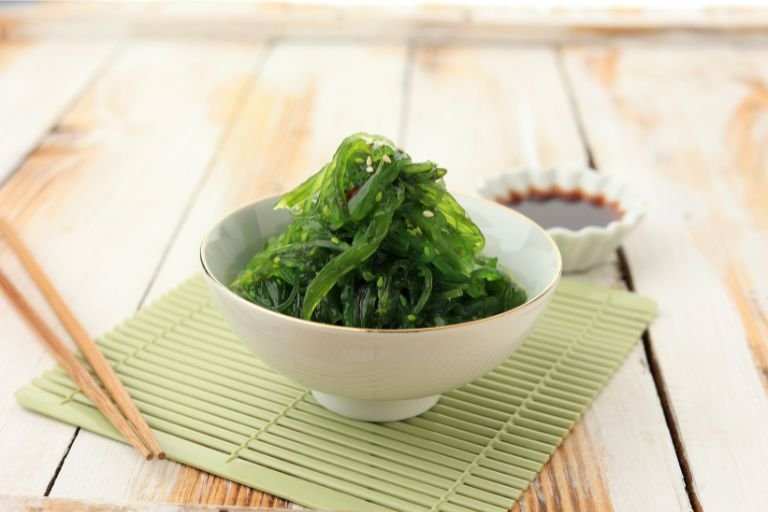
Seaweed, a nutrient-rich food sourced from the ocean, has become increasingly popular for its numerous health benefits. Found in sushi rolls, soups, and even snacks, this versatile food is a staple in many cuisines, especially in East Asia. But for those dealing with acid reflux, a common concern arises: Is seaweed acidic, and can it trigger or alleviate acid reflux symptoms?
In this article, we’ll explore the pH level of seaweed, its nutritional profile, and how it interacts with acid reflux. Let’s determine whether this oceanic superfood is a safe choice for reflux sufferers.
Understanding Acid Reflux: A Common Digestive Issue
What Is Acid Reflux?
Acid reflux occurs when stomach acid flows backward into the esophagus, leading to a variety of uncomfortable symptoms, including:
- Heartburn: A burning sensation in the chest or throat.
- Regurgitation: A sour taste caused by stomach acid reaching the mouth.
- Bloating and Nausea: Often associated with indigestion.
Chronic acid reflux may progress into gastroesophageal reflux disease (GERD), which can cause more severe complications if left untreated.
How Diet Affects Acid Reflux?
Certain foods and beverages can trigger or exacerbate acid reflux by relaxing the lower esophageal sphincter (LES), increasing stomach acid production, or irritating the esophageal lining. While acidic, spicy, and fatty foods are common triggers, many people find relief by consuming alkaline or low-acid foods that help balance stomach acidity.
Where does seaweed fit into this spectrum? Let’s find out.
Author Tip: 7-Day Meal Plan For Gastritis
Is Seaweed Acidic or Alkaline?
The pH Level of Seaweed
Seaweed is considered mildly alkaline, with a pH level ranging from 7 to 9 depending on the variety. This alkalinity makes it a great option for those looking to neutralize stomach acid and manage acid reflux symptoms. Unlike acidic foods such as tomatoes or citrus fruits, seaweed is unlikely to irritate the stomach or esophagus.
Why Alkaline Foods Benefit Acid Reflux Sufferers?
Alkaline foods, like seaweed, can help neutralize excess stomach acid and create a more balanced environment in the digestive system. This may reduce the frequency and severity of reflux episodes, making seaweed a potentially reflux-friendly food.
Nutritional Profile of Seaweed
What Makes Seaweed a Nutritional Powerhouse?
Research suggest that seaweed is packed with essential nutrients that support overall health. Here’s a breakdown of its key components:
- Iodine: Crucial for thyroid function and metabolic regulation.
- Vitamins: Contains vitamins A, C, E, and K, along with B vitamins.
- Minerals: High in calcium, magnesium, potassium, and iron, all of which contribute to balanced digestion and health.
- Fiber: Supports gut health and promotes smoother digestion.
- Antioxidants: Protects against inflammation and oxidative stress.
Health Benefits of Seaweed
- Supports Digestion: The fiber content in seaweed helps promote regular bowel movements and prevents bloating, which can aggravate reflux.
- Alkalizing Effect: Its alkalinity can help neutralize stomach acid, reducing the chances of reflux symptoms.
- Rich in Nutrients: Seaweed provides essential vitamins and minerals that support overall well-being, including gut health.
- Low Calorie: Seaweed is a low-calorie food, making it a great addition to weight-conscious diets, which can also help manage reflux.
How Seaweed Affects Acid Reflux?
Seaweed’s Potential Benefits for Acid Reflux
- Neutralizes Stomach Acid: Seaweed’s alkaline properties may help balance the pH of the stomach, reducing irritation.
- Soothes the Digestive System: Its natural compounds may form a protective barrier over the stomach lining, shielding it from excessive acid.
- Promotes Gut Health: The fiber in seaweed can enhance digestion, reducing bloating and minimizing pressure on the LES.
When Seaweed Might Worsen Acid Reflux?
While seaweed is generally safe for reflux sufferers, certain factors could aggravate symptoms:
- Salt Content: Packaged or processed seaweed snacks are often high in sodium, which may contribute to bloating and discomfort.
- Overconsumption: Eating too much seaweed at once can lead to excessive fiber intake, potentially causing gas and bloating.
- Flavor Additives: Some seaweed products contain spices or other acidic ingredients that might trigger reflux.
Related to Read: Can You Eat Raw Trout?
Tips for Consuming Seaweed Safely
1. Opt for Plain, Natural Seaweed
Choose unflavored seaweed without added salt, spices, or preservatives to minimize potential triggers.
2. Watch Your Portions
Stick to moderate servings of seaweed to avoid bloating and digestive discomfort.
3. Pair with Reflux-Friendly Foods
Combine seaweed with other alkaline foods like cucumbers, avocados, or bananas to enhance its benefits for acid reflux.
4. Avoid Fried Seaweed
Fried seaweed or seaweed chips may be high in unhealthy fats, which can exacerbate reflux symptoms.
Author Tip: 7 Kinds of Foods to Avoid with GERD
Reflux-Friendly Alternatives to Seaweed
If seaweed doesn’t suit your taste or dietary preferences, consider these alternatives:
- Leafy Greens: Spinach, kale, and lettuce are alkaline and rich in nutrients.
- Cucumber Slices: Hydrating and alkaline, they’re a soothing snack for reflux sufferers.
- Zucchini: A versatile vegetable with a mild flavor that’s easy on the stomach.
Lifestyle Changes to Improve Acid Reflux
1. Eat Smaller, More Frequent Meals
Overeating can put pressure on the LES, leading to reflux. Opt for smaller portions to prevent symptoms.
2. Avoid Trigger Foods
Identify and eliminate common triggers like spicy, fatty, or acidic foods from your diet.
3. Elevate Your Head While Sleeping
Using a wedge pillow or raising the head of your bed can help prevent acid from flowing back into the esophagus at night.
4. Stay Active and Maintain a Healthy Weight
Excess weight increases abdominal pressure, which can worsen acid reflux. Regular exercise and a balanced diet can help manage symptoms.
Conclusion: Is Seaweed Safe for Acid Reflux?
Seaweed, with its alkalizing properties and nutrient-rich profile, can be a safe and beneficial choice for those managing acid reflux. Its ability to neutralize stomach acid, promote gut health, and support digestion makes it a valuable addition to a reflux-friendly diet. However, it’s important to choose natural, minimally processed seaweed and consume it in moderation to avoid potential side effects.
As always, if you experience persistent or severe reflux symptoms, consult a healthcare professional for personalized advice. Seaweed may just be the oceanic superfood your digestive system needs.
FAQs: Seaweed and Acid Reflux
Q1: Is seaweed acidic or alkaline?
Seaweed is mildly alkaline, with a pH level ranging from 7 to 9.
Q2: Can seaweed help with acid reflux?
Yes, its alkalizing properties and fiber content may help neutralize stomach acid and improve digestion, reducing reflux symptoms.
Q3: Are all types of seaweed safe for reflux?
Most types of natural seaweed are reflux-friendly, but processed varieties with added salt or spices may trigger symptoms.
Q4: How much seaweed should I eat if I have acid reflux?
Stick to moderate servings—around 1-2 tablespoons of dried seaweed or 1-2 sheets of nori per day—to avoid bloating.
Q5: Can seaweed snacks worsen acid reflux?
Yes, if they are high in sodium or contain acidic additives. Opt for plain, unsalted seaweed snacks instead.
Related Posts



Subscribe for New Racipies
Get mental health tips, updates, and resources delivered to your inbox.