
Dark Chocolate Orange Cupcakes topped with Orange Spice Buttercream and Candied Orange Peel

Medically reviewed by Christiana George Updated Date: December 15, 2022

It has come to my attention that I need a new clock. My current one simply doesn’t have enough hours on it to allow me to do everything I want to do in a day. If anyone know of one that does, please tell me where they got it from. I need to find more time to blog and more time to bake!
The other night I came home from work and just had to make cupcakes. Of course, I didn’t go to the store, so I had to work with what I had in the pantry. I did find a recipe for dark chocolate cake on he back of my Hershey’s Cocoa box. That sounded good, but needed a little umph. I have noticed some food bloggers adding pudding to their cake mixes lately and thought, well why not try Jello. I had some orange flavored jello on hand and some orange marmalade. Mmmmm….dark chocolate and orange, how can I go wrong? Time to experiment.
Dark Chocolate Orange Cupcakes
(adapted from Hershey’s Kitchens)
Ingredients
- 2 cups sugar
- 1 3/4 cups all-purpose flour
- 3/4 cup Hershey’s Special Dark Cocoa
- 1 1/2 tsp. baking powder
- 1 1/2 tsp. baking soda
- 1 tsp. salt
- 2 eggs
- 1 cup milk
- 1/2 cup vegetable oil
- 2 tsp. vanilla extract
- 1 cup boiling water
- 1 pkg. (3 oz.) orange flavored Jello
- 1 jar (12 oz.) Smucker’s Sweet Orange Marmalade (reserve 3 tbsp. for frosting)
Cooking Directions
- Heat oven to 350 F. Line muffin tins with cupcake liners.
- In a large bowl or stand mixer, stir together sugar, flour, cocoa, baking powder, baking soda, and salt.
- Add eggs, milk, oil, vanilla, and orange marmalade. Beat on medium speed for about 2 minutes.
- Stir in boiling water and Jello (batter will be thin).
- Pour batter into prepared muffin tins using a small ladle. If you use a regular scoop like I did, you will make a mess.
- Bake for 15 to 20 minutes or until toothpick inserted in center comes out clean. Cool completely before frosting.
- Makes about 36 cupcakes.
OH. MY. GOD. The cupcakes came out delicious. They were moist and dark chocolaty, with a hint of orange. Just perfect symmetry. So next I had to come up with a frosting. Although, hubby and I did eat a few cupcakes just as they were. I thought about a cream cheese frosting, but hubby doesn’t like cream cheese, so I made a buttercream frosting instead, inspired by the orange in the cupcakes.
Orange Spice Buttercream
by The Sweet Chick
Ingredients
- 2 sticks butter, softened
- 3 tbsp. reserves orange marmalade
- 1/4 tsp. pumpkin spice
- 5 cups powdered sugar
- 2 tbsp. orange juice
- 2 tbsp. or more milk
Directions
- Using an electric or stand mixer, mix together butter, 3 tbsp. marmalade and pumpkin spice on high until well blended.
- Add the powdered sugar one cup at a time until mixture is thick and creamy.
- Add orange juice and milk. If needed add more milk until consistency is fluffy.
I wanted to add just one more element to the cupcake, something fun and different. So I tried my hand at candied orange peels. I found a basic recipe online and went with it. They are actually not hard to make.
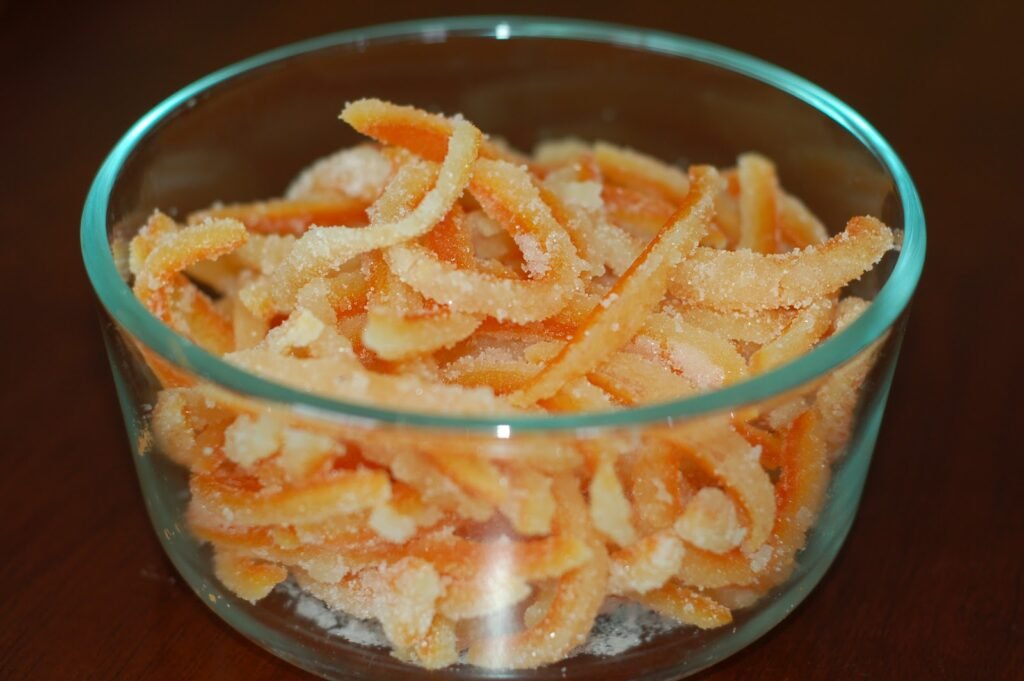
Candied Orange Peel
Ingredients
- 3 medium oranges
- 1/2 tbsp. salt
- 2 1/2 cups water
- 1 cup sugar (plus extra to roll peels in)
Cooking Directions
- Remove peel from oranges with an orange peeler or a spoon. Also remove most of the pith or white membrane from the peel.
- Add salt to 2 cups water. Soak peels in the salty water overnight.
- Drain and rinse peels thoroughly. In a pot, cover peels with cold water and heat to boiling. Then drain and repeat process 3 times to remove any bitter taste.
- Cut peels into strips. In a sauce pan, combine peel, sugar and 1/2 cup water. Heat and stir until sugar dissolves. Continue to cook until peel is translucent.
- When done, drain any extra liquid and roll peel in granulated sugar and allow to dry completely.
I chopped up the strips and added them to the tops of the cupcakes. Perfect texture and taste. Now I need to get back to looking for a new clock.
Related Posts





Subscribe for New Racipies
Get mental health tips, updates, and resources delivered to your inbox.
Is Brussels Sprout Acidic? Are Suitable for Acid Reflux?

Brussels sprouts, one of the most nutritious members of the cruciferous vegetable family, have earned a reputation for their impressive health benefits. However, if you’re among those who experience acid reflux or gastroesophageal reflux disease (GERD), you may wonder, “Is Brussels sprout acidic? Are they safe for acid reflux?” These questions are crucial for individuals managing their diet to prevent heartburn and other reflux-related symptoms. In this article, we’ll delve into the acidity levels of Brussels sprouts, their potential benefits and drawbacks for acid reflux sufferers, and the best ways to incorporate them into a reflux-friendly diet. By the end, you’ll have a clear understanding of whether Brussels sprouts should make it to your plate.
Is Brussels Sprout Acidic or Alkaline? Understanding Their pH Levels
To determine whether Brussels sprouts are acidic, we look at their pH level. The pH scale ranges from 0 (highly acidic) to 14 (highly alkaline), with 7 being neutral.
| Food | pH Level | Classification |
| Brussels Sprouts | 6.0–6.8 | Slightly alkaline |
Brussels sprouts are classified as slightly alkaline, meaning they are not acidic. This makes them a good choice for individuals looking to avoid highly acidic foods.
Author Tip: Are Brussels Sprouts Safe for Acid Reflux?
Nutritional Profile of Brussels Sprouts: Packed with Health-Boosting Nutrients
Brussels sprouts are packed with essential nutrients, which contribute to their health benefits:
- Vitamins: High in vitamin C and vitamin K, which support immune health and bone strength.
- Fiber: A rich source of dietary fiber that aids digestion and promotes gut health.
- Antioxidants: Contains glucosinolates and other powerful antioxidants that help reduce inflammation and oxidative stress.
- Minerals: Provides potassium, manganese, and folate for optimal bodily functions.
- Low in Calories: About 38 calories per cup (cooked), making them ideal for weight management.
Are Brussels Sprouts Safe for Acid Reflux? Exploring Their Effects on Reflux Symptoms
Acid reflux, characterized by symptoms such as heartburn and regurgitation, often requires careful dietary choices. Here’s how Brussels sprouts can affect acid reflux:
1. Alkaline Nature Helps Neutralize Stomach Acid
Their slightly alkaline pH can help neutralize excess stomach acid, making them a suitable option for individuals with acid reflux.
2. Rich in Fiber to Support Digestive Health
Dietary fiber in Brussels sprouts aids digestion and helps prevent constipation, which can reduce pressure on the lower esophageal sphincter (LES), a common cause of acid reflux.
3. Anti-inflammatory Properties Provide Digestive Relief
The antioxidants in Brussels sprouts, such as kaempferol and glucosinolates, have anti-inflammatory effects that may benefit the esophagus and reduce irritation caused by acid reflux.
4. Potential for Gas and Bloating in Sensitive Individuals
While Brussels sprouts are generally safe, they can cause gas and bloating in some people due to their fiber and raffinose content. These symptoms may exacerbate acid reflux in sensitive individuals.
Author Tip: 7 Kinds of Foods to Avoid with GERD
Tips for Including Brussels Sprouts in an Acid Reflux-Friendly Diet Plan
To enjoy Brussels sprouts without triggering acid reflux, consider these tips:
1. Cook Them Properly to Retain Nutrients and Reduce Discomfort
Avoid frying or cooking with heavy fats, as these methods can worsen reflux symptoms. Opt for steaming, roasting, or lightly sautéing with olive oil.
2. Pair with Alkaline Foods for Balanced Meals
Combine Brussels sprouts with other alkaline foods like quinoa, spinach, or sweet potatoes for a balanced and reflux-friendly meal.
3. Eat in Moderation to Avoid Overloading the Digestive System
Start with small portions to see how your body reacts. Gradually increase the quantity if no adverse symptoms occur.
4. Avoid Spicy or Acidic Seasonings That May Trigger Reflux
Season Brussels sprouts with mild herbs like thyme or rosemary instead of acidic dressings or spicy sauces.
Author Tip: 7-Day Meal Plan For Gastritis
Health Benefits of Brussels Sprouts Beyond Managing Acid Reflux Symptoms
Brussels sprouts offer a wide range of health benefits that make them a valuable addition to your diet:
1. Supports Immune Health with High Vitamin C Content
The high vitamin C content boosts immunity and helps the body fight infections effectively.
2. Promotes Heart Health by Reducing Oxidative Stress
Antioxidants in Brussels sprouts reduce oxidative stress, which is linked to heart disease. Their fiber content also helps manage cholesterol levels.
3. Aids in Detoxification and Supports Liver Health
Glucosinolates in Brussels sprouts support liver detoxification processes, enhancing overall health and wellbeing.
4. Improves Bone Health Through Essential Nutrients
Rich in vitamin K, Brussels sprouts play a crucial role in bone mineralization and reducing the risk of fractures.
Scientific Insights on Brussels Sprouts and Acid Reflux Management
Studies have highlighted the role of vegetables, including Brussels sprouts, in managing acid reflux:
- Fiber and Digestion Support: A study published in the World Journal of Gastroenterology emphasized the importance of high-fiber foods in improving gut motility and reducing reflux symptoms.
- Alkaline Benefits for Neutralizing Acid: Research in the Journal of Clinical Gastroenterology suggested that alkaline foods can help neutralize stomach acid and reduce irritation in the esophagus.
- Anti-inflammatory Properties for Digestive Health: A review in Nutrients highlighted the anti-inflammatory benefits of cruciferous vegetables like Brussels sprouts in supporting digestive health.
Potential Downsides of Brussels Sprouts for Acid Reflux Sufferers
While generally safe, Brussels sprouts may not suit everyone:
1. Gas and Bloating Can Cause Digestive Discomfort
Their fiber and raffinose content can cause discomfort in some people, potentially worsening reflux symptoms in sensitive individuals.
2. Individual Sensitivities May Affect Digestive Reactions
Some individuals with sensitive digestive systems may experience mild discomfort after consuming Brussels sprouts.
How to Incorporate Brussels Sprouts into Your Acid Reflux-Friendly Diet Successfully?
Here are some acid reflux-friendly ways to enjoy Brussels sprouts:
1. Roasted Brussels Sprouts with Light Seasoning
Roast them with olive oil, garlic, and a pinch of sea salt for a delicious and healthy side dish that’s easy on the stomach.
2. Brussels Sprout Salad with Reflux-Friendly Ingredients
Shred raw Brussels sprouts and toss them with avocado, almonds, and a light vinaigrette for a crunchy and nutritious salad.
3. Creamy Brussels Sprouts Soup for Soothing Relief
Blend cooked Brussels sprouts with low-sodium vegetable broth, carrots, and herbs for a soothing and reflux-friendly soup.
4. Vegetable Stir-Fry Featuring Brussels Sprouts
Lightly sauté Brussels sprouts with tofu, ginger, and low-sodium soy sauce for a flavorful and balanced dish.
Brussels Sprouts Recipes: Brussels Sprouts, Momofuku-style
Brussels Sprouts With Bacon And Juniper Berries
Conclusion: Is Brussels Sprout a Good Choice for Acid Reflux?
Brussels sprouts are slightly alkaline and rich in nutrients, making them a good choice for most individuals, including those with acid reflux. Their fiber, antioxidants, and anti-inflammatory properties contribute to overall digestive health and may help manage acid reflux symptoms. However, it’s essential to monitor your body’s response and prepare them in reflux-friendly ways to avoid discomfort.
By incorporating Brussels sprouts into your diet wisely, you can enjoy their numerous health benefits without triggering acid reflux. Whether roasted, in salads, or as part of a balanced meal, Brussels sprouts can be a valuable addition to a healthy, reflux-friendly diet.
Related Posts



Subscribe for New Racipies
Get mental health tips, updates, and resources delivered to your inbox.