
S’mores Chocolate Bark, And Away and Back

Medically reviewed by Christiana George Updated Date: June 8, 2023

Chris and I were out of town for the last few days, on a self-prescribed break, our first since we moved to this coast.

It’s amazing how different New York is outside of the City. The entire state is densely populated, but with trees and lakes instead of humans. It’s at times well-mannered, at times remote, and there was so much SPACE. I unfurled my cramped fingers and toes, stretched out my arms and legs, opened up my chest and took deep breaths of cool, clean air. Then I tossed on a sweater. That’s mountain living for you.
We drove up to the Catskills, about 2 hours out of the city, and stayed in a little town close to Woodstock, but not the Woodstock you’re thinking of. That Woodstock was held 43 miles away.
We hiked a little. And we drove down twisty roads lined with trees that were in the process of changing into their autumn garb. Most were still deciding.
We shopped, and ate at diners, and slept in. It was cozy, and there was no cell phone service, so I was completely out of touch with the world! Not quite. Our lodge provided wifi service.
And now we’re back. Would you like to see pictures? Feel free to click on any image to see it at a manageable size.


I actually do have a recipe for you today, but I wouldn’t exactly call it a recipe so much as the freeform tossing together of food. Well, maybe that’s what cooking is all about eh? I’ll estimate amounts below.
I’d been hoping that we’d have the means of making s’mores while in the Catskills, but no campfires were made, nor do I think our stomaches had the capacity. No matter—I decided to compensate by making s’mores chocolate bark instead.
I realize chocolate bark is known as a holiday thing, but I worked at a candy store in college and we sold it year-round (I consumed it year-round too), so I think chocolate bark is acceptable any time. Are we in agreement here? If so, then I think we can all acknowledge that a s’mores version is the ideal fix for those who didn’t get any s’mores action over the summer.


S’MORES CHOCOLATE BARK
Ingredients:
8 oz. milk chocolate
1/2 cup marshmallows
1 graham cracker rectangle, ground unevenly
Directions:
Line a rimmed baking pan with parchment paper.
In a microwave, or saucepan or double broiler on low heat, melt chocolate. Pour it on parchment paper, smooth it out, and sprinkle with graham cracker crumbs. Plop marshmallows on top. Place the baking pan in the fridge for about an hour, until the bark is hardened.
Note: If you’re melting the chocolate on the stovetop, it’s important that the heat is on low or it will seize up. To help with unmanageable chocolate, stir in a tiny bit of vegetable oil, maybe half a teaspoon.
Related Posts





Subscribe for New Racipies
Get mental health tips, updates, and resources delivered to your inbox.
Are Nectarines Acidic? Nectarines and Acid Reflux

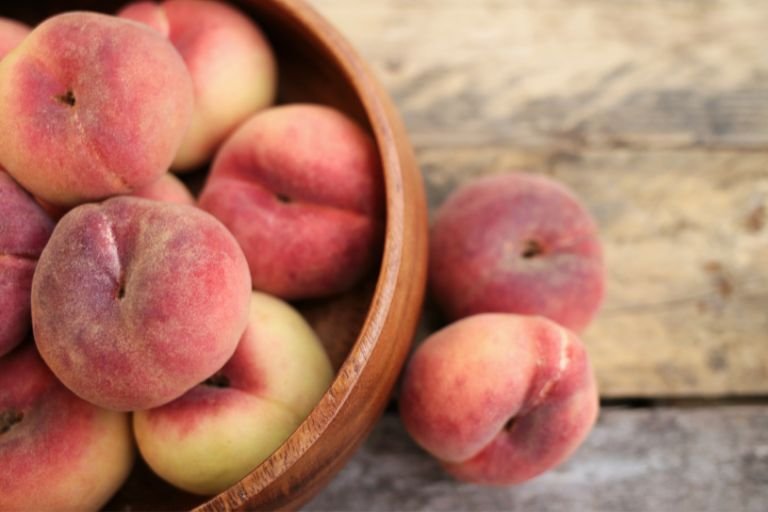
Acidity in fruits plays a crucial role in how they interact with our digestive system. Some fruits are more acidic than others, affecting their suitability for individuals with sensitive stomachs or acid reflux. Understanding a fruit’s acidity helps in making informed dietary choices that support digestive health.
Nectarines, a sweet and juicy stone fruit, are a favorite for their refreshing taste and nutrient profile. However, their acidity raises questions for those managing acid reflux or hyperacidity. Are nectarines acidic? Can they be part of a balanced diet for sensitive stomachs? Let’s dive into these questions to make better, health-conscious decisions.
What Determines a Fruit’s Acidity?
To assess whether nectarines are acidic, we need to understand how a fruit’s acidity is determined.
Understanding the pH Scale
The pH scale, ranging from 0 to 14, measures how acidic or alkaline a substance is:
- 0 to 6.9: Acidic
- 7: Neutral
- 7.1 to 14: Alkaline
Fruits with a pH below 7 are considered acidic. Citrus fruits like lemons and limes have pH values around 2 to 3, making them highly acidic. Low-acid fruits like melons and bananas have pH levels closer to neutral.
Discover pH of common food here
Acidity’s Impact on Digestion and Acid Reflux
Acidic foods can stimulate stomach acid production, which is helpful for digestion in most cases. However, for individuals with acid reflux, excess acid can irritate the esophagus, leading to discomfort or heartburn.
Low-acid or alkaline fruits are often recommended for such individuals, as they are gentler on the stomach and less likely to exacerbate reflux symptoms.
Are Nectarines Acidic?
Yes, nectarines are moderately acidic. Their pH range is typically between 3.9 and 4.2, placing them in the category of acidic fruits.
How Do Nectarines Compare to Other Fruits?
- Peaches: Nectarines are closely related to peaches and have a similar acidity level, with peaches ranging from 3.3 to 4.0 on the pH scale.
- Apples: Sweet apple varieties are less acidic, with pH levels closer to 4.5 to 5.5, making them a better option for individuals with acid reflux.
- Melons: Watermelon and cantaloupe are low-acid fruits with pH levels near 6, offering a gentler alternative.
While nectarines are not as acidic as citrus fruits (e.g., oranges or grapefruits), their moderate acidity can still affect those sensitive to acid.
Is Nectarine Good for Acid Reflux?
The relationship between nectarines and acid reflux depends on individual tolerance. Nectarines are moderately acidic, which means they may trigger symptoms in some individuals while being perfectly tolerable for others.
Tips for Managing Acid Reflux While Eating Nectarines
- Practice Portion Control
Eating small portions of nectarines can help minimize the risk of triggering reflux. Consuming too much fruit at once can overload the stomach, increasing pressure and acid production. - Pair Nectarines with Alkaline Foods
Combine nectarines with neutralizing foods like oatmeal, almonds, or yogurt. These pairings can balance the fruit’s acidity and create a more reflux-friendly meal. - Eat Nectarines Earlier in the Day
Consuming acidic foods earlier in the day allows your body more time to digest and reduces the likelihood of reflux at night.
When to Avoid Nectarines
If you experience heartburn, bloating, or discomfort after eating nectarines, it’s best to reduce your intake or avoid them entirely. Listening to your body and consulting a healthcare provider for personalized advice is crucial.
Are Nectarines Easy on the Stomach?
While their moderate acidity can cause issues for some, nectarines offer benefits that may support overall digestive health.
The Fiber Content of Nectarines
Nectarines are a good source of dietary fiber, with approximately 2 grams per medium-sized fruit. Fiber aids digestion by promoting regular bowel movements and preventing constipation. For individuals without acid sensitivity, this makes nectarines a healthy addition to the diet.
Potential Challenges for Sensitive Stomachs
For people with acid reflux or hyperacidity, nectarines might cause discomfort due to their acidic nature. Symptoms can include heartburn, bloating, or nausea. However, tolerances vary widely, and some individuals may enjoy nectarines without issue.
How Do Nectarines Compare to Other Fruits in Acidity?
Nectarines are a moderately acidic fruit, with a pH level ranging from 3.9 to 4.2. But how does this compare to other commonly consumed fruits?
Comparison with Other Fruits
- Peaches
Nectarines and peaches are closely related, with similar pH levels. However, nectarines are slightly firmer and sometimes perceived as tangier, which may intensify their acidic profile. - Apples
Sweet apples, such as Fuji or Gala, are less acidic, with pH levels between 4.5 and 5.5, making them a better option for those with acid reflux. Tart apples like Granny Smith are closer to nectarines in acidity and may cause discomfort for sensitive individuals. - Berries
Many berries, such as raspberries and blackberries, are more acidic than nectarines, with pH levels ranging from 3.0 to 3.5. Blueberries are slightly less acidic, with a pH of around 3.3 to 3.5. - Bananas and Melons
Bananas and melons, including watermelon and cantaloupe, are some of the least acidic fruits. With pH levels closer to 6.0 to 6.9, they are gentle on the stomach and ideal for those with acid reflux.
Acidic Fruits to Avoid and Non-Acidic Alternatives
When managing acid reflux or hyperacidity, avoiding highly acidic fruits is essential. Here’s a closer look at which fruits to skip and their suitable substitutes.
Acidic Fruits to Avoid
- Citrus Fruits
- Lemons, oranges, grapefruits, and limes are among the most acidic, with pH levels between 2.0 and 3.5.
- Their high citric acid content can irritate the esophagus and worsen acid reflux symptoms.
- Pineapples
- With a pH of 3.0 to 4.0, pineapples are acidic and may trigger heartburn in sensitive individuals.
- Raspberries and Blackberries
- These berries have pH levels around 3.0, making them highly acidic despite their antioxidant benefits.
- Tomatoes
- Technically a fruit, tomatoes and their products (like sauces and juices) are highly acidic, with a pH of 3.5 to 4.7.
Non-Acidic Alternatives
- Bananas
- With a pH around 5.6 to 6.5, bananas are alkaline and help soothe the stomach.
- Melons
- Watermelon, cantaloupe, and honeydew are excellent low-acid fruits with high water content, ideal for hydration and digestion.
- Pears
- Sweet pears are mildly acidic, but far gentler on the stomach compared to most acidic fruits.
- Cucumbers and Sweet Potatoes
- These vegetables are alkaline and make excellent additions to a reflux-friendly diet.
Tip for Balance
Combine acidic fruits like nectarines with non-acidic options to balance your meal. For example, pair slices of nectarine with a bowl of alkaline oatmeal or yogurt to reduce acidity’s impact.
FAQs
Are nectarines and peaches citrus fruits?
No, nectarines and peaches are stone fruits, not citrus fruits. Despite their moderate acidity, they belong to the same family as cherries, plums, and apricots.
What is the most acidic fruit or vegetable?
Highly acidic fruits include lemons and limes, with pH levels around 2.0 to 2.5. Among vegetables, tomatoes are among the most acidic, particularly in concentrated forms like sauces or pastes.
What are the high alkaline fruits?
Alkaline fruits such as bananas, avocados, and melons (cantaloupe and honeydew) have pH levels closer to neutral, making them ideal for acid reflux sufferers.
What fruit does not have any citric acid?
Fruits like bananas, apples, and papayas are free of citric acid, making them gentler on the stomach compared to citrus fruits.
Conclusion
Nectarines, with their moderate acidity, can be a delicious addition to your diet but may not suit everyone, especially those prone to acid reflux. Compared to highly acidic fruits like citrus or berries, nectarines are less harsh but should still be consumed in moderation. Pairing them with alkaline foods or enjoying them as part of a balanced diet can help minimize their impact on sensitive stomachs.
If you experience discomfort, consult a healthcare professional for personalized advice and dietary adjustments. Understanding your body’s needs is the key to enjoying nectarines and other fruits without compromising digestive health.
Related Posts

Subscribe for New Racipies
Get mental health tips, updates, and resources delivered to your inbox.