
Fava Bean Salad With Mint And Ricotta Cheese

Medically reviewed by Christiana George Updated Date: June 8, 2023
Alright folks, I’m calling a temporary hiatus on the sweet and the sugary, buttery and just plain fattening. I’m on a diet! It’s not one of those diets where I want to gradually lose weight by crafting a healthy, sustainable lifestyle. No no no, I need to drop pounds quickly because I’m getting married in exactly two months!!! (The invitations went out last week; we’ve officially mobilized the troops. Gulp.)
For the record, because I know there are those of you reading this who know me in real life (hi Jeannie!), I am not overweight. But the food bloggers among you might be a little more understanding. After all, we make food, and lots of it. And unless your will is made of steel, you’re bound to eat more than you’d like. (My will is made primarily of marshmallows.) I tried on a few shirts the other day, shirts that fit me perfectly fine last summer, and realized that they’d grown a little snug. Not good, not good at all.
So that’s the story behind this recipe. As I’ve never seriously undergone a diet before, I’m not sure how to approach this new way of eating. It’s not like I eat unhealthily most of the time, ya know? So I’ll rely on common sense rather than the dictates of an official Diet, that is, lots of vegetables, lots of fruit, smaller portions, etc. etc. Nothing revolutionary or dramatic. We don’t even own a scale.


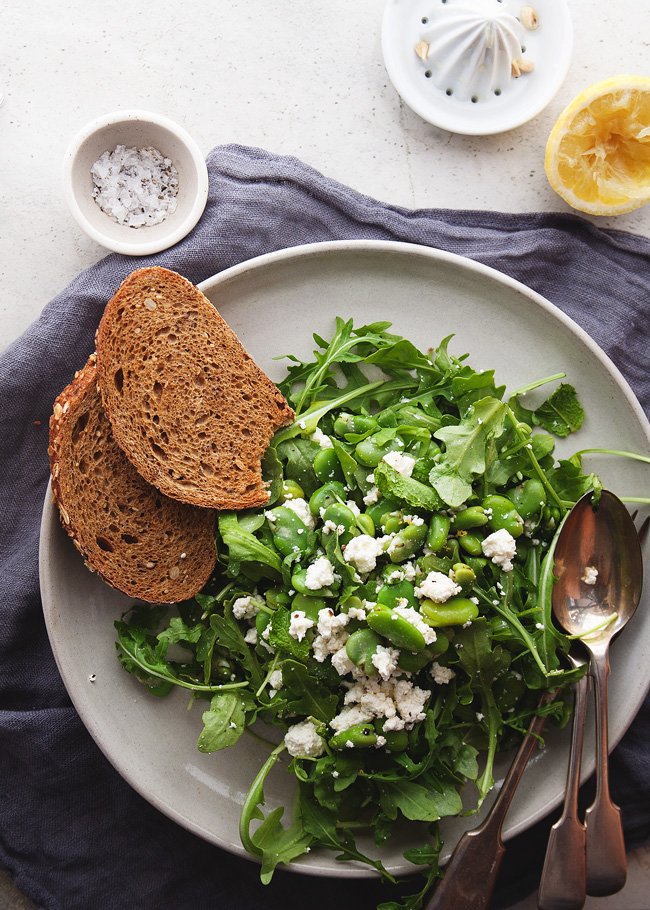
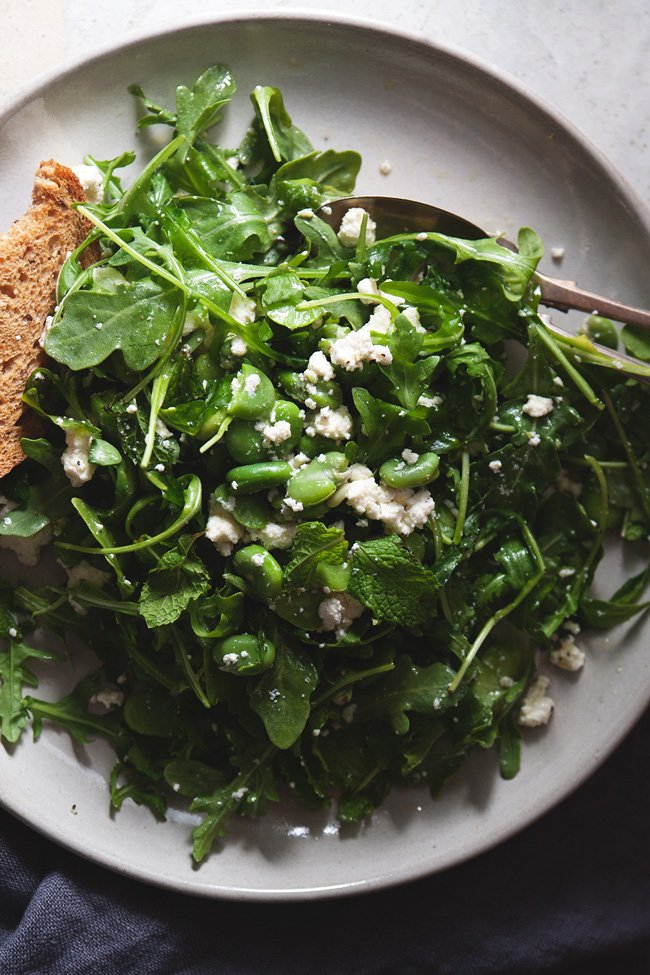
I absolutely love fava beans. After receiving my copy of Polpo awhile back, I’d made a note to myself to make a certain broad bean, mint, & ricotta bruschette as soon as broad beans (also known as fava beans) were in season. The time has come. But instead of serving the bruschette on toasted bread, I decided to toss it on a bed of arugula instead, thereby turning it into a vegetable-packed and therefore very wholesome meal.
It’s the trinity of fava beans, mint, and lemon zest that serve as the backbone to this salad’s flavor. Or rather, the mint and lemon zest do wonders to the flavor of the fava bean, brightening its somewhat stodgy taste. (You know what I mean, right? It’s part of the reason why I love fava beans.) With the roundness of ricotta cheese and the sharpness of arugula, I think this recipe came out really well-balanced and flavorful. (Although, and I’m realizing this only now, I do believe fava beans might be out of season… are they? They came exceptionally late to our farmer’s markets this year, and I held onto this recipe for a bit longer than I should have. Sorry!)

So if everything goes as planned, in two months’ time, I’ll be ready to face the people. (Yes, some part of me realizes how melodramatic I sound. But please don’t get me started on how ridiculous the societal pressures on the bride-to-be are. A wedding is supposed to be about the witnessing of a spiritual union between two people who’ve made a committment to spend the rest of their lives together. So why do I feel like I’m supposed to present myself at my most beautiful and blushing? How have I lose sight of the whole point? Why do I care so much?! … I’ll have all the answers when this is all over.)
FAVA BEAN SALAD WITH MINT AND RICOTTA CHEESE
Adapted from Polpo
Serves 2 pretty hefty portions
Ingredients:
- 2 cups podded fava beans
- 1/2 cup ricotta cheese (preferably homemade—easy as pie, promise!)
- 30 mint leaves
- 3 handfuls arugula
- 2 Tbsp olive oil
- Zest of one lemon and a good squirt of lemon juice
- Salt and fresh pepper to taste
Directions:
Place the fava beans in boiling water for a couple minutes, then plunge into cold water, drain, and remove their skin. Toss the beans carefully with the cheese, and mint leaves, and arugula. Then mix in the olive oil and lemon zest/juice until combined.
Serve with salt and pepper, and any kind of bread.
Related Posts

Subscribe for New Racipies
Get mental health tips, updates, and resources delivered to your inbox.
Is Radicchio Acidic? Radicchio and Acid Reflux

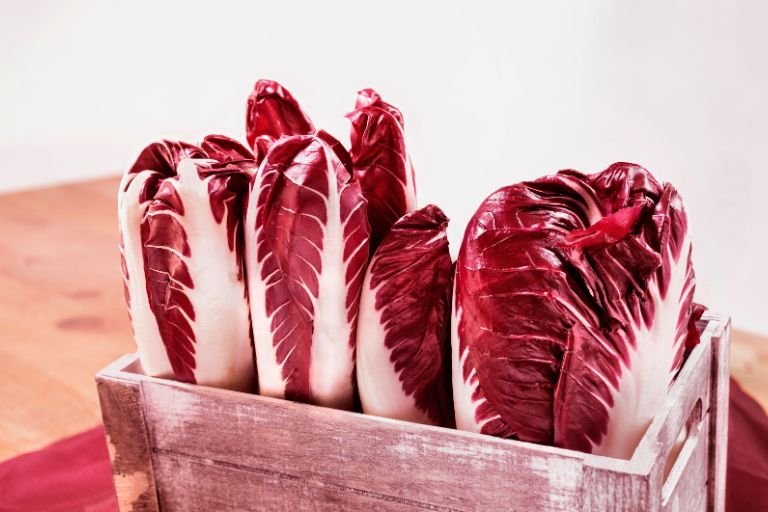
Radicchio, the vibrant red and white leafy vegetable often used in salads and Italian dishes, is not only known for its slightly bitter taste but also for its numerous health benefits. For individuals managing acid reflux or GERD (gastroesophageal reflux disease), questions often arise about the acidity of certain foods. So, “Is radicchio acidic, and is it safe for people with acid reflux?”
The good news is that radicchio is not highly acidic and is generally considered a low-acid food. Its pH level, along with its high nutrient and water content, makes it a safe and even beneficial choice for most people with acid reflux. In fact, its natural bitterness can stimulate digestion and improve overall gut health when consumed in moderation.
In this article, we’ll explore radicchio’s acidity, its effects on acid reflux, and how to incorporate it into a reflux-friendly diet.
Is Radicchio Acidic or Alkaline?
Radicchio is considered a low-acid to mildly alkaline food, with a pH level ranging from 5.5 to 6.5. This makes it less acidic than trigger foods like citrus fruits, tomatoes, or coffee, which are known to exacerbate acid reflux symptoms.
In addition to its relatively neutral pH, radicchio’s high water content and fiber make it easier to digest and less likely to irritate the esophagus or stomach lining. For these reasons, radicchio is generally safe for individuals with acid reflux or GERD.
Author Tip: Are Bok Choy Acidic?
Nutritional Profile of Radicchio
Radicchio is more than just a colorful addition to your plate—Health expert suggest that it’s packed with essential nutrients and antioxidants that promote overall health and support digestion. Here’s what makes radicchio a great choice:
1. High Water Content
- Radicchio is composed of nearly 93% water, making it hydrating and gentle on the digestive system. This can help dilute stomach acid and reduce reflux episodes.
2. Rich in Fiber
- One cup of radicchio contains about 2 grams of fiber, which supports healthy digestion, regulates bowel movements, and prevents overeating—one of the most common triggers for acid reflux.
3. Loaded with Antioxidants
- Radicchio contains powerful antioxidants such as anthocyanins, which give it its red-purple color and help reduce inflammation in the digestive tract.
- It’s also rich in vitamin C, which strengthens the immune system and protects cells from damage.
4. Source of Essential Minerals
- Potassium: Supports muscle function, including the lower esophageal sphincter (LES), which helps prevent acid reflux.
- Magnesium: Relaxes the muscles in the digestive system and reduces reflux episodes.
5. Low in Calories
- With only 9 calories per cup, radicchio is a light and easily digestible option for those managing reflux.
Benefits of Radicchio for Acid Reflux
Radicchio’s nutrient profile makes it a good choice for managing acid reflux symptoms. Here are some of its key benefits:
1. Soothes the Stomach
- Radicchio’s high water content helps dilute stomach acid and soothes the digestive tract, reducing the risk of irritation to the esophagus.
2. Improves Digestion
- The fiber in radicchio promotes healthy digestion, prevents constipation, and reduces bloating—common issues that can exacerbate reflux.
3. Supports the Lower Esophageal Sphincter (LES)
- Minerals like potassium and magnesium in radicchio support the LES, preventing stomach acid from traveling back into the esophagus.
4. Reduces Inflammation
- The antioxidants in radicchio, particularly anthocyanins, help reduce inflammation in the esophagus caused by acid reflux.
5. Stimulates Bile Production
- Radicchio’s natural bitterness stimulates bile production, aiding in the digestion of fats and promoting smoother digestion.
Tips for Including Radicchio in a GERD-Friendly Diet
Radicchio can be a delicious and versatile addition to your meals, but it’s important to prepare it in a way that won’t trigger reflux symptoms. Follow these tips:
1. Avoid Acidic Dressings
- Pair radicchio with non-acidic dressings like olive oil or yogurt-based dressings instead of vinegar or citrus-based options.
2. Cook Lightly
- Cooking radicchio by steaming, grilling, or roasting can reduce its bitterness and make it easier to digest, especially for those with sensitive stomachs.
3. Combine with Alkaline Foods
- Pair radicchio with other reflux-friendly ingredients like cucumbers, zucchini, or lean proteins to create a balanced, low-acid meal.
4. Avoid Overeating
- Even low-acid foods can cause reflux if consumed in large quantities. Stick to moderate portions to prevent stomach discomfort.
5. Test Your Tolerance
- Everyone’s digestive system is different. If you’re trying radicchio for the first time, start with a small serving to see how your body reacts.
Reflux-Friendly Radicchio Recipes
1. Grilled Radicchio Salad
Ingredients:
- 1 head of radicchio, quartered
- 1 tablespoon olive oil
- A pinch of salt and pepper
Instructions:
- Brush the radicchio quarters with olive oil and season with salt and pepper.
- Grill over medium heat for 3–5 minutes per side until lightly charred.
- Serve as a warm side dish or add to a salad with cucumbers and spinach.
2. Radicchio and Quinoa Bowl
Ingredients:
- 1 cup cooked quinoa
- 1 cup chopped radicchio
- 1/4 cup diced cucumber
- 1 tablespoon olive oil
- Fresh parsley (optional)
Instructions:
- Combine cooked quinoa, radicchio, and cucumber in a bowl.
- Drizzle with olive oil and toss to combine.
- Garnish with fresh parsley and serve chilled.
3. Sautéed Radicchio with Garlic
Ingredients:
- 1 head of radicchio, chopped
- 1 tablespoon olive oil
- 1 clove garlic, minced (optional, depending on tolerance)
- A pinch of salt
Instructions:
- Heat olive oil in a pan over medium heat.
- Add garlic (if tolerated) and sauté for 1 minute.
- Add chopped radicchio and cook until wilted, about 5 minutes.
- Season with salt and serve as a side dish.
Frequently Asked Questions About Radicchio and Acid Reflux
1. Is radicchio safe for acid reflux?
Yes, radicchio is a low-acid, nutrient-dense vegetable that is generally safe and beneficial for individuals with acid reflux.
2. Can radicchio cause acid reflux?
Radicchio is unlikely to cause reflux due to its low acidity. However, pairing it with acidic dressings or overeating may trigger symptoms in some individuals.
3. Is raw radicchio better than cooked for acid reflux?
Both raw and cooked radicchio are safe for acid reflux, but cooking it can reduce bitterness and make it easier to digest for some people.
4. What are other reflux-friendly vegetables?
Other reflux-friendly vegetables include spinach, zucchini, cucumbers, carrots, and asparagus.
5. Can radicchio help with digestion?
Yes, radicchio’s fiber and bitterness stimulate digestion and promote gut health, which can help reduce reflux symptoms.
Final Thoughts
Radicchio is a low-acid, nutrient-rich vegetable that is safe and beneficial for most people with acid reflux. Its high water content, fiber, and antioxidants make it a gentle choice for soothing the digestive system and reducing inflammation.
Whether enjoyed raw in salads or cooked as a side dish, radicchio can be a delicious and effective addition to a reflux-friendly diet. Just be mindful of your portion sizes and pair it with other low-acid ingredients for maximum benefits. If you’re new to radicchio, start small and see how it works for your body.
Related Posts


Subscribe for New Racipies
Get mental health tips, updates, and resources delivered to your inbox.