
Vegas Day One – Part Two

Medically reviewed by Christiana George Updated Date: December 14, 2022
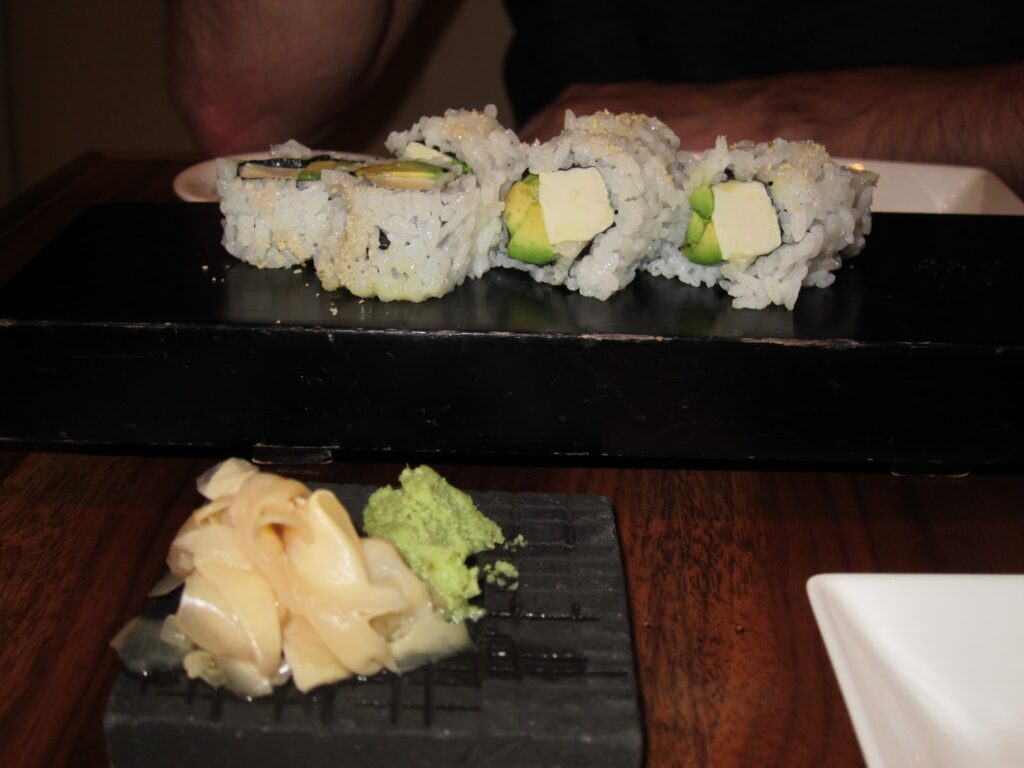
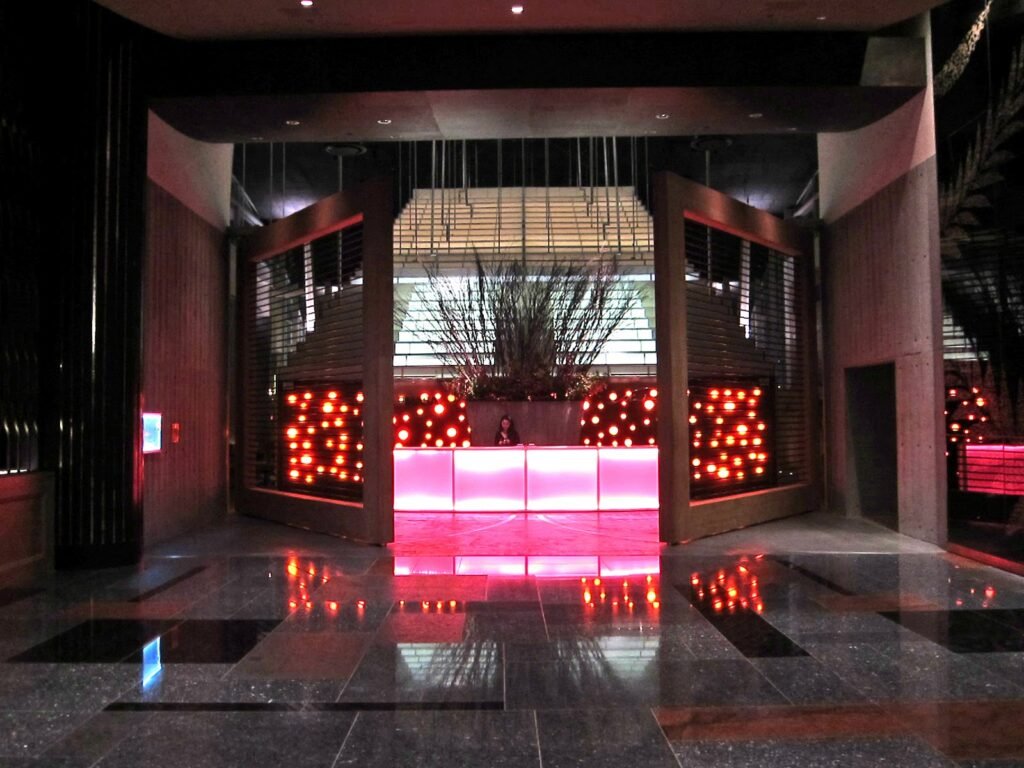
Following our after dinner walk, my husband and I became hungry. We decided to try another restaurant at Aria. We chose Barmasa for some sushi. The entrance looked intimate and welcoming, but when we walked it was quite the opposite. The restaurant floor was huge and industrial looking. Not quite what we were looking for, but we were already being seated. Looking at the menu made our wallets cringe in pain. But we held our heads up high and ordered anyway. The husband ordered a beef sushi ( I don’t recall which one) as well as Creamy miso tofu with Avocado rolls.
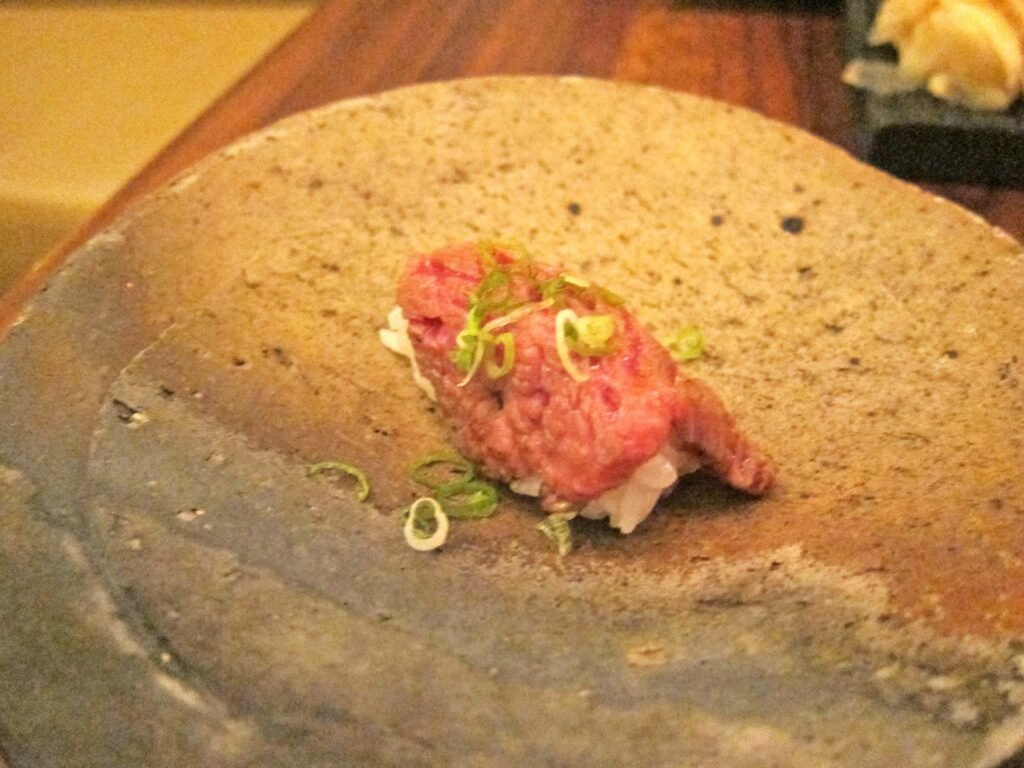
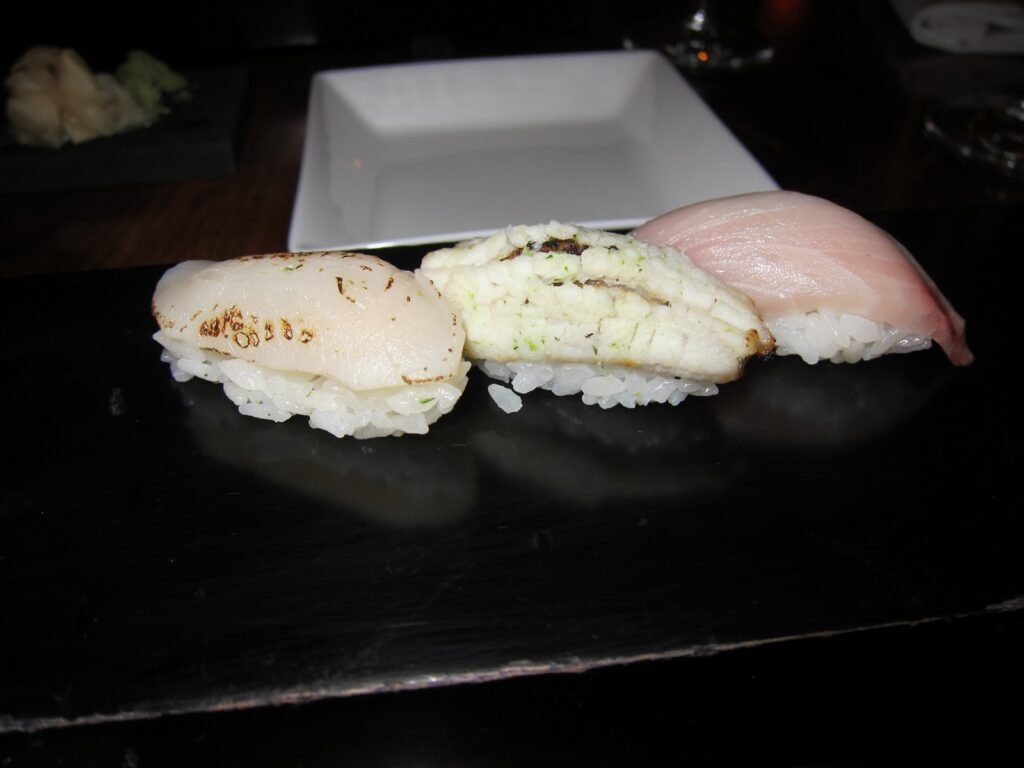
I ordered three pieces if sushi. I remember one was salmon, the other two I don’t remember. I would have feasted on m
+ore, but the prices were ridiculous. I must say, though the sushi was absolutely divine. It was extremely fresh. I read that they fly the fish in from Japan on a daily basis. My husband wasn’t so keen on the beef. A little too rare for him, so I ate it. He did enjoy the tofu and avocado rolls. Overall, the food was great, but the prices were not so great.
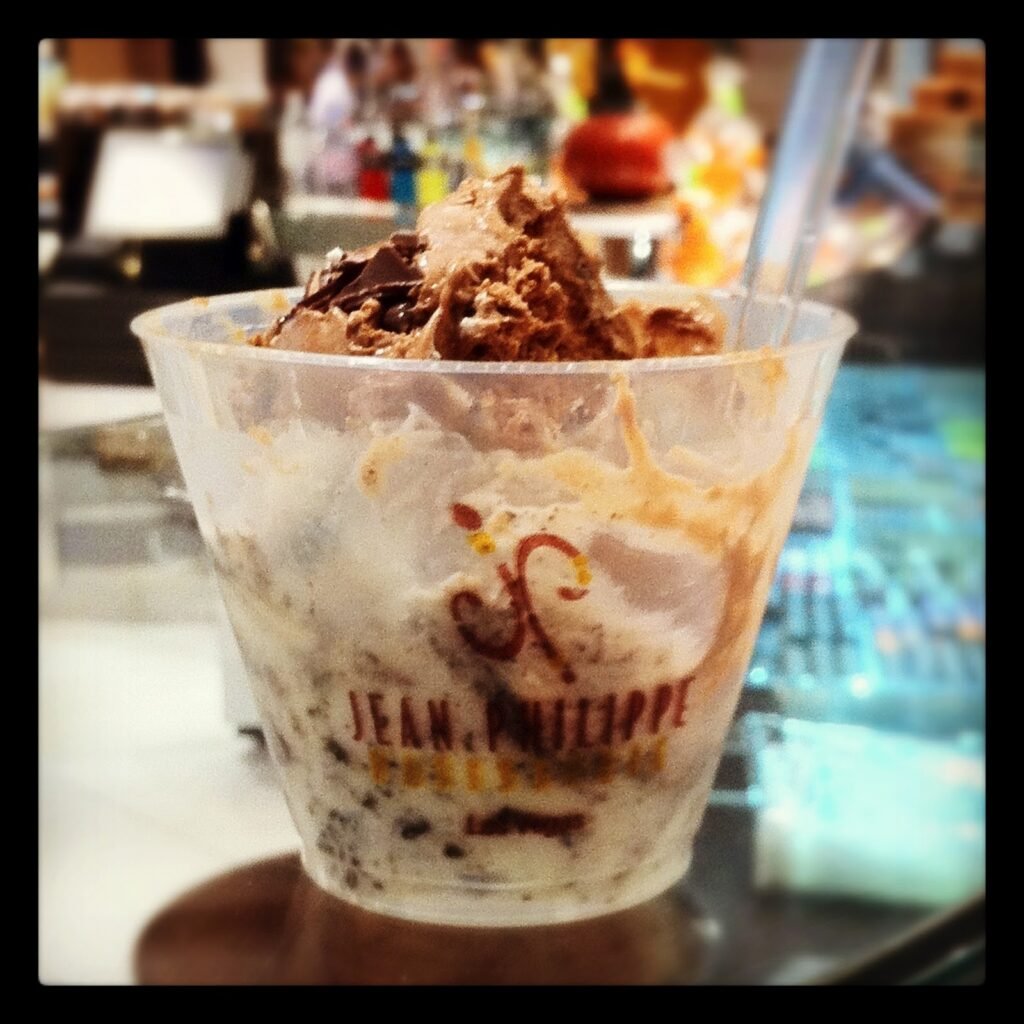
Of course, the Sweet Chick that I am, I needed to have an after dinner sweet. Well wouldn’t you know, they have a Jean-Philippe Patisserie right inside our hotel. Fancy that. I love Jean-Philippe. We used to get some treats at the one in the Bellagio Resort/Casino. And they have a really cool chocolate fountain there. It is under glass, so I can’t jump in and go swimming, but pretty to look at and drool. Anyway, the husband was in the mood for gelato. I chose one scoop chocolate and one scoop oreo cookie. Mmmmmm. It was so creamy good.
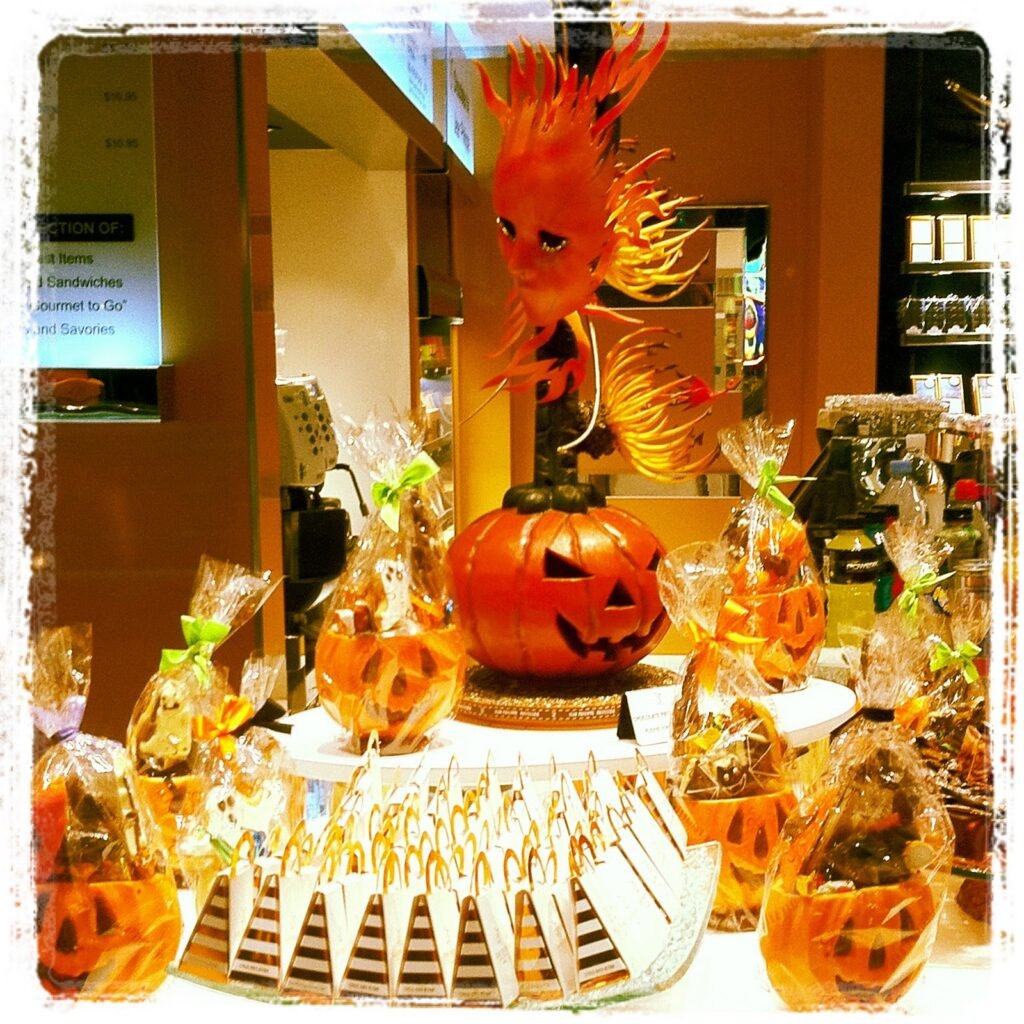
The shop area of the patisserie was all decorated for fall. There were all sorts of Halloween goodies and the colors of the decorations were so bright and colorful. As I read the little sign, I found that most of the decorations were made of chocolate. I thought this was incredible. The details were phenomenal. This was a great end to our first evening in the City of Sin.
After a little bit of gambling, it was time to head
off to bed and catch up with some sleep. My body is not used to staying up so late and with the time difference, I was really exhausted. A big difference from our first few trips to Vegas when we stayed up all night and slept all day. That was pre-kids and when my body was a lot younger. Ta Ta for now.
Related Posts

Subscribe for New Racipies
Get mental health tips, updates, and resources delivered to your inbox.
Pumpkin Spice Oreo Truffles

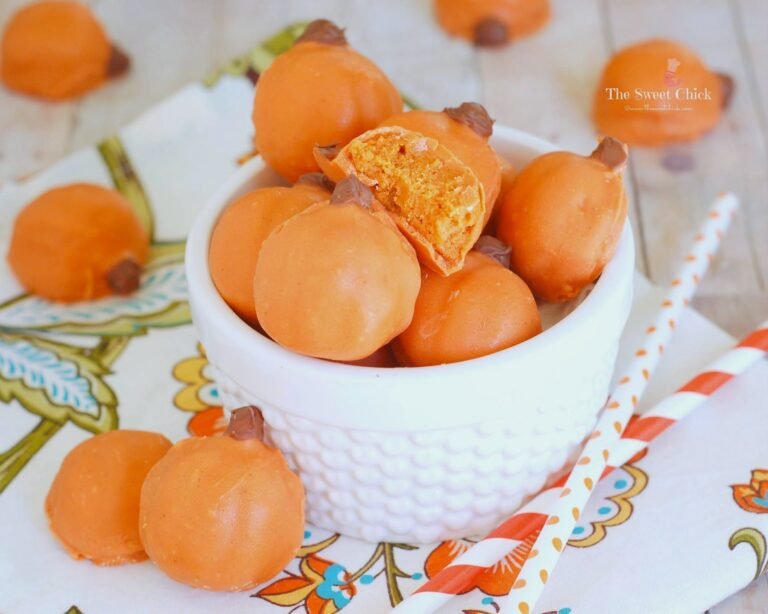
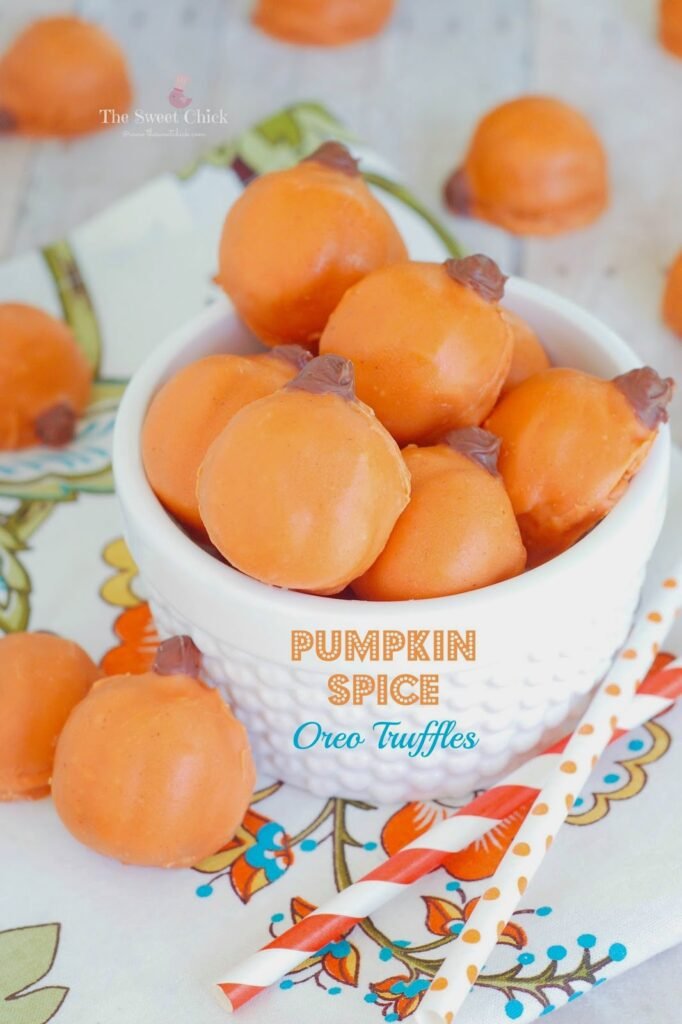
Well, I had to find something to do with the leftover Pumpkin Spice Oreos I had from last week’s Krispie Pumpkin Spice Oreo Tartlets, so I made some truffles. I love Oreo truffles. They are so easy to make and with all the different Oreos that keep coming out, there is a flavor for everyone’s liking. And you can shape the dough in a variety of ways. I used a pumpkin ice cube tray to shape these pumpkin truffles.

The Pumpkin Spice Oreos and the silicone pumpkin ice cube trays were purchased at Walmart. The Wilton’s Pumpkin Spice candy melt is from Michael’s.
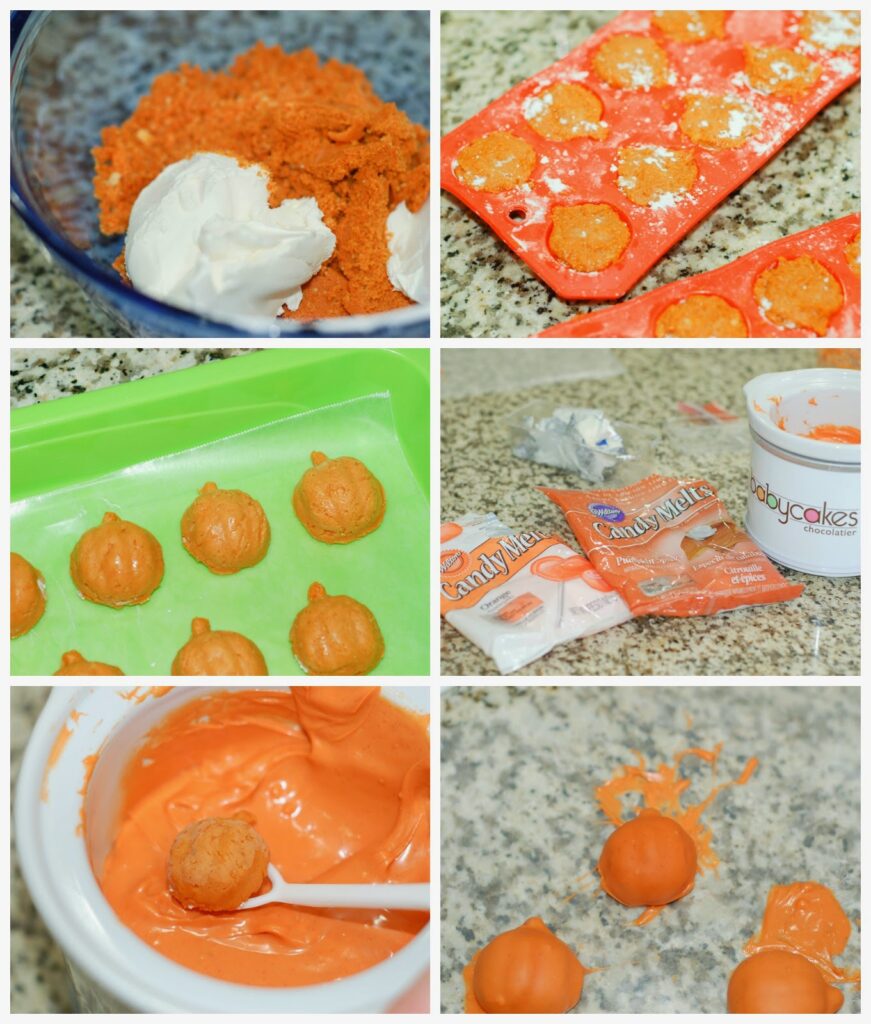
You could just go the easy route and make traditional round truffles, but I thought pumpkins would be cute. I dusted the silicone trays with some powdered sugar to keep the dough from sticking. I pressed the dough into the pumpkin cavities by hand, making sure it was pressed down firmly. Then I popped them into the freezer overnight. The pumpkins came out pretty easy from the molds. What gave me the most problems was the Pumpkin Spice candy melt. I don’t know if I got a bad batch or I had water in my container, but the candy wouldn’t melt. I tried adding vegetable shortnening and that didn’t work. So then I pulled out my Babycakes chocolatier to melt it and added some orange candy melt I had to the batch. Finally, that worked and the candy melt still had plenty of pumpkin spice flavor and came out a brighter shade of orange. So all worked out well.

For the stems, I just melted a few bits of chocolate chips in the microwave and painted the chocolate on with one of my cake decorating paint brushes. You could also use a regular clean paint brush. You could also paint on some vines and leaves with some green candy melt like I did for my Maple Pumpkin Rice Krispie Treats. Either way they taste awesome.
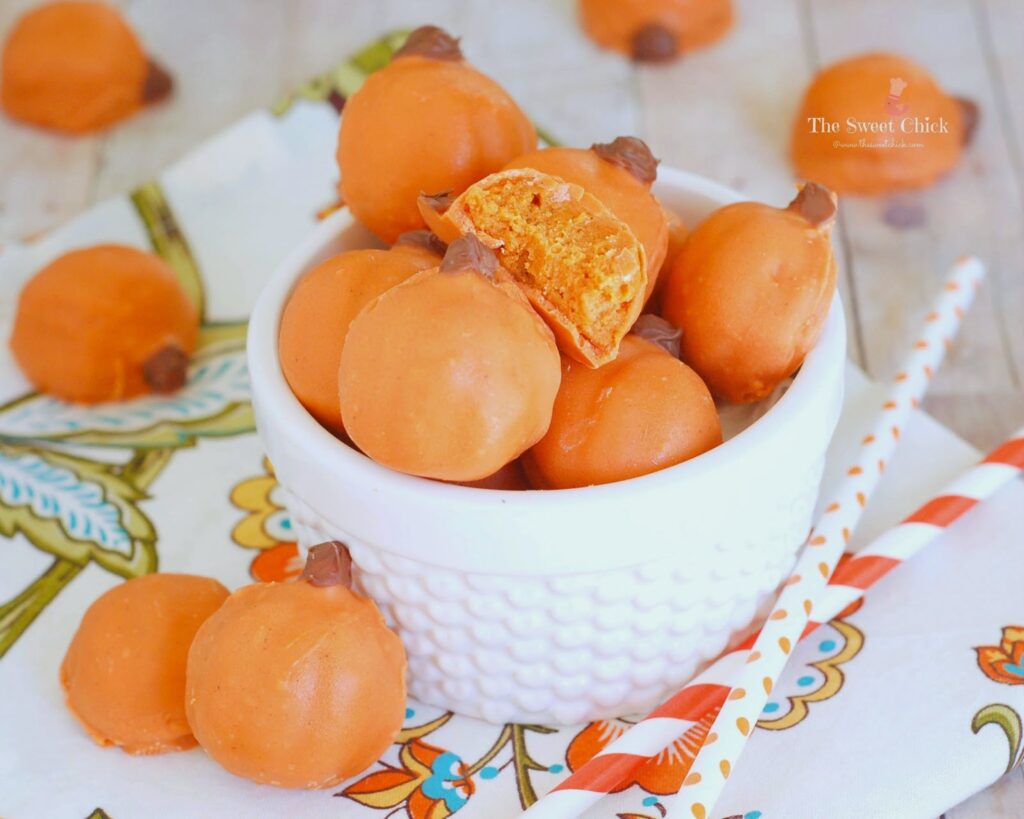
I just love a crunchy outer shell with a creamy, flavorful center. The pumpkin spice in the Oreos and in the candy melt worked really well together. And I think the little pumpkins came out cute. The kids sure did like them.
Pumpkin Spice Oreo Truffles
by The Sweet Chick
Prep Time: 1.5hs w/freezer time
Keywords: no bake dessert snack pumpkin spice oreos cream cheese candy melt Halloween truffles American fall
Ingredients (20 truffles)
For the truffles
- 12 Pumpkin Spice Oreos
- 4 oz. cream cheese, softened
For the coating
- 1/2 package (5 oz.) Wilton’s Pumpkin Spice candy melts
- 1/2 package (5 oz.) Wilton’s candy melts, orange
- 8-10 Ghirardelli milk chocolate chips
Instructions
For the truffles
Crush Oreo cookies in a food processor until they are a dirt like consistency.
In a medium bowl, mix the crushed Oreos and cream cheese until completely combined.
Lightly dust your silicone molds with powdered sugar or flour, removing any excess.
Add a small amount of Oreo dough to each cavity pressing down with your fingers until cavity is full.
Place the molds in the freezer for at least 1 hour to set. (I left mine overnight.)
For the coating
Combine and melt all the candy melt according to the instructions on the package. You may wish to place the melted candy into a warmer like the Babycakes Chocolatier to keep it from hardening up on you.
Once the candy melt is ready, remove one tray at a time from the freezer and pop out the pumpkin truffles.
With a fork or candy dipping tool, dip the truffles one at a time into candy coating mixture until all covered.
Once covered, remove and softly tap until excess candy melt falls off. Then place the truffles on wax paper until the candy melt hardens. You can place the truffles in the fridge to quicken the process.
Once the candy melt is set, you can paint on the stems. Simply place the chocolate chips in a microwave safe container and microwave for 20-30 seconds.
Using a clean paintbrush, paint the melted chocolate onto the stems of the pumpkin truffles and let it set.
Keep truffles refrigerated until ready to serve.
Notes
It is best to have the dough as frozen as possible when dipping, so that it doesn’t come apart.
If your candy melt does not melt smoothly, you can add 1/2 teaspoon of vegetable shortening at a time to it until it becomes the right consistency for dipping.
If the bottoms of the truffles don’t get fully covered with candy melt, you can always dip them again.
These truffles can be made ahead of time and refrigerated for 3-4 days.
Related Posts
Subscribe for New Racipies
Get mental health tips, updates, and resources delivered to your inbox.