Homemade Dulce de Leche Revisited
Medically reviewed by Christiana George Updated Date: December 17, 2022


I was all out of dulce de leche and really in the mood to make a yummy dessert for my Argentinian in-laws for Thanksgiving using this sweet Spanish caramel. What was a girl to do? Make some more of course. Now that I know I can make it in a slowcooker anytime I want, it makes it a lot easier. Just click on the photo below for the link to the recipe I used the first time.
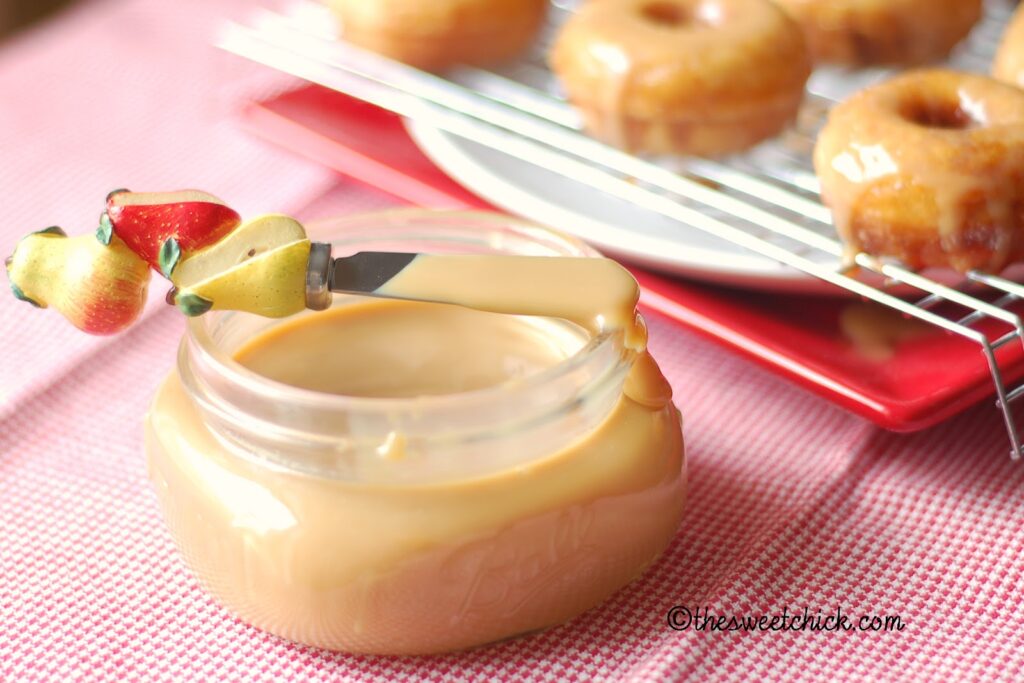
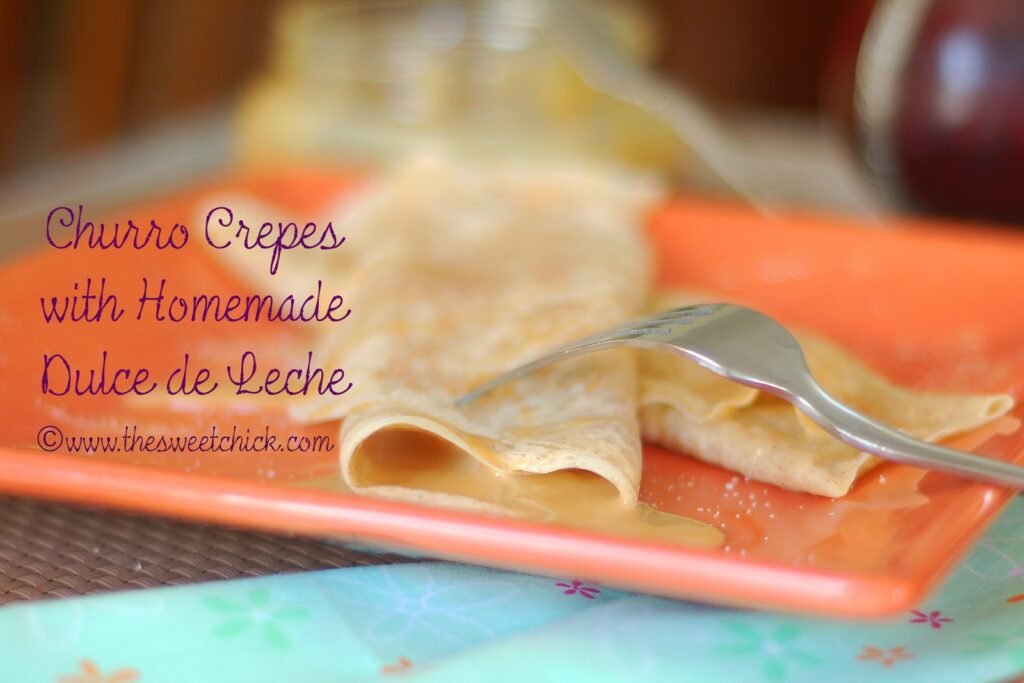
The first time I made dulce de leche in a slowcooker, I followed the recipe exactly. It said to set the slowcooker on low for 9-11 hours. I set mine for 10 hours. The results were a light, creamy, sauce-like dulce de leche that was great for pouring over ice cream, crepes, pancakes, waffles, or my Mini Churro Donuts and Churro Crepes.

However, the consistency was not ideal for when I wanted to spread it on toast, or between a layered cake or fill cupcakes, like my Churro Cupcakes with Cinnamon Mascarpone Frosting.

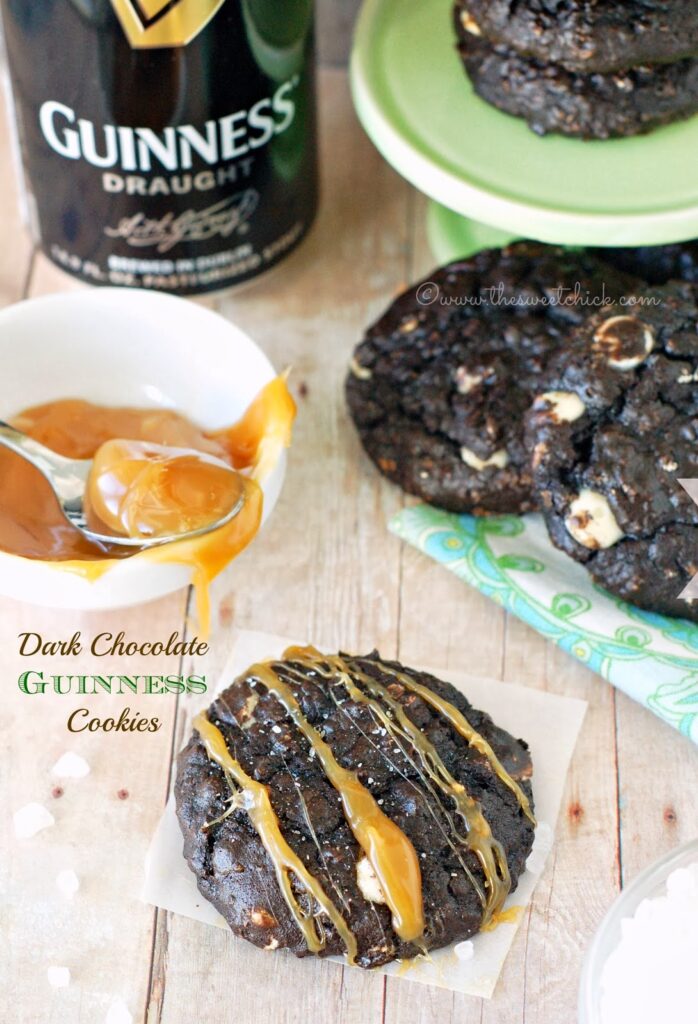
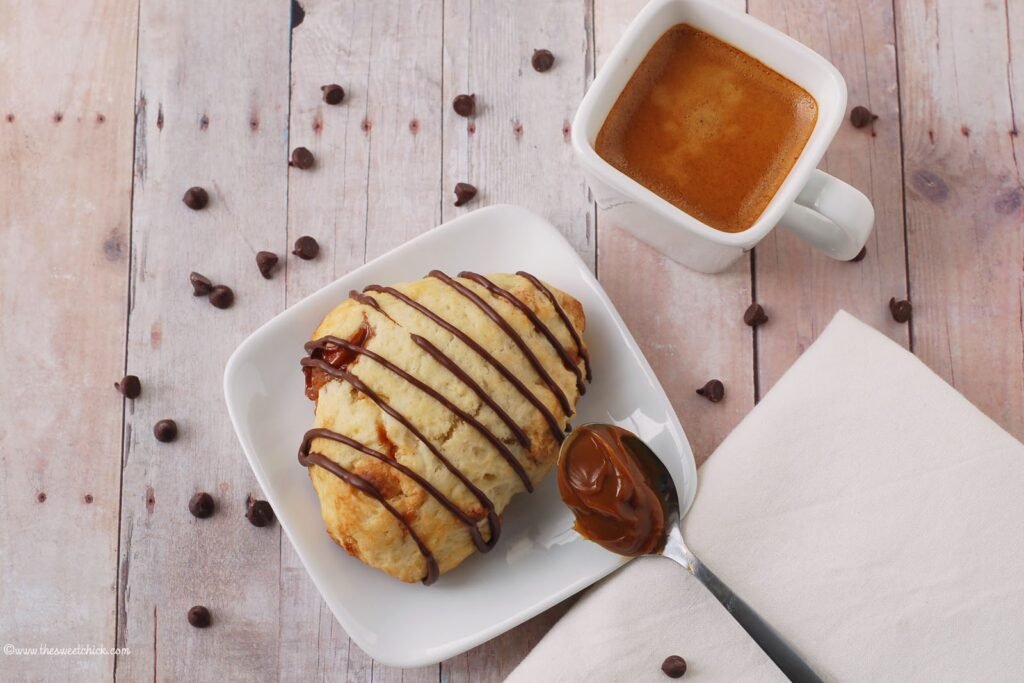
Nor was it good to used in baking like when I made my Dulce de Leche Rice Krispie Treats, Dulce de Leche Stuffed Scones, and Dulce de Leche and White Chocolate M&M Cookies.


So I decided to experiment a little with the settings on the slowcooker to get the right consistency of dulce de leche I wanted. First I set in on high for 6 hours. When I went to get a sneak peek after 6 hours, I did not see the darker color caramel I was expecting. I put the cover back on and set it for another 6 hours on high. I went for a second look and it did indeed look darker. I did not take the jars out of the slowcooker yet, for the simple fact that I do not have the proper thongs and I didn’t want to risk another ride to the emergency room by sticking my hand in extremely hot water. So I left the jars sitting in the water overnight to cool off. In the morning I woke up to a glorious jar of the dark, thick, velvety smooth, dulce de leche of my dreams. You could stick a fork in it and it would stand straight up. Perfection! So I guess every slowcooker is not the same. I don’t care that it took me 12 hours to make, because it really didn’t take much effort, it’s homemade, and it was cooked in canning jars that are now sealed and can be saved for a later date to use in recipes or to give away as gifts for Christmas. The clear glass jars make it easy to monitor the dulce de leche for the results you want. So whether you like it more as a sauce or you want to use it for baking, go ahead and make some today. It’s good stuff!
Subscribe for New Racipies
Get mental health tips, updates, and resources delivered to your inbox.
Is Coleslaw Acidic? Understanding Coleslaw and Acid Reflux

Coleslaw is a beloved side dish often served at picnics, barbeques, and family gatherings. Known for its crunch and flavor, it pairs well with many main dishes. But have you ever wondered, is coleslaw acidic?
The acidic nature of coleslaw comes from its ingredients, especially vinegar-based or creamy dressings. This can be a concern for people with acid reflux, as acidic foods often trigger symptoms. Acid reflux sufferers must be mindful of their diet, and knowing how certain foods impact their condition is key to avoiding discomfort.
Can coleslaw fit into an acid-reflux-friendly diet, or should it be avoided altogether? Let’s explore its acidity, its effects on acid reflux, and some helpful alternatives.
Is Coleslaw Acidic?
Understanding Acidity in Coleslaw
Coleslaw is considered moderately acidic. The dressing is the main contributor to its acidity. Many traditional recipes use vinegar, a highly acidic ingredient, to give coleslaw its tangy flavor. Vinegar has a low pH, which increases the dish’s overall acidity.
Creamy coleslaw made with mayonnaise is slightly less acidic but still contains acidic components like lemon juice or vinegar. Even sugar-added versions can have acidic undertones, as sugar interacts with other ingredients during preparation.
Does Preparation Affect Acidity?
Yes, how coleslaw is prepared greatly influences its acidity. Homemade coleslaw gives you control over the ingredients. You can choose to reduce or omit vinegar and substitute less acidic options, such as yogurt-based dressings.
Store-bought coleslaw, on the other hand, often contains preservatives and additional acids to extend shelf life, making it potentially more acidic. Reading labels and selecting low-acid versions can help.
Coleslaw and Acid Reflux: Is It Okay?
How Coleslaw Impacts Acid Reflux
Acid reflux occurs when stomach acid flows back into the esophagus, causing discomfort or heartburn. Foods with high acidity, like vinegar, can irritate the esophagus and worsen symptoms. Additionally, the high-fat content in creamy coleslaw dressings may relax the lower esophageal sphincter (LES), making reflux more likely.
Can You Eat Coleslaw with Acid Reflux?
For some individuals, coleslaw may be safe in moderation, especially if prepared with reflux-friendly ingredients. However, traditional recipes with tangy dressings and raw cabbage might trigger symptoms. Acid reflux sufferers should opt for lighter, less acidic versions and avoid large portions.
Trigger Ingredients in Coleslaw
- Vinegar: A common trigger due to its strong acidity.
- Mayonnaise: High-fat content can slow digestion and relax the LES.
- Raw Cabbage: While nutritious, it can cause bloating and gas, exacerbating reflux.
Choosing low-fat and low-acid ingredients can make coleslaw more tolerable.
Cabbage and Acid Reflux: What to Know
Is Cabbage Safe for Acid Reflux?
Cabbage, the main ingredient in coleslaw, has mixed effects on acid reflux. While it’s packed with vitamins and fiber, raw cabbage can be hard to digest for some people. This can lead to bloating or gas, which may worsen reflux symptoms.
Raw vs. Cooked Cabbage
Raw cabbage, commonly used in coleslaw, is more likely to cause digestive discomfort. Cooking cabbage softens its fibers, making it easier to digest and less likely to trigger reflux. For acid reflux sufferers, cooked cabbage is often a better choice.
What About Purple Cabbage?
Purple cabbage has similar benefits and drawbacks as green cabbage. Its higher antioxidant content makes it a healthy choice, but its raw form may still cause gas and bloating. Cooking purple cabbage can reduce its effects on reflux.
Is Raw Cabbage Good for Acid Reflux?
Raw cabbage isn’t ideal for everyone with acid reflux. While it offers nutrients, its tough fibers and gas-producing compounds can aggravate symptoms. If you love cabbage, try smaller portions or cooked preparations.
Can Coleslaw Upset Your Stomach?
Potential Stomach Triggers in Coleslaw
Coleslaw can upset the stomach in sensitive individuals due to its ingredients:
- Dairy (in creamy dressings): May cause indigestion or discomfort for those with lactose intolerance.
- Fats (from mayonnaise): Slow digestion, leading to bloating or reflux.
- Vinegar: Strongly acidic, potentially irritating the stomach lining.
Sensitivity to Raw Vegetables
Raw vegetables, including cabbage, are harder to break down in the digestive system. They can cause bloating, gas, and discomfort, especially for people with irritable bowel syndrome (IBS) or acid reflux. Lightly steaming or sautéing the cabbage can reduce these effects.
If coleslaw frequently causes discomfort, consider experimenting with ingredients to find a balance that works for your stomach.
What Kind of Salad Is Good for Acid Reflux?
Low-Acid Salad Options
For individuals with acid reflux, salads made with low-acid and easy-to-digest ingredients are ideal. Here are some options:
- Cucumber Salad: A refreshing, low-acid choice with minimal seasoning. Use olive oil and herbs for flavor.
- Spinach and Avocado Salad: Spinach is mild and soothing, while avocado provides healthy fats without triggering reflux.
- Quinoa Salad with Roasted Vegetables: Incorporates cooked ingredients, which are easier on the stomach.
Author Tip: Paul Steindler’s Cabbage Soup
Tips for Acid-Reflux-Friendly Salads
- Choose Low-Acid Dressings: Use olive oil, yogurt, or tahini as a base instead of vinegar or citrus.
- Avoid High-Fat Additions: Skip heavy cheeses or creamy dressings.
- Add Soothing Ingredients: Include ginger, chamomile, or fennel for digestive comfort.
By making thoughtful choices, you can enjoy salads without worrying about reflux symptoms.
FAQs
1. Is coleslaw okay for acid reflux?
It depends on the recipe. Vinegar-heavy and high-fat versions may trigger reflux, but lighter, low-acid options can be more suitable.
2. What type of cabbage is best for acid reflux?
Cooked cabbage is easier to digest and less likely to cause reflux symptoms compared to raw cabbage.
3. How can I make coleslaw less acidic?
Replace vinegar with yogurt or olive oil in the dressing. Use a small amount of lemon juice for flavor without overloading on acid.
4. Are there alternatives to coleslaw for acid reflux sufferers?
Yes, salads like cucumber, spinach, or quinoa-based dishes are excellent low-acid options.
5. Can I eat mayonnaise with acid reflux?
In small amounts, low-fat mayonnaise may be tolerable. Avoid high-fat versions to reduce the risk of triggering symptoms.
Conclusion
Coleslaw’s acidity and potential to trigger acid reflux depend largely on its ingredients and preparation. Traditional recipes with vinegar and mayonnaise may not be suitable for everyone, but there are ways to adapt coleslaw for sensitive stomachs. Using low-acid and low-fat alternatives can make it a safer choice.
If coleslaw doesn’t work for you, consider exploring low-acid salad options that are just as delicious. Understanding how different foods affect your acid reflux can empower you to make better dietary decisions. Small adjustments can lead to big improvements in managing symptoms and enjoying meals without discomfort.
Subscribe for New Racipies
Get mental health tips, updates, and resources delivered to your inbox.