Lime Coconut Rice Krispie Treats with Tequila
Medically reviewed by Christiana George Updated Date: January 6, 2026


I don’t know about you, but the month of May is busy for me. With my mom’s birthday, Mother’s Day, and my husband’s birthday I have been doing a lot of running around. And last week I took the week off to try to get stuff done around the house. The beginning of the week we had some nice weather, but then came the cold rain and wind. So in an effort to cheer myself up and think of the summer ahead, I made these.

Lime and coconut reminds me of summer, the beach, the ocean, and drinks with little umbrellas. So while I was thinking of drinks, I pulled out the tequila our friends brought us back from Mexico. Tequila and lime play well together, so why not have a little fun.

I found some Campfire Key Lime Mallow Bursts at Walmart that I have been dying to use. I did not find any key limes at the grocery store however. So I just bought whatever limes I found.

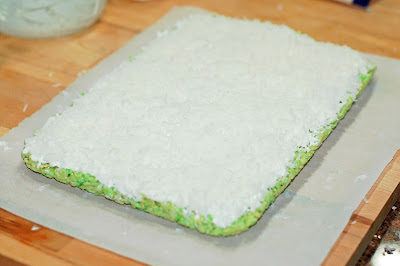
I did end up adding a few dabs of Wilton’s Leaf Green coloring gel to the Rice Krispie Treats at the end just to give it a little more color, but it is not necessary.

My daughter was really loving the smell of the limes. She was very disappointed when I told her that she would not be able to eat these treats because they contain alcohol. I will have to make them again for her without the alcohol.

Since I didn’t add a lot of tequila in the treats, I added some more to the topping. And it made the marshmallow fluff more spreadable.

In the end, the treats came out wonderful. They have a nice tart lime flavor, balanced with the sweetness of coconut. There is not a heavy alcohol presence. I couldn’t add anymore liquid than I did, because the treats would have fallen apart. Although you could try replacing the lime juice with more tequila. Or you could skip it altogether and enjoy the lime/coconut party. I like that they are not too sweet and you can definitely eat more than one without having a sugar overdose. This turned out to be a great summer-is-almost-here dessert!
Lime Coconut Rice Krispie Treats with Tequila
by The Sweet Chick
Prep Time: 15 minutes
Cook Time: 5 minutes
Keywords: no bake dessert snack coconut limes rice krispies marshmallows bars rice krispie treats American summer
Ingredients (24 bars)
For the treats
- 3 tablespoons butter
- 1 bag (8 oz.) Campfire Key Lime Mallow Bursts
- 1 teaspoon fresh lime juice
- 1 teaspoon lime zest
- 2 teaspoons tequila
- 5 cups Rice Krispie cereal
- 2-3 drops of green food coloring gel
For the topping
- 2 cups marshmallow fluff
- 1 teaspoon tequila
- 1 1/4 cups shredded sweetened coconut
Instructions
For the treats
In a large sauce pan, melt butter and marshmallows over low heat. Stir until completely melted.
Remove from heat and add lime juice, lime zest, and tequila. Stir until completely mixed.
Then add the Rice Krispie cereal. Mix until all is well incorporated. Then add food coloring gel if desired. Stir until completely colored.
Then pour the mixture into a greased 9 x 13 pan or a cookie sheet and spread it evenly with a piece of waxed paper.
Place in fridge to cool and set.
For the topping
In a small bowl combine the marshmallow fluff and tequila until completely mixed.
Spread the fluff mixture over the top of the cooled treats.
Then evenly sprinkle shredded coconut on top, pressing down slightly with your hands or a piece of wax paper, so that the flakes adhere to the fluff.
Next, slice, eat and enjoy!
Subscribe for New Racipies
Get mental health tips, updates, and resources delivered to your inbox.
Is Asparagus Acidic? Asparagus and Acid Reflux

Asparagus is a beloved vegetable known for its unique flavor and nutritional benefits. But for individuals suffering from acid reflux, it raises a common question: Is asparagus acidic, and can it aggravate or alleviate acid reflux symptoms? In this article, we’ll explore the acidity of asparagus, its nutritional profile, and its potential effects on acid reflux sufferers.
Understanding Acid Reflux and Diet
What Is Acid Reflux?
Acid reflux occurs when stomach acid travels back up into the esophagus, leading to symptoms such as heartburn, regurgitation, and chest discomfort. This condition is often linked to dietary choices, making it vital to assess whether specific foods, like asparagus, trigger or alleviate symptoms.
How Diet Impacts Acid Reflux?
Certain foods are known to trigger reflux by:
- Relaxing the lower esophageal sphincter (LES), which normally prevents acid backflow.
- Increasing stomach acid production.
- Irritating the esophageal lining.
Dietary management is a cornerstone of acid reflux treatment, which means understanding the properties of each food, including asparagus, is crucial.
Is Asparagus Acidic or Alkaline?
The pH Level of Asparagus
On the pH scale, asparagus is considered a low-acid food with a pH ranging between 6.0 and 7.0, depending on its preparation. Foods with a pH above 7.0 are classified as alkaline, while those below 7.0 are acidic. Research suggests that asparagus sits near neutral, making it a mild choice for those monitoring their dietary acid intake.
Raw vs. Cooked Asparagus
The pH of asparagus can vary slightly based on its preparation:
- Raw asparagus retains more of its natural alkalinity and nutrients.
- Cooked asparagus (especially steamed or boiled) may have a softer texture, making it easier to digest for some individuals with reflux.
Alkaline Properties of Asparagus
While not fully alkaline, asparagus contains certain compounds that promote an alkaline environment in the body, which may help neutralize stomach acid and reduce reflux symptoms.
Nutritional Profile of Asparagus
Asparagus is not just a culinary delight; it’s a powerhouse of nutrients that contribute to overall health. Here’s what makes it stand out:
Key Nutrients in Asparagus
- Vitamins: Rich in vitamins A, C, E, and K, as well as folate.
- Minerals: Contains potassium, magnesium, calcium, and iron.
- Antioxidants: High levels of glutathione, an antioxidant that reduces inflammation.
- Fiber: Asparagus is a good source of dietary fiber, promoting healthy digestion.
- Prebiotics: Contains inulin, a prebiotic fiber that supports gut health.
Health Benefits of Asparagus
- Anti-Inflammatory Properties: Helps reduce inflammation, which may benefit individuals with acid reflux.
- Improved Digestion: Fiber and prebiotics in asparagus support healthy bowel movements and gut microbiota.
- Heart Health: Potassium and antioxidants promote cardiovascular health.
- Immune Support: High levels of vitamin C and other antioxidants boost immunity.
Asparagus and Acid Reflux: Potential Effects
Can Asparagus Trigger Acid Reflux?
While asparagus is not inherently acidic, it may still cause reflux in certain situations:
- Seasoning Choices: Adding acidic ingredients like lemon juice or vinegar during preparation could trigger symptoms.
- Overeating: Consuming large portions of any food, including asparagus, can put pressure on the LES and lead to reflux.
- Individual Sensitivity: Some individuals may have unique sensitivities that make asparagus a trigger food.
Benefits of Asparagus for Acid Reflux
For many, asparagus can be a reflux-friendly addition to their diet:
- Mildly Alkalizing: Asparagus helps create a less acidic environment in the stomach, which may alleviate reflux symptoms.
- Promotes Digestion: Fiber content aids in digestion, preventing bloating and constipation that can exacerbate reflux.
- Anti-Inflammatory Effects: May help soothe the esophagus and stomach lining.
How to Incorporate Asparagus into a Reflux-Friendly Diet
Tips for Cooking Asparagus
- Opt for Gentle Cooking Methods: Steaming or boiling preserves nutrients while making asparagus easier to digest.
- Avoid Trigger Ingredients: Skip acidic additions like lemon juice, garlic, or spicy seasonings.
- Pair with Alkaline Foods: Combine asparagus with alkaline-rich foods such as quinoa, sweet potatoes, or bananas to balance stomach acidity.
Portion Control
Stick to small to moderate portions of asparagus to avoid overwhelming the stomach. Eating smaller meals more frequently throughout the day can also help reduce reflux episodes.
Timing of Consumption
Avoid eating asparagus—or any food—close to bedtime, as lying down after a meal can increase the likelihood of reflux symptoms.
Alternative Vegetables for Acid Reflux Sufferers
If asparagus doesn’t sit well with you, consider these acid reflux-friendly alternatives:
- Zucchini: Mild and easy to digest, zucchini is a versatile vegetable for reflux sufferers.
- Cucumber: Naturally hydrating and alkaline, cucumber is a refreshing option.
- Broccoli: Rich in nutrients and low in acidity, broccoli is generally well-tolerated.
Related to Read: Zucchini Recipes
Lifestyle Changes for Managing Acid Reflux
Adopt Acid-Reflux-Friendly Eating Habits
- Chew food slowly and thoroughly.
- Avoid overeating by sticking to smaller meals.
- Maintain an upright posture for at least 2–3 hours after meals.
Avoid Common Trigger Foods
Limit or eliminate highly acidic, fatty, or spicy foods like tomatoes, citrus fruits, fried foods, and chocolate.
Manage Stress Levels
Stress can exacerbate acid reflux by increasing stomach acid production. Incorporate relaxation techniques such as yoga, meditation, or deep breathing exercises.
What the Experts Say About Asparagus and Acid Reflux?
Nutritional Research on Asparagus
Research highlights asparagus as a vegetable rich in anti-inflammatory compounds and gut-friendly prebiotics. While direct studies on its effect on acid reflux are limited, its overall properties make it a potential ally in a reflux-friendly diet.
Recommendations from Nutritionists
Many nutritionists recommend asparagus as a low-acid vegetable suitable for most people with acid reflux. However, they emphasize the importance of individual tolerance and moderation.
Asparagus Recipes: Asparagus Tempura
Roasted Asparagus With Miso Butter And A Poached Egg
Conclusion
So, is asparagus acidic? Not exactly. With its near-neutral pH and alkaline-promoting properties, asparagus is generally a reflux-friendly food. For most individuals, it can be safely included in a reflux management plan, provided it’s prepared and consumed thoughtfully.
However, acid reflux triggers vary from person to person. It’s essential to monitor your body’s response to asparagus and make adjustments as needed. Incorporating this nutritious vegetable alongside other lifestyle changes can help you better manage acid reflux and enjoy a balanced diet.
FAQs
1. Is asparagus good for acid reflux?
Yes, asparagus is generally good for acid reflux due to its low acidity and digestive benefits. However, individual tolerance may vary.
2. Can cooking asparagus reduce its acidity?
Cooking asparagus doesn’t significantly change its pH, but steaming or boiling can make it easier to digest, potentially reducing reflux symptoms.
3. Are there vegetables better than asparagus for acid reflux?
Vegetables like zucchini, cucumber, and broccoli may be better suited for some individuals, depending on personal tolerance.
4. Does asparagus cause gas or bloating?
Asparagus contains inulin, a prebiotic fiber, which can cause gas or bloating in some people, especially if eaten in large amounts.
5. Should I eat asparagus raw or cooked for acid reflux?
Cooked asparagus is usually easier to digest and less likely to trigger reflux symptoms compared to raw asparagus.
Subscribe for New Racipies
Get mental health tips, updates, and resources delivered to your inbox.