
Is Cereal a Soup? A Deep Dive Into the Internet’s Favorite Food Debate

Medically reviewed by Christiana George Updated Date: January 7, 2026
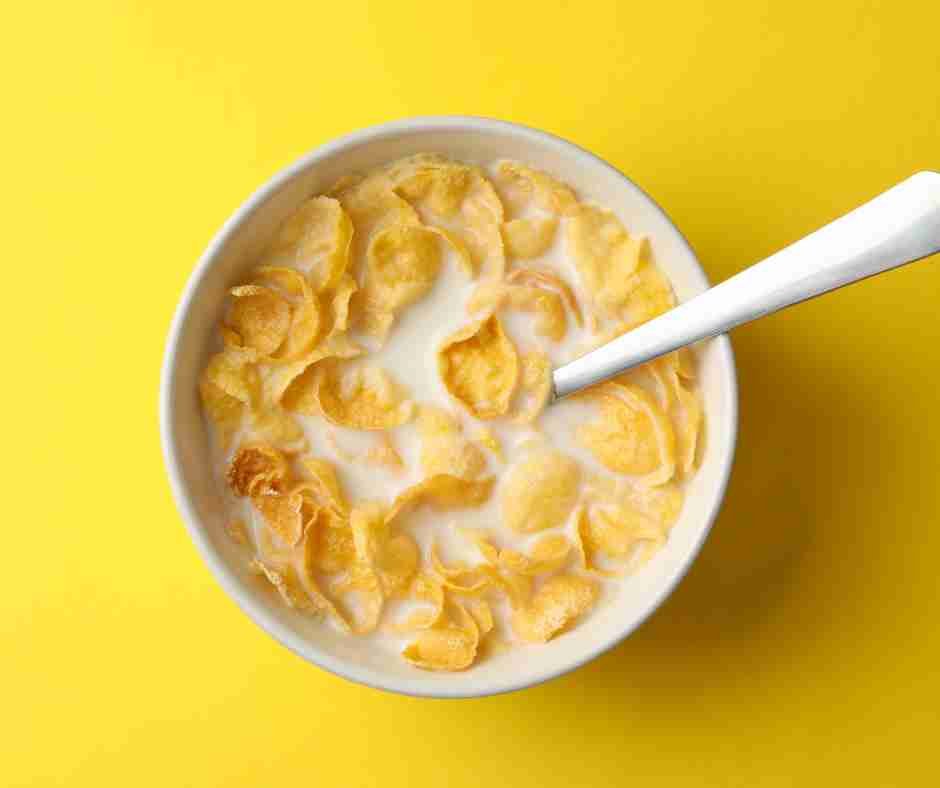
It happens late at night. You are standing in your kitchen, illuminated only by the refrigerator light. You pour a bowl of Cheerios. You add milk. You take a bite. And suddenly, a thought strikes you so profound, so earth-shattering, that you freeze mid-chew.
You are eating chunks of food floating in a liquid.
You are eating… soup.
Or are you?
The question “Is cereal a soup?” has torn families apart, ruined first dates, and fueled Reddit threads that stretch on for eternity. It belongs to the pantheon of great modern philosophical debates, sitting right alongside “Is a hot dog a sandwich?” and “Is a Pop-Tart a ravioli?”
On the surface, it seems silly. Of course, cereal isn’t soup. Soup is savory; cereal is sweet. Soup is dinner; cereal is breakfast. But when you strip away our cultural biases and look strictly at the definitions, the lines begin to blur. If gazpacho is a soup (cold, liquid, vegetable-based), why isn’t Corn Flakes in milk (cold, liquid, grain-based) a soup?
In this exhaustive guide, we will leave no stone unturned. We will consult dictionaries, culinary experts, and the darkest corners of the internet to answer the ultimate question: Is cereal considered a soup?
Why Do People Ask “Is Cereal a Soup?” (Cultural Context)
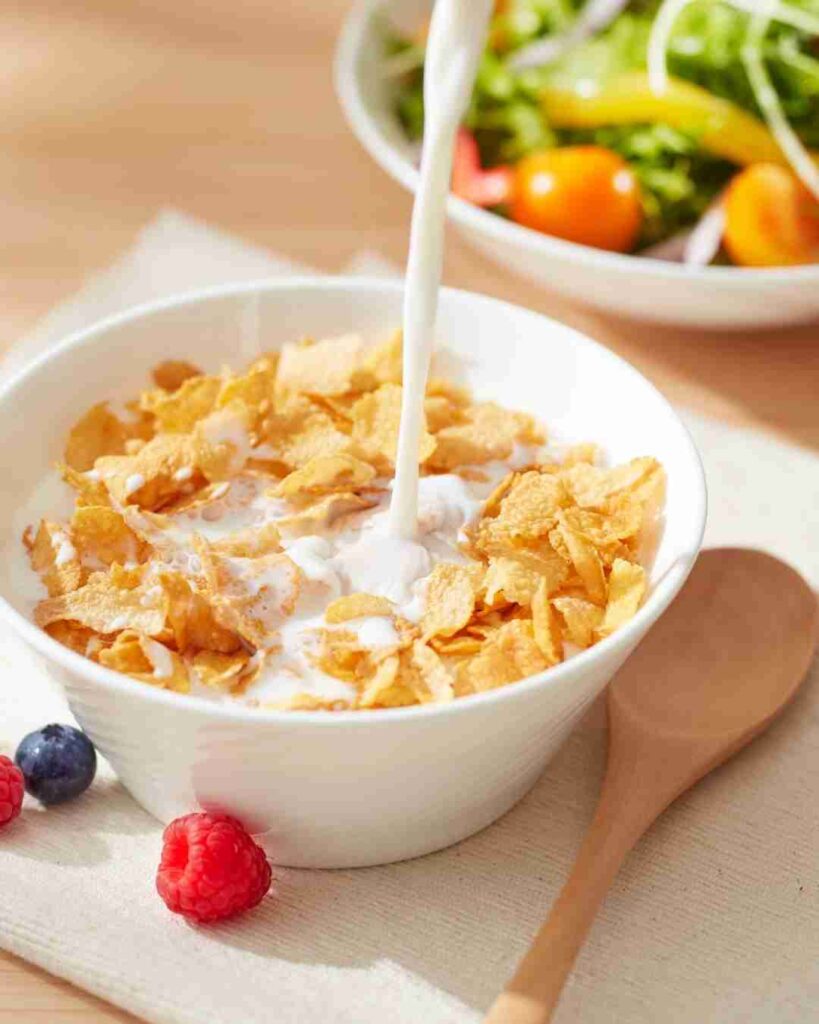
Before we dissect the anatomy of a bowl of Lucky Charms, we must ask: Why is cereal a soup even a question we are asking?
The Rise of Internet Philosophy
The internet loves a low-stakes argument. In a world full of complex, terrifying problems, debating the taxonomy of breakfast food provides a safe harbor for our argumentative energy. It is what internet historians call “recreational pedantry.”
The is cereal a soup meme gained traction in the early 2010s, coincidentally rising alongside the “Is a hot dog a sandwich?” debate. It represents a clash between two types of thinking:
- Descriptivists: People who define words based on how they are actually used. (e.g., “No one orders cereal at a soup kitchen, so it’s not soup.”)
- Prescriptivists: People who define words based on rigid technical rules. (e.g., “It meets the criteria of solid + liquid, therefore it is soup.”)
Reddit, TikTok, and the Viral Spiral
Platforms like Reddit and TikTok are engines for these debates. A user posts a video earnestly asking, “Guys, is cereal a soup?” and the engagement algorithm explodes.
- Reddit: Subreddits like r/ShowerThoughts regularly host threads titled “Cereal is just breakfast soup,” garnering thousands of upvotes.
- TikTok: The visual format allows users to present “evidence,” like pouring tomato soup into a mug vs. pouring milk into a bowl, challenging viewers to spot the difference.
- VSauce: The famous educational YouTuber Michael Stevens often tackles these kinds of categorical paradoxes (like “Is a chair a chair if no one sits on it?”), lending an air of pseudo-intellectual legitimacy to the question.
This debate persists because it exposes the fragility of language. If we can’t agree on what soup is, do we really know anything?
What Is Technically a Soup? (Definition Breakdown)
To determine if cereal fits the category, we must first define the category. What is technically a soup?
The Dictionary Definitions
Let’s look at the heavy hitters.
- Merriam-Webster: “A liquid food especially with a meat, fish, or vegetable stock as a base and often containing pieces of solid food.”
- Oxford English Dictionary: “A liquid dish, typically made by boiling meat, fish, or vegetables, etc., in stock or water.”
- Dictionary.com: “A liquid food made by boiling or simmering meat, fish, or vegetables with various added ingredients.”
The “Boiling” Clause
Notice a pattern? Most traditional definitions include the words “boiling,” “simmering,” or “stock.”
This is a major blow to the “Cereal is Soup” camp. Cereal is rarely boiled with milk. It is assembled cold.
However, if we strictly require boiling, then Gazpacho (a raw, blended vegetable soup) is not a soup. If Gazpacho is a soup, then the definition must be broader than just “boiled food.”
The Wikipedia Loophole
Wikipedia defines soup as “a primarily liquid food, generally served warm or hot (but may be cool or cold), that is made by combining ingredients of meat or vegetables with stock, milk, or water.”
Here, the inclusion of “milk” and “cool or cold” opens the door wide. If soup can be cold and made with milk, the only thing stopping cereal from being soup is the ingredient list (grains vs. vegetables). But wait—barley soup exists. Rice soup exists.
So, can soup be a cereal? Or rather, can cereal be a soup? If we remove the “meat/vegetable” requirement and focus on structure (solids in liquid), the definition fits.
What Is Cereal Classified As?
If it’s not a soup, what kind of food is cereal classified as?
The Definition of Cereal
Technically, the word “cereal” refers to the grain itself (wheat, oats, corn, rice), not the dish.
- Agricultural Definition: Any grass cultivated for the edible components of its grain.
- Breakfast Definition: A prepared foodstuff made from grain, typically eaten with milk for breakfast.
The “Stew” Argument
Some food taxonomists argue that if cereal is heated (like oatmeal), it is a porridge or a gruel.
If it is cold and suspended in liquid, is it a chowder?
The USDA categorizes “Ready-to-Eat Cereals” as its own distinct food group. They do not group them with soups, stews, or beverages. They exist on their own island.
Is Cereal Considered Soup Universally?
No. In almost every culinary school and grocery store database, “Cereal” and “Soup” are distinct categories.
- Aisle Logic: Soup is in the canned goods aisle. Cereal is in the breakfast aisle.
- Menu Logic: You will never find Froot Loops listed under “Soups & Salads” on a diner menu.
Culturally, cereal is not considered soup. But we aren’t here for culture; we are here for chaos. We want to know if it is technically soup.
Is Cereal a Soup or a Salad? (Comparison Analysis)
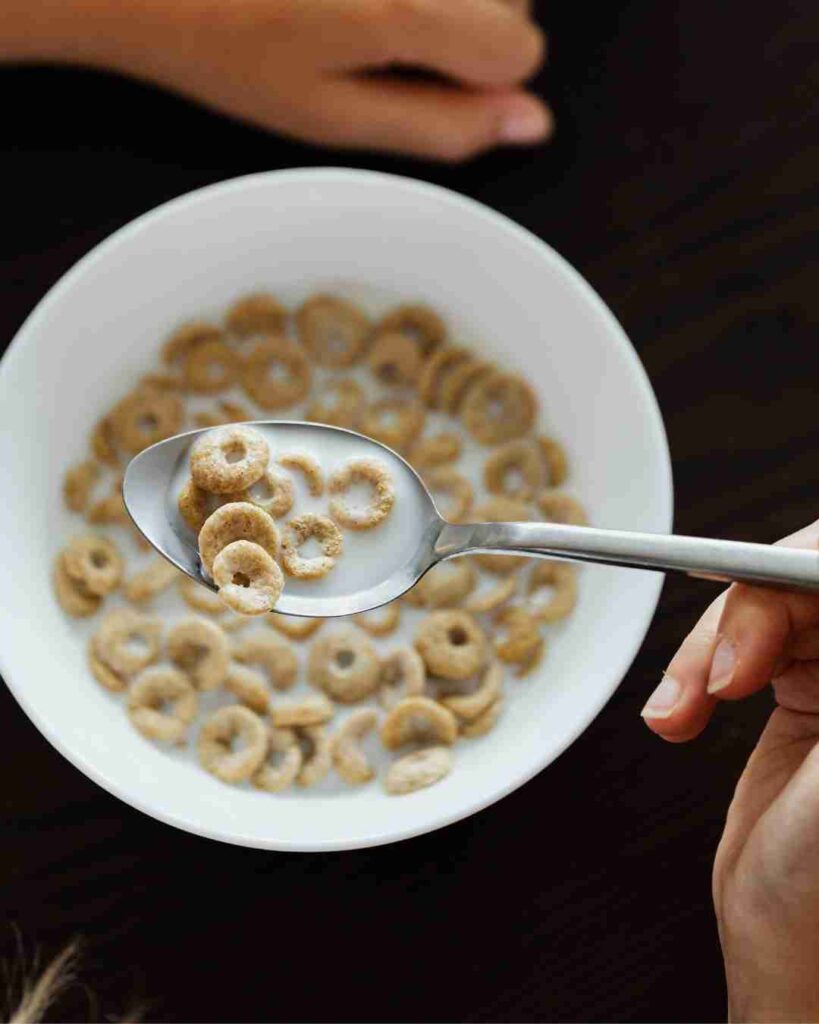
Just when you thought it was safe, a new challenger approaches. Is cereal a soup or a salad?
The Salad Theory
There is a rogue faction of the internet that argues cereal is actually a salad. Here is their logic:
- Structure: Salad is a mixture of cold, solid ingredients (lettuce, tomatoes, croutons) usually dressed with a liquid (vinaigrette, ranch).
- The Comparison:
- Cereal pieces = Croutons/Greens
- Milk = Dressing
- The Verdict: If you put a lot of dressing on a salad, does it become soup?
- If the liquid is the primary component, it’s soup.
- If the solid is the primary component, it’s a salad.
The “Wet Salad” Problem
Most people eat cereal by spoonfuls of solids coated in milk. By this metric, is cereal a salad?
A “fruit salad” often sits in its own juices. Cereal sits in milk.
However, the “Salad Theory” usually falls apart because of the volume of liquid. We drink the leftover milk. We do not (typically) drink the leftover Ranch dressing from the bottom of the bowl. (If you do, that is a separate issue.)
Therefore, cereal is closer to soup (where the liquid is consumed) than salad (where the liquid is a coating).
Is Cereal a Type of Soup? Arguments FOR
Let’s put on our lawyer wigs. Here are the strongest arguments for why cereal is a soup.
1. The “Liquid Suspension” Argument
At its most basic physics, soup is materials suspended in liquid.
- Chicken Noodle Soup = Noodles + Chicken + Broth.
- Cereal = Grain loops + Milk.
Structurally, they are identical. If you showed a diagram of both to an alien, they would categorize them as the same dish.
2. The Cold Soup Precedent
Critics say, “Soup is hot!”
We reply: “What about Gazpacho? What about Vichyssoise? What about Borscht (often served cold)?”
Culinary history is full of cold soups. There are even fruit soups (Scandinavian fruktsoppa or Hungarian hideg meggyleves—sour cherry soup).
If a bowl of cold cherry soup is soup, why isn’t a bowl of Berry Colossal Crunch?
3. The “Milk is Broth” Theory
Broth is just water flavored by meat or vegetables.
Milk is water flavored by fats, proteins, and sugars from a cow (or almond/oat).
In a savory chowder, we use milk or cream as the base.
- New England Clam Chowder = Clams + Potatoes + Milk/Cream base.
- Corn Pops = Corn + Sugar + Milk base.
If milk can be a soup base in chowder, it can be a soup base in cereal.
4. The Sweet Soup Existence
“Soup is savory!”
False. As mentioned, fruit soups exist. Dessert soups exist in French and Asian cuisine (like Cantonese tong sui). The sweetness of cereal does not disqualify it from the soup family.
Conclusion of the Affirmative:
Cereal is a cold, sweet, grain-based soup in a milk broth.
Why Cereal Is NOT a Soup: Arguments AGAINST
Now, the defense. Here is why cereal is not considered a soup.
1. The Preparation Method
Soup is defined by the process of cooking ingredients together to create a unified flavor profile.
- Soup: You simmer the broth with the carrots so the flavors meld. The broth takes on the essence of the solid.
- Cereal: You pour two distinct things (processed grain and raw milk) into a bowl immediately before eating. There is no cooking. There is no melding.
- The Test: If you leave cereal to “meld,” it becomes soggy garbage. If you leave soup to meld, it becomes better.
2. The “Broth” Distinction
In soup, the liquid is the point. You eat the chicken noodle soup for the broth as much as the noodles.
In cereal, the milk is a utility. It is a lubricant to make the dry grains palatable. Many people drain the milk or leave it behind. The milk is a condiment, not a broth.
3. The Ingredient Origin
Soup is typically vegetable, meat, or legume-based.
Cereal is grain-based.
While “grain soups” (like barley soup) exist, they are cooked. A raw suspension of baked grain products in dairy is technically closer to pudding or nachos (chips + sauce) than soup.
4. Cultural Intent (The “Menu” Argument)
Definitions are defined by usage. If you went to a restaurant, ordered the “Soup of the Day,” and the waiter brought you a bowl of Cap’n Crunch, you would send it back.
Language is a social contract. Society has agreed that cereal is not soup. To argue otherwise is to violate the social contract.
Difference Between Cereal and Soup (Side-by-Side Comparison)
Let’s break this down visually to settle the difference between cereal and soup.
| Feature | Soup | Cereal |
| Primary State | Liquid food | Solid food with liquid added |
| Preparation | Ingredients cooked/simmered in liquid | Assembled cold (Solid + Liquid) |
| Liquid Role | Broth (essential, flavored by solids) | Lubricant/Moistener (condiment) |
| Temperature | Usually Hot (sometimes cold) | Usually Cold (oatmeal is hot) |
| Flavor Profile | Usually Savory | Usually Sweet |
| Base Ingredients | Meat, Veggies, Stock, Water | Grains, Sugar, Milk |
| Is the Liquid Drunk? | Yes, almost always | Sometimes, but often discarded |
Key Takeaway: The biggest difference is the preparation. Soup requires the liquid and solid to interact chemically (cooking/steeping). Cereal requires them to interact physically (floating).
Is Cereal a Soup… Like a Hot Dog Is a Sandwich?
You cannot discuss is cereal a soup without mentioning its cousin: Is a hot dog a sandwich?
These questions fall under the umbrella of Structural Neutrality.
- The Sandwich Argument: A sandwich is a filling between two pieces of bread. A hot dog bun is one piece of bread hinged. Therefore, is it a taco? Or a sub sandwich?
- The Cereal Argument: A soup is solids in liquid. Cereal is solid in liquid.
The Cube Rule of Food
Internet theorist @Phosphatide created the “Cube Rule of Food Identification,” which categorizes food based on the location of the starch.
- Toast: Starch on the bottom.
- Sandwich: Starch on top and bottom.
- Taco: Starch on the bottom and two sides.
- Soup:?
Under strict structural rules, if you believe a hot dog is a sandwich (because structure defines identity), you must accept that cereal is a soup.
If you believe a hot dog is not a sandwich (because cultural intent defines identity), you can safely say cereal is not a soup.
Most people are Cultural Purists (“A hot dog is a hot dog”) but Structural Anarchists when they want to be funny (“Cereal is soup!”).
Is Cereal a Soup Alignment Chart (Chaotic to Lawful)
Where do you fall on the spectrum?
Lawful Good
“Cereal is Cereal.”
Believes in the USDA guidelines. Respects the grocery store aisle signs. Values order and society.
Neutral Good
“Cereal is a Breakfast Dish.”
Doesn’t care about the liquid/solid ratio. Focuses on the time of day and utility.
Chaotic Good
“Oatmeal is Soup, but Cheerios are not.
Acknowledges that cooked grains (porridge) share DNA with soup, but draws the line at cold, processed loops.
Lawful Neutral
“Cereal is a Salad.”
Strict adherence to the “dressed solids” theory. Milk is a dressing.
True Neutral
“It’s all Biomass.”
Food is food. Eat the loops.
Chaotic Neutral
“The Ocean is a Soup.”
It contains water, salt, vegetables (kelp), and meat (fish). If the ocean is soup, everything is soup.
Lawful Evil
“Cereal is a Soup.”
Adheres strictly to the dictionary definition of “solids in liquid” to annoy friends and family.
Chaotic Evil
“Tea is a Soup.”
It is leaf broth. Coffee is bean soup. Vanilla soy latte is a three-bean soup.
Is Cereal a Soup: Reddit, TikTok & Pop Culture Takes
The internet has fueled this debate with meme-worthy content.
The VSauce Take
In a famous video, Michael Stevens (VSauce) explores the definition of a chair and touches on categorization. The takeaway is that categories are artificial. Is cereal a soup? VSauce style answer? It is neither nor both. It is a “fuzzy set.”
Reddit Threads (r/ShowerThoughts)
- u/DeepThinker: “Cereal is just a soup made of domesticated grass bones bathed in cow juice.”
- u/ChefBoyardee: “If I crumble crackers into tomato soup, it’s still soup. If I put too much cereal in the bowl, it becomes a solid mass. Cereal is a casserole.”
The Sporkful Podcast
The food podcast The Sporkful often debates these granular details. They argue that intent matters. If you intend to slurp the liquid, it’s soup. If you intend to crunch the solid, it’s a snack with moisture.
TikTok Trends
A viral TikTok trend involved people putting soup ingredients (carrots, broth) into a cereal box to trick their parents. The reactions proved the point: culturally, we have a visceral reaction to mixing these categories.
Similar Questions: Is Cereal a Soup and Other Food Debates
If you enjoy the torture of the is cereal a soup question, try these on for size:
- Is a Pop-Tart a Ravioli?
- Premise: Fruit filling inside pasta/dough casing.
- Verdict: Structurally, yes. Culturally, no.
- Is Ketchup a Smoothie?
- Premise: It is blended fruit (tomatoes) and sugar.
- Verdict: No, it is a jam or a gastrique. Smoothie implies a beverage.
- Is a Vanilla Soy Latte a 3-Bean Soup?
- Premise: Vanilla bean + Soy bean + Coffee bean + Water.
- Verdict: This is the Chaotic Evil stance. Technically… It’s a broth.
- Is Lasagna a Cake?
- Premise: It involves layers of flour and filling.
- Verdict: Is it a savory parfait? No, it’s a casserole.
Essay-Style Deep Dive: Is Cereal a Soup? (Formal Argument)
For those who need to write an is cereal a soup essay or win a formal debate, here is the academic approach.
Thesis: While cereal shares structural similarities with soup (solids suspended in liquid), it fails to meet the criteria of culinary integration and preparation, rendering it a distinct food category.
The Argument for Distinction:
The classification of food relies on two pillars: Morphology (form) and Teleology (purpose).
Morphologically, cereal appears to be a soup. It is a heterogeneous mixture involving a liquid medium.
However, Teleologically, soup and cereal diverge. The purpose of soup is the infusion of flavor from solid to liquid through heat or time (maceration). The purpose of cereal is the maintenance of texture (crunch) in opposition to the liquid.
The “Soggy” Paradox:
In soup, a noodle that has absorbed broth is considered “flavorful.”
In cereal, a flake that has absorbed milk is considered “ruined” (soggy).
This fundamental opposition in desired texture proves that the relationship between liquid and solid in cereal is antagonistic, whereas in soup, it is symbiotic.
Conclusion:
Cereal is not a soup; it is a suspended crisp. The milk acts as a dynamic hydrating agent that must be battled against time. To classify it as soup is to ignore the fundamental culinary goal of the dish.
Is Cereal a Soup or Not? Final Logical Verdict
We have looked at the definitions. We have consulted the memes. We have analyzed the physics of soggy flakes. It is time for a verdict.
Is cereal a soup?
Technically? YES.
If you are a robot or an alien reading a dictionary, cereal fits the broad definition of “liquid food containing solid pieces.” It is a sweet, cold, milk-based soup.
Culturally and Practically? NO.
In the world of humans, “Soup” implies cooking, savory flavors, and a stock base. “Cereal” implies breakfast, sweetness, and cold preparation.
You cannot bring a box of Lucky Charms to a potluck when asked to bring a soup.
The Final Answer:
Cereal is Cereal.
It is a unique category of food invented by the industrialized world in the late 19th century. It does not need to be a soup, a salad, or a stew. It is its own glorious, sugary thing.
Frequently Asked Questions
Is cereal considered a soup?
Taxonomically, yes, it fits the loose definition of soup (solids in liquid). However, culinarily and culturally, it is considered a distinct breakfast category and not a soup due to the lack of boiling or stock.
Can soup be a cereal?
No. Cereal refers to the grain (oats, wheat). Soup is the dish. However, a soup can be made of cereal grains (like oatmeal or barley soup).15+1
Is cereal a salad?
Some argue cereal is a “wet salad” (milk = dressing). However, the volume of liquid in cereal is much higher than a salad dressing, making it closer to soup than salad.
What is technically a soup?
Technically, a soup is any liquid food, usually served warm, made by combining ingredients (meat, veg) with stock or water. But cold soups (Gazpacho) and sweet soups (Tong Sui) exist, blurring the lines.
Is cereal a soup or a salad?
It is neither. It is a distinct category called “Breakfast Cereal.” But if forced to choose, it is closer to a cold, sweet soup (like a dessert soup) than a salad.
Final Thoughts: Why This Question Won’t Go Away
Why do we care? Why did you just read 3,500 words about is cereal a soup?
Because we love to categorize the world. We crave order. And when something as simple as breakfast defies our categories, it itches our brains.
The “Is Cereal a Soup” debate is a reminder that language is messy, definitions are fluid, and sometimes, a bowl of milk and grain is just a bowl of milk and grain.
Next time someone asks you this question, look them in the eye and say: “No. It’s a Gazpacho.” And walk away.
References & Further Reading
1. Dictionary & Etymological Definitions
- Merriam-Webster (Definition of Soup): Defines soup as a liquid food with meat/fish/vegetable stock.
- Merriam-Webster (Definition of Cereal): Defines cereal as a prepared foodstuff of grain.
- Etymonline (Etymology of Soup): Explains the root “sup” (to take liquid) and “sopp” (bread soaked in broth).
2. Viral Debates & Cultural Analysis
- Is Cereal Soup? Let’s Look At The Evidence: A deep dive into the “Schrödinger’s Breakfast” theory and the wet salad argument.
- Twisted Food: People Are Debating Whether Cereal Is Soup – Yes, Really. Covers the “Stew vs. Soup” angle and the viral nature of the question.
- The Chimes (Biola University): Opinion: Cereal Is a Soup. A popular student newspaper opinion piece is often cited in this debate regarding the “Milk as Broth” theory.
3. Food Theory & Logic (The “Cube Rule” & VSauce)
- The Cube Rule of Food Identification: The viral theory classifying food by the location of its starch (e.g., Toast, Sandwich, Taco, Soup). (WikiHow Explanation)
- VSauce (Michael Stevens): Is Cereal Soup? (via Laughing Squid/YouTube). Discusses the limitations of language and “fuzzy sets” in categorization.
4. Supporting Arguments (For & Against)
- WikiHow: Is Cereal a Soup? A Close Look at This Iconic Debate. Breakdowns of the arguments regarding temperature, preparation, and cultural intent.
- Medium (Justin Bledsaw): Cereal Is Soup: A Definitive Argument Backed by Real Sources. Arguments focused on pasteurization as a form of “cooking” the milk broth.
Related Posts



Subscribe for New Racipies
Get mental health tips, updates, and resources delivered to your inbox.
McDonald’s Coffee Caffeine Content (Complete Guide: Sizes, Iced Coffee, Frappes & Canada vs U.S.)

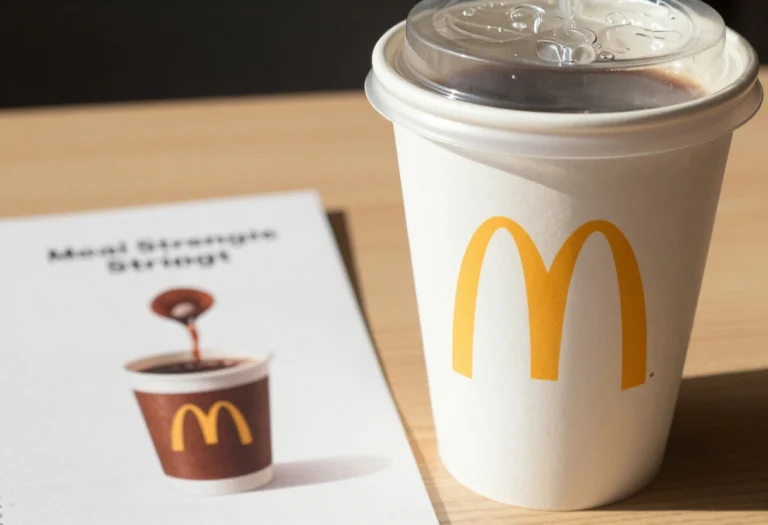
As a physician, I regularly ask my patients about their morning routines, and the drive-thru is almost always mentioned. Recently, a patient in my clinic complained of severe midday heart palpitations and anxiety.
After a thorough lifestyle review, we discovered her symptoms were directly linked to her misunderstanding of the McDonald’s coffee caffeine content in her daily order. She assumed that a fast-food coffee was weak, so she was drinking two large cups every single morning.
Understanding exactly what is in your cup is vital for protecting your nervous system and maintaining steady energy levels. Many people unknowingly consume massive amounts of stimulants hidden in sweet, blended drinks.
Therefore, we need to break down the exact milligrams found in every cup size, iced beverage, and blended frappe on the menu. Let us dive into the clinical numbers so you can make empowered, heart-healthy choices during your next morning commute.
TL;DR (Quick Overview)
- McDonald’s brewed coffee contains roughly 95 mg (small), 120 mg (medium), and 145 mg (large) of caffeine.
- Iced coffees and blended frappes vary significantly based on milk, ice dilution, and sugary syrups.
- A medium Mocha Frappe contains about 100 mg of active stimulants.
- These fast-food beverages offer a moderate stimulant level compared to stronger coffeehouse chains.
- The FDA considers 400 mg of caffeine per day as a safe upper limit for most healthy adults.
McDonald’s Coffee Caffeine Content by Size
When my patients ask me to help them track their daily stimulant intake, we always start with portion sizes. The exact McDonald’s coffee caffeine content mg depends entirely on the physical volume of the cup you order.
Unlike specialty coffee shops that add extra espresso shots to larger sizes, this fast-food chain uses a standard drip brew method. This means the concentration of the brew remains relatively consistent across the board. The total stimulant load simply increases because you are drinking more liquid ounces.
Understanding McDonald’s coffee cup sizes is the first step in managing your daily energy effectively. If you order a standard McDonald’s small coffee oz, which is approximately 12 ounces, you are consuming roughly 95 mg of caffeine.
This is actually a very reasonable and mild dose to start your morning. It provides a gentle awakening for your central nervous system without causing immediate jitters. However, the numbers climb quickly as you size up your order.
| Drink Size | Caffeine (Approx.) |
| Small (12 oz) | ~95 mg |
| Medium (16 oz) | ~120 mg |
| Large (20 oz) | ~145 mg |
Many people specifically wonder how much caffeine in McDonalds coffee large servings actually exists. At 20 fluid ounces, a large cup delivers approximately 145 mg to your bloodstream.
If you drink two of these large cups during a busy morning commute, you are nearing 300 mg of caffeine. This puts you very close to the FDA’s maximum recommended daily limit before noon. Therefore, I highly recommend sticking to the small or medium sizes if you plan to consume other caffeinated products later in the day.
McDonald’s Coffee Caffeine Content: Canada vs U.S.

Many of my traveling patients wonder if their favorite morning brew changes when they cross the border. When analyzing McDonald’s coffee caffeine content Canada data against U.S. numbers, the results are remarkably similar.
The corporation maintains highly strict, standardized brewing protocols across North America to ensure flavor consistency. Therefore, you will not experience a drastic change in stimulant strength whether you are in Toronto or Chicago.
However, slight, almost unnoticeable variations can occur due to regional bean sourcing and minor differences in municipal water profiles. Ultimately, you can confidently rely on the standard measurement chart regardless of which North American country you are visiting.
How Much Caffeine in McDonald’s Iced Coffee (Medium Size)
During the hot summer months, iced beverages become incredibly popular among my clinic patients. They frequently ask exactly how much caffeine in McDonald’s iced coffee medium orders they are consuming.
A standard medium iced coffee contains approximately 100 to 120 mg of active caffeine. Interestingly, the presence of ice physically displaces some of the liquid coffee in the plastic cup.
This ice dilution slightly reduces the overall concentration compared to a hot beverage of the exact same physical size. However, adding sweet liquid syrups or heavy cream does not magically neutralize or erase the existing caffeine content.
McDonald’s Frappes & Caffeine Content
Blended, sugary beverages are a completely different metabolic conversation in my medical practice. People often treat them like harmless milkshakes, completely forgetting they contain potent coffee bases.
Understanding exactly how much caffeine is in a McDonald’s Mocha frappe is crucial because the sugar masks the bitter stimulant taste. A standard medium Mocha Frappe contains roughly 100 mg of caffeine.
Similarly, patients ask how much caffeine is in a McDonald’s caramel frappe when they want a sweeter option. The caramel version usually ranges between 75 and 100 mg, depending on the exact syrup pump ratio used by the barista.
The McDonald’s mocha frappe caffeine load comes directly from a specialized coffee extract base blended with heavy ice. Therefore, the McDonald’s medium Caramel frappe caffeine content is lower than a standard hot drip coffee but still highly stimulating.
You must remember that not all frappes are created equal, and their heavy syrup formulation dramatically spikes your blood sugar. This subsequent sugar crash often makes you feel more fatigued than before you drank it.
Does McDonald’s Frappe Have Caffeine?
The short clinical answer is yes, absolutely. Unless a specific blended drink is explicitly labeled as a caffeine-free vanilla or fruit smoothie, you should assume it contains stimulants.
Most McCafé frappes utilize a highly concentrated coffee base to achieve their signature roasted flavor profile. Therefore, you should never give these blended coffee beverages to young children, as their nervous systems are highly sensitive.
McDonald’s Coffee Caffeine Levels
When evaluating overall McDonald’s coffee caffeine levels, I classify them as a moderate-strength option. They are specifically formulated to appeal to a very broad, general consumer palate.
They do not intentionally over-extract their coffee beans to create aggressively strong, bitter profiles. This makes their standard drip brew a relatively safe, predictable choice for people managing mild anxiety or slight blood pressure issues.
McDonald’s Coffee vs Other Chains
To truly understand your daily intake, it helps to compare this brand against other popular morning stops. The fast-food giant generally offers a much milder brew compared to dedicated, specialty coffeehouses.
| Brand | Caffeine (Medium) |
| McDonald’s | ~120 mg |
| Dunkin’ | ~150 mg |
| Starbucks | ~165 mg |
As you can clearly see, choosing the golden arches for your morning routine actually spares you several milligrams of stimulants. If my patients are trying to slowly taper down their daily caffeine dependence, I often suggest switching to this milder fast-food option first.
McDonald’s Coffee Roasted Brands
A major part of understanding stimulant strength involves looking at the raw ingredients used. To maintain their specific flavor profile, the company strictly uses a blend of 100% Arabica beans.
If you research McDonald’s roasted coffee brands, you will find they heavily favor a standard medium roast profile. This medium roasting process allows for a very balanced, highly predictable caffeine extraction during the brewing cycle.
Darker roasts actually burn off slightly more caffeine during the roasting process, contrary to popular consumer belief. By sticking to a medium roast, the chain ensures every cup delivers a steady, reliable chemical lift.
Cost of Coffee at McDonald’s + Promotions
Beyond basic nutrition, the cost of coffee at McDonald’s heavily influences how much people actually drink. It remains one of the lowest-cost, most highly accessible coffee options in the modern fast-food landscape.
Furthermore, patients often mention finding a McDonald’s coffee on sale through the company’s mobile application. Because it is so highly affordable, people are naturally tempted to buy larger sizes or multiple cups per day.
I always remind my patients that a cheap price tag should never dictate their daily dietary or stimulant choices. Buying a massive beverage simply because it is on sale can negatively impact your long-term cardiovascular health.
McDonald’s Coffee Nutrition Facts
As a physician, I look closely at the complete nutritional profile of a beverage, not just the stimulants. A standard cup of plain, black drip coffee is remarkably healthy, containing zero to five total calories.
The baseline caffeine levels range predictably from 95 to 145 mg depending entirely on your chosen cup size. Furthermore, black coffee contains absolutely zero grams of sugar naturally.
However, the moment you add liquid sweeteners, caramel drizzles, and heavy cream, you instantly transform a healthy beverage into a high-calorie dessert. Always review the complete nutritional label if you are actively managing your weight or blood sugar levels.
Health Perspective: Caffeine Safety
Let us discuss the clinical mechanism of action occurring inside your brain when you drink your morning brew. Caffeine functions primarily by temporarily blocking your brain’s adenosine receptors.
Adenosine is the specific neurotransmitter that naturally builds up throughout the day to make you feel properly sleepy. By blocking these receptors, the beverage forces central nervous system stimulation and significantly increases your perceived alertness.
While this is highly useful for waking up, artificial stimulation can easily mask true, deep physical exhaustion. You cannot simply out-drink a severe lack of restorative nighttime sleep.
Safe Daily Caffeine Intake

Public health organizations provide very clear, evidence-based guidelines regarding safe daily stimulant consumption. Both the FDA and Health Canada strongly advise that healthy adults consume no more than 400 mg per day.
To put this into a clinical perspective, one single large McDonald’s coffee consumes roughly 35% of your total daily safe limit.
If you drink two large cups, you are already nearing the absolute maximum threshold before eating lunch. Pregnant individuals are strictly advised by medical professionals to keep their total daily intake well under 200 mg.
Risks of Excess Caffeine Intake
Consuming too much of any powerful stimulant inevitably leads to highly uncomfortable physiological side effects. In my clinic, the most common symptom of overconsumption is severe, lingering generalized anxiety.
Additionally, drinking caffeinated beverages past two o’clock in the afternoon almost guarantees eventual sleep disruption and insomnia. Many patients also report a highly elevated, racing heart rate and occasional muscle tremors.
Over a long period of time, chronic high consumption easily leads to a severe physical and behavioral dependence. If you try to suddenly quit, you will likely experience debilitating withdrawal headaches for several days.
Who Should Limit McDonald’s Coffee Intake
While generally recognized as safe, certain medical populations must exercise extreme caution with these drive-thru beverages. Pregnant individuals must actively track their milligrams to protect fetal development.
Furthermore, patients formally diagnosed with generalized anxiety disorders often find that even a small cup triggers panic symptoms. If you have a known, pre-existing heart condition or clinical hypertension, you should always consult your cardiologist before consuming stimulants.
Finally, highly sleep-sensitive individuals should enforce a strict afternoon cut-off time to protect their circadian rhythms.
McDonald’s Coffee Reddit Opinions
Sometimes, the best insights come directly from everyday consumer experiences online. When browsing mcdonald’s coffee caffeine content reddit threads, you see a very clear consensus among daily drinkers.
The vast majority of online users heavily praise the brand for its incredible daily value and consistent taste. Medically speaking, users frequently describe the drink as providing a “mild but highly reliable caffeine boost.”
They generally agree it does not cause the severe, uncomfortable jitters often associated with stronger specialty coffeehouse brews. This anecdotal consumer evidence perfectly aligns with the moderate clinical milligram counts we discussed earlier.
Frequently Asked Questions
How much caffeine is in McDonald’s large coffee?
A standard large, 20-ounce cup contains approximately 145 mg of active stimulants. This makes it a moderate-strength beverage compared to other brands.
Does McDonald’s iced coffee have caffeine?
Yes, it absolutely does. Depending on the size and ice ratio, a medium usually contains roughly 100 to 120 mg.
How much caffeine is in a McDonald’s frappe?
This depends heavily on the specific flavor profile. However, you can expect around 75 to 100 mg in a standard medium size.
Is McDonald’s coffee strong?
Medically and chemically speaking, it is considered a moderate brew. It is noticeably less potent than a standard drip coffee from Starbucks.
Can I drink it while pregnant?
You can consume it in strict moderation. Always ensure your total daily intake from all sources stays well below 200 mg.
Conclusion
Understanding what goes into your daily cup of coffee is an essential part of managing your long-term cardiovascular and metabolic health. As we have explored throughout this comprehensive guide, the exact stimulant measurements vary significantly depending on your specific daily order.
Whether you prefer a simple black brew or a blended sweet treat, strict moderation remains the ultimate key to lasting wellness. Choosing a smaller size or skipping extra espresso shots can drastically reduce your daily stimulant load. By actively tracking your exact intake, you avoid the uncomfortable jitters and afternoon energy crashes that plague so many working professionals today.
Remember that your body metabolizes these complex compounds differently based on your unique genetics and daily hydration levels. Always listen to your body’s subtle physical cues if you start feeling unnecessarily anxious or restless after a trip to the drive-thru.
As a dedicated medical professional, I always encourage my clinic patients to balance their favorite morning beverages with plenty of fresh water and a nutritious breakfast.
You can absolutely still enjoy your favorite fast-food morning rituals without compromising your restorative sleep cycle. Simply make informed, conscious decisions about your portion sizes. Prioritize your heart health, stay hydrated, and enjoy your coffee safely.
Evidence-Based Reference:
- U.S. Food and Drug Administration (FDA) – Spilling the Beans: How Much Caffeine is Too Much?
- Mayo Clinic – Caffeine: How much is too much?
- Harvard T.H. Chan School of Public Health – The Nutrition Source: Caffeine
- American Heart Association – Caffeine and Heart Disease
Related Posts
Subscribe for New Racipies
Get mental health tips, updates, and resources delivered to your inbox.