
Candy Coated Oreo M&M;’s

Medically reviewed by Christiana George Updated Date: December 19, 2022

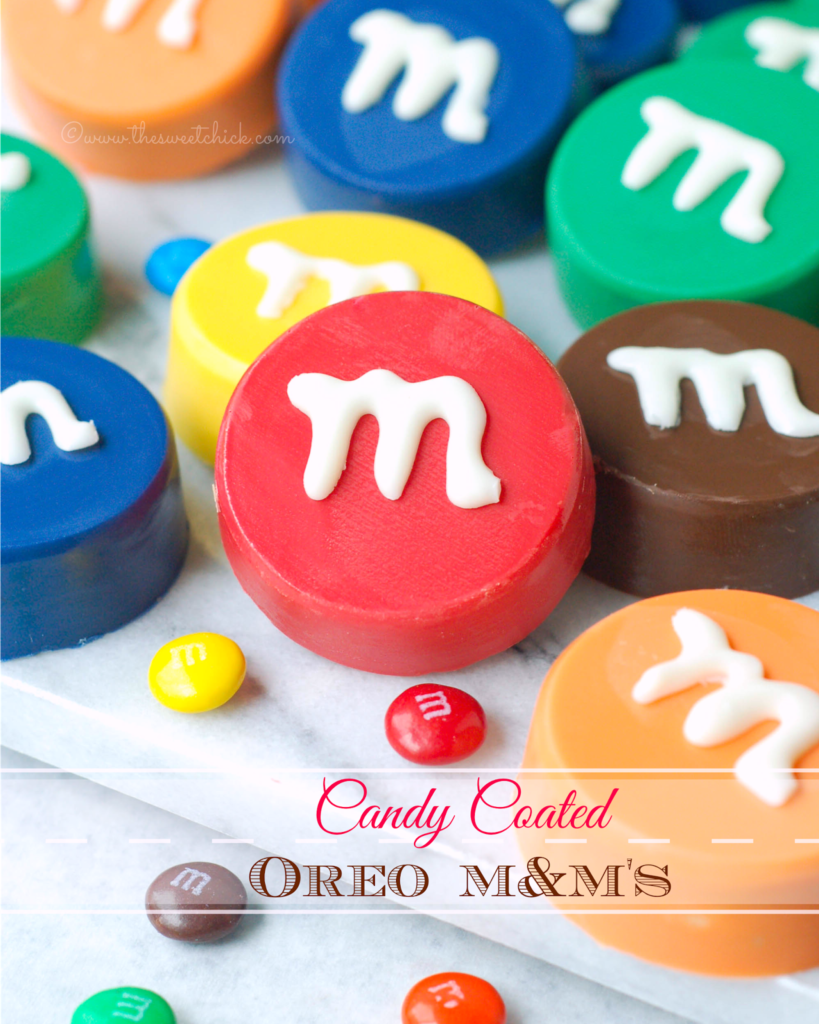
Summer is coming to a close. Kids are going back to school in two weeks. Yay! I love my kids, but I need a break. The past couple of weeks have been busy. We drove up north for a week to see family and friends. It’s was nice to see everyone, but man, that drive is killer. Then last week I was occupied with making treats and decorations for my son’s birthday. He loves M&M’s, so I scoured Pinterest for ideas on doing an m&m party. I found a few things, but these Candy Coated Oreo M&M’s were my idea. I’ve been wanting to make them for a while, so I thought this was the perfect opportunity. They came out pretty cute.

I was able to find all the color candy coating I needed at Walmart. They carry the Wilton, Chocomaker, and Candiquik brands. I used Birthday Cake Oreos for the center, but you can use regular Oreos. If you choose to do Double Stuf Oreos, you will need a different mold.

I bought these candy molds at a small culinary shop while I was up north, but they also sell similar ones on Amazon. They are made for candy coating Oreo shaped cookies. I bought four sets of molds so by the time I finished the last cookies, the first ones were ready to pop out and I could continue using the mold.
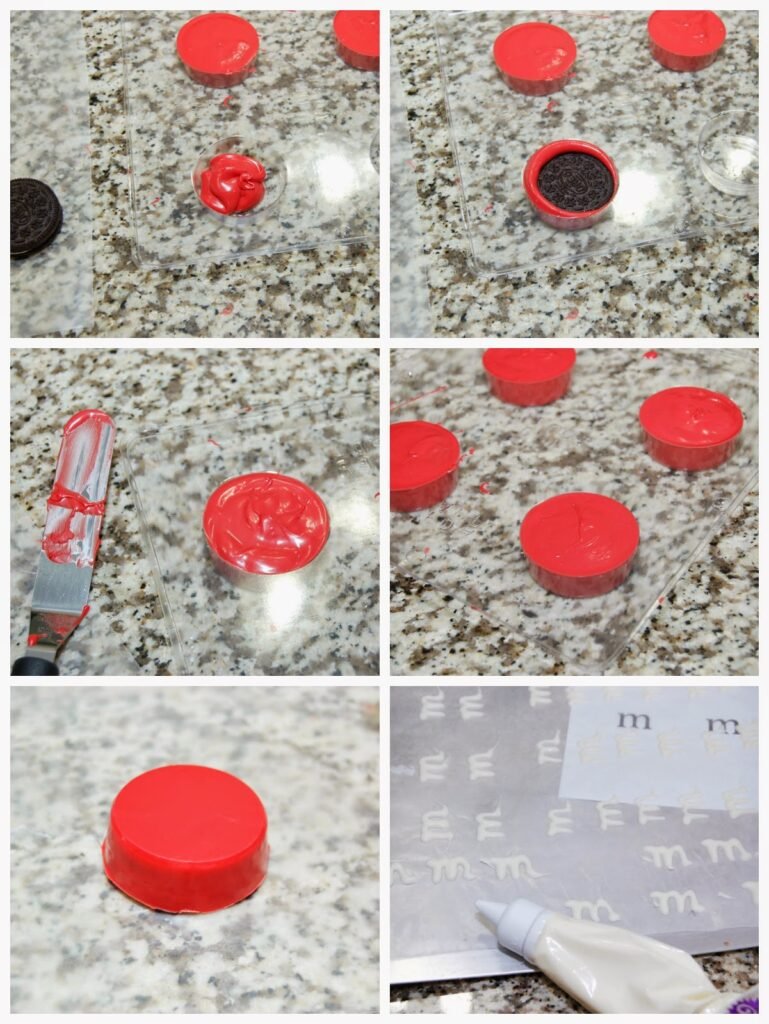
This was my first time trying this. It was a learn as you go process. I poured about a tablespoon or so of candy melt into the mold, then pressed an Oreo cookie into the middle and twirled it around to cover the sides. Then I added candy melt to the top and flattened it out with a spatula. By the second tray I had figured out not to overfill the cavities. You have to tap the mold a few times against the counter to get the air pockets out and that also levels out the candy melt. I placed them in the fridge to harden quickly. You have to work a little to loosen the hardened candy from the mold, but it didn’t take too long.
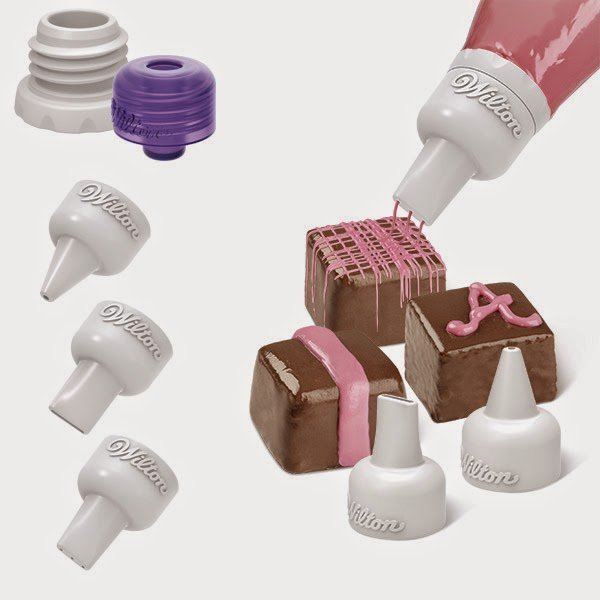
For the “M’s”, I bought the Wilton Candy Melts Decorating Tip Set at Walmart. The writing tip worked perfect. I printed some “M’s” on my computer and placed the printer paper under a piece of wax paper and traced them the best I could. You could write directly on the candy coated M&M’s, but I was too scared to mess them up. When the candy “M’s” had hardened, I attached them to the Oreos with a few dabs of candy coating.
I made these as treats for the party, but they make great party favors also. You can place them in little bags or boxes and make some cute tags to attach to them. All the party guests loved them.
Candy Coated Oreo M&M’s
by The Sweet Chick
Prep Time: 1-1.5 hours
Cook Time: 10-12 minutes
Keywords: microwave dessert snack candy melt birthday cake oreos birthday cookie candy American
Ingredients (48 treats)
For the cookies
- 2 Packages (15.25 oz. each) Birthday Cake Oreos
- 1 package (12 oz.) Wilton’s Candy Melt, green
- 1 package (12 oz.) Wilton’s Candy Melt, red
- 1 package (12 oz.) Wilton’s Candy Melt, yellow
- 1 package (12 oz.) Wilton’s Candy Melt, orange
- 1 package (16 oz.) Chocomaker candy wafers, dark blue
- 1 package (16 oz.) Candiquik candy coating, chocolate
For the “M’s”
- 1 package (16 oz.) Candiquik candy coating, vanilla
Additional items needed
- 2-4 candy molds for plain cookies
- Wilton’s Candy Melt Decorating Tips
- 1 box (12) Wilton’s Disposable Candy Decorating Bags.
Instructions
For the cookies
Using one color at a time, melt candy coating according to instructions on the back of the package. (Usually it’s 30 seconds at a time in the microwave.) I melted a 1 cup at a time. You can always add more if needed. You will not use the entire bag of candy melt. Make sure you candy melt is warm, but not hot before pouring into the mold.
Pour about 1- 1 1/2 tablespoons of candy melt into each cavity of the mold. ( I worked with one mold of 4 at a time). Place one Oreo cookie in the center of each cavity on top of the candy coating. Gently press the cookie down and spin is slowly to coat the sides.
Add a bit more of candy coating on top of the Oreo, careful not to overfill. Spread the candy melt out with a spatula. Then gently tap the mold a few times on a hard surface to release any air bubbles.
Place finished mold(s) in the fridge for 5-10 minutes to speed up the hardening of the candy melt. I continued the same process with another color while the first color was setting. I used 2 molds per color, so it worked out great.
When the candy coating has hardened, remove from fridge and gently wiggle the mold to release the cookie. The flat surface will be the top of the “M&M”.
For the “M’s”
Once all the colors are done, it’s time for the “M’s”. If you are confident about your writing skills, you can write directly on the candy coated cookies. I wasn’t, so I made a template on my computer and printed it out. I placed the template under a piece of wax paper to write my “M’s”. My “M’s” were about an inch tall.
Melt the vanilla candy coating according to the package instructions and pour into a disposable candy decorating bag with writing tip attached.
Trace the “M’s” onto the wax paper over your template. Practice makes perfect.
I placed my template and wax paper on a cookie tray so I could pop it in the fridge for a quick set. I also used a sharp knife to cut off any “tails” that occurred due to run-off candy coating.
Once the “M’s” have set, carefully remove from the wax paper, add a couple of dabs of vanilla candy coating to the backs and place them on your candy coated cookies. Let dry and you are done!
Related Posts




Subscribe for New Racipies
Get mental health tips, updates, and resources delivered to your inbox.
Are Pumpkin Seeds Safe for Acid Reflux?

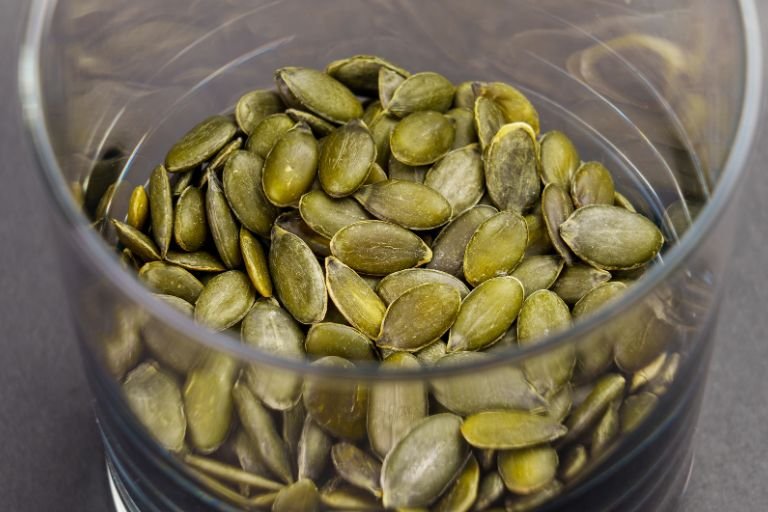
Acid reflux is a common digestive condition that affects millions worldwide. Understanding how specific foods influence acid reflux is critical for managing symptoms and improving quality of life.
Among the many foods often debated, pumpkin seeds have gained popularity for their nutritional benefits. But are they safe for acid reflux sufferers? This article dives deep into the science behind pumpkin seeds and their effects on acid reflux.
What Is Acid Reflux?
Acid reflux occurs when stomach acid flows back into the esophagus, causing discomfort and a burning sensation, commonly referred to as heartburn.
This condition is a result of the weakening or dysfunction of the lower esophageal sphincter (LES), a muscle that acts as a valve between the stomach and esophagus. When the LES doesn’t close properly, stomach contents escape, leading to acid reflux.
Common Symptoms
The symptoms of acid reflux vary, but often include:
- A burning sensation in the chest (heartburn).
- Regurgitation of food or sour liquid.
- Difficulty swallowing.
- Chronic cough or throat irritation.
- A feeling of a lump in the throat.
While occasional acid reflux is normal, frequent symptoms may indicate gastroesophageal reflux disease (GERD), which requires medical attention.
Causes and Triggers
Several factors can contribute to acid reflux, including:
- Overeating or consuming large meals.
- High-fat or spicy foods.
- Caffeinated or carbonated beverages.
- Obesity or pregnancy, which increases abdominal pressure.
- Smoking and alcohol consumption.
- Certain medications, like NSAIDs.
Dietary choices play a significant role in managing acid reflux, making it crucial to evaluate specific foods like pumpkin seeds.
Nutritional Profile of Pumpkin Seeds
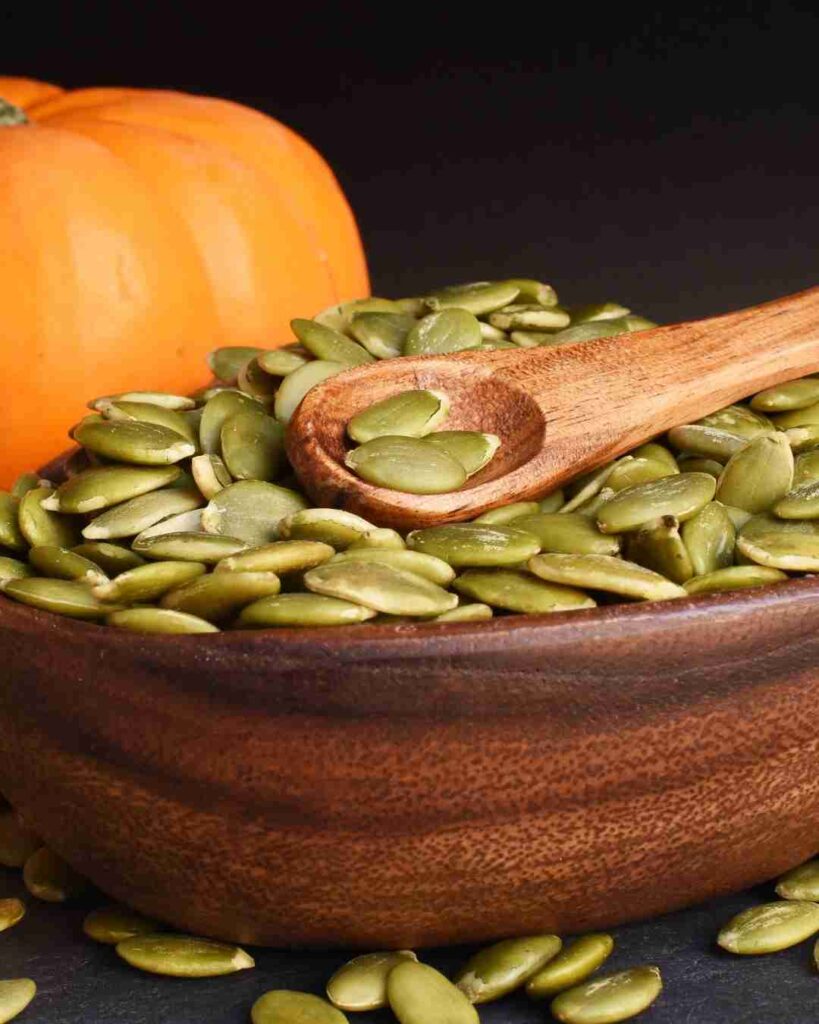
Key Nutrients in Pumpkin Seeds
Pumpkin seeds, also known as pepitas, are nutrient-dense and packed with essential vitamins and minerals. They contain:
- Healthy Fats: Primarily unsaturated fats, including omega-3 and omega-6 fatty acids.
- Protein: A good source of plant-based protein.
- Minerals: High levels of magnesium, zinc, potassium, and iron.
- Vitamins: Vitamin E, B vitamins, and antioxidants.
- Fiber: Supports digestive health.
Benefits of Pumpkin Seeds for Overall Health
Pumpkin seeds are celebrated for their numerous health benefits:
- Heart Health: Rich in healthy fats and magnesium, they promote cardiovascular health.
- Immune Support: High zinc content strengthens immunity.
- Bone Health: Magnesium and phosphorus contribute to strong bones.
- Antioxidant Properties: Reduce inflammation and combat oxidative stress.
- Improved Sleep: Contains tryptophan, which helps regulate sleep patterns.
Given their impressive nutritional profile, pumpkin seeds are often labeled as a superfood. However, their safety for acid reflux sufferers requires a closer look.
How Pumpkin Seeds May Affect Acid Reflux?
High Fat Content and Its Implications
Pumpkin seeds are rich in fats, with approximately 13 grams of fat per ounce. While these are primarily healthy fats, high-fat foods can relax the LES, making acid reflux worse for some individuals. This relaxation allows stomach acid to flow back into the esophagus, triggering symptoms like heartburn.
Potential Alkalizing Effect
Interestingly, pumpkin seeds have a mildly alkalizing effect on the body. Alkaline foods can help neutralize stomach acid and reduce reflux symptoms. However, this effect varies based on the individual’s overall diet and how the seeds are consumed.
Fiber Content and Digestion
Pumpkin seeds are a good source of dietary fiber, which supports healthy digestion and prevents constipation—a potential trigger for acid reflux. However, excessive fiber intake can sometimes lead to bloating or gas, which may exacerbate reflux in sensitive individuals.
Author Tip: Is Pumpkin Soup Acidic?
Are Pumpkin Seeds Safe for Acid Reflux Sufferers?
When Pumpkin Seeds Might Aggravate Symptoms?
Pumpkin seeds may worsen acid reflux symptoms in the following scenarios:
- Overconsumption: Eating large quantities can increase fat intake and put pressure on the LES.
- Roasted or Salted Seeds: Added oils and high sodium levels may irritate the stomach lining.
- Timing of Consumption: Eating seeds late at night or before lying down can trigger reflux.
Situations Where Pumpkin Seeds May Be Beneficial
Despite potential risks, pumpkin seeds can be beneficial for acid reflux sufferers when consumed:
- In small portions.
- Raw or lightly roasted without added oils or spices.
- Alongside alkaline or low-fat foods to balance acidity.
Related to Read: Is Pumpkin Puree Acidic?
Tips for Consuming Pumpkin Seeds Safely
Portion Control
Moderation is key. Limit consumption to a small handful (about 1 ounce) to avoid overloading the digestive system with fats or fiber.
Preparation Methods to Reduce Triggers
Opt for raw, unsalted pumpkin seeds or lightly roast them at home without added oils. Avoid pre-packaged seeds that are heavily seasoned or fried.
Pairing Pumpkin Seeds with Acid-Neutralizing Foods
Combine pumpkin seeds with foods like oatmeal, bananas, or yogurt, which have a soothing effect on the stomach. This pairing can help mitigate potential triggers.
Alternative Snacks for People with Acid Reflux
Low-Fat Options
Snacks like rice cakes, applesauce, or plain crackers are gentle on the stomach and unlikely to trigger reflux.
Alkaline-Rich Foods
Foods like cucumbers, melons, and leafy greens can help neutralize stomach acid, providing relief from reflux symptoms.
Lifestyle Changes to Manage Acid Reflux
Eating Habits
Adopt habits like eating smaller, more frequent meals, chewing food thoroughly, and avoiding meals close to bedtime.
Avoiding Common Triggers
Steer clear of known irritants such as caffeine, spicy foods, and carbonated beverages. Monitor your diet to identify personal triggers.
Importance of Maintaining a Healthy Weight
Excess weight can increase abdominal pressure, exacerbating acid reflux. A balanced diet and regular exercise can help maintain a healthy weight.
Expert Opinions and Research on Pumpkin Seeds and Acid Reflux
Studies on Seeds and Digestive Health
Research on seeds and their impact on digestion highlights the benefits of fiber and healthy fats for gut health. However, evidence specific to pumpkin seeds and acid reflux is limited, requiring more studies for conclusive recommendations.
Recommendations from Nutritionists
Many nutritionists suggest moderation when consuming seeds, including pumpkin seeds, for individuals with acid reflux. Pairing them with other reflux-friendly foods is often advised.
Recipes: Pumpkin Recipes
Pumpkin Spice Crepes with a Cinnamon Mascarpone Filling
Pumpkin Soynut Butter Chocolate Chip Cookies
Pumpkin Dulce de Leche Chocolate Chip Cookies
Conclusion
So, are pumpkin seeds safe for acid reflux sufferers? The answer depends on how they’re consumed and individual tolerance. While their high-fat content may trigger symptoms in some, their alkalizing and fiber properties can benefit others.
Moderation, preparation methods, and mindful eating are essential for safely incorporating pumpkin seeds into a reflux-friendly diet.
Managing acid reflux also involves adopting a healthy lifestyle, avoiding common triggers, and consulting with healthcare professionals for personalized advice.
FAQs
Are roasted pumpkin seeds better or worse for acid reflux?
Roasted pumpkin seeds, especially those with added oils or seasonings, may worsen acid reflux symptoms. Opt for raw or lightly roasted seeds without additives.
Can eating too many pumpkin seeds worsen acid reflux?
Yes, overconsumption can increase fat intake, which may relax the LES and trigger symptoms.
Do pumpkin seeds help with digestion?
Pumpkin seeds are rich in fiber, which supports digestion. However, excessive fiber may cause bloating, potentially aggravating reflux.
Are there any specific seeds better suited for acid reflux?
Chia and flaxseeds are low in fat and high in omega-3s, making them a better option for acid reflux sufferers.
Should I avoid all seeds if I have acid reflux?
Not necessarily. Start with small portions and monitor your body’s response. Choose seeds with low fat and minimal preparation.
Related Posts

Subscribe for New Racipies
Get mental health tips, updates, and resources delivered to your inbox.