
Is Kale Juice Acidic? Kale Juice and Acid Reflux

Medically reviewed by Aneeza Pervez Updated Date: May 13, 2026
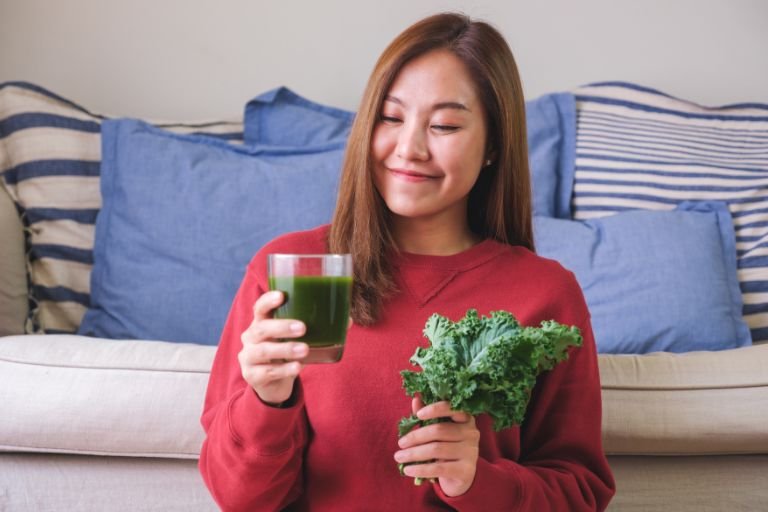
Kale juice has gained immense popularity as a superfood beverage packed with a remarkable array of nutrients, antioxidants, and health benefits. From detoxifying the body to boosting energy levels and enhancing skin health, kale juice is a go-to choice for health-conscious individuals striving for optimal wellness. However, if you’re among those who suffer from acid reflux or GERD, you may find yourself asking: “Is kale juice acidic, and is it safe for acid reflux sufferers?”
The great news is that kale juice, despite its slightly bitter taste, is considered an alkaline beverage, which can help neutralize stomach acid and alleviate the symptoms of acid reflux. In this article, we’ll take a deep dive into the pH level of kale juice, its role in digestion and acid reflux management, and practical ways to incorporate it into a reflux-friendly diet. By the end of this guide, you’ll understand why kale juice is not just a nutrient-packed drink but also a valuable ally for managing digestive discomfort and improving overall gut health.
Is Kale Juice Acidic or Alkaline?
Kale juice is classified as alkaline, with a pH level typically ranging between 6.5 and 7.5. This places it closer to neutral or slightly alkaline on the pH scale, making it an excellent option for individuals managing acid reflux or heartburn symptoms. Alkaline foods and beverages help to neutralize excess stomach acid, reducing irritation in the esophagus and providing relief from common reflux symptoms like heartburn, indigestion, and bloating.
Unlike acidic beverages such as coffee, soda, or citrus juices, kale juice works to restore balance to the body’s pH levels. Moreover, kale is one of the most alkalizing vegetables, loaded with phytonutrients that support digestion, boost immunity, and improve overall health. Incorporating this superfood into your diet can be particularly beneficial for preventing the discomfort associated with acid reflux while promoting long-term digestive wellness.
Author Tip: Is Cabbage Juice Acidic?
Nutritional Benefits of Kale Juice
Kale juice isn’t just beneficial for acid reflux—according to research, it’s a powerhouse of nutrients that contribute to holistic health. Let’s explore the standout nutritional qualities of this green elixir:
1. Rich in Essential Vitamins
- Vitamin C: Kale juice is a potent source of vitamin C, which not only reduces inflammation in the esophagus caused by acid reflux but also strengthens the immune system and promotes collagen production for healthy skin.
- Vitamin K: Known for its role in blood clotting and bone health, vitamin K also supports the body in combating oxidative stress, which can worsen reflux symptoms.
- Vitamin A: Supports vision, skin health, and immune function while promoting the repair of damaged tissues in the digestive tract.
2. Loaded with Antioxidants
Kale juice contains powerful antioxidants such as beta-carotene, lutein, and quercetin. These compounds combat oxidative stress and inflammation, protecting the digestive lining from damage caused by stomach acid.
3. High Alkalinity
The naturally alkalizing properties of kale juice help balance stomach acidity, making it a soothing option for individuals prone to acid reflux and GERD.
4. Abundant in Minerals
Kale juice is rich in essential minerals that support digestive and overall health:
- Calcium: Strengthens bones and aids in smooth digestion.
- Potassium: Regulates muscle contractions, including the lower esophageal sphincter (LES), preventing acid from escaping into the esophagus.
- Magnesium: Relaxes the stomach muscles, minimizing the risk of reflux episodes.
5. Low in Calories and Fat
This nutrient-dense beverage is light on calories and fat, making it an ideal choice for individuals seeking to maintain a healthy weight without triggering reflux symptoms.
6. Digestive Fiber
Although juicing reduces fiber content, kale juice still promotes digestion and prevents overeating, a common acid reflux trigger.
How Kale Juice Affects Acid Reflux?
Kale juice’s calming properties make it an excellent addition to a reflux-friendly diet. Here’s how it benefits the digestive system:
1. Neutralizes Stomach Acidity
The alkalizing effect of kale juice counteracts excess stomach acid, preventing it from irritating the esophagus.
2. Reduces Esophageal Inflammation
Kale’s anti-inflammatory and antioxidant compounds help soothe inflammation caused by acid reflux, promoting faster healing of damaged tissues.
3. Strengthens the Lower Esophageal Sphincter (LES)
Minerals like magnesium and potassium in kale juice support the proper functioning of the LES, reducing the risk of acid traveling back into the esophagus.
4. Avoids Acid Triggers
Unlike high-fat or acidic foods, kale juice doesn’t relax the LES or increase acid production, making it a safe and effective option for soothing reflux symptoms.
Cautionary Note
While kale juice is generally well-tolerated, consuming it in excessive amounts or on an overly sensitive stomach may cause mild digestive discomfort. Start with small servings and monitor your body’s response.
How to Prepare Reflux-Friendly Kale Juice?
Ingredients:
- 2 cups fresh kale leaves (stems removed)
- 1 cucumber (peeled for reduced bitterness)
- 1 apple (optional, for natural sweetness)
- 1 cup water or coconut water
- A small piece of fresh ginger (optional, for added anti-inflammatory benefits)
Instructions:
- Wash all ingredients thoroughly.
- Add kale, cucumber, apple, and water to a blender or juicer.
- Blend or juice until smooth.
- Strain (if using a blender) for a smoother consistency.
- Serve immediately and enjoy.
Pro Tips:
- Avoid adding citrus fruits, as their acidity may counteract the alkalizing effects of kale juice.
- Opt for organic, cold-pressed, or fresh ingredients for maximum nutritional benefits.
Kale Recipes: Kale Chips
Grilled Kale with Ricotta and Tomatoes
Tips for Adding Kale Juice to Your Diet
- Begin with Small Portions: Start with 4–6 ounces per serving to gauge your body’s tolerance.
- Drink on an Empty Stomach: Enjoy kale juice in the morning to kickstart detoxification and digestive processes.
- Pair with Reflux-Friendly Meals: Combine with non-acidic foods like oatmeal or bananas for a balanced, gut-friendly breakfast.
- Choose Homemade Over Store-Bought: Avoid added sugars and preservatives by preparing your own kale juice.
- Stay Hydrated: Complement kale juice with plenty of water to support digestion and overall hydration.
Frequently Asked Questions About Kale Juice and Acid Reflux
1. Is kale juice good for acid reflux?
Yes, kale juice is highly beneficial for acid reflux sufferers due to its alkalizing properties and anti-inflammatory nutrients.
2. Can kale juice cause acid reflux?
While rare, consuming large amounts of kale juice may cause mild digestive discomfort in sensitive individuals.
3. How often can I drink kale juice for acid reflux?
Drinking kale juice 2–3 times per week is ideal. For daily consumption, opt for smaller portions.
4. Is store-bought kale juice effective for reflux?
Homemade kale juice is preferable, as it avoids potential triggers like added sugars and preservatives.
5. What other juices are good for acid reflux?
Reflux-friendly juices include cucumber juice, aloe vera juice, watermelon juice, and coconut water.
Final Thoughts
Kale juice stands out as a nutrient-dense, alkalizing beverage that not only alleviates acid reflux symptoms but also promotes overall digestive health. Its ability to neutralize stomach acid, reduce esophageal inflammation, and strengthen the lower esophageal sphincter makes it a powerful addition to a reflux-friendly diet.
By preparing kale juice at home with fresh, non-acidic ingredients and consuming it in moderation, you can enjoy its health benefits without worrying about triggering reflux. Whether you’re aiming to manage heartburn or simply enhance your nutrition, kale juice is a versatile, refreshing choice that aligns perfectly with a health-conscious lifestyle.
Related Posts



Subscribe for New Racipies
Get mental health tips, updates, and resources delivered to your inbox.
Matchstick Fries, and Lately I’ve Been Loving, Part 2


Apologies to those who want me to get straight to the food commentary. (Although it’s becoming apparent that I’m always kind of long-winded when it comes to writing about food, isn’t it?) Feel free to jump past this section, of course.
To all you others, lately I’ve been loving…
– Jeni’s Splendid Ice Cream, lemon and blueberry fro-yo to be exact. I had the pleasure of trying the salted caramel flavor this weekend, and while it was delicious and pleasantly salty, the lemon was stunning. Luckily the recipe can be found online.
– Niagara grapes, a replacement to the Muscats I can’t get on this coast.
– The perfect wedding ring has been found. It was love at first sight; I was mesmerized by the shine and didn’t want to take it off.
– The Book Thief may fall in the YA category, but it was so creative and lovingly written. Apparently, 1,249 people agreed, yowza.
– Fashion Week street style. I can’t help loving the grand display those fashion insiders put on twice a year.
– Jeanne Damas. Specifically, I love her hair. So much so, I was inspired to carve out a set of bangs for myself the other day. It soon became clear that I’m rusty in the bangs-cutting department. They turned out shorter than I would’ve liked. A LOT shorter, and crooked too. This is why there are professionals to do this sort of thing—but surely I’m not the only person in the world staunchly opposed to forking over money simply to get my bangs cut?
And the latest Pinterest love:
– This photo pretty much captures love, don’t you think?
– The perfect wedding takes place in the forests of Northern California. (I want a forest wedding!)
– This wedding veil is utterly romantic. I must get it.
– One of my favorite food photos as of late. It is so moody and evocative.

On to today’s recipe. Chris and I got home famished, after an afternoon rummaging through the Brooklyn Flea. I remembered that we had been given a bunch of potatoes, big dusty Idahos, that had been sitting on the counter for awhile. We hardly ever have potatoes in the house, because neither of us really like them except when they’re deep-fried.
So that’s what I decided to do. I whipped up a batch of these matchstick fries in no time, doused them in salt, pulled out a couple beers from the fridge, and suddenly, happy hour had been transported home with us. Minus the lack of seats.

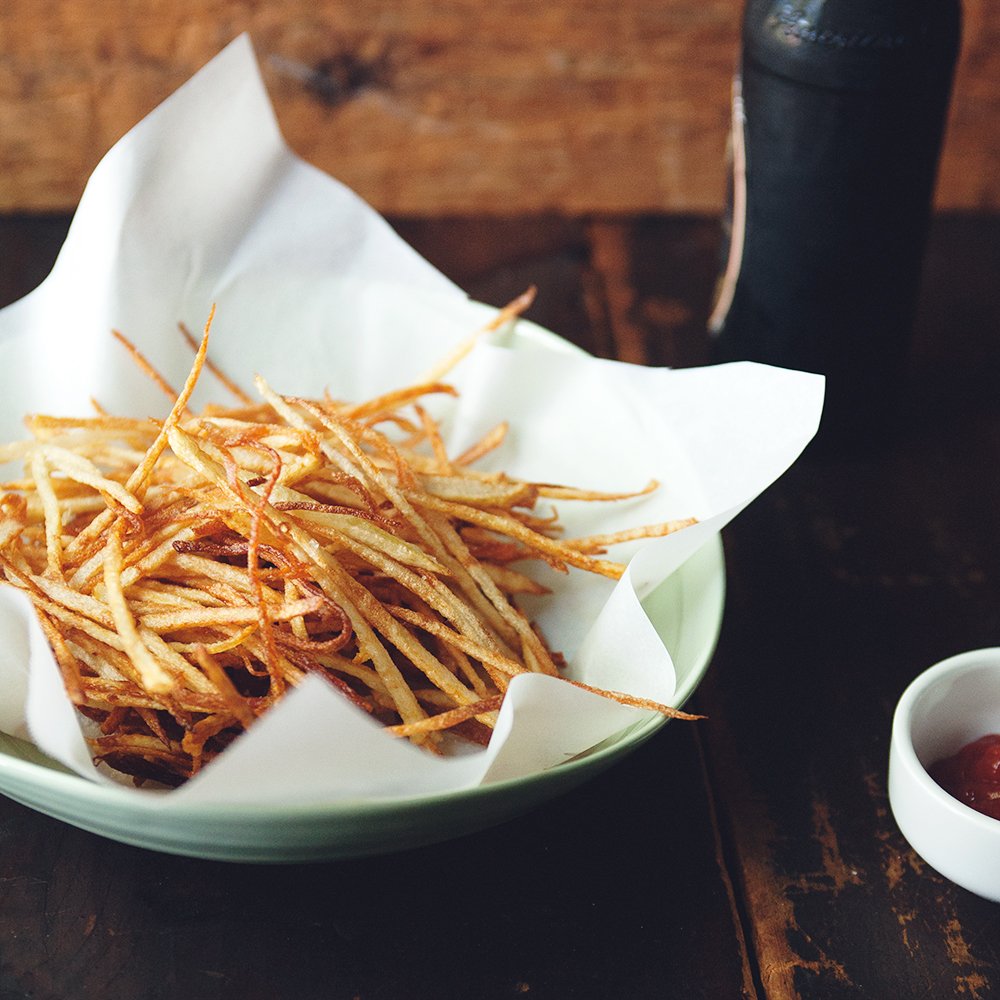
MATCHSTICK FRIES
Recipe adapted from Barefoot Contessa
Serves 2
Ingredients:
Vegetable oil
1 Idaho potato, peeled
Salt
Directions:
Slice the potato into matchsticks of about 1/8″ thick. You can use a mandoline, but I just hand-sliced without too much difficulty.
Heat about 1/2-inch of oil on medium heat in a medium saucepan with steep sides.
When the oil starts to shimmer, gently drop enough potatoes in the pan so it’s full but not overcrowded (overcrowding will cause the potatoes to stick together). Cook until they turn golden brown, about 5 minutes. Remove them with a slotted spoon and drain them on a paper towel. Continue cooking batches until you run out of potatoes.
Serve with your favorite condiments. Chris likes them as simple as can be, amply salted, and I like them with ketchup.

Related Posts

Subscribe for New Racipies
Get mental health tips, updates, and resources delivered to your inbox.