
Trout vs Salmon: Navigating the Depths of Flavor, Biology, and Angling Adventures

Medically reviewed by Christiana George Updated Date: January 2, 2026
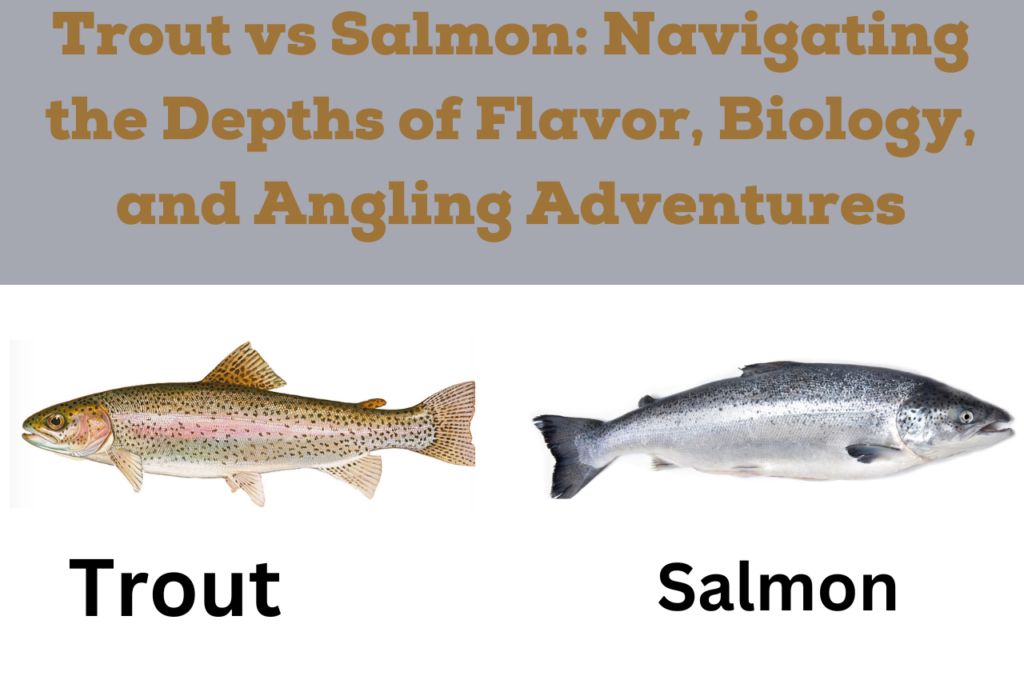
If you’re a seafood enthusiast, the mention of trout and salmon likely makes your taste buds tingle in anticipation. Both of these fish are cherished for their delicious flavors and versatility in the kitchen, but they come from distinct corners of the aquatic world.
In this article, we’ll dive deep into the intricate differences between trout and salmon, exploring their biology, taste profiles, and the art of fishing for them.
Ancestral Ties and Habitat Diversity
Trout and salmon share a close family relationship, belonging to the same Salmonidae family, which also includes other fish like char, freshwater whitefish, taimen, lenok, and grayling. However, what’s intriguing is that not all creatures labeled as “salmon” are each other’s closest kin.
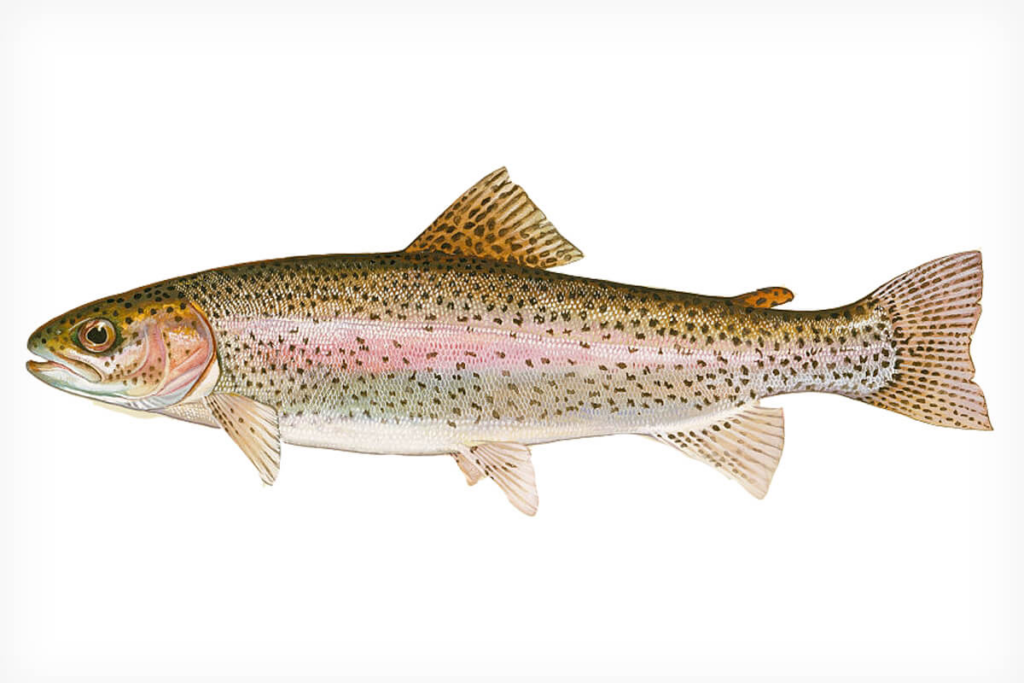
When we talk about salmon, we often refer to two primary groups: the genus Oncorhynchus, which encompasses Pacific salmon like Chinook, chum, and sockeye, and the Salmo genus, which houses the Atlantic salmon and its kin, such as the brown trout.
One common way to distinguish salmon from trout is their habitat. Salmon embark on a remarkable journey, living part of their lives in freshwater streams and part in the salty ocean, earning them the title of anadromous fishes.
Yet, this rule is not absolute, as some trout species exhibit a similar dual lifestyle. The rainbow trout, for example, includes populations that thrive entirely in freshwater and others that venture into the ocean, referred to as steelhead trout.
The Circle of Life: Birth in Freshwater, Return to Spawn
Regardless of their oceanic adventures, both salmon and trout begin and end their lives in freshwater environments. Their life cycle typically starts with the hatching of fry in upstream inland tributaries.
Depending on the species, they then undertake journeys of various lengths to the ocean, where they experience rapid growth, sometimes doubling in size during a single summer.
After one to five years, mature fish make their way back to the rivers of their birth, a spectacle known as a salmon run.
During these migrations, salmon undergo a remarkable transformation, adorning themselves with the vibrant pink and red colors they are famous for.
In some species, males and females display striking differences in color and physical attributes, with males often flaunting more vibrant hues and hooked upper jaws.
Each species has specific preferences for their spawning environment, influenced by factors such as river size, water flow speed, and gravel size in the riverbed.
Upon reaching their final destination, females create depressions in the gravel to lay their eggs, while males disperse sperm around the eggs.
The female then covers the fertilized eggs with pebbles, and parents diligently guard the nest, a duty that may last for days or weeks, depending on the species. After fulfilling their parental roles, many salmon meet their life’s end.
Now, let’s take a closer look at some individual salmon species, including the intriguing steelhead trout.
Chinook (Oncorhynchus tshawytscha)
Known as the king of salmon, Chinook are the largest in the salmon family, occasionally reaching a colossal 100 pounds. They undertake epic journeys, with some traveling hundreds of miles to their spawning grounds.
Chinook exhibit two annual salmon runs, one in winter and one in summer, with some taking the scenic route and others opting for a more direct path. These majestic fish are the least abundant of Pacific salmon.
Black Sea (Salmo labrax)
Black Sea salmon inhabit rivers, lakes, and the northern regions of the Black and Azov Seas in Eastern Europe. Some populations are anadromous, while others remain in surrounding rivers and lakes.

Their presence is notably strong in rivers like Lim, Kuban, Don, Dniester, and Dnieper, as well as Lake Plav in Montenegro. However, in recent years, the sea-going populations have been declining, possibly due to dam construction.
Scientists continue to debate whether Black Sea salmon are distinct from brown trout (Salmo trutta) or represent a separate species.
Coho (Oncorhynchus kisutch)
Coho salmon are masters of thriving in small, shallow tributaries, often found in coastal brooks and streams, even near urban areas. They strategically utilize rainstorms, waiting for rising water levels before swimming upstream.
Coho are known for their homely tendencies, often staying within a hundred miles from the river mouth where they spawn. Anglers prize Coho for their scarcity among Pacific salmon.
Chum (Oncorhynchus keta)
Chum salmon, sometimes nicknamed “dog salmon” due to their canine-like teeth during spawning, exhibit a striking red and black stripe pattern in males. Chum and Coho often share spawning rivers and can even produce hybrid offspring, though larger chum tend to inhabit deeper river sections nearer the ocean.
Caspian (Salmo ciscaucasicus)
True to its name, the Caspian salmon calls the Caspian Sea home, preferring clear, cool waters with rapid currents and gravel bottoms. Many breed in the Terek and Kura Rivers. Unfortunately, populations have dwindled due to dam construction, which blocked their historic spawning migration routes. Those attempting the route were often overfished near the dams.
Pink (Oncorhynchus gorbuscha)
Pink salmon, the smallest among Pacific salmon, are instantly recognizable by the hump that males develop on their backs during spawning. This distinctive feature has earned them the endearing nicknames “humpies” or “humpback salmon.”
Despite their diminutive size, they are abundant and favor large rivers close to the ocean, with fry quickly making their way to ocean estuaries. Some adults even spawn in brackish estuaries, bypassing the upstream journey. Notably, their fry differ from most salmon species by lacking spots.
Sockeye (Oncorhynchus nerka)
Sockeye salmon are revered among anglers for their exceptionally flavorful meat, a product of their rich plankton diet. Unlike other Pacific salmon, sockeye salmon fry spend their first year in a lake.
They boast some of the largest salmon runs during spawning season, often congregating in the millions, a breathtaking spectacle drawing tourists to locations like the Adams River in Canada. Bristol Bay in Alaska is home to the world’s largest sockeye salmon fishery.
Cherry (Oncorhynchus masou)
Cherry salmon, also known as yamame, inhabit the Western Pacific along Japan’s shores and rivers. While some spend part of their lives in the ocean, certain populations, similar to steelhead, exclusively reside in freshwater streams. They earned their name from the cherry blossoms that adorn the landscape during the annual spring run.
In recent years, scientists have debated whether the amago salmon represents the same species as the yamame, with one distinguishing feature being the presence of red spots in the amago.
Steelhead (Oncorhynchus mykiss)
The steelhead trout is essentially a rainbow trout that embarks on a sea voyage. While they share physical traits with rainbow trout, steelheads are anadromous, residing in rivers and oceans at different stages of their life, much like salmon.
One distinctive characteristic is that steelhead do not succumb to death after spawning and can reproduce for multiple years, though four-year spawners are a rarity.
They boast two distinct spawning seasons—winter and summer. Steelhead trout are sometimes marketed as Steelhead salmon due to their pink flesh, akin to other salmon.
Atlantic (Salmo salar)
The Atlantic Ocean hosts the only salmon species that bears its name—the Atlantic salmon. These salmon ascend rivers in northern North America and Europe, a departure from their Pacific cousins.
Unlike the one-time spawning of Pacific salmon, Atlantic salmon can return to the ocean between spawning seasons, showcasing a unique life cycle. Overfishing and habitat loss severely impacted North American Atlantic salmon populations, leading to their absence in commercial fisheries in the United States.
However, many farmed salmon originally descended from Atlantic salmon.
Trout vs Salmon: A Culinary Perspective
Now that we’ve delved into the diverse world of salmon and its close relatives, let’s turn our attention to the intriguing differences between trout and salmon from a culinary standpoint.
Trout vs Salmon Taste
Salmon: When it comes to taste, salmon tends to deliver a more robust and pronounced flavor. Salmon’s reputation for rich, fatty flesh makes it a sought-after choice in sushi and a staple on dinner plates around the world. The flavor profile can vary among salmon species, with distinctions in taste intensity.
- King (Chinook) Salmon: Often regarded as the pinnacle of salmon, Chinook salmon boasts a lush, marbled meat with a rich texture.
- Sockeye Salmon: Sockeye salmon, characterized by vibrant red flesh, tends to have a stronger, more “fishy” flavor and is often used for smoking.
- Atlantic Salmon: Atlantic salmon offers a milder taste compared to its Pacific counterparts, maintaining the delightful salmon texture at a more budget-friendly price point.
- Steelhead: Steelhead trout, behaving like salmon but classified as trout, features pink-to-orange flesh with a taste profile akin to Atlantic salmon. Notably, steelhead can grow significantly smaller than their Atlantic salmon relatives.
Trout: In contrast, trout offers a milder flavor profile, often described as mild and subtly nutty. While trout is generally mild, the taste can vary among different species.
- Rainbow Trout: Known for its flaky meat, rainbow trout adds a gentle “nut-like” essence to the palate.
- Brown Trout: Brown trout, on the other hand, possesses a more distinctive “fish-y” flavor that some aficionados cherish. Preparing brown trout often involves soaking it in milk overnight and serving it with citrus flavors to temper its natural taste.
Cooking Salmon and Trout
Cooking salmon and trout successfully hinges on preserving their delicate flavors and textures. While both fish share similarities, there are essential considerations for each.
Salmon: Salmon’s fatty nature lends itself well to various cooking methods, from pan-frying to baking. The key is to avoid overcooking, which can intensify the “fish-y” odor and cause the flesh to become overly flaky. Salmon recipes.
Trout: Trout follows a similar culinary path, with approaches like pan-frying and baking yielding delicious results. As with salmon, refrain from overcooking to maintain its mild and tender qualities. Check out these Trout recipes.
Nutritional Value
Both trout and salmon are nutritional powerhouses, brimming with omega-3 fatty acids and an array of essential nutrients and vitamins. Salmon often takes the spotlight for its health benefits, though trout also offers a healthful choice for seafood enthusiasts.
Is Trout High in Mercury?
While trout is a fantastic source of omega-3 fatty acids, it’s essential to be mindful of mercury levels in fish. Like many other species, trout can contain traces of mercury, a heavy metal contaminant that can accumulate in their organs and flesh.
When selecting fish for a low-mercury diet, consider options such as salmon, trout, tilapia, cod, sole, sardines, shrimp, oysters, and various shellfish.
Fatty fish like salmon, trout, herring, chub mackerel, and sardines are excellent choices due to their beneficial omega-3 fatty acids.
Trout vs. Salmon: The Main Differences
| Characteristic | Trout | Salmon |
|---|---|---|
| Size | Typically 4 to 16 inches long, though exceptions exist. | Ranging from 28 to 30 inches and 8 to 12 pounds |
| Color | Brown or grey with orange spots | Pinkish-red to orange, influenced by diet |
| Habitat | Found in streams, rivers, and lakes worldwide | Hatch in freshwater, migrate to oceans, return to freshwater to spawn |
| Lifespan | Ranges from 7 to 20 years | Varies from 4 to 26 years, depending on species |
| Largest on record | Up to 50 pounds | Up to 126 pounds |
Bottom Line
While trout and salmon share ancestral ties and culinary allure, they inhabit different realms of the aquatic world. Understanding their unique characteristics, from taste profiles to habitat preferences, enhances our appreciation for these magnificent fish.
Whether you’re angling for a challenging fight or savoring a delectable meal, trout and salmon offer distinct experiences that celebrate the wonders of aquatic life.
So, whether you prefer the milder charm of trout or the bold richness of salmon, there’s no denying the enduring allure of these aquatic treasures.
Related Posts






Subscribe for New Racipies
Get mental health tips, updates, and resources delivered to your inbox.
Meyer Lemon Budino

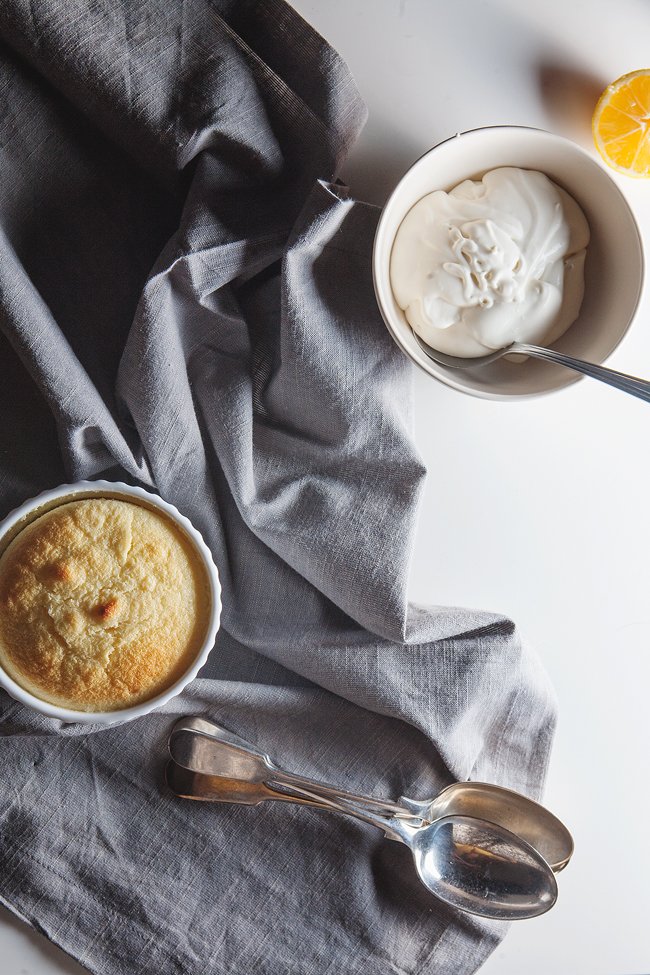
Budino is Italian for pudding, and I’m assuming this recipe is Italian in origin because it comes to us from Craig Stoll, owner of San Francisco’s Delfina. (Oh, SF, any mention of you sends prickles of homesickness down my spine.) What I can tell you is that it’s part souffle, part gooey lemon-y goodness. Especially if it’s countered with a mascarpone whipping cream, which rounds out its fruitiness.
I can also tell you that I love love love Meyer lemons, which I eat, raw, just like oranges, except I cut them in quarters and rip out their flesh with my teeth (kind of like how Chinese people eat oranges—or is this practice more international than I realize?).
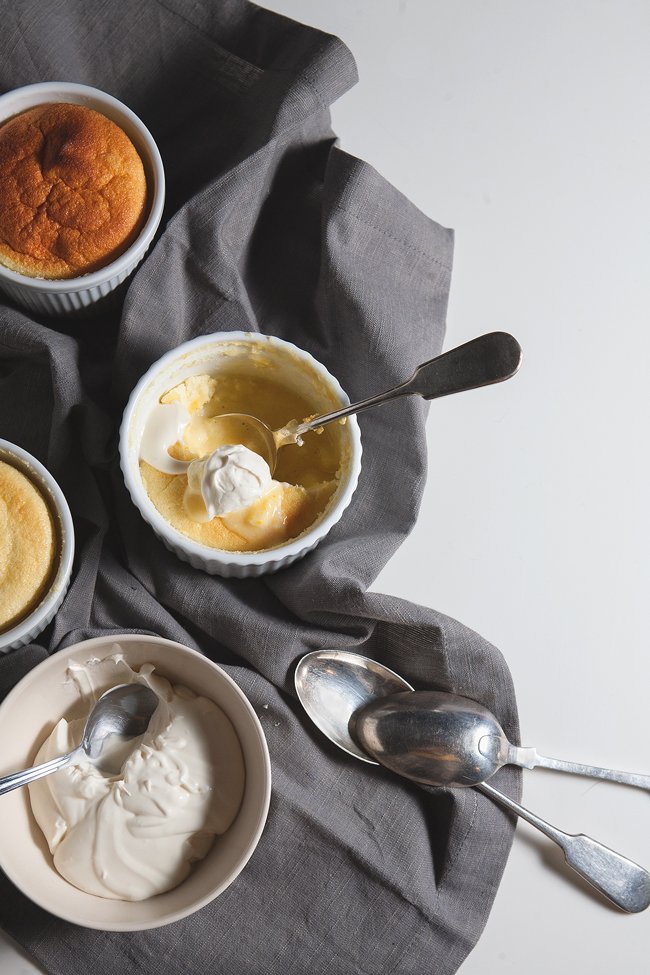
I kind of realized along the way (the ‘way’ being the entire circuitous route I’ve taken to learning to bake) that I don’t really care for baked lemon desserts. I’m talking about tarts and pies, and those bar things that people always seem to make a huge fuss over. It’s probably a cultural thing. Chinese people don’t generally cook fruit into desserts, instead, preferring to eat it on its own, so it feels incongruous to pair its freshness and natural-ness with butter, dough, and high temperatures.
But Meyer lemon desserts, they’re in a league of their own. Meyer lemons possess a whole other dimension of floral-ness, a fragrance that reminds me of Asian dessert flavors like green tea and red bean and black sesame. It’s quieter, sweeter, less in-your-face. In fact, I’m rethinking my stance on lemon-y desserts, as long as they’re made with Meyer lemons. I would probably like Meyer-lemon lemon bars, and Meyer-lemon lemon meringue pie, and Meyer-lemon lemon shortbread. I know I like it in this budino.

Hint: it’s wonderful warm and fresh out of the oven, BUT if you give it a chance to sit in the fridge overnight, it is even better the next day. By then, three distinct layers will have formed: the dreamy pudding on the bottom, the feathery sponge cake layer on top, and an incredibly lush cheesecake-like layer in between. It is excellent. Excellent!
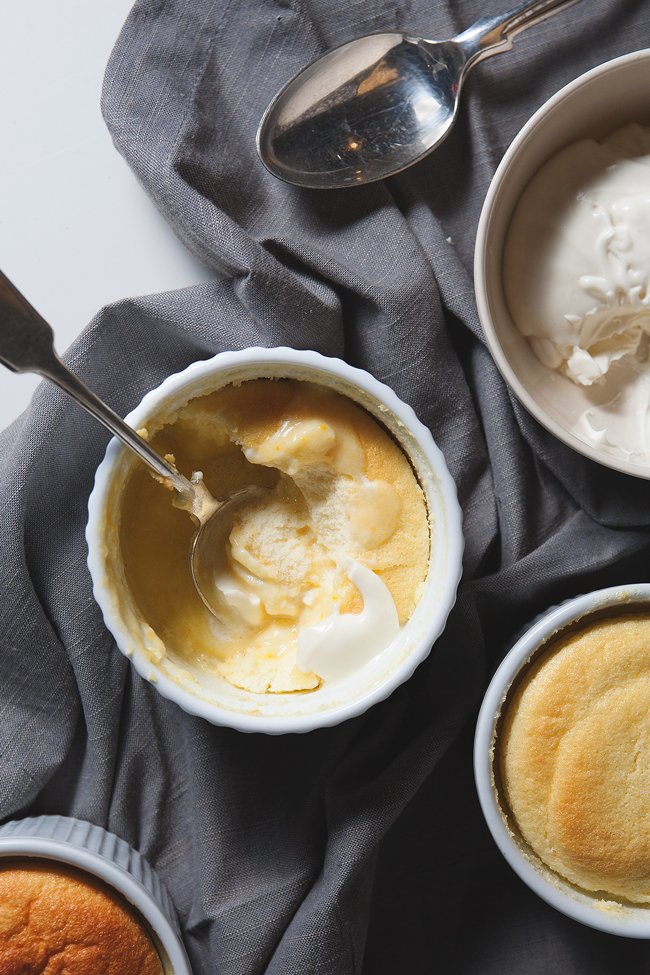
MEYER LEMON BUDINO
Adapted from Delfina, courtesy of Bon Appétit
Serves 4 to 6
Ingredients:
1/2 cup plus 2 Tbsp sugar
3 large eggs, separated
1/4 cup all purpose flour
1/4 cup + 2 Tbsp fresh Meyer lemon juice
2 Tbsp finely grated Meyer lemon peel
3/4 cup plus 2 tablespoons whole milk
1/4 teaspoon salt
For the mascarpone whipped cream:
1/2 cup chilled mascarpone cheese
1/2 cup chilled whipping cream
2 Tbsp sugar
1/2 tsp vanilla extract
Directions:
Preheat oven to 350 degrees F. Butter 4 to 6 ramekins. Combine 1/2 cup sugar, egg yolks, flour, lemon juice, and lemon peel in large bowl; whisk until well blended. Whisk in milk.
Using an electric mixer, beat egg whites and salt in medium bowl until frothy. Gradually add remaining 2 Tbsp sugar and beat until soft peaks form. Fold beaten egg whites into lemon mixture in 2 additions. Divide mixture among prepared custard cups. Place custard cups in roasting pan. Pour enough hot water into roasting pan to come halfway up sides of custard cups. Bake puddings until tops are golden and spring back when lightly touched, about 25 to 30 minutes (keep an eye on them—in some ovens, they’ll bake faster). Remove cups from water and let cool. Serve warm or cold with mascarpone whipped cream, recipe below.
For the mascarpone whipped cream:
Combine the mascarpone, whipping cream, sugar, and vanilla extract. Whisk until thick soft peaks form. Refrigerate for a few hours.
Related Posts




Subscribe for New Racipies
Get mental health tips, updates, and resources delivered to your inbox.