
Better Than S’Mores Mini Cupcakes

Medically reviewed by Christiana George Updated Date: December 17, 2022

I have been wanting to try Biscoff cupcakes for that past week. But I wanted to see what would happen if I tried to turn them into s’mores. The Biscoff is a bit sweeter than a graham cracker, but I though if I used a dark chocolate ganache to fill them, it might balance out the sweetness. What?? Me, make something less sweet?? Ask anyone who knows me and they would think something was wrong. But have no fear, sometimes it’s all worth it in the end. And these absolutely were. Topped with a marshmallow fluff frosting, these puppies came out better than expected, better than a s’mores!
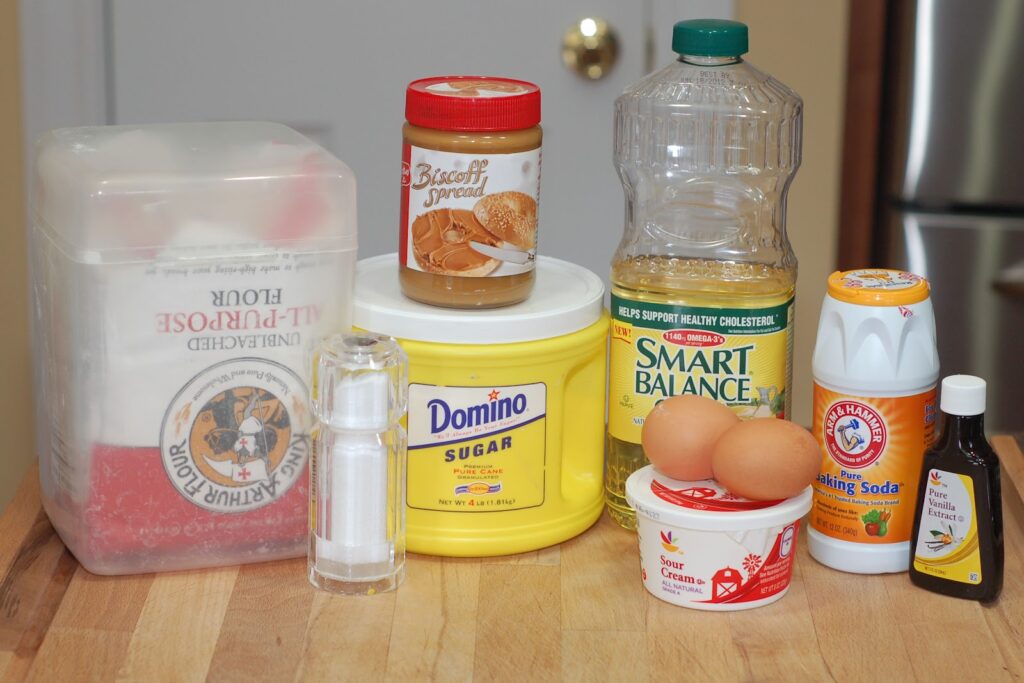
Don’t mind my upside down flour bag. It had a hole in the bottom, so I had put it that way, otherwise that kitchen would look like a snowstorm had passed through.
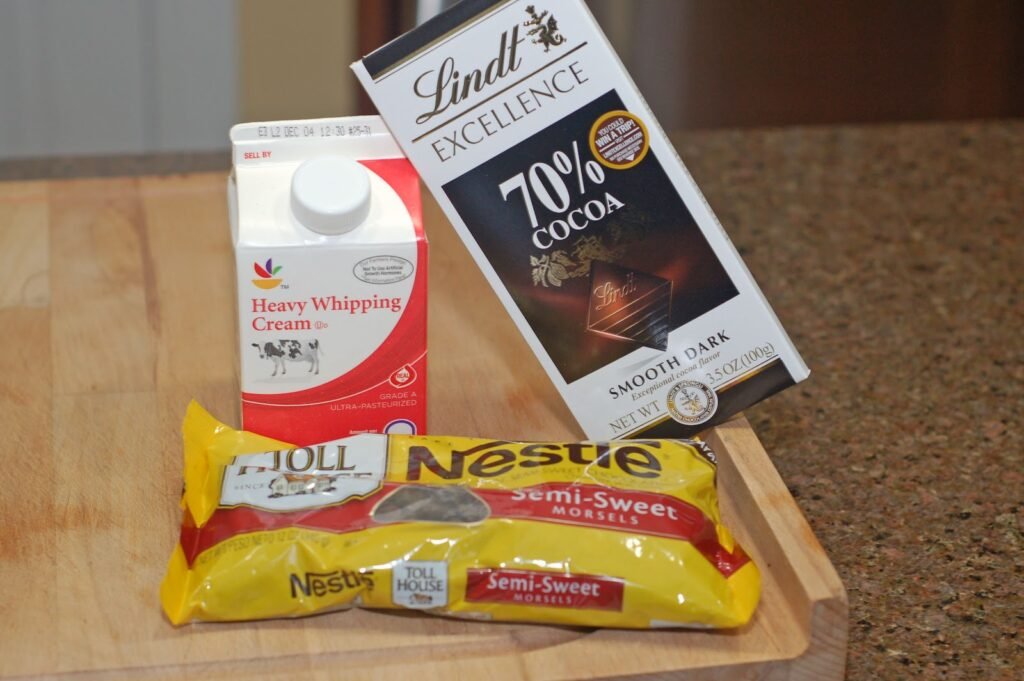
| For the ganache filling |

filled cupcakes
At this point feel free to take any defect cupcake and pop it into your mouth. It is for quality control purposes only. Since it was late at night when I made the frosting, I forgot to take any pictures.
Of course before I went to bed I had to try one and gave one to my husband to try so I wouldn’t feel so guilty. Oh god, they were delicious. I am glad I made them bite size, the blend of tastes it just perfect. Unfortunately, that just means I will eat more.
Better Than S’Mores Mini Cupcakes
by The Sweet Chick
Prep Time: 20-30 minutes
Cook Time: 10-15 minutes
Keywords: bake dessert biscoff marshmallow fluff chocolate ganache cupcake
Ingredients (24 mini cupcakes)
For the Biscoff Cupcakes
- 1 cup all-purpose flour
- 1 cup granulated sugar
- 1/2 teaspoon kosher salt
- 1/2 teaspoon baking soda
- 1/2 cup canola oil
- 1/2 cup sour cream
- 1/2 cup Biscoff spread
- 2 large eggs
- 2 teaspoons pure vanilla extract
For the Chocolate Ganache Filling
- 12 ounces chocolate, chopped into small pieces (I used a 3.5oz bar of Lindt dark chocolate and about 3/4 of a 12 oz bag of semi-sweet chocolate chips)
- 1 cup heavy cream
For the Marshmallow Fluff Frosting
- 1/2 stick butter, softened
- 2 cups marshmallow fluff
- 2 cups powdered sugar
- 1 teaspoon vanilla
- 1 tablespoon Wilton meringue powder
- 2-3 tablespoons milk
Instructions
For the Biscoff Cupcakes
Preheat the oven to 350º F and fill muffin tin with cupcake liners.
Place flour, sugar, salt and baking soda into a large bowl, mix to combine. Set aside.
In a stand mixer or using a hand mixer, place oil, sour cream, Biscoff spread, eggs and vanilla into the bowl and mix on medium speed until well incorporated. Slowly add dry ingredients and mix thoroughly, about 30 seconds. Spoon batter into prepared mini cupcake liners about 3/4 full. Bake for 10-15 or until toothpick inserted in center comes out dry. Remove and let cool completely.
(For regular sized cupcakes, bake 18-22 minutes).
Recipe by healthyfoodforliving.com/recipes
For the Chocolate Ganache Filling
Place chocolate pieces in a large bowl.
Heat heavy cream on medium high until it comes to a boil. Remove from heat and immediately pour cream over chocolate and stir until completely mixed and glossy.
Allow ganache to cool. The longer you allow the ganache to cool, the thicker it will set. You can place it in the fridge to cool faster. The ganache needs to be completely cooled before piping it in the cupcakes.
While the ganache is cooling cut a hole in the middle of each cupcake and scoop out the center (not all the way to the bottom). I used a vegetable peeler, but you can also try a apple corer.
With a frosting piping bag or a plastic freezer bag with tip cut off, pipe the ganache filling into each cupcake and place back in the fridge.
Recipe by https://www.healthyfoodforliving.com/recipes/
For the Marshmallow Fluff Frosting
In a stand up mixer or using a hand mixer, blend butter and marshmallow fluff until smooth.
Sift in confectioners’ sugar and meringue powder and beat on low speed.
Add vanilla and milk and increase speed to high. Beat for 1 minute.
Using a frosting piping bag and your favorite tip, frost each cupcake and place back in fridge to set.
Recipe by The Sweet Chick
Related Posts




Subscribe for New Racipies
Get mental health tips, updates, and resources delivered to your inbox.
Are Oat Waffles Acidic? A Healthy Breakfast Option?


Oat waffles are a popular choice for those seeking a healthy, hearty, and delicious breakfast. Made with oats instead of traditional refined flour, these waffles are packed with nutrients and fiber, making them a wholesome option for many. But if you suffer from acid reflux or GERD (gastroesophageal reflux disease), you might be wondering: Are oat waffles acidic, and can they trigger reflux symptoms?
In this article, we’ll uncover the truth about the acidity of oat waffles, their potential impact on acid reflux, and how to make them a reflux-friendly addition to your breakfast. We’ll also discuss their health benefits, provide reflux-safe recipes, and answer some commonly asked questions about oat waffles and acid reflux.
Are Oat Waffles Acidic or Alkaline?
1. The Acidity of Oats
Oats, the primary ingredient in oat waffles, are considered to be slightly acidic, with a pH ranging between 6.0 and 6.4. While they fall on the acidic side of the pH scale, their acidity is mild and not typically a cause for concern for individuals with acid reflux.
2. Impact of Cooking on Acidity
The process of cooking oats into waffles does not significantly alter their pH. However, the toppings and ingredients used in making oat waffles can either enhance or reduce their acidity.
3. Oats as a Reflux-Friendly Food
Oats are a widely recommended food for acid reflux sufferers because of their high fiber content and ability to absorb excess stomach acid. Therefore, oat waffles, when prepared mindfully, can be a suitable breakfast option for those managing reflux.
Related to Read: Are Oat Cookies Acidic?
Can Oat Waffles Trigger Acid Reflux?
Oat waffles are generally considered safe for individuals with acid reflux. However, certain factors may increase the likelihood of triggering symptoms:
1. Ingredients in the Batter
The batter used to make oat waffles can impact their reflux-friendliness. Ingredients like whole milk, butter, or sugar can increase acidity and make the waffles less suitable for reflux sufferers.
2. Toppings
Toppings such as chocolate syrup, whipped cream, or acidic fruits like citrus can trigger reflux symptoms. Reflux-friendly toppings like bananas, almond butter, or a drizzle of honey are better alternatives.
3. Portion Size
Eating large portions of any food, including oat waffles, can put pressure on the stomach and worsen reflux symptoms. Stick to a reasonable portion size to avoid discomfort.
Author Tip: Is Oatmeal Acidic?
Why Oat Waffles May Be Good for Acid Reflux?
Oat waffles, when prepared with reflux-safe ingredients, offer several benefits for individuals managing acid reflux:
1. High Fiber Content
Oats are an excellent source of dietary fiber, which promotes healthy digestion and reduces the risk of acid reflux by preventing constipation and improving gut motility.
2. Low in Fat
Low-fat foods are less likely to relax the lower esophageal sphincter (LES), a key factor in acid reflux. Oat waffles made without high-fat ingredients like butter or cream are a great low-fat option.
3. Nutrient-Dense
Oats are packed with essential nutrients, including:
- Magnesium: Helps regulate stomach acid production.
- Vitamin B6: Supports healthy digestion.
- Iron: Boosts energy levels and supports overall health.
4. Satisfying and Filling
The high fiber content in oats keeps you full for longer, reducing the likelihood of overeating and minimizing pressure on the stomach, which can lead to reflux.
5. Versatile and Customizable
Oat waffles can be easily adapted to suit dietary needs and preferences. By choosing reflux-friendly ingredients, you can enjoy a delicious and safe breakfast option.
Tips for Making Reflux-Friendly Oat Waffles
To ensure oat waffles are safe for acid reflux sufferers, follow these tips:
1. Use Plant-Based Milk
Swap out whole milk for plant-based alternatives like almond milk or oat milk, which are less likely to trigger reflux.
2. Avoid High-Fat Ingredients
Replace butter with a small amount of coconut oil or unsweetened applesauce to keep the fat content low.
3. Choose Reflux-Friendly Sweeteners
Opt for natural sweeteners like honey or maple syrup instead of sugar or artificial sweeteners.
4. Stick to Non-Acidic Toppings
Top your oat waffles with bananas, blueberries, or almond butter instead of acidic fruits or processed toppings.
5. Watch Your Portion Size
A serving of 2 medium-sized oat waffles is typically enough to satisfy hunger without causing discomfort.
Reflux-Friendly Oat Waffle Recipe
Here’s a simple and reflux-safe recipe for oat waffles:
Ingredients
- 1 cup rolled oats (blended into flour)
- 1 cup almond milk (unsweetened)
- 1 egg (or flax egg for a vegan option)
- 1 teaspoon baking powder
- 1 teaspoon vanilla extract
- 1 tablespoon honey or maple syrup
Instructions
- In a blender, blend rolled oats until they turn into a fine flour.
- In a mixing bowl, combine oat flour, baking powder, almond milk, egg, vanilla extract, and sweetener. Mix until smooth.
- Preheat your waffle maker and lightly grease it with coconut oil.
- Pour the batter into the waffle maker and cook until golden brown.
- Serve with reflux-friendly toppings like bananas, almond butter, or a drizzle of honey.
This recipe makes about 2-3 servings of fluffy and delicious waffles that are gentle on the stomach.
Oat Recipe: Honey Carrot Oatmeal Raisin Cookies
Biscoff Oatmeal Double Chocolate Chip Cookies
Health Benefits of Oat Waffles Beyond Acid Reflux
Studies suggest that oats offer a variety of health benefits that extend beyond managing acid reflux:
1. Supports Heart Health
Oats are rich in beta-glucan, a type of soluble fiber that helps lower cholesterol levels and supports cardiovascular health.
2. Aids in Weight Management
The fiber in oats promotes satiety, helping to control hunger and prevent overeating.
3. Boosts Energy Levels
Oats provide a slow release of energy, making oat waffles an ideal breakfast choice to keep you energized throughout the day.
4. Improves Gut Health
The fiber in oats supports a healthy gut microbiome, promoting regular bowel movements and overall digestive health.
FAQs About Oat Waffles and Acid Reflux
1. Are oat waffles acidic?
Oat waffles are mildly acidic due to the pH of oats, but they are generally well-tolerated by individuals with acid reflux.
2. Can oat waffles trigger acid reflux?
Oat waffles are unlikely to trigger acid reflux when prepared with reflux-friendly ingredients and consumed in moderation.
3. What are the best toppings for oat waffles if I have acid reflux?
Reflux-friendly toppings include bananas, almond butter, unsweetened applesauce, or a light drizzle of honey. Avoid acidic fruits, chocolate syrup, and whipped cream.
4. Are store-bought oat waffles safe for acid reflux?
Store-bought oat waffles may contain added sugars, fats, or preservatives that can trigger reflux. Always check the ingredient label or make your own at home for better control.
5. Can I eat oat waffles every day?
Yes, oat waffles can be enjoyed daily as part of a balanced diet. Just ensure they’re made with reflux-friendly ingredients and consumed in moderation.
Conclusion
Oat waffles are a mildly acidic yet nutrient-rich breakfast option that can be safely enjoyed by most individuals with acid reflux. When prepared with reflux-friendly ingredients and paired with non-acidic toppings, they make for a delicious and satisfying meal that supports healthy digestion.
Whether you enjoy them as a quick weekday breakfast or a leisurely weekend treat, oat waffles can be a versatile and reflux-safe addition to your diet. With their high fiber content, low fat, and customizable nature, oat waffles are a perfect choice for starting your day on a healthy note.
If you’re looking for more reflux-friendly meal ideas, explore our other articles for expert tips and recipes tailored to your needs!
Related Posts



Subscribe for New Racipies
Get mental health tips, updates, and resources delivered to your inbox.