
Blue Raspberry Rice Krispie Treats

Medically reviewed by Christiana George Updated Date: December 19, 2022


I’m in a blue mood, but that’s a good thing. These Blue Raspberry Rice Krispie Treats were super easy and fun to make. The blue color is so pretty for Easter, but could work for other parties as well. I can’t believe Easter is almost here. This will be our first Easter without family around. We will probably get together with some friends to celebrate. My daughter is looking forward to the Easter Egg Hunt and her basket of treats.

I found these Blue Raspberry Campfire Mallow Bursts at Walmart and had to give them a try. Last year I had found Lemon Meringue ones and made Lemon Meringue Rice Krispie Treats with them. So why not Blue Raspberry Rice Krispie Treats. For added flavor I found Duncan Hines Frosting Creations Flavor Mixes in Blue Raspberry.
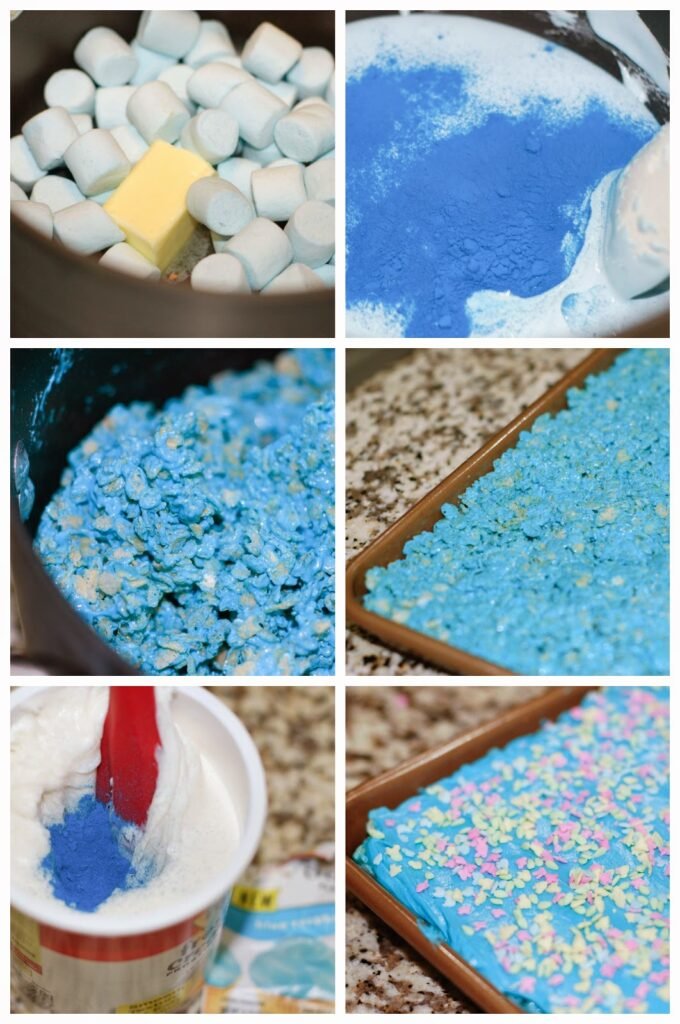
I used one packet of flavoring mix with the cereal mixture and one packet with the frosting starter. So it’s double the blue raspberry flavor. I added some sprinkles for decorations and cut them into squares.
Now if you are feeling a little more creative or looking for something to do with the kids, you can grab some cookie cutters and make different shapes.

I find it easier to cut out the shape first, then frost the treats. For the bunny face, I used mini marshmallows, Wilton candy eyes, and Wilton Cookie Icing in black to decorate. I cut a pink mini marshmallow in half to make the nose. Then I cut another mini marshmallow on the diagonal lengthwise to make the inside of the ears. You just cut, then smoosh and stretch it a little by hand to shape it. I know, so technical, huh? I used black icing to make the whiskers and mouth. I used my cake decorating brush to paint on the lines. You could probably use a toothpick also. Although if you can find black licorice strings, I am sure that would work out better.

What kid doesn’t like a fluffy blue bunny treat? Especially one that turns your tongue blue when you eat it. My son thought it was pretty funny that his tongue was blue.

Or you can just cut out and frost an Easter egg shape and add some sprinkles. Less work and just as cute. Whichever way you choose to decorate your treats, they will all taste the same.
Now I must say, these treats are pretty sweet. They taste like blue raspberry candy. Which is good, but I am not a big candy fan. I prefer some dark chocolate. My daughter loves candy and she couldn’t wait to eat one of these after I was done taking photos. I also gave some to the neighbor’s boys who loved them. These are definitely kid friendly.
Blue Raspberry Rice Krispie Treats
by The Sweet Chick
Prep Time: 15 minutes
Cook Time: 5 minutes
Keywords: no bake dessert snack rice krispies Blue Raspberry Mallow Bursts Duncan Hines Frosting Creations Easter rice krispie treats American spring
Ingredients (24 squares)
For the treats
- 3 tablespoons butter
- 1 bag (8 oz.) Campfire Blue Raspberry Mallow Bursts
- 1 packet Duncan Hines Frosting Creations Blue Raspberry Flavor Mix
- 5 cups crispy rice cereal
For the topping
- 1 container (16 oz.) Duncan Hines Frosting Creations Frosting Starter
- 1 packet Duncan Hines Frosting Creations Blue Raspberry Flavor Mix
Instructions
For the treats
In a large sauce pan, melt butter and marshmallows over low heat. Stir until completely melted.
Remove from heat and add 1 packet of flavor mix. Stir until completely mixed.
Then add the crispy rice cereal. Mix until all is well incorporated.
Then pour the mixture into a greased 9 x 13 pan or a cookie sheet and spread it evenly with a piece of waxed paper.
Place in fridge to cool and set.
For the frosting
Mix the remaining flavor mix packet with the frosting starter according to directions on the container.
Then spread the blue raspberry frosting over the cooled treats and add sprinkles if desired.
Place in fridge until frosting sets, then cut into squares and enjoy.
Related Posts



Subscribe for New Racipies
Get mental health tips, updates, and resources delivered to your inbox.
Is Tapioca Pudding Acidic? A Gentle Dessert or a Trigger?

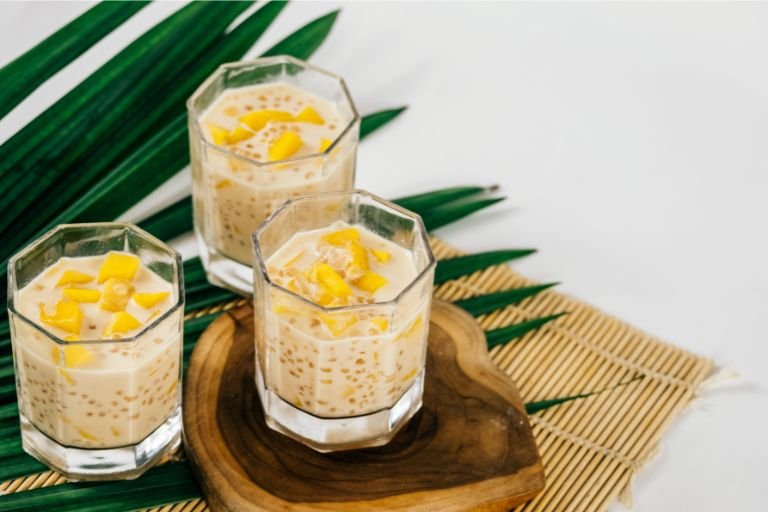
Tapioca pudding is a creamy and comforting dessert made from tapioca pearls, milk, sugar, and vanilla. It’s loved for its smooth texture and mild flavor, making it a favorite treat for people of all ages. However, if you suffer from acid reflux or GERD (gastroesophageal reflux disease), you might wonder: Is tapioca pudding acidic, and can it trigger reflux symptoms?
In this article, we’ll delve into the acidity of tapioca pudding, whether it’s safe for acid reflux sufferers, and how to make it a reflux-friendly dessert. Additionally, we’ll discuss its nutritional benefits, provide tips for enjoying it without discomfort, and answer common questions about tapioca pudding and acid reflux.
Is Tapioca Pudding Acidic or Alkaline?
1. The Acidity of Tapioca
According to the Journal of Halal Science and Research Tapioca is derived from the cassava root, which has a neutral pH of 6.5 to 7.5. This makes tapioca itself non-acidic and gentle on the digestive system.
2. The Impact of Ingredients on Acidity
While tapioca is neutral, the other ingredients in tapioca pudding—such as milk and sugar—can influence its overall acidity. Milk, for example, has a slightly acidic pH, but its alkaline-forming properties during digestion make it generally reflux-friendly.
3. Tapioca Pudding’s Overall Acidity
Tapioca pudding, as a dish, is mildly acidic but usually gentle enough for most acid reflux sufferers when prepared with reflux-friendly ingredients.
Author Tip: Is Tapioca Acidic?
Can Tapioca Pudding Trigger Acid Reflux?
Tapioca pudding is not a common trigger for acid reflux, but some factors could cause symptoms in certain individuals:
1. High-Fat Dairy
If whole milk or heavy cream is used in the recipe, the high fat content may relax the lower esophageal sphincter (LES), leading to reflux symptoms.
2. Added Sugars
Excessive sugar can increase stomach acidity, potentially causing discomfort for those with sensitive stomachs.
3. Portion Size
Eating large portions of tapioca pudding can put pressure on the stomach, increasing the likelihood of reflux.
4. Individual Sensitivities
Everyone’s body reacts differently to certain foods. While tapioca pudding is typically mild, some individuals may still experience symptoms based on their personal tolerance.
Why Tapioca Pudding May Be Suitable for Acid Reflux?
Tapioca pudding, when prepared thoughtfully, offers several benefits that make it a good choice for people with acid reflux:
1. Neutral pH of Tapioca
Tapioca is naturally non-acidic, making it a gentle ingredient that is unlikely to irritate the digestive system.
2. Digestive-Friendly Texture
The smooth, creamy texture of tapioca pudding is easy to digest and can help soothe an irritated esophagus.
3. Alkaline Properties of Milk
Milk used in tapioca pudding can help neutralize stomach acid, providing relief from heartburn in some cases. Opt for low-fat or plant-based milk to maximize reflux-friendliness.
4. Customizable Recipe
Tapioca pudding can be easily adapted to suit dietary restrictions and reflux needs by swapping out ingredients like sugar and whole milk.
Tips for Making Reflux-Friendly Tapioca Pudding
Follow these tips to ensure your tapioca pudding is gentle on the stomach and safe for acid reflux sufferers:
1. Use Low-Fat or Plant-Based Milk
Replace whole milk or cream with low-fat milk, almond milk, or oat milk to reduce fat content and minimize the risk of reflux.
2. Limit Added Sugar
Sweeten your tapioca pudding with natural sweeteners like honey or maple syrup instead of refined sugar. Use these in moderation.
3. Avoid Heavy Toppings
Skip high-fat or acidic toppings like whipped cream, chocolate syrup, or citrus fruits. Instead, opt for reflux-friendly options like sliced bananas or blueberries.
4. Eat in Moderation
Stick to a small portion size to avoid overeating, which can put pressure on the stomach and lead to reflux symptoms.
Author Tip: 7-Day Meal Plan For Gastritis
Reflux-Friendly Tapioca Pudding Recipe
Here’s a simple and acid reflux-friendly tapioca pudding recipe:
Ingredients
- 1/3 cup small tapioca pearls
- 2 cups low-fat milk (or almond milk for a plant-based option)
- 2 tablespoons honey or maple syrup
- 1 teaspoon vanilla extract
Instructions
- Soak the tapioca pearls in water for 30 minutes, then drain.
- In a saucepan, combine the soaked tapioca pearls and milk. Cook over medium heat, stirring frequently, until the mixture thickens (about 10–15 minutes).
- Add honey or maple syrup and vanilla extract, then stir until well combined.
- Remove from heat and let cool slightly before serving.
- Top with reflux-friendly options like sliced bananas or a sprinkle of cinnamon if desired.
This recipe makes 2–3 servings of creamy, satisfying tapioca pudding that’s gentle on the stomach.
Nutritional Benefits of Tapioca Pudding
Tapioca pudding is not just a tasty treat—it offers several nutritional benefits:
1. Gluten-Free
Tapioca is naturally gluten-free, making it a great dessert option for those with gluten sensitivities or celiac disease.
2. Energy Boost
Tapioca is rich in carbohydrates, providing a quick source of energy.
3. Low in Fat
When made with low-fat milk, tapioca pudding is a low-fat dessert that’s gentle on the stomach.
4. Supports Digestive Health
The easy-to-digest nature of tapioca pudding makes it a suitable option for individuals with sensitive stomachs or digestive issues.
FAQs About Tapioca Pudding and Acid Reflux
1. Is tapioca pudding acidic?
Tapioca pudding is mildly acidic due to the milk and sweeteners used, but tapioca itself is neutral. It’s typically well-tolerated by individuals with acid reflux.
2. Can tapioca pudding cause acid reflux?
Tapioca pudding is unlikely to cause reflux if prepared with reflux-friendly ingredients and consumed in moderation. High-fat dairy or excessive sugar may trigger symptoms in some individuals.
3. What are reflux-friendly toppings for tapioca pudding?
Non-acidic toppings like bananas, blueberries, or a sprinkle of cinnamon are great choices. Avoid chocolate, citrus fruits, or heavy creams.
4. Is store-bought tapioca pudding safe for acid reflux?
Store-bought tapioca pudding may contain added sugars, preservatives, or high-fat dairy, which can trigger reflux. Homemade tapioca pudding allows for better control over ingredients.
5. Can I eat tapioca pudding every day?
Tapioca pudding can be enjoyed occasionally as part of a balanced diet. Eating it every day may not be ideal due to its sugar content.
Conclusion
Tapioca pudding is a mild, creamy dessert that’s generally safe for individuals with acid reflux when prepared with the right ingredients. Its neutral pH, gentle texture, and versatility make it a great choice for those looking to enjoy a sweet treat without triggering reflux symptoms.
By using low-fat or plant-based milk, limiting sugar, and avoiding acidic toppings, you can create a reflux-friendly version of tapioca pudding that’s both delicious and satisfying. Enjoy it as an occasional dessert or snack, and savor the comforting flavors without worry.
If you’re looking for more reflux-friendly recipes and tips, explore our other articles for expert insights and practical advice!
Related Posts



Subscribe for New Racipies
Get mental health tips, updates, and resources delivered to your inbox.