
Dates and Acid Reflux: A Sweet Solution or a Hidden Trigger?

Medically reviewed by Aneeza Pervez Updated Date: January 2, 2026
Introduction: The Sweet Appeal of Dates in a Reflux-Friendly Diet
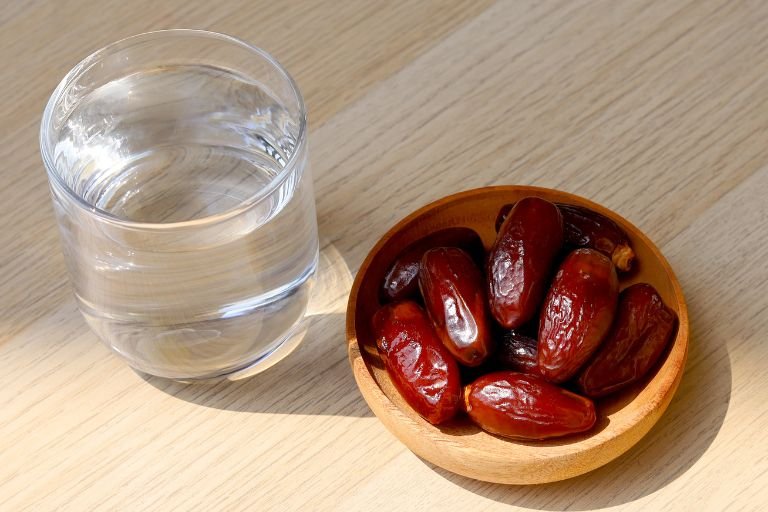
Dates are often celebrated as a natural sweetener and a nutrient-dense snack. Packed with fiber, vitamins, and minerals, they’ve earned a reputation as a superfood. But for those who suffer from acid reflux, adding dates to the diet may feel like a gamble. Are dates safe for acid reflux, or could their natural sweetness aggravate symptoms like heartburn and indigestion?
This article dives into the nutritional profile of dates, their acidity, and how they might impact acid reflux. We’ll also explore whether dates are safe to include in a reflux-friendly diet and offer tips on consuming them without triggering uncomfortable symptoms. By the end, you’ll have a clearer understanding of how dates fit into your digestive health plan.
Understanding Acid Reflux and Its Triggers
What Is Acid Reflux? A Digestive Dilemma
Acid reflux, or gastroesophageal reflux disease (GERD), occurs when stomach acid flows back into the esophagus. This backflow is caused by a weakened lower esophageal sphincter (LES), the muscle that separates the stomach from the esophagus.
When this muscle fails to close properly, stomach acid can irritate the esophageal lining, leading to symptoms such as:
- Heartburn: A burning sensation in the chest or throat.
- Regurgitation: The sensation of acid or food backing up into the throat or mouth.
- Difficulty Swallowing: A feeling of food getting stuck in the throat.
Dietary choices play a significant role in managing acid reflux, and understanding which foods trigger or soothe symptoms is essential for long-term relief.
What Foods Commonly Trigger Acid Reflux?
Some foods are notorious for worsening acid reflux symptoms by either increasing stomach acidity or relaxing the LES. Common culprits include:
- Spicy foods
- Citrus fruits and juices
- Tomatoes and tomato-based products
- Fried or fatty foods
- Chocolate and caffeinated beverages
- Carbonated drinks
Dates, being a sweet and fibrous food, may fall into a gray area, making it crucial to examine their specific effects on acid reflux.
Author Tip: 7 Kinds of Foods to Avoid with GERD
Dates: A Nutritional Powerhouse
Nutritional Profile of Dates
Dates are dried fruits that come from the date palm tree. They’re naturally sweet and loaded with nutrients, making them a popular choice for a quick energy boost. Here’s what a typical serving of dates (3–4 dates, or about 50 grams) provides:
- Calories: Approximately 140
- Fiber: 3–4 grams, supporting digestion and bowel regularity
- Natural Sugars: 30–40 grams, offering a quick source of energy
- Vitamins and Minerals:
- Potassium: Supports heart health and helps regulate fluid balance.
- Magnesium: Aids in muscle function and bone health.
- Iron: Promotes healthy blood cell production.
- Vitamin B6: Supports brain health and metabolism.
Research suggests that dates are also rich in antioxidants, such as flavonoids and carotenoids, which help reduce inflammation and protect against oxidative stress.
Health Benefits of Dates Beyond Digestive Health
Dates are more than just a sweet treat; they offer a range of health benefits:
- Improved Digestion: Their high fiber content can help prevent constipation and promote gut health.
- Energy Boost: The natural sugars in dates provide a quick and sustained energy source, making them ideal for pre-workout snacks.
- Heart Health: Potassium and magnesium in dates support healthy blood pressure and cardiovascular function.
- Bone Strength: Dates contain small amounts of calcium and phosphorus, which contribute to bone health.
Are Dates Acidic or Alkaline?
The pH of Dates: Acidic, Neutral, or Alkaline?
Dates are considered slightly acidic, with a pH ranging from 5.5 to 6.5. However, their acidity is relatively mild compared to other fruits like citrus or tomatoes. Their natural sweetness and fiber content may help offset any potential irritation caused by their mild acidity.
While dates themselves are slightly acidic, their impact on acid reflux largely depends on individual tolerance and how they’re consumed.
Acidic Foods vs. Alkaline Foods: The Acid Reflux Equation
Acid reflux sufferers are often advised to limit acidic foods to prevent irritation of the esophagus. However, not all acidic foods are problematic. Factors such as portion size, preparation methods, and individual sensitivity play a significant role in how a food affects reflux symptoms.
Dates, despite their mild acidity, may actually provide some digestive benefits due to their fiber content, which can help regulate bowel movements and reduce pressure on the stomach.
How Dates May Affect Acid Reflux?
Benefits of Dates for Acid Reflux
For some individuals, dates may offer digestive benefits that can indirectly help manage acid reflux:
- High Fiber Content: The fiber in dates promotes healthy digestion and prevents constipation, which can reduce abdominal pressure and lower the risk of reflux.
- Natural Sweetness: Dates can serve as a healthier alternative to sugary snacks, which are often loaded with acid-triggering ingredients.
- Potassium Content: Potassium helps regulate fluid balance and may reduce bloating, a common contributor to reflux.
When Dates Might Trigger Acid Reflux?
Despite their potential benefits, dates aren’t suitable for everyone. Some factors that could make dates problematic include:
- High Sugar Content: The natural sugars in dates can ferment in the stomach, leading to gas and bloating, which may worsen reflux.
- Overeating: Consuming too many dates in one sitting can increase stomach pressure, triggering reflux symptoms.
- Individual Sensitivity: Some individuals may find that even mildly acidic foods like dates aggravate their symptoms.
Tips for Including Dates in a Reflux-Friendly Diet
Moderation Is Key
Start with small portions of dates—1 to 2 at a time—and monitor how your body reacts. Avoid eating large quantities in one sitting, as this can increase the risk of reflux.
Pair Dates with Reflux-Friendly Foods
Combining dates with alkaline or neutral foods can help minimize their impact on acid reflux. Here are some ideas:
- Blend dates into a smoothie with alkaline ingredients like almond milk and bananas.
- Pair dates with a handful of unsalted almonds for a balanced snack.
- Add chopped dates to oatmeal, which is both alkaline and soothing for the stomach.
Avoid Eating Dates on an Empty Stomach
Eating dates on an empty stomach may increase stomach acid production, leading to reflux. Pair them with a small meal or snack to reduce the likelihood of discomfort.
Alternatives to Dates for Acid Reflux Sufferers
Reflux-Friendly Sweet Snacks
If dates trigger your symptoms, consider these alternatives:
- Bananas: Naturally alkaline and easy to digest.
- Melons: Low in acidity and hydrating.
- Apples (peeled): Mildly sweet and less likely to cause irritation.
Low-Sugar Snack Options
For those sensitive to natural sugars, try these low-sugar alternatives:
- Cucumber slices with hummus
- Plain, unsweetened yogurt with a drizzle of honey
- Rice cakes topped with almond butter
Author Tip: Are Protein Bars Healthy?
Lifestyle Tips to Manage Acid Reflux Alongside Dietary Changes
Adopt Healthy Eating Habits
- Eat smaller, more frequent meals to avoid overloading your stomach.
- Chew your food thoroughly and eat slowly to aid digestion.
- Avoid lying down immediately after eating, as this can increase reflux episodes.
Avoid Common Reflux Triggers
Minimize foods and drinks that are known to worsen reflux, such as caffeine, alcohol, and spicy dishes.
Author Tip: 7-Day Meal Plan For Gastritis
Stay Active and Maintain a Healthy Weight
Regular physical activity and weight management can significantly reduce reflux symptoms by decreasing pressure on the LES.
Conclusion: Are Dates Safe for Acid Reflux?
Dates are a nutrient-rich, mildly acidic food that may be safe for acid reflux sufferers when consumed in moderation. Their high fiber content and natural sweetness make them a healthier alternative to processed snacks, but their sugar content and portion size should be carefully managed.
By pairing dates with alkaline foods and monitoring your body’s response, you can enjoy their benefits without triggering reflux. As always, consult a healthcare professional for personalized advice tailored to your specific needs.
FAQs: Dates and Acid Reflux
Q1: Are dates acidic or alkaline?
Dates are slightly acidic, with a pH of 5.5–6.5, but their mild acidity is generally well-tolerated in small amounts.
Q2: Can dates worsen acid reflux?
Overeating dates or consuming them with trigger foods may worsen acid reflux symptoms in some individuals.
Q3: How many dates can I eat if I have acid reflux?
Start with 1–2 dates and monitor your symptoms. Adjust the quantity based on your body’s response.
Q4: Are dried dates better or worse for acid reflux?
Dried dates are more concentrated in sugar, so portion control is especially important for reflux sufferers.
Q5: What are the best ways to eat dates for acid reflux?
Pair dates with alkaline foods like bananas or oatmeal and avoid eating them on
Related Posts



Subscribe for New Racipies
Get mental health tips, updates, and resources delivered to your inbox.
Is Dandelion Root Tea Acidic? Dandelion Root Tea and Acid Reflux

Introduction to Dandelion Root Tea and Digestive Health
Dandelion root tea, made from the roasted roots of the dandelion plant, has been used for centuries as a natural remedy for various health concerns. Known for its earthy flavor and detoxifying properties, it is often consumed to support liver function, digestion, and overall wellness. But for individuals with acid reflux or GERD (gastroesophageal reflux disease), the acidity of dandelion root tea and its effects on digestion become important considerations.
This article explores whether dandelion root tea is acidic, its impact on acid reflux, and how to include it in a reflux-friendly lifestyle.
Nutritional and Therapeutic Properties of Dandelion Root Tea
Dandelion root tea is rich in vitamins, minerals, and beneficial compounds that support overall health. A typical cup of dandelion root tea offers:
- Antioxidants: Includes beta-carotene and polyphenols that combat oxidative stress.
- Vitamin A and C: Promotes skin health and immunity.
- Minerals: Rich in potassium, magnesium, and calcium, which support heart health and muscle function.
- Inulin: A type of prebiotic fiber that promotes gut health by feeding beneficial bacteria.
Additionally, dandelion root tea is caffeine-free, making it a calming beverage suitable for evenings or relaxation.
Is Dandelion Root Tea Acidic or Alkaline?
Acidity of Dandelion Root Tea
Dandelion root tea is mildly acidic, with a pH level ranging from 6.0 to 6.5. While it is not as acidic as coffee or black tea, its slight acidity can vary depending on how the tea is prepared and consumed.
Why It’s Considered Digestive-Friendly?
Despite its mild acidity, dandelion root tea is known for its soothing effects on the digestive system:
- Promotes Bile Production: Helps improve fat digestion and reduces bloating.
- Anti-Inflammatory Properties: Reduces inflammation in the stomach lining, which can help alleviate acid reflux symptoms.
- Natural Diuretic: Encourages detoxification by flushing out excess water and toxins.
Related to Read: Is Tea Acidic? 5 Non-acidic Alkaline Tea for You!
Dandelion Root Tea and Acid Reflux
Does Dandelion Root Tea Trigger Acid Reflux?
For most people, dandelion root tea is not a common trigger for acid reflux. Its mild acidity is generally well-tolerated, and its digestive benefits may even help prevent or alleviate reflux symptoms in some cases. However, as with any food or beverage, individual reactions may vary.
Potential Benefits for Acid Reflux
- Supports Stomach Health: The inulin in dandelion root tea supports gut bacteria, which plays a role in reducing reflux symptoms.
- Aids in Digestion: By promoting bile flow, the tea helps break down fats more effectively, which can prevent stomach discomfort and reflux.
- Anti-Bloating Effects: Its diuretic properties can reduce bloating, a common contributor to acid reflux.
Possible Concerns
- Overconsumption: Drinking excessive amounts of dandelion root tea may lead to increased stomach acid production in some individuals, potentially worsening reflux symptoms.
- Individual Sensitivities: People with sensitive stomachs may experience mild irritation, especially if the tea is consumed on an empty stomach.
Related to Read: Is Chamomile Tea Acidic?
How to Safely Consume Dandelion Root Tea for Acid Reflux?
To enjoy the benefits of dandelion root tea without triggering acid reflux, consider these tips:
Drink in Moderation
Stick to 1–2 cups per day to prevent overloading your stomach with fluids and to reduce the risk of triggering reflux symptoms.
Pair with Food
Drinking dandelion root tea with a meal or snack can help buffer its acidity and make it gentler on the stomach.
Choose Organic, High-Quality Tea
Opt for organic dandelion root tea without added flavors or sweeteners, as these additives can irritate the stomach lining.
Avoid Drinking Before Bed
Consuming any beverage close to bedtime can increase the risk of nighttime reflux. Aim to finish your tea at least 2–3 hours before lying down.
Author Tip: 7 Kinds of Foods to Avoid with GERD
Health Benefits of Dandelion Root Tea Beyond Acid Reflux
Dandelion root tea is more than just a digestive aid. Here are some additional health benefits:
- Supports Liver Health: Promotes detoxification by enhancing liver function.
- Improves Skin Health: The antioxidants in dandelion root tea help combat inflammation and improve skin clarity.
- Regulates Blood Sugar: Some studies suggest dandelion root tea may help stabilize blood sugar levels.
- Promotes Heart Health: The potassium content helps regulate blood pressure and improve cardiovascular health.
Dandelion Root Tea Recipes for Digestive Comfort
Simple Dandelion Root Tea
- Ingredients: 1 teaspoon roasted dandelion root, 1 cup hot water.
- Preparation: Steep the dandelion root in hot water for 5–10 minutes. Strain and enjoy warm.
Soothing Dandelion Root and Ginger Tea
- Ingredients: 1 teaspoon dandelion root, 1 slice fresh ginger, 1 cup hot water.
- Preparation: Add both ingredients to hot water and steep for 10 minutes. Strain and serve for added digestive support.
Dandelion Root Tea Latte
- Ingredients: Brewed dandelion root tea, 1/4 cup almond milk, a dash of cinnamon.
- Preparation: Heat almond milk and froth if desired. Combine with brewed tea and top with cinnamon for a reflux-friendly latte alternative.
Tips for Managing Acid Reflux
In addition to incorporating dandelion root tea into your routine, consider these lifestyle tips for managing acid reflux effectively:
- Eat Smaller, More Frequent Meals: Large meals can put pressure on the stomach and exacerbate reflux.
- Avoid Known Trigger Foods: Spicy, fatty, or highly acidic foods like citrus and tomatoes should be limited.
- Stay Upright After Eating: Wait at least 2–3 hours before lying down to prevent acid backflow.
- Elevate Your Bed: Use a wedge pillow or elevate the head of your bed to reduce nighttime reflux.
- Hydrate Properly: Drink water throughout the day, but avoid large sips during meals to minimize bloating.
Author Tip: 7-Day Meal Plan For Gastritis
Conclusion
Dandelion root tea is a mildly acidic beverage that offers numerous health benefits, including support for digestion, liver detoxification, and inflammation reduction. For individuals with acid reflux, it can be a gentle and beneficial addition to their diet when consumed in moderation and paired with reflux-friendly practices. However, as individual responses may vary, it’s important to listen to your body and adjust your intake accordingly.
FAQs
Is dandelion root tea acidic or alkaline?
Dandelion root tea is mildly acidic, with a pH range of 6.0 to 6.5.
Can dandelion root tea trigger acid reflux?
For most people, dandelion root tea is not a common reflux trigger. However, overconsumption or individual sensitivities may lead to mild irritation.
How much dandelion root tea can I drink with GERD?
Stick to 1–2 cups per day to avoid potential digestive discomfort.
Can dandelion root tea be included in a low-acid diet?
Yes, its mild acidity and digestive benefits make it suitable for a low-acid diet when consumed in moderation.
What are the best ways to prepare dandelion root tea for acid reflux?
Drink it warm, in moderation, and pair it with meals to reduce its acidity’s impact on the stomach.
Related Posts
Subscribe for New Racipies
Get mental health tips, updates, and resources delivered to your inbox.