
Are Blood Oranges Acidic? pH and Anthocyanin Benefits

Medically reviewed by Jaclyn Weiner, RD, RDN, MEd, MS Updated Date: October 15, 2026
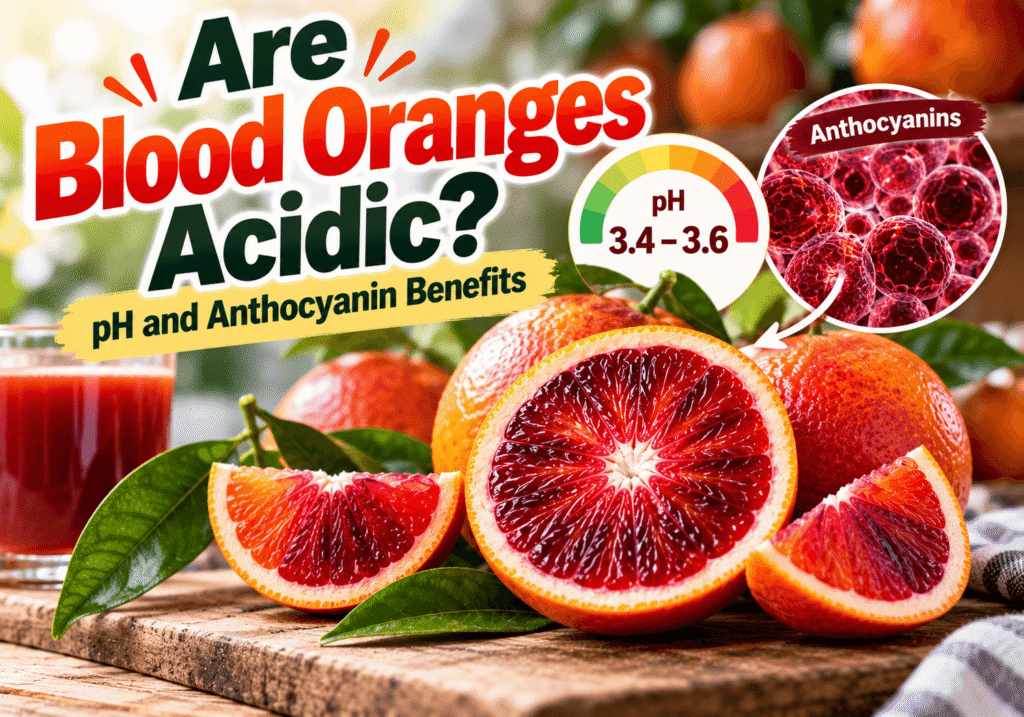
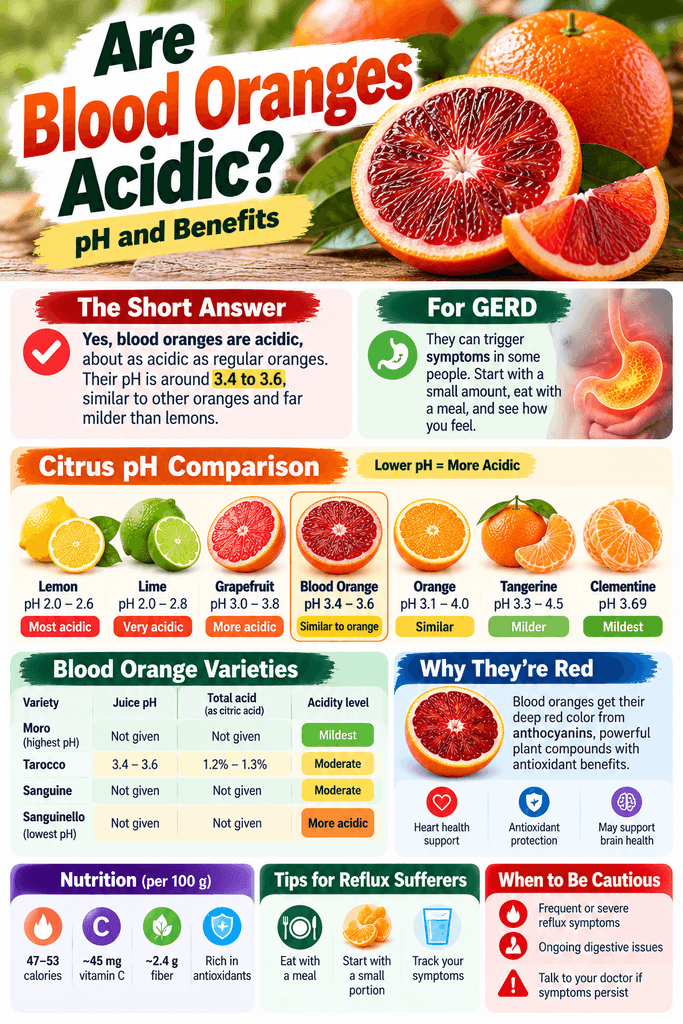
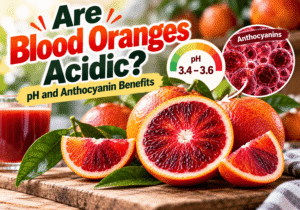
Yes, blood oranges are acidic, about as acidic as regular oranges. Tarocco blood oranges have been reported at pH 3.4 to 3.6 with roughly 1.2% to 1.3% total acid (Camin et al., as cited in Vavoura et al., 2022), right in line with common orange varieties. What sets blood oranges apart isn’t their acidity. It’s their deep red color, which comes from plant pigments called anthocyanins.
This guide explains how acidic blood oranges are, how the main varieties compare, what anthocyanins are, what the research really says about their benefits, and how to enjoy blood oranges if you have acid reflux.
Key Takeaways
- Blood oranges are acidic, with Tarocco juice reported at pH 3.4 to 3.6.
- They’re about as acidic as regular oranges, and more acidic than clementines.
- Their red color comes from anthocyanins, the same family of pigments found in many red and purple foods.
- Anthocyanin levels vary a lot by variety, season, and storage; cold storage raised them sharply in one study.
- Human evidence for benefits is promising but limited, based mostly on small studies and an extract trial.
- Citrus is a common reflux trigger, so start small if you have GERD.
Are Blood Oranges Acidic? The Short Answer
Yes. Blood oranges are a type of sweet orange (Citrus sinensis), and like other oranges, they get their tang mostly from citric acid. Here’s how the numbers line up:
| Sample | pH | Total acid | Source |
| Tarocco blood orange | 3.4–3.6 | About 1.2%–1.3% | Camin et al., via Vavoura et al., 2022 |
| Regular orange juices (7 varieties, Greece) | 3.32–3.75 | About 0.57%–1.27% | Vavoura et al., 2022 |
| Oranges, Florida | 3.69–4.34 | Not given | FDA |
Acid values reported in grams per liter were converted to percent (g/L ÷ 10). The FDA pH table has no separate blood orange entry.
So a blood orange is acidic, but not unusually so for an orange.
How Acidic Are Blood Oranges by Variety?
There are three main blood orange types: Moro, Tarocco, and Sanguinello. A Spanish study comparing four blood orange cultivars during cold storage found that juice pH ranked in this order (Habibi et al., 2021):
- Moro (highest pH, least acidic of the group)
- Tarocco
- Sanguine
- Sanguinello (lowest pH, most acidic of the group)
The study reported this ranking without giving simple pH numbers in the text, so we can’t say exactly how big the gaps were. It also found that Moro had the lowest soluble solids (sugar), while Sanguine had the highest (Habibi et al., 2021).
The takeaway: blood orange varieties differ a little, but all of them are acidic citrus fruits.
Are Blood Oranges More Acidic Than Regular Oranges?
Not really. They’re in the same range.
- Tarocco blood oranges: pH 3.4 to 3.6, about 1.2% to 1.3% acid (Camin et al., via Vavoura et al., 2022).
- Seven regular orange varieties from Greece: pH 3.32 to 3.75, about 0.57% to 1.27% acid (Vavoura et al., 2022).
- Four orange juices from Turkey: pH 3.22 to 3.48, about 1.11% to 1.56% acid (Karadeniz, 2004).
Tarocco sits toward the tart end for total acid compared with some sweet varieties like Valencia (0.57%) and Navelina (0.70%), but its pH overlaps with regular oranges. These come from different studies and methods, so treat them as a general comparison.
How Acidic Are Blood Oranges Compared With Other Citrus?
| Citrus fruit | Approximate pH | Source |
| Lemon juice | 2.00–2.60 | FDA |
| Lime | 2.00–2.80 | FDA |
| Grapefruit | 3.00–3.75 | FDA |
| Tarocco blood orange (study) | 3.4–3.6 | Camin et al., via Vavoura et al., 2022 |
| Tangerine | 3.32–4.48 | FDA |
| Kumquat, Florida | 3.64–4.25 | FDA |
| Clementine juice (study) | 3.69 | Karadeniz, 2004 |
FDA ranges and single-study values use different methods, so this is a rough guide.
- Much less acidic than lemons and limes. A blood orange at pH 3.5 is roughly 8 to 30 times less acidic than lemon juice by pH, and less acidic than limes.
- A bit more acidic than clementines. Clementine juice measured pH 3.69 with only 0.81% acid.
- Similar to tangerines, mandarins, and kumquats in overall range.
Beyond citrus, blood oranges fall in a similar range to pineapple, mangoes, and guava. They’re more acidic than mild fruits like bananas, lychees, longans, and mangosteens, and less acidic than passion fruit. See our complete guide to acidic foods for more.
What Are Anthocyanins in Blood Oranges?
Anthocyanins are natural plant pigments. In citrus, they matter mainly as the red pigments in blood oranges (Vavoura et al., 2022). Regular oranges don’t have them, which is why their flesh stays orange.
The two main anthocyanins in blood oranges are cyanidin 3-glucoside and cyanidin 3-(6″-malonyl)glucoside. In Budd blood oranges, these made up about 34% and 45% of total anthocyanins, respectively (Grosso et al., 2013).
How Much Anthocyanin Is in Blood Oranges?
It varies a lot:
- By variety: A review notes that Moro contains the highest anthocyanin levels, peaking in the first half of April, while Sanguinello types show the lowest (Grosso et al., 2013).
- Typical juice levels: The same review lists cyanidin 3-glucoside at an average of about 14 mg per liter of red orange juice, ranging from about 3 to 40 mg/L (Grosso et al., 2013).
- By storage temperature: In one study, blood oranges stored at 5 °C (41 °F) built up far more anthocyanins than those stored at 2 °C. By the end of storage at 5 °C, total anthocyanins ranged from 53.6 mg/L (Tarocco) to 160.8 mg/L (Sanguinello), and Moro’s level rose up to 31-fold compared with harvest (Habibi et al., 2020).
Notice that the variety rankings differ between studies. That’s normal: growing region, harvest time, and storage all change anthocyanin levels. A deeper red color is a rough visual clue, but not a precise measure.
What Does the Research Say About Anthocyanin Benefits?
Here’s an honest look at the evidence:
- Antioxidant activity: Anthocyanins are antioxidants, and researchers are studying possible anti-inflammatory and metabolic effects. But much of this work comes from lab and animal studies, not people (Habibi et al., 2020; Grosso et al., 2013).
- Small human studies: A review describes a crossover study of 19 people at higher cardiovascular risk in which red orange juice improved blood vessel function and reduced inflammation markers, and another study in which drinking it raised blood levels of vitamin C and cyanidin 3-glucoside (Grosso et al., 2013). These are encouraging but small.
- An extract trial, not fruit: A six-month randomized, placebo-controlled trial gave overweight adults a standardized Moro blood orange extract. The extract group lost more weight and body fat than the placebo group (Briskey et al., 2022). Because this was a concentrated extract, the results don’t show that eating blood oranges has the same effect.
- Bioavailability matters: The review’s authors caution that how well anthocyanins are absorbed and used by the body must always be considered, and that the juice’s effects can’t be explained by anthocyanins alone (Grosso et al., 2013).
Bottom line on benefits: Blood oranges are a nutritious fruit with extra pigments that regular oranges lack. The research is promising, but it isn’t strong enough to claim specific health effects from eating them.
If you enjoy anthocyanin-rich foods, other options include cherries, blueberries, and blackberries.
Do Anthocyanins Make Blood Oranges Less Acidic?
There’s no good evidence that they do. Anthocyanins are pigments, not neutralizers. In the Spanish cultivar study, Moro, the type a review describes as highest in anthocyanins, had the highest juice pH of the four tested (Habibi et al., 2021), but that doesn’t prove its pigments caused it. Blood oranges’ acidity comes from their fruit acids, just like regular oranges.
Are Blood Oranges Too Acidic for Acid Reflux?
They can be for some people. The National Institute of Diabetes and Digestive and Kidney Diseases (NIDDK) lists citrus fruits among foods that may make reflux worse, along with tomatoes, alcohol, chocolate, coffee and caffeine, high-fat foods, mint, and spicy foods (NIDDK). Blood oranges are citrus, so they’re on that list. Their anthocyanins don’t change that.
Triggers are personal, though. The American College of Gastroenterology’s 2022 guideline recommends that people with GERD identify their own triggers rather than avoiding every possible food, and avoid eating within 2 to 3 hours of bedtime (Katz et al., 2022).
Tips for Eating Blood Oranges With Reflux
- Start with a few segments after a meal, not a full glass of juice.
- Eat whole segments instead of juice, which delivers more acid at once.
- Pair them with gentle foods like oatmeal, Greek yogurt, or cottage cheese.
- Avoid stacking triggers. Blood orange cocktails or chocolate desserts combine several.
- Skip them late at night. NIDDK suggests eating meals at least 3 hours before lying down if you have nighttime symptoms (NIDDK).
- Try a milder citrus first. Clementines measured less acidic than oranges in one study, so they may be an easier starting point.
If blood oranges bother you, see our list of foods to avoid with GERD, and talk with your doctor if you have heartburn more than twice a week, trouble swallowing, or symptoms that don’t improve.
Are Blood Oranges Acidic Enough to Harm Your Teeth?
Like other citrus, they can contribute to enamel wear if you eat or drink them often. The American Dental Association says how often and how long your teeth are exposed to acid matters. It recommends eating acidic foods with meals, rinsing with water or having milk or cheese afterward, and waiting about an hour before brushing (American Dental Association). Sipping blood orange juice slowly over an hour is harder on teeth than finishing a small glass with breakfast. See also whether apples are good for your teeth.
Are Blood Oranges Too Acidic for Mouth Sores or Gastritis?
- Mouth sores: Mayo Clinic lists spicy or acidic foods among possible canker sore triggers (Mayo Clinic). Skip blood oranges until a sore heals.
- Gastritis: Citrus is often uncomfortable for people with gastritis. Consider pausing it until symptoms settle, and see our 7-day meal plan for gastritis.
Blood Orange Nutrition
USDA FoodData Central doesn’t list blood oranges separately. As a close guide, here’s USDA’s entry for raw oranges, all commercial varieties, per medium orange (131 g) (USDA FDC 169097):
| Nutrient | Per medium orange (131 g) |
| Calories | About 60 |
| Carbohydrates | About 15 g |
| Sugars | About 12 g |
| Fiber | About 3 g |
| Vitamin C | About 70 mg |
| Potassium | About 240 mg |
| Calcium | About 50 mg |
- Vitamin C: About 70 mg per medium orange, about 78% to 93% of the adult daily recommendation of 75 to 90 mg (NIH Office of Dietary Supplements).
- What’s extra in blood oranges: anthocyanins, which regular oranges don’t contain.
Exact values for blood oranges may differ from this general orange entry.
Acid-Smart Blood Orange Recipes
Blood oranges star in several of our recipes. If citrus agrees with you, try:
- Blood orange cinnamon lassi: Yogurt softens the tang.
- Blood orange and mint granita: A refreshing treat, though mint is also a listed reflux trigger.
- Blood orange curd: Very tart and rich, so save it for good stomach days.
- Citrus salad: Blood orange slices add color.
- Whipped ricotta with mixed berries: Add blood orange segments for a creamy, gentler pairing (untested swap).
- Candied citrus peel: Works as a starting point for blood orange peel (untested swap).
Frequently Asked Questions
Are blood oranges acidic or alkaline?
Blood oranges are acidic. Tarocco blood oranges have been reported at pH 3.4 to 3.6, similar to regular oranges.
Are blood oranges good for acid reflux?
They can trigger symptoms because they’re citrus, which NIDDK lists as a possible reflux trigger. Try a few segments with a meal and avoid them if they cause heartburn.
Are blood oranges healthier than regular oranges?
They contain anthocyanins that regular oranges lack, and early research on these pigments is promising. But there isn’t enough human evidence to say blood oranges are clearly healthier. Both are nutritious, vitamin C–rich fruits.
Are blood oranges more acidic as juice?
The juice has the same acids as the fruit, but a glass delivers more of them at once and coats your teeth longer. Whole segments are usually easier on reflux and teeth.
Why are blood oranges red?
Their red flesh comes from anthocyanins, natural plant pigments. Levels vary by variety, season, and storage, and cold storage increased them sharply in one study.
The Bottom Line: Are Blood Oranges Acidic?
Blood oranges are acidic, with Tarocco reported at pH 3.4 to 3.6, about the same as regular oranges. Their famous red color comes from anthocyanins, not from any difference in acidity.
Those anthocyanins make blood oranges an interesting choice, and research on them is promising, but most of it comes from lab studies, small trials, or concentrated extracts. Enjoy blood oranges as a colorful, vitamin C–rich fruit. If you have reflux, start small, eat them with a meal, and stop if they bother you.
Keep exploring with Are Clementines Acidic?, Are Mandarins Acidic?, Are Tangerines Acidic?, or our complete guide to acidic foods.
Medical disclaimer: This article is for general information only and isn’t a substitute for professional medical advice. If you have frequent heartburn, GERD, gastritis, or mouth sores that don’t heal, talk with your doctor or a registered dietitian.
References
- Vavoura, M.V., Karabagias, I.K., Kosma, I.S., Badeka, A.V., & Kontominas, M.G. (2022). Characterization and differentiation of fresh orange juice variety based on conventional physicochemical parameters, flavonoids, and volatile compounds using chemometrics. Molecules, 27(19), 6166. https://doi.org/10.3390/molecules27196166 (cites Camin et al. for the Tarocco pH and acidity values)
- Habibi, F., Guillén, F., Serrano, M., & Valero, D. (2021). Physicochemical changes, peel colour, and juice attributes of blood orange cultivars stored at different temperatures. Horticulturae, 7(9), 320. https://doi.org/10.3390/horticulturae7090320
- Habibi, F., Ramezanian, A., Guillén, F., Castillo, S., Serrano, M., & Valero, D. (2020). Changes in bioactive compounds, antioxidant activity, and nutritional quality of blood orange cultivars at different storage temperatures. Antioxidants, 9(10), 1016. https://doi.org/10.3390/antiox9101016
- Grosso, G., Galvano, F., Mistretta, A., et al. (2013). Red orange: Experimental models and epidemiological evidence of its benefits on human health. Oxidative Medicine and Cellular Longevity, 2013, 157240. https://www.iris.unict.it/retrieve/95f683d3-5924-4d3d-bc11-0e1a1f88c3b7/Red%20orange.pdf
- Briskey, D., Malfa, G.A., & Rao, A. (2022). Effectiveness of “Moro” blood orange Citrus sinensis Osbeck (Rutaceae) standardized extract on weight loss in overweight but otherwise healthy men and women: A randomized double-blind placebo-controlled study. Nutrients, 14(3), 427. https://doi.org/10.3390/nu14030427
- Karadeniz, F. (2004). Main organic acid distribution of authentic citrus juices in Turkey. Turkish Journal of Agriculture and Forestry, 28, 267–271. https://aj.tubitak.gov.tr/agriculture/issues/tar-04-28-4/tar-28-4-8-0310-2.pdf
- U.S. Food and Drug Administration. Approximate pH of Foods and Food Products. https://riverstonehealth.org/wp-content/uploads/FDA-Approximate-pH-of-Foods.pdf
- USDA FoodData Central. Oranges, raw, all commercial varieties (FDC 169097). https://fdc.nal.usda.gov/fdc-app.html#/food-details/169097/nutrients
- NIH Office of Dietary Supplements. Vitamin C fact sheet. https://ods.od.nih.gov/factsheets/VitaminC-HealthProfessional/
- NIDDK. Eating, Diet, & Nutrition for GER & GERD. https://www.niddk.nih.gov/health-information/digestive-diseases/acid-reflux-ger-gerd-adults/eating-diet-nutrition
- Katz, P.O., et al. (2022). ACG Clinical Guideline for the Diagnosis and Management of GERD. Am J Gastroenterol, 117(1), 27–56. https://doi.org/10.14309/ajg.0000000000001538
- American Dental Association (MouthHealthy). Dietary Acids and Your Teeth. https://www.mouthhealthy.org/all-topics-a-z/dietary-acids-and-your-teeth
- Mayo Clinic. Canker sore: Symptoms & causes. https://www.mayoclinic.org/diseases-conditions/canker-sore/symptoms-causes/syc-20370615
Related Posts

Subscribe for New Racipies
Get mental health tips, updates, and resources delivered to your inbox.
Is Cinnamon Acidic? Cinnamon and Acid Reflux

Understanding Cinnamon and Its Role in Acid Reflux
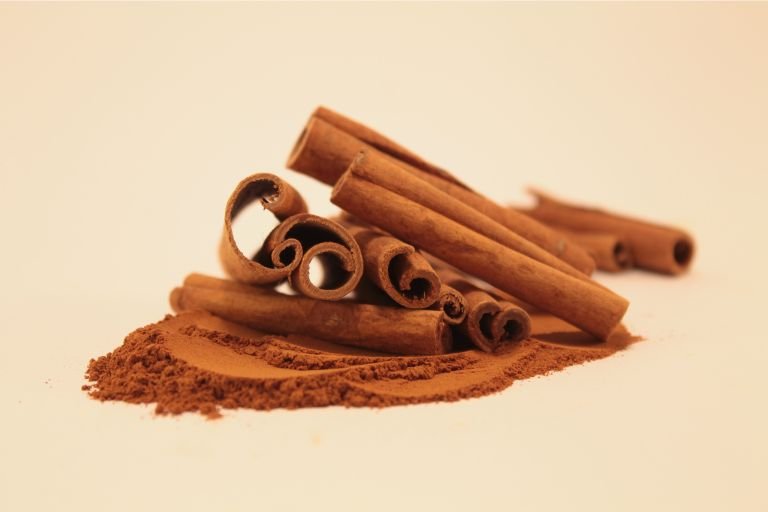
Cinnamon, a popular spice cherished for its warm, aromatic flavor, is a staple in kitchens worldwide. From baked goods to beverages, its versatility is unmatched. But for individuals with acid reflux, the question arises: Is cinnamon acidic, and can it be safely included in a reflux-friendly diet?
In this article, we’ll explore whether cinnamon is acidic, how it affects acid reflux, and the best ways to incorporate it into your diet if you’re prone to reflux symptoms. By understanding its impact, you can enjoy the benefits of cinnamon without discomfort.
What Is Acid Reflux and Why Does It Matter?
What Is Acid Reflux?
Acid reflux occurs when stomach acid flows back into the esophagus, causing irritation and discomfort. This backward flow typically happens when the lower esophageal sphincter (LES)—a muscle that seals off the stomach—weakens or relaxes inappropriately. Common symptoms of acid reflux include:
- Heartburn: A burning sensation in the chest or throat.
- Regurgitation: Sour or bitter-tasting acid backing up into the mouth.
- Bloating and Nausea: Often accompanied by burping or a feeling of fullness.
Chronic acid reflux, known as gastroesophageal reflux disease (GERD), can have more severe implications, such as damage to the esophagus if left untreated.
Why Diet Plays a Crucial Role?
Diet is a cornerstone of acid reflux management. Certain foods can worsen symptoms by:
- Increasing stomach acid production.
- Relaxing the LES.
- Irritating the esophageal lining.
Conversely, choosing reflux-friendly foods can help minimize discomfort and improve quality of life. Let’s examine where cinnamon falls on this spectrum.
Author Tip: 7-Day Meal Plan For Gastritis
Is Cinnamon Acidic or Alkaline?
The pH of Cinnamon
Cinnamon has a neutral to slightly alkaline pH, typically around 7.0-7.5. This means it is not classified as acidic, making it less likely to directly trigger acid reflux symptoms. However, its potential effects on reflux are more complex than just its pH level.
Why Cinnamon May Not Trigger Acid Reflux?
- Low Acidity: As a neutral or slightly alkaline spice, cinnamon is unlikely to irritate the esophagus like highly acidic foods (e.g., citrus or tomatoes).
- Anti-Inflammatory Properties: Cinnamon contains compounds like cinnamaldehyde, which have anti-inflammatory effects that may soothe the digestive system.
- Moderate Usage: When used sparingly, cinnamon rarely causes discomfort, even for those with acid reflux.
When Cinnamon Might Aggravate Acid Reflux?
While cinnamon itself is not acidic, certain factors can make it problematic for acid reflux sufferers:
- Consumption in Large Quantities: Overuse of cinnamon, especially in powdered form, can irritate the stomach lining.
- Pairing with Trigger Foods: Cinnamon is often combined with sugar, chocolate, or high-fat dairy—common reflux triggers.
- Individual Sensitivities: Some individuals may have a unique sensitivity to cinnamon, resulting in discomfort or reflux-like symptoms.
Health Benefits of Cinnamon
Nutritional Value of Cinnamon
Cinnamon is low in calories but packed with antioxidants and beneficial compounds. A teaspoon (2.6 grams) of cinnamon contains:
- Calories: 6
- Fiber: 1.4 grams
- Manganese: 11% of the daily recommended intake
- Calcium: 26 mg
- Potassium: 11 mg
How Cinnamon Supports Digestive Health?
- Anti-Inflammatory Properties: Reduces inflammation in the stomach and digestive tract.
- Antioxidant Power: Protects cells from oxidative stress, which can reduce overall inflammation in the body.
- Supports Metabolism: Cinnamon may help regulate blood sugar levels, promoting metabolic health.
- Promotes Healthy Digestion: Its natural carminative properties can help alleviate gas and bloating.
How Cinnamon Affects Acid Reflux?
Potential Benefits of Cinnamon for Acid Reflux
Following are the potential benefits of cinnamon for acid reflux:
- Soothing the Digestive Tract: The anti-inflammatory properties of cinnamon may provide relief for minor stomach irritation.
- Neutral pH: Being non-acidic, cinnamon does not increase stomach acidity or exacerbate reflux symptoms.
- Natural Flavor Enhancer: Cinnamon can replace acidic flavorings like vinegar or citrus in recipes, making meals more reflux-friendly.
Situations Where Cinnamon May Worsen Symptoms
- High Quantities: Excessive consumption of cinnamon, especially in powdered form, may irritate the stomach lining or esophagus.
- Combination with Triggers: When used in dishes with high-fat or high-acid ingredients, cinnamon may indirectly contribute to reflux.
- Pre-Packaged Products: Cinnamon-flavored snacks, drinks, or desserts often contain other reflux triggers like sugar, caffeine, or artificial additives.
Tips for Consuming Cinnamon Safely
1. Use in Moderation
Stick to small amounts (e.g., a teaspoon) to enjoy the flavor and benefits without risking irritation.
2. Avoid Reflux-Triggering Pairings
Combine cinnamon with reflux-friendly ingredients such as oatmeal, almond milk, or bananas, instead of high-fat or sugary foods.
3. Choose High-Quality Cinnamon
Opt for pure cinnamon (Ceylon cinnamon is preferred) over heavily processed or artificially flavored products.
4. Incorporate Into Alkaline Meals
Add cinnamon to smoothies, herbal teas, or baked goods made with alkaline ingredients to balance your meals.
Reflux-Friendly Alternatives to Cinnamon
If cinnamon doesn’t agree with your digestive system, consider these reflux-friendly alternatives:
- Nutmeg: A milder spice with a slightly sweet flavor.
- Ginger: Known for its anti-inflammatory and digestive benefits, ginger can be a great alternative.
- Cardamom: A fragrant spice that pairs well with both sweet and savory dishes.
- Cloves: Another aromatic spice with soothing properties for digestion.
Explore Cinnamon Recipes: Mini Cinnamon Egg Nog Donuts with an Egg Nog Glaze
Cinnamon Chocolate Cake with Cinnamon Mascarpone Frosting
Apple Cinnamon Raisin Pancakes
Lifestyle Changes to Manage Acid Reflux
1. Adjust Your Eating Habits
- Eat smaller, more frequent meals to avoid overloading the stomach.
- Chew food thoroughly to aid digestion.
2. Avoid Trigger Foods
Limit or eliminate foods that commonly cause reflux, such as fried foods, spicy dishes, and caffeine.
Author Tip: 7 Kinds of Foods to Avoid with GERD
3. Elevate Your Sleeping Position
Sleeping with your head elevated can help prevent nighttime reflux by keeping stomach acid down.
4. Maintain a Healthy Weight
Excess weight puts pressure on the stomach, increasing the likelihood of acid reflux.
Conclusion: Is Cinnamon Safe for Acid Reflux?
Cinnamon is not acidic and is generally safe for individuals with acid reflux when used in moderation. Its neutral pH, anti-inflammatory properties, and versatility make it a valuable addition to a reflux-friendly diet. However, it’s essential to avoid pairing it with trigger foods or consuming it in excessive amounts.
By incorporating cinnamon mindfully, you can enjoy its flavor and health benefits without aggravating reflux symptoms. For personalized dietary advice, always consult a healthcare professional.
FAQs: Cinnamon and Acid Reflux
Q1: Is cinnamon acidic or alkaline?
Cinnamon has a neutral to slightly alkaline pH, making it non-acidic.
Q2: Can cinnamon cause acid reflux?
In small amounts, cinnamon is unlikely to cause acid reflux. However, consuming it in large quantities or pairing it with trigger foods may lead to discomfort.
Q3: Is cinnamon tea good for acid reflux?
Cinnamon tea made with reflux-friendly ingredients like almond milk or water can be soothing and safe for acid reflux.
Q4: What type of cinnamon is best for acid reflux?
Ceylon cinnamon, also known as “true cinnamon,” is considered the best option due to its lower coumarin content.
Q5: What are some reflux-friendly ways to use cinnamon?
Add cinnamon to oatmeal, smoothies, or herbal teas for a safe and flavorful way to include it in your diet.
Related Posts
Subscribe for New Racipies
Get mental health tips, updates, and resources delivered to your inbox.