
Are Mandarins Acidic? Citrus pH for Reflux Sufferers

Medically reviewed by Jaclyn Weiner, RD, RDN, MEd, MS Updated Date: October 15, 2026
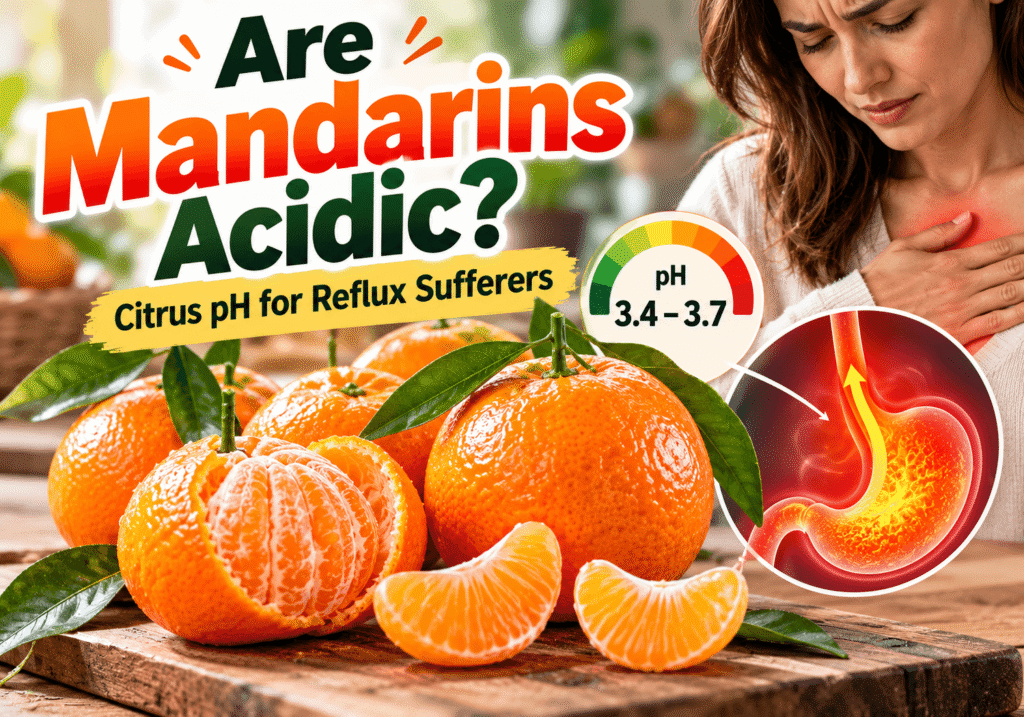
Yes, mandarins are acidic, like all citrus fruits. Mandarin juices measured about pH 3.4 to 3.7 in a study of authentic citrus juices (Karadeniz, 2004), and the FDA lists tangerines, a type of mandarin, at pH 3.32 to 4.48 (FDA). That’s about as acidic as an orange, and far milder than a lemon.
If you live with acid reflux or GERD, the bigger question is whether mandarins will set off your symptoms. The honest answer: it depends on you, the variety, and how ripe the fruit is. This guide breaks down mandarin acidity by type and season, and gives practical tips for trying them without the burn.
Key Takeaways
- Mandarins are acidic, with juice around pH 3.4 to 3.7 and total acid around 0.8% to 1.2% in one study.
- Variety matters. Clementine juice was the mildest mandarin tested; early-season mandarins can reach 2% acid or more.
- Riper is gentler. Acidity drops as mandarins mature on the tree.
- They’re about as acidic as oranges, and roughly 20 to 80 times less acidic than lemons by pH.
- Citrus is a listed reflux trigger, so start small, eat them with a meal, and track how you feel.
- They offer 26.7 mg of vitamin C per 100 g for just 53 calories.
Are Mandarins Acidic? The Short Answer
Yes. Mandarins are citrus, and citrus fruits get their sour taste mostly from citric acid (Karadeniz, 2004). Here’s what the measurements show:
| Sample | pH | Total acid | Source |
| Tangerine (FDA entry) | 3.32–4.48 | Not given | FDA |
| Mandarin juices, 5 varieties | 3.44–3.69 | 0.81%–1.21% | Karadeniz, 2004 |
| Early-ripening mandarins, 6 varieties | Not given | 1.16%–2.19% | Yilmaz et al., 2020 |
The FDA table has no separate “mandarin” entry, so we use its tangerine listing as the closest match.
“Mandarin” is the big family name. Tangerines, clementines, and satsumas are all types of mandarins, and people often use the names interchangeably (UC Riverside). For a closer look at one type, see our guide to whether tangerines are acidic.
How Acidic Are Mandarins by Variety?
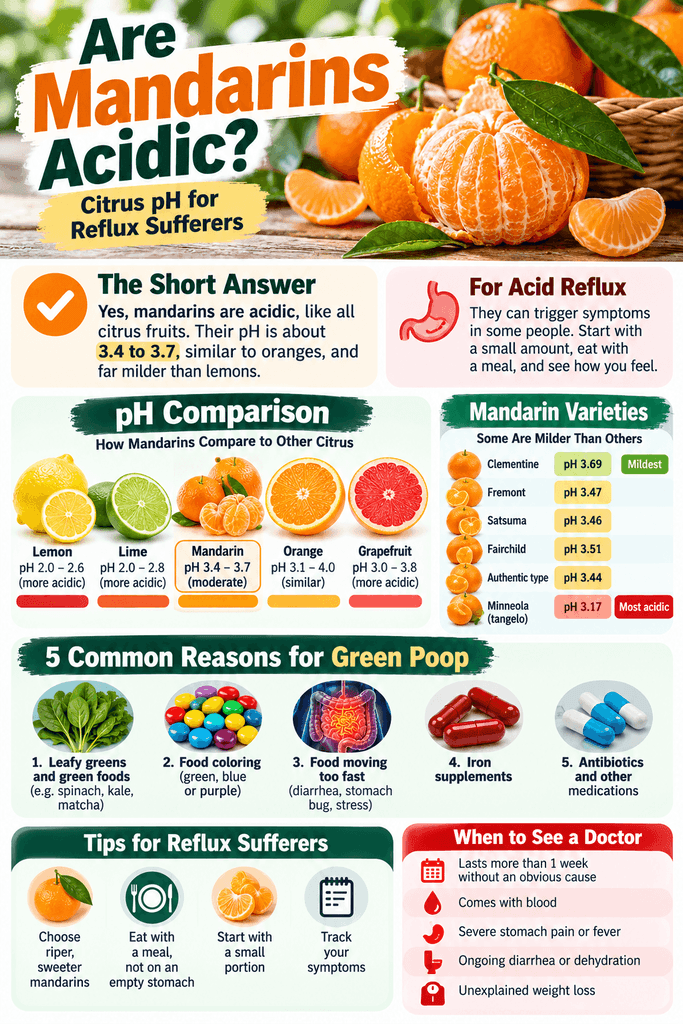
Not all mandarins are equally sour. In the Turkish juice study, acidity varied quite a bit by variety (Karadeniz, 2004):
| Mandarin variety | Juice pH | Total acid (as citric acid) |
| Clementine | 3.69 | 0.81% |
| Fremont | 3.47 | 0.81% |
| Satsuma | 3.46 | 1.00% |
| Fairchild | 3.51 | 1.02% |
| “Authentic” local type | 3.44 | 1.21% |
| Minneola (tangelo, a mandarin hybrid) | 3.17 | 1.40% |
The study reported acid in grams per liter; we converted to percent (g/L ÷ 10).
Clementine stood out as the gentlest: it had the highest pH and the lowest acid of the group. It also had an unusual acid profile. Its juice contained more malic acid (12.15 g/L) than citric acid (6.05 g/L), the reverse of most citrus (Karadeniz, 2004).
Minneola, a tangelo, was the sharpest. If you’re sensitive, that’s one to approach carefully.
Are Early-Season Mandarins More Acidic?
Often, yes. Mandarins lose acid as they ripen. A Brazilian study of several mandarin varieties explains that during maturation, sugars rise and titratable acidity falls, and that for some early varieties, ripeness depends mainly on that loss of acidity (Brugnara, 2019).
The numbers can be striking. A study of six early-ripening mandarins grown in Turkey found 1.16% to 2.19% total acid even at optimum harvest (Yilmaz et al., 2020). That top value is more than double the 0.81% measured in clementine juice. In Nepal, researchers recommended harvesting Okitsuwase mandarins in early-to-mid September, when acidity had fallen to 0.98% (Chalise et al., 2017).
University of California postharvest experts list a soluble solids-to-acid ratio of 6.5 or higher as part of the maturity standard for mandarins (Arpaia & Kader, UC Davis). In plain terms, a properly ripe mandarin has enough sugar to balance its acid.
For reflux sufferers: if a mandarin tastes noticeably sour, it’s likely higher in acid. Sweeter, fully ripe fruit is the gentler pick.
Are Mandarins More Acidic Than Oranges and Tangerines?
They’re in the same range. In the same juice study, orange juices measured pH 3.22 to 3.48 with 1.11% to 1.56% total acid, while most mandarin juices measured pH 3.44 to 3.69 with 0.81% to 1.21% acid (Karadeniz, 2004). So in that study, mandarins were slightly milder than oranges.
The FDA ranges tell a similar story (FDA):
| Citrus fruit | Approximate pH (FDA) |
| Lemon juice | 2.00–2.60 |
| Lime | 2.00–2.80 |
| Grapefruit | 3.00–3.75 |
| Tangerine (mandarin) | 3.32–4.48 |
| Kumquat, Florida | 3.64–4.25 |
| Oranges, Florida | 3.69–4.34 |
A mandarin around pH 3.9 is roughly 20 to 80 times less acidic than lemon juice or limes, since each step on the pH scale is a tenfold change. Mandarins sit right next to tangerines and kumquats at the mild end of the citrus family.
How Acidic Are Mandarins Compared to Other Fruits?
Here’s how mandarins compare with other fruits we’ve covered (FDA):
| Fruit | Approximate pH |
| Passion fruit pulp (studies) | About 2.4–3.2 |
| Pineapple | 3.20–4.00 |
| Tangerine (mandarin) | 3.32–4.48 |
| Mangoes, ripe | 3.40–4.80 |
| Guava, fresh (studies) | About 3.7–4.2 |
| Starfruit (studies) | About 3.9–4.6 |
| Mangosteen (UC Davis) | 4.5–5.0 |
| Bananas | 4.50–5.20 |
| Lychee | 4.70–5.01 |
| Longan (UC Davis) | About 6.2–6.7 |
Source: FDA, Approximate pH of Foods and Food Products; passion fruit, guava, starfruit, mangosteen, and longan from the studies and fact sheets cited in our individual fruit guides.
- More acidic than mandarins: lemons, limes, and passion fruit.
- Similar range: pineapple, mangoes, guava, and starfruit.
- Less acidic than mandarins: mangosteens, lychees, rambutans, longans, bananas, persimmons, and dragon fruit.
For the full list, see our complete guide to acidic foods.
Are Mandarins Too Acidic for Acid Reflux?
They can be, but not for everyone. The National Institute of Diabetes and Digestive and Kidney Diseases (NIDDK) lists citrus fruits among the foods that may make reflux worse, along with tomatoes, alcohol, chocolate, coffee and caffeine, high-fat foods, mint, and spicy foods (NIDDK). Mandarins are citrus, so they belong on that list.
But a “possible trigger” isn’t a guaranteed one. The American College of Gastroenterology’s 2022 guideline recommends that people with GERD identify their own triggers instead of following a long, blanket avoid-list, and avoid eating within 2 to 3 hours of bedtime (Katz et al., 2022). Plenty of people with reflux can eat a mandarin after lunch without trouble. Others react to even a few segments.
A Reflux-Friendly Way to Try Mandarins
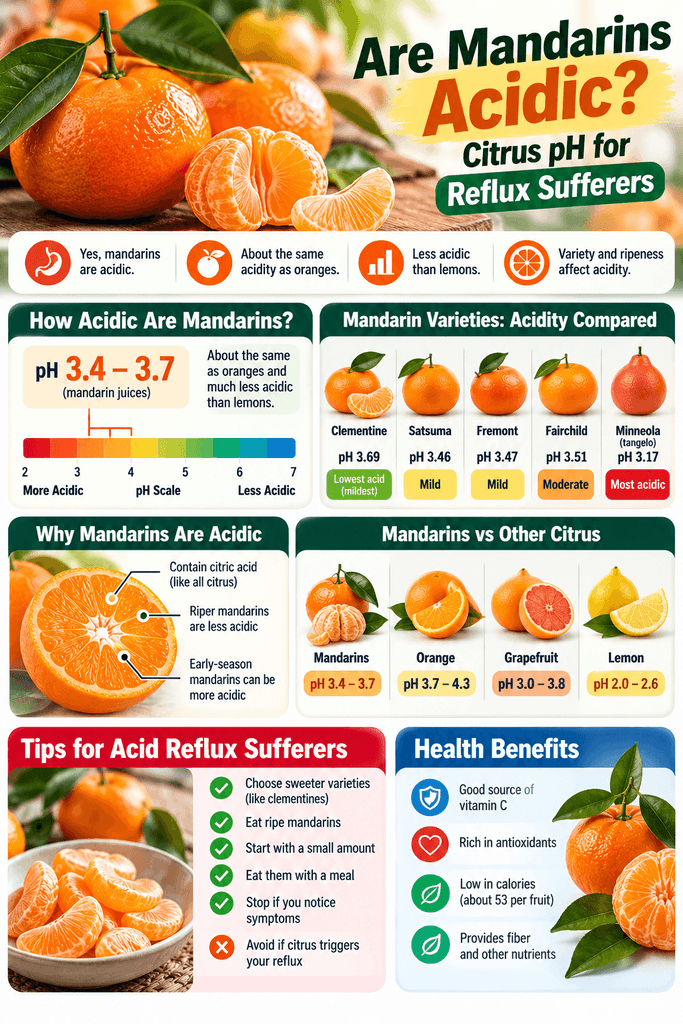
If you want to test mandarins, go slowly:
- Pick a good day. Try them when your symptoms are calm, not during a flare.
- Start with 2 or 3 segments, not a whole fruit.
- Eat them with or right after a meal, not on an empty stomach.
- Choose whole segments over juice. A glass of juice delivers more acid at once.
- Pair them with gentle foods like oatmeal, Greek yogurt, or cottage cheese.
- Stop eating at least 3 hours before lying down, as NIDDK suggests for nighttime symptoms (NIDDK).
- Write down how you feel over the next few hours. A simple food log makes it easier to spot your personal triggers.
Which Mandarins Are Least Acidic for Reflux?
Based on the studies above:
- Clementines were the mildest mandarin juice tested (pH 3.69, 0.81% acid).
- Fully ripe, sweet fruit is likely gentler than early-season or sour-tasting fruit, since acidity falls as mandarins mature.
- Tangelos like Minneola were the sharpest and may be the hardest on reflux.
If mandarins still bother you, try lower-acid fruits like bananas, longans, or lychees, and check our list of foods to avoid with GERD. See your doctor if you have heartburn more than twice a week, trouble swallowing, or symptoms that don’t improve.
Are Mandarins Acidic Enough to Hurt Your Teeth?
Eaten often, they can contribute to enamel wear. The American Dental Association says how often and how long your teeth are exposed to acid is what matters. It recommends eating acidic foods with meals, rinsing with water or having milk or cheese afterward, and waiting about an hour before brushing (American Dental Association). Snacking on mandarins one after another all afternoon is harder on enamel than eating one with lunch. See also whether apples are good for your teeth.
Mandarins, Mouth Sores, and Gastritis
- Mouth sores: Mayo Clinic lists spicy or acidic foods among possible canker sore triggers (Mayo Clinic). Skip mandarins until a sore heals.
- Gastritis: Citrus is often uncomfortable for people with gastritis. Consider avoiding mandarins until symptoms settle, and try our 7-day meal plan for gastritis for gentler ideas.
Mandarin Nutrition
Per 100 grams of raw mandarin oranges (tangerines), USDA lists (USDA FDC 169105):
| Nutrient | Per 100 g |
| Water | 85.2 g |
| Calories | 53 |
| Carbohydrates | 13.3 g |
| Fiber | 1.8 g |
| Sugars | 10.6 g |
| Vitamin C | 26.7 mg |
| Potassium | 166 mg |
| Calcium | 37 mg |
| Vitamin A (RAE) | 34 µg |
- Vitamin C: 26.7 mg per 100 g covers about 30% to 36% of the adult daily recommendation of 75 to 90 mg (NIH Office of Dietary Supplements).
- Low calorie: At 53 calories and 85% water per 100 g, mandarins are a light snack.
- Natural sugar: 10.6 g per 100 g. For general fruit-and-blood-sugar guidance, see whether apples are good for diabetics.
Acid-Smart Mandarin Ideas
If mandarins agree with you, these ideas pair them with creamy or mild ingredients:
- Yogurt bowl or smoothie: Add segments to our fruit yogurt shake or serve them over our whipped ricotta with mixed berries.
- Citrus salad: Use mandarin segments in our citrus salad.
- Lassi: Swap mandarin for blood orange in our blood orange cinnamon lassi.
- Baking: Use mandarin zest in our orange basil scones.
- Candied peel: Try our candied citrus peel or chocolate-dipped candied orange peel with mandarin peel. Note that chocolate is also a listed reflux trigger.
The mandarin swaps haven’t been tested in our kitchen, so adjust to taste.
Frequently Asked Questions
Are mandarins acidic or alkaline?
Mandarins are acidic. Mandarin juices measured pH 3.44 to 3.69 in one study, and the FDA lists tangerines at pH 3.32 to 4.48.
Can I eat mandarins with GERD?
Many people can in small amounts. Citrus is a common trigger, so start with a few segments after a meal, avoid them late at night, and stop if you notice symptoms.
Are canned mandarin oranges acidic?
Yes, they’re still citrus. We couldn’t find published pH data for canned mandarin oranges, and the FDA table doesn’t list them. Syrup makes them taste sweeter, but sweetness doesn’t remove the fruit’s acid.
Are clementines less acidic than other mandarins?
In one juice study, yes. Clementine juice had the highest pH (3.69) and the lowest acid (0.81%) of the mandarins tested. Ripeness still matters.
Is mandarin juice bad for acid reflux?
It can be harder on reflux than whole segments, because a glass delivers more acid at once. If you’re sensitive, stick to a few whole segments with a meal.
The Bottom Line: Are Mandarins Acidic?
Mandarins are acidic, with juice around pH 3.4 to 3.7, about the same as oranges and far milder than lemons. Clementines and fully ripe, sweet fruit tend to be gentlest, while early-season fruit and tangelos like Minneola are sharper.
For reflux sufferers, mandarins don’t have to be off-limits. Try a few segments with a meal on a calm day, skip them before bed, and let your own symptoms guide you.
Keep exploring with Are Tangerines Acidic?, Are Kumquats Acidic?, Are Limes Acidic?, or our complete guide to acidic foods.
Medical disclaimer: This article is for general information only and isn’t a substitute for professional medical advice. If you have frequent heartburn, GERD, gastritis, or mouth sores that don’t heal, talk with your doctor or a registered dietitian.
References
- U.S. Food and Drug Administration. Approximate pH of Foods and Food Products. https://riverstonehealth.org/wp-content/uploads/FDA-Approximate-pH-of-Foods.pdf
- Karadeniz, F. (2004). Main organic acid distribution of authentic citrus juices in Turkey. Turkish Journal of Agriculture and Forestry, 28, 267–271. https://aj.tubitak.gov.tr/agriculture/issues/tar-04-28-4/tar-28-4-8-0310-2.pdf
- Yilmaz, B., Cimen, B., Zarifikhosroshahi, M., Yesiloglu, T., Incesu, M., & Kafkas, E. (2020). Fruit quality and biochemical characteristics of some early ripening mandarin varieties. Fruits, 75(4), 145–152. https://revues.cirad.fr/index.php/fruits/article/download/37338/37328/44477
- Brugnara, E.C. (2019). Maturation of early-ripening mandarin as affected by scion and rootstock cultivars in western Santa Catarina, Brazil. Revista Ceres, 66(4), 249–256. https://scielo.br/j/rceres/a/kCY4N9W9r59XTTxJ3fcNdhw/?lang=en
- Chalise, B., Pun, T.B., & Acharya, U.K. (2017). Identification of suitable harvest date of Okitsuwase mandarin under the mid-hill regions of Nepal. Nepalese Horticulture, 12(1). https://horticulturenepal.org/chapter/identification-of-suitable-harvest-date-of-okitsuwase-mandarin-under-the-midhill-regions-of-nepal
- Arpaia, M.L., & Kader, A.A. Mandarin/Tangerine: Recommendations for Maintaining Postharvest Quality. UC Davis, Perishables Handling Quarterly #98 (1999). https://hortscans.ces.ncsu.edu/uploads/p/r/produce__51a51534157c7.pdf
- UC Riverside CNAS (2019). What’s with those little seedless holiday tangerines? https://cnas.ucr.edu/media/2019/12/19/ive-always-wondered-whats-those-little-seedless-holiday-tangerines
- USDA FoodData Central. Tangerines (mandarin oranges), raw (FDC 169105). https://fdc.nal.usda.gov/fdc-app.html#/food-details/169105/nutrients
- NIH Office of Dietary Supplements. Vitamin C fact sheet. https://ods.od.nih.gov/factsheets/VitaminC-HealthProfessional/
- NIDDK. Eating, Diet, & Nutrition for GER & GERD. https://www.niddk.nih.gov/health-information/digestive-diseases/acid-reflux-ger-gerd-adults/eating-diet-nutrition
- Katz, P.O., et al. (2022). ACG Clinical Guideline for the Diagnosis and Management of GERD. Am J Gastroenterol, 117(1), 27–56. https://doi.org/10.14309/ajg.0000000000001538
- American Dental Association (MouthHealthy). Dietary Acids and Your Teeth. https://www.mouthhealthy.org/all-topics-a-z/dietary-acids-and-your-teeth
- Mayo Clinic. Canker sore: Symptoms & causes. https://www.mayoclinic.org/diseases-conditions/canker-sore/symptoms-causes/syc-20370615
Related Posts


Subscribe for New Racipies
Get mental health tips, updates, and resources delivered to your inbox.
Are Pistachios Healthy? Nutrition & Health Benefits

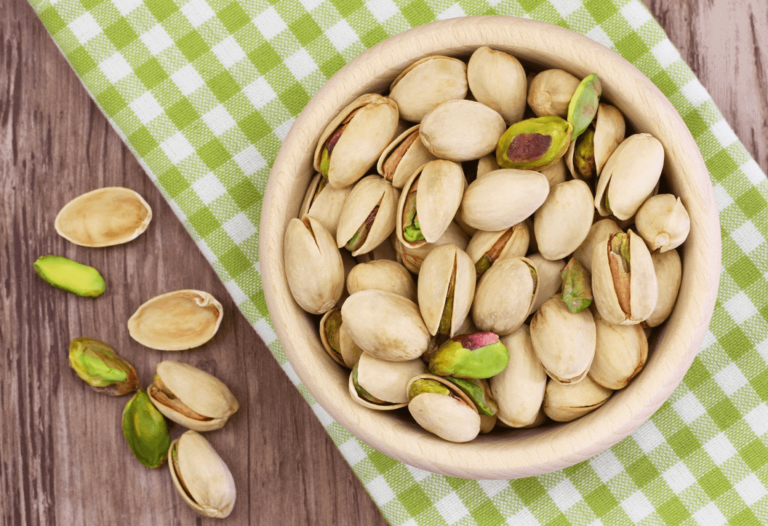
Are you looking for a healthy snack that is full of nutrients and comes with many health benefits? Well, among the array of choices, pistachios stand out. Now, you might wonder, are pistachios truly a healthy option?
Pistachios are full of nutrients such as Calcium, Vitamin B6, Vitamin C, Iron, Magnesium, potassium, etc. And as for the health benefits, it is high in antioxidants, helps you lose weight, promotes various blood health conditions, and reduces many heart-related problems.
That’s not all. The above information is just an overview. If you are willing to learn more about pistachios, stay with us.
Are Pistachios Healthy?
Yes, pistachios are a healthy food. They are a good source of protein, fiber, healthy fats, antioxidants, and vitamins and minerals.
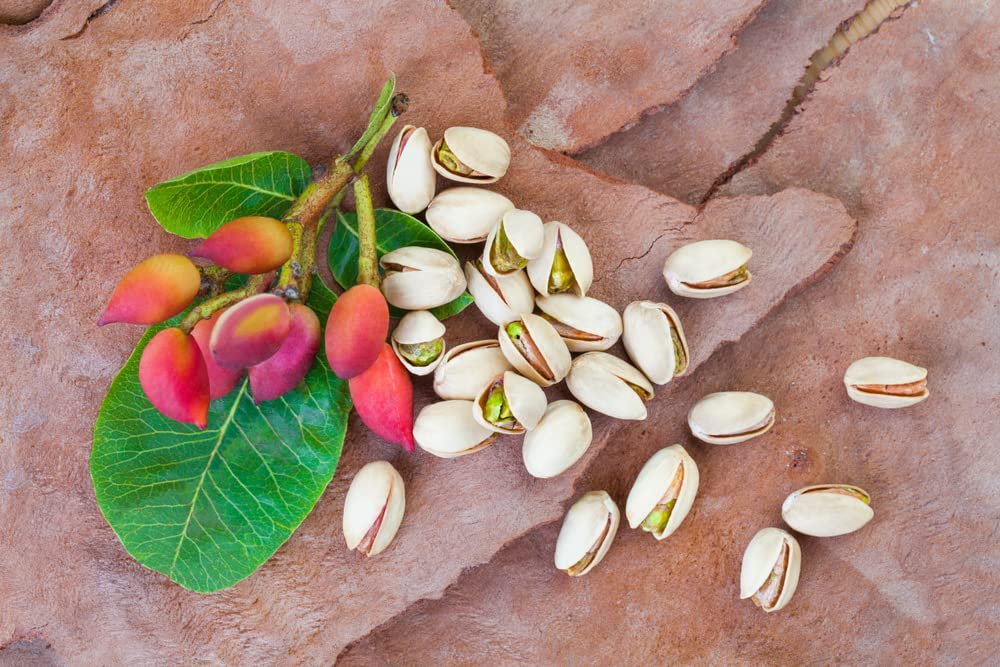
Pistachios are flooded with nutrition which is good for your body. It does not just contain protein and carbohydrates. It’s also a great source of calories, fiber, fat, thiamine, manganese, vitamin b6, calcium, potassium, phosphorus, and copper.
| Nutrient | Amount per 100 grams | Percent Daily Value (%DV) |
| Calories | 557 | 28 |
| Fat | 47.4 grams | 73% |
| Saturated fat | 6.4 grams | 32% |
| Polyunsaturated fat | 11.9 grams | – |
| Monounsaturated fat | 28.2 grams | – |
| Sodium | 95 milligrams | 4% |
| Carbohydrates | 27.3 grams | 9% |
| Fiber | 10.6 grams | 42% |
| Sugar | 8.2 grams | |
| Protein | 20.7 grams | 41% |
| Vitamin A | 0% | – |
| Vitamin C | 0% | – |
| Calcium | 136 milligrams | 14% |
| Iron | 4.2 milligrams | 23% |
| Potassium | 1072 milligrams | 31% |
| Magnesium | 292 milligrams | 73% |
| Phosphorus | 456 milligrams | 45% |
| Manganese | 2.2 milligrams | 96% |
| Copper | 1.6 milligrams | 89% |
| Thiamin | 0.8 milligrams | 53% |
| Vitamin B6 | 1.1 milligrams | 55% |
In hundred grams of pistachio, you will get this much nutritious value; the main thing is the calories and protein you are getting, which are respectively 557 and 20.7 g.
These percentages are based on “Reference Daily Intake.” These help you to maintain the proper blood and hemoglobin regulation.
There must be many benefits for all those nutrients, right? Let’s take a look at that!
Pistachio Health Benefits
The benefits list of pistachios is long, and this will take some time. Pistachios have many benefits that help keep your body healthy, lose weight, and keep you in shape.
Besides, preventing diseases, maintaining regular blood circulation, and building muscle is also on the benefits list.
Did I mention the other benefits? Well, let’s get into it.
Rich in Nutrients
As discussed in the previous section, pistachios contain various nutrients, such as thiamine, manganese, vitamin b6, calcium, potassium, phosphorus, and copper.
Thiamine is a vitamin b-1, which helps your body consume energy from all other nutrients. Also, it maintains the development of your blood cells.
On the other hand, manganese, calcium, potassium, phosphorus, and copper help your body to,
- Increase and development of tissue, bones, proper and hormones.
- Proper brain function and nerve system.
- Build strong muscles and repair damaged cells.
- Prevent high blood pressure and diabetes.
- Regulate proper heartbeat.
- Maintain and increase the immune system and blood function.
Besides these, there is more!
High In Antioxidants
Do you know antioxidants can reduce the risk of cancer or heart diseases? Or any diseases?
As we know, you will find lutein, γ-Tocopherol, and zeaxanthin in the pistachios. Gamma tocopherol helps reduce the risks of diseases and also minimizes the possibility of brain disorders such as Alzheimer’s.
On the other hand, lutein and zeaxanthin are great for the health of your eyes. Those improve your visual sensitivity to the eyes, enhance vision sharpness, protect your eye tissues from sunlight damage, and so on.
Low In Calories
Usually, nuts are filled with high calories. But pistachios have low calories compared to other nuts in this category.
28 grams of pistachios contain;
- One hundred fifty-nine calories. Which is very low, 20%, compared to other nuts.
- Contain 20% of the weight.
- A high amount of amino acid helps your body dilate blood vessels.
Aid Weight Management
Pistachios can help you in the journey of weight management. Those can help you gain weight and even lose weight.
Let’s see first how it can help you lose weight. As we know, pistachios have fiber and protein. What these do is give you a feeling of fullness. And you don’t have the urge to eat more.
A study shows that people who eat pistachios regularly have lower body mass index. One of the reasons for this could be that the fat item doesn’t release from the pistachios wall. It results in not digesting the fat.
On the other hand, pistachios can also be a reason for gaining weight. As they are a go-to snack item, you can eat them in large amounts.
Even though they contain fewer calories, eating more than what you should cause you to consume too many calories. If you cannot lose those calories, you might gain weight.
Promote Blood Health
Pistachios help your blood health on many levels, such as blood sugar control, improved blood pressures level, lower cholesterol level, and blood vessel health.
A study shows that pistachios help the good cholesterol to increase and bad cholesterol to decrease. It also helps improve the blood pressure level.
Besides, pistachios have endothelium in them. And guess what! Endothelium reduces vasodilation which results in decreasing blood flow, which results in promoting blood vessel health.
That’s not all! Antioxidants in the pistachios help lower the blood sugar level and overall blood sugar health.
High In Protein For Vegans And Vegetarians
In 28 grams of pistachios, there are 6 grams of protein. Besides, it contains a good amount of amino acids, making it perfect for vegans and vegetarians.
Pistachios provide enough calories and protein to make you feel full. And give them the energy to go through. As a bonus, it helps manage their weight.
Important For Heart Health
As we know, it contains amino acids, which lowers cholesterol level. And that results in reducing the possibility of heart diseases such as heart attack.
Pistachios are also filled with fiber, which makes them the perfect snack for a heart-healthy option.
Reduce Colon Cancer Risk
Do you know pistachios can reduce colon cancer risk as well? It’s true. As it contains high fiber, it can help lower cholesterol and reduce the risk of colorectal and colon cancer.
Besides, it can help you lose and maintain a healthier weight over time.
Beneficial For Gut Health
Improving gut health is one of the most significant benefits of pistachios. First, it contains a high amount of fiber and moves your gut undigested.
Therefore, there are gut bacteria that turn them into fatty acids. That helps to reduce and improve the digestive system and other heart diseases.
Besides, it also increases the number of good bacteria, which pushes out harmful bacteria. This maintains the balance and makes your gut healthier.
What’s The Healthiest Way To Eat Pistachios?
Pistachios are great as a snack containing vitamin E, B vitamins, copper, and iron. And it also helps with mindfulness and maintaining weight. But there are some ways to consume this:
- You can make pesto with it. Then eat this with fish bread or salad or trail mix.
- Use it as a nut-based crust with cream pie, especially coconut lime cream pie.
- Crushed pistachios in muffins or banana bread and also cookies.
- Pesto mixed with olive oil and fresh basil.
- Use as salad toppers.
You can follow these to consume pistachios more healthily.
Pistachio Side Effects
We have already discussed all the nutrition facts and how pistachios can be beneficial for your body. But there are some side effects also that we should consider.
One of the significant side effects is high blood pressure. Besides, taking large amounts of pistachios can cause high blood sodium levels, hypertension, and fainting.
As we know, pistachios contain a high level of fiber. It can directly affect your digestive system, causing allergies, nausea, and itchiness.
Another significant side effect is inducing the risk of kidney stones, weight gain, increased risk of heart disease, and bowel problems. Also, high manganese levels in pistachios can be problematic for pregnant women.
So, be careful while consuming pistachios and don’t take too much all at once.
FAQs
Are pistachios good for weight loss?
Yes, pistachios are good for weight loss. Pistachios are full of protein and calories. So, consuming these can give you the feeling of fullness and lead you to consume less food.
Are pistachios fattening?
Yes, pistachios can be fattening if you take too many pistachios. Pistachios contain a high amount of calories and fat. So if you cannot lose those calories, this might cause fattening.
Do pistachios cause constipation?
No, pistachios don’t cause constipation. As we know, pistachios are rich in fiber, easing the process of constipation.
How many pistachios a day to lower cholesterol?
There is no exact amount of how many pistachios you should take. But you can take three to four ounces or two to three pistachios daily, lowering cholesterol levels.
Conclusion
We hope the answer to the question, are pistachios healthy or not. Pistachios are rich in nutrients such as thiamine, manganese, vitamin b6, calcium, potassium, phosphorus, and copper.
Pistachios also come with many health benefits. It can help you improve your weight management, promote blood health and reduce the risk of many diseases. Though, don’t take too many pistachios, which can lead to many side effects.
Good luck!
Related Posts






Subscribe for New Racipies
Get mental health tips, updates, and resources delivered to your inbox.