
Are Pecans Acidic? Understanding Pecans and Acid Reflux

Medically reviewed by Aneeza Pervez Updated Date: January 5, 2026

Pecans are a delicious and nutrient-rich nut enjoyed by many. Known for their health benefits, they are often included in various recipes and consumed as snacks.
However, for individuals dealing with acid reflux or GERD (gastroesophageal reflux disease), it’s important to understand how certain foods, like pecans, impact digestive health.
In this article, we’ll explore whether pecans are acidic, how they interact with acid reflux, and provide tips for including them in a reflux-friendly diet.
What Makes Pecans Non-Acidic?
Pecans fall into the alkaline-forming category. Unlike many acidic foods, pecans have a higher pH when metabolized in the body, meaning they do not directly increase stomach acidity.
Foods that are alkaline-forming can help neutralize excess acid in the stomach and may offer relief to individuals prone to acid reflux.
Related to Read: Are Pecans Good for Acid Reflux?
Nutritional Benefits of Pecans
Pecans are packed with essential nutrients like healthy fats, fiber, vitamins (such as vitamin E and magnesium), and minerals. According to research, these benefits include:
- Heart Health: Healthy fats in pecans can support cardiovascular health.
- Weight Management: The fiber in pecans helps promote a feeling of fullness.
- Antioxidant Properties: Pecans contain antioxidants that combat inflammation and reduce free radicals.
Despite these benefits, the fat content in pecans can sometimes cause discomfort for those with acid reflux, as high-fat foods may slow digestion and relax the lower esophageal sphincter (LES).
How Pecans Impact Acid Reflux?
Although pecans are not acidic, they do contain healthy fats and fiber. These nutrients can lead to bloating or fullness in some individuals, which may result in:
- Bloating
- Gas
- Indigestion
- Heartburn
For those with acid reflux, portion control is essential, and consuming large amounts of pecans without proper balance may trigger symptoms.
Author Tip: 7 Kinds of Foods to Avoid with GERD
Tips for Eating Pecans with Acid Reflux
Here are some helpful tips to enjoy pecans without exacerbating acid reflux:
- Consume in Moderation: Stick to small portions, like a handful (about 28 grams), to avoid overloading your system with fats.
- Pair with Alkaline Foods: Combine pecans with alkaline foods such as leafy greens, cucumbers, or bananas to neutralize any potential acidity.
- Avoid Fried or Sweetened Pecans: Opt for raw or lightly roasted pecans, as fried or sweetened varieties contain unhealthy fats and sugars that may trigger reflux.
- Listen to Your Body: Pay attention to how your body responds after eating pecans. Adjust your consumption accordingly based on your body’s reaction.
- Stay Hydrated: Drink water after consuming pecans to help with digestion and prevent discomfort.
Conclusion
Pecans are alkaline-forming and are unlikely to directly cause acid reflux. However, they do contain fats and fiber that could potentially lead to digestive discomfort for some individuals.
By consuming pecans in moderation, balancing with alkaline foods, and being mindful of your body’s reaction, you can enjoy their health benefits without increasing the risk of acid reflux.
Related Posts


Subscribe for New Racipies
Get mental health tips, updates, and resources delivered to your inbox.
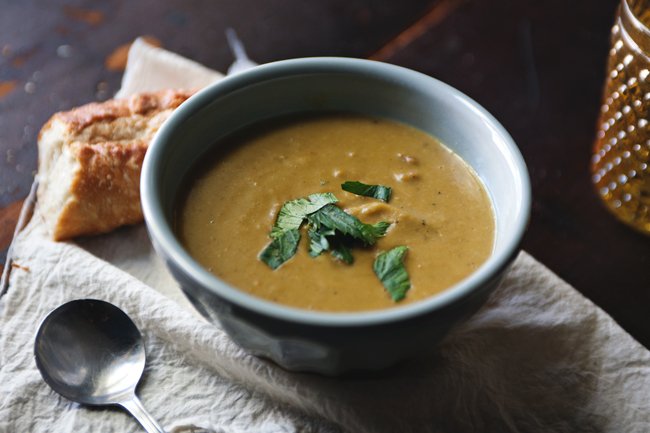
Split Pea Soup, Round And Whole And Filling

Chris and I split a can of clam chowder the other day. You know, the readymade stuff. I’d forgotten how convenient it was to prepare. You just slap it into a pot and let it come to a boil, and then it’s ready. I’d also forgotten how much I liked it. I hope you’re not shaking your head, shuddering at all the preservatives and chemicals we consumed. Seriously, when you’re in the need for a quick soup fix, canned clam chowder always hits the spot.
And with that, soup season officially began.
After the clam chowder, I immediately found myself craving split pea soup, which I didn’t realize involved tossing a part of a pig into a pot to simmer alongside green split peas and other ingredients. There’s something elusively tantalizing about the smell of smoked meat—it feels round. Round and whole and filling. I think it strikes an instinctual cord in me, the part that huddles as close to a fire as possible until the flames practically lick my hands. No, maybe not that close. I’m a tiny bit afraid of fire.

This soup is a mishmash of legume and vegetables, too. You know what they do? They soften, and sort of melt. The immersion blender finishes the job. The result reminds me of baby food. Green pea puree or something along those lines. Soupy mush in that rare not-quite-yellow, not-quite-green color. Winsome description, I know. But the flavor! I’m not so sure a baby would be able to handle such a taste explosion; it would be too much to process.
I hope you make a huge pot of this soup on a chilly day. You might want to open a couple windows, you’ll be so warmed to the soul.

SPLIT PEA SOUP
Adapted from Bon Appétit
Serves 6
Ingredients:
2 Tbsp butter
1 medium onion
2 cloves garlic
1 cup chopped celery
1 cup chopped peeled carrots
1-1/2 lbs. smoked pork hocks
2 tsp dried marjoram
1 tsp dried oregano
2 cups green split peas
6 cups water
Directions:
Melt butter in heavy large pot or Dutch oven over medium-high heat. Add onion, garlic, celery, and carrots. Sauté until vegetables begin to soften, about 8 minutes. Add pork, marjoram, and oregano; stir 1 minute. Add peas, then water, and bring to boil.
Reduce heat to medium-low. Partially cover pot; simmer soup until pork and vegetables are tender peas are falling apart, stirring often, about 1 hour and 10 minutes.
When ready, remove hocks. Using an immersion blender or regular blender (being careful not to overfill it), puree the soup. Cut pork off bones, dice it, and return to soup. Season with salt and pepper.
Related Posts
Subscribe for New Racipies
Get mental health tips, updates, and resources delivered to your inbox.