
Are Shrimp Healthy? Exploring Nutritional Benefits

Medically reviewed by Dima Bader, MS, Oral Medicine and Pathology Updated Date: January 5, 2026

Many seafood lovers often wonder: Are shrimp healthy? This popular shellfish is a staple in many diets, but questions about cholesterol and nutrition persist. In this guide, we explore the nutritional benefits, potential downsides, and best ways to eat shrimp for a balanced diet.
What’s for dinner? When in doubt, just add shrimp.
Yes, shrimp are a favorite food among people of all ages due to their mild sweetness and saltiness. Furthermore, shrimp have a mild flavor compared to other seafood and don’t have a strong fishy flavor.
In terms of diet, there is a massive demand for shrimp globally. But in this instance, a query might arise: are shrimp healthy enough to have them daily?
Shrimp are healthy. In addition to being high in vitamins, minerals, and proteins, shrimp are also naturally low in carbohydrates and fiber. The presence of omega-3 fatty acids helps to avoid several grave complications. But the amount of cholesterol in shrimp might be something to worry about.
I provided the data in this article to help you decide whether shrimp are a nutritious food to include in your diet.
Let’s see the details.
Nutritional Values Of Shrimp
The nutritional values for a 3-ounce (85-gram) serving of cooked shrimp are as follows:
| Nutrient | Amount |
|---|---|
| Calories | 84 calories |
| Protein | 18 grams |
| Total Fat | 1.5 grams |
| Saturated Fat | 0.3 grams |
| Omega-3 Fatty Acids | 0.23 grams |
| Cholesterol | 179 milligrams |
| Sodium | 111 milligrams |
| Potassium | 190 milligrams |
| Vitamin D | 18.9 micrograms (7% DV) |
| Vitamin B12 | 1.7 micrograms (71% DV) |
| Iodine | 23 micrograms (15% DV) |
| Selenium | 31 micrograms (56% DV) |
| Phosphorus | 156 milligrams (22% DV) |
| Magnesium | 24 milligrams (6% DV) |
| Zinc | 1.2 milligrams (11% DV) |
| Copper | 0.1 milligrams (6% DV) |
| Iron | 1.5 milligrams (8% DV) |
| Vitamin E | 1.1 milligrams (6% DV) |
| Vitamin B6 | 0.1 milligrams (6% DV) |
| Niacin (Vitamin B3) | 1.0 milligrams (5% DV) |
| Riboflavin (Vitamin B2) | 0.1 milligrams (4% DV) |
| Thiamin (Vitamin B1) | 0.0 milligrams (3% DV) |
| Vitamin A | 27 IU (1% DV) |
Please note that these values can vary slightly depending on the cooking method and the specific type of shrimp. Additionally, it’s important to consider any seasonings, sauces, or additional ingredients used in your recipe, as they can affect the overall nutritional content of a shrimp dish.
Is Shrimp Good For You?
Shrimp can be a healthy addition to your diet when consumed in moderation as part of a balanced meal plan. Here are some reasons why shrimp can be considered good for you:
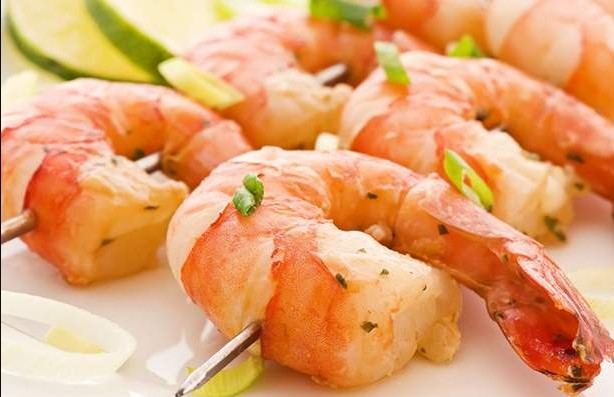
Low in Calories
Shrimp are relatively low in calories, making them a good choice for those looking to manage their calorie intake. A 3-ounce (85-gram) serving of shrimp typically contains around 84 calories.
High in Protein
Shrimp are an excellent source of high-quality protein. They provide about 18 grams of protein per 3-ounce serving, which can help promote muscle growth and repair.
Low in Saturated Fat
Shrimp are low in saturated fat, which is a type of fat associated with an increased risk of heart disease when consumed in excess. They also contain omega-3 fatty acids, which are beneficial for heart health.
Rich in Nutrients
Shrimp are a good source of various essential nutrients such as vitamin B12, iodine, selenium, and zinc. These nutrients play important roles in various bodily functions, including immune system support, thyroid function, and DNA synthesis.
Low in Carbohydrates
Shrimp are naturally low in carbohydrates, which can be beneficial for individuals following low-carb or ketogenic diets.
Omega-3 Fatty Acids
Shrimp contain a small amount of omega-3 fatty acids, which have anti-inflammatory properties and may help reduce the risk of chronic diseases.
However, it’s essential to consider some factors when including shrimp in your diet:
- Cholesterol Content: Shrimp are relatively high in cholesterol, with about 179 milligrams per 3-ounce serving. While dietary cholesterol may have less of an impact on blood cholesterol levels for many people than previously thought, individuals with high cholesterol or specific medical conditions should consume shrimp in moderation.
- Allergies: Some people are allergic to shellfish, including shrimp, and should avoid them entirely. Shellfish allergies can be severe and life-threatening.
- Sustainability: Choosing sustainably sourced shrimp can have environmental benefits. Some shrimp farming practices have raised concerns about their impact on ecosystems and water quality, so consider looking for certifications like the Marine Stewardship Council (MSC) or Aquaculture Stewardship Council (ASC) when purchasing shrimp.
In conclusion, shrimp can be a healthy and nutritious part of your diet when enjoyed in moderation. They offer several health benefits, but should be part of a balanced and varied diet that includes a wide range of foods to ensure you get a diverse array of nutrients.
If you have specific dietary concerns or health conditions, it’s always a good idea to consult with a healthcare professional or registered dietitian for personalized advice.
Shrimp Health Benefits
Shrimp offer several health benefits when consumed as part of a balanced diet. Here are some of the potential health benefits of including shrimp in your meals:
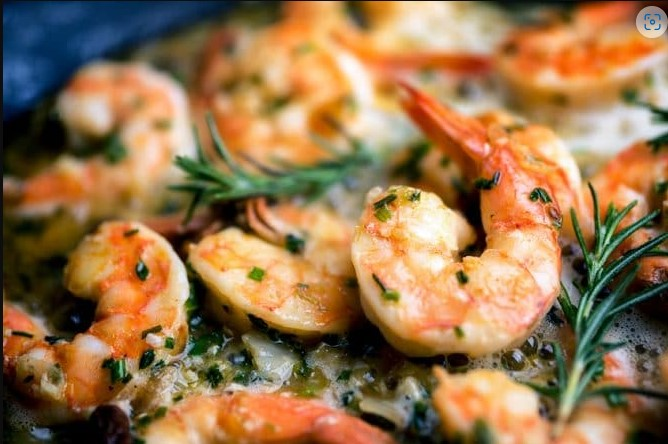
High-Quality Protein
Shrimp are an excellent source of high-quality protein. Protein is essential for muscle growth, repair, and overall body function. Consuming an adequate amount of protein can help you feel full and satisfied, making it useful for weight management.
Low in Calories
Shrimp are relatively low in calories. This makes them a good choice for individuals looking to manage their calorie intake while still getting essential nutrients.
Low in Saturated Fat
Shrimp are low in saturated fat, which is associated with an increased risk of heart disease when consumed in excess. They are also a source of heart-healthy omega-3 fatty acids.
Omega-3 Fatty Acids
Shrimp contain small amounts of omega-3 fatty acids, including EPA (eicosapentaenoic acid) and DHA (docosahexaenoic acid). Omega-3 fatty acids have anti-inflammatory properties and are beneficial for heart health. They may help reduce the risk of heart disease, lower blood pressure, and improve cholesterol levels.
Rich in Nutrients
Shrimp provide essential nutrients such as vitamin B12, iodine, selenium, and zinc. These nutrients play vital roles in various bodily functions, including immune support, thyroid function, and DNA synthesis.
Low in Carbohydrates
Shrimp are naturally low in carbohydrates, making them suitable for people following low-carb or ketogenic diets.
Antioxidants
Shrimp contain antioxidants like astaxanthin, which can help protect cells from oxidative damage. Astaxanthin is responsible for the pink color in some shrimp species.
Bone Health
Shrimp are a source of phosphorus, which is important for bone health, as it contributes to the formation and maintenance of strong bones and teeth.
Weight Management
The high protein content in shrimp can help with weight management by promoting satiety and reducing overall calorie intake.
Aid in Wound Healing
The protein and zinc in shrimp are essential for wound healing and tissue repair.
It’s important to note that while shrimp offer several health benefits, they are also relatively high in dietary cholesterol. However, current dietary guidelines suggest that dietary cholesterol may have a smaller impact on blood cholesterol levels for most people than previously thought.
If you have concerns about cholesterol, it’s a good idea to consult with a healthcare professional or registered dietitian to determine the best dietary choices for your individual health needs.
Additionally, the overall healthiness of shrimp dishes can be influenced by the cooking methods and ingredients used. Grilling, steaming, or boiling shrimp is generally considered healthier than frying them in batter, as frying can add extra calories and unhealthy fats.
Is Frozen Shrimp Healthy?
Shrimp that are advertised as “fresh” are nearly always frozen and subsequently thawed, which means that every minute they spend in the seafood case at your market, they lose taste and freshness.
Frozen shrimp recipes are unquestionably the best option to maximize flavor and cut costs. According to the report, any raw seafood may be contaminated with pathogens like Salmonella, Vibrio, Listeria, and E. coli.
These microorganisms exist in the environment on a natural basis. They will be destroyed by proper cooking, defined as an internal temperature of 145°F for 15 seconds.
Is Shrimp Healthy For Weight Loss?
Shrimps are a fantastic nutritional option for weight loss if appropriately prepared and consumed in moderation, which is the answer to these questions.
They are an excellent choice to burn fat while maintaining lean muscle mass because they are bursting at the seams with protein and necessary minerals. They are also relatively low in calories.
Protein also increases your feeling of fullness, which is crucial for weight loss. Shrimp has a very low carbohydrate and lipid content, which is also suitable for controlling weight. But occasionally, you might want to stay away from shrimp.
Why, then, is shrimp terrible for losing weight, you might wonder. And the reason is that consuming too much protein and not enough carbohydrates might eventually result in many health issues.
Additionally, fried shrimp is not particularly calorie- or health-friendly and could contribute to weight gain, especially if consumed in large quantities.
3 Side Effects of Eating Too Much Shrimp
As you must be aware, not all foods are healthy for everyone. Due to some sensitive issues, the opposite reaction may be seen in healthy food.
Moreover, you should maintain specific quantities and rules while consuming food. Otherwise, the food will have adverse effects on your body. The same can be said for shrimp.
Here are 3 possible side effects of consuming shrimp.
High Cholesterol
The research suggested that the cholesterol in shrimp is more a dietary one, impacting less on blood cholesterol levels. However, eating shrimp in high portions may increase the risk of heart disease.
The Research suggests that your dietary cholesterol should be below 300 milligrams daily. A three-ounce serving of shrimp only contains 140 milligrams.
However, pairing them with food containing saturated fat can impact your cholesterol levels, leading to an unhealthy heart.
Allergic Reactions
You should avoid seafood-like shrimp consumption if you have a shellfish allergy or experience anaphylaxis. In severe cases, the unexpected reaction may cause seizures, which may even be why someone dies if it is not treated immediately.
You may also face hives, itchy skin, congestion, breathing difficulty, swelling, etc. So, try to avoid shrimp if you are allergic to them. And for any symptoms, even tiny ones, consult your doctor.
A Heavy Metal Contamination Risk
High concentrations of heavy metals like mercury and cadmium have been found in shrimp. Shrimp feed from the bottom of the water, and their surrounding environment is susceptible to heavy metal accumulation.
But the presence of metal in the habitat of the farmed shrimp is highly unlikely due to continuous monitoring. Only in that case are farm-raised shrimp safe for consumption.
The risks of metal poisoning can be avoided, though, if you limit the amount of shrimp you eat.
Healthy Ways To Eat Shrimp
Shrimp are wholesome as they are naturally low in carbohydrates and fiber and high in proteins, vitamins, and minerals.
However, you may notice the opposite consequences if you don’t serve them properly. Use techniques like steaming and grilling to cook shrimp that are healthy. Afterward, serve your shrimp alongside salads.
Additionally, you should maintain a certain quantity to reap the full health benefits of shrimp consumption. Remember, moderation is the key.
FAQs
Are shrimp healthy?
Shrimp is incredibly beneficial. Despite being rich in nutrients, they are low in calories, carbohydrates, and fat. Shrimp contain significant minerals, such as selenium, iron, iodine, phosphorus, niacin, zinc, and magnesium. The omega-3 fatty acids in shrimp are also excellent for your heart, brain, and many other organs.
How many shrimp should I eat?
Depending on size, you can eat 10 to 20 small shrimp per day. You must eat shrimp within a specific range to get the best outcomes.
Can shrimp raise your blood pressure?
Omega-3 fatty acids, which are found in shrimp, help to remove harmful cholesterol from the bloodstream. As a result, it can further lower the risk of heart attacks and strokes.
Bottom Line
Are you health-conscious? Are you leaning towards a healthy diet? So, you want to include shrimp in your diet chart. But before consuming it every day, you need to know: Are shrimp healthy?
Shrimp is healthy; you can incorporate it into a diet plan without worry. They are naturally low in carbohydrates and fat and high in vitamins, minerals, and proteins. However, avoiding them is a healthy choice if you are allergic to shellfish.
So add shrimp to your healthy diet to make it even healthier.
Related Posts






Subscribe for New Racipies
Get mental health tips, updates, and resources delivered to your inbox.
Slow-Roasted Tomatoes, and other Weekend Stories

This weekend was beautiful, warm but not hot, today especially. So I took a break from the kitchen.
I bought grapes, the first of the season! While I was sad to learn that my favorite kind, muscat, is not grown in this area, I was delighted to discover many other varieties that smelled like perfume and tasted as sweet as candy. Apparently a lot of grapes are grown up near Ithaca. That’s not so very far away from here, is it?
I saw a man walking nonchalantly by my favorite home on Manhattan. It’s beautiful, and he didn’t even bat an eye. Maybe he walks by it all the time, maybe he lives just a few doors down, maybe he has no appreciation for lush, gorgeous ivy covering a stately brick exterior. Or maybe I’m just particularly sensitive towards the aesthetically pleasing. All I know is, whenever I pass it, I have stop, sigh, and admire.
I went to Chinatown and bought boba, also known as bubble milk tea. Have you ever had it? It’s probably my favorite beverage in the world, un-eclipsable by anything else, alcoholic or non-. Truthfully, Chris and I make the trip to Chinatown often to buy boba, at least twice a week. Our favorite spot is located on Canal Street, but it’s too expensive for addicts like us. So we go to another spot that’s decent, but made all the sweeter by the fact that it has a 2-for-1 deal. Alas, Chatime we’ll have to reserve for special occasions.
I had two credit cards stolen. I believe the theft occurred in a coffee shop near NYU, the unlikeliest of places if you ask me. And the funny thing is, I’d scooted my purse in closer because I’d felt uncomfortable by how near the party behind me sat. The exact same thing had happened to me in Bolivia: a man who’d sat a little too close for comfort, me preemptively pulling my purse in. He’d managed to get away with about $7 worth of cash. The thief in New York had unsuccessfully tried making a $900+ purchase at the Apple store on both cards. It serves her (her? him? Would a man try to pass a card with a woman’s name on it as his?) right.
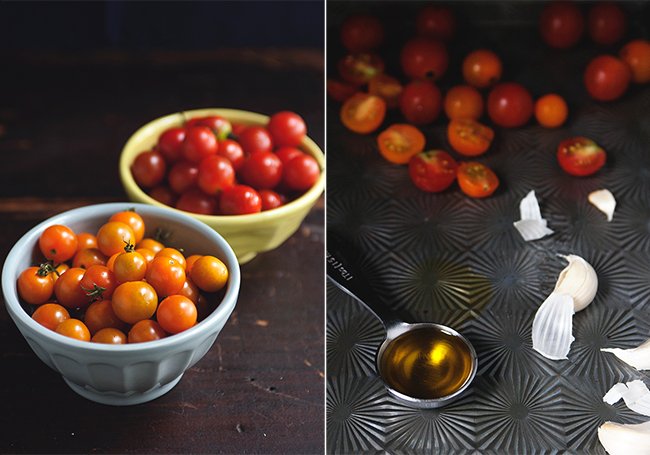
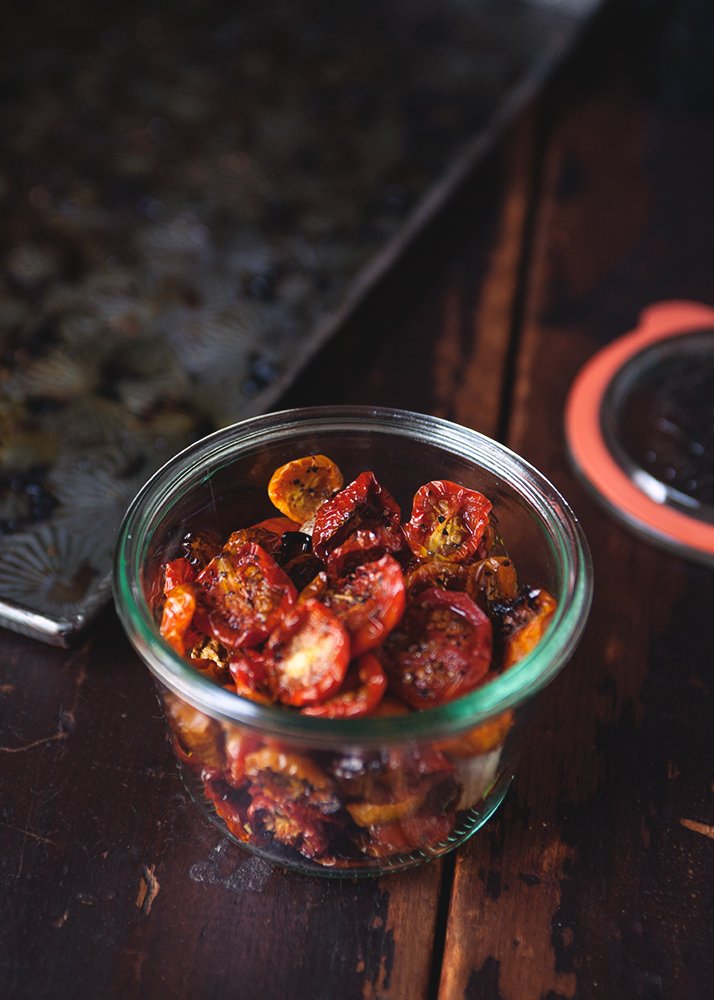
Before all this happened, on Friday, I roasted tomatoes.
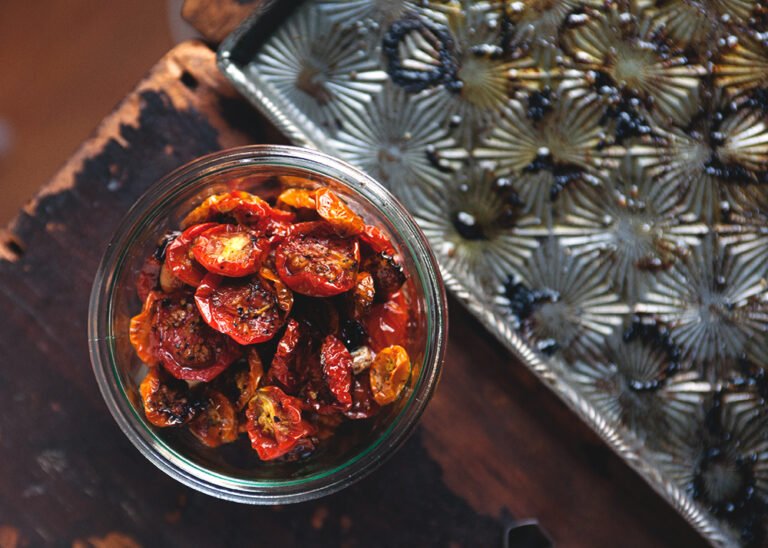
I think I might’ve mentioned that I like my tomatoes raw, with just a touch of olive oil and salt. But in the case of cherry tomatoes, well, roasting them slowly on low heat, is a one-up.
The taste pierces. It’s so sharply sweet and intense, tomato condensed and condensed some more until all its taste is packaged in a shriveled, innocuous mass. For these tomatoes, I’m willing to turn my oven on, the oven that had traumatized me weeks ago, the oven that I’d vowed to part ways with until after Labor Day, until after temperatures dip below the 80′s once and for all.
A little goes a long way. I’ll be tossing them in salads, on sandwiches, on bagels, in pasta, whenever I need a boost of tomato action. Which could be anytime inspiration strikes, like when I walk by the fridge.

Yup, my weekend was punctuated by tomatoes. They’re a good thing to have around when I’m dealing with my credit card companies’ fraud departments on the phone. And for easing myself back into the work week.
Happy Monday, friends.
SLOW-ROASTED TOMATOES
Ingredients:
Cherry tomatoes
Olive oil
3 to 4 cloves of garlic, unpeeled
salt and pepper
Directions:
Preheat the oven to 250 degrees (Note: My oven only goes down to 300 degrees, so I had to roast them at this temperature.)
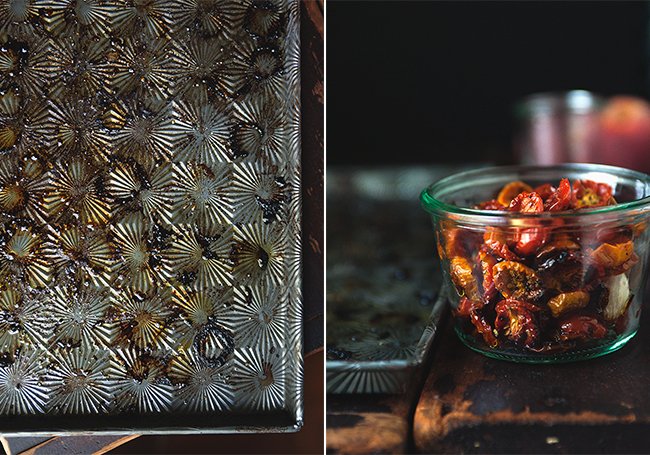
Cut the tomatoes in half. Toss with the olive oil (so they’re lightly covered) and lay the halves on a baking sheet, cut side up, along with the garlic cloves. Sprinkle with salt and pepper to taste. Roast the tomatoes for 2 to 3 hours until they shrivel but are still juicy on the inside. (Note: Because my oven was at 300 degrees, I had to turn the oven off after about an hour and 15 minutes because the tomatoes in the corners had started burning. I won’t lose any to the carbonizing effects of heat!)
To store, let the tomatoes cool and put them in a covered jar in the fridge. You may need to cover them with some extra olive oil.
Related Posts





Subscribe for New Racipies
Get mental health tips, updates, and resources delivered to your inbox.