
Reign Caffeine Content Explained: Nutrition Facts, Flavors & Energy Drink Comparison

Medically reviewed by Dr. Aris Thorne Updated Date: May 8, 2026
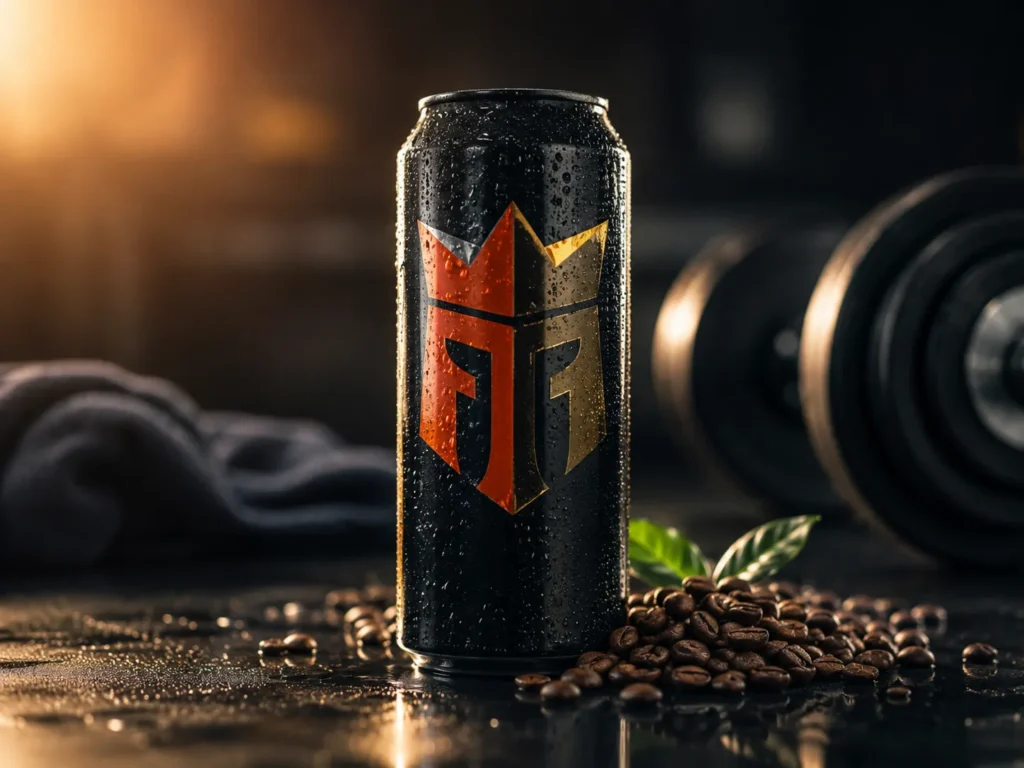
When choosing a pre-workout supplement or a midday physical boost, understanding exactly what you are consuming is absolutely critical. Many patients visit my clinic complaining of sudden heart palpitations or severe anxiety after hitting the gym.
In almost every case, a lack of awareness regarding their daily stimulant intake is the primary culprit. Therefore, understanding the exact reign caffeine content is essential for anyone who regularly consumes performance beverages.
As a medical professional, I always encourage my patients to deeply analyze their liquid nutrition. Energy beverages are not simply flavored water; they are powerful chemical mixtures that directly impact your nervous system.
This comprehensive guide will break down everything you need to know about this specific performance beverage. By the end, you will understand exactly how it affects your body and how it compares to the competition.
TL;DR: Quick Overview
- Reign Total Body Fuel contains 300 mg of caffeine per 16 oz (473 ml) can, making it one of the strongest mainstream energy drinks on the market.
- This equates to approximately 63 mg per 100 ml. Beyond just stimulation, Reign also contains electrolytes, BCAAs, and zero sugar.
- It is heavily comparable in overall strength to Bang and Ghost energy drinks.
What Is Reign Energy Drink?
If you frequently visit the gym or browse the supplement aisle, you have likely seen Reign Total Body Fuel prominently displayed. Manufactured by the powerhouse Monster Beverage Corporation, this specific line was designed to target a different demographic. Instead of gamers or extreme sports fans, this drink is aggressively marketed directly toward the fitness community.
It is officially branded as a “performance fuel” rather than a traditional sugary energy soda. The formulation completely removes all added sugars and replaces them with performance-enhancing compounds.
Furthermore, the official reign energy drink website emphasizes its inclusion of branched-chain amino acids and specialized metabolic enhancers. This creates a beverage that aims to stimulate the brain while simultaneously feeding recovering muscle tissues.
Reign Caffeine Content
The most common question I receive from athletes concerns the exact stimulant dosage in their favorite beverages. The standard reign caffeine content is a massive 300 milligrams per standard sixteen-ounce aluminum can. From a clinical perspective, this is an incredibly potent dose of central nervous system stimulation.
To put this into a proper medical context, this single can is equivalent to rapidly drinking three standard cups of home-brewed coffee. In my medical practice, I recently treated a patient who experienced severe tachycardia after drinking a full can before lifting weights.
His heart rate spiked dangerously because his body was not adapted to such a massive, sudden influx of stimulants. Therefore, you must respect this beverage and consume it with extreme caution.
Reign Caffeine Content Per Can & Serving Size
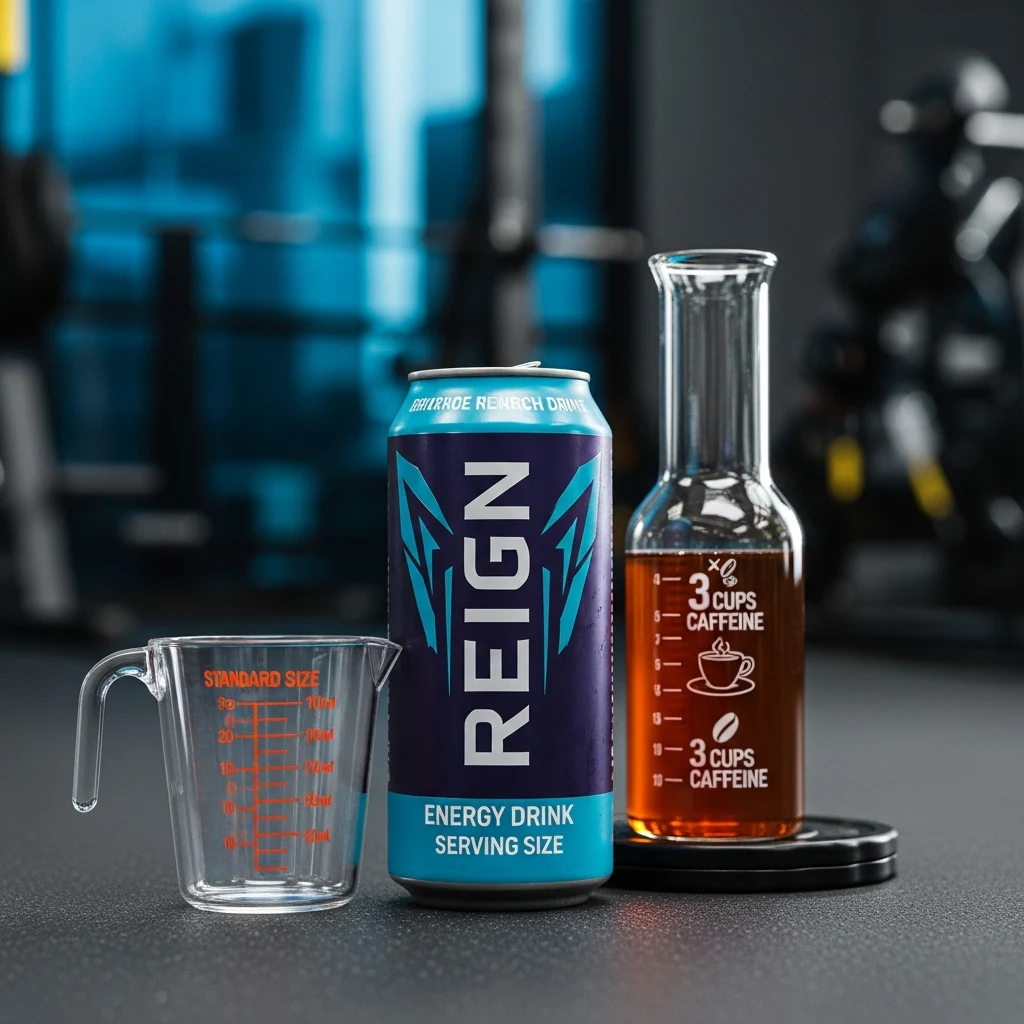
Understanding exactly how much stimulant you ingest requires looking at specific serving sizes. While the standard can is sixteen ounces, you must know the breakdown to manage your intake safely. Tracking the reign caffeine content per can helps you avoid accidentally exceeding safe daily medical limits.
Occasionally, consumers pour a portion of the drink over ice and save the rest for later. If you consume a hypothetical reign energy drink caffeine 12 oz serving, you are ingesting roughly 225 milligrams. To simplify your daily tracking, please refer to this easy-to-read clinical table below.
| Serving Size | Total Caffeine |
| 12 oz (hypothetical scaled portion) | ~225 mg |
| 16 oz can (standard full can) | 300 mg |
| 100 ml (metric standard) | ~63 mg |
Reign Caffeine Content Per 100ml
For my international patients or those who prefer metric measurements, breaking the formulation down by milliliters is highly beneficial. The Reign caffeine content per 100ml sits at roughly 63 milligrams. This specific metric is vital because it allows us to compare the beverage against global standards easily.
Many European countries have strict regulations regarding how heavily concentrated a beverage can legally be. By knowing it contains 63 milligrams per 100 milliliters, we can clinically categorize it as a highly concentrated fluid. Consuming this fluid rapidly allows the chemical to absorb through your gastric lining extremely quickly.
Reign Caffeine Content Chart
To ensure you can make safe dietary choices at a glance, I have compiled a quick visual reference guide. A reliable reign caffeine content chart is an excellent tool for anyone closely monitoring their daily cardiovascular load.
Simply find the volume of liquid you plan to consume to see your exact chemical intake.
| Liquid Size | Total Caffeine |
| 100 ml | 63 mg |
| 250 ml (half can) | ~158 mg |
| 473 ml (full 16 oz can) | 300 mg |
Reign Ingredients List Explained
Beyond the primary stimulant, we must deeply analyze the full reign ingredients profile. As a doctor, I look past the marketing claims and directly at the scientific compound list. The reign ingredients list includes natural and added stimulants, but it also features a specialized fitness blend.
The most prominent additions are BCAAs, specifically leucine, isoleucine, and valine, which aid in muscle recovery. The formula also includes CoQ10, a powerful antioxidant that supports cellular energy production within the mitochondria.
Finally, because it lacks sugar, the sweetness is achieved through artificial sweeteners like sucralose and acesulfame potassium. The Food and Drug Administration generally recognizes these sweeteners as safe, though some patients report mild digestive sensitivities to them.
Reign Energy Drink Nutrition Facts
Understanding the complete reign energy drink nutrition facts is vital for anyone strictly tracking their daily macros. The most significant benefit for weight-conscious athletes is that this beverage contains absolutely zero grams of sugar. Consequently, a full sixteen-ounce can only contains between 10 and 20 total calories, depending on the specific flavor.
Furthermore, the formulation includes a proprietary electrolyte blend designed to replace minerals lost through heavy sweating. You will find moderate amounts of sodium and potassium listed on the official nutrition panel. This makes the beverage somewhat functional for hydration, provided you also consume plenty of plain, filtered water.
Reign Flavors & Product Variants
Flavor variety is a massive selling point for this brand, keeping consumers continually engaged. There are dozens of reign flavors available globally, ranging from sour to incredibly sweet profiles. Popular current options include Razzle Berry, White Gummy Bear, and the highly requested Orange Dreamsicle.
Patients often ask me if the Reign Orange Dreamsicle caffeine content is different from the berry flavors. Clinically speaking, the artificial flavoring agents do not alter the stimulant concentration whatsoever; it remains at 300 milligrams. Additionally, the company frequently cycles its lineup, resulting in several discontinued reign flavors that fans still actively search for online.
Reign Storm Caffeine Content
Recognizing that 300 milligrams is too intense for many consumers, the brand recently launched a lighter variant. The Reign Storm caffeine content is significantly lower, providing a much gentler energy curve. This specific product line typically contains around 200 milligrams per standard 12-ounce slim can.
Furthermore, the “Storm” line is marketed as a cleaner, plant-based energy alternative. It utilizes natural stimulant sources like green tea extract and guarana seed rather than pure synthetic powders. This makes it a much better option for patients who experience severe jitteriness from the standard “Total Body Fuel” line.
Reign vs Monster vs Bang vs Ghost (Caffeine Comparison)
In the highly competitive beverage market, consumers constantly compare brands to find the absolute strongest option. Patients frequently ask me to clarify the monster reign caffeine content debate. While Monster owns Reign, traditional Monster Energy only contains about 160 milligrams per can.
We must also look closely at the Bang caffeine content and the Ghost caffeine content to get a full clinical picture. Bang famously matches the 300-milligram threshold, making it a direct competitor in the extreme performance category. Meanwhile, Ghost energy drinks sit comfortably in the middle, offering roughly 200 milligrams per can alongside specialized nootropics.
| Energy Drink Brand | Caffeine Per Standard Can |
| Reign Total Body Fuel | 300 mg |
| Bang Energy | 300 mg |
| Ghost Energy | 200 mg |
| Traditional Monster | 160–300 mg (varies by specific line) |
Why Reign Contains So Much Caffeine (Mechanism)
You might wonder why a beverage company would formulate a drink with such an intensely high chemical concentration. The answer lies in the specific physiological demands of high-performance athletes and heavy weightlifters. This beverage is scientifically designed to forcefully block adenosine receptors in the brain while stimulating adrenaline release.
Furthermore, there is a biological synergy between the high stimulant levels and the added BCAAs. The massive energy surge allows the athlete to push their muscles to the point of absolute failure. Simultaneously, the circulating amino acids theoretically jumpstart the muscle repair process while the workout is still happening.
Is Reign Caffeine Safe?
As a board-certified physician, safety is always my primary concern when reviewing nutritional supplements. The Food and Drug Administration officially recommends a maximum intake of 400 milligrams per day for healthy, average adults. Because one can contains 300 milligrams, it consumes 75% of your daily safe allowance in just a few minutes.
Therefore, it is technically safe for a healthy adult to consume one can daily. However, if you drink a can and then consume a cup of coffee later, you will dangerously exceed the medical limit. The Centers for Disease Control and Prevention constantly warns against mixing highly concentrated energy beverages with other stimulants.
Side Effects of High Caffeine Energy Drinks

Pushing your central nervous system past its natural limits frequently results in highly unpleasant physical consequences. When you consume 300 milligrams rapidly, your adrenal glands flood your bloodstream with cortisol. This massive hormonal spike often triggers profound clinical anxiety and uncomfortable, shaky jitters.
Additionally, an elevated heart rate, medically known as tachycardia, is an incredibly common physiological side effect. If you consume this beverage late in the afternoon, the chemical half-life will absolutely destroy your circadian rhythm. Severe insomnia is nearly guaranteed if you drink this product within eight hours of your planned bedtime.
Who Should Avoid Reign Energy Drink?
While healthy adult athletes might handle this beverage well, specific populations must avoid it entirely. Developing teenagers should never consume 300 milligrams of synthetic stimulants, as it can severely disrupt their developing neurology. The American Academy of Pediatrics strictly advises against energy drink consumption for anyone under eighteen.
Furthermore, pregnant individuals must completely avoid this product to protect fetal cardiovascular development. Finally, anyone with a diagnosed anxiety disorder or an underlying cardiac arrhythmia must stay far away from this beverage. Consuming it could easily trigger a severe panic attack or a dangerous, irregular heartbeat event.
How Reign Compares to Coffee
Many patients argue that drinking this beverage is no different than enjoying their morning cup of coffee. However, the biochemistry of absorption tells a very different medical story. A standard cup of hot drip coffee contains roughly 95 milligrams of naturally occurring stimulants.
You sip hot coffee slowly over thirty minutes, allowing for a gentle, gradual absorption into the bloodstream. Conversely, an energy drink is served ice cold and carbonated, encouraging you to consume 300 milligrams in mere minutes. The carbonation actively speeds up gastric emptying, hitting your central nervous system with a violent, immediate chemical shock.
Frequently Asked Questions
How much caffeine is in Reign energy drink?
A standard sixteen-ounce can of the Total Body Fuel line contains exactly 300 milligrams. This is considered an extremely high clinical dose for a single serving. You should closely monitor your body’s physical reaction when consuming this amount.
Is Reign stronger than Monster?
Yes, the standard Total Body Fuel formulation is significantly stronger than a traditional green can of Monster. While a standard Monster contains 160 milligrams, Reign delivers nearly double that amount. However, Monster does produce specific sub-lines that reach the 300-milligram mark.
Can teenagers drink Reign energy drinks?
Medical professionals strongly advise against adolescents and children consuming this specific beverage. The massive 300-milligram stimulant dose can cause severe cardiovascular strain, anxiety, and sleep disruption in developing nervous systems. The American Academy of Pediatrics explicitly recommends that teenagers avoid these extreme energy supplements entirely.
Does Reign Storm have less caffeine?
Yes, the Storm variant was specifically formulated to be a lighter, more approachable option. It contains approximately 200 milligrams per twelve-ounce can. It also utilizes plant-based stimulant sources for a smoother metabolic experience.
Is Reign safe to drink daily?
It is generally safe for a healthy adult to consume one can per day. However, you must ensure that your total daily stimulant intake remains under the FDA’s 400-milligram threshold. Consuming this beverage alongside other coffees or teas is highly discouraged by medical professionals.
Conclusion
Navigating the modern supplement aisle requires a solid understanding of clinical nutrition and biological chemistry. As we have thoroughly explored, the massive 300-milligram dosage in this beverage is not something to be taken lightly. As a medical doctor, I constantly remind my patients that their daily beverage choices profoundly impact their cardiovascular health.
While this specific product offers incredible benefits for extreme athletes, it is severely overpowering for the average desk worker. If you choose to incorporate this powerful tool into your fitness regimen, you must do so with absolute precision. Never consume it on an empty stomach, and strictly avoid drinking it anywhere near your scheduled bedtime.
Furthermore, always monitor your resting heart rate and listen to your body’s vital physiological signals. If you experience chest tightness, severe anxiety, or tremors, downgrade to a much milder beverage immediately. By maintaining strict discipline over your daily consumption, you can safely boost your workout performance while completely protecting your long-term health.
Evidence-Based Reference
- Journal of the International Society of Sports Nutrition (JISSN)—International society of sports nutrition position stand: caffeine and exercise performance
- Food and Drug Administration (FDA)—Spilling the Beans: How Much Caffeine is Too Much?
- European Food Safety Authority (EFSA) – Caffeine Safety and Risk Assessment
- Journal of the American Heart Association (JAHA)—Randomized Controlled Trial of High‐Volume Energy Drink Versus Caffeine Consumption on ECG and Hemodynamic Parameters
Related Posts

Subscribe for New Racipies
Get mental health tips, updates, and resources delivered to your inbox.
Pumpkin Biscotti With Cranberries And Almonds

Apparently I’m on a pumpkin spree.
Allow me to grin sheepishly and assure you that pumpkin puree season is almost over, a fact that makes me feel both sad and just a little relieved. For Chris, at least. His pumpkin fatiguée has never run so high. (Although one serving of pumpkin pie should cure him of that.)
And admittedly, even my tolerance is beginning to wane. I tend towards the obsessive in many aspects of my life, and pumpkin is one of these things. As well as listening to the same song/album on repeat, wearing the same shirt for weeks on end, wanting to eat at the same restaurant every time I go out, etc. etc. The inevitable result of such overload is almost criminally tragic: after such sensory gluttony, said objects/activities become warped, twisted. I can never view them the same way again.
That early magic is so transcendent, yet transient. Like the first time I heard the song “Weird Fishes by Radiohead.” God, I was moved. It haunted me. I still love it—and the entire album for that matter—but how I wish I could hear it again for the first time. (You can.)
So seasonality may not be such a bad thing after all. I mean, I wouldn’t mind having access to perfectly ripe peaches the entire year round. But I’d be losing the experience of the anticipation, and the unadulterated captivation of the first bite. Which means more to me than you can know.
With all that being said, it’s almost time to retire pumpkin. Almost. After all, there’s still pumpkin pie to be had.

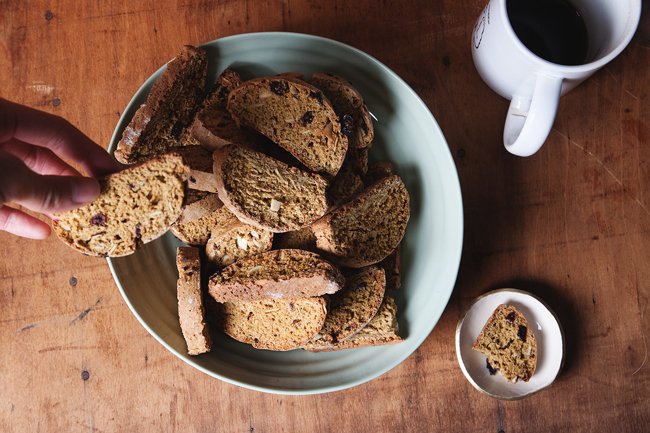
Traditional Italian biscotti is not the buttery, cake-y creations we have today. They’re supposed to be biscuits after all, and biscuits do not connote dessert. It was made exclusively with flour, sugar, eggs, almonds (not roasted or skinned), and pine nuts. And meant to last a long time. Centuries, if stored carefully, according to Pliny the Elder.
Purists would call the recipe below a bastardization then. At the same time, I didn’t want to make anything too extravagant, too rich, too filling. I didn’t want to dip my biscuits in chocolate, or adorn them knee-deep with toppings, or have them leave behind butter stains on my finger. Rather, I was craving a sensible, no-nonsense, pumpkin-flavored treat to eat alongside my mid-morning coffee.
And that’s how these biscotti came out.

Of course, my few modest additions helped ever so much with the flavor, if I do say so myself. Dried cranberries to make it feel more festive, slivered almonds because they were one of the original ingredients, cinnamon, ground ginger, and cardamom because why the hell not. I dusted the top with black sesame seeds, bird food really, and into the oven my fat little loaf went.
Twice.
Because that’s how you make biscotti. You bake it twice.

PUMPKIN BISCOTTI WITH CRANBERRIES AND ALMONDS
Adapted from The New Best Recipe
Makes about 50
Ingredients:
- 1-1/2 cups all-purpose flour
- 1 cup whole wheat flour
- 1 tsp baking powder
- 1/2 tsp baking soda
- 1/4 tsp salt
- 1 tsp cinnamon
- 1/2 tsp ground ginger
- 1/4 tsp cardamom
- 3/4 cup pumpkin puree
- 1 cup brown sugar
- 2 large eggs
- 1 tsp vanilla extract
- 1/2 cup slivered almonds
- 1/2 cup dried cranberries
- black sesame seeds for topping
Directions:
Preheat oven to 350 degrees F. Line a large baking sheet with parchment paper.
Whisk the flours, baking powder, baking soda, salt, and spices together in a medium bowl. Set aside. In a larger bowl, whisk the pumpkin puree, sugar, and eggs together until smooth. Stir in the vanilla extract, almonds, and cranberries. Pour the dry ingredients over the egg mixture and fold until just combined.
Halve the dough and turn each half onto the prepared baking sheet. Using floured hands, stretch each half into a long loaf about 12 inches. Shape and pat each one smooth. Sprinkle liberally with black sesame seeds.
Bake until the loaves begin to crackle on top, about 25 minutes. Rotate the pan halfway through baking. Remove from the oven and let the pan cool for about 10 minutes. Meanwhile, reduce the oven temperature to 325 degrees F.
Transfer the loaves onto a cutting board. Using a serrated knife, cut each loaf diagonally into thin slices, about 1/2-inch. Lay the slices back on the baking sheet and return them to oven. Bake until crisp and golden-brown on both sides, about 15 minutes. Halfway through baking, turn the cookies over and rotate the baking sheet.
Remove from oven, and let cool. Store in an airtight container.
Related Posts




Subscribe for New Racipies
Get mental health tips, updates, and resources delivered to your inbox.