
Caffeine Calculator: How Much Caffeine Are You Really Consuming?

Medically reviewed by AmeliaVance Dr. Amelia Updated Date: May 14, 2026

Last month, a reader named Marcus—a 28-year-old software engineer—reached out to me after struggling with severe insomnia, heart palpitations, and constant midday anxiety. He insisted he was only drinking “two coffees a day,” so he couldn’t understand why he felt completely wired and exhausted at the same time.
As a food blogger, I hear stories like this all the time. When we broke down Marcus’s actual routine, we discovered those “two coffees” included oversized cold brews, an afternoon energy drink, and the occasional pre-workout supplement.
We discovered his caffeine intake was exceeding 800 mg per day, far above recommended limits for most adults, according to FDA guidance on safe caffeine consumption.
Marcus was shocked to learn that specialty coffees, cold brews, pre-workout drinks, and energy beverages often contain far more caffeine than people realize. Many consumers focus only on the number of drinks they consume rather than the actual milligrams of caffeine in each serving.
In this guide, we’ll show you how a caffeine calculator works, help you estimate your daily intake, explain safe consumption limits, and help you make smarter decisions about your energy habits. For personalized calculations, try our caffeine calculator by weight and age.
TL;DR
- A caffeine calculator tracks your total daily intake—from coffee, tea, soda, energy drinks, meds, and even chocolate—to help you stay under safe limits.
- Hidden caffeine adds up fast: That afternoon soda, pre-workout supplement, or “decaf” latte could push you over 400 mg without you realizing it.
- FDA recommends max 400 mg/day for healthy adults—but pregnant individuals, teens, and those with heart conditions should aim for far less (often ≤200 mg).
- Too much caffeine risks jitters, anxiety, insomnia, rapid heartbeat, or digestive upset—especially when combined with alcohol, exercise, or certain medications.
- MD takeaway: Use a reliable caffeine calculator daily, read labels carefully, and talk to your doctor if you’re unsure what’s safe for your health profile.
What Is a Caffeine Calculator and Why Does It Matter
A caffeine calculator is an analytical tool used to track and measure your total daily intake of central nervous system stimulants. It goes beyond simply counting cups, factoring in the specific brew method, beverage size, and underlying concentration of your drinks.
For healthy adults, the FDA generally recommends a safe daily intake limit of 400 mg. However, people frequently overconsume unknowingly because they rely on arbitrary volume measurements like a “medium cup” rather than actual milligram counts, as explained by Harvard Health’s caffeine research.
Using a daily caffeine calculator helps you visualize your stimulant load, preventing the chronic overconsumption that leads to adrenal fatigue. Without knowing exactly how much caffeine you are ingesting, it is incredibly easy to accidentally double your recommended limit by lunchtime.
By actively utilizing a “how much caffeine” calculator, you can map your consumption against your body’s biological ability to metabolize it. This targeted approach is the cornerstone of responsible energy management. For more on beverage comparisons, see our Starbucks caffeine content guide.
Caffeine Calculator by Weight and Age
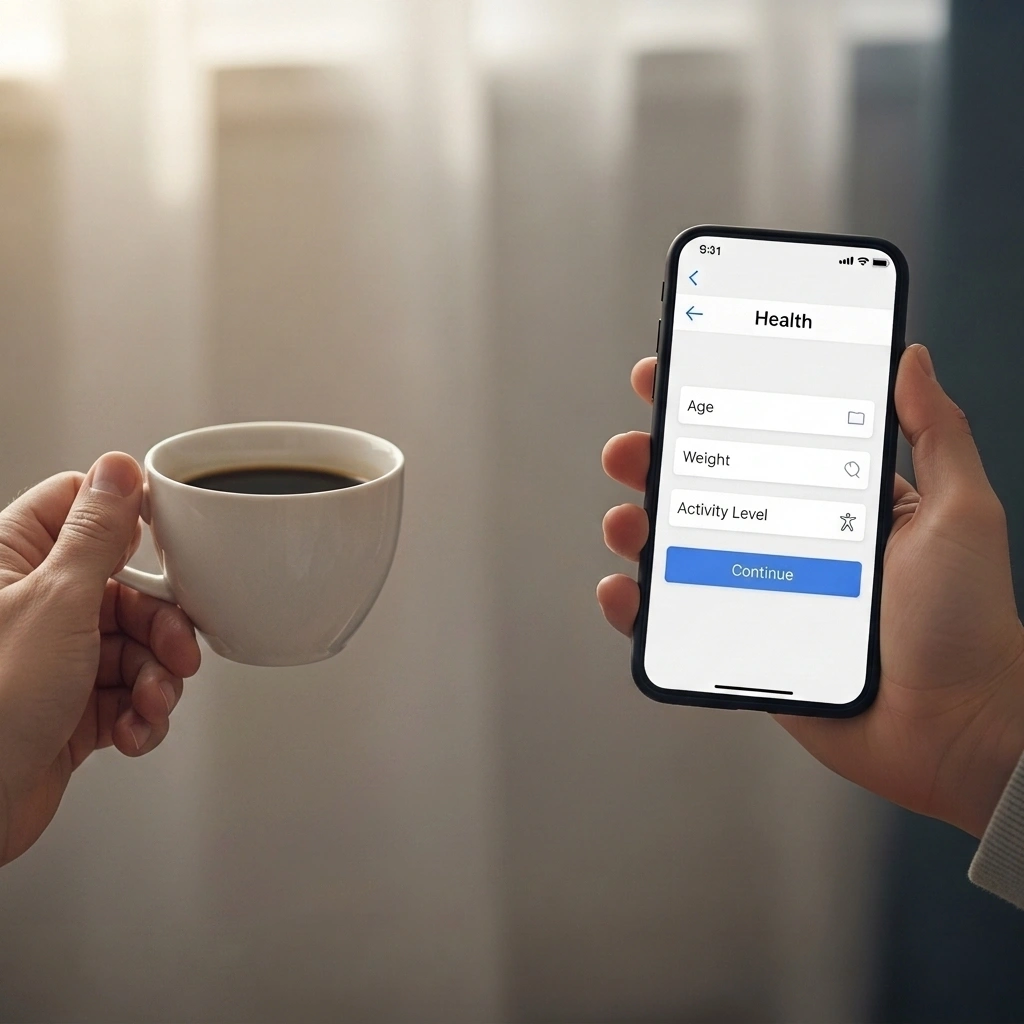
Recently, I’ve learned that caffeine tolerance is far from one-size-fits-all. That’s why many readers ask about using a caffeine calculator by weight and age to better understand their personal limits.
Your body size, age, metabolism, and overall health can all influence how caffeine affects you. For example, a 220-pound athlete may process a 200 mg energy drink very differently than someone who weighs significantly less or is more sensitive to stimulants.
Lifestyle factors also matter. Sleep habits, medications, anxiety levels, and whether you regularly consume coffee or energy drinks can all change how your body responds.
While I’m not a doctor, I always encourage readers to look at caffeine through a practical health lens instead of guessing what’s “safe.”
Understanding your personal tolerance can help you avoid common issues like jitters, energy crashes, poor sleep, and rapid heartbeat.
Using this caffeine calculator by weight, a healthy adult weighing 70 kg (154 lbs) has a safe, moderate range of roughly 210 mg to 420 mg daily. Pushing beyond the upper limit of this mg/kg threshold dramatically increases the risk of adverse cardiovascular events, according to the American Heart Association’s guidance on caffeine and heart disease.
Age is the second, equally critical factor. A caffeine calculator by age must account for the fact that metabolic enzymes change throughout our lifespan.
Teenagers, for instance, are highly sensitive to stimulants. Their neurological development can be severely disrupted by high doses, which is why pediatric guidelines strongly discourage extreme caffeine consumption, per the American Academy of Pediatrics. A teenager’s developing brain is particularly vulnerable to the anxiety-inducing side effects of stimulant stacking.
A dose that felt perfectly fine in their thirties might cause severe tremors and sleep disruption in their seventies.
If you are using a caffeine calculator by weight and height, always cross-reference it with your age bracket. An individualized approach prevents accidental toxicity and ensures you are using caffeine as a mild enhancer rather than a severe system shock.
How Caffeine Works in the Body
One of the biggest breakthroughs for my patient Marcus was understanding the concept of drug metabolism over time. A standard intake tracker is useless without a functional caffeine calculator half-life model to show how long the drug remains active.
When you consume a caffeinated beverage, it is absorbed through the gastrointestinal tract and reaches peak blood plasma levels within 30 to 60 minutes. From there, it is metabolized by the CYP1A2 enzyme in your liver, according to National Institutes of Health research on caffeine mechanisms.
The time it takes for your body to eliminate exactly 50% of the drug is called its half-life. For the average, healthy adult, we model this metabolic clearance rate using the following clinical average:
This equation is the engine behind any half-life caffeine calculator. It means if you consume 200 mg of caffeine at 2:00 PM, you still have 100 mg actively stimulating your brain at 8:00 PM.
By 2:00 AM, you still have 50 mg lingering in your system, actively blocking adenosine receptors and preventing deep, restorative REM sleep. This biological reality is why a caffeine sleep calculator is so vital for chronic insomnia patients, as explained by the Sleep Foundation’s research on caffeine and sleep.
Genetics play a massive role here as well. Some people possess a genetic variation of the CYP1A2 gene that makes them “slow metabolizers.” For these individuals, the half-life can stretch to 8 or even 10 hours.
When you do not account for this clearance rate, you experience a “stacking effect.” Drinking a morning coffee, followed by a midday energy drink, and an afternoon tea means the doses overlap.
A caffeine calculator over time visually demonstrates this stacking phenomenon. It shows exactly why you might feel wired at midnight despite not having a coffee since the late afternoon.
Caffeine Calculator by Popular Drinks
To use a calculator effectively, you need accurate input data. Here is a clinical breakdown of the stimulant density in the most popular beverages my patients consume.
Coffee Caffeine Calculator
The brewing method dictates the extraction rate. A standard 8 oz home-brewed drip coffee yields about 90 to 100 mg of caffeine, according to Mayo Clinic’s caffeine content database.
Espresso, while highly concentrated, is served in tiny 1 oz shots. A single shot contains roughly 63 mg of caffeine. Therefore, a standard double-shot latte contains about 126 mg of caffeine.
Starbucks Caffeine Calculator
Franchise coffee shops often serve massive portion sizes, hiding immense stimulant loads. A Grande (16 oz) Starbucks Pike Place Roast contains a staggering 310 mg of caffeine.
Using a Starbucks caffeine calculator is crucial because their standard brew is exceptionally potent. Even a seemingly innocent Grande Frappuccino can contain over 100 mg, depending on the flavor. For more on coffee acidity, see our guide on whether coffee is acidic.
Cold Brew Caffeine Calculator
Cold brew is created by steeping coffee grounds in cold water for 12 to 24 hours. This prolonged extraction creates a hyper-concentrated beverage.
A cold brew caffeine calculator will often show 200 to 250 mg of caffeine for a standard 16-oz serving. The smooth, low-acid taste makes it dangerous, as patients drink it rapidly without realizing its true potency. For more on cold beverages, see our White Monster caffeine guide.
French Press Caffeine Calculator
A French press caffeine calculator must account for steep time. Because the grounds are fully immersed in hot water for several minutes, the extraction is robust.
A standard 8 oz cup of French press coffee typically yields between 80 and 100 mg. However, if left steeping too long, the concentration will climb significantly.
Caffeine Content Reference Chart
| Beverage Type | Serving Size | Estimated Caffeine (mg) |
|---|---|---|
| Home Drip Coffee | 8 oz | 90 – 100 mg |
| Double Espresso | 2 oz | 126 mg |
| Starbucks Pike Place | 16 oz (Grande) | 310 mg |
| Standard Cold Brew | 16 oz | 200 – 250 mg |
| French Press Coffee | 8 oz | 80 – 100 mg |
| Standard Energy Drink | 16 oz | 160 – 300 mg |
For broader comparisons, explore our Celsius caffeine content guide and energy drinks with most caffeine guide.
Caffeine Calculator for Special Groups
Certain demographics require much stricter stimulant tracking due to systemic metabolic shifts. Utilizing specialized calculators protects vulnerable biological systems.
For expecting mothers, a caffeine calculator pregnancy tool is absolutely essential. During pregnancy, the body’s ability to clear caffeine slows down drastically, meaning the half-life can easily double, according to guidance from the American College of Obstetricians and Gynecologists.
Similarly, a caffeine calculator breastfeeding tracker helps nursing mothers avoid passing excess stimulants to their infants. Infants lack the liver enzymes to process caffeine, leading to severe irritability and sleep disruption.
Depending on where you live, you might also follow regional safety framing, such as the Caffeine Calculator UK guidelines, which heavily emphasize strict limits for minors and sensitive populations, per the European Food Safety Authority.
Caffeine Overdose & Maximum Safe Intake
We must address the absolute ceiling of stimulant safety. The widely accepted maximum safe limit for healthy adults is 400 mg per day.
When you exceed this threshold, you cross into toxicity territory. A max caffeine calculator is designed to keep you firmly below the line where physical side effects begin to manifest.
Symptoms of acute overconsumption include severe heart palpitations, fine motor tremors, gastrointestinal distress, and heightened panic or anxiety attacks, as warned by WebMD’s caffeine myths and facts guide.
Viewers sometimes ask me about a death by caffeine calculator due to alarming internet rumours. While lethal overdoses from beverages are incredibly rare, they are biologically possible, typically requiring massive doses (e.g., 5,000 to 10,000 mg) usually ingested via pure synthetic powder, not brewed beverages.
Using a caffeine overdose calculator is a practical harm-reduction strategy. It keeps you grounded in reality, ensuring your daily habit remains a safe performance enhancer rather than a medical risk.
Caffeine Timing Calculator
Understanding the total amount you consume is only half the battle; the timing of your intake dictates your quality of life.
A caffeine sleep calculator maps your consumption against your natural circadian rhythm. Because caffeine actively blocks adenosine—the neurotransmitter responsible for making you feel sleepy—timing is everything.
If you want to maintain a healthy sleep architecture, your last dose of caffeine should occur at least 8 to 10 hours before your intended bedtime.
Using a caffeine calculator time tracker helps athletes and professionals avoid the dreaded afternoon energy crash. By spacing out smaller doses rather than consuming massive quantities at once, you maintain stable alertness.
How to Calculate Your Caffeine Intake
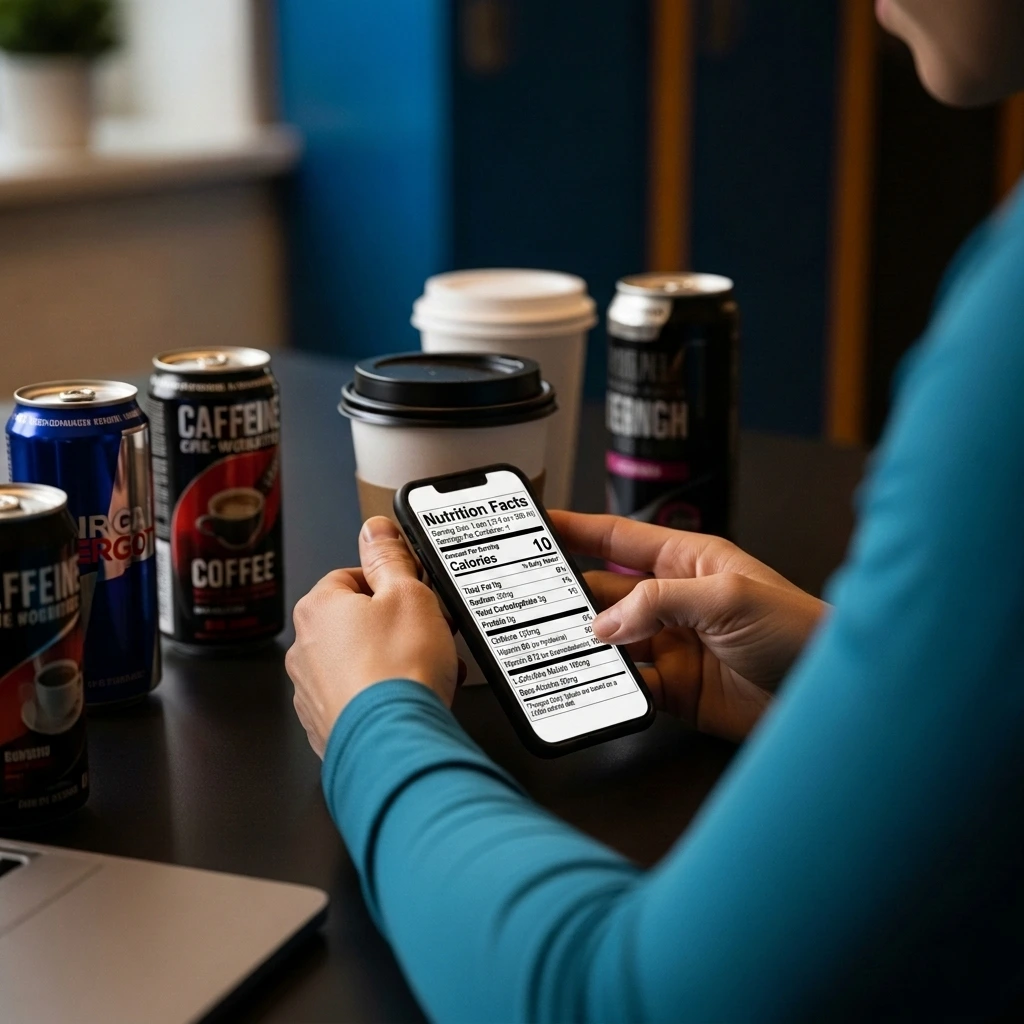
Taking control of your metabolic health requires a systematic approach. Here is how you can actively calculate your daily intake without feeling overwhelmed.
First, identify the baseline milligram count of your primary beverage. Check the nutritional label or use the chart provided earlier in this article.
Next, multiply that base number by the total number of servings you consume. Remember, a 24-ounce iced coffee is three standard 8-ounce servings, not one.
Third, adjust for your weight. Ensure your total daily milligrams do not exceed the 3–6 safety threshold discussed earlier.
Finally, track the half-life. If you use a free caffeine calculator app, input the exact time of your drinks to visualize how long the stimulant will remain active in your bloodstream.
Who Should Use a Caffeine Calculator?
While everyone can benefit from stimulant awareness, certain individuals should make tracking a non-negotiable daily habit.
Students relying on energy drinks during exams often inadvertently push themselves into panic attacks. A calculator prevents them from crossing the line from alert to severely anxious.
Athletes using heavy pre-workout supplements frequently stack stimulants without realizing it. Tracking their milligrams protects their heart rate variability and recovery metrics.
Finally, office workers and individuals prone to generalized anxiety disorders should rigorously monitor their intake. Often, what feels like an organic anxiety attack is actually drug-induced jitteriness from an oversized morning cold brew.
Frequently Asked Questions
How do I calculate my daily caffeine intake?
Start by checking the label for milligrams per serving. Multiply that by how many servings you drink. Keep a simple running total throughout your day. Aim to stay under 400 mg if you’re a healthy adult. Apps can help track this easily. Small awareness creates big safety wins. Your body deserves mindful fueling.
How long do caffeine effects actually last?
Caffeine peaks in your blood within 30–60 minutes. But don’t be fooled—the effects linger. Its half-life is about 5–6 hours. That means half the caffeine remains in your system long after you finish your drink. For sensitive folks, that can mean trouble sleeping. Time your last cup wisely.
How fast does your body metabolize caffeine?
Most healthy adults clear half their caffeine every 5–6 hours. But genetics, liver health, and medications like birth control can slow this down. Pregnancy also extends caffeine’s stay. If you feel jittery hours later, your metabolism may be slower. Listen to your body’s unique rhythm. One size doesn’t fit all.
Is 400 mg of caffeine daily actually safe?
For most healthy, non-pregnant adults, yes—the FDA considers 400 mg a safe daily upper limit. That’s roughly two large coffees. But “safe” doesn’t mean ideal for everyone. Anxiety, sleep issues, or heart conditions may call for less. When in doubt, scale back. Your long-term health matters more than short-term energy.
What drinks pack the most caffeine?
Large hot drip coffee (20 oz) often hits 200–300 mg. Cold brew can exceed 400 mg in a big cup. Energy shots and pre-workout drinks concentrate caffeine intensely too. Always check the label—marketing can mislead. High caffeine isn’t always better. Balance fuel with calm. Your nervous system will thank you. For more details, see our Red Bull caffeine analysis.
Conclusion
Understanding your daily stimulant intake is one of the most empowering steps you can take for your metabolic and cardiovascular health. Using a caffeine calculator strips away the guesswork, replacing it with clear, actionable biological data.
As a food blogger with a strong interest in wellness and smarter beverage habits, my goal is not to demonize coffee or energy drinks. They are wonderful tools when respected. By tracking your half-life, adjusting for your body weight, and strictly monitoring your afternoon consumption, you can enjoy all the cognitive benefits of caffeine while fully protecting your restorative sleep.
For additional beverage comparisons, explore our guides on McDonald’s coffee caffeine content and whether decaf coffee has caffeine.
Authoritative References
- FDA guidance on safe caffeine consumption. https://www.fda.gov/consumers/consumer-updates/spilling-beans-how-much-caffeine-too-much
- Harvard Health’s caffeine research. https://hsph.harvard.edu/news/coffee-longer-life/
- American Heart Association on Caffeine and Heart Disease. https://www.heart.org/en/healthy-living/healthy-eating/eat-smart/nutrition-basics/caffeine-and-heart-disease
- National Institutes of Health research on caffeine mechanisms. https://pmc.ncbi.nlm.nih.gov/articles/PMC4462044/
- Sleep Foundation’s research on caffeine and sleep. https://www.sleepfoundation.org/nutrition/caffeine-and-sleep
- Mayo Clinic’s caffeine content database. https://www.mayoclinic.org/healthy-lifestyle/nutrition-and-healthy-eating/in-depth/caffeine/art-20045678
- American Academy of Pediatrics on caffeine for children. https://www.healthychildren.org/English/healthy-living/nutrition/Pages/the-effects-of-caffeine-on-kids-a-parents-guide.aspx?_gl=1ch0y2i_gaMjA5MTUxMDY5Ny4xNzc4NTgwNDI1_ga_FD9D3XZVQQ*czE3Nzg2NDY2OTkkbzIkZzEkdDE3Nzg2NDgzMzYkajU0JGwwJGgw
- American College of Obstetricians and Gynecologists on pregnancy nutrition. https://www.acog.org/womens-health/experts-and-stories/ask-acog/how-much-coffee-can-i-drink-while-pregnant
- European Food Safety Authority on caffeine safety. https://www.efsa.europa.eu/en/topics/topic/caffeine
- WebMD’s caffeine myths and facts guide. https://www.webmd.com/diet/caffeine-myths-and-facts
Related Posts





Subscribe for New Racipies
Get mental health tips, updates, and resources delivered to your inbox.
Pumpkin Spice Crepes with a Cinnamon Mascarpone Filling



Just when you thought I was done with pumpkin recipes, I have come up with one more. The Pumpkin Spice Crepes were great just as is, but I always like to embellish, so I decided to fill them. I loved the Cinnamon Mascarpone Frosting I used for my Churro Cupcakes, and usually eat it by the spoon full, because it is so light and only a tad bit sweet. I knew it would make a great filling. The cinnamon worked well with the pumpkin in the crepes and the maple syrup I poured over them.

These are great for breakfast, dessert, or just a mid-afternoon snack. They are not heavy, they won’t weigh you down, and they won’t make you feel guilty for eating them.

Mmm….just look at those beautiful specks of pumpkin spice. I have fallen in love with pumpkin spice this year. I can’t get enough of it. I may have to start buying it by the pound. Those little containers don’t last very long.

Does anyone else feel this way or is it just me?

Pumpkin Spice Crepes with a Cinnamon Mascarpone Filling
by The Sweet Chick
Prep Time: 20 minutes
Cook Time: 15 minutes
Keywords: skillet pumpkin cinnamon mascarpone cheese crepe
Ingredients (10 crepes)
For the crepes
- 1 1/2 cups milk
- 1 cup all purpose flour
- 1 egg
- 1 teaspoon vegetable oil
- 1/4 teaspoon baking powder
- 2 teaspoons pure vanilla extract
- 1 1/2 teaspoons pumpkin pie spice
- 1/2 cup pumpkin puree
- 1/4 cup water
For the filling
- 1 cup heavy cream
- 8 ounces mascarpone cheese, room temperature
- 1/2 cup confectioners’ sugar, sifted
- 1/4 teaspoon cinnamon
Instructions
For the crepes
In a blender or with hand mixer, combine all ingredients. Blend until smooth. Batter should be very thin. If batter is too thick, add a little more water, one tablespoon at a time.
Heat a nonstick skillet with flared sides over medium-high heat. Remove from heat.
Pour 1/4 cup batter into skillet; lift and tilt the skillet to spread batter evenly across bottom of skillet. Return to heat. Cook about 1 minute or until light brown.
Flip crepe with a spatula and cook the other side for about 30 seconds. Remove from pan and place on a warm plate and cover to keep warm.
Repeat with remaining batter.
For the filling
With an electric mixer on medium speed, whisk heavy cream until stiff peaks form (be careful not to overbeat, or cream will be grainy).
In another bowl, mix together mascarpone, cinnamon and confectioners’ sugar until smooth. Gently fold whipped cream into mascarpone mixture until completely incorporated. Use immediately.
Fill each crepe with about 1/4 cup or so of filling. Roll up the crepes and drizzle with maple syrup or dulce de leche.
Related Posts





Subscribe for New Racipies
Get mental health tips, updates, and resources delivered to your inbox.