Can You Eat Uncured Pepperoni? Exploring the Health Benefits and Risks

Christiana George
Can you eat uncured pepperoni?

Curing meat is an age-old practice. In ancient times curing was done to preserve food in absence of refrigeration and canning. But now it is something we practice as a part of culture and liking. Pepperoni is the most famous of all curing meat.

Did the question come into your mind- Can you eat uncured pepperoni?

Yes, they are edible. Uncured pepperoni has no nitrates or additive chemicals. This meat is made only using natural salt and flavorings, unlike cured meats. It is safe to consume uncured pepperoni right after buying. But not to forget, it has high salt level.


That’s not all. There are a lot you should learn.

Let’s talk in detail about uncured pepperoni and the consequences of eating them.

What is Uncured Pepperoni?

Pepperoni is not cooked normally, it is made by dry curing. In this process, the spice and preservatives go through fermentation. Artificial preservatives are used here. The work can also be done with natural preservatives.

Uncured Pepperoni

This process used bacteria and makes the made safe for consumption. Uncooked pepperoni can also be consumed without any risk. People ask- is uncured pepperoni pork? Well, it’s a mixture of pork and beef.

Now depending on the ingredients used, the pepperonis are divided into two types. They are cured pepperoni and uncured pepperoni. When artificial preservatives are used then they are called cured pepperoni.

On the other hand, when natural ingredients are used, they are called uncured pepperoni.  So both are actually not so dissimilar. And both are perfectly edible and pose no health concerns.

Related Article: Can You Eat Coral? Exploring Edibility, Risks, and Environmental Impact


Can You Eat Uncured Pepperoni?

According to the World Health Organization( WHO), uncured pepperoni is safe unless you have specific health issues. The high level of salt can be harmful to your health if you have heart problems. 

On the other hand, cure pepperoni can lead to colon cancer. So it should be eaten less.

Uncured pepperoni is not so different from cured one. Yet people wonder things like- can you eat uncured pepperoni while pregnant? Well, here the recommended asnwer is it isn’t recommended. 

Uncured Pepperoni Vs Cured Pepperoni

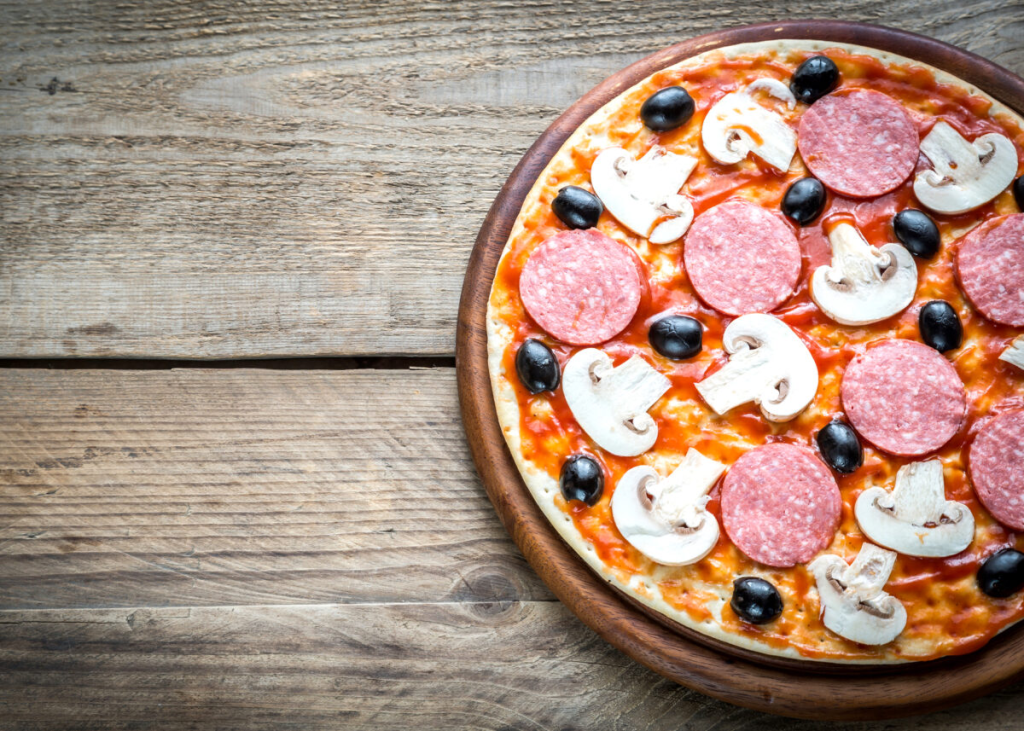
We all are familiar with Pepperoni. It is made with cured pork and beef. Artificial preservatives, flavors, chilis, paprika, and other spices are added. This dry sausage is very spicy. Because it is derived from a South Italy sausage recipe, but fully American creation.

Pepperoni is normally cured with nitrites or nitrate. It tastes tangy because of the lactic acid. This bright red and spicy meat product is the number one pizza topping in America. Uncured pepperoni pizza is quite famous.

We already know that pepperoni is cured with preservatives, flavors, and spices. But have you ever come across a packet of pepperoni labeled as uncured? What does it actually mean? Is it safe to consume? What will be the consequences?

When pepperoni is made by curing with natural nitrites and salts, that is labeled as uncured. It is cured without any chemical reagent. 

On one hand, cured pepperoni is made by curing salt, and chemical reagents. On the other hand, uncured pepperoni is made using naturally derived ingredients like celery, beets, etc.


Though it is termed as uncured, we see that it actually cured with naturally derived ingredients.

Natural Nitrates: What Makes Uncured Meat Different?

Nitrates are naturally found in nature via soil, water, and plants. They are found in abundance in green leafy vegetables.

Nitrates are found in high concentrations in celery. That is why it is commonly used to cure meats naturally.  Juice or powder of beat is used along with that.

Celery breaks into nitrites and nitrates when they are put in bacterial cultures. Then these nitrates and nitrides cure the meat.
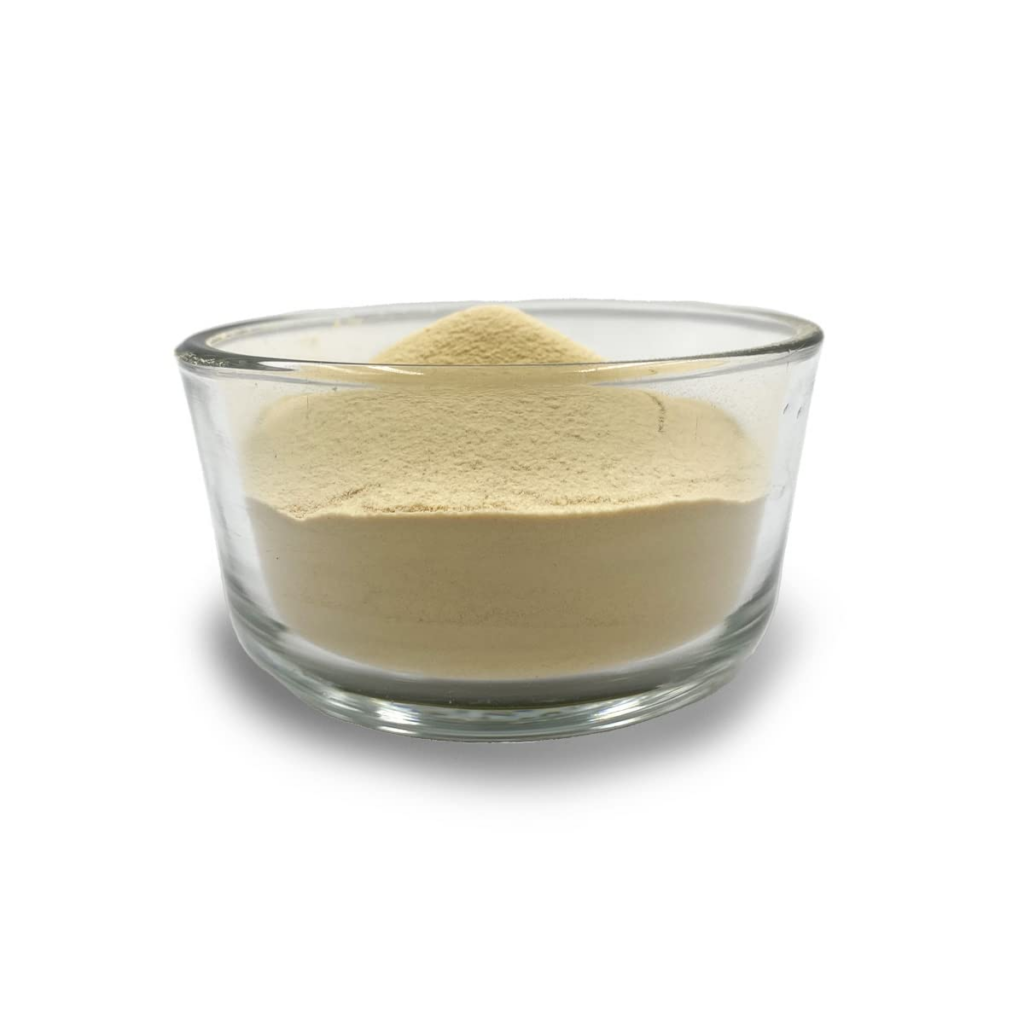
The Sausage Maker - Celery Powder

If you want to check out some celery, have a look.

 Sausage Maker’s Natural Meat CuringCheck Price Here
Anthony’s Pink Curing Salt No.1Check Price Here

Hope you found the suggestions helpful. Coming back to our discussion.

In cured pepperoni, the source of nitrates and nitrites are sodium nitrate and sodium nitrite salt. These are the chemical agents added during the processing of meats. This chemical reagent stops the meat from rotting and stops spoilage.

Pink salt is a type of curing salt. It contains sodium nitrate sodium nitrite. It is used during the curing of cured pepperoni. This salt brings a red color to the cured meat.

For this reason, uncured meat has a very bright red color but uncured does not.


Related Article: Can You Eat Eel Skin? Exploring the Delicacy and Health Benefits

Why Lebel as ‘Uncured’?

There is a list of chemical curing agents allowed to use on food products. Not so long ago a USDA regulation stated a rule. If any unlisted alternative curing ingredients are used, the food will be labeled as  ‘uncured’.

For that reason, naturally cured meat or other food products are started to be labeled as ‘uncured’.

This thing has led to confusion. Because clearly both cured and uncured pepperoni contain equal amounts of nitrates and nitrites. The only difference is one is more processed and the other is naturally cured.

Some groups of consumers are against this labeling. They think that it is very misleading. People are becoming more and more conscious about their diet. Seeing the label, people also think things like- is uncured pepperoni vegan?

Some people also think that labeling them as ‘cured’ is a marketing strategy. It is done to manipulate the consumer into that it is healthier. Where they contain an equal amount of nitrites.
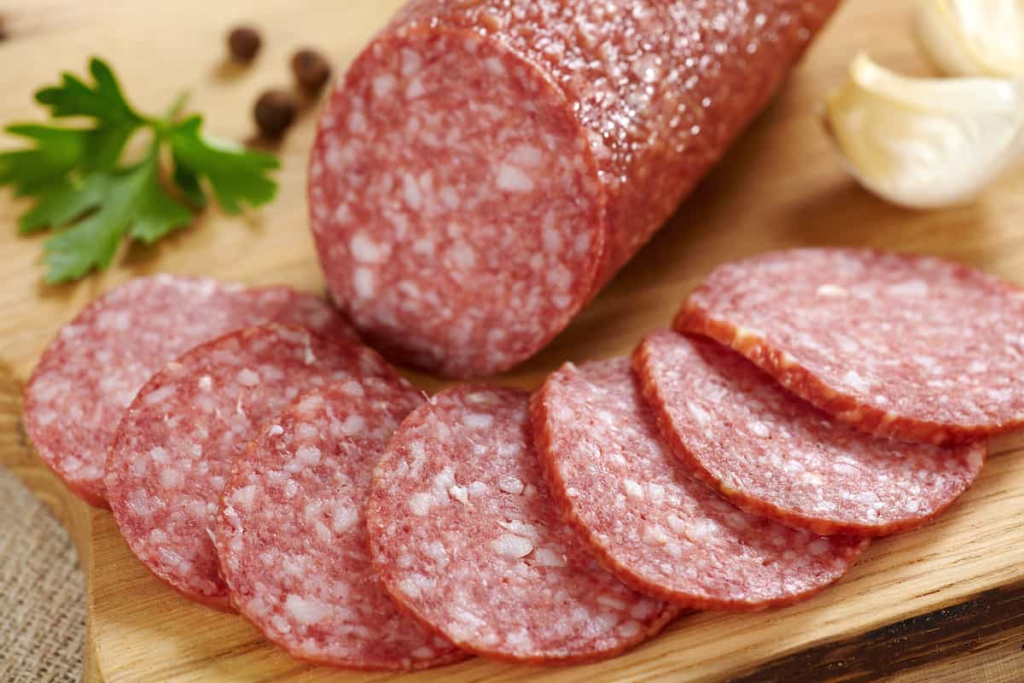
Uncured

As a result in 2020, a petition was raised by groups of consumers. It was to remove the misleading regulation. USDA granted that petition partially. 

Is Uncured Pepperoni Healthy?

Uncured pepperoni contains equal nutrition as your cured one. The quality of pepperoni depends on the meat used for making it. It depends on the food safety standard maintained during the process.

Have you been thinking- is uncured pepperoni better for you? Here the source of meat is important. Whether it is cured or uncured, does not affect the quality of pepperoni. 


One thing to remember is that cured pepperoni is made by more processing and with chemicals. And uncured on is made with ingredients from nature. So they have the same nutritional profile.

But due to the lack of enough preservatives in uncured pepperoni, more salt is needed.

The risk associated with the presence of nitrates is similar in both types of pepperonis. 

Therefore you cannot call one healthier over the other. But if you want all-natural ingredients then uncured should be the better option for you. 

Points to Consider Before Buying Uncured Pepperoni

We’ll write a few points that you might find important as a consumer before buying pepperoni:

  •  Uncured pepperoni is cured using celery, beat, and normal salt. Cured pepperoni is cured with Pink salt, which produces sodium nitrate and sodium nitrite.
  • You can identify uncured from the cured pepperoni by the color. Cured pepperoni has a dark red color, whereas the uncured looks a bit paler.
  •  Uncured pepperoni does not contain any synthetic or chemical preservatives. For this reason, the amount of salt is normally a bit higher in it. Cured pepperoni may have preservatives but the amount of salt is lesser.
  •  Whichever pepperonis you may buy, both of them contain nitrates and nitrites products.
  • Nitrates and nitrites are often connected with colon cancer. It is yet not proven. There are controversies about this theory. But as a consumer, we should keep the consumption of nitrate products under control. Nitrates can form a carcinogenic substance called nitrosamines. This can later cause Kidney cancer or liver cancer. 

Though making pepperonis was at first a necessity. In ancient times there were no refrigerators or any chemical preservatives to preserve meat. With time this meat preserving process evolved into a form of culture and art. Now it is considered to be a part of the tradition.

FAQs

Is it risky to eat uncured meat?

No, it is safe. Natural ingredients are used as preservatives in uncured meat. These preservatives kill bacteria and increase the shelf life of meat. It is perfectly safe to consume    uncured meat. Moreover, it is healthier than cured, because it is less processed meat.

What does uncured meat mean?

The name contradicts its meaning. Uncured meats are actually cured. Uncured meat goes through a more natural curing process than other cured meats. That is the only difference. Acid, salt, and sugar are used to preserve meat naturally. 

What kind of meat is used to make uncured pepperoni?

Port and beef cuts are used to make pepperoni. Uncured pepperoni is no different from that. They are only processed with natural ingredients and no artificial preservatives are added.

Conclusion

After reading the full article you must have understood that uncured pepperoni is safe in general. It may be harmful in particular health conditions. We hope that you found the answer to the question- Can you eat uncured pepperoni?


Take care of your health.

Bye- bye!


Subscribe for New Racipies

Get mental health tips, updates, and resources delivered to your inbox.

Alani Caffeine Content: How Much Caffeine Is in Alani Nu Energy Drinks?

Dr. Aris Thorne
alani caffeine content

Every fitness aisle and gym bag in America seems to have one of those bright, colorful Alani Nu cans these days. They are marketed as clean, zero-sugar energy drinks built for active people — and they have built a genuinely devoted following. But before you crack one open before your next workout, it is worth knowing exactly what you are getting. The Alani caffeine content sits at 200 milligrams per standard 12-ounce can — a number that deserves your full attention.

Two hundred milligrams is not a casual amount. It equals roughly two cups of brewed coffee delivered in a single, easy-to-drink can. For context, the FDA considers 400 milligrams the upper safe daily limit for healthy adults — meaning one Alani Nu uses up exactly half your daily allowance before you have had your morning coffee. Understanding that number, what it does in your body, and how it compares to every other drink in your rotation is the difference between using this product smartly and overloading your system without realizing it.

This guide covers the exact caffeine content across every Alani Nu flavor, how it compares to Red Bull, Monster, Celsius, and coffee, who should avoid it entirely, and the practical safety guidelines that help you enjoy it without the downsides.


TL;DR — Quick Facts

  • Every standard 12-ounce Alani Nu can contains exactly 200 mg of caffeine
  • That equals roughly two cups of brewed coffee in a single serving
  • All flavors contain the same 200 mg dose — switching flavors does not change your caffeine intake
  • One can uses 50% of the FDA’s recommended daily caffeine limit for healthy adults
  • Alani Nu contains zero sugar — sweetened with sucralose instead
  • Children, teenagers, pregnant individuals, and people with heart conditions or anxiety should avoid it
  • Sipping slowly over 30 to 60 minutes is safer than drinking it quickly before a workout

What Is Alani Nu and Why Caffeine Content Matters

Alani Nu is a zero-sugar energy drink brand launched in 2018 and targeted primarily at fitness-conscious consumers, particularly women. Its brightly colored cans, dessert-inspired flavor names, and clean ingredient list have made it one of the fastest-growing energy drink brands in the United States.

Unlike traditional energy drinks that rely on sugar for a significant portion of their energy effect, Alani Nu uses sucralose as its sweetener — keeping the calorie count low while delivering its energy primarily through caffeine. Each can also contains B vitamins including B6 and B12, which support energy metabolism, though the primary driver of the alertness effect is caffeine.

Understanding the Alani caffeine content matters because 200 milligrams is genuinely high for a single beverage. According to the FDA’s guidance on caffeine safety, healthy adults can safely consume up to 400 milligrams per day. One Alani Nu can puts you at exactly half that threshold — which means any additional coffee, tea, soda, or pre-workout supplement consumed the same day starts stacking on top of an already substantial base.

Exact Caffeine Content in Every Alani Nu Flavor

Exact Caffeine Content in Every Alani Nu Flavor

One of the most consistent things about Alani Nu is its caffeine uniformity across the product line. Unlike some energy drink brands that vary caffeine levels between flavors or product tiers, Alani Nu keeps every standard flavor at the same 200 milligram dose. Here is what that looks like across the most popular varieties.

Alani Nu FlavorServing SizeCaffeine Content
Mimosa12 oz200 mg
Pink Slush12 oz200 mg
Witches Brew12 oz200 mg
Cotton Candy12 oz200 mg
Kimade12 oz200 mg
Lime Slush12 oz200 mg
Tropsicle12 oz200 mg
Hawaiian Shaved Ice12 oz200 mg

The consistency is deliberate. Alani Nu built its brand around predictability — consumers know exactly what they are getting regardless of which flavor they choose. From a practical standpoint, this means there is no lower-caffeine flavor option within the standard lineup. If 200 milligrams feels too strong, the answer is not switching flavors — it is choosing a different product category entirely.

For a broader picture of where Alani Nu sits relative to other popular energy drinks, our guide on energy drinks with the most caffeine puts the full market in perspective.

Alani Nu vs Coffee: How the Numbers Compare

The most natural comparison point for any caffeinated beverage is brewed coffee. Most people have an intuitive sense of how coffee affects them, which makes it a useful benchmark for understanding what 200 milligrams actually feels like in practice.


According to NIH research on caffeine pharmacology, an 8-ounce cup of home-brewed coffee typically delivers between 80 and 100 milligrams of caffeine depending on the roast and brewing method. A single Alani Nu can therefore delivers roughly the same caffeine as two full cups of strong coffee — compressed into a single 12-ounce serving that most people drink within 20 to 30 minutes.

BeverageServing SizeCaffeine
Alani Nu Energy12 oz200 mg
Brewed Coffee8 oz80–100 mg
Espresso1 oz~63 mg
Cold Brew Coffee12 oz150–200 mg

The speed of consumption matters here. Coffee is typically sipped over 15 to 30 minutes. Many people drink an energy can more quickly, especially before a workout. Research published on PubMed on caffeine absorption rates shows that caffeine reaches peak plasma concentration within 30 to 60 minutes of consumption — meaning drinking a can quickly before exercise delivers a sharp, concentrated spike rather than a gradual rise.

Alani Nu vs Red Bull, Monster, and Celsius

How does Alani Nu stack up against the biggest names in the energy drink category? The differences are more significant than most people realize.

BeverageServing SizeCaffeine
Alani Nu12 oz200 mg
Red Bull8.4 oz80 mg
Monster Energy16 oz160 mg
Celsius12 oz200 mg
Bang Energy16 oz300 mg
Coca-Cola12 oz34 mg

Red Bull contains just 80 milligrams in its standard can — less than half the Alani Nu dose in a smaller serving. Monster delivers 160 milligrams but spreads it across 16 ounces, making the concentration per ounce lower. Celsius matches Alani Nu exactly at 200 milligrams per 12-ounce can, making the two the most direct competitors in the clean energy space. For a full breakdown of that comparison, our guide on Celsius caffeine content covers every Celsius variant in detail.

For a detailed breakdown of how Red Bull specifically compares, our guide on Red Bull caffeine content covers every size and variant available. If you are tracking your total daily intake across multiple drinks, our caffeine calculator by weight and age helps you stay within safe limits throughout the day.

How Caffeine Works in the Body at 200 Milligrams

Understanding the mechanism behind caffeine helps explain why 200 milligrams produces a noticeably stronger effect than a cup of tea or a standard soda. Caffeine works primarily as an adenosine receptor antagonist — adenosine being the neurotransmitter that accumulates in the brain throughout the day and progressively signals fatigue.

According to NIH PubMed Central research on caffeine and the central nervous system, by blocking adenosine receptors, caffeine prevents the fatigue signal from registering — creating the subjective experience of increased alertness and energy. At the same time, caffeine triggers a mild release of adrenaline, temporarily increasing heart rate and blood pressure and priming the body for physical exertion.

At 200 milligrams, these effects are pronounced. Research from PubMed on caffeine dose-response relationships indicates that doses in the 200 milligram range reliably improve reaction time, endurance performance, and cognitive focus in most adults. This is why the dose is effective as a pre-workout tool — but it is also why it demands respect, particularly in people who do not consume caffeine regularly or who have underlying sensitivities.


The Zero Sugar Profile and What It Means

One of Alani Nu’s core selling points is its zero sugar formulation. Unlike traditional energy drinks that combine caffeine with significant sugar loads — Red Bull contains 27 grams of sugar per can — Alani Nu uses sucralose as its primary sweetener, keeping the sugar content at zero grams per serving.

This matters for several reasons. Sugar-sweetened energy drinks deliver a combined caffeine and glucose spike that produces a sharp energy rise followed by a pronounced crash as blood sugar drops. Alani Nu’s zero sugar profile means the energy effect comes almost entirely from caffeine and B vitamins, producing a cleaner stimulant curve without the subsequent blood sugar dip.

According to NIH research on artificial sweeteners and metabolic health, sucralose is generally considered safe for consumption at levels found in commercial beverages, though ongoing research continues to examine long-term effects on gut microbiome composition. For most healthy adults, the sucralose in Alani Nu presents no meaningful health concern at typical consumption levels.

If you are managing blood sugar or navigating dietary choices around metabolic health, our guide on are apples good for diabetics explores similar themes around glycemic impact in everyday food and drink choices.

Alani Nu Caffeine Content in Canada and International Markets

The standard Alani Nu formulation sold in the United States contains 200 milligrams of caffeine per 12-ounce can. In Canada and certain international markets, Health Canada regulations on caffeine in energy drinks have historically required manufacturers to limit caffeine to 180 milligrams per serving for products marketed as energy drinks.

As a result, some Canadian market versions of Alani Nu may contain slightly less caffeine — typically in the 180 milligram range — though the exact formulation depends on current regulatory requirements and the specific product batch. If you are purchasing Alani Nu outside the United States, checking the nutrition facts panel on the specific can you have purchased is the most reliable way to confirm the exact caffeine content for that market version.

Safety Guidelines and Daily Limits

The FDA’s established safe daily caffeine limit for healthy adults is 400 milligrams. A single Alani Nu can accounts for exactly half that threshold.This means anyone who drinks an Alani Nu and then has a cup of coffee, a pre-workout supplement, or even a caffeinated soda has potentially exceeded or approached the daily safe limit — often without realizing it. If you are curious how common sodas stack up, our guide on does Pepsi have caffeine shows how quickly smaller sources add up across the day.

According to NIH research on caffeine toxicity thresholds, adverse effects including anxiety, heart palpitations, insomnia, and elevated blood pressure become more likely as daily intake approaches and exceeds 400 milligrams. Individual sensitivity varies considerably — factors including body weight, caffeine tolerance, medications, and genetic variations in caffeine metabolism all influence how a given dose is experienced.

Practical safety guidelines for Alani Nu consumption include sipping the can slowly over 30 to 60 minutes rather than drinking it quickly, avoiding consumption within six hours of bedtime, and carefully tracking all other caffeine sources consumed the same day. Our caffeine calculator makes daily tracking straightforward across multiple beverage sources.


Who Should Avoid Alani Nu

Who Should Avoid Alani Nu

While Alani Nu is safe for most healthy adults when consumed responsibly, several groups face meaningful risks from its caffeine content.

Children and Teenagers

The developing cardiovascular and neurological systems of children and adolescents are significantly more sensitive to caffeine than those of adults. According to NIH PubMed Central research on caffeine in adolescents, regular caffeine consumption in young people is associated with disrupted sleep architecture, increased anxiety, elevated blood pressure, and potential long-term effects on brain development. Energy drinks with 200 milligrams of caffeine are not appropriate for anyone under 18.

Pregnant Individuals

Current evidence-based guidance recommends limiting caffeine to under 200 milligrams per day during pregnancy. A single Alani Nu can reaches that entire threshold in one serving — leaving no room for any additional caffeine from coffee, tea, chocolate, or other sources. According to NIH research on caffeine and pregnancy outcomes, caffeine consumption above recommended limits during pregnancy is associated with increased risk of low birth weight and pregnancy complications.

People With Anxiety or Heart Conditions

Caffeine at 200 milligrams produces a measurable increase in heart rate and blood pressure. For individuals with pre-existing cardiac conditions or clinical anxiety disorders, this cardiovascular stimulation can trigger palpitations, arrhythmias, or amplified anxiety symptoms. Anyone with a known heart condition or anxiety disorder should consult a healthcare provider before consuming high-caffeine products.

Common Side Effects of Exceeding Safe Limits

Consuming Alani Nu on top of other caffeinated beverages without tracking total daily intake is the most common way people experience unwanted side effects. According to PubMed research on caffeine overconsumption effects, the most frequently reported adverse effects from excessive caffeine include jitteriness and tremors, elevated heart rate and palpitations, headache, difficulty sleeping, increased anxiety, and gastrointestinal discomfort.

These effects are dose-dependent and generally resolve as caffeine clears the system. However, chronic daily overconsumption can lead to caffeine dependence — a state where the body adapts to the presence of caffeine and produces withdrawal symptoms including headache, fatigue, and irritability when intake is reduced or stopped. Taking occasional breaks from all caffeine sources helps prevent this adaptation from developing.

Is Alani Nu Healthy Overall

The honest answer is nuanced. For a healthy adult using Alani Nu intentionally as a pre-workout tool or productivity aid — and tracking total daily caffeine carefully — it is a reasonable choice. The zero sugar formulation avoids the metabolic concerns associated with sugary energy drinks, and the B vitamin content supports energy metabolism in a genuinely useful way.

The concern arises when it becomes a daily habit consumed alongside multiple other caffeinated beverages, or when it is used to compensate for chronic sleep deprivation rather than supplement an already healthy lifestyle. Caffeine does not replace sleep — it masks fatigue temporarily while the underlying sleep debt continues to accumulate.

For anyone curious about how energy drink ingredients fit into a broader picture of dietary health, our articles on are quest bars healthy and are protein bars healthy explore similar themes around fitness-marketed products and what their ingredient lists actually mean for everyday health.


Frequently Asked Questions

How Much Caffeine Is in an Alani Nu Energy Drink?

Every standard 12-ounce Alani Nu can contains exactly 200 milligrams of caffeine. This applies uniformly across all flavors in the standard lineup. The 200 milligram dose equals roughly two cups of brewed coffee and represents 50% of the FDA’s recommended daily caffeine limit of 400 milligrams for healthy adults. No standard Alani Nu flavor contains more or less than this amount.

Does Every Alani Nu Flavor Have the Same Caffeine?

Yes, all standard Alani Nu flavors contain exactly 200 milligrams of caffeine per 12-ounce can. The brand deliberately keeps caffeine content uniform across its entire flavor lineup. Switching flavors does not reduce your caffeine intake. If you need a lower caffeine option, choosing a different product category is the only way to meaningfully reduce your per-serving dose.

Is Alani Nu Stronger Than Red Bull?

Yes, Alani Nu is significantly stronger than Red Bull. A standard 8.4-ounce Red Bull contains 80 milligrams of caffeine, while a 12-ounce Alani Nu delivers 200 milligrams. That makes Alani Nu more than twice as strong per serving. Red Bull also contains sugar, while Alani Nu uses sucralose, making the two products quite different in their overall nutritional profiles beyond just caffeine.

Can You Drink Alani Nu Every Day?

Healthy adults can consume Alani Nu daily provided total caffeine from all sources stays under 400 milligrams. One can accounts for half that daily limit, leaving room for one additional moderate coffee. However, daily high-caffeine consumption can lead to tolerance and dependence over time. Taking periodic breaks from caffeine and prioritizing quality sleep remains important regardless of the specific product consumed.

Who Should Not Drink Alani Nu?

Children, teenagers, pregnant individuals, and people with heart conditions or clinical anxiety disorders should avoid Alani Nu. Its 200 milligram caffeine content is too high for developing nervous systems, exceeds safe pregnancy guidelines in a single serving, and can trigger cardiovascular stress in sensitive individuals. Anyone taking medications that interact with caffeine should also consult a healthcare provider before consuming high-caffeine energy drinks regularly.

Conclusion

Alani Nu has earned its popularity for good reason. It delivers a clean, predictable, zero-sugar energy boost that fits naturally into an active lifestyle. The branding is appealing, the flavors are genuinely enjoyable, and the zero-sugar formulation avoids the blood sugar concerns that come with traditional energy drinks.

That said, the Alani caffeine content of 200 milligrams per can is not something to take casually. It is a high dose that works best when consumed intentionally — tracked against your total daily caffeine intake, timed appropriately before activity, and avoided by anyone in a higher-risk category. Used this way, it is an effective and reasonable tool for energy and focus.

The key is awareness. Knowing exactly what the Alani caffeine content delivers — and how it fits into everything else you consume throughout the day — puts you in control of your energy, your sleep, and your long-term health. When in doubt about how high-caffeine beverages fit into your specific health picture, a registered dietitian can offer guidance tailored to your individual needs and goals.

References

  1. U.S. Food and Drug Administration — Spilling the Beans: How Much Caffeine is Too Much? — https://www.fda.gov/consumers/consumer-updates/spilling-beans-how-much-caffeine-too-much
  2. NIH PubMed — Caffeine and the Central Nervous System: Mechanisms of Action — https://pubmed.ncbi.nlm.nih.gov/1356551/
  3. NIH PubMed — Caffeine Absorption and Plasma Concentration — https://pubmed.ncbi.nlm.nih.gov/2333832/
  4. NIH PubMed — Caffeine Dose-Response and Exercise Performance — https://pubmed.ncbi.nlm.nih.gov/23241646/
  5. NIH PubMed Central — Caffeine Use in Children and Adolescents — https://www.ncbi.nlm.nih.gov/pmc/articles/PMC4462044/
  6. NIH PubMed Central — Caffeine Toxicity and Safety Thresholds — https://www.ncbi.nlm.nih.gov/pmc/articles/PMC5293322/
  7. NIH PubMed Central — Artificial Sweeteners and Metabolic Health — https://www.ncbi.nlm.nih.gov/pmc/articles/PMC5591507/
  8. NIH PubMed Central — Caffeine and Pregnancy Outcomes — https://www.ncbi.nlm.nih.gov/pmc/articles/PMC6489512/
  9. NIH PubMed — Adverse Effects of Caffeine Overconsumption — https://pubmed.ncbi.nlm.nih.gov/28603504/
  10. NIH PubMed Central — Caffeine and Anxiety Review — https://www.ncbi.nlm.nih.gov/pmc/articles/PMC6007565/


New Formula To Support Healthy WEIGHT LOSS

BUY NOW

Subscribe for New Racipies

Get mental health tips, updates, and resources delivered to your inbox.