
Lipton Tea Caffeine: How Much Is in Black, Green & Iced Tea?
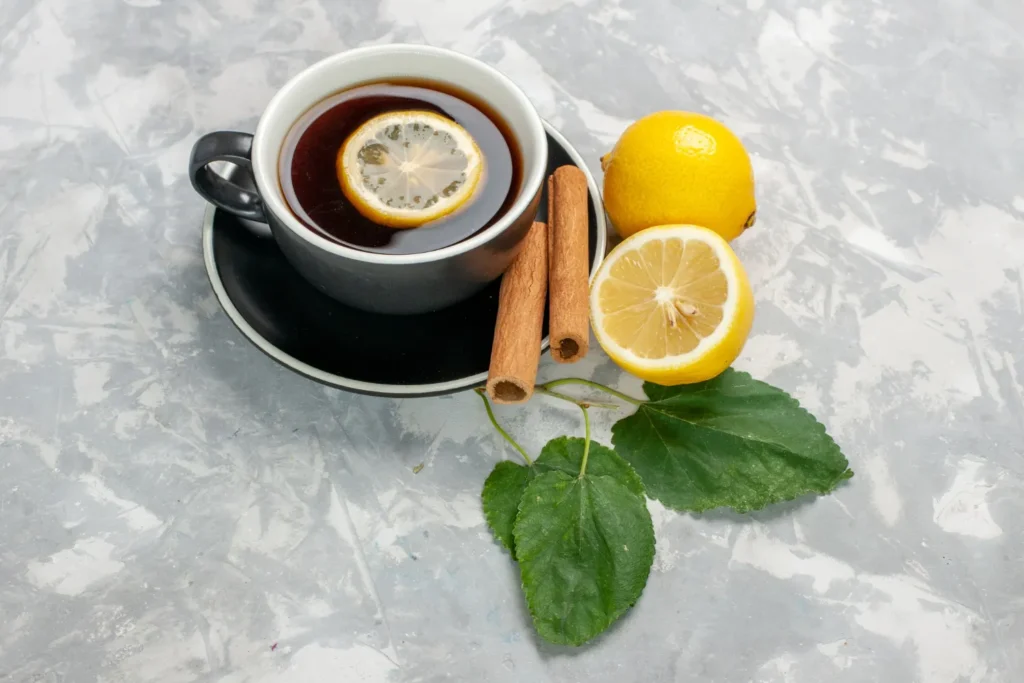
Are you trying to figure out your morning energy boost? Many of us rely on a warm mug to start the day. But exactly how much lipton tea caffeine are you actually consuming? You might be surprised by the actual numbers. As a doctor, I frequently see patients struggling with hidden stimulants in their daily diets.
They often wonder if their afternoon iced drink is causing their midnight tossing and turning. Understanding exactly what you drink is crucial for better sleep and overall health. Therefore, we need to break down the exact amounts found in different blends.
We will explore everything from classic black varieties to refreshing iced options. Let us dive into the facts so you can make smarter choices for your daily hydration and energy needs.
TL;DR: Quick Overview
- Classic black brew: Roughly 40 to 50 milligrams per cup.
- Green leaf varieties: About 25 to 35 milligrams per serving.
- Cold iced drinks: Varies widely from 15 to 30 milligrams.
- Coffee comparison: A standard coffee has about 95 milligrams, which is much higher.
- Decaffeinated options: These still contain trace amounts, usually around 2 to 5 milligrams.
Does This Popular Beverage Keep You Awake?
First of all, you might wonder if this famous brand naturally contains stimulants. The short answer is an absolute yes. Most traditional blends you buy at the grocery store pack a stimulating punch.
They all originate from the Camellia sinensis plant. This specific botanical naturally produces stimulating compounds to protect its leaves from environmental threats. Consequently, any drink brewed from these leaves will transfer that exact energy directly into your cup.
You will only avoid this stimulation if you specifically purchase a decaffeinated box. However, the actual concentration varies wildly based on how you choose to prepare it at home.
Furthermore, steeping time heavily influences the final strength of your morning mug. Water temperature also plays a massive role in the chemical extraction process. Let us look much closer at the specific numbers you can expect.
Amount Per Serving Table
You probably want the hard numbers right away. I always tell my clinical patients to track their daily intake using simple, easy-to-read charts. Here is a handy breakdown of typical amounts you might encounter.
| Drink Variety | Expected Amount Per Cup |
| Classic Black (Yellow Label) | 40–50 mg |
| Standard Green | 25–35 mg |
| Bottled Iced | 15–30 mg |
| Decaffeinated | 2–5 mg |
Keep in mind that these specific numbers represent standard, everyday brewing methods. If you leave the pouch in the hot water longer, the numbers will inevitably climb higher.
Conversely, a quick dunk yields a much milder result in your cup. Therefore, you must always factor in your unique preparation habits when calculating your daily totals.
How Much is in a Standard Bag?
You might be holding a standard paper pouch right now. You are probably asking yourself about the exact lipton tea bag caffeine levels. Generally, one single pouch of the dark variety holds roughly 40 to 50 milligrams.
But why is there a broad range instead of one exact number? Because your kitchen preparation matters immensely. First, boiling water forcefully pulls out more active compounds than merely warm water.
Also, steeping the pouch for five minutes creates a significantly stronger drink than steeping for only two minutes. In addition, the physical size of your favorite mug directly changes the liquid concentration.
For example, a massive travel mug might require you to use two pouches at once. As a result, you must double the estimated intake to get an accurate measurement. I always remind my patients to measure their actual mug sizes.
Traditional Black Varieties Explained
This is the most common yellow box you see on supermarket shelves globally. The classic dark brew undergoes full, intense oxidation during the manufacturing phase. This specific process turns the raw leaves dark and rich in flavor.
As a result, the leaf retains a very solid dose of natural stimulants. You can expect about 40 to 50 milligrams per standard eight-ounce serving. This makes it a truly fantastic morning pick-me-up without the harsh jitters of stronger drinks.
What about the famous international Yellow Label? Yes, this iconic global blend is fully caffeinated just like the rest. It sits comfortably right in that moderate 45-milligram range.
It provides a steady, reliable source of gentle alertness for your busy workday. I often recommend this exact switch to patients trying to step down from heavy, acidic espresso habits. It gives you a necessary lift, yet spares your adrenal system from sudden spikes.
Green Varieties and Smooth Energy

Maybe you prefer a lighter, grassier flavor profile in your mug. The green options entirely skip the heavy oxidation process during production. Consequently, they offer a completely different chemical makeup and taste profile.
A typical serving yields about 25 to 35 milligrams of mild stimulation. This is significantly lower than the dark blends we previously discussed. But the real physiological magic lies in a unique amino acid called L-theanine.
L-theanine actively crosses the human blood-brain barrier after you drink it. It heavily promotes relaxation without causing any unwanted drowsiness. When combined with mild stimulants, it creates a highly unique state of calm focus.
Therefore, you get productive energy without the typical anxious, sweaty crash. Many of my clinical patients report feeling much more balanced when switching to this green alternative. It remains an excellent, healthy choice for afternoon hydration.
Iced Options: Sweetened vs Unsweetened
Summer months bring massive cravings for cold, refreshing pitchers in the fridge. But do these chilled, sugary beverages keep you awake at night? Yes, they absolutely do carry hidden stimulants.
A standard glass of unsweetened cold brew contains about 20 to 30 milligrams. Bottled versions purchased directly from the convenience store often fall right into this same moderate category.
What about the popular fruity flavors? Does adding peach or lemon flavor somehow change the chemical equation? The artificial or natural fruit flavoring itself contains zero stimulants.
However, the base leaf mixture underneath the flavor still absolutely does. You can expect about 20 to 25 milligrams in a peach-flavored glass. The lemon varieties generally hover around 20 to 30 milligrams as well. Always read the nutrition label closely.
Comparison: Your Morning Mug vs Coffee
How does your afternoon steep actually compare to a trip to the local barista? This is a crucial, vital comparison for actively managing your daily intake. A standard dark steep offers roughly 40 to 50 milligrams.
In stark contrast, a basic eight-ounce drip coffee delivers roughly 95 milligrams. That is nearly double the intense stimulation in the exact same volume of hot liquid.
Furthermore, traditional coffee completely lacks the smoothing, calming effect of L-theanine. This chemical difference explains exactly why dark espresso often causes immediate, uncomfortable jitters. The leaf-based alternative naturally provides a much slower, gentler incline in human energy.
If you currently suffer from daily acid reflux, the lighter alternative is also much less acidic. I frequently transition my older gastrointestinal patients entirely away from heavy, dark roasts. The milder steep actively protects their sensitive stomach lining while keeping them awake.
Medical Perspective: How the Stimulant Works
Let us briefly look at the actual complex biology happening inside your body. The active compound works by aggressively blocking adenosine receptors in your central brain. Adenosine is a natural chemical that simply makes you feel tired.
By blocking these specific neurological receptors, your brain forcefully stays alert. Consequently, your resting heart rate might increase slightly after drinking. Your peripheral blood vessels can constrict, which sometimes actively helps alleviate migraine headaches.
As a physician, I closely monitor how these exact compounds interact with the human nervous system. The beautiful thing about steeped leaves is the notably gradual absorption rate. The heavy polyphenols in the drink actively slow down the digestive release.
As a result, you successfully avoid the sudden blood concentration spikes associated with canned energy drinks. You get a highly sustained, deeply manageable alertness that lasts for several consecutive hours. It is a much smoother physiological ride.
Evidence-Based Health Effects
We must carefully discuss the broader, long-term health implications of your daily habit. When consumed responsibly, these drinks offer truly fantastic, documented health benefits. They are absolutely packed with powerful, protective antioxidants called flavonoids.
These specific antioxidants actively fight dangerous cellular damage throughout your entire body. Regular, daily consumption is strongly linked to improved, robust cardiovascular health. It can even actively help support healthy resting blood pressure over several years.
However, excessive, daily intake brings very obvious, documented clinical risks. Drinking too many warm cups can easily trigger severe, frustrating insomnia. It might also heavily provoke latent anxiety in highly sensitive individuals.
Furthermore, the natural tannins found in the leaves can severely inhibit dietary iron absorption. If you currently have clinical anemia, you should never drink it alongside heavy iron-rich meals. Always separate your warm beverage from your primary iron sources by at least one full hour.
Daily Limits and Who Should Avoid
How much is actually medically safe to consume every single day? The Food and Drug Administration sets a very clear, scientifically backed upper limit. Most healthy, average adults can safely handle 400 milligrams daily.
That equates to roughly eight standard cups of the classic dark blend. However, I rarely, if ever, recommend drinking that massive volume. Four to five cups are usually the optimal, safest maximum for overall human wellness.
Certain vulnerable populations must be extremely cautious with their daily pouring. Pregnant individuals should strictly and carefully limit their total intake. The American College of Obstetricians and Gynecologists strictly recommends staying well below 200 milligrams daily.
Children and developing adolescents should generally avoid these powerful stimulants entirely. Additionally, patients with severe clinical anxiety disorders or chronic insomnia must monitor their consumption carefully. Always directly consult your personal doctor regarding your specific, unique dietary needs.
Frequently Asked Questions
How much stimulation is in a standard pouch?
You can reliably expect about 40 to 50 milligrams for the classic dark variety. This amount changes heavily based on exactly how long you let it sit in the hot water.
Is this brand stronger than regular coffee?
No, it is significantly weaker than your average roast. A standard eight-ounce coffee contains roughly 95 milligrams, which is about double the amount found in this steeped beverage.
Are there completely decaffeinated options available?
Yes, you can easily buy specifically labeled decaf boxes at the store. However, remember that decaf is never completely pure; it still contains trace amounts around 2 to 5 milligrams.
Do the green varieties contain any stimulants?
Yes, they absolutely do contain active stimulants. They simply contain a noticeably lower dose. You will typically consume about 25 to 35 milligrams per cup, beautifully paired with calming amino acids.
Does the bottled cold version keep you awake?
Yes, it certainly will, unless the bottle explicitly says caffeine-free on the front. Regular and sweet fruit-flavored cold versions generally contain between 15 and 30 milligrams per standard serving.
Conclusion
In summary, managing your daily energy levels requires knowing exactly what is swimming in your glass. We have thoroughly covered the varying amounts across several incredibly popular blends. You now fully know that dark varieties pack the absolute biggest punch.
We also learned that bright green options offer a much smoother, lower-dose alternative. Even the cold, refreshing fruity pitchers contain moderate amounts of totally hidden stimulation. Therefore, you must remain highly mindful of your daily afternoon pouring habits.
As a medical professional, I always heavily encourage daily moderation and strict self-awareness. Pay close attention to exactly how your body actively reacts to your morning mug. Adjust your personal brewing times and specific water temperatures to perfectly suit your personal tolerance levels.
Remember that a warm decaf cup is an excellent, safe choice for evening relaxation. By thoroughly understanding your Lipton tea caffeine intake, you can safely enjoy your favorite warm drinks. You can do this without ever sacrificing your precious sleep or your long-term health.
Evidence-Based References:
- PubMed — Effects of Tea (Camellia sinensis) or its Bioactive Compounds l-Theanine or l-Theanine plus Caffeine on Cognition, Sleep, and Mood in Healthy Participants: A Systematic Review and Meta-Analysis of Randomized Controlled Trials
- PubMed — Caffeine in tea Camellia sinensis–content, absorption, benefits and risks of consumption
- FDA — Spilling the Beans: How Much Caffeine is Too Much?
- PubMed — Caffeine and theobromine levels in selected Nigerian beverages
- PubMed — Assessment of caffeine exposure: caffeine content of beverages, caffeine intake, and plasma concentrations of methylxanthines
Related Posts



Subscribe for New Racipies
Get mental health tips, updates, and resources delivered to your inbox.
In an Instagram Minute

Just when I though May was busy, then came June. I have not had much time to breathe yet. Every weekend has been taken up by family events. The most important one being my daughter’s birthday. So of course I was busy making treats for her. Here is what I have been doing for those that don’t follow my on Instagram.

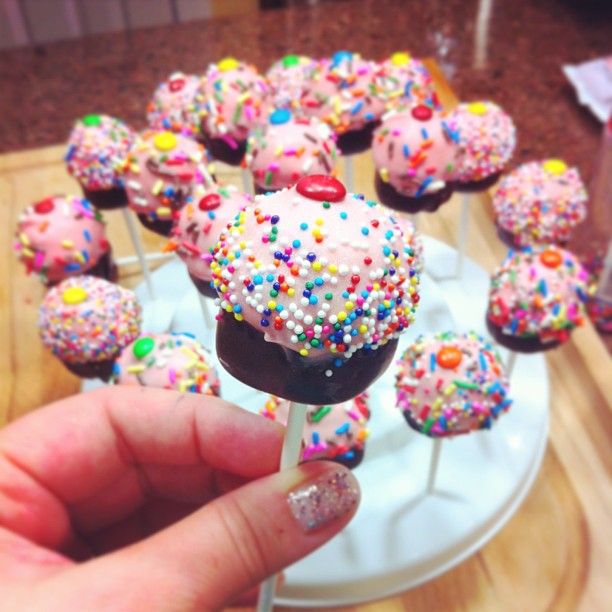
First up were some treats for her party at school. I made some cookie dough cupcake pops. You can find the recipe and the how-to here.

Then I made some cupcakes fop her party at a miniature golf place with her friends and cousins. I just used a Funfetti cake mix and made some buttercream frosting. I used some green candy melt to make the leaves. I drew the leaves on a wax paper and then peeled them off when the candy melt set.

Pink and green glittery sprinkles added the final touch. My daughter thought they were pretty, which is not bad considering she mostly likes boys stuff and her favorite color is blue.

When I asked her what she wanted on her cake for the family party we were having after her friend’s party, she said she wanted an outer space theme. Yes, leave it to my daughter to make my life challenging. She has a fascination with outer space, planets, constellations, and stars ever since Santa brought her the Children’s Atlas of the Universe two years ago.

I didn’t want to disappoint her, so I racked my brain for a way to make it work. For the frosting, I bought a can of blue frosting and added some black frosting to it to make it darker. I swirled on some extra black frosting to give the cake more dimension and brushed on some edible glitter dust for added effect.
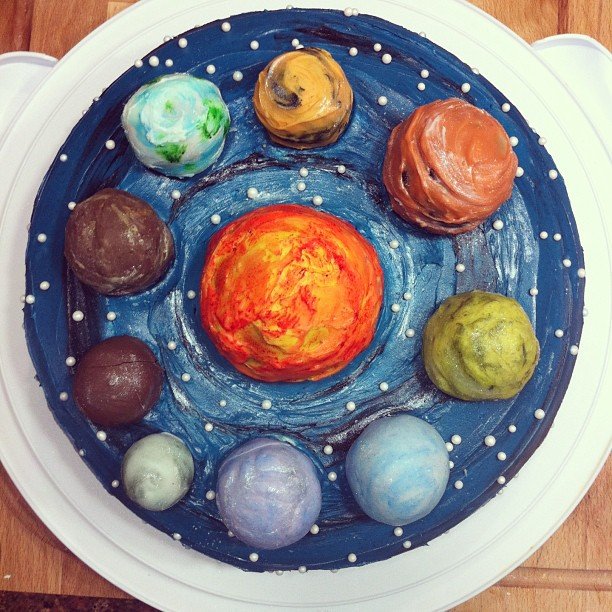
For the planets, I used an Oreo and cream mixture to form the balls. Then dipped them in candy melt and painted on them with gel food coloring. They were not the best looking things, but not bad for someone who does not do cake decorating for a living. My daughter was pretty impressed and thrilled that she had planets on her cake.
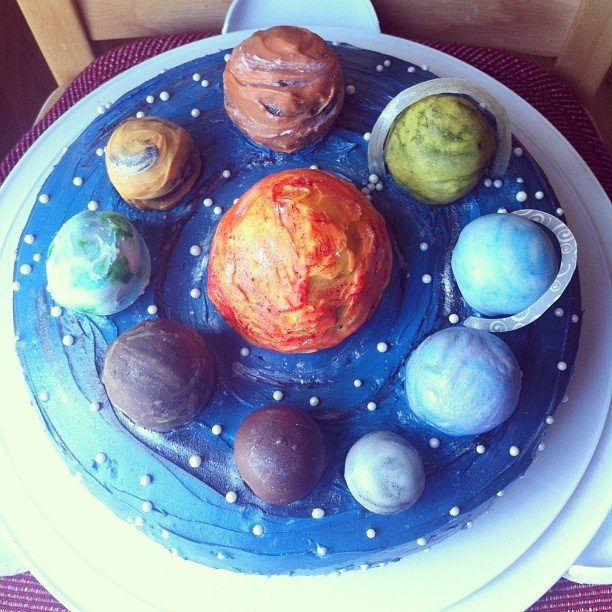
Of course, when she saw me adding the little pearl balls for the stars, she asked me to make some constellations. Seriously? I just busted my hump making these planets. Sheesh! I did try to make some, but it wasn’t really that easy. Those little pearl candies are very slippery creatures. I also couldn’t find a way to make edible rings for the planets, so I had to resort to vellum paper from my scrapbooking stash. Other than that everything was edible.

The inside was a just a white cake (from a box) that I filled with some homemade dulce de leche and strawberries. I got lots of props on the cake the day of the party. I was able to make it all the way through to the blowing out of the candles when out of nowhere, I got slammed with a stomach virus. I had to quietly slip away from the party and spent the rest of the day in bed. Not cool.

At least this time, the virus did not cause me to pass out face first and smash up my face. But it did put a kink in my Father’s Day plans. I was not able to indulge in all the yummy food my mom made for brunch.
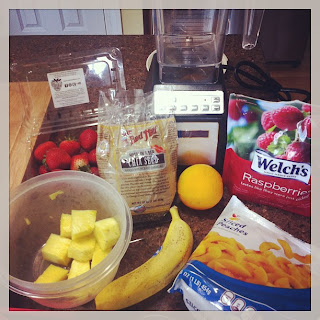
Now I am almost back to my regular eating. I am trying to keep it healthy. But I am dying to get back to baking some yummy treats. Next week is my last week of work, after that I will have more free time to do the things I love. So stay tuned!
Related Posts


Subscribe for New Racipies
Get mental health tips, updates, and resources delivered to your inbox.