
Bang Energy Drink Caffeine: 300 mg per Can, Explained

Medically reviewed by Dr. Aris Thorne Updated Date: May 13, 2026
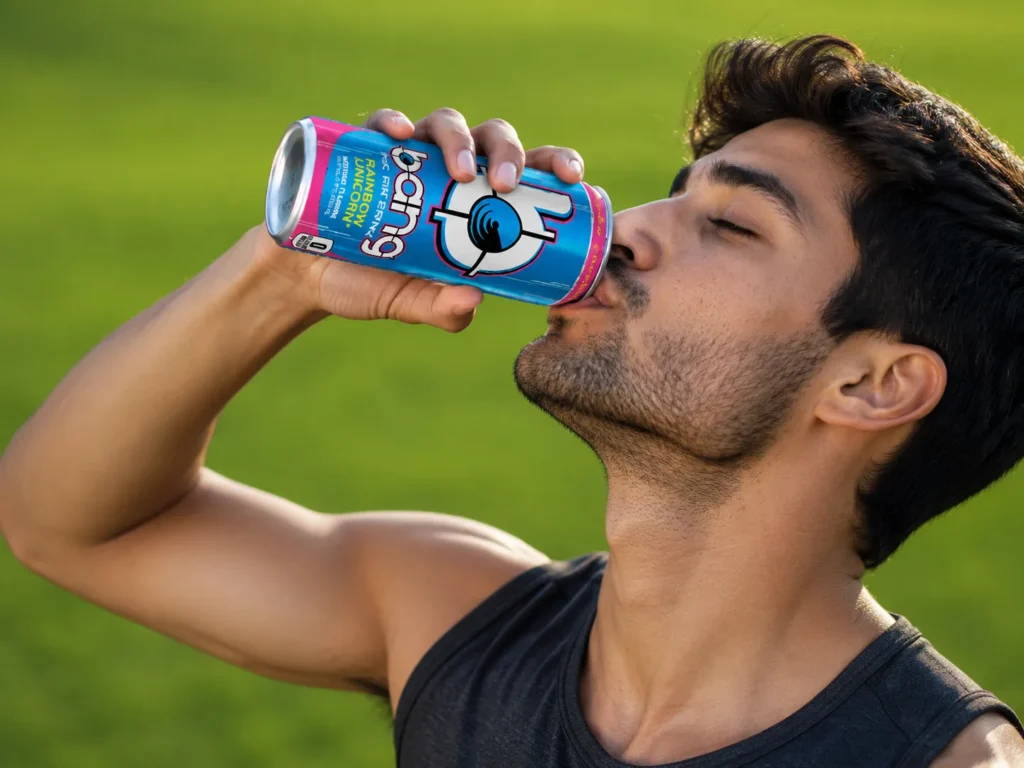
As Dr. Amelia Vance, I frequently work with patients who use pre-workout beverages and energy drinks to boost performance, often without fully understanding their stimulant content. One of the most common questions I hear is about Bang energy drink caffeine, especially from gym-goers who assume these drinks are harmless performance enhancers.
Many people grab these brightly colored cans without ever reading the nutrition label or calculating their total daily caffeine intake. That can become dangerous when these beverages are combined with coffee, pre-workout powders, or other stimulants. To safely track your personal limits, try our caffeine calculator by weight and age.
Recently, I treated a young athlete who came into my clinic experiencing severe heart palpitations, anxiety, and sleep disruption. After reviewing his routine, we traced his symptoms back to daily consumption of high-caffeine energy drinks.
Research confirms energy drinks can significantly impact cardiovascular function, including increased heart rate and blood pressure, according to peer-reviewed studies in the Journal of the American Heart Association.
He was shocked to learn how quickly caffeine levels can add up.
Excessive stimulant intake can place unnecessary stress on your cardiovascular system, nervous system, and sleep health. The FDA recommends healthy adults limit caffeine to 400mg daily—roughly four cups of coffee.
In this guide, I’ll break down Bang energy drink caffeine levels, compare them to other popular beverages, and explain the potential side effects and safety limits you should understand before reaching for another can.
TL;DR: Quick Overview
- A standard 16 oz can delivers a massive 300 mg of powerful, synthetic stimulants.
- That equals roughly three average cups of home-brewed coffee consumed in one single sitting.
- This amount pushes dangerously close to the maximum daily safety limit for healthy adults, per FDA guidance.
- Medical professionals strongly advise against use during pregnancy, by young teens, or by sensitive individuals.
- High doses frequently trigger severe jitteriness, rapid heart rates, and deep sleep disruption.
The Direct Answer on Stimulant Levels
If you want a straightforward answer, the biological numbers are quite staggering. A standard 16 oz can contains precisely 300 mg of active, highly refined stimulants. Consequently, it ranks as one of the absolute strongest commercial beverages currently available on shelves. For perspective, compare this to Reign’s caffeine content or Monster Zero Sugar.
To put this into perspective, you are consuming a massive dose in just a few quick gulps. Therefore, it requires much more physiological respect than a casual afternoon soda. Furthermore, this extreme concentration is specifically engineered for intense physical performance, not casual daily sipping.
Per-Can Content and Detailed Breakdown
Understanding the exact ratio per ounce helps you manage your total intake safely. When you drink a full 16 oz can, you ingest the entire 300 mg chemical dose. This mathematically breaks down to roughly 18.75 mg of active stimulant per fluid ounce. Try our general caffeine calculator to visualize how this fits your daily budget.
As a result, even drinking half a can delivers a very potent 150 mg cardiovascular kick. Many people mistakenly treat these tall cans like standard sodas and finish them incredibly rapidly. Unfortunately, this rapid consumption floods your central nervous system with stimulants incredibly fast.
The Reason Behind the 300 mg Formulation
You might wonder why a beverage company would formulate such a dangerously high-dose product. First of all, these drinks are heavily marketed toward serious gym-goers and extreme fitness enthusiasts. They are specifically designed to dramatically increase alertness and push physical performance to the absolute limit.
To achieve this intense effect, the brand utilizes highly processed synthetic anhydrous caffeine. This specialized powder absorbs into your bloodstream much faster than natural, organic coffee bean extracts, according to pharmacokinetic research. Consequently, it creates an immediate, aggressive surge of physical energy that serious athletes constantly chase.
Exploring the Key Ingredients
Looking past the primary stimulant, the ingredient list reveals a highly complex chemical cocktail. You will find branched-chain amino acids (BCAAs) heavily advertised on the bright, colorful packaging. These specific amino acids are theoretically included to support rapid muscle recovery after strenuous physical exercise.
Additionally, the formula contains CoQ10, a very popular compound linked to basic cellular energy production. However, it also relies heavily on artificial sweeteners like sucralose to maintain a strict zero-calorie profile. Therefore, you are consuming a highly engineered, synthetic product rather than a whole-food, natural energy source.
Are There Any Zero-Stimulant Options
Many anxious patients ask me if they can enjoy these unique flavors without the massive energy jolt. Generally speaking, no, the standard cans you find everywhere are heavily and unapologetically caffeinated. The brand built its entire global reputation on delivering extreme, intense physical energy.
While the company occasionally tests zero-stimulant product lines, they are incredibly hard to find locally. Therefore, you should always assume that iconic colorful can packs a massive neurological punch. Always read the back label meticulously if you are highly sensitive to strong cardiovascular stimulants.
Flavor Formulations and Chemical Consistency
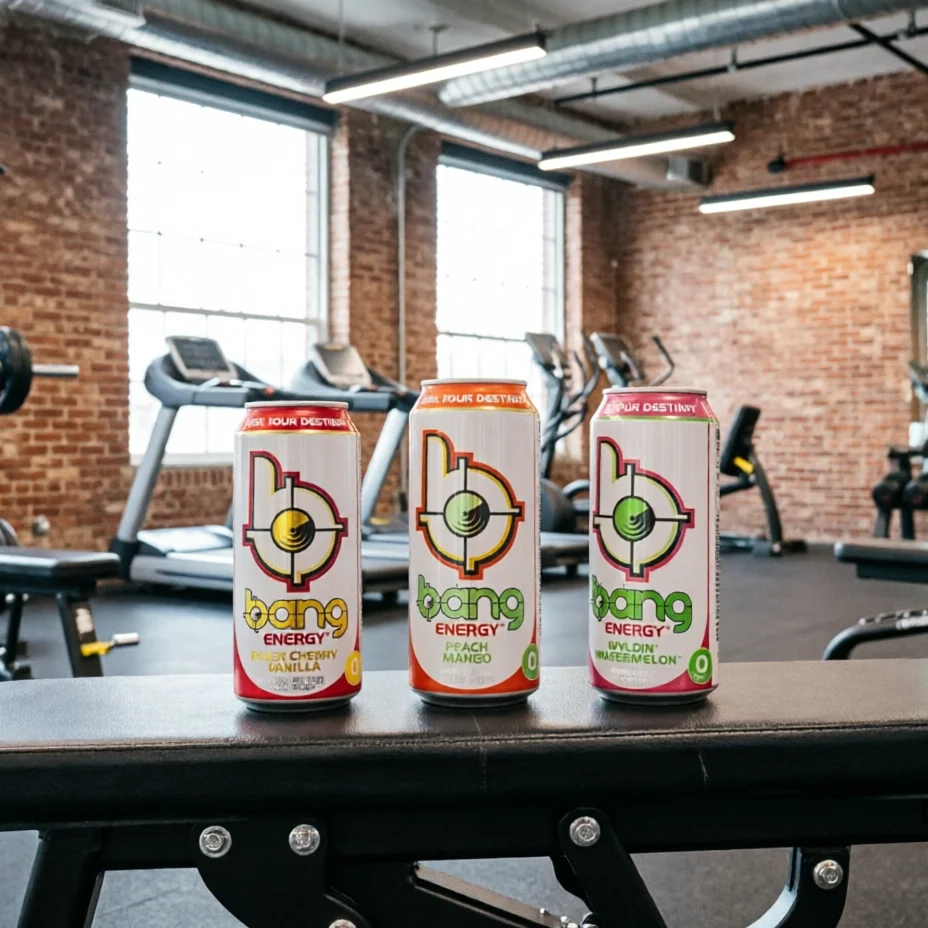
People often assume that fruity or lighter flavors might contain a slightly milder stimulant dose. This is a very dangerous assumption to make when standing in the convenience store aisle. Whether you choose the grape flavor or the peach mango, the chemical formulation remains completely identical.
Every single standard 16 oz can delivers that exact same 300 mg physiological hit. The company uses a perfectly standardized base formula and simply swaps out the artificial flavoring agents. Consequently, you cannot escape the intense cardiovascular impact just by picking a lighter-tasting, fruity flavor.
Comparing Formulations Against Industry Giants
Let us look closely at how this product stacks up against other massive industry giants. A standard 16 oz green Monster Energy drink contains roughly 160 mg of active stimulants. In stark contrast, our main subject delivers a whopping 300 mg in the exact same physical volume. See how Red Bull compares or explore Celsius caffeine content.
Therefore, you are consuming nearly double the stimulant load when you make the brand switch. Many young adults do not realize this massive difference and consume them at the same rapid pace. This sheer lack of awareness frequently leads to terrifying emergency room visits for sudden, uncontrollable heart palpitations. The American Heart Association warns that energy drinks may increase risk of heart function abnormalities.
Reign vs The 300 mg Standard Formulation
Another massive competitor in the ultra-high energy space is Reign Total Body Fuel. When we critically compare these two specific brands, the stimulant levels are actually completely identical. Both massive companies engineer their 16 oz cans to hit that absolute 300 mg legal limit.
Consequently, both popular products cater to the exact same extreme, high-performance fitness demographic. They both utilize fast-acting synthetic anhydrous powders and heavily promote added muscle-building amino acids.
From a strictly medical perspective, they carry the exact same cardiovascular risks and stringent safety warnings. For a broader view, check which energy drink has the most caffeine.
Medically Safe Daily Limits
As a public health specialist, I rely heavily on federal safety guidelines to properly advise patients. The Food and Drug Administration states that up to 400 mg daily is generally safe for healthy adults. However, consuming one single can puts you at an astonishing 75% of your total daily allowance instantly.
Therefore, if you drink just one can, you must aggressively restrict all other dietary stimulant sources. Drinking a simple cup of black coffee later in the afternoon will push you into the danger zone. Exceeding this 400 mg physiological threshold routinely leads to severe chronic health complications over time. The NIH Office of Dietary Supplements provides a comprehensive caffeine fact sheet for deeper guidance.
Recognizing Severe Overconsumption Side Effects
When you consume a massive dose too quickly, your biological body reacts with sheer physiological panic. The most common immediate side effect is an uncomfortable, highly irregular, and racing heart rate. Similarly, you will likely experience intense jitters, making it incredibly difficult to hold your hands completely steady.
Furthermore, this massive chemical surge frequently triggers profound clinical anxiety and a feeling of impending doom. Later in the evening, this same heavy chemical load will violently disrupt your natural sleep architecture.
Evening caffeine consumption can delay the human circadian melatonin rhythm, impacting sleep quality, according to sleep medicine research. Chronic sleep disruption ultimately ruins your baseline metabolic health and destroys your natural, vital immune system.
High-Risk Groups Who Must Avoid These Drinks
Certain vulnerable individuals absolutely must avoid these extreme formulations for their own physical safety. First, pregnant or nursing individuals should never consume anywhere near 300 mg in one single sitting. High stimulant doses can dangerously restrict vital, life-sustaining blood flow to the rapidly developing fetus.
Additionally, teenagers and young children severely lack the neurological maturity to process this massive chemical load. The CDC notes energy beverages are associated with health concerns including dehydration, irregular heartbeat, and insomnia in youth.
Furthermore, anyone with a pre-existing heart condition or severe clinical anxiety disorder must stay far away. Consuming these products can easily trigger a terrifying, life-threatening medical emergency for these highly vulnerable populations.
Research highlights increased risks of anxiety, agitation, and cardiovascular events in adolescents consuming energy drinks, per Pediatrics journal findings.
The Biological Mechanism of Action
To truly understand the extreme danger, we must look at the underlying biological mechanisms at play. When you consume these beverages, the active molecules quickly block your brain’s natural adenosine receptors.
Adenosine is the exact chemical that naturally tells your physical body it is time to feel tired. Caffeine’s primary mechanism is antagonism of adenosine receptors, maintaining neuronal excitability, according to pharmacology literature.
By aggressively blocking these specific receptors, your brain artificially stays in a state of extreme high alert. Simultaneously, this chemical blockade triggers a massive, sudden release of dopamine and adrenaline into your bloodstream. This primal survival response forcefully raises your resting blood pressure and accelerates your breathing rate instantly.
The Reality of Single-Dose Toxicity
For the vast majority of normal, healthy people, yes, this is simply too much at once. Consuming this massive synthetic dose in under thirty minutes violently shocks your fragile central nervous system. Your body is not biologically designed to safely process that much synthetic stimulation simultaneously.
Consequently, it easily and quickly overwhelms your natural physiological tolerance levels. This rapid chemical flooding is exactly what triggers unexpected panic attacks and severe, frightening chest tightness. Therefore, I always highly recommend sipping these specific beverages incredibly slowly over several hours if you must drink them.
Evaluating the Physical Performance Claims
Many serious athletes absolutely swear by these products for their intense, grueling weightlifting sessions. Evidence-based sports science does indeed show that targeted stimulant use improves short-term muscular endurance significantly.
Furthermore, it undeniably sharpens deep mental focus during complex, incredibly heavy physical lifts. For pre-workout context, see how C4 caffeine content compares.
However, these temporary physical benefits are highly dose-dependent and completely individual to the user. More is not always better when it comes to central nervous system manipulation and artificial stimulation. Eventually, the severe negative side effects completely cancel out any temporary, fleeting gains in the weight room.
Long-Term Consequences of Heavy Use
My absolute biggest clinical concern is the long-term biological impact of chronic, high-dose consumption. Drinking these extreme performance beverages daily severely strains your entire cardiovascular system over extended time. Your precious heart is forced to work constantly in an artificially elevated, highly stressed state.
Additionally, your adaptable brain quickly builds a massive chemical tolerance to the powerful synthetic ingredients. Genetics play a role in individual variability in caffeine consumption and responses, according to genomic research.
Eventually, you will actually need a full can just to feel completely normal and function at your desk job. This terrifying chemical dependence leads to agonizing withdrawal headaches and profound lethargy when you finally try to quit.
Research supports caffeine use disorder as a valid clinical concern with heritable components, per the Journal of Caffeine Research.
Daily Consumption Safety Warnings
Because of these severe and documented risks, I strongly advise against making these drinks a daily habit. They place an incredibly unnatural, heavy burden on your fragile adrenal glands every single morning. Your physical body simply cannot sustainably maintain that extreme level of artificial output forever.
Instead, you should treat them strictly as an occasional tool for incredibly extreme situations. Perhaps strategically use them for a grueling athletic competition or a uniquely demanding physical task. They should never securely replace proper sleep or natural dietary energy sources in your daily routine.
Healthier Alternatives for Sustained Energy
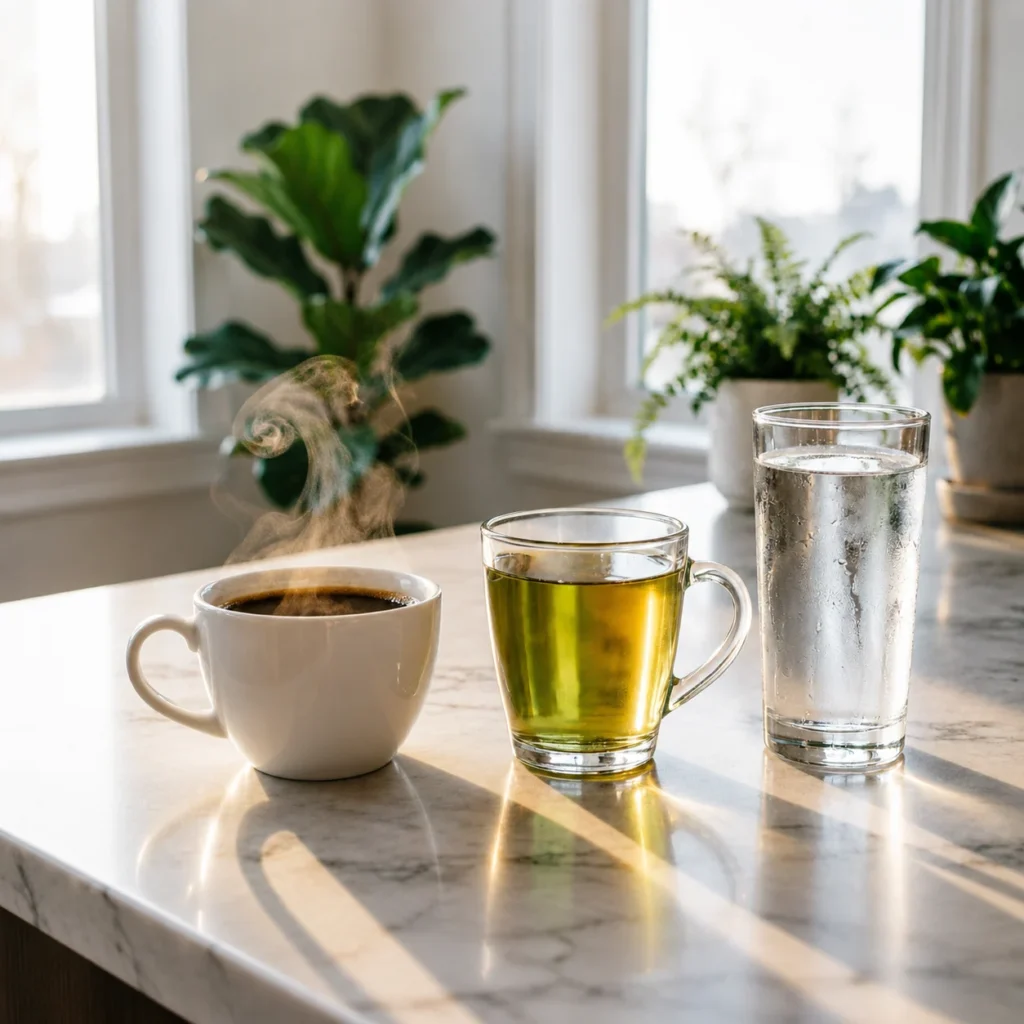
You can easily achieve excellent daily energy without risking your long-term cardiovascular health. The absolute best alternative remains standard black coffee, which contains highly protective natural antioxidants. If you want something much cooler, natural green tea provides a beautifully smooth, completely jitter-free mental lift.
Furthermore, optimizing your basic cellular hydration works absolute wonders for battling chronic daytime fatigue. Simply drinking plenty of water and getting eight hours of sleep will drastically transform your daily life. You absolutely do not need extreme, synthetic chemicals to feel incredibly vibrant and highly productive.
Commercial Availability and Purchasing Locations
If you are still looking to carefully try these products, they are incredibly easy to find locally. Almost every major grocery store chain heavily stocks them in their dedicated, brightly lit beverage aisles. Additionally, local convenience stores and massive gas stations carry a very wide variety of popular flavors.
Furthermore, you can easily buy them in massive bulk cases from major online retailers for a discount. Just remember to read the back labels carefully and monitor your total daily stimulant intake very closely.
Frequently Asked Questions
How much caffeine is in Bang Energy drink?
A standard 16-oz Bang Energy can contains exactly 300 mg caffeine. That’s a potent dose—designed for intense workouts, not casual sipping. It uses synthetic anhydrous caffeine for fast absorption. Track your total daily intake carefully. One can nearly hits the FDA’s 400 mg limit. Small awareness prevents jitters, anxiety, or sleep loss. Your body deserves mindful fueling.
Is this beverage significantly stronger than a Monster?
Yes—Bang packs 300 mg caffeine. A standard 16-oz Monster has about 160 mg. That’s nearly double the stimulant load. Higher caffeine means higher risk for jitters, palpitations, or crashes. Know your tolerance before choosing. Read labels, not just marketing. Your nervous system responds to milligrams—not flavors or logos. Choose wisely.
Can you safely consume these high-stimulant drinks every day?
Medical professionals advise against daily Bang consumption. 300 mg daily pushes close to the FDA limit—leaving little room for coffee, tea, or meds. Risks include sleep disruption, adrenal fatigue, or dependency. Occasional use may be fine for healthy adults. But long-term daily reliance? That’s a red flag. Prioritize sustainable energy sources.
Are these extreme performance beverages considered safe?
For healthy adults, Bang is safe in strict moderation. One occasional can fits within guidelines. But exceeding limits raises risks: rapid heart rate, severe anxiety, or palpitations. If you have heart conditions, anxiety, or take medications, talk with your provider first. Safety isn’t just about caffeine—it’s about your unique health picture.
Do the lighter fruit flavors contain less stimulation?
No—all standard Bang flavors contain the same 300 mg caffeine base. Whether it tastes like fruit, candy, or dessert, the stimulant load stays identical. Flavor changes don’t reduce caffeine. Always check the label before sipping. Track your total daily intake across all sources. Mindful choices support steady, calm energy throughout your day.
Conclusion
In conclusion, safely navigating the modern beverage market requires a deep understanding of basic nutrition and pharmacology. As a medical professional, I constantly urge my patients to carefully read labels and deeply respect their biological limits.
Knowing the exact truth about Bang Energy drink caffeine is the absolute first step toward responsible consumption. A massive 300 mg dose is not a casual morning treat; it is a powerful, system-altering physiological intervention.
While these drinks certainly deliver on their loud promise of extreme alertness, that intense energy comes at a very real cost. Pushing your cardiovascular system to its absolute limits daily will eventually cause severe, irreversible long-term damage.
You must always balance your desire for peak physical performance with the undeniable need for safe, sustainable metabolic health.
If you choose to consume these powerful products, do so with immense caution and deep respect for the chemical load. Never aggressively mix them with other stimulant sources, and always prioritize your natural sleep architecture above all else.
Ultimately, true, lasting daily energy comes from a perfectly balanced diet, deep cellular hydration, and highly consistent rest. Stay fully informed, listen closely to your body’s vital signals, and always prioritize your long-term health and wellness.
Evidence-Based References:
- U.S. Food and Drug Administration: Spilling the Beans: How Much Caffeine is Too Much? https://www.fda.gov/consumers/consumer-updates/spilling-beans-how-much-caffeine-too-much
- National Institutes of Health Office of Dietary Supplements: The Use and Biology of Energy Drinks https://ods.od.nih.gov/news/EnergyDrinksWorkshop2013.aspx
- American Heart Association: Energy drinks may provide jolt to heart, blood pressure https://www.heart.org/en/news/2019/05/29/energy-drinks-may-provide-jolt-to-heart-function-blood-pressure
- Centers for Disease Control and Prevention: Caffeine & Youth Nutrition https://blogs.cdc.gov/nchs/2014/02/19/2035/
- Journal of the American Heart Association: Caffeine Consumption and Cardiovascular Risks https://www.ahajournals.org/doi/10.1161/JAHA.115.003089
- Sleep Medicine Reviews: Caffeine Effects on Sleep Timing https://www.sciencedirect.com/journal/sleep-medicine-reviews
- Pharmacology & Therapeutics: Caffeine Mechanisms of Action https://www.sciencedirect.com/science/article/abs/pii/S0003996908002549
- Nature Genetics: Genetic Variability in Caffeine Metabolism https://www.nature.com/articles/ng.3309
- Journal of Caffeine Research: Caffeine Use Disorder https://journals.sagepub.com/doi/abs/10.1089/jcr.2013.0016
- Pediatrics: Energy Drink Consumption in Adolescents https://publications.aap.org/pediatrics/article-abstract/127/3/511/64987/Health-Effects-of-Energy-Drinks-on-Children?redirectedFrom=fulltext
Related Posts

Subscribe for New Racipies
Get mental health tips, updates, and resources delivered to your inbox.
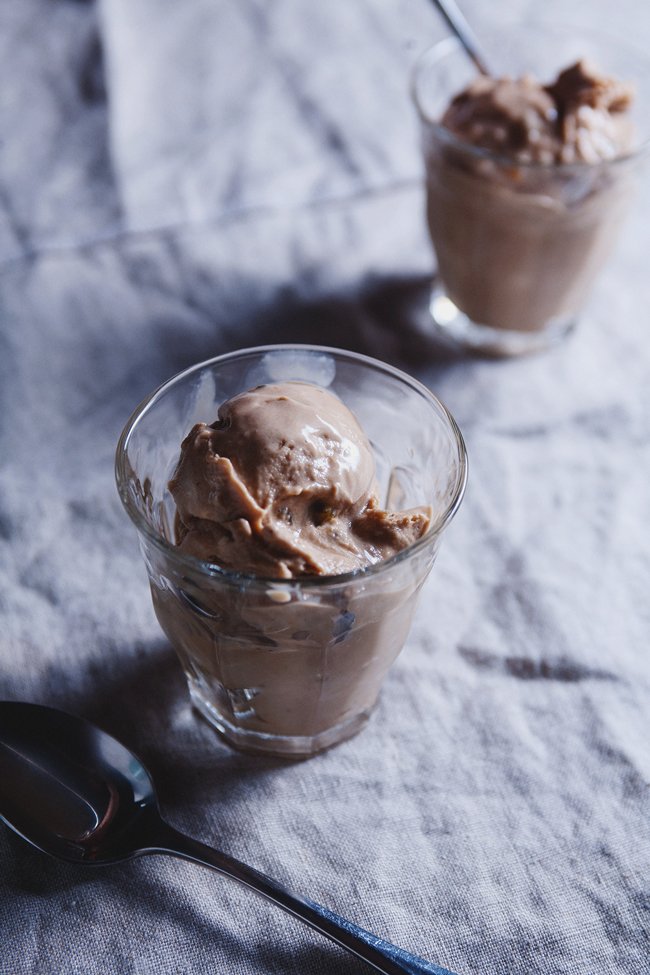
Melty Chai Ice Cream With Honeycomb

I am long overdue with a post, yet would you believe me if I told you that nothing I’ve cooked lately has turned out well?
There was a cauliflower gratin that drowned in too much cheese sauce, there was a papaya lassi that in theory sounded great, but in practice turned out bland and nothing, nothing, could fix it. There were blueberry scones that confirmed what I already knew: I don’t like scones. There was carnitas, which actually turned out wonderfully, but since I didn’t take any pictures, it’s like it never happened. Remind me to share it with you some time.
Do you ever have weeks like this? Weeks where all your efforts seem in vain, where you can’t even make a batch of banana bread muffins without botching it somehow? (I forgot to mix the butter in until the very last minute. Oops.) These have been discouraging times.
I’ve finally hit upon a recipe that I like, a lot. It came out tasting the way I imagined, pretty much perfect, and I’m actually excited that there’s quite a bit left over in the fridge. Most importantly, it feels true to me. The only negative is that it’s really melty. But c’mon guys, it’s chai ice cream! And there’s honeycomb in it! Melty or not, it tastes pretty spectacular.
I thought I’d share. I need to share. I’m so tired of keeping all this frustration to myself, and I’m pretty sure you all understand. So with that caveat, plow ahead. I’m sure that with a little bit of tinkering, I’ll get it right. Plus, I think where I went wrong is that I didn’t freeze it long enough before churning it (try to refrigerate the custard overnight if you can).
Here’s the honeycomb. It hardens in the ice cream to about the consistency of cookie dough.

MELTY CHAI ICE CREAM WITH HONEYCOMB
Makes about 1 quart
Ingredients:
- 1-1/2 cups whole milk
- 1-1/2 cups heavy cream
- 2 Tbsp loose black tea leaves (such as assam)
- 3/8 to 1/2 tsp chai masala (recipe below)
- 1/2 cup + 2 Tbsp sugar
- 6 egg yolks
- about 1/2 pound honeycomb, cut into bite-sized pieces
- 1/2 tsp vanilla
Directions:
In a medium saucepan, bring milk and heavy cream to a simmer. Remove from heat. Place an infuser with the loose tea leaves and spices in the milk mixture and steep for about 20 minutes.
In a separate medium bowl, whisk the yolks and sugar until combined. Slowly add the milk mixture, whisking all the while. Return the mixture to the medium saucepan and turn the heat on to medium-low. Heat, stirring frequently, until the mixture coats the back of the spoon and swiping a finger through leaves a line. Stir in the vanilla and transfer to a container, covered with saran wrap. Store in fridge at least 4 hours, although overnight is optimal.
The next day, churn the ice cream according to your manufacturer’s instructions, adding the honeycomb towards the end. Freeze until the ice cream is at the consistency you like.
CHAI MASALA
Adapted from The Hathi Cooks
Will make more than you need, but you can keep it around and make chai whenever you feel like it. A little goes a long way.
Ingredients:
4 tsp ground black pepper
3 tsp ground ginger
1 tsp ground cinnamon
1 tsp ground cardamom
pinch nutmeg
Directions:
Combine and store in an airtight container.
Related Posts





Subscribe for New Racipies
Get mental health tips, updates, and resources delivered to your inbox.