
Is Salmon Safe for Acid Reflux?

Medically reviewed by Aneeza Pervez Updated Date: January 5, 2026

Salmon is a popular and nutritious fish, known for its high omega-3 fatty acid content and versatility in various dishes. However, for those who suffer from acid reflux or gastroesophageal reflux disease (GERD), questions arise about whether salmon is a safe option. Acid reflux can be triggered by certain foods, and understanding whether salmon fits into a reflux-friendly diet is essential for managing symptoms.
This article will explore the relationship between salmon and acid reflux, the potential benefits and risks of eating salmon, and how to prepare salmon in a way that minimizes discomfort. If you’re looking for a complete guide to enjoy salmon without triggering acid reflux, read on!
Is Salmon Acidic or Alkaline?
The acidity or alkalinity of foods is measured using the pH scale, where a pH below 7 is acidic, and a pH above 7 is alkaline.
- Salmon’s pH Level:
Salmon is slightly acidic, with a pH level ranging from 5.4 to 6.5, depending on whether it’s fresh, smoked, or canned. While it is not highly acidic, it is not completely neutral either. - Factors Affecting Salmon’s Acidity:
- Preparation Method: Cooking methods like grilling or baking do not significantly alter salmon’s acidity, but adding acidic marinades, lemon juice, or vinegar can increase its acidity.
- Accompaniments: Foods served with salmon, such as acidic sauces or sides, can contribute to the overall acidity of the meal.
In general, salmon is considered mildly acidic and is less likely to trigger acid reflux compared to highly acidic or spicy foods.
Is Salmon Safe for Acid Reflux?
Salmon is generally regarded as a reflux-friendly food due to its high protein content and low fat levels, especially when compared to fatty meats. However, the safety of eating salmon for acid reflux depends on several factors:
1. Nutritional Benefits of Salmon for Acid Reflux
- High in Protein: Protein-rich foods like salmon can help strengthen the lower esophageal sphincter (LES), which prevents stomach acid from flowing back into the esophagus.
- Omega-3 Fatty Acids: These healthy fats in salmon are anti-inflammatory and can help reduce irritation in the digestive system.
- Low in Saturated Fats: Unlike red meats or fried foods, salmon contains healthy fats that are less likely to trigger acid reflux.
2. Potential Risks of Salmon for Acid Reflux
While salmon itself is not a major trigger for acid reflux, certain preparations or pairings can make it problematic:
- Smoked Salmon: This version is often high in salt and may contain preservatives, which could irritate the stomach lining and trigger reflux.
- Acidic Additions: Serving salmon with lemon juice, vinegar-based dressings, or spicy marinades can increase its acidity and the likelihood of reflux symptoms.
- Overeating: Even reflux-friendly foods like salmon can cause discomfort if consumed in large quantities.
How to Prepare Salmon to Minimize Acid Reflux?
To enjoy salmon without triggering acid reflux, it’s important to prepare it in a reflux-friendly manner. Here are some tips:
1. Choose the Right Cooking Method
- Baking: Baking salmon with a drizzle of olive oil and mild herbs is a safe and flavorful option.
- Grilling: Grilled salmon is a low-fat preparation method that enhances its natural flavors without adding unnecessary acidity.
- Steaming: Steamed salmon is gentle on the stomach and retains its nutrients without the need for additional fats or seasonings.
2. Avoid Acidic Marinades
- Skip marinades that contain lemon juice, vinegar, or spicy ingredients.
- Instead, use reflux-friendly seasonings like dill, parsley, or turmeric for flavor.
3. Pair with Alkaline Foods
Balance your meal by serving salmon with alkaline or neutral sides, such as:
- Steamed vegetables like broccoli, zucchini, or asparagus.
- Mashed sweet potatoes or quinoa, which are easy to digest.
- Leafy greens like spinach or kale.
4. Limit High-Fat Preparations
Avoid frying salmon or pairing it with heavy, creamy sauces that are high in fat and can trigger reflux. Opt for light olive oil or yogurt-based sauces instead.
Salmon and Acid Reflux Diet: Pros and Cons
Pros
- Nutrient-Dense: Salmon is a great source of essential nutrients like omega-3 fatty acids, vitamin D, and protein, making it a healthy addition to any diet.
- Low-Fat: Salmon’s natural fat content is healthy and less likely to trigger reflux compared to fried or greasy foods.
- Versatile: Salmon can be prepared in a variety of reflux-friendly ways, making it a safe and enjoyable option.
Cons
- Acidic Additions: Adding lemon juice or vinegar-based sauces can make salmon more likely to trigger reflux.
- Portion Control: Overeating salmon, especially in one sitting, can lead to discomfort and bloating, increasing the risk of reflux.
- Processed Salmon: Smoked or canned salmon may contain preservatives and high sodium levels that could irritate the stomach.
Tips for Managing Acid Reflux While Eating Salmon
Even when prepared properly, there are additional steps you can take to minimize the risk of acid reflux while eating salmon:
- Eat Smaller Portions: Stick to moderate servings to avoid putting pressure on the LES.
- Chew Slowly: Taking your time to chew thoroughly can aid digestion and reduce the risk of reflux.
- Avoid Eating Late: Wait at least 2-3 hours after eating salmon before lying down or going to bed.
- Stay Upright: Maintain an upright posture during and after your meal to help prevent stomach acid from traveling upward.
- Pair with Non-Acidic Beverages: Avoid carbonated drinks or acidic juices. Instead, opt for water or herbal tea.
FAQs About Salmon and Acid Reflux
1. Is grilled salmon safe for acid reflux?
Yes, grilled salmon is a reflux-friendly option, especially if prepared without acidic marinades or spicy seasonings.
2. Can I eat smoked salmon if I have acid reflux?
Smoked salmon can be more problematic due to its high sodium content and potential preservatives. If you choose to eat it, do so in moderation.
3. Is salmon healthier than red meat for acid reflux?
Yes, salmon is lower in saturated fat and less likely to trigger acid reflux compared to red meat.
4. Can I add lemon to my salmon if I have GERD?
It’s best to avoid lemon if you have GERD, as its acidity can exacerbate reflux symptoms. Use mild herbs or non-acidic spices for flavor instead.
5. Are omega-3 fatty acids in salmon good for acid reflux?
Yes, omega-3 fatty acids have anti-inflammatory properties that can help soothe irritation in the digestive tract.
6. How often can I eat salmon if I have acid reflux?
You can safely enjoy salmon 2-3 times a week, provided it’s prepared in a reflux-friendly manner.
7. What are the best sides to pair with salmon for acid reflux?
Pair salmon with alkaline or neutral foods like steamed broccoli, quinoa, or a leafy green salad. Avoid acidic or spicy side dishes.
Conclusion
Salmon is a nutrient-dense, reflux-friendly food that can be safely enjoyed by individuals with acid reflux when prepared properly. Its high protein content, healthy omega-3 fatty acids, and versatility make it a great addition to a reflux-conscious diet. By avoiding acidic marinades, opting for gentle cooking methods, and pairing salmon with alkaline sides, you can savor this delicious fish without discomfort.
If you found this guide helpful, share it with others and explore more of our resources on acid reflux-friendly foods and recipes!
Related Posts



Subscribe for New Racipies
Get mental health tips, updates, and resources delivered to your inbox.
Pepe’s Cafe Key Lime Pie

Until Chris met me, he had never eaten a cherry tomato. Astounded upon learning this fact, I felt the need to remedy it immediately–he didn’t know what he was missing out on!—so I took him to the nearest Safeway where we bought a little prepackaged bagful. When we got back, I insisted he eat one straight away, right out of the package. I didn’t think one unwashed tomato would kill him, and I was sure he would fall in love straight away. Instead, he got food poisoning.
He has since let this incident go, which I think is very gracious of him considering the fact that I continue to guilt him into eating foods he has no interest in trying. I guess I have this underlying belief that I know better than him, at least in matters of the palate. That my refined tastebuds trump his any old day, that his will become elevated through my influence. Bombastic, sure, but we’re talking about a guy who didn’t eat his first cherry tomato until he was in college. Enough said, right?

I think I’ve mentioned that I dislike citrus-flavored baked goods, right? Besides this (like I said, Meyer lemons are in a league of their own), I’ve never met a citrus-y dessert that didn’t taste like a cough drop.
But last week, a bag of key limes fell in my lap, and I took it as a sign that it was finally time to tackle a classic that I’d never before tried: key lime pie. If you’d seen the limes, you, too, might have wanted to do something with them right away. They are so cute! Like toy dog versions of regular limes, except I know a lot of you don’t like toy dogs, and I normally can’t stand them either except I watched Seven Psychopaths recently and Bonny the shih tzu stole my heart.
I knew I was taking a major risk, but sometimes denial gets the better of me. After all, isn’t key lime pie a thing? Aren’t people fanatical about it? Maybe there was something more amazing than amazing about it that would sway my food prejudices.
Chris, on the other hand, took the realistic approach. “Don’t make it. You won’t like it, and I don’t want you to force it on me.”
I plowed ahead anyway. An afternoon later, the pie was ready.
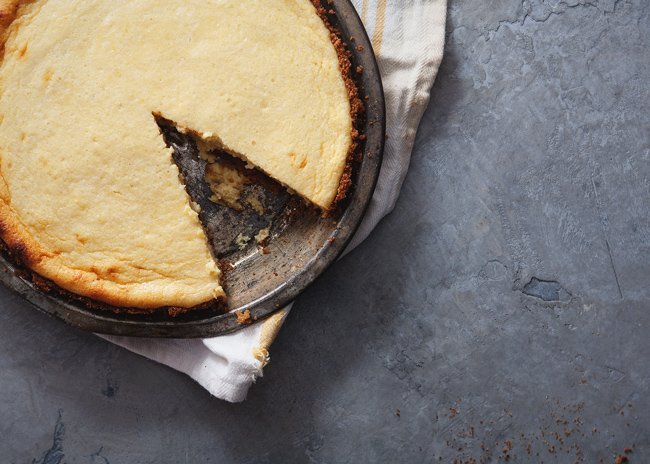
I took it out of the fridge. It looked lemon-y. I smelled it. It smelled lemon-y. I started feeling uneasy.
In the end, with great hesitation, I ate a slice. It was… disappointingly citrus-y, tasting like every other citrus dessert I’ve ever eaten. But then, the flavor sort of, I don’t know, mellowed out, and distinguished itself. The lime emerged, cool, invigorating. It went fantastically with the graham cracker crust, a pairing that legitimized its taste. With whipped cream for the finishing touch, the whole experience was luscious but understated. The sugary-tart foretaste never diminished, unfortunately, but for a lot of you, that’s a good thing.
Chris’s turn. I showed him a bite to try, and his face twisted into simultaneous disgust, fear, and suspicion. It’s so hard to get one past him these days, I tell you! But he relented, and took a tentative bite.
“Do you like it?” I asked. “It’s not bad, right?”
“I don’t like it,” he said. And that was that.
In the end, even in the face of Chris’s rejection, I ate way more slices than I care to admit. I’m pretty sure you’d call that a breakthrough!

PEPE’S CAFE KEY LIME PIE
Adapted from Epicurious
Makes one 9-inch pie
Another reason I wanted to make this pie was because of this article. It’s fascinating! I love food history! Also, in case you’re wondering, Pepe’s Cafe is a cafe in the Florida Keys, quite an establishment I take it, that serves a very classic version of this pie. It’s always good to start with the classics.
Ingredients:
1-1/2 cups graham cracker crumbs
1/4 cup sugar
3/4 tsp ground cinnamon
1/4 tsp ground cardamom
5 tablespoons unsalted butter, melted
2 large egg whites
4 large egg yolks
1 (14-ounce) can sweetened condensed milk
1/2 cup Key lime juice (I must’ve squeezed 20 of these suckers)
Whipped cream to serve
Directions:
Preheat oven to 350 degrees F.
Make the graham cracker crust: Combine the graham cracker crumbs, sugar, cinnamon, and cardamom in a medium bowl. Stir in the melted butter until well-combined. Press the mixture evenly in a 9-inch pie tin. Bake for about 10 minutes, until golden brown. Let cool and set aside.
Make the filling: In the bowl of a stand mixer with the whisk attachment, beat the egg whites until stiff peaks form. In a large mixing bowl, whisk together the yolks and condensed milk. Add the lime juice and whisk until combined. Gently fold in about half of the whipped egg whites, then fold in the other half, stirring until just evenly combined.
Pour the mixture into the graham cracker crust and bake until set, about 20 minutes. Remove from oven, cool, then let cool further in the fridge for about 2 hours.
Serve with whipped cream if desired (whip together about 1 cup heavy cream, a few Tbsp powdered sugar, and a dribble of vanilla extract).
Related Posts




Subscribe for New Racipies
Get mental health tips, updates, and resources delivered to your inbox.