
Can You Eat Rock Bass? Things to Know About Rock Bass

Medically reviewed by Christiana George Updated Date: January 2, 2026

If you approach someone with the question, “Hey, can I eat Rock Bass?”
The first response you will receive is their frowned look. Who thinks of eating Rock Bass?
So, can you eat Rock Bass?
You can totally eat the not-so-popular Rock Bass fish. Their flesh is white, flaky, and delicious when cooked if you know how to prepare it. The downside of rock bass is that they have less meat than other species of fish. Also, avoid eating them raw because they have yellow grub cysts inside.
That is just the gist of the Rock Bass being an edible fish. Interested to know more?
Read through the article to the ins and out of Rock Bass.
Can You Eat Rock Bass Fish?
Catching Rock Bass fish on a lazy holiday may be a relaxing activity. Rock Bass is not as popular among anglers but they’re fun to catch in fresh water.
But is there anything more to all the rock bass you’ve caught? Do you eat rock bass?
The answer is 100% yes, you can actually eat rock bass fish.
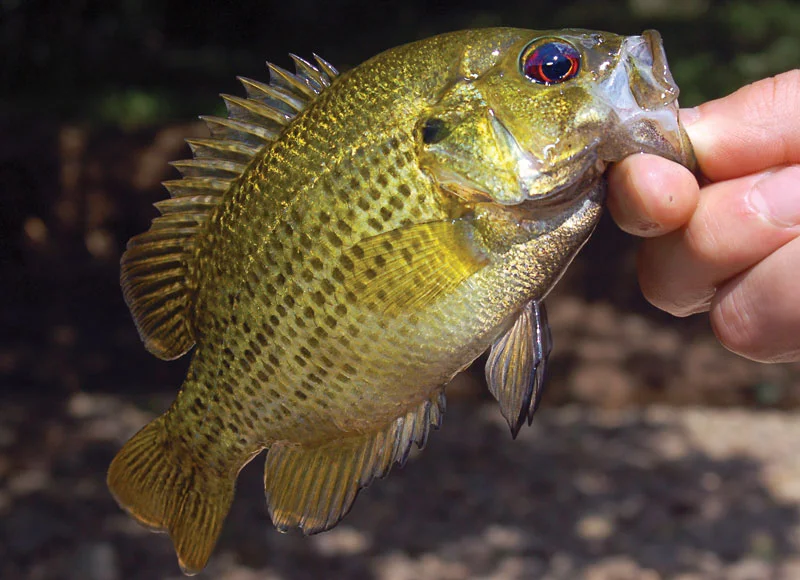
You can not only eat rock bass, it tastes delicious according to many fishermen. Rock Bass Fish meat is white and flaky. When grilled or fried, it tastes sweet.
The only drawback of eating rock bass is that, especially if you fillet them. Their bulk conceals the amount of meat that is present.
Their broadsides contain little meat outside of their thick ribs. So the main cut is the back-strap above the ribs. You, therefore, require more whole fish than you would with crappies or perch.
However, they frequently are common enough to eliminate that issue. And creel restrictions are generous in almost all places.
Are Rock Bass Safe to Eat
So far, you know that you can eat rock bass. But is it safe to eat rock bass?
It is not safe to eat the raw meat of rock bass. Because they have parasitic larvae inside of them.
Are Rock Bass Poisonous?
Rock Bass is not poisonous. But it has bacteria and yellow grub cysts inside.
Hence, Rock Bass is not poisonous. But they’re dangerous for raw consumption.
Why It Is Not Safe to Eat Raw Rock Bass Meat?
Yellow grub cysts, often known as “parasitic larvae,” are frequently found on rock bass. It is an illness that develops inside the fish as a result of worm growth.
You should make sure to take them out before frying your rock bass. Even though it’s unclear whether this is dangerous or not.
The majority of freshwater fish, including rock bass, are parasitized in various ways.
You shouldn’t have any problems eating rock bass if you catch them in reasonably clean water. And prepare them carefully and cook them properly.
Can You Eat Raw Rock Bass?
You can not eat Rock Bass when the fish is raw. However, there are two types of Rock bass depending on where they live.
Between freshwater and saltwater, there are significant differences.
Now, can you eat freshwater rock bass?
You can’t eat the raw freshwater rock bass. However, you can eat the raw meat of saltwater rock bass fish.
Because salt water doesn’t have many bacteria and worms, it is safe to eat raw meat.
Freshwater rock bass can be found in lakes or rivers. They typically hang out in some of the greyer parts of the water. The weed beds close to the shoreline are where fishermen typically find these fish.
They frequently eat smaller fish, worms, and aquatic algae. Which makes it easier for them to acquire parasites.
Is Rock Bass Meat Sashimi Grade?
Saltwater Rock Bass fall into the category of Sashimi grade fish.
For a fish to be sashimi-grade, it has to be free of harmful parasites and worms.
According to the standard, freshwater rock bass is dangerous for raw consumption. And Saltwater rock bass is eligible to be eaten as sashimi.
How to Eat Rock Bass?
It is safe to eat rock bass if you cook it at the right internal temperature. You have to be careful in the preparation of rock bass fish as well.
Much like most freshwater fish, they have flaky white flesh. Even though they have a distinct “fishy” flavor, there’s something about eating your own catch. Self-caught rock bass makes it easier to get beyond it. We’re confident you’ll appreciate it if you season it thoroughly and grill it.
The right internal temperature of rock bass fish is at least 330 F. At this temperature, the bacteria will die and become safe to eat.
How to Prepare a Rock Bass for Cooking?
For safe rock bass consumption, the preparation stage is very important.
Some prefer to throw the whole fish on the grill, then take out the cooked meat. And throw the rest of the fish away.
However, we think it’s a cleaner and safe method to clean the fish first. Because it has yellow grub cysts inside. It’s crucial that you get rid of them before throwing them on the grill or fire.
Firstly, you’ll want to take off the scales and debone the fish.
To remove the scales, rub the dull end of your knife across it horizontally. Use cold water and salt, and rub vigorously to rinse them all.
To get rid of the fishy smell of rock bass, use flour and alcohol. And rinse the fish with them.
You can use a little bit of vinegar as a substitute for alcohol.
This method can be used for all types of fish.
When the fish appears to be clean, place the filet knife directly under its mouth. And move it back toward the anal vent.
It’s important to remember that rock bass doesn’t have a lot of meat in their bellies. so you must be particularly careful when preparing them to avoid wasting more than you take.
To separate the skin, place a sharp knife right in between the meat and the skin.
Firmly hold one end and start sliding in your knife. The skin will be separated efficiently this way.
When you cut off side pieces of the fish, carefully work the knife along the bones.
The majority of the fish meat will come from these areas. You ought to have two tiny fillets by now. Run your hands across the grain of the meat. Then raise the bones and remove them.
Do Rock Bass Taste Good?
Like other freshwater fish, its flesh is delicious. The consumer is reminded of sunfish by the flaky, white flesh. Trout are preferred to bass by people all across the world. Rock bass tastes really fantastic despite not being the bass’s true origin.
Compared to other panfish, their meat has a distinctive texture and appears to be more robust. They are quite palatable due to the meat’s robust and delicate texture. Additionally, they don’t have many bones, making them simple to consume.
To wrap it up, rock bass tastes as good as any other white flesh fish.
How to Cook Rock Bass?
You can just about any other conventional method of cooking fish to cook Rock Bass.
According to your taste bud, use different ingredients and spices. It will enhance the flavor of rock bass.
The three most popular ways you can use to cook Rock Bass are below –
- Grill
- Pan Fried
- Deep Fried
If you are fishing rock bass and want to have them at the site. It is best to resort to the grilling method. You can either use just plain salt and pepper to enjoy the authentic flavor. Drizzle some oil, wrap it up in foil and throw it on fire for 20 minutes.
Using flaky salt can really improve the flavor of a grilled rock bass fish.
Here get some suggestions for quality flaky salt
| Maldon Sea Salt Flakes | Check Price |
| Saltverk Flaky Sea Salt | Check Price |
If you are willing to put more effort, you can use lemon, garlic, and shallots. Along with oil, salt, and pepper, grill the fish and enjoy!
For the pan frying method, marinate the fillets with salt, pepper, and spice and shallow fry.
Deep frying will require you to use flour, eggs, and bread crumbs. Sprinkle some salt on the fillets, and roll them in the flour. Give them an egg wash and then roll them on some bread crumbs.
Deep fry the fillets until crispy. Enjoy deep-fried rock bass with some dip and fries!
FAQs
Are Rock Bass Any Good For Eating?
Yes, rock bass eats worms, insects, leeches, and other bottom feeder microbes like this. Hence, it is recommended to clean up rock bass properly before you prepare them for eating. Otherwise, it might challenge the hygiene one should maintain in cooking.
Are Rock Bass Bottom Feeders?
Rock bass can be found in topwater lakes, reservoirs, and particularly in rocky-pooled streams and rivers. They are bottom-feeders that consume small fish, crayfish, and water insects. They readily accept baits, lures, and flies used to target smallmouth bass. They are frequently connected with them.
Are Rock Bass And Crappie The Same?
The dorsal fin of a rock bass normally has six spines and brilliant red eyes. And the sides are olive to brown in color. The black crappie is significantly bigger. Black crappie easily weights two to three pounds more on average than rock bass. Which rarely exceeds a pound in weight.
Conclusion
That concludes everything to know on ‘can you eat rock bass’?
While eating rock bass is satisfying, fishing for it is enjoyable. Just be certain that you are aware of the right fish preparation techniques. It will ensure a secure and delightful encounter.
Was the article helpful in answering your questions? Let us know!
Happy Fishing!
Related Posts






Subscribe for New Racipies
Get mental health tips, updates, and resources delivered to your inbox.
Are Soups Healthy For You? 5 Surprising Benefits of Soup

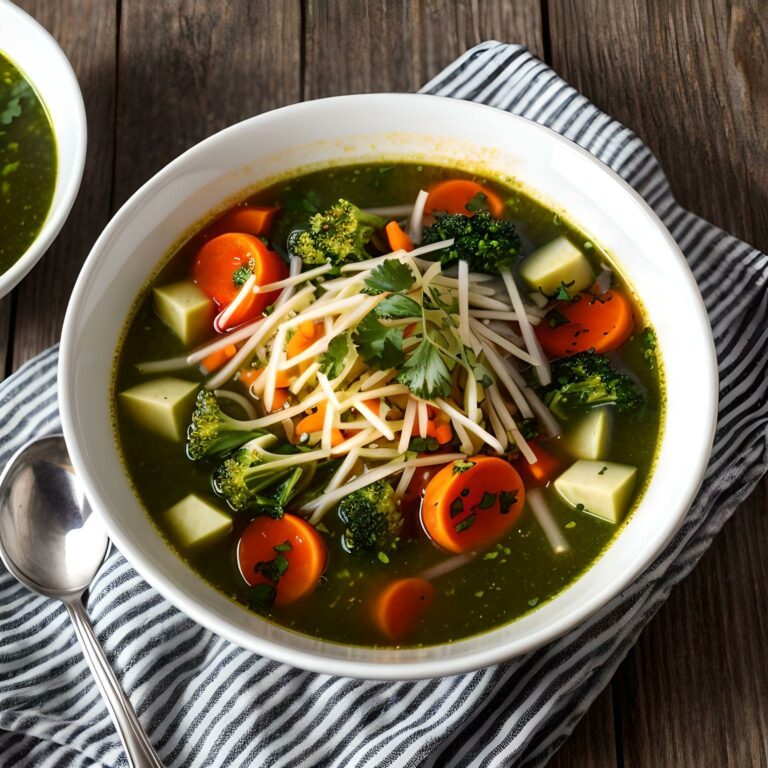
Do you know what winter bliss is? – a warm bowl of thick, brothy, flavorful soup.
Soup indeed makes a great meal, but it’s also one of the healthiest foods you can eat. We crave soup when feeling sick or shivering in chilly winter. But do you know it is also good for your health even when you aren’t feeling under the weather?
If you’re asking are soup healthy – here’s your answer.
Soup is an excellent part of a healthy diet, as long as you dine one that isn’t loaded with sodium and fat. It’s packed with vitamins, minerals, nutrients, and antioxidants, offering multiple benefits for your health. It helps keep you full longer, manages your weight, and boosts your immune system.
Find out why soup may be the perfect healthy meal option to make every day with these 5 surprising benefits of soup!
Are Soups Healthy?
Soup is a great way to get nutrients and fiber into your diet, but do you know all the health benefits of soup? Not only can it boost your immune system, but it also contains antioxidants, vitamins, and minerals that help with digestion and overall health.

Below, we take a look at the top five benefits of soup, so you can see why this hearty food deserves its spot on your table at least once a week!
Bloating And Indigestion Reliever
Soup can actually help your body out when it’s having trouble digesting food. The warm liquid helps break down food and makes it easier for your stomach to move things along. Soup can also help relieve bloating by getting rid of trapped gas.
Hunger Dealer
If you’re trying to lose weight or eat healthier, soup can be a great tool to help you control your hunger. As mentioned earlier, soups are generally low in calories and high in water content – so they leave you feeling full and satisfied without adding many extra calories.
Great For The Gut
Soup has many health benefits, but one of the most surprising is its positive effect on gut health. Studies have shown that soup can help improve gut motility and increase the number of good bacteria in the gut. The fiber content in the soup also helps with a healthy weight and blood sugar levels.
Illness Fighter
Sipping on a warm bowl of broth can help fight off illness. The steam from the hot soup helps clear congestion, and the heat soothes a sore throat.
Broths of soup made from meat or veggies also contain electrolytes that are lost during bouts of vomiting or diarrhea, which helps replace them as they are depleted. However, checking with your doctor before introducing any new foods into your diet is essential.
Hydration Booster
Soup is an excellent source of hydration. In fact, one cup of brothy soup provides roughly 20% of your daily recommended water intake. So not only does it contain all the benefits mentioned above, but soup can also help you stay hydrated!
5 Healthy Soup Options for Health Benefits
It’s wintertime, and it seems like all we hear about are soups – gourmet soups, chocolate soups, potato soups, tomato soups, lentil soups – the list goes on and on.

Now, among the many options, which soups can benefit you more? Let’s look at some of the healthiest soup options to sip on.
Low Sodium Soups
Low-sodium soups are not only good for your heart health, but they can also help with weight loss and maintaining healthy blood pressure. Be sure to keep an eye on the labels of soup when you’re grocery shopping to see what the sodium levels are.
Vegetable Soups
Heart disease is the leading cause of death in the United States, but there are things you can do to lower your risk. A healthy diet is one key factor, and studies have shown that eating vegetable-infused soup is highly beneficial. Moreover, a hot bowl of soup with multiple vegetables fills your veggie quota perfectly.
One study found that those who ate soup daily had a lower risk of heart attack than those who didn’t eat it at all. Besides, other research has found that people who eat soup regularly tend to weigh less than those who don’t.
In addition, soup may also be good for regulating blood sugar levels.
Tomato Soups
Tomato soups are great sources of lycopene, an antioxidant linked to a reduced risk of heart disease and cancer.
For example, in one study, it was found that people who ate tomato soup regularly had 15% less LDL cholesterol (bad cholesterol) than those who didn’t.
Another study found that eating just 1 cup of tomato soup every day can reduce prostate cancer risk by 12%.
Bone Broth Soups
When it comes to soups, bone broth varieties are especially good for you. That’s because they’re packed with nutrients like collagen, which is great for your skin, hair, and nails. It also helps heal the gut lining and can help with inflammation issues.
Not to mention that bone broth is a rich source of minerals, such as calcium, magnesium, phosphorus, silicon, and sulfur. It supports your healthy joints.
Lentil Soup
Lentil soup is not only delicious, but it’s also packed with high protein, nutrients and antioxidants that can have impressive health benefits. For example, lentil soup can help boost heart health, improve digestion, and stabilize blood sugar levels.
Unhealthy Soup Options
When it comes to health benefits, not all soups are created equal. While homemade soup is always the best option, some store-bought varieties can also be nutritious and delicious.
Be Wary Of Fatty Soups
Some pre-packaged soups contain fatty ingredients to make them tastier. Ingredients such as heavy cream, butter, full-fat milk or cornstarch are used to thicken the texture and add flavor.
Be wary of such soups because they are high in fat and calories, which can negate any potential health benefits. If you’re interested in the health benefits of soup, opt for broth-based soups or healthy additions like vegetables and legumes.
However, if you still wish to thicken the texture yet add some nutritional benefits to your soup, ditch the pre-soup mix and add your own low-fat yogurt, mashed chickpeas, etc., to get maximum benefits without adding fat.
Sodium-rich Canned Soups
While canned soups are quick and easy, they’re not the best choice if you’re looking for a healthy meal. Most canned soups are high in sodium, increasing blood pressure and water retention. They also tend to be high in calories and fat, which is often difficult for people who are trying to lose weight.
Even if you are not trying to lose weight, you should avoid consuming too much-canned soup. In the long run, it may lead to several diseases.
Try eating healthy and making soups at home so that you can control the sodium in them.
FAQs
Is Chicken Soup Healthy?
Yes, chicken soup is healthy! It’s packed with nutrients like protein, vitamins, and minerals. According to some studies, it can help relieve cold symptoms, improve joint function, and boost your immune system to fight against many diseases, including the common cold and flu.
Chicken broth is also good for managing weight. For example, take Swanson’s Chicken Noodle Soup. Made with wholesome ingredients like chicken broth, whole wheat egg noodles, carrots, and celery (all of which contain vitamin C), this soup packs a punch in terms of nutritional value.
Is Canned Soup Healthy?
While canned soups are easy to make, it is not as healthy as fresh homemade soup. During the processing, a substantial amount of vitamins and minerals are removed from the canned soups, leaving them with little to no beneficial nutrients. Moreover, canned soups are loaded with sodium because a lot of salt is required for preservation.
Is Vegetable Soup Good For Weight Loss?
While soup’s health benefits don’t compare to fresh fruits and vegetables, they can provide some much-needed nutrients that your body might be missing out on otherwise. You can make fresh vegetable soup to maintain a healthy weight by substituting it with your heavy meals.
However, to lose weight, consuming only vegetable soup won’t help; you need to watch out for your other meals and avoid consuming fatty calorie-rich foods.
Is Soup Healthy For Dinner?
Soup is packed with nutrients, and depending on the ingredients, it can provide a variety of health benefits. Therefore, it can be a healthy meal for dinner if you prepare it at home since you know what ingredients are in the recipe.
Final Thought
Not only is soup a filling and satisfying meal, but it can also be good for your health.
A common misconception about soup is that it’s fattening because it contains a lot of broth or oil. While some versions may be high in calories, most soups are naturally low in fat and calories.
So if you still inquire – are soups healthy – trust me; they are – a nutrient-packed blessing in liquid.
Related Posts
Subscribe for New Racipies
Get mental health tips, updates, and resources delivered to your inbox.