
Hazelnut Caramel Coffee Macarons

Medically reviewed by Christiana George Updated Date: January 2, 2026


Mother’s Day is coming up this weekend. How about baking her something special instead of buying something? I know french macarons may look intimidating to make, but if I can make them while being interrupted fifty times by a four year old, you can certainly make them. These Hazelnut Caramel Coffee Macarons are worth the effort. They taste like one of those ridiculously expensive gourmet flavored coffees and they are so light and airy, you can’t eat just one. I know my mom would love to receive these on Mother’s Day.
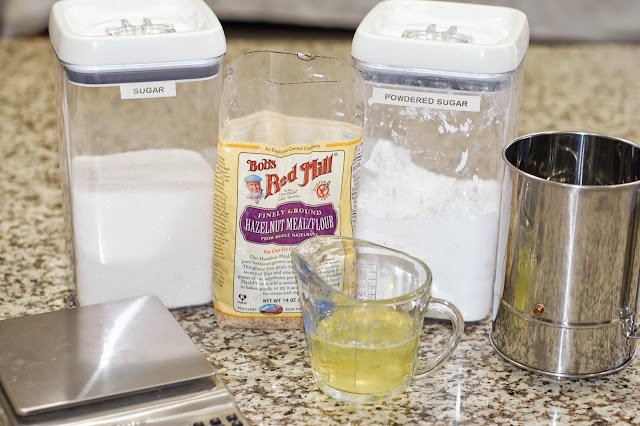
This was my first time using hazelnut flour to make macarons. The nice people over at Sidechef com sent me a little care package for being one of their featured bloggers. One of the items inside the box was this bag of hazelnut meal/flour. I couldn’t wait to use it. I love hazelnuts and I love Bob’s Red Mill products. I have used their almond flour to make my Conversation Heart and Churro Macarons, their coconut flour to make my Maple Pumpkin Chocolate Chip Cookies, and their rolled oats to make most of my muffins and some of my scones. So thanks Side Chef for some great stuff!
Have you guys checked out the SideChef app yet? You should, it’s free and it gives you step-by-step instructions with photos to help you make the recipes. It even talks you through it and has timers when needed. How cool is that? Some even have videos. Sometimes it’s nice to have some help in the kitchen.
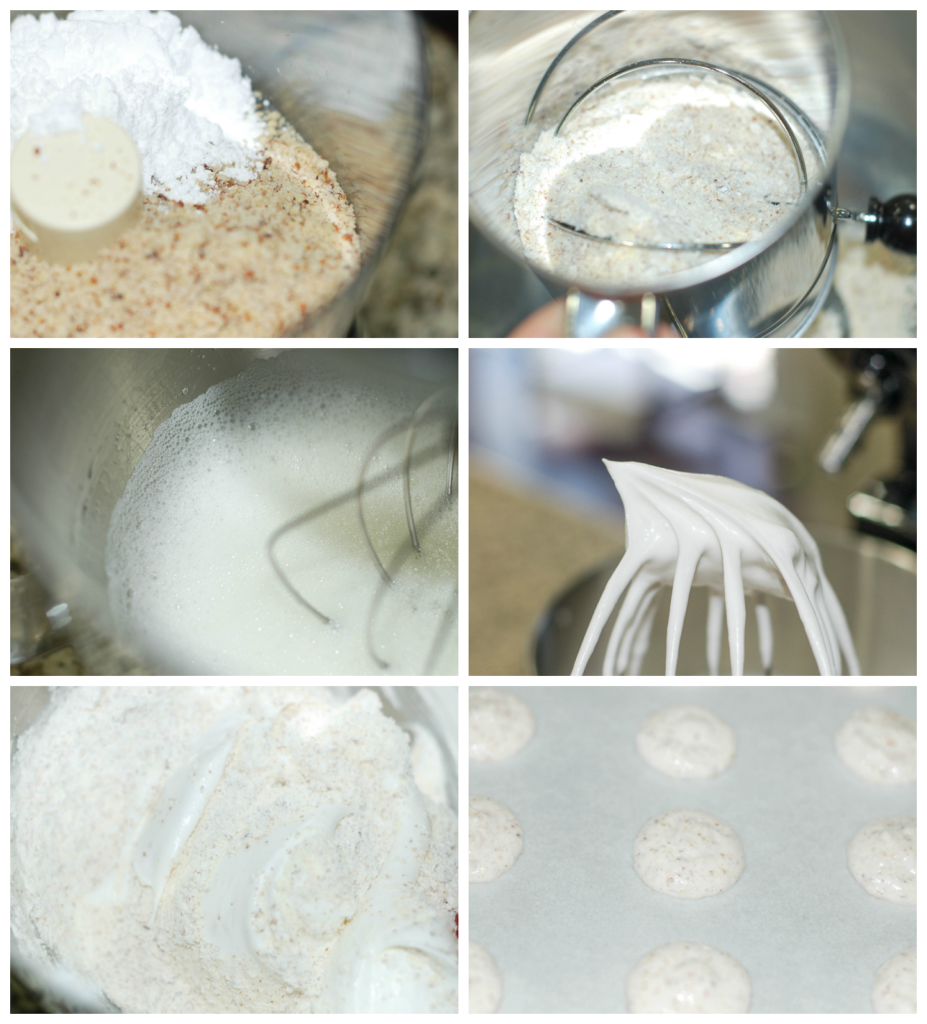
Besides changing out the flour, I also used fresh egg whites this time as opposed to the boxed ones. Wow! What a difference it made. My meringue was much thicker and fluffier. Lesson learned, use fresh. I suppose I should have pulsed the hazelnut flour in the food processor a bit by itself to make the pieces finer, so the final product would be smoother. Oh well. My piping skills are also not the greatest. I definitely would not make it as a pastry chef. Neither of these things will matter in the end, because it’s all about the taste. I did taste the shells by themselves before I filled them and quite honestly, I could have eaten them all just as they were. The hazelnut flavor is so heavenly.
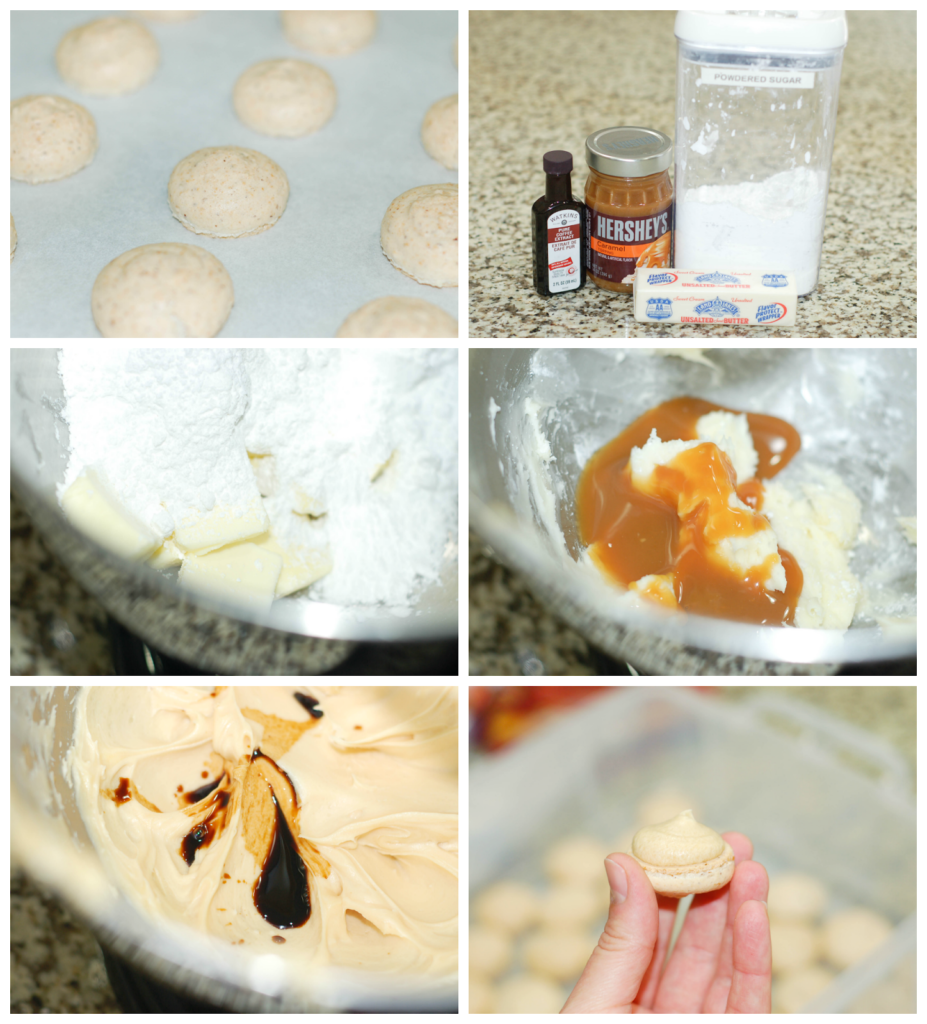
But I am glad I went ahead and made the filling. This caramel coffee buttercream is amazing. The caramel and coffee flavors work so well together and the buttercream is so creamy. It was really hard not to just grab a spoon and eat it all. I am definitely going to make this again to top some cupcakes. By the way, the coffee extract I used is Watkin’s. I found it a Walmart.
Putting aside my bad piping skills and slightly lumpy shell exterior, these Hazelnut Caramel Coffee Macarons are little nuggets of pure bliss. The shell is slightly crispy on the outside, chewy on the inside. The caramel coffee filling accents the hazelnut macarons perfectly.
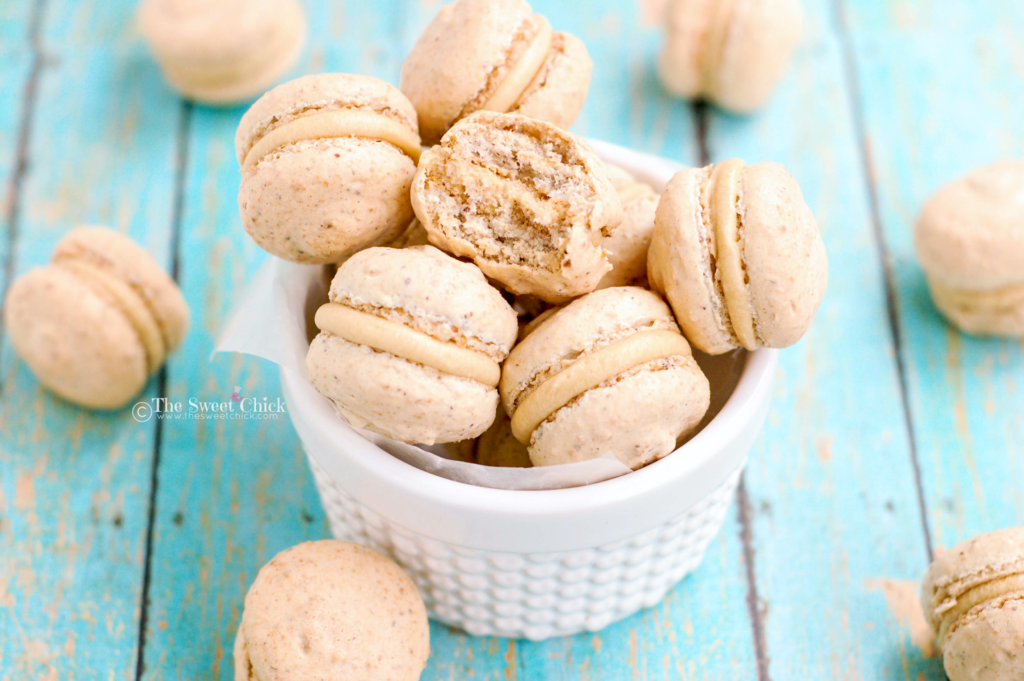
Now I thought the coffee flavor would make the kids stay away and let the adults enjoy these treats. Nope. The neighborhood kids loved them. And even my picky eating son kept asking for more. Thank goodness this recipe makes a huge batch. If your mom likes hazelnuts and flavored coffee, you’ve gotta make her these Hazelnut Caramel Coffee Macarons. She will thank you.
Hazelnut Caramel Coffee Macarons
by The Sweet Chick
Prep Time: 2 1/2 hrs
Cook Time: 10-15 min
Keywords: bake dessert snack egg whites hazelnut flour caramel topping coffee extract macarons French
Ingredients (50 macarons)
For the macarons
- 7 oz. powdered sugar, divided
- 4 oz. hazelnut flour/meal
- 4 large ( 4 oz.) egg whites, room temperature
- 3 1/2 oz. granulated sugar
For the filling
- 1 cup butter, softened
- 2 cups powdered sugar
- 1/2 cup caramel topping ( I used Hershey’s)
- 1 teaspoon coffee extract (I used Watkin’s)
Instructions
For the macarons
Prepare circle templates (I made 1 1/2 in circles on a piece of paper a 1/2 inch apart.) and line baking sheets with parchment paper, placing template under parchment.
In a food processor, pulse 1/3 of the powdered sugar and all the hazelnut flour to form a fine powder. Then sift sugar mixture 2 times. Sift remaining powdered sugar 2 times also. In a large bowl combine hazelnut flour mixture and remaining powdered sugar.
Add egg whites to stand mixer bowl with whisk attachment. Whisk whites on medium speed until foamy. Then gradually add the granulated sugar. Once all sugar is added, scrape down the sides of the bowl. Increase mixer speed to high and whisking until stiff, firm, glossy peaks form.
Next sift the powdered sugar mixture 1/3 at a time over the egg white mixture and carefully fold using a large silicone spatula until mixture is smooth and shiny. Repeat process for the remaining 2/3 of the powdered sugar mixture.
Place the macaron mixture into a piping bag with a round tip ( I used Ateco # 805 or you can use #806). With piping tip 1/2 inch above the template , pipe 1 1/2 inch circles onto parchment paper lined baking sheets. Once finished gently tap baking sheet on your work surface to release and air bubbles and help form the “feet” of the macarons.
Let macarons stand at room temperature for 30 minutes. (Yes, you have to do this.)
During this time, preheat oven to 375°F. Macarons will be ready to bake when they no longer stick to your finger when lightly touched. (Do not forget to remove the template paper before baking.)
When ready, bake the macarons at 375°F for 10-15 minutes. (Mine took 10 minutes.) Rotate baking sheets halfway through to promote consistent baking. Macarons will be ready when they are crisp and firm.
Remove from oven and let cool for 2-3 minutes. Then carefully remove the macarons from parchment paper and place on a wire rack to cool completely.
For the filling
In a stand mixer, cream together the butter and powdered sugar, until smooth.
Next add the caramel topping and mix well.
Then add the coffee extract and mix until fully incorporated. ( I wanted my buttercream to be really firm to pipe it properly so I popped it in the fridge for 15 minutes before using it.)
Place filling in a piping bag with round tip (I used Ateco #804 or you can use Wilton #2A).
Pipe filling onto one macaron and then sandwich it together with another one. Repeat for remaining macarons.
Macarons should be placed in the fridge for 24 hours before eating. This is how they mature and reach their full flavor. You can eat one right away, but when you eat one the next day it will be so much better. Be patient.
Notes
You will need a kitchen scale and sifter for this recipe.
Macarons can be kept sealed in an airtight container up to 1 week in the fridge.
Macaron recipe adapted from Sur La Table
Disclaimer: This is not a sponsored post. Although SideChef.com sent me the product I used to make the macarons, I was under no obligation to create a recipe or review it. I simply liked the product and was excited to use it. All thoughts and opinions are my own.
Related Posts



Subscribe for New Racipies
Get mental health tips, updates, and resources delivered to your inbox.
Are Mango Slices Acidic? Mango Slices and Acid Reflux


Mangoes, often referred to as the “king of fruits,” are celebrated for their rich, sweet flavor and vibrant color. From smoothies and desserts to being enjoyed fresh, mango slices are a staple in diets worldwide. However, for individuals managing acid reflux, the question arises: are mango slices acidic, and can they trigger reflux symptoms? Understanding the nature of mangoes and their impact on the digestive system is essential for making informed dietary choices.
Acid reflux, also known as gastroesophageal reflux disease (GERD), occurs when stomach acid flows back into the esophagus, causing discomfort and irritation. Certain foods can exacerbate these symptoms, making it vital to evaluate the acidity of the foods consumed. Mangoes, being a tropical fruit, do have natural sugars and a certain level of acidity, but they also contain alkaline properties that may benefit digestion.
This duality often leaves individuals puzzled about whether mango slices should be avoided or embraced when managing acid reflux. In this article, we will delve into the acidity of mango slices, their nutritional profile, and how they can impact acid reflux symptoms. We’ll also provide practical tips for incorporating mangoes into a reflux-friendly diet.
Are Mango Slices Acidic or Alkaline?
According to research, Mangoes, including mango slices, have a slightly acidic pH ranging between 3.4 and 4.8, depending on their ripeness. Unripe mangoes are more acidic due to their higher content of citric and malic acids, while ripe mangoes tend to be less acidic and sweeter because of their increased natural sugar content. Despite their acidity, mangoes have an alkalizing effect on the body once metabolized, which can contribute to maintaining a balanced pH in the digestive system.
The acidity in mango slices primarily comes from organic acids like citric acid, tartaric acid, and malic acid. These acids are not typically strong enough to significantly aggravate acid reflux in most individuals. However, their impact varies depending on the person’s tolerance and the quantity consumed. Additionally, mangoes are rich in vitamins and minerals, such as Vitamin C, Vitamin A, and potassium, which contribute to their overall health benefits. The fiber content in mangoes also aids digestion and can help prevent common issues like constipation, which is sometimes linked to acid reflux.
Understanding the interplay between acidity and alkalinity in mango slices can help individuals make informed choices about their diet. While mangoes are slightly acidic, they’re unlikely to trigger reflux when consumed in moderation, especially when ripe. Factors such as portion size and individual sensitivity to acidic foods play a significant role in determining whether mango slices are suitable for those with acid reflux.
Related to Read: Are Mangoes Acidic?
Mango Slices and Acid Reflux: The Connection
1. The Role of Acidity in Acid Reflux
Acid reflux is often triggered by foods that relax the lower esophageal sphincter (LES), allowing stomach acid to escape into the esophagus. Foods high in acidity or fat are common culprits. Mango slices, while slightly acidic, are generally considered mild and are less likely to aggravate reflux compared to citrus fruits like oranges or lemons. Their lower acid content makes them a safer option for many individuals.
Ripe mango slices are particularly less acidic, as the ripening process reduces their citric acid levels and enhances their natural sweetness. This makes them more palatable for those managing GERD symptoms. However, consuming unripe mangoes or pickled mangoes, which are significantly more acidic, may increase the risk of reflux symptoms.
2. Fiber and Digestive Health
Mango slices are an excellent source of dietary fiber, with one cup providing approximately 2.6 grams of fiber. Fiber plays a crucial role in supporting healthy digestion by promoting regular bowel movements and preventing issues like constipation, which can exacerbate acid reflux. Soluble fiber in mangoes also helps regulate stomach acidity, reducing the likelihood of reflux episodes.
For individuals with acid reflux, incorporating fiber-rich foods like mango slices can help maintain a healthy digestive system. The fiber content in mangoes not only improves gut motility but also supports the growth of beneficial gut bacteria, contributing to overall digestive health.
3. Natural Sugars and Their Impact
Mango slices contain natural sugars, such as fructose and glucose, which provide a quick energy boost. While natural sugars are generally well-tolerated, excessive consumption can lead to increased stomach acid production, potentially triggering reflux symptoms. Moderation is key to enjoying the benefits of mango slices without exacerbating acid reflux.
Author Tip: 7 Kinds of Foods to Avoid with GERD
Tips for Including Mango Slices in a Reflux-Friendly Diet
1. Choose Ripe Mangoes
Ripe mangoes are less acidic and have a sweeter taste, making them more suitable for individuals with acid reflux. Look for mangoes that are slightly soft to the touch and have a fragrant aroma, indicating ripeness.
2. Control Portion Sizes
Eating large portions of mango slices can overfill the stomach, increasing the risk of acid reflux. Stick to a moderate serving size of one-half to one cup per sitting to minimize the chances of triggering reflux symptoms.
3. Avoid Spicy or Acidic Pairings
While mangoes pair well with many dishes, avoid combining them with spicy or acidic ingredients that may exacerbate reflux. For example, skip spicy mango chutneys or mango salads with citrus dressings if you’re prone to reflux.
4. Incorporate into Smoothies
Blend mango slices with alkaline ingredients like almond milk, spinach, or banana for a reflux-friendly smoothie. Avoid adding acidic fruits like oranges or pineapples to keep the pH balance in check.
5. Monitor Your Body’s Response
Pay attention to how your body reacts after consuming mango slices. If you notice increased reflux symptoms, reduce your intake or try pairing mangoes with other alkaline foods to balance their acidity.
Author Tip: 7-Day Meal Plan For Gastritis
Mango Slices: Health Benefits Beyond Acid Reflux
Mango slices offer numerous health benefits beyond their impact on acid reflux. They are a powerhouse of essential nutrients, including:
- Vitamin C: Supports immune function and skin health.
- Vitamin A: Promotes eye health and reduces inflammation.
- Antioxidants: Neutralize free radicals and protect against oxidative stress.
- Potassium: Regulates blood pressure and supports heart health.
- Enzymes: Mangoes contain amylase enzymes that aid in breaking down carbohydrates, improving digestion.
Including mango slices in a balanced diet can contribute to overall well-being, provided they are consumed mindfully and in moderation.
Final Thoughts
Are mango slices acidic? Yes, mango slices have a slight acidity due to their natural composition, but their alkalizing effect on the body and rich nutritional profile make them a valuable addition to a healthy diet. For individuals managing acid reflux, ripe mango slices in moderate amounts are generally safe and can even support digestive health due to their fiber and enzyme content.
To enjoy mango slices without triggering reflux, choose ripe fruits, control portion sizes, and avoid pairing them with acidic or spicy ingredients. As always, it’s essential to listen to your body and consult a healthcare professional for personalized dietary advice. With mindful preparation and consumption, mango slices can be a delicious and reflux-friendly treat.
Related Posts



Subscribe for New Racipies
Get mental health tips, updates, and resources delivered to your inbox.