
Root Beer Float Mini Donuts

Medically reviewed by Christiana George Updated Date: December 19, 2022


Well, summer is over and school has started for my oldest. I am hoping to get the little one in pre-school this year also. The house is so quiet and peaceful now. I have more free time to get back into my hobbies. Baking, of course, being one of them. I had a package of Root Beer Float Oreos in the pantry screaming to be used. I am surprised that I had not eaten them all. I love root beer and so does my daughter. I know it’s a bit on the sweet side, but once in a while I like to have a few sips. That’s why I love these Root Beer Float Mini Donuts I made with the Oreos, because they taste like root beer, but they aren’t super sweet.

If you like root beer, you have got to try these Root Beer Float Oreos. I know not all the crazy Oreo flavors are good, but I can vouch for these. These do taste like a Root Beer Float.

I used the same recipe to make these as I did for the Birthday Cake Oreo Mini Donuts I made for my daughter’s birthday party. Just crush up the Oreos and mix them in the batter. I baked them in my Babycakes machine but you can use the oven also. The donuts had a light hint of root beer flavor, just enough to make them tasty. I knew I was going to be adding more root beer flavor in the frosting, so it was perfect.

You can just frost them and skip the glaze, but I wanted jazz these babies up a little. So I dipped them in a chocolate coating and scooped the frosting on like a scoop of ice cream. Unfortunately, I didn’t have a mini scoop, so I just used a regular cookie scoop and filled it only half way.

I added more crushed Oreos to the frosting. Then I froze the frosting to be able to make my scoops. Then I put those scoops back into the freezer until it was time to assemble the donuts. That way they didn’t fall apart. After all the pieces are assembled you can just keep them in the fridge.
These would have been so cute for my daughter’s Donut Birthday Party. I love how creamy the frosting is and how well it goes with the chocolate glaze. Two perfect toppings for these Root Beer Float Mini Donuts. You’ve gotta try them!
Root Beer Float Mini Donuts
by The Sweet Chick
Prep Time: 15 minutes
Cook Time: 3-4 minutes
Keywords: bake dessert snack marshmallow fluff Root Beer Float Oreos cocoa donuts American summer
Ingredients (36 mini donuts)
For the donuts
- 1 1/2 cups all-purpose flour
- 1/2 cup sugar
- 1 tablespoon baking powder
- 1 1/2 cup crushed Root Beer Float Oreo cookies (about 15-17 cookies)
- 1 egg, beaten
- 1 cup buttermilk (or substitute, see note below)
- 1/2 cup milk
- 1/4 cup vegetable oil
- 1 teaspoon pure vanilla extract
For the glaze
- 1 cup powdered sugar
- 3 tablespoons cocoa
- 2-2 1/2 tablespoons milk
- 1 teaspoon vegetable shortening
For the frosting
- 1 cup butter, room temperature
- 2 cups powdered sugar
- 2 cups marshmallow fluff
- 10 Root Beer Float Oreos, crushed
Instructions
For the donuts
Preheat your Babycakes Mini Donut Maker.
Using a food processor, crush the Oreo cookies until you yield 1 1/2 cup of mixture.
In a medium bowl mix the flour, sugar, baking powder and crushed Oreo cookies.
Next add the egg, buttermilk, milk, vegetable oil and vanilla. Using a hand mixer, blend until mixture is smooth.
Fill a piping bag or a Ziplock bag (with tip cut off), with the batter and fill each donut reservoir of your donut maker with about 2 tbsp of batter.
Bake for about 3-4 minutes or until toothpick inserted in center of donut comes out clean.
Place hot donuts on cooling rack and cool completely before glazing.
For the glaze
In a small bowl whisk together powdered sugar, cocoa, milk, and vegetable shortening until smooth. You want the glaze to be a bit on the thick side.
Dip the tops of each cooled off donut in the mixture ,then place back on the cooling rack until the glaze is dry.
For the frosting
In a stand mixer, cream together the butter and the powdered sugar.
Then add the marshmallow fluff and mix on medium until light and fluffy, scraping down the sides of the bowl as needed.
Add the crushed Oreo cookies and mix until well blended.
Scrape down the sides of the bowl one last time and place frosting in the freezer for about a half hour.
Once hardened, use a cookie scoop to make frosting balls. (I used a regular cookie scoop and only filled it half way or you can use a mini cookie scoop.)
Place scoops on a waxed sheet of paper lined container and place back in the freezer until you are ready to assemble the final product and the glaze on the donuts has set.
Once glaze has set, remove frosting scoops from the freezer and carefully place on top of the donuts.
Feel free to add crushed Oreo bits, and/or sprinkles to the tops.
Notes:
If you are using a mini donut pan, bake your donuts in the oven at 425ºF for 3-4 minutes or until toothpick inserted in middle of donut comes out clean.
As a substitute for buttermilk, I used 1 tablespoon vinegar (white or rice) plus enough milk to equal 1 cup.
If you are going to skip the glaze and just frost the donuts, then half the frosting recipe. It will be enough. You can just drizzle some chocolate syrup over the frosting if you like.
I made the frosting before the glaze, so it was ready when the glaze had set.
Related Posts





Subscribe for New Racipies
Get mental health tips, updates, and resources delivered to your inbox.
Are Nectarines Acidic? Nectarines and Acid Reflux

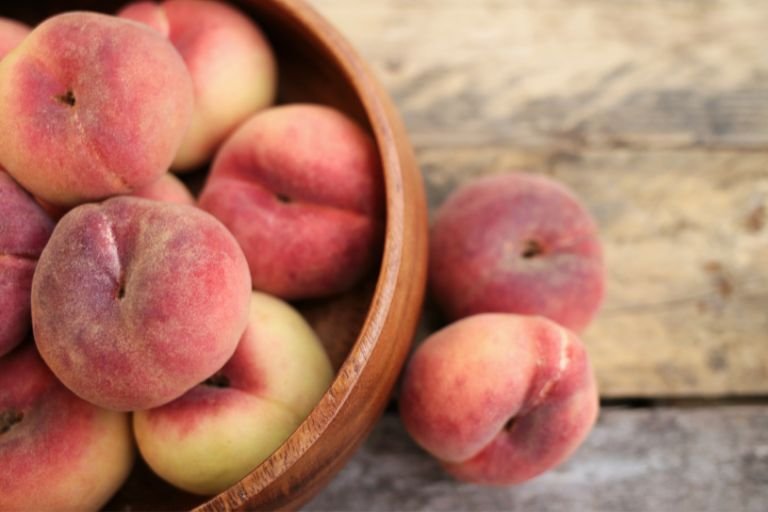
Acidity in fruits plays a crucial role in how they interact with our digestive system. Some fruits are more acidic than others, affecting their suitability for individuals with sensitive stomachs or acid reflux. Understanding a fruit’s acidity helps in making informed dietary choices that support digestive health.
Nectarines, a sweet and juicy stone fruit, are a favorite for their refreshing taste and nutrient profile. However, their acidity raises questions for those managing acid reflux or hyperacidity. Are nectarines acidic? Can they be part of a balanced diet for sensitive stomachs? Let’s dive into these questions to make better, health-conscious decisions.
What Determines a Fruit’s Acidity?
To assess whether nectarines are acidic, we need to understand how a fruit’s acidity is determined.
Understanding the pH Scale
The pH scale, ranging from 0 to 14, measures how acidic or alkaline a substance is:
- 0 to 6.9: Acidic
- 7: Neutral
- 7.1 to 14: Alkaline
Fruits with a pH below 7 are considered acidic. Citrus fruits like lemons and limes have pH values around 2 to 3, making them highly acidic. Low-acid fruits like melons and bananas have pH levels closer to neutral.
Discover pH of common food here
Acidity’s Impact on Digestion and Acid Reflux
Acidic foods can stimulate stomach acid production, which is helpful for digestion in most cases. However, for individuals with acid reflux, excess acid can irritate the esophagus, leading to discomfort or heartburn.
Low-acid or alkaline fruits are often recommended for such individuals, as they are gentler on the stomach and less likely to exacerbate reflux symptoms.
Are Nectarines Acidic?
Yes, nectarines are moderately acidic. Their pH range is typically between 3.9 and 4.2, placing them in the category of acidic fruits.
How Do Nectarines Compare to Other Fruits?
- Peaches: Nectarines are closely related to peaches and have a similar acidity level, with peaches ranging from 3.3 to 4.0 on the pH scale.
- Apples: Sweet apple varieties are less acidic, with pH levels closer to 4.5 to 5.5, making them a better option for individuals with acid reflux.
- Melons: Watermelon and cantaloupe are low-acid fruits with pH levels near 6, offering a gentler alternative.
While nectarines are not as acidic as citrus fruits (e.g., oranges or grapefruits), their moderate acidity can still affect those sensitive to acid.
Is Nectarine Good for Acid Reflux?
The relationship between nectarines and acid reflux depends on individual tolerance. Nectarines are moderately acidic, which means they may trigger symptoms in some individuals while being perfectly tolerable for others.
Tips for Managing Acid Reflux While Eating Nectarines
- Practice Portion Control
Eating small portions of nectarines can help minimize the risk of triggering reflux. Consuming too much fruit at once can overload the stomach, increasing pressure and acid production. - Pair Nectarines with Alkaline Foods
Combine nectarines with neutralizing foods like oatmeal, almonds, or yogurt. These pairings can balance the fruit’s acidity and create a more reflux-friendly meal. - Eat Nectarines Earlier in the Day
Consuming acidic foods earlier in the day allows your body more time to digest and reduces the likelihood of reflux at night.
When to Avoid Nectarines
If you experience heartburn, bloating, or discomfort after eating nectarines, it’s best to reduce your intake or avoid them entirely. Listening to your body and consulting a healthcare provider for personalized advice is crucial.
Are Nectarines Easy on the Stomach?
While their moderate acidity can cause issues for some, nectarines offer benefits that may support overall digestive health.
The Fiber Content of Nectarines
Nectarines are a good source of dietary fiber, with approximately 2 grams per medium-sized fruit. Fiber aids digestion by promoting regular bowel movements and preventing constipation. For individuals without acid sensitivity, this makes nectarines a healthy addition to the diet.
Potential Challenges for Sensitive Stomachs
For people with acid reflux or hyperacidity, nectarines might cause discomfort due to their acidic nature. Symptoms can include heartburn, bloating, or nausea. However, tolerances vary widely, and some individuals may enjoy nectarines without issue.
How Do Nectarines Compare to Other Fruits in Acidity?
Nectarines are a moderately acidic fruit, with a pH level ranging from 3.9 to 4.2. But how does this compare to other commonly consumed fruits?
Comparison with Other Fruits
- Peaches
Nectarines and peaches are closely related, with similar pH levels. However, nectarines are slightly firmer and sometimes perceived as tangier, which may intensify their acidic profile. - Apples
Sweet apples, such as Fuji or Gala, are less acidic, with pH levels between 4.5 and 5.5, making them a better option for those with acid reflux. Tart apples like Granny Smith are closer to nectarines in acidity and may cause discomfort for sensitive individuals. - Berries
Many berries, such as raspberries and blackberries, are more acidic than nectarines, with pH levels ranging from 3.0 to 3.5. Blueberries are slightly less acidic, with a pH of around 3.3 to 3.5. - Bananas and Melons
Bananas and melons, including watermelon and cantaloupe, are some of the least acidic fruits. With pH levels closer to 6.0 to 6.9, they are gentle on the stomach and ideal for those with acid reflux.
Acidic Fruits to Avoid and Non-Acidic Alternatives
When managing acid reflux or hyperacidity, avoiding highly acidic fruits is essential. Here’s a closer look at which fruits to skip and their suitable substitutes.
Acidic Fruits to Avoid
- Citrus Fruits
- Lemons, oranges, grapefruits, and limes are among the most acidic, with pH levels between 2.0 and 3.5.
- Their high citric acid content can irritate the esophagus and worsen acid reflux symptoms.
- Pineapples
- With a pH of 3.0 to 4.0, pineapples are acidic and may trigger heartburn in sensitive individuals.
- Raspberries and Blackberries
- These berries have pH levels around 3.0, making them highly acidic despite their antioxidant benefits.
- Tomatoes
- Technically a fruit, tomatoes and their products (like sauces and juices) are highly acidic, with a pH of 3.5 to 4.7.
Non-Acidic Alternatives
- Bananas
- With a pH around 5.6 to 6.5, bananas are alkaline and help soothe the stomach.
- Melons
- Watermelon, cantaloupe, and honeydew are excellent low-acid fruits with high water content, ideal for hydration and digestion.
- Pears
- Sweet pears are mildly acidic, but far gentler on the stomach compared to most acidic fruits.
- Cucumbers and Sweet Potatoes
- These vegetables are alkaline and make excellent additions to a reflux-friendly diet.
Tip for Balance
Combine acidic fruits like nectarines with non-acidic options to balance your meal. For example, pair slices of nectarine with a bowl of alkaline oatmeal or yogurt to reduce acidity’s impact.
FAQs
Are nectarines and peaches citrus fruits?
No, nectarines and peaches are stone fruits, not citrus fruits. Despite their moderate acidity, they belong to the same family as cherries, plums, and apricots.
What is the most acidic fruit or vegetable?
Highly acidic fruits include lemons and limes, with pH levels around 2.0 to 2.5. Among vegetables, tomatoes are among the most acidic, particularly in concentrated forms like sauces or pastes.
What are the high alkaline fruits?
Alkaline fruits such as bananas, avocados, and melons (cantaloupe and honeydew) have pH levels closer to neutral, making them ideal for acid reflux sufferers.
What fruit does not have any citric acid?
Fruits like bananas, apples, and papayas are free of citric acid, making them gentler on the stomach compared to citrus fruits.
Conclusion
Nectarines, with their moderate acidity, can be a delicious addition to your diet but may not suit everyone, especially those prone to acid reflux. Compared to highly acidic fruits like citrus or berries, nectarines are less harsh but should still be consumed in moderation. Pairing them with alkaline foods or enjoying them as part of a balanced diet can help minimize their impact on sensitive stomachs.
If you experience discomfort, consult a healthcare professional for personalized advice and dietary adjustments. Understanding your body’s needs is the key to enjoying nectarines and other fruits without compromising digestive health.
Related Posts




Subscribe for New Racipies
Get mental health tips, updates, and resources delivered to your inbox.