
Are Brazil Nuts Acidic? Brazil Nuts and Acid Reflux

Medically reviewed by Aneeza Pervez Updated Date: January 2, 2026
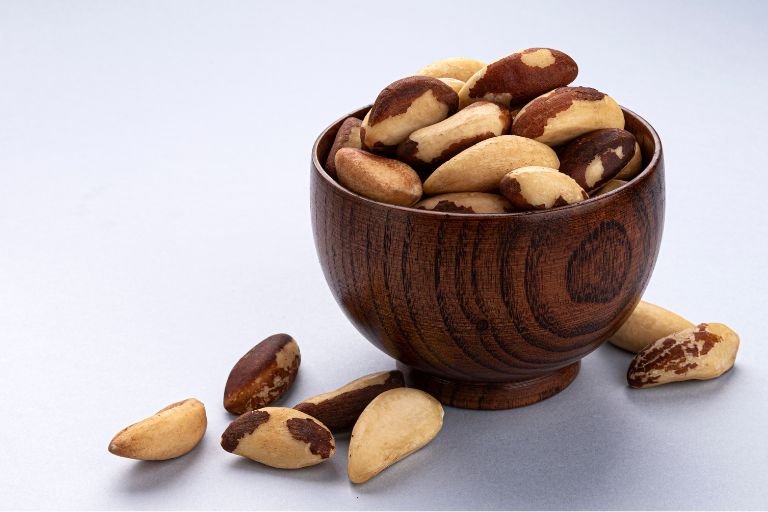
Nuts are a go-to snack for many of us, thanks to their nutrient-dense profiles and ability to satisfy hunger. But have you ever wondered about their acidity? Specifically, are Brazil nuts acidic? It’s an intriguing question, especially for those mindful of how the pH levels of their foods affect overall health.
Acidity in foods plays a crucial role in diet planning, influencing conditions like acid reflux, dental health, and even energy levels. Understanding whether Brazil nuts are acidic or alkaline can help individuals make informed dietary decisions, especially if they manage conditions that require balancing acid intake.
In this article, we’ll dive deep into the acidity of Brazil nuts, their impact on acid reflux, who should avoid them, and how they compare to other nuts in terms of acidity. Let’s crack open the truth about these nutrient-packed nuts!
Understanding the Acidity of Brazil Nuts
What is the pH Level of Brazil Nuts?
The acidity or alkalinity of a substance is measured using the pH scale, which ranges from 0 (highly acidic) to 14 (highly alkaline), with 7 being neutral. Brazil nuts fall into the slightly acidic category, with a pH level of approximately 5-6.
This places Brazil nuts closer to the neutral mark on the spectrum compared to other acidic foods like citrus fruits. While not highly acidic, Brazil nuts are not classified as alkaline, either.
Are Brazil Nuts High in Acid?
According to the research, Brazil nuts are not particularly high in acid compared to other foods. Their natural composition includes healthy fats, proteins, and a rich array of nutrients, such as selenium. However, their slight acidity can be relevant for individuals on a strict alkaline diet or those managing conditions like acid reflux.
The mild acidity of Brazil nuts also aligns with their overall nutrient density, making them a beneficial choice in moderation for most people.
Brazil Nuts and Acid Reflux
Can Brazil Nuts Trigger Acid Reflux?
For individuals prone to acid reflux, diet plays a critical role in managing symptoms. Brazil nuts, with their slightly acidic nature, might contribute to discomfort for some people. However, they are less likely to trigger severe symptoms compared to highly acidic foods like tomatoes or coffee.
Are Brazil Nuts Okay for Acid Reflux?
Yes, Brazil nuts can be consumed in moderation by those with acid reflux, provided they are not eaten in large quantities. The high fat content in Brazil nuts, while healthy, can slow digestion and potentially exacerbate reflux symptoms if overconsumed. To minimize discomfort, it’s best to pair Brazil nuts with alkaline foods like leafy greens or non-acidic fruits.
For individuals with severe acid reflux, consulting a healthcare professional before adding Brazil nuts to their diet is advisable.
Who Should Avoid Brazil Nuts?
Individuals with Nut Allergies
It’s no surprise that anyone allergic to tree nuts should avoid Brazil nuts altogether. Even a small amount can cause allergic reactions ranging from mild to severe.
People with Selenium Sensitivity
Brazil nuts are renowned for their high selenium content—just one nut can provide more than the daily recommended intake of selenium. While selenium is an essential nutrient, excessive consumption can lead to toxicity. Symptoms include nausea, hair loss, and digestive discomfort.
Those on Low-Acid Diets
People on specialized low-acid diets may want to avoid Brazil nuts due to their slightly acidic nature. While they are not highly acidic, it’s essential to account for every food’s pH when adhering to such dietary restrictions.
Comparing the Acidity of Various Nuts
When comparing Brazil nuts to other nuts, pH levels vary significantly, influencing their classification as acidic or alkaline. Here’s how Brazil nuts stack up:
Dates: Are Dates Acidic or Alkaline?
Dates are generally considered slightly acidic, with a pH level ranging from 6-7. Despite their mild acidity, dates are often consumed without triggering acid reflux, thanks to their fiber content.
Walnuts: Are Walnuts Acidic or Alkaline?
Walnuts are slightly more acidic than Brazil nuts, with a pH level of 5-5.5. Their high-fat content makes them a common concern for individuals with acid reflux, especially if consumed in excess.
Macadamia Nuts: Macadamia Nuts pH Level
Macadamia nuts lean towards the alkaline side, with a pH level around 7. These buttery nuts are a good option for those looking for alkaline-friendly foods.
Pecans: Are Pecans Acidic or Alkaline?
Pecans, like Brazil nuts, are slightly acidic with a pH level of 5.5-6. Their rich nutrient content makes them a healthy addition to a balanced diet, provided acidity isn’t a concern.
Peanuts: Are Peanuts Acidic or Alkaline?
Peanuts are moderately acidic, with a pH level of approximately 6. Despite their acidity, they are widely consumed and can be tolerated by many individuals without issues.
Related to Read: Are Hazelnuts Safe for Acid Reflux?
| Nut Type | pH Level | Acidity Category |
| Brazil Nuts | 5 – 6 | Slightly Acidic |
| Dates | 6 – 7 | Mildly Acidic to Neutral |
| Walnuts | 5 – 5.5 | Slightly Acidic |
| Macadamia Nuts | ~7 | Neutral to Alkaline |
| Pecans | 5.5 – 6 | Slightly Acidic |
| Peanuts | ~6 | Moderately Acidic |
What Nuts Are Alkaline?
Not all nuts fall on the acidic side of the pH spectrum. Some nuts are classified as alkaline, making them excellent choices for individuals aiming to balance dietary pH levels. Alkaline nuts are typically easier on the digestive system and less likely to contribute to acid reflux or other acidity-related issues.
Which Nuts Are Alkaline?
Alkaline nuts include chestnuts, almonds, and macadamia nuts. These nuts have a higher pH level, often hovering around neutral (pH 7) or slightly above.
- Chestnuts are highly alkaline, making them a top choice for those adhering to an alkaline diet. Their carbohydrate-rich profile also makes them a good energy source.
- Almonds, while slightly alkaline, are renowned for their calcium and magnesium content, which can help buffer acidity in the body.
- Macadamia Nuts also lean towards alkalinity and are an excellent option for healthy fats with a neutral pH impact.
Dietary Significance of Alkaline Nuts
Incorporating alkaline nuts into your diet can help neutralize excess acidity from other foods. They provide essential nutrients like magnesium, calcium, and potassium, which promote overall pH balance. Alkaline nuts are particularly beneficial for individuals with acid reflux, as they reduce the risk of triggering symptoms.
FAQs on Acidity and Diet
Let’s address some common questions about acidity, diet, and the role nuts play in maintaining balance:
1. Are Eggs Acidic?
Yes, eggs are considered acidic, with a pH level ranging between 6.0 and 6.5. While not as acidic as citrus fruits or vinegar, eggs fall on the acidic side and should be eaten in moderation if you are managing your dietary pH.
2. Can Nuts Help Balance Dietary pH Levels?
Absolutely! While some nuts are slightly acidic, others, like almonds and chestnuts, are alkaline and can help counterbalance acidity from other foods. Combining a mix of alkaline and acidic foods ensures a more balanced diet overall.
3. Are Brazil Nuts Better Than Other Nuts for Acid Reflux?
Brazil nuts, being slightly acidic and rich in fats, may not be the best option for those with severe acid reflux. However, consuming them in moderation and pairing them with alkaline foods can reduce potential discomfort.
4. Which Nuts Are Worst for Acid Reflux?
Walnuts and peanuts, due to their higher acidity and fat content, are more likely to trigger acid reflux symptoms. It’s best to consume these nuts sparingly if you’re prone to reflux.
5. How Can I Test My Body’s pH Levels?
You can test your pH levels using at-home urine or saliva pH strips. Maintaining a balanced diet with alkaline foods, such as leafy greens, fruits, and alkaline nuts, can help regulate your body’s pH.
Conclusion
Brazil nuts are slightly acidic, with a pH level around 5-6, placing them closer to the neutral range compared to highly acidic foods. While their mild acidity makes them suitable for most diets, individuals managing conditions like acid reflux or following a strict alkaline diet may need to monitor their intake.
That said, Brazil nuts are nutrient powerhouses, offering essential selenium, healthy fats, and antioxidants. Moderation is key, as overconsumption can lead to selenium toxicity or digestive discomfort. Pairing Brazil nuts with alkaline foods, such as leafy greens or alkaline nuts like almonds, can help balance dietary pH levels.
Understanding the acidity of Brazil nuts and how they compare to other nuts allows you to make informed dietary choices. With careful planning, these nutrient-rich nuts can be a valuable part of a healthy and balanced diet.
Related Posts



Subscribe for New Racipies
Get mental health tips, updates, and resources delivered to your inbox.
Is Coleslaw Acidic? Understanding Coleslaw and Acid Reflux

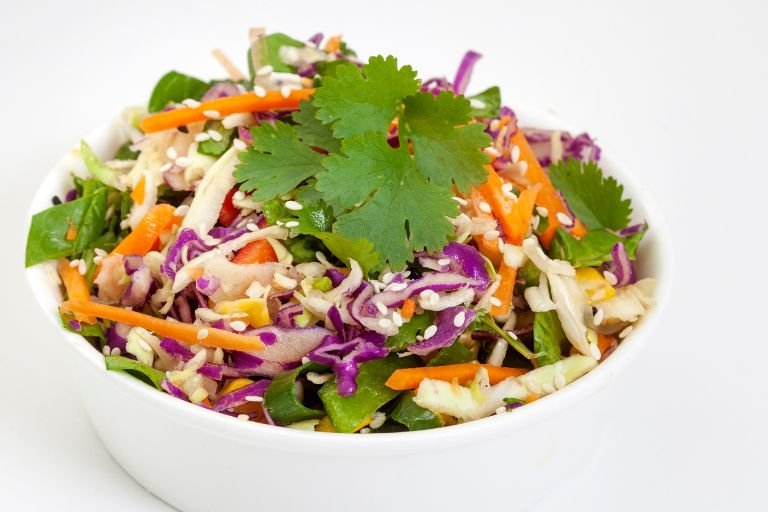
Coleslaw is a beloved side dish often served at picnics, barbeques, and family gatherings. Known for its crunch and flavor, it pairs well with many main dishes. But have you ever wondered, is coleslaw acidic?
The acidic nature of coleslaw comes from its ingredients, especially vinegar-based or creamy dressings. This can be a concern for people with acid reflux, as acidic foods often trigger symptoms. Acid reflux sufferers must be mindful of their diet, and knowing how certain foods impact their condition is key to avoiding discomfort.
Can coleslaw fit into an acid-reflux-friendly diet, or should it be avoided altogether? Let’s explore its acidity, its effects on acid reflux, and some helpful alternatives.
Is Coleslaw Acidic?
Understanding Acidity in Coleslaw
Coleslaw is considered moderately acidic. The dressing is the main contributor to its acidity. Many traditional recipes use vinegar, a highly acidic ingredient, to give coleslaw its tangy flavor. Vinegar has a low pH, which increases the dish’s overall acidity.
Creamy coleslaw made with mayonnaise is slightly less acidic but still contains acidic components like lemon juice or vinegar. Even sugar-added versions can have acidic undertones, as sugar interacts with other ingredients during preparation.
Does Preparation Affect Acidity?
Yes, how coleslaw is prepared greatly influences its acidity. Homemade coleslaw gives you control over the ingredients. You can choose to reduce or omit vinegar and substitute less acidic options, such as yogurt-based dressings.
Store-bought coleslaw, on the other hand, often contains preservatives and additional acids to extend shelf life, making it potentially more acidic. Reading labels and selecting low-acid versions can help.
Coleslaw and Acid Reflux: Is It Okay?
How Coleslaw Impacts Acid Reflux
Acid reflux occurs when stomach acid flows back into the esophagus, causing discomfort or heartburn. Foods with high acidity, like vinegar, can irritate the esophagus and worsen symptoms. Additionally, the high-fat content in creamy coleslaw dressings may relax the lower esophageal sphincter (LES), making reflux more likely.
Can You Eat Coleslaw with Acid Reflux?
For some individuals, coleslaw may be safe in moderation, especially if prepared with reflux-friendly ingredients. However, traditional recipes with tangy dressings and raw cabbage might trigger symptoms. Acid reflux sufferers should opt for lighter, less acidic versions and avoid large portions.
Trigger Ingredients in Coleslaw
- Vinegar: A common trigger due to its strong acidity.
- Mayonnaise: High-fat content can slow digestion and relax the LES.
- Raw Cabbage: While nutritious, it can cause bloating and gas, exacerbating reflux.
Choosing low-fat and low-acid ingredients can make coleslaw more tolerable.
Cabbage and Acid Reflux: What to Know
Is Cabbage Safe for Acid Reflux?
Cabbage, the main ingredient in coleslaw, has mixed effects on acid reflux. While it’s packed with vitamins and fiber, raw cabbage can be hard to digest for some people. This can lead to bloating or gas, which may worsen reflux symptoms.
Raw vs. Cooked Cabbage
Raw cabbage, commonly used in coleslaw, is more likely to cause digestive discomfort. Cooking cabbage softens its fibers, making it easier to digest and less likely to trigger reflux. For acid reflux sufferers, cooked cabbage is often a better choice.
What About Purple Cabbage?
Purple cabbage has similar benefits and drawbacks as green cabbage. Its higher antioxidant content makes it a healthy choice, but its raw form may still cause gas and bloating. Cooking purple cabbage can reduce its effects on reflux.
Is Raw Cabbage Good for Acid Reflux?
Raw cabbage isn’t ideal for everyone with acid reflux. While it offers nutrients, its tough fibers and gas-producing compounds can aggravate symptoms. If you love cabbage, try smaller portions or cooked preparations.
Can Coleslaw Upset Your Stomach?
Potential Stomach Triggers in Coleslaw
Coleslaw can upset the stomach in sensitive individuals due to its ingredients:
- Dairy (in creamy dressings): May cause indigestion or discomfort for those with lactose intolerance.
- Fats (from mayonnaise): Slow digestion, leading to bloating or reflux.
- Vinegar: Strongly acidic, potentially irritating the stomach lining.
Sensitivity to Raw Vegetables
Raw vegetables, including cabbage, are harder to break down in the digestive system. They can cause bloating, gas, and discomfort, especially for people with irritable bowel syndrome (IBS) or acid reflux. Lightly steaming or sautéing the cabbage can reduce these effects.
If coleslaw frequently causes discomfort, consider experimenting with ingredients to find a balance that works for your stomach.
What Kind of Salad Is Good for Acid Reflux?
Low-Acid Salad Options
For individuals with acid reflux, salads made with low-acid and easy-to-digest ingredients are ideal. Here are some options:
- Cucumber Salad: A refreshing, low-acid choice with minimal seasoning. Use olive oil and herbs for flavor.
- Spinach and Avocado Salad: Spinach is mild and soothing, while avocado provides healthy fats without triggering reflux.
- Quinoa Salad with Roasted Vegetables: Incorporates cooked ingredients, which are easier on the stomach.
Author Tip: Paul Steindler’s Cabbage Soup
Tips for Acid-Reflux-Friendly Salads
- Choose Low-Acid Dressings: Use olive oil, yogurt, or tahini as a base instead of vinegar or citrus.
- Avoid High-Fat Additions: Skip heavy cheeses or creamy dressings.
- Add Soothing Ingredients: Include ginger, chamomile, or fennel for digestive comfort.
By making thoughtful choices, you can enjoy salads without worrying about reflux symptoms.
FAQs
1. Is coleslaw okay for acid reflux?
It depends on the recipe. Vinegar-heavy and high-fat versions may trigger reflux, but lighter, low-acid options can be more suitable.
2. What type of cabbage is best for acid reflux?
Cooked cabbage is easier to digest and less likely to cause reflux symptoms compared to raw cabbage.
3. How can I make coleslaw less acidic?
Replace vinegar with yogurt or olive oil in the dressing. Use a small amount of lemon juice for flavor without overloading on acid.
4. Are there alternatives to coleslaw for acid reflux sufferers?
Yes, salads like cucumber, spinach, or quinoa-based dishes are excellent low-acid options.
5. Can I eat mayonnaise with acid reflux?
In small amounts, low-fat mayonnaise may be tolerable. Avoid high-fat versions to reduce the risk of triggering symptoms.
Conclusion
Coleslaw’s acidity and potential to trigger acid reflux depend largely on its ingredients and preparation. Traditional recipes with vinegar and mayonnaise may not be suitable for everyone, but there are ways to adapt coleslaw for sensitive stomachs. Using low-acid and low-fat alternatives can make it a safer choice.
If coleslaw doesn’t work for you, consider exploring low-acid salad options that are just as delicious. Understanding how different foods affect your acid reflux can empower you to make better dietary decisions. Small adjustments can lead to big improvements in managing symptoms and enjoying meals without discomfort.
Related Posts
Subscribe for New Racipies
Get mental health tips, updates, and resources delivered to your inbox.