
Is Celery Acidic? Celery for Acid Reflux: Good or Bad?

Medically reviewed by Aneeza Pervez Updated Date: January 5, 2026
Celery, a staple in many diets, is widely recognized for its crunch, low calorie count, and health benefits. But for those suffering from acid reflux or GERD (gastroesophageal reflux disease), the question arises: “Is celery acidic? Is celery for acid reflux a good choice or a potential trigger?” In this article, we will dive into the pH level of celery, its potential effects on acid reflux, and how to incorporate it into a reflux-friendly diet. By the end, you’ll have a clear understanding of whether celery can be your ally in managing acid reflux.
Is Celery Acidic? Understanding Its pH Level
Celery is classified as an alkaline food, with a pH level ranging from 5.7 to 6.0. While not as alkaline as some other vegetables, celery is still considered a low-acid option. Here’s a quick comparison:
| Food Item | pH Range | Acidity Level |
| Celery | 5.7–6.0 | Low Acid/Neutral |
| Spinach | 6.5–7.0 | Alkaline |
| Cucumber | 6.0–7.0 | Alkaline |
| Tomatoes | 4.0–4.6 | Alkaline |
Celery’s alkaline nature makes it a popular choice for individuals looking to balance their diet and reduce acidity. Its ability to help neutralize stomach acid has made it a go-to food for those managing acid reflux.
Related to Read: Is Bok Choy Safe for Acid Reflux?
Nutritional Benefits of Celery: A Powerhouse of Health
Celery isn’t just about its alkalinity; it’s a nutrient-rich vegetable offering numerous health benefits:
- High Water Content: With over 95% water, celery keeps you hydrated and aids in digestion.
- Rich in Antioxidants: Contains flavonoids, beta carotene, and vitamin C, which combat oxidative stress.
- Dietary Fiber: Promotes gut health and regular bowel movements.
- Low in Calories: A perfect snack for those looking to manage their weight.
- Anti-Inflammatory Properties: Contains phytonutrients that may reduce inflammation in the body.
Can Celery Help with Acid Reflux? Exploring Its Impact
Celery is often recommended as a reflux-friendly food due to its alkalinity and digestive benefits. Here’s how celery might help:
1. Neutralizes Stomach Acid
The alkaline nature of celery can help balance stomach acid levels, reducing the likelihood of acid reflux symptoms.
2. Supports Digestion
Celery’s fiber content aids in smooth digestion, preventing issues like bloating and indigestion that can exacerbate acid reflux.
3. Low-Fat Content
High-fat foods can trigger acid reflux by relaxing the lower esophageal sphincter (LES). Celery, being naturally low in fat, avoids this problem.
4. Hydration
The high water content in celery helps dilute stomach acid, potentially preventing reflux episodes.
Related to Read: Is Cabbage Juice Acidic?
How to Include Celery in a Reflux-Friendly Diet?
To maximize celery’s benefits while minimizing any potential discomfort, consider these tips:
1. Eat It Raw
Raw celery retains its crunch, nutrients, and alkalinity. Pair it with a reflux-safe dip like hummus.
2. Add to Smoothies
Blend celery with alkaline fruits like bananas and spinach for a refreshing, reflux-friendly smoothie.
3. Incorporate into Soups
Cooking celery in low-acid soups can make it easier to digest without compromising its benefits.
4. Avoid High-Acid Pairings
Skip pairing celery with acidic ingredients like tomatoes or citrus-based dressings.
5. Drink Celery Juice
While slightly less fiber-rich, celery juice is another way to enjoy its alkalinity. Start with small servings to gauge your tolerance.
Author Tip: 7-Day Meal Plan For Gastritis
Potential Risks of Celery for Acid Reflux
Though celery is generally well-tolerated, it’s not entirely risk-free:
- Bloating: Excessive consumption may cause bloating in sensitive individuals.
- Allergic Reactions: Rarely, celery can trigger allergic responses in some people.
- Pesticide Residue: Opt for organic celery or wash thoroughly to avoid exposure to pesticides.
Author Tip: 7 Kinds of Foods to Avoid with GERD
Celery vs. Other Vegetables for Acid Reflux
How does celery compare to other vegetables in managing acid reflux?
| Vegetable | Acidity Level | Reflux-Friendly |
| Celery | Low Acid | Yes |
| Spinach | Alkaline | Yes |
| Broccoli | Alkaline | Yes |
| Onions | Acidic | No |
Celery stands out as a versatile, reflux-friendly vegetable, suitable for most diets.
Related to Read: Are Broccoli Acidic?
FAQs About Celery and Acid Reflux
1. Is celery good for acid reflux?
Yes, celery is alkaline and can help neutralize stomach acid, making it a good choice for acid reflux sufferers.
2. Can celery juice worsen acid reflux?
Unlikely, but individual tolerances vary. Start with small amounts to ensure it doesn’t trigger symptoms.
3. How much celery should I eat daily for acid reflux?
Aim for 1–2 stalks or half a cup of chopped celery daily as part of a balanced diet.
4. Are cooked celery and raw celery equally beneficial?
Both forms are beneficial, but cooking celery can make it easier to digest for some people.
5. Can celery replace medication for acid reflux?
While celery may alleviate symptoms, it’s not a substitute for prescribed medication. Always consult a healthcare provider for severe or persistent reflux.
Conclusion: Is Celery a Good Choice for Acid Reflux?
Celery’s low acidity, high water content, and digestive benefits make it an excellent option for managing acid reflux. Its versatility allows for easy incorporation into various meals, whether raw, cooked, or juiced. While individual results may vary, most people with acid reflux can enjoy celery without concern. By adding celery to your diet mindfully, you can take a step toward better digestive health and overall well-being.
Related Posts



Subscribe for New Racipies
Get mental health tips, updates, and resources delivered to your inbox.
Is Brown Sugar Acidic? Brown Sugar and Acid Reflux

Acid reflux is a pervasive condition that affects millions of people globally, disrupting daily life with symptoms like heartburn, regurgitation, and discomfort in the chest. The primary cause is stomach acid flowing back into the esophagus, often due to a weakened lower esophageal sphincter (LES). While occasional reflux can be a nuisance, chronic acid reflux, known as Gastroesophageal Reflux Disease (GERD), requires careful management to prevent further complications such as esophagitis or Barrett’s esophagus.
A key factor in managing acid reflux is dietary choices. Certain foods and beverages can exacerbate symptoms, while others may alleviate discomfort. Sweeteners like brown sugar often raise questions: Is it acidic, and could it aggravate acid reflux? Understanding the properties of brown sugar, including its pH level, and its effects on the digestive system is crucial. In this article, we’ll break down the science behind brown sugar’s acidity, its connection to acid reflux, and alternative sweeteners that might be gentler on your stomach.
What is Brown Sugar?
Composition and Difference from White Sugar
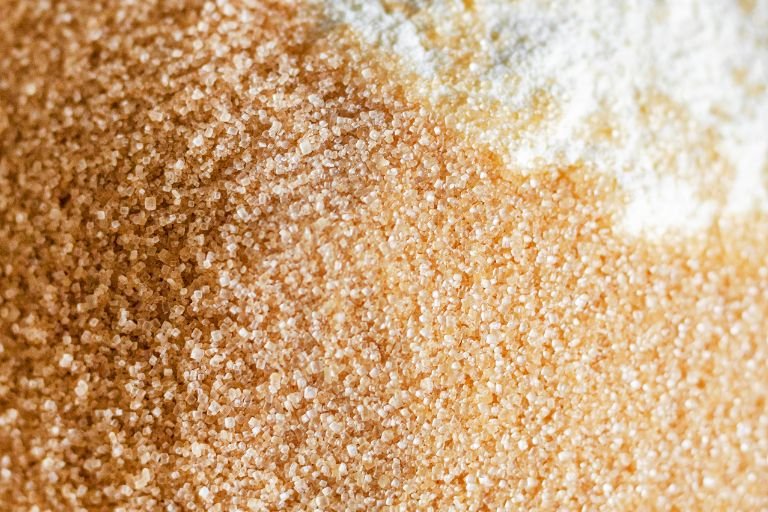
Brown sugar is essentially white sugar with added molasses, giving it its characteristic color, flavor, and moisture content. Unlike white sugar, which is refined and stripped of impurities, brown sugar retains a small percentage of molasses, contributing to its slightly richer taste.
Nutritional Composition of Brown Sugar
To better understand its potential impact on acid reflux, let’s examine the nutritional profile of brown sugar:
| Nutrient | Amount per 100g | Comment |
| Calories | 380 kcal | High caloric content, similar to white sugar. |
| Carbohydrates | 98 g | Primarily simple sugars. |
| Sugars | 96 g | Includes glucose and fructose. |
| Calcium | 85 mg | Derived from molasses content. |
| Potassium | 130 mg | Trace amount beneficial for health. |
| Iron | 0.71 mg | Present in small quantities. |
While brown sugar offers minimal minerals like calcium and potassium due to its molasses content, its nutritional differences from white sugar are not significant enough to consider it a health food.
pH Level of Brown Sugar
The pH level of brown sugar typically ranges from 5.0 to 6.0, making it slightly acidic. While it is not as acidic as lemon juice or vinegar, its acidity level can still influence those sensitive to acidic foods.
Is Brown Sugar Acidic?
Scientific Explanation of Its Acidity
Acidity is measured on a pH scale, where values below 7 are acidic, and values above 7 are alkaline. Brown sugar falls on the acidic side due to its molasses content. Molasses, being mildly acidic, slightly lowers the pH of brown sugar compared to white sugar, which has a nearly neutral pH.
Comparison with White Sugar and Natural Sweeteners
- White Sugar: With a pH closer to neutral (around 7), white sugar is less acidic than brown sugar. However, its effect on acid reflux is similar due to its high glycemic index and refined nature.
- Natural Sweeteners: Alternatives like honey (pH 3.9–4.5), maple syrup (pH 5.5–7), and stevia (neutral) may offer better options for acid reflux sufferers due to their varying pH levels and lower glycemic impact.
Brown Sugar and Acid Reflux
Can Brown Sugar Trigger Acid Reflux?
Brown sugar may contribute to acid reflux symptoms for some individuals. While it is only mildly acidic, the real issue lies in its impact on the digestive system:
- High Sugar Content: Excess sugar consumption can lead to increased stomach acid production, which may trigger acid reflux.
- Molasses Content: Though minor, the acidic molasses in brown sugar may irritate sensitive individuals.
- Indirect Triggers: Consuming sugary foods can lead to weight gain, a known risk factor for acid reflux.
Benefits and Risks of Consuming Brown Sugar for Acid Reflux Sufferers
- Benefits:
- Slightly less refined than white sugar, which may be marginally better for some.
- Trace minerals from molasses could contribute to nutritional diversity.
- Risks:
- Increased acid production in the stomach.
- Potential for triggering heartburn if consumed in large quantities.
For those with acid reflux, moderation is key. A small amount of brown sugar might not cause symptoms, but frequent or excessive use could exacerbate issues.
Alternative Sweeteners for Acid Reflux
Low-Acid Natural Sweeteners
For those looking to reduce acid reflux symptoms, consider these alternatives:
- Honey:
- Natural and slightly acidic.
- Known for soothing throat irritation caused by acid reflux.
- Maple Syrup:
- Ranges from mildly acidic to neutral.
- Less processed and has a unique flavor.
- Stevia:
- A natural, zero-calorie sweetener with a neutral pH.
- Ideal for those managing both acid reflux and blood sugar levels.
- Coconut Sugar:
- Low glycemic index.
- Slightly acidic but often better tolerated than refined sugars.
Exploring Sugar Substitutes for Acid Reflux Relief
Managing acid reflux often involves making strategic dietary adjustments, and one effective approach is substituting traditional sugars like brown sugar with alternatives that are gentler on the stomach. Sugar substitutes can offer several benefits, such as lower acidity levels, reduced impact on stomach acid production, and, in some cases, added health benefits like lower calorie content or additional nutrients.
Natural sweeteners like honey, stevia, and maple syrup are popular choices among individuals with GERD. Honey, for example, is known for its soothing properties, which can help coat the esophagus and alleviate irritation caused by acid reflux. Stevia, a zero-calorie natural sweetener, is pH-neutral and less likely to exacerbate symptoms compared to refined sugars. Maple syrup, ranging from mildly acidic to neutral, offers a flavorful alternative that is often better tolerated by those with sensitive stomachs.
Additionally, sugar substitutes like coconut sugar and erythritol have a lower glycemic index and may help reduce overall acid production in the stomach, making them viable options for long-term dietary management. Experimenting with these alternatives can help find the right balance between satisfying your sweet tooth and avoiding reflux flare-ups.
Author Tip: Sugar Defender Reviews: Does It Really Work?
Why Choose Alternatives?
Switching to these sweeteners can:
- Lower the likelihood of triggering acid reflux.
- Provide added nutrients and health benefits.
- Reduce overall sugar intake, aiding in weight management—a crucial factor in controlling GERD symptoms.
Conclusion
Brown sugar, while mildly acidic, may not be the primary culprit in triggering acid reflux for most individuals. However, its sugar content and slight acidity can aggravate symptoms in sensitive individuals when consumed in large amounts. For those managing acid reflux, it’s essential to adopt a balanced approach by moderating sugar intake and opting for natural, low-acid sweeteners where possible.
Understanding your body’s reactions to certain foods is key. Consulting a healthcare provider for personalized dietary advice can help you make informed choices and effectively manage acid reflux symptoms.
FAQs
1. Is brown sugar good for acid reflux?
Brown sugar is not inherently good or bad for acid reflux. Its mild acidity and sugar content can trigger symptoms in sensitive individuals, but moderate consumption may not cause issues for everyone.
2. How does brown sugar compare to white sugar for acid reflux?
Brown sugar is slightly more acidic due to its molasses content. However, its overall impact on acid reflux is similar to white sugar.
3. Can brown sugar cause heartburn?
In some individuals, brown sugar can cause heartburn, especially when consumed in large amounts or as part of a high-sugar diet.
4. Are there better sweeteners for acid reflux?
Yes, alternatives like honey, stevia, and maple syrup are often better for acid reflux sufferers due to their lower acidity and potential health benefits.
5. What are other dietary tips for managing acid reflux?
- Avoid highly acidic foods like citrus and tomatoes.
- Eat smaller meals to prevent overloading the stomach.
- Stay upright after eating and avoid eating late at night.
Related Posts
Subscribe for New Racipies
Get mental health tips, updates, and resources delivered to your inbox.