
Is Biotin a Protein? Understanding Its Role in Hair and Health


Biotin, also known as Vitamin B7 or Vitamin H, is a water-soluble vitamin that plays a crucial role in maintaining healthy hair, skin, and nails. It supports the body’s ability to convert food into energy, aids in fatty acid synthesis, and helps regulate keratin production—the primary protein that makes up hair and nails. Due to its essential role in hair health, biotin is commonly found in shampoos, supplements, and hair growth treatments.
A common misconception is that biotin is a protein because of its connection to keratin. However, biotin is not a protein but a vitamin that helps the body synthesize keratin. Unlike proteins, which are made up of amino acids, biotin is a coenzyme that assists in various metabolic processes.
So, is biotin a protein or a vitamin? The quick answer: Biotin is a vitamin (B7), not a protein. While it supports protein metabolism and hair strength, it does not directly function as a structural protein like keratin or collagen.
Understanding this distinction helps in choosing the right hair care products and supplements, ensuring a well-balanced approach to maintaining strong, healthy hair.
Biotin vs Protein: What’s the Difference?
Biotin and protein are often confused, especially in the context of hair health. While both play essential roles in the body, they serve different functions.
What is Biotin?
Biotin, also known as Vitamin B7 or Vitamin H, is a water-soluble vitamin that helps convert carbohydrates, fats, and proteins into energy. It is vital for metabolism, cell growth, and keratin production. Since keratin is the main protein in hair, skin, and nails, biotin is often associated with hair health. However, biotin itself is not a protein.
What is Protein?
Proteins are macronutrients made up of amino acids that serve as the building blocks of the body. They are essential for muscle growth, tissue repair, and structural components like hair and skin. Unlike biotin, proteins provide structure and strength to hair strands.
What is the Difference Between Biotin and Protein?
- Is biotin a protein or vitamin? → Biotin is a vitamin (B7), not a protein.
- Is biotin considered a protein? → No, it is a coenzyme that supports protein metabolism.
- Is biotin a form of protein? → No, it does not contain amino acids like proteins do.
- What is the difference between biotin and protein? → Biotin is a vitamin that helps the body metabolize nutrients, while proteins are structural molecules essential for hair, muscles, and tissues.
While biotin does not directly build hair, it supports keratin production, making it an important nutrient for strong and healthy hair.
Does Biotin Add Protein to Hair?
Many people wonder, does biotin add protein to hair? While biotin is essential for healthy hair growth, it does not directly add protein to hair strands. Instead, biotin supports keratin production, which strengthens hair, reduces breakage, and improves overall hair health.
Is Biotin a Protein for Hair?
No, biotin is not a protein for hair. Hair is primarily made of keratin, a structural protein, while biotin is a vitamin (B7) that helps the body produce keratin. Since keratin plays a crucial role in hair structure, biotin is often included in hair supplements, shampoos, and treatments to promote stronger hair.
Is Biotin a Protein Treatment?
A protein treatment typically contains hydrolyzed proteins or keratin that help rebuild and strengthen the hair shaft. Biotin is not a protein treatment, but it enhances the body’s ability to produce keratin, indirectly benefiting hair health. Many biotin-infused hair products are marketed as strengthening treatments, but they do not work the same way as actual protein treatments.
Does Biotin Change Hair Texture?
A common question is, does biotin change hair texture? The answer is no—biotin does not alter natural hair texture (e.g., straight, wavy, curly). However, by improving keratin structure, biotin may make hair appear thicker, shinier, and stronger over time.
In summary, is biotin a type of protein? → No, but it supports keratin production, which helps maintain strong, healthy hair.
Biotin in Hair Products: Is Biotin in Shampoo a Protein?
Biotin has become a popular ingredient in hair care products, especially in shampoos, conditioners, and treatments marketed for hair growth and strengthening. Many of these products also contain keratin, leading to confusion about whether biotin in shampoo is a protein. While biotin plays an essential role in hair health, it is not a protein itself.
Biotin and Keratin Shampoo: What’s the Difference?
Many biotin and keratin shampoos are formulated to improve hair strength, reduce breakage, and promote shine. However, they contain different types of ingredients:
- Biotin (Vitamin B7): Helps the body produce keratin, the structural protein in hair.
- Keratin: A protein that repairs and strengthens damaged hair strands.
Since biotin supports keratin production, it is often included in hair care products alongside keratin to enhance hair strength and resilience.
Is Biotin in Shampoo a Protein?
No, biotin in shampoo is not a protein. It is a vitamin (B7) that helps the body metabolize nutrients needed for hair growth. Unlike keratin, which directly repairs and strengthens hair, biotin works internally by supporting keratin production. However, many hair care brands market biotin shampoos as strengthening treatments, leading to misconceptions that biotin itself is a protein.
Biotin Shampoo vs Biotin Supplements: What Works Best?
When it comes to hair growth and strength, both biotin shampoos and supplements have their benefits, but they work in different ways:
- Biotin Shampoo: Works externally by coating the hair shaft, making it appear thicker and healthier. While it does not directly stimulate hair growth, it helps reduce breakage and dryness, especially in curly and textured hair.
- Biotin Supplements: Work internally by providing biotin to the body, which then supports keratin production. This approach promotes long-term hair growth and strength from within.
For best results, many experts recommend using both biotin supplements and a biotin and keratin shampoo as part of a well-rounded hair care routine.
Biotin Shampoo for Curly Hair: Is It Effective?
Curly hair tends to be more prone to dryness and breakage, making biotin shampoo for curly hair a popular choice. While biotin shampoos do not change hair texture, they can enhance strength, improve moisture retention, and reduce frizz, helping curls appear more defined and healthier.
Although biotin is a key ingredient in many hair care products, it is not a protein. Instead, it supports keratin production, which is essential for strong, healthy hair. Whether you choose a biotin and keratin shampoo, biotin supplements, or both, incorporating biotin into your hair care routine can help nourish and strengthen your hair over time.
Biotin in Foods and Supplements
Biotin, also known as Vitamin B7 or Vitamin H, is an essential water-soluble vitamin that plays a vital role in metabolism, hair health, and skin maintenance. While many people take biotin supplements to support hair growth, natural sources of biotin-rich foods can also provide the body with this important nutrient.
Natural Sources of Biotin
A well-balanced diet can provide enough biotin to meet daily requirements. Some of the best biotin foods include:
How Much Biotin is in 2 Eggs?
Eggs, particularly egg yolks, are one of the best dietary sources of biotin. Two whole eggs contain about 10 mcg of biotin, making them a great addition to a biotin-rich diet. However, consuming raw egg whites may reduce biotin absorption due to a protein called avidin, which binds to biotin and prevents its uptake. Cooking eggs neutralizes this effect.
Vitamin H Rich Foods
Since biotin is also known as Vitamin H, many whole foods naturally provide this essential nutrient. Common Vitamin H rich foods include:
- Egg yolks
- Nuts and seeds (almonds, walnuts, peanuts, sunflower seeds)
- Whole grains (oats, barley, wheat)
- Dairy products (milk, cheese, yogurt)
- Legumes (lentils, beans, peas)
Zinc and Biotin Rich Foods
Zinc is another important mineral that supports hair, skin, and nail health. Many foods contain both zinc and biotin, making them excellent for overall wellness:
- Meat (beef, chicken, pork, liver)
- Fish (salmon, tuna, sardines)
- Seeds (pumpkin seeds, sunflower seeds, chia seeds)
- Nuts (cashews, almonds, walnuts)
Eating a combination of biotin and zinc-rich foods ensures optimal hair and skin health without needing high-dose supplements.
Biotin Supplements
For individuals who struggle to get enough biotin from food, supplements can help meet daily biotin needs. Biotin supplements come in various forms, including capsules, gummies, and liquid drops.

Biotin Dosage: How Much Do You Need?
The recommended daily intake of biotin varies depending on age and lifestyle. Here are the general guidelines:
- Adults: 30 mcg per day
- Pregnant women: 30-35 mcg per day
- Breastfeeding women: 35 mcg per day
Most people get enough biotin from their diet, but those experiencing hair thinning, brittle nails, or certain medical conditions may benefit from higher doses.
Is 10,000 mcg Biotin Too Much?
Many biotin supplements on the market offer high doses, such as 5,000 mcg or 10,000 mcg per serving. While biotin is water-soluble (meaning excess amounts are excreted through urine), 10,000 mcg is significantly higher than the daily requirement.
Taking 10,000 mcg of biotin may be beneficial for individuals with severe biotin deficiency, but for most people, such high doses are unnecessary. Additionally, excess biotin can interfere with lab tests, including thyroid and heart function tests. Before taking high-dose biotin supplements, it’s best to consult a healthcare provider.
Best Biotin Supplement Options
When choosing the best biotin supplement, consider:
- Purity and quality (third-party tested brands)
- Form (capsules, gummies, or liquid)
- Additional ingredients (some include keratin, collagen, or zinc for added benefits)
Some top-rated biotin supplements include:
- Sports Research Biotin 5000 mcg (vegan-friendly, non-GMO)
- Natrol Biotin 10,000 mcg (fast-dissolve tablets)
- SugarBearHair Biotin Gummies (great-tasting option)
Biotin is essential for hair health, metabolism, and overall wellness. While it is best obtained through biotin-rich foods like eggs, nuts, and whole grains, supplements can help those with deficiencies or hair growth concerns. However, high doses like 10,000 mcg should be taken with caution. Whether through diet or supplements, ensuring adequate biotin intake supports strong hair, glowing skin, and healthy nails.
Biotin Side Effects & Safety
While biotin supplements are generally considered safe, some people may experience side effects when taking high doses. Understanding biotin supplement side effects can help you decide whether supplementation is right for you.
Biotin Supplement Side Effects
Most people tolerate biotin well, but potential biotin side effects include:
- Skin reactions (rashes, itching, breakouts)
- Digestive issues (nausea, cramping, diarrhea)
- Interference with lab tests (false readings in thyroid, cardiac, and hormone tests)
Because biotin is water-soluble, excess amounts are usually excreted through urine, reducing the risk of toxicity. However, high doses (e.g., 5,000–10,000 mcg daily) may lead to unwanted effects.
Does Biotin Cause Acne?
A common concern is, does biotin cause acne? While biotin itself does not directly cause acne, high doses may trigger increased sebum (oil) production, leading to clogged pores and breakouts. This occurs because biotin competes with vitamin B5 (pantothenic acid), which helps regulate oil production. To minimize this risk, balance biotin intake with B5-rich foods like avocados, mushrooms, and eggs.
Biotin and Weight Loss: Is There a Connection?
There is no strong scientific evidence linking biotin to weight loss. However, biotin plays a role in metabolism, helping the body convert food into energy. Some weight loss supplements contain biotin, but it does not directly burn fat or suppress appetite.
Biotin with Keratin Side Effects: Should You Combine Them?
Combining biotin with keratin is generally safe and may enhance hair and nail strength. However, some people report increased breakouts, scalp irritation, or digestive discomfort when taking both. If you experience side effects, consider lowering the dosage or using one supplement at a time.
While biotin supplements can support hair, skin, and nail health, they may cause side effects like acne, digestive issues, or lab test interference, especially at high doses. Always consult a healthcare provider before starting high-dose biotin or combining it with keratin.
FAQs
Are Keratin Supplements Safe?
Keratin supplements have become popular for their ability to strengthen hair, nails, and skin. Since keratin is the primary protein in hair, taking supplements can provide the body with the building blocks needed to support hair structure. However, it’s important to note that keratin supplements are generally safe when taken as directed. Some individuals may experience mild digestive issues or scalp irritation, especially if the supplement contains added ingredients or is taken in excessive amounts. It’s best to start with a lower dose and consult a healthcare provider if you have concerns.
Cynatine HNS: A Bioavailable Form of Keratin for Hair Health
Cynatine HNS is a highly bioavailable form of keratin, specifically designed to support hair health, skin elasticity, and nail strength. Unlike traditional keratin, which can be difficult for the body to absorb, Cynatine HNS is a hydrolyzed form, meaning it’s broken down into smaller, more easily absorbed peptides. This makes Cynatine HNS an effective option for individuals looking to improve hair strength and reduce breakage. Cynatine HNS may also promote healthy skin and nail growth, making it a versatile supplement for overall beauty care.
Zinc for Hair Loss and Regrowth
Zinc is a crucial mineral for hair health. It supports protein synthesis and cell division, both of which are essential for hair growth. A deficiency in zinc can lead to hair loss and slower regrowth. In fact, many individuals experiencing hair thinning find that zinc grew my hair back when they started supplementing with it. Additionally, zinc for hair loss regrowth is commonly included in formulations aimed at supporting hair growth, especially when combined with other nutrients like biotin and vitamin D.
Zinc and Biotin for Acne and Skin Healing
Both zinc and biotin are beneficial for skin health. Zinc plays a key role in skin healing, as it promotes wound repair and reduces inflammation. It has been shown to help treat acne, eczema, and other skin conditions by regulating oil production and reducing oxidative stress. When combined with biotin, which supports keratin production and promotes skin elasticity, these nutrients work synergistically to improve skin health, heal blemishes, and reduce scarring.
Is biotin a protein or vitamin?
Biotin is a vitamin (B7), not a protein. It plays an essential role in metabolism by helping the body convert food into energy and supports hair, skin, and nail health. Despite its importance for hair growth, biotin is not a protein—it is a water-soluble vitamin that supports the production of keratin, the protein that strengthens hair.
Is biotin a protein for hair?
No, biotin is not a protein for hair. However, it is vitamin B7, and it helps support keratin production, which is the protein that makes up hair, skin, and nails. By promoting keratin formation, biotin strengthens hair, reduces breakage, and helps maintain hair health.
Is biotin considered a protein?
No, biotin is not considered a protein. It is a vitamin that supports metabolism, energy production, and helps the body produce the protein keratin. While keratin is essential for hair health, biotin itself is not a protein.
A protein that binds with biotin is found in which food?
The protein streptavidin, found in raw egg whites, binds to biotin and can reduce its absorption in the body. Cooking egg whites deactivates streptavidin, allowing the body to absorb biotin more effectively. Therefore, consuming raw egg whites might hinder the absorption of biotin, while cooked eggs are a great source of this important vitamin.
What is Vitamin B9’s name?
Vitamin B9 is commonly known as folate (naturally occurring form) or folic acid (synthetic form). Folate is vital for cell growth and division, especially during pregnancy, and helps prevent birth defects. It also supports DNA synthesis and red blood cell formation.
What is Vitamin B8’s name?
Vitamin B8 is inositol, a substance that plays a role in cell membrane structure and signaling pathways in the body. It is often involved in maintaining the balance of lipids and has been used in various supplements for mental health and hormonal balance.
What is Vitamin I?
Vitamin I is a historical term that was used to refer to a mystery vitamin that was later determined to be nonexistent in modern science. The term is no longer in use and is not recognized as an official vitamin today.
What is Intrinsic White Injury Factor?
Intrinsic White Injury Factor refers to a factor involved in the metabolism of certain vitamins in the body. It is sometimes linked to the absorption and utilization of vitamins such as biotin. This term, while not widely discussed in current literature, is occasionally mentioned in the context of nutrient absorption disorders or metabolic issues.
Conclusion
In conclusion, biotin is a vitamin, not a protein, but it plays a crucial role in supporting keratin production, which strengthens hair, skin, and nails. To support hair health, it’s important to maintain a balanced diet, incorporating biotin-rich foods like eggs, nuts, and whole grains. Additionally, a proper hair care routine that includes the right hair supplements and gentle treatments can promote stronger, healthier hair. For further insights, check out our related content on biotin vs. keratin, the best hair growth supplements, and other ways to enhance your hair health. Incorporating these tips into your lifestyle can lead to noticeable improvements in hair strength and appearance.
Related Posts
Subscribe for New Racipies
Get mental health tips, updates, and resources delivered to your inbox.
Are Apples Good for Your Teeth?

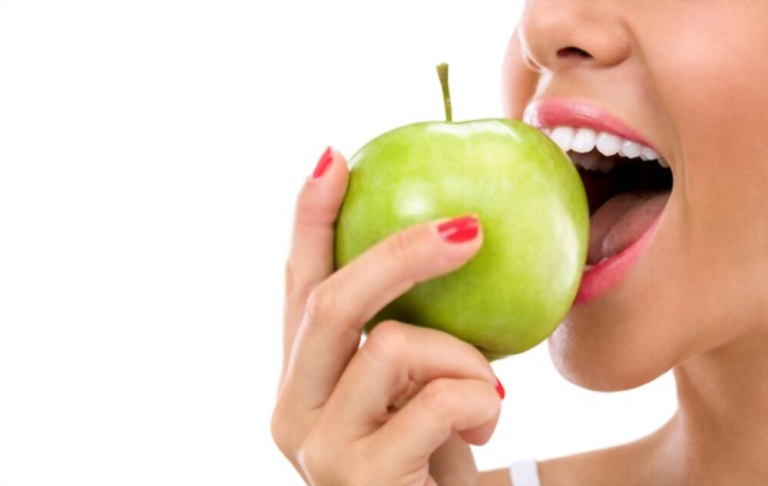
You are already familiar with the adage, “an apple a day keeps the doctor away.” The new question, however, is whether apples also keep the dentist away. There is some debate about whether apples are beneficial to your teeth or not.
So, are apples good for your teeth? Apples are good for your teeth because they help clean and freshen your teeth and fight bad breath. Dietary fiber in apples, mostly found in the peel, functions as a toothbrush, scraping away plaque and removing other food particles from the teeth. The acidity of apples also aids in the eradication of harmful germs that produce bad breath.
However, too much of anything can be detrimental. Eating too many apples can harm your teeth! But there is no need to worry. You can take measures to ensure this does not happen. Here is an in-depth look at how apples affect your teeth.
How Are Apples Good for Your Teeth?
Dentists frequently recommend apples for a variety of health benefits.
Apples are nature’s toothbrush
You can get the benefits of nature’s toothbrush by biting into the fibrous texture of an apple, ideally with the peel on. Crisp fruits (like apples) and vegetables help eliminate plaque and bacteria that cause cavities. You can finish off your dinner with a tasty apple, for your teeth’s benefit!
Apples are beneficial to your gums
Apples are high in vitamins, particularly vitamin C, which benefits your gums. For example, vitamin C (found in apples) protects your gums healthily and prevents infection. You risk becoming ill if you do not consume enough Vitamin C. Furthermore, a lack of Vitamin C will lead to gum swelling and bleeding, especially if you already have gum disease.
Apples include a lot of vitamins and minerals
Apples contain a variety of minerals and vitamins in addition to Vitamin C. Apples contain malic acid, which, when consumed, causes salivation. Saliva is necessary for oral health. Apples also contain calcium, which helps to strengthen teeth and bones. They also contain fiber, which the body requires for general health, especially gastrointestinal system health.
Chewing on an apple increases saliva production
Apples contain malic acid, which causes salivation during chewing. This fact is amazing! Saliva acts as a rinse for the teeth. Saliva in your mouth is a barrier against bacteria and inhibits plaque formation.
Examining the mouths of people after chewing either fresh or dried apples has shown that plaque is eliminated, but only from the protruding surfaces of the teeth.
Some plaque will, however, remain in the crevices and interdental regions, which are particularly susceptible to cavities and periodontal disease due to plaque accumulation.
Even frequent apple chewing is not a substitute for excellent oral hygiene, which includes flossing and interdental brushing.
Can Apples Affect Your Teeth Negatively?
So what impact does eating apples have on your teeth? The acidity of apples may be harmful to oral health. Correct; acidic foods can cause dentin damage in your mouth. Dentin is the tooth layer immediately under tooth enamel. The acidity of an apple can dissolve dentine and cause tooth damage.
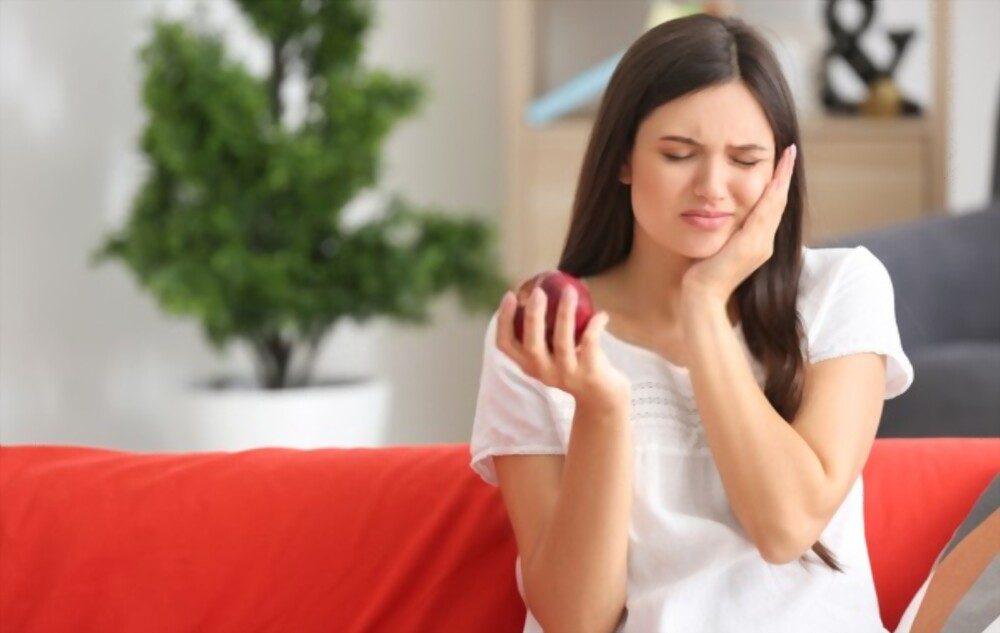
However, studies have shown that chewing an apple may not remove dental plaque but may promote plaque rebuilding within the first 24 hours. Still, it does cause an immediate decrease in salivary bacterial viability comparable to that reported after tooth brushing.
The sugar content of the modern apple is higher
As a result of plant hybridization, the sugar content of apples has increased by 50% over the years. Unfortunately, people have grown accustomed to a sweeter apple, which is less healthy for your teeth. According to the United States Department of Agriculture, modern apples have as much sugar as four tablespoons of table sugar. It is essential to know this because sugar can promote tooth decay.
Gala, Fuji, and Pink Lady varieties currently contain about 15% sugar. Sugar content was formerly 10% or less. One apple with a 15% sugar content contains approximately four teaspoons!
This information should cause you to reconsider eating apples, especially between meals and in juice form. According to studies, consuming a lot of fruit and fruit juices is a primary cause tooth decay in adults. It is alarming for youngsters. Fruit juice should only be given to children in diluted form, if at all.
Therefore you should encourage your children to consume apples mixed with other healthy foods. For instance, you may serve them Honeycrisp apple salad with walnuts and pumpkin seeds. It will become their favorite afternoon treat in no time!
Apples have a high acidity level
Apples are a great source of critical nutrients for the body. If you are concerned about your oral health, the acid concentration in some apples is close to that of soda. Sodas have a typical pH in the range of 2.5 to 3.5, and many apples have a pH in the range of 3.0-4.0.
| Type of Apple | pH Level |
| Ida Red | 3.0 |
| Granny | 3.0 |
| Amri | 3.8 |
| Golden | 4.0 |
| Red Chief | 4.0 |
| Golden Delicious | 4.2 |
| Double Red | 4.2 |
| Spartin | 4.3 |
| Red Golden | 4.3 |
| Jona Gold | 4.3 |
| Sky Spur | 4.8 |
| Gala | 6.2 |
Acid can erode tooth enamel. Cavities are unavoidable if there is no barrier between your dentin and microorganisms. Certain fruits have a high acidic content.
As a result, dentists advocate eating acidic fruits like apples as desserts at the end of a meal, rather than as snacks during the day.
Is the Acidity in Apples Bad for My Teeth?
Apples may be as acidic as soft drinks. However, the detrimental effects of acidity in meals such as processed meats and coffee can be easily avoided by following the instructions below:
Pair your apple with another snack
Perhaps a tiny slice of cheese, a glass of milk, or some crackers might be appropriate. Other foods, primarily those high in calcium, will assist in balancing out the acidity of the apple. To help you out, you can do the following:
Cut them up and put them in yogurt
Apples can be consumed by slicing them into thin slices and dipping them in your desired yogurt. This snack of apples mixed with yogurt is high in calcium. Try adding a little honey to the yogurt if your preference gravitates towards a sweeter flavor.
Eating Applesauce
If you loathe biting into apples, applesauce is a good alternative. Make sure to consume just applesauce that has no added sugar. Including anything with added sugar will invalidate any dental benefits provided by this fruit.
Roast Them
Alternatively, you can cut the apples into thin slices, sprinkle them with cinnamon, and roast them in your oven. This snack is not only tasty, but it can also help fight bad breath and remove harmful bacteria from the mouth.
Rinse well with a glass of water
You should drink a glass of water after eating apples. Water aids in the removal of acid and food particles from between the teeth. To counteract the effects of acid erosion, you can also drink milk or eat cheese, which contains calcium.
Do not brush your teeth immediately
It is not advisable to brush your teeth shortly after eating sugary food. Sugar acts like sandpaper, causing tooth enamel deterioration. Brushing also softens and makes teeth more vulnerable to acid because teeth are porous. Brush your teeth at least 30 minutes after consuming sweet treats.
Conclusion
An apple’s high acidity aids in the elimination of germs in the mouth that cause bad breath. While some individuals are concerned that apple acidity would damage their enamel, the sugar content in apples neutralizes potentially harmful acids while making it easier for your body to absorb healthy ones.
The fiber component of apples aids in keeping teeth and gums clean and free of bacterial growth. Because they are crisp, apples enhance salivation, strengthening teeth and preventing cavities.
Related Posts






Subscribe for New Racipies
Get mental health tips, updates, and resources delivered to your inbox.