
Are Plums Acidic? Plums for Acid Reflux: Are They Good or Bad?

Medically reviewed by Aneeza Pervez Updated Date: January 2, 2026
Plums, with their sweet and tangy flavor, are a popular fruit enjoyed worldwide. But if you’re prone to acid reflux or suffer from gastroesophageal reflux disease (GERD), you may wonder, “Are plums acidic? Are they safe for acid reflux?” Understanding the acidity of plums and their potential effects on digestion is essential for making informed dietary choices. In this article, we will explore the pH levels of plums, their impact on acid reflux symptoms, and how to include them in a reflux-friendly diet. By the end, you’ll know whether plums are a suitable addition to your menu.
Are Plums Acidic or Alkaline? Examining Their pH Levels
Plums are classified as slightly acidic, with a pH range between 3.0 and 4.5. While this places them on the acidic side of the pH scale, their acidity varies depending on the variety, ripeness, and preparation method. Here’s a quick look at the pH levels of plums:
| Food | pH Level | Classification |
| Fresh Plums | 3.0–4.5 | Acidic |
| Dried Plums (Prunes) | 4.0–4.8 | Slightly acidic |
Despite being acidic, plums contain essential nutrients and compounds that may offer health benefits.
Related to Read: Are Nectarines Acidic?
Nutritional Profile of Plums: A Burst of Vital Nutrients
Plums are nutrient-dense and low in calories, making them an excellent choice for a balanced diet. Here’s what makes plums stand out:
- Vitamins: High in vitamin C and vitamin K, which support immune health and blood clotting.
- Fiber: A good source of dietary fiber, aiding digestion and promoting gut health.
- Antioxidants: Rich in phenolic compounds and anthocyanins that combat oxidative stress.
- Minerals: Provides potassium and magnesium, essential for muscle and nerve functions.
- Low Glycemic Index: Helps maintain stable blood sugar levels.
Are Plums Safe for Acid Reflux? Understanding Their Effects
Acid reflux occurs when stomach acid flows back into the esophagus, causing discomfort and heartburn. Plums, due to their acidity, may have varying effects on individuals with reflux:
1. Potential to Trigger Acid Reflux Symptoms
The natural acidity of plums may irritate the esophagus in sensitive individuals, particularly if consumed in large quantities or on an empty stomach.
2. Fiber Content Supports Digestive Health
Plums are rich in fiber, which can aid digestion and prevent constipation, reducing pressure on the lower esophageal sphincter (LES).
3. Antioxidants Reduce Inflammation
The antioxidants in plums may help soothe inflammation in the esophagus caused by acid reflux.
Author Tip: 7 Kinds of Foods to Avoid with GERD
Tips for Including Plums in an Acid Reflux-Friendly Diet
If you enjoy plums but are concerned about acid reflux, here are some tips to minimize potential discomfort:
1. Opt for Moderation
Eat small portions of plums to gauge your body’s reaction and avoid overloading your digestive system.
2. Choose Ripe Plums
Fully ripened plums are less acidic and easier on the stomach compared to unripe ones.
3. Pair with Alkaline Foods
Balance the acidity of plums by combining them with alkaline foods like bananas, oats, or spinach.
4. Avoid Eating Before Bedtime
Consuming plums late at night may worsen reflux symptoms. Aim to eat them earlier in the day.
5. Experiment with Prunes
Dried plums (prunes) are less acidic and may be better tolerated by those with acid reflux.
Author Tip: 7-Day Meal Plan For Gastritis
Health Benefits of Plums Beyond Acid Reflux Relief
Plums offer a range of health benefits that make them a valuable addition to your diet:
1. Supports Digestive Health
The fiber in plums promotes regular bowel movements and prevents constipation.
2. Boosts Immune System
High levels of vitamin C enhance immune function and protect against infections.
3. Improves Heart Health
Potassium in plums helps regulate blood pressure, reducing the risk of heart disease.
4. Combats Oxidative Stress
Antioxidants in plums protect cells from damage caused by free radicals, reducing the risk of chronic diseases.
5. Supports Bone Health
Vitamin K and magnesium in plums contribute to maintaining strong and healthy bones.
Scientific Research on Plums and Acid Reflux
Research provides insights into the effects of plums on digestion and acid reflux:
- Digestive Benefits: A study published in the Journal of Gastrointestinal Health found that fiber-rich fruits like plums support gut motility and reduce reflux symptoms.
- Anti-inflammatory Properties: Research in Food Chemistry highlighted the role of phenolic compounds in reducing inflammation in the digestive tract.
- Alkaline Pairing Advantages: Studies emphasize the importance of combining acidic fruits with alkaline foods to minimize reflux risk.
Potential Downsides of Plums for Acid Reflux Sufferers
While plums are generally healthy, they may not suit everyone, especially those with severe reflux:
1. Trigger for Heartburn
The acidity of plums may exacerbate heartburn in sensitive individuals.
2. Individual Sensitivities
Some people may experience bloating or gas after consuming plums, which can worsen reflux symptoms.
How to Enjoy Plums Without Worsening Acid Reflux
Here are some reflux-friendly ways to include plums in your diet:
1. Plum Smoothies with Low-Acid Ingredients
Blend ripe plums with almond milk, spinach, and a banana for a delicious and reflux-friendly smoothie.
2. Baked Plums with Honey and Spices
Bake plums with a drizzle of honey and a sprinkle of cinnamon for a soothing dessert.
3. Plum and Yogurt Parfait
Layer chopped plums with Greek yogurt and granola for a nutritious and satisfying snack.
4. Plum Sauce for Grilled Meats
Use plums to create a tangy and flavorful sauce for chicken or pork dishes.
Conclusion: Are Plums a Good Choice for Acid Reflux?
Plums are slightly acidic, but their nutrient-rich profile and potential health benefits make them a worthwhile addition to a balanced diet. For individuals with acid reflux, moderation and proper preparation are key to enjoying plums without triggering symptoms. By combining plums with alkaline foods and avoiding overconsumption, you can savor their unique flavor while supporting your overall health.
Related Posts



Subscribe for New Racipies
Get mental health tips, updates, and resources delivered to your inbox.
Dulce de Leche and White Chocolate M&M; Cookies

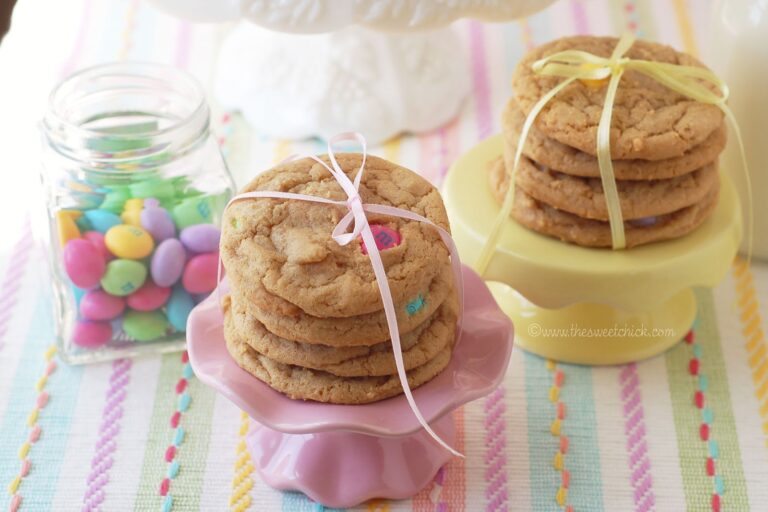
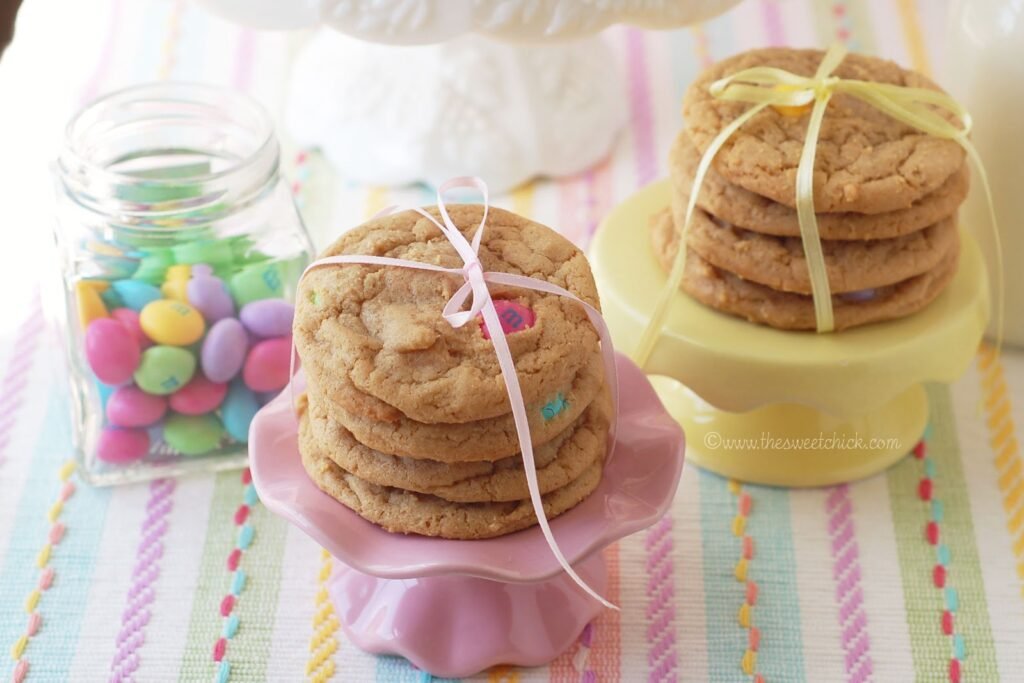
Well, if you are looking for something to make with your leftover Easter candy or leftover dulce de leche, you have come to the right place. Target sold white chocolate M&M’s this year at Easter time. I don’t remember seeing these before. I had to try them. They taste phenomenal. And I don’t usually like white chocolate. I am more of a dark chocolate or milk chocolate kinda gal.
Before I ate the whole bag by myself, I decided I had to make some treats with them. I really liked the taste of white chocolate and dulce de leche in my Dulce de Leche Rice Krispie Treats so I thought I give it a try with some cookies. I took inspiration for my cookies from How Sweet It Is Puffy Peanut Butter Cookies with Chocolate Chips.

I am finding all sorts of new uses for dulce de leche. If it wasn’t for my Argentinian in-laws, I wouldn’t even know it existed. Now that would be a shame.
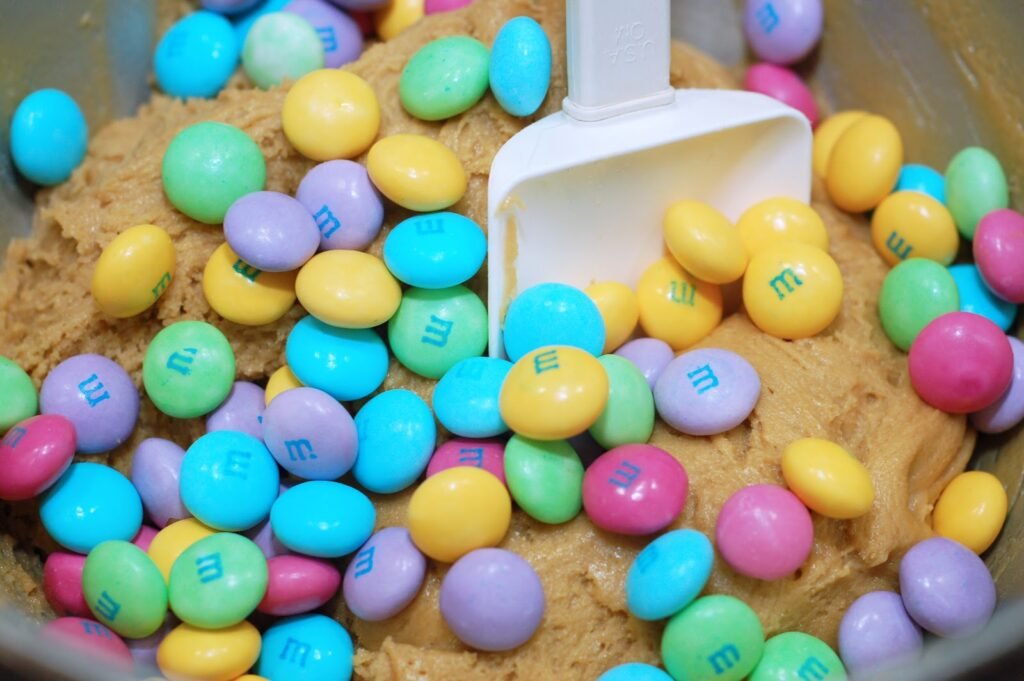
I love the colors of these M&M’s. So pretty!

I could have just eaten the batter like this, but I was good and baked it. Although I did have to battle my daughter to lick the bowl afterwards.

The cookies started out puffy, but then flattened out. I was a little disappointed, but the flavor combo was right on. Just the right amount of dulce de leche and white chocolate M&M’s. Heaven! The cookies came out soft on the outside and chewy on the inside.
Dulce de Leche and White Chocolate M&M Cookies
by The Sweet Chick
Prep Time: 15-10min.
Cook Time: 10-12min.
Keywords: bake dessert dulce de leche white chocolate m&m’s cookie
Ingredients (about 24 cookies)
- 2 cups all-purpose flour
- 1/2 teaspoons baking soda
- 8 tablespoons of salted butter, melted and cooled
- 6 tablespoons of dulce de leche
- 1 cup brown sugar
- 1/2 cup sugar
- 1 egg + 1 egg yolk, at room temperature
- 1 teaspoons vanilla extract
- 1 cup white chocolate M&M’s
Instructions
Preheat oven to 325 degrees F. Place butter in microwave safe bowl and heat in 30 second increments until melted. Let cool completely. Then mix the melted butter and the dulce de leche.
Mix the flour and baking soda in a bowl and set aside. In another bowl, mix the cooled butter/dulce de leche mixture and sugars until they are combined. I used my stand up mixer.
Add the egg, egg yolk, and vanilla and stir until mixed. Gradually add flour and mix until a dough forms. Fold in the M&M’s. I did this part by hand because the white chocolate M&M’s are so big.
Shape the dough into a ball about 1 inch in diameter. I used a cookie scoop. Place on a baking sheet two inches apart and bake for about 10-12 minutes or until the edges are slightly brown. The centers should be soft and puffy. Do not over bake.
Let cool for a few minutes, then transfer to a cooling rack. Make sure you get your glass of milk ready to dunk those beauties!
Related Posts





Subscribe for New Racipies
Get mental health tips, updates, and resources delivered to your inbox.