
Candied Citrus Peel

Medically reviewed by Christiana George Updated Date: June 8, 2023
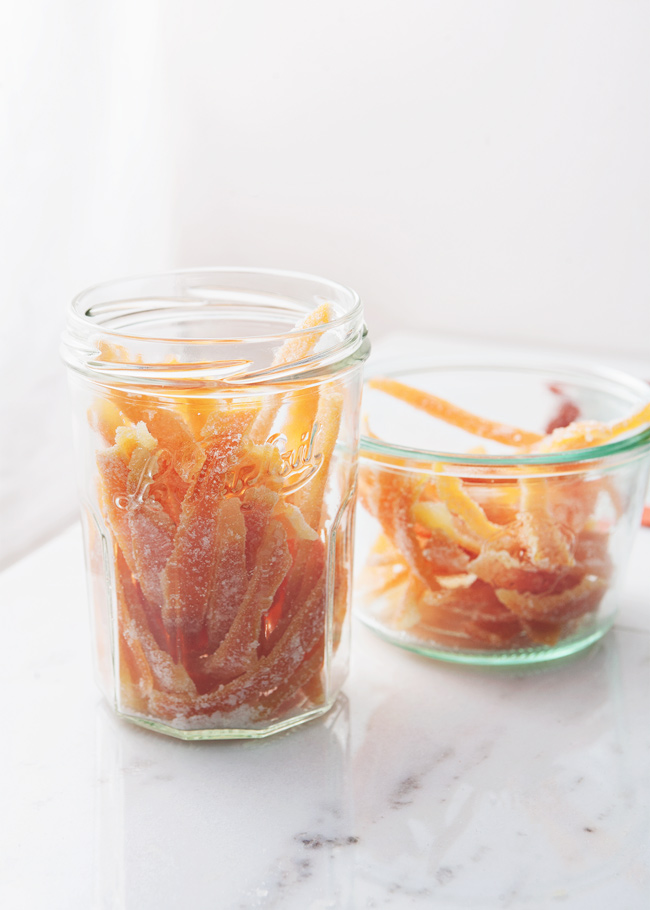
As a kid, I had a voracious appetite for, among other things, Nancy Drew mysteries, complex role-playing games (in sixth grade, my friend D’Ann devised a fantastical game for our group where each of us played a different warrior princess complete with our own unique personality [I was the spunky one], wardrobe [I wore all green], and weapon [mine was the rapier]—yes, I’m aware this is sounding suspiciously like LARPing, but our game came before all of that, plus we spent most of our time preening ourselves in our imaginary dressing room as opposed to, say, fighting evil), and candy.
Nothing, however, could’ve compelled me to eat candied orange peels. It was the equivalent of candy for old people, and therefore not sufficiently sweet. I liked greater hits of sugar, super-sugar if you will, the kind found in the cheapest milk chocolate bars, sour strips, and (I’m shuddering thinking about this now) Airheads.
Fast forward fifteen years, and I can’t say I’ve come around much. I actually don’t think I’ve given candied orange peels a single thought until the moment, a few days ago, when I decided I wanted to make panetonne. Which necessitated me making my own candied citrus peels of course.
I wasn’t even planning on sharing this recipe at all, hence no process photos, but it occurred to me you might enjoy candying your own candied peels? Yes? They’re quite good, much fresher than their storebought counterparts. I ended up candying the peels of two navel oranges and a grapefruit, and holy cow, the grapefruit tastes really good! Maybe that was the missing link this entire time.
Anyway, enjoy! If my panetonne goes well, I’ll be sharing it in this space. If not, happy happy holidays and I’ll be back very soon!
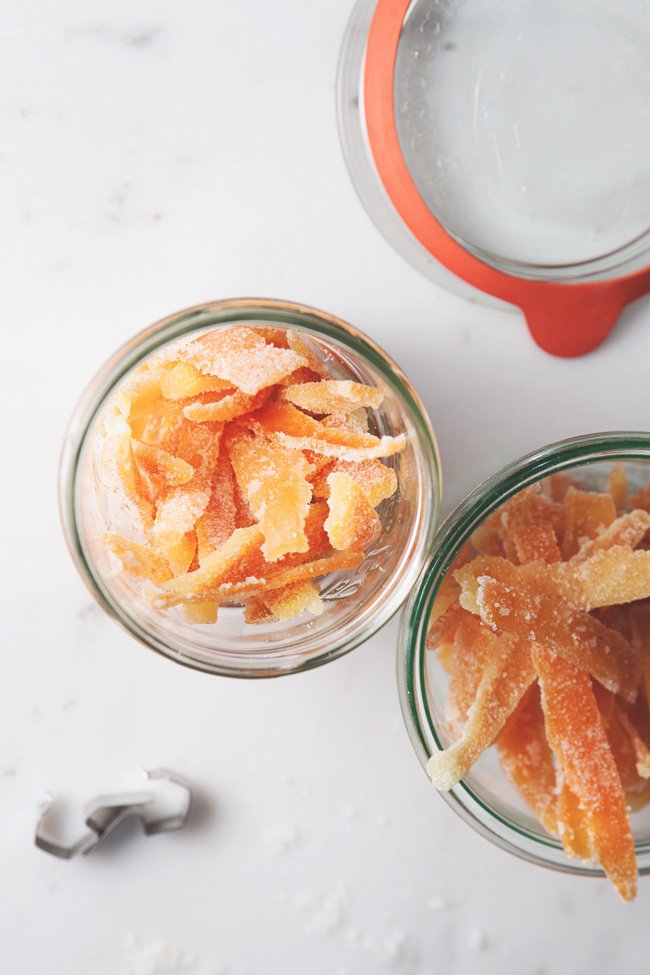

CANDIED CITRUS PEELS
Adapted from Remedial Eating (whose recipe is her mother’s!)
Makes quite a lot (enough for panetonne, plus more for snacking, or turning into orangettes!)
Ingredients:
2 grapefruits, or 4 navel oranges, or 6 lemons (I hope you get the idea—I settled on 1 grapefruit and 2 oranges. Just be sure to prepare different fruits separately or their tastes will become muddied.)
2 cups water
2 cups sugar, plus more for coating the strips
Directions:
Peel off the outer layer of the citrus and cut the pieces into thin strips. (You can cut them into thick strips too, but you’ll need to adjust the amount of time they simmer in the sugar water.) I peeled vertically, you can peel horizontally, just cut them into whatever shape you’d like. Slip the peels into a medium pot, cover them with cold water, and bring the water just to a boil on high heat. Drain. Repeat: cover the peels with cold water, bring it to a boil, drain. Repeat once more. Once they’ve cooled a little, use a sharp paring knife or small spoon to remove as much pith as you can. Set aside.
Using a pot that will slightly crowd the peels (I know this goes against conventional wisdom, but I boiled my orange peels in a pot that was too big and the sugar water boiled away quicker than I would’ve liked), add the water and sugar and turn the heat to low. Stir until the sugar dissolves, then add the peels. Let them simmer for about 30 to 60 minutes until the peels are translucent and the syrup thickens. (A thermometer will register the syrup at 220 to 222 degrees F.)
Strain the finished peel and spread it on a single layer on a cooling rack to cool and dry, 1.5 to 2 hours. When it’s no longer wet but still sticky, toss the peels in a bowl of granulated sugar until thoroughly coated. Let dry overnight, then transfer to an airtight jar to store.
Related Posts





Subscribe for New Racipies
Get mental health tips, updates, and resources delivered to your inbox.
Are Mango Slices Acidic? Mango Slices and Acid Reflux


Mangoes, often referred to as the “king of fruits,” are celebrated for their rich, sweet flavor and vibrant color. From smoothies and desserts to being enjoyed fresh, mango slices are a staple in diets worldwide. However, for individuals managing acid reflux, the question arises: are mango slices acidic, and can they trigger reflux symptoms? Understanding the nature of mangoes and their impact on the digestive system is essential for making informed dietary choices.
Acid reflux, also known as gastroesophageal reflux disease (GERD), occurs when stomach acid flows back into the esophagus, causing discomfort and irritation. Certain foods can exacerbate these symptoms, making it vital to evaluate the acidity of the foods consumed. Mangoes, being a tropical fruit, do have natural sugars and a certain level of acidity, but they also contain alkaline properties that may benefit digestion.
This duality often leaves individuals puzzled about whether mango slices should be avoided or embraced when managing acid reflux. In this article, we will delve into the acidity of mango slices, their nutritional profile, and how they can impact acid reflux symptoms. We’ll also provide practical tips for incorporating mangoes into a reflux-friendly diet.
Are Mango Slices Acidic or Alkaline?
According to research, Mangoes, including mango slices, have a slightly acidic pH ranging between 3.4 and 4.8, depending on their ripeness. Unripe mangoes are more acidic due to their higher content of citric and malic acids, while ripe mangoes tend to be less acidic and sweeter because of their increased natural sugar content. Despite their acidity, mangoes have an alkalizing effect on the body once metabolized, which can contribute to maintaining a balanced pH in the digestive system.
The acidity in mango slices primarily comes from organic acids like citric acid, tartaric acid, and malic acid. These acids are not typically strong enough to significantly aggravate acid reflux in most individuals. However, their impact varies depending on the person’s tolerance and the quantity consumed. Additionally, mangoes are rich in vitamins and minerals, such as Vitamin C, Vitamin A, and potassium, which contribute to their overall health benefits. The fiber content in mangoes also aids digestion and can help prevent common issues like constipation, which is sometimes linked to acid reflux.
Understanding the interplay between acidity and alkalinity in mango slices can help individuals make informed choices about their diet. While mangoes are slightly acidic, they’re unlikely to trigger reflux when consumed in moderation, especially when ripe. Factors such as portion size and individual sensitivity to acidic foods play a significant role in determining whether mango slices are suitable for those with acid reflux.
Related to Read: Are Mangoes Acidic?
Mango Slices and Acid Reflux: The Connection
1. The Role of Acidity in Acid Reflux
Acid reflux is often triggered by foods that relax the lower esophageal sphincter (LES), allowing stomach acid to escape into the esophagus. Foods high in acidity or fat are common culprits. Mango slices, while slightly acidic, are generally considered mild and are less likely to aggravate reflux compared to citrus fruits like oranges or lemons. Their lower acid content makes them a safer option for many individuals.
Ripe mango slices are particularly less acidic, as the ripening process reduces their citric acid levels and enhances their natural sweetness. This makes them more palatable for those managing GERD symptoms. However, consuming unripe mangoes or pickled mangoes, which are significantly more acidic, may increase the risk of reflux symptoms.
2. Fiber and Digestive Health
Mango slices are an excellent source of dietary fiber, with one cup providing approximately 2.6 grams of fiber. Fiber plays a crucial role in supporting healthy digestion by promoting regular bowel movements and preventing issues like constipation, which can exacerbate acid reflux. Soluble fiber in mangoes also helps regulate stomach acidity, reducing the likelihood of reflux episodes.
For individuals with acid reflux, incorporating fiber-rich foods like mango slices can help maintain a healthy digestive system. The fiber content in mangoes not only improves gut motility but also supports the growth of beneficial gut bacteria, contributing to overall digestive health.
3. Natural Sugars and Their Impact
Mango slices contain natural sugars, such as fructose and glucose, which provide a quick energy boost. While natural sugars are generally well-tolerated, excessive consumption can lead to increased stomach acid production, potentially triggering reflux symptoms. Moderation is key to enjoying the benefits of mango slices without exacerbating acid reflux.
Author Tip: 7 Kinds of Foods to Avoid with GERD
Tips for Including Mango Slices in a Reflux-Friendly Diet
1. Choose Ripe Mangoes
Ripe mangoes are less acidic and have a sweeter taste, making them more suitable for individuals with acid reflux. Look for mangoes that are slightly soft to the touch and have a fragrant aroma, indicating ripeness.
2. Control Portion Sizes
Eating large portions of mango slices can overfill the stomach, increasing the risk of acid reflux. Stick to a moderate serving size of one-half to one cup per sitting to minimize the chances of triggering reflux symptoms.
3. Avoid Spicy or Acidic Pairings
While mangoes pair well with many dishes, avoid combining them with spicy or acidic ingredients that may exacerbate reflux. For example, skip spicy mango chutneys or mango salads with citrus dressings if you’re prone to reflux.
4. Incorporate into Smoothies
Blend mango slices with alkaline ingredients like almond milk, spinach, or banana for a reflux-friendly smoothie. Avoid adding acidic fruits like oranges or pineapples to keep the pH balance in check.
5. Monitor Your Body’s Response
Pay attention to how your body reacts after consuming mango slices. If you notice increased reflux symptoms, reduce your intake or try pairing mangoes with other alkaline foods to balance their acidity.
Author Tip: 7-Day Meal Plan For Gastritis
Mango Slices: Health Benefits Beyond Acid Reflux
Mango slices offer numerous health benefits beyond their impact on acid reflux. They are a powerhouse of essential nutrients, including:
- Vitamin C: Supports immune function and skin health.
- Vitamin A: Promotes eye health and reduces inflammation.
- Antioxidants: Neutralize free radicals and protect against oxidative stress.
- Potassium: Regulates blood pressure and supports heart health.
- Enzymes: Mangoes contain amylase enzymes that aid in breaking down carbohydrates, improving digestion.
Including mango slices in a balanced diet can contribute to overall well-being, provided they are consumed mindfully and in moderation.
Final Thoughts
Are mango slices acidic? Yes, mango slices have a slight acidity due to their natural composition, but their alkalizing effect on the body and rich nutritional profile make them a valuable addition to a healthy diet. For individuals managing acid reflux, ripe mango slices in moderate amounts are generally safe and can even support digestive health due to their fiber and enzyme content.
To enjoy mango slices without triggering reflux, choose ripe fruits, control portion sizes, and avoid pairing them with acidic or spicy ingredients. As always, it’s essential to listen to your body and consult a healthcare professional for personalized dietary advice. With mindful preparation and consumption, mango slices can be a delicious and reflux-friendly treat.
Related Posts



Subscribe for New Racipies
Get mental health tips, updates, and resources delivered to your inbox.