
Lemon Frozen Yogurt, à la Jeni’s Splendid Ice Cream

Medically reviewed by Christiana George Updated Date: June 8, 2023
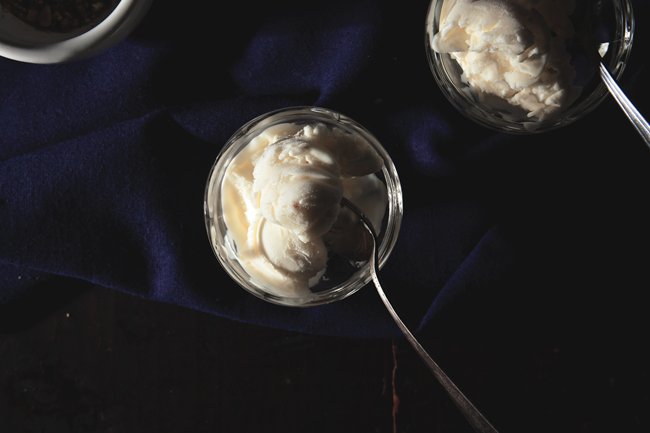
A couple weeks back, I mentioned how I got to try Jeni’s Splendid Ice Cream for the first time ever. And while the famous salted caramel was lip-smackingly good (intensely salty AND sweet), I couldn’t stop thinking about the lemon and blueberry fro-yo, particularly because of the lemon frozen yogurt base. It was tangy and delicate, falling just short of palate-cleansing because it was still quite creamy.
So even though it’s not really frozen desserts weather anymore (oh hell, who am I kidding? I could eat frozen desserts any time of the year (although I think that claim’s actually going to be tested this winter (and are parentheses within parentheses within parentheses grammatically incorrect?))), I couldn’t wait until next year to try out this recipe.
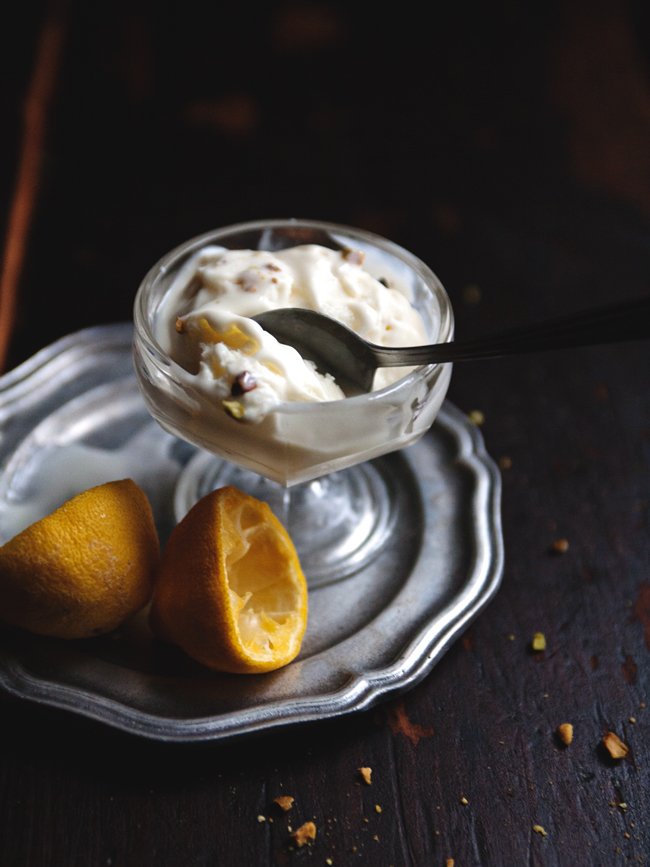
Like Molly said, the recipe’s a bit fussy. It requires very exact timing and the use of many many bowls. And I didn’t even make the blueberry swirl because I wanted the unadulterated taste of lemon. But I didn’t mind it—following directions gets to be kind of meditative after awhile. Just know that you’ve been warned, if you decide to go through with it.
If you follow the directions precisely—ROOM TEMPERATURE cream cheese! I can’t stress that enough—you will most certainly end up with a lovely quart of fro-yo in the lightest shade of yellow. It doesn’t turn icy even after it’s been in the freezer for a few days, it doesn’t melt too fast (or too slow for that matter). It really is the perfect way to savor Jeni’s at home.
LEMON FRO-YO
Recipe from Jeni’s Splendid Ice Creams at Home via Orangette
Yields over a quart
Ingredients:
For the lemon syrup:
2 to 4 lemons
3 Tbsp sugar
For the frozen yogurt base:
1 quart plain low-fat yogurt
1-1/2 cups whole milk
2 Tbsp corn starch
2 oz. (4 Tbsp) cream cheese, softened
1/2 cup heavy cream
2/3 cup sugar
1/4 cup light corn syrup
Zest from one lemon, reserved from lemon syrup
Directions:
One day in advance, Put a mesh sieve lined with 2 layers of cheesecloth over a bowl and pour the plain yogurt into the sieve. Cover with plastic wrap and refrigerate 6 to 8 hours (I kept it in the fridge for over 24 hours and it turned out fine).
For the lemon syrup, first use a vegetable peeler to peel the zest off one lemon in long strips. Reserve for the frozen yogurt base. Then juice enough of the lemons to yield 1/2 cup. Combine the lemon juice and sugar in a small saucepan and bring to a boil over medium-high heat, stirring to dissolve the sugar. Remove from heat and set aside to cool.
For the frozen yogurt:
Remove the plain yogurt from the fridge and measure out 1-1/4 cups worth. Set aside.
Combine 2 Tbsp of the milk in a small bowl with the corn starch.
In a bowl (that will eventually need to fit the entire fro-yo base), whisk the cream cheese until smooth (very smooth! The cream cheese should definitely be at room temperature or it will whisk into clumps).
Combine the remaining milk, heavy cream, sugar, corn syrup, and strips of lemon in a large pot (Jeni specifies a pot with 4-quart capacity, but I really don’t think it’s necessary for this particular recipe. A large-ish pot will do). Bring to a rolling boil over medium-high heat and boil for exactly 4 minutes. Towards the end of the 4 minutes, whisk the corn starch and milk until it’s a smooth slurry. Remove the pot from the heat and slowly whisk in the corn starch mixture. Return the pot to the heat, and continue to cook, stirring consistently, for 1 more minute, until the liquid starts to thicken. Remove from heat, and gradually whisk the milk mixture into the bowl with the cream cheese until smooth. Add the reserved 1-1/4 cup plain yogurt and the lemon syrup. Whisk until smooth.
Let cool, then refrigerate the mixture for about 6 hours. Remove from fridge, pick out the strips of lemon (you could pour the mix through a sieve, but it’s quite thick and unmanageable at this point). Pour the mixture into the canister of an ice cream machine, and spin until thick and creamy.
Once done churning, pour the fro-yo in a container and refrigerate it until firm.
Related Posts


Subscribe for New Racipies
Get mental health tips, updates, and resources delivered to your inbox.
Why Do Healthy Foods Taste Bad? Learn All About It Here!


Don’t you just hate how the good things in life are either fattening or just expensive? You’re not the first person to be disappointed by this reality. If you choose between an apple and a donut, you would definitely go for the latter.
Nutritious meals are usually bland, for which you might wonder – why do healthy foods taste bad? There are a couple of reasons behind this, including scientific ones.
But don’t worry; you can hack your way into enjoying healthy food. Let’s get right into it!
Why Do Healthy Foods Taste Bad?
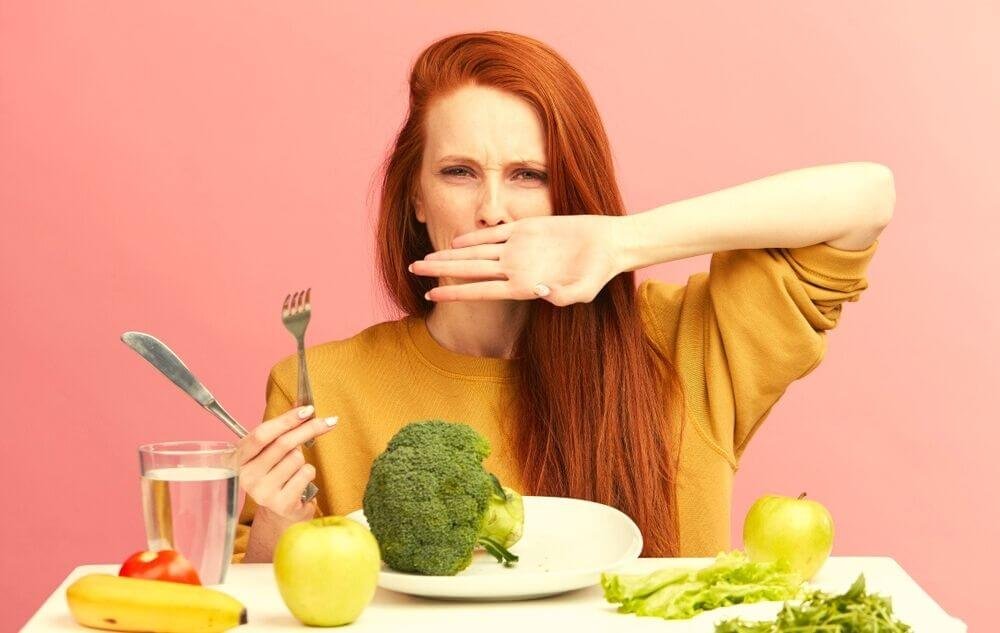
Many people share this feeling, including the fitness freaks you see on social media. Let’s look at the science behind why our taste buds won’t cooperate with our body’s well-being.
Read More: Candy Grapes Recipe
How you were conditioned to eat:
Your first solid foods as a baby were possibly healthy choices. Infants’ stomachs are very sensitive to processed foods, so our parents fed us fresh and natural ingredients. But you probably don’t remember what you initially ate when you were very young.
As you got older, you discovered “yummy” options like sugar and carbs, which were mainly fried. It is tough to feed toddlers, let alone give them vegetables and fruit. At one point, it was expected that our parents would give up and let us consume unhealthy options.
So, junk food is the earliest food we remember having. This is why our taste buds have developed a liking for meals that are not good for the body. And since processed foods are effortless to eat and obtain, we tend to be lazy and go for what requires minimal effort to prepare.
It’s Our Ancestors’ Fault:
Unhealthy foods are usually categorized as carbs, fats, sugars, and salts. These groups are transformed into energy very quickly after consumption. For example, you may have noticed how pepped up you feel after eating a bar of chocolate.
Our brains are wired to crave things that give us immediate power after eating. Carbs and fat provide lots of energy.
In earlier times, hunters would hunt animals for meat, and gatherers would collect greens. However, there were more significant amounts of plants around, which were easy to find.
Likewise, plants were higher in quantity than wildlife that could be hunted. This resulted in humans being inclined towards meat more than plants to get that quick burst of energy. But when something is available in abundance, people easily lose interest.
Wanting to Stay Energized for Longer:
Meat has high-fat contents, which keep people full for longer after eating. The sugar in fruits gets digested very fast. Stomachs being full for long periods saved people from looking for food too often.
Plant-based grub became boring, so people put in more effort to hunt animals for meat. This is how evolution has taught us to adapt to this change in taste.
Humans eventually discovered bread and found it could be stored for a long time without rotting. Bread is extremely high in carbohydrates, and this food group is what provides the most energy. Hence, most people now enjoy foods that help keep them full for more extended periods instead of plants.
So now you can make sense of why you would choose to eat a burger instead of a salad. The latter does provide energy, but not as immediately as junk food does.
Psychological Reasons:
Stress is such a common state of mind that we all just reach for desserts when unhappy or anxious. We do this as a response to the discomfort we feel.
When we are under stress, our brain needs more power to function. Carbohydrates in the body break down into sugar and release energy. Your nervous system knows what food group can provide more energy, and hence, we seek things like brownies and cookies.
Sugar present in cakes, ice cream, candy, etc., causes the brain to release serotonin. As a result, we end up feeling calm and happy. This is why people choose to eat sugary foods, as it causes comfort from feeling stressed or anxious.
Since we now know the scientific reason behind craving unhealthy food, it makes sense that healthy choices taste bad to us. The brain is aware of what would provide more energy and calmness. Therefore, it sends signals and makes us want what is generally bad for our health.
Read More: Butternut Squash and Sage Pasta Recipe
Can I Make Myself Like Healthy Foods?
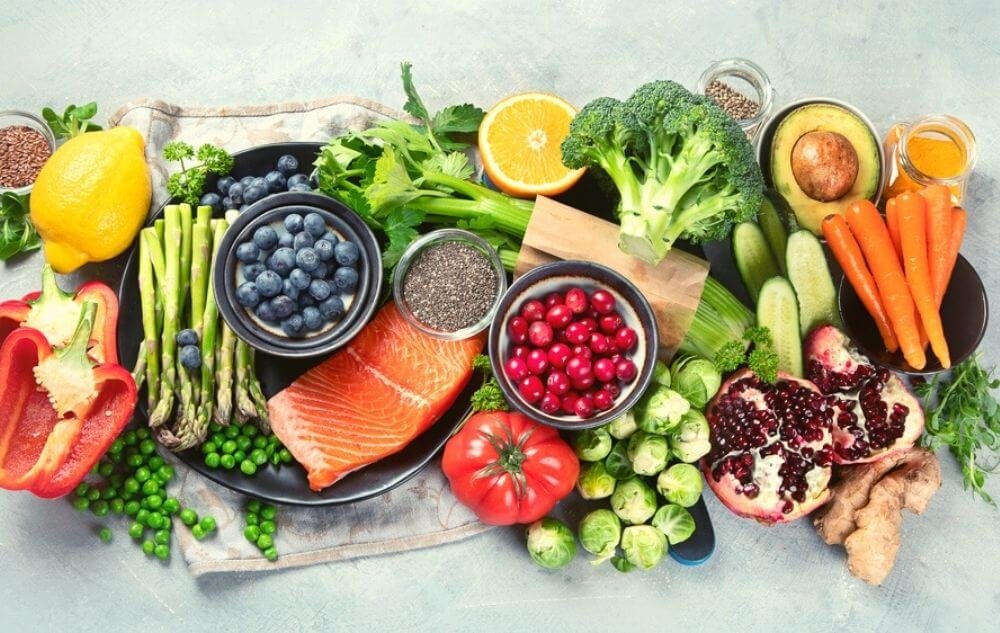
You will be surprised to know that you can train your brain to like those icky veggies! Just as we can train our brains to learn something, we can teach them to unlearn. The following are some ways in which you can achieve this:
Use Healthy Substitutes:
Trick your mind into liking healthy food by making it appear unhealthy. Use lettuce instead of bread for sandwiches, sweet potato fries rather than regular potatoes, oat or almond flour instead of all-purpose flour, etc. These substitutes are low in calories and high in fiber, which is good for the body.
Oil is bad for the heart in general. Try baking instead of frying, or use an air fryer that does the same job but with minimal oil.
Skip the rice and eat cauliflower fried “rice,” just the grated vegetable with chicken breast and other greens. Freeze your yogurt and turn it into a dessert!
Don’t Rush:
Your taste buds won’t enjoy the healthy change in one day. Like all other learning processes, trying to like something that tastes bad will take time.
Incorporate vegetables and other greens into your diet gradually. Start this by setting a specific meal of the day with only healthy foods. Then slowly, you can add more nutritious choices to your lunch and dinner.
Positive Surroundings:
If all you have is healthy food in sight, that is what you will end up eating. Stop buying junk food and always keep your fridge filled with fresh produce. Remove all the food delivery apps from your phone. That way, you won’t get tempted to order takeout.
Frequently Asked Questions (FAQs)
Can you get used to the taste of healthy food?
It is easy to get used to things but not necessarily enjoy them. So even if you find yourself eating healthy food regularly, you will eventually get bored with it.
Why do green vegetables taste the worst?
Green vegetables and leaves such as lettuce, zucchini, spinach, and gourd taste bitter because of a chemical group called glucosinolates. These are very helpful in preventing cancer.
Is it okay to add salt and sugar to healthy salads?
Salt and sugar in large amounts are bad for your body as they raise calories and blood pressure. But there is no harm in taking controlled amounts occasionally.
Are fried vegetables okay to eat?
Fried anything, be it grains or vegetables, loses its natural nutrient value. The heat in the oil takes away most of the nutrients and just adds more fat to it overall, so it is better not to fry vegetables either.
Conclusion
Eating clean can be difficult, especially when “clean” doesn’t taste good. There are many food groups, so why do healthy foods taste bad? Factual reasons for this feeling exist that are backed up by science.
You can teach your palate to like the more nutritious options with a few mind tricks. In the end, it’s not just your body that it is who will thank you, but also your tongue.
Related Posts





Subscribe for New Racipies
Get mental health tips, updates, and resources delivered to your inbox.