
Celsius Caffeine Content Explained: How Much Caffeine Is in Celsius vs. Coffee, Red Bull & Monster?

Medically reviewed by AmeliaVance Dr. Amelia Updated Date: May 14, 2026
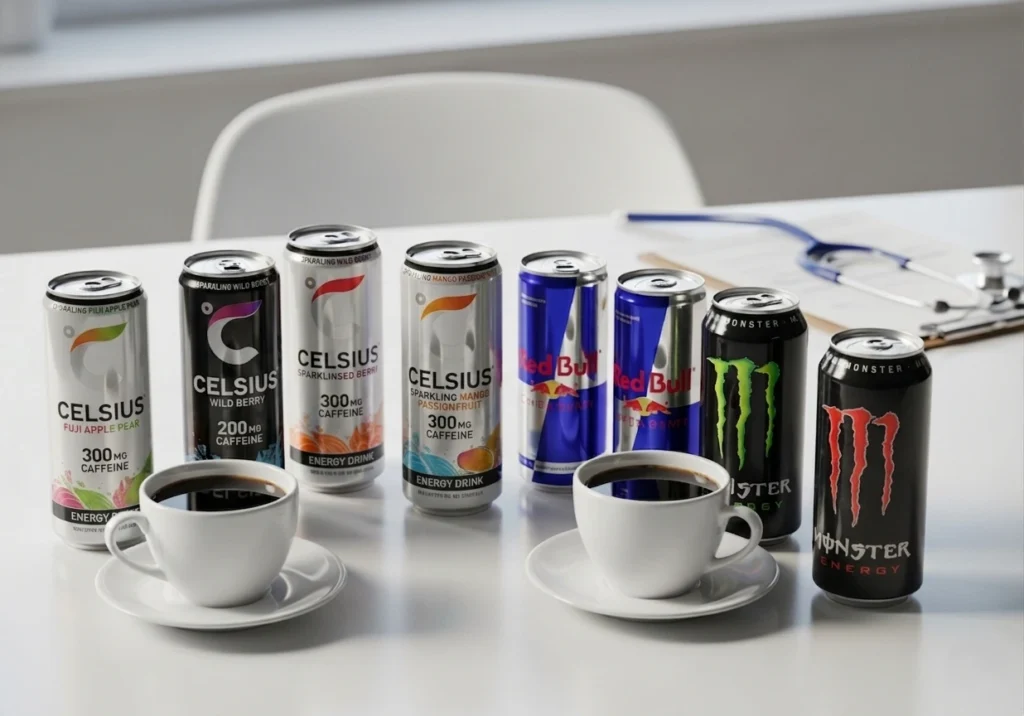
As a food blogger with a strong focus on wellness, I’m constantly asked about Celsius caffeine content, especially by readers who assume fitness-branded energy drinks are automatically healthier than traditional options.
I always remind people that marketing can be misleading. Labels like “zero sugar,” “fitness-friendly,” and vitamin-packed formulas can make drinks seem harmless, but caffeine levels are often overlooked.
Recently, a reader told me they were dealing with racing heart episodes, poor sleep, and constant restlessness. After reviewing their routine, we discovered they were drinking two cans of Celsius daily while also consuming coffee and occasional pre-workout supplements.
They had no idea how quickly their caffeine intake was adding up.
That’s becoming increasingly common as today’s beverage market blurs the line between casual drinks and powerful stimulants.
Even wellness-focused brands can deliver significant caffeine doses that may affect sleep, anxiety levels, and heart health.
For most healthy adults, the U.S. Food and Drug Administration states that up to 400 milligrams of caffeine per day is generally considered safe, though personal tolerance varies.
In this guide, I’ll break down Celsius caffeine content, compare it to coffee and Red Bull, and explain safe daily limits.
TL;DR
- Celsius isn’t automatically “healthy”—a standard 12 oz can packs 200 mg caffeine, while HEAT versions hit 300 mg. That’s potent for a single beverage.
- Weight loss? Proceed with caution: High stimulant load may trigger anxiety, disrupt sleep, or elevate heart rate—especially when combined with other caffeine sources.
- Risk factors: Key concerns include caffeine sensitivity, underlying heart conditions, pregnancy, and medication interactions.
- Make it safer: Track total daily milligrams, avoid consuming after 2 PM, and never mix with alcohol or additional stimulants.
- Bottom line from an MD: Celsius can fit occasional performance needs—but portion awareness and ingredient literacy are non-negotiable for optimal health.
What Is Celsius and Why Is It So Popular?
When viewers ask me what Celsius drink’s caffeine content is, we must first understand how the beverage is formulated and marketed. Celsius positioned itself not as an energy drink but as a “fitness drink.”
The company markets its products as thermogenic accelerators. This means the drink is purportedly designed to increase your core body temperature slightly, theoretically boosting your metabolism and helping you burn more calories during a workout.
Research suggests multi-ingredient thermogenic supplements can acutely increase resting energy expenditure, though long-term metabolic benefits remain under study, as noted in PubMed clinical reviews.
This marketing has been incredibly successful, drawing in a health-conscious demographic that normally avoids sugary sodas. However, the core mechanism behind this thermogenic effect is a massive dose of central nervous system stimulants.
Understanding the Celsius drink’s amount of caffeine is vital because the brand uses a proprietary “MetaPlus Blend.” This blend extracts caffeine from green tea leaf extract and guarana seed extract, making the caffeine in a Celsius drink feel more “natural” to consumers, even though the chemical impact on the heart remains intensely potent.
Studies show that guarana and green tea extracts containing caffeine can improve cognitive performance but may also elevate blood pressure in sensitive individuals, according to research published in NIH PMC.
Celsius Caffeine Content Per Can
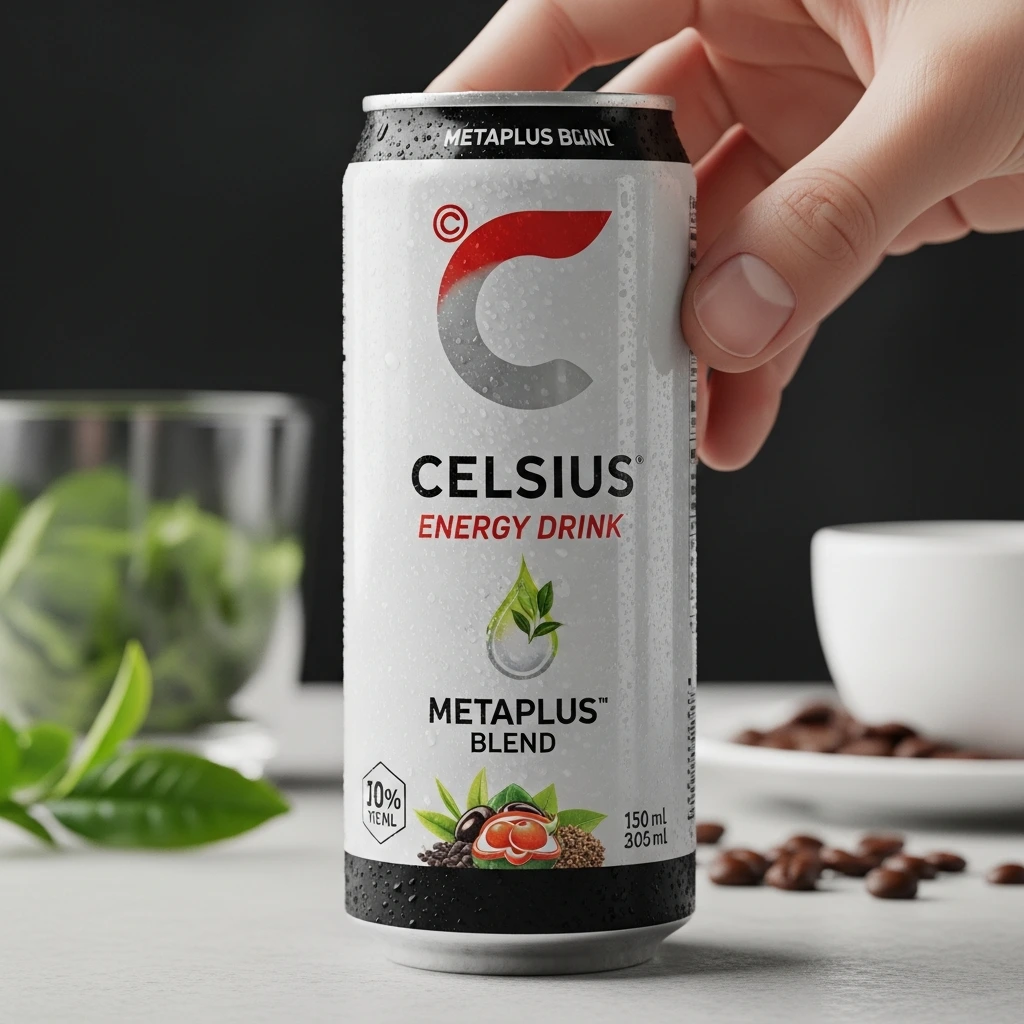
Let us get straight to the clinical data. The standard Celsius caffeine content per can is definitively 200 mg per 12 oz can for their core “Live Fit” formula.
To put this into perspective, 200 mg is half of the FDA’s recommended daily maximum for healthy adults, contained in a single, small 12-ounce beverage. When calculating the caffeine content in mg, this is considered a high-stimulant dose.
Some vi prefer to measure their intake in grams rather than milligrams. If you are tracking the grams of caffeine in milliliters, a standard can contains 0.2 grams of pure stimulant.
Furthermore, if we normalize these numbers to international standards, the Celsius caffeine content per 100 ml sits at roughly 56 mg. When you ask Celsius how much caffeine it has, the answer reveals a beverage that is vastly more concentrated than traditional sodas and many competing energy drinks. Compare this to Red Bull’s caffeine content for perspective.
Celsius Caffeine Content vs Coffee
One of the most common ways people try to contextualize their intake is by comparing energy drinks to traditional morning beverages. When looking at Celsius’s caffeine content vs. coffee, the differences in both volume and chemical absorption are striking.
An average 8-ounce cup of home-brewed drip coffee contains roughly 90 to 100 mg of caffeine, though a 2024 study found averages closer to 128 mg per 8oz cup depending on brewing method, per USDA FoodData Central. Therefore, the standard equation looks like this: 1 Celsius (200 mg) is equal to 1.5 to 2 cups of brewed coffee.
However, the Celsius caffeine content compared to coffee goes beyond just the raw numbers. Coffee is served hot, meaning you sip it slowly over 30 to 45 minutes. This creates a gradual absorption curve in your gastrointestinal tract. For more on coffee’s properties, see our discussion on whether coffee is acidic.
Celsius, conversely, is carbonated, fruit-flavored, and served ice cold. Consumers regularly chug a 12-ounce can in under five minutes. This rapid ingestion of Celsius caffeine vs. coffee leads to a dramatic, sudden spike in blood plasma stimulant levels, often triggering an acute adrenaline response.
Celsius vs Red Bull vs Monster
To truly understand where Celsius sits in the market, we must compare it to the historical titans of the energy drink industry. The stimulant density varies wildly between these recognizable brands.
Celsius vs Red Bull
Red Bull is the grandfather of the modern energy drink, but it is surprisingly weak by 2026 standards. A standard 8.4 oz can of Red Bull contains only 80 mg of caffeine.
When analyzing Celsius’s caffeine content vs. Red Bull, Celsius is two and a half times stronger than a standard Red Bull. Consumers are often shocked to learn that swapping their morning Red Bull for a “healthy” Celsius is actually more than doubling their daily stimulant load. You can verify these numbers in our Red Bull caffeine breakdown.
Monster vs Celsius
Monster Energy is known for its massive 16-ounce cans. Despite the larger physical volume, the Monster vs. Celsius caffeine content battle yields surprising results.
A standard 16-oz Monster Energy or Monster Ultra contains approximately 160 mg of caffeine. Therefore, Celsius is significantly more concentrated.
When comparing Celsius caffeine vs. Monster, Celsius packs 40 mg more caffeine into a physically smaller (12 oz) can. It delivers a much denser stimulant shock to your cardiovascular system per fluid ounce than almost any traditional energy drink on the market.
Alani Nu vs Celsius
In recent years, Celsius’s most direct competitor has become Alani Nu. Both brands target a similar demographic: young, health-conscious consumers looking for aesthetic, fitness-forward branding.
When evaluating Alani vs. Celsius caffeine content, the brands are virtually identical in their stimulant payload. A standard 12 oz can of Alani Nu also contains exactly 200 mg of caffeine. You can read more in our Alani Nu caffeine content guide.
Both utilize zero-sugar formulations and market themselves as wellness or pre-workout aids. The primary difference lies strictly in their flavor profiles and proprietary vitamin blends, rather than their underlying chemical potency.
Celsius Flavors and Caffeine Content
A frequent point of confusion among my viewers is whether the specific taste of the beverage alters its stimulant levels. People naturally assume that a lighter, fruitier flavor might be “weaker” than a harsh, dark beverage.
Let me be clinically clear: within the standard Live Fit line, the flavor profile does not alter the drug concentration. The new Celsius Caffeine Content Live Fit formula maintains a strict, standardized baseline of 200 mg across the board.
However, exploring the individual flavors helps illustrate how the sweet taste masks the bitter, chemical reality of the caffeine.
The orange Celsius caffeine content remains exactly 200 mg. This flavor mimics a traditional breakfast juice, making it dangerously easy to consume first thing in the morning alongside breakfast.
Because the citric acid masks the medicinal taste of guarana, people often drink it too rapidly, leading to immediate jitteriness before they even reach the office.
Similarly, the watermelon Celsius caffeine content holds firm at 200 mg. Watermelon is one of their most popular summer options. Its light, refreshing profile tricks the brain into treating it like a hydration beverage. However, caffeine is a mild diuretic.
Drinking a heavily caffeinated “refreshing” drink during a hot outdoor workout can actually exacerbate cellular dehydration.
When analyzing the cherry cola Celsius caffeine content, we see the brand encroaching on traditional soda territory. At 200 mg, this flavor contains nearly six times the caffeine of a standard can of Coca-Cola (which sits at roughly 34 mg).
Replacing a lunchtime soda with a Cherry Cola Celsius is a massive escalation in central nervous system stimulation.
The newer “Vibe” line continues this trend. The Peach Vibe Celsius caffeine content and the Astro Vibe Celsius caffeine content are both standardized at 200 mg per 12 oz can.
The danger of these “Vibe” flavors is their marketing as casual lifestyle beverages rather than hardcore gym supplements. Consumers sip them at their desks or by the pool, unknowingly ingesting a clinical dose of thermogenic stimulants that will stay active in their bloodstream for up to 10 hours.
Celsius HEAT vs Live Fit vs New Celsius Versions
While the standard Live Fit line is potent enough, we must address the brand’s extreme options. When viewers ask about the new Celsius caffeine content, I always direct them to check the label for the word “HEAT.”
Celsius HEAT is their dedicated pre-workout line, sold in larger 16-ounce cans. The Celsius HEAT caffeine content jumps to a staggering 300 mg per can.
This formulation also includes added L-citrulline to promote vasodilation (widening of the blood vessels) during exercise. As a medical professional, I strongly advise against consuming the 300 mg HEAT line unless you are an experienced athlete with a highly conditioned cardiovascular system and a known tolerance to extreme stimulants.
Research consistently links high-dose energy drink consumption to increased blood pressure, platelet aggregation, and arrhythmias, as reported by the American Heart Association.
Is Celsius High in Caffeine?
From a food blogger’s standpoint, the answer to “Is Celsius high in caffeine?” is an undeniable yes. At 200 mg per standard can, it is classified as a high-stimulant beverage.
The FDA states that 400 mg per day is the recommended maximum safe adult caffeine intake limit. This means just two cans of standard Celsius put you at the absolute ceiling of safe daily consumption.
Many viewers ask me, “Is Celsius bad for you?” Or more specifically, is it unhealthy to drink 1 liter a day?
For a healthy adult with no underlying heart conditions, drinking one standard glass a day is generally safe and falls well within the FDA guidelines. However, if you are also drinking a morning coffee, sipping iced tea at lunch, and then having a Celsius before the gym, you are easily pushing into dangerous toxicity levels.
Chronic overconsumption of high-caffeine beverages leads to adrenal fatigue, chronic cortisol elevation, severe insomnia, and an increased resting heart rate. You must treat these drinks with the same respect you would give an over-the-counter medication. For personalized tracking, try our caffeine calculator by weight and age.
Who Should Consider Switching to Caffeine-Free Pre-Workout Drinks?
Not everyone is biologically equipped to process 200 mg of thermogenic stimulants. Genetic variations in the CYP1A2 liver enzyme dictate how fast you can clear caffeine from your system. Research shows CYP1A2 handles over 90% of caffeine metabolism, with significant individual variability affecting tolerance, per NIH genetic studies.
If you experience severe anxiety, trembling hands, or a racing heart after consuming a Celsius, you are likely a slow metabolizer. For these people, I immediately recommend switching to stimulant-free (often called “stim-free”) pre-workout alternatives that use ingredients like beta-alanine and nitric oxide boosters without the caffeine.
Furthermore, people with a history of generalized anxiety disorder, panic attacks, or cardiac arrhythmias must avoid these high-concentration beverages entirely. The sudden spike in adrenaline can easily trigger a clinical panic response.
Studies have consistently found that energy drink consumption is associated with increased cardiovascular risk factors, according to the Journal of the American Heart Association.
Celsius vs Coffee & Alternative Energy Sources
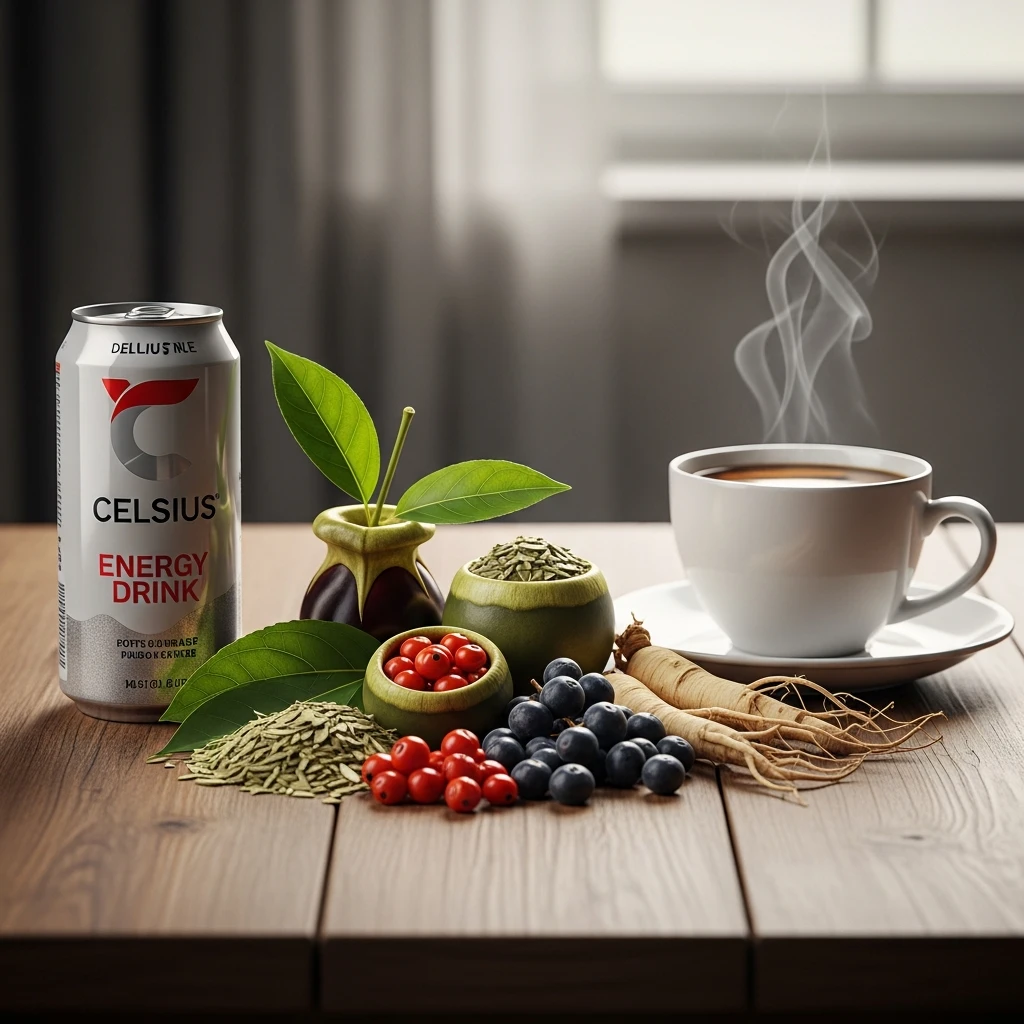
If you are looking to step down your stimulant intake, exploring alternatives is a wise harm-reduction strategy. A popular clinical comparison is Yerba mate vs coffee vs energy drinks.
Yerba mate offers a more balanced stimulant profile. While it contains caffeine, it also contains natural compounds like theobromine (found in chocolate), which provides a smoother, less jittery energy curve compared to the harsh spike of synthetic caffeine anhydrous found in some energy drinks. Learn more about yerba mate as an alternative.
Additionally, we must consider caffeine timing effects. Drinking a Celsius at 4:00 PM means you will still have roughly 100 mg of active stimulant in your brain at 10:00 PM, destroying your deep REM sleep.
Research confirms that regular caffeine intake delays REM sleep promotion and attenuates overall sleep quality, as detailed in NIH sleep research. Switching to matcha or a standard green tea in the afternoon prevents this severe sleep disruption while managing daily stress levels.
For people with acid reflux or GERD concerns, certain caffeinated beverages may exacerbate symptoms. Review our guide on foods to avoid with GERD for personalized dietary strategies. Additional guidance on caffeine and blood sugar management is available from the American Diabetes Association.
Frequently Asked Questions
How much caffeine is in a Celsius drink?
A standard 12-oz Celsius Live Fit contains exactly 200 mg caffeine. The larger 16-oz HEAT version packs 300 mg. That’s potent—nearly a full day’s limit in one can for sensitive folks. Always check the label before sipping. Track your total daily intake. Small awareness prevents jitters, anxiety, or sleep loss. Your body deserves mindful fueling.
Is Celsius healthier than Red Bull?
Celsius has zero sugar and no artificial preservatives—a cleaner metabolic profile than classic Red Bull. But it packs 200 mg caffeine versus Red Bull’s 80 mg. That’s more than double the stimulant load. If you’re sensitive to caffeine or have heart concerns, “healthier” depends on your body. Read labels. Know your limits. Fuel wisely. Compare both in our Red Bull vs Celsius analysis.
How many cups of coffee equal one Celsius?
One 200 mg Celsius can equals roughly 1.5 to 2 standard 8-oz cups of home-brewed coffee. But coffee strength varies widely—studies show drip coffee caffeine content ranges from 75–200 mg per serving, per Harvard T.H. Chan School of Public Health.
Celsius delivers caffeine faster due to added ingredients like guarana. Don’t just count cups—track milligrams. Your tolerance, timing, and total daily intake matter far more than the source.
Does Celsius Live Fit have caffeine?
Yes—Live Fit is Celsius’s core line, and it contains 200 mg caffeine per 12-oz can. The caffeine comes from green tea extract and guarana seed extract. “Zero sugar” doesn’t mean “zero stimulant.” If you’re avoiding caffeine, this isn’t your pick. If you want clean energy, track your total daily intake wisely.
Is Celsius safe to drink daily?
One Celsius Live Fit (200 mg) fits safely within the FDA’s 400 mg daily limit for most healthy adults. But two cans push you near the edge—and raise risks of anxiety, palpitations, or sleep loss. If you have heart concerns or take medications, talk with your provider first. Moderation, not elimination, supports sustainable energy.
Is Celsius safe during pregnancy?
The American College of Obstetricians and Gynecologists (ACOG) recommends that pregnant individuals limit caffeine to less than 200 mg per day, as outlined in their pregnancy caffeine guidelines. Since one standard Celsius contains 200 mg, consuming even a single can would reach this threshold. Always consult your OB-GYN before including energy drinks in your prenatal diet.
Conclusion
Understanding the Celsius caffeine content is an essential step in taking ownership of your metabolic and cardiovascular health. While the bright, fruity cans and fitness-focused marketing make it seem like a casual daytime refreshment, the chemical reality is that you are consuming a highly potent, 200 mg stimulant payload.
As a medical provider, I do not believe you need to banish these drinks from your diet entirely. However, you must treat them with deep respect.
Use them strategically as occasional performance enhancers rather than daily crutches, monitor your total daily milligram intake, and never ignore your body’s physiological warning signs of overstimulation.
Protect your heart, prioritize your sleep architecture, and always read the clinical labels on your beverages. For ongoing updates on beverage safety and nutrition science, bookmark our food and nutrition resource center.
For additional personalized health guidance, consult resources like the Mayo Clinic’s caffeine recommendations or speak with your healthcare provider about your individual caffeine tolerance and cardiovascular risk factors.
Authoritative References
- FDA: Caffeine Safety Guidelines. https://www.fda.gov/consumers/consumer-updates/spilling-beans-how-much-caffeine-too-much
- PubMed Clinical Reviews. https://pubmed.ncbi.nlm.nih.gov/25719792/
- NIH PMC Research Database. https://pmc.ncbi.nlm.nih.gov/articles/PMC11945102/
- USDA FoodData Central. https://fdc.nal.usda.gov/food-details/2710375/nutrients
- American Heart Association: Energy Drinks & Heart Health. https://www.heart.org/en/news/2019/05/29/energy-drinks-may-provide-jolt-to-heart-function-blood-pressure
- NIH: CYP1A2 Genetic Variability Study. https://pmc.ncbi.nlm.nih.gov/articles/PMC2784188/
- Journal of the American Heart Association: Energy Drink Cardiovascular Outcomes. https://www.ahajournals.org/doi/10.1161/CIRCULATIONAHA.116.025039
- Harvard T.H. Chan School of Public Health: Caffeine & Health. https://nutritionsource.hsph.harvard.edu/caffeine/
- American Diabetes Association: Caffeine & Blood Sugar. https://diabetes.org/health-wellness/fitness/sports-drinks-impact-on-glucose-blood-sugar
- ACOG: Caffeine During Pregnancy. https://www.acog.org/clinical/clinical-guidance/committee-opinion/articles/2010/08/moderate-caffeine-consumption-during-pregnancy
- Mayo Clinic: Caffeine Safety Limits. https://www.mayoclinic.org/healthy-lifestyle/nutrition-and-healthy-eating/in-depth/caffeine/art-20045678
- NIH Sleep Research: Caffeine & REM Sleep. https://pmc.ncbi.nlm.nih.gov/articles/PMC8276335/
Related Posts





Subscribe for New Racipies
Get mental health tips, updates, and resources delivered to your inbox.
Are Nature Valley Bars Healthy? Expert Analysis & Nutritional Insights

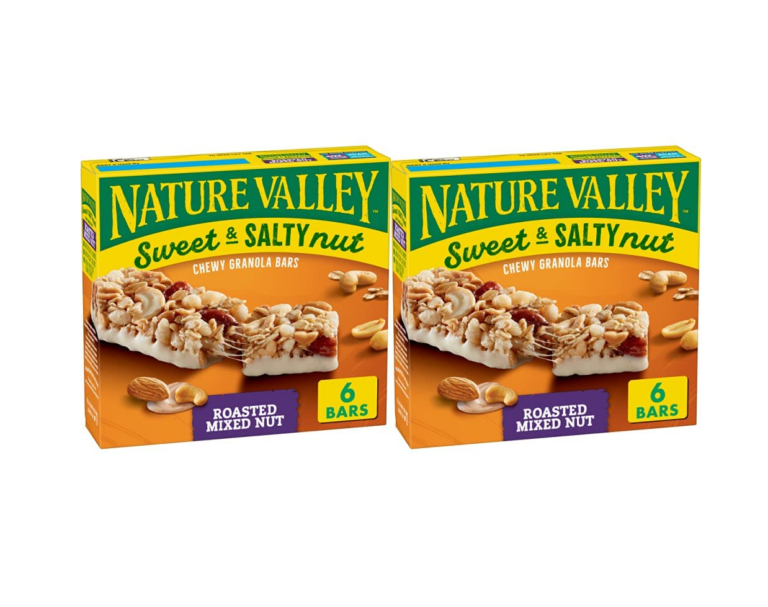
What’s better than a delicious, whole grain-packed snack that you can easily eat on the go?
In the case of Nature Valley bars, it’s easy to think that you’re eating healthy and fueling your body with fiber and vitamins. Why not? These bars have always been advertised as healthy snacks, with their simple ingredient lists and light nutritional values on the side of the box. But are nature valley bars healthy?
Nature Valley bars contain more calories than most candy bars, but they also contain ingredients that aren’t even food! They are often high in sugar and may contain unhealthy ingredients like palm oil. Plus, the bars are often processed and lack the nutritional benefits of whole foods.
Find out why Nature Valley bars may not be as healthy as you think in this article.
Are Nature Valley Bars Healthy?
It’s easy to believe that an item marketed as healthy must be good for you, but that isn’t always the case. Nature Valley bars are among the most popular snack bars on the market, but they may not be as healthy as you think.
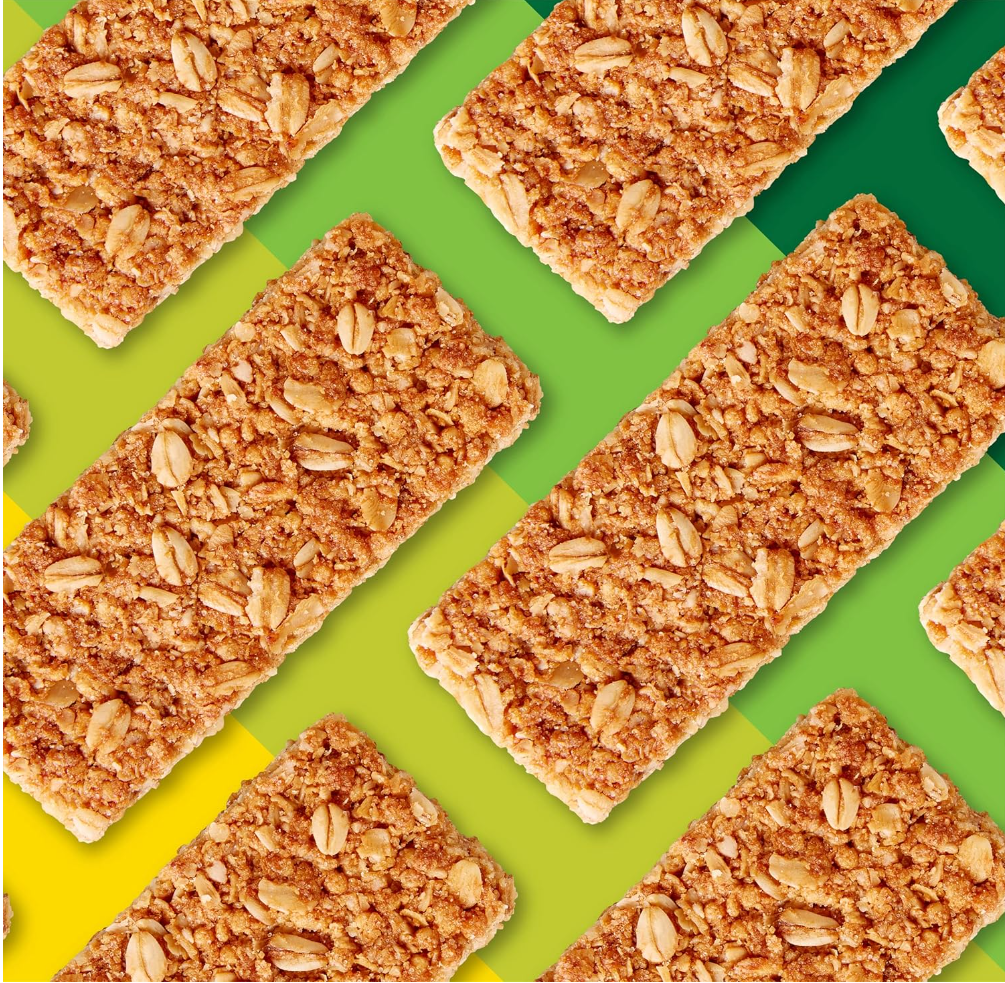
Although they are advertised as being 100% natural and delicious, there are actually numerous ingredients that would seem strange in any other food product. Let’s look at the reasons to avoid these bars.
| Nature Valley Bar | Calories | Fat | Saturated Fat | Sodium | Carbohydrates | Dietary Fiber | Sugars | Protein |
| Oats ‘n Honey Crunchy Granola Bar (2 bars) | 190 | 7g | 2.2g | 140mg | 29g | 3g | 6g | 2g |
| Peanut Butter Crunchy Granola Bar (2 bars) | 190 | 8g | 2g | 140mg | 28g | 3g | 5g | 3g |
| Sweet & Salty Nut Trail Mix Fruit & Nut Bar (2 bars) | 150 | 5g | 1g | 110mg | 25g | 3g | 6g | 2g |
| Almond Butter Crunchy Granola Bar (2 bars) | 180 | 7g | 2g | 140mg | 27g | 2g | 5g | 3g |
| Apple Cinnamon Crunchy Granola Bar (2 bars) | 170 | 7g | 2g | 140mg | 26g | 3g | 6g | 2g |
| Honey Almond Dark Chocolate Trail Mix Fruit & Nut Bar (2 bars) | 160 | 6g | 1g | 110mg | 26g | 3g | 6g | 2g |
High in sugar
While Nature Valley granola bars contain some healthy ingredients like whole grain oats and nuts, they also have a lot of sugar and processed ingredients. Sugar is often found in the form of brown rice syrup, honey, cane juice, corn syrup, chocolate, and fruit puree concentrate.
One bar contains nearly 6-12 grams of sugar, depending on the flavor of the bar. Their Fruit & Nut flavor bar range has comparatively less sugar (6-8 grams) than the Crunchy granola flavored bar range (10-12 grams).
Made From Processed Oil
While the ingredients in Nature Valley bars may be natural, the bars are made with processed oil. It means that the bars are high in unhealthy fats and calories. One of the main ingredients in Nature Valley bars is palm oil.
This oil is highly processed and refined, which means that it can be high in unhealthy saturated fats. Furthermore, some studies have shown that oils like palm oil may lead to higher cholesterol levels in people who eat a lot of it.
No Substantial Amount Of Fiber
Furthermore, Nature Valley bars have no protein or fiber content, making it difficult to control hunger and stabilize blood sugar levels. Fiber is an essential part of a healthy diet and helps keep you feeling full after eating. It means you may not feel satisfied after eating one and could end up snacking more later on.
The highest fiber content is Nature Valley’s variety of XL protein bars, which is 7 grams.
High In Calories
Counting calories? Unfortunately, Nature Valley bars cannot be your best ‘snack’ friend.
Nature Valley bars are often marketed as a healthy snack option, but they can actually be quite high in calories. This is because they are often made with processed ingredients and added sugars.
The most popular flavor, the chewy peanut butter chocolate chip bar, has 210 calories per serving. If you eat two of these bars in one sitting, you’ve consumed 420 calories- the equivalent of a McDonald’s hamburger!
Related Article: Are Nutri Grain Bars Healthy? Expert Insights and Nutrition Analysis
Deconstructing the Ingredients
Nature Valley bars, marketed as a wholesome snack, often list a variety of ingredients on their packaging. Let’s break down these components to better understand what goes into these bars.
1. Common Ingredients and Their Purposes
- Whole Grain Oats: A key ingredient known for its complex carbohydrates and fiber content, providing sustained energy.
- Sugar: Frequently used as a sweetener, it enhances the taste but can contribute to high sugar content.
- Vegetable Oils (Canola or Palm Kernel): These oils add moisture and texture to the bars but may contain saturated fats.
- Rice Flour: Often used for texture and as a binding agent.
- Honey or Syrup: Natural sweeteners that also help bind the ingredients.
- Salt: Used for flavor enhancement and as a preservative.
- Baking Soda: A leavening agent that affects the texture of the bars.
- Natural Flavor: Typically derived from real foods but may be used in small amounts for added taste.
2. Additives, Preservatives, or Artificial Flavorings
Nature Valley bars typically do not contain artificial flavors, colors, or preservatives. However, the “natural flavor” listed in the ingredients may raise questions about the specific sources.
3. Role of Sweeteners
Sweeteners like sugar, honey, or syrup are essential for enhancing the taste of Nature Valley bars. However, they also contribute to the sugar content, which can be a concern for those monitoring their sugar intake. The impact on the nutritional profile varies depending on the specific bar variety.
Is There Anything Good About Nature Valley Bars?
You might be wondering if your favorite brand of bars actually has something good stored in for you or not. Well, yes, nature valley bars have some good stuff in them. But will overweight people have bad sides eating them? Let’s see.
Contain Whole Grains
They contain oats in the form of whole grains. Oats are whole grain, and they’re packed with fiber and nutrients. Studies have shown that oats can help lower cholesterol, stabilize blood sugar levels, and even reduce the risk of heart disease.
While Nature Valley bars have some redeeming qualities, such as being made with whole grains, they also contain a lot of sugar and unhealthy fats. These ingredients can cause weight gain and lead to more serious health problems like diabetes or heart disease.
Contains Nuts
Different types of nature valley bars have different nut varieties. Unless you are not allergic to nuts, you will get a good source of protein, fiber, and healthy fats from them. You may think the presence of nuts can help you lose weight, lower your cholesterol, and reduce your risk of heart disease.
Despite the presence of these healthy ingredients, a single Nature Valley bar contains an unusual amount of calories, added sugar, and other preservatives, which overtakes all these health benefits.
Who Should Avoid Nature Valley Bars
Consuming Nature Valley bars is not harmful to health as long as you eat in moderation (supposedly 1 or 2 bars a week). However, if you fall under this category of people, you should count on how you eat these ‘so-called’ nutritious bars.
People Trying To Eat Healthily
If you are on a healthy diet or working out to lose that extra kilo, Nature valley bars are not for you to snack on.
Nature Valley bars are high in sugar and calories, leading to weight gain. They also contain artificial ingredients and preservatives, which may be harmful to your health. If you’re trying to eat healthily, it’s best to avoid Nature Valley bars.
Vegans Should Avoid
If you are following a vegan lifestyle, you should avoid a certain range of Nature Valley bars.
All the flavors from the Sweet and Salty bars and protein bars range of Nature Valley contain milk; therefore, it is not for vegan diets.
But, nature valley has some options for you in a completely vegan-friendly range which is their Fruit & Nut bars range. Moreover, the Crunchy Granola bar range is somewhat vegan, except for some which contain honey; simply avoid that!
Related Article: Are Waffles Healthy? Exploring Expert Insights for Nutritious Choices
Healthy Alternatives of Nature Valley Bars
While Nature Valley bars may seem like a healthy snack option, they are actually quite high in sugar and calories. If you’re looking for a healthier alternative, try one of these five options:
1. Cliff Bars
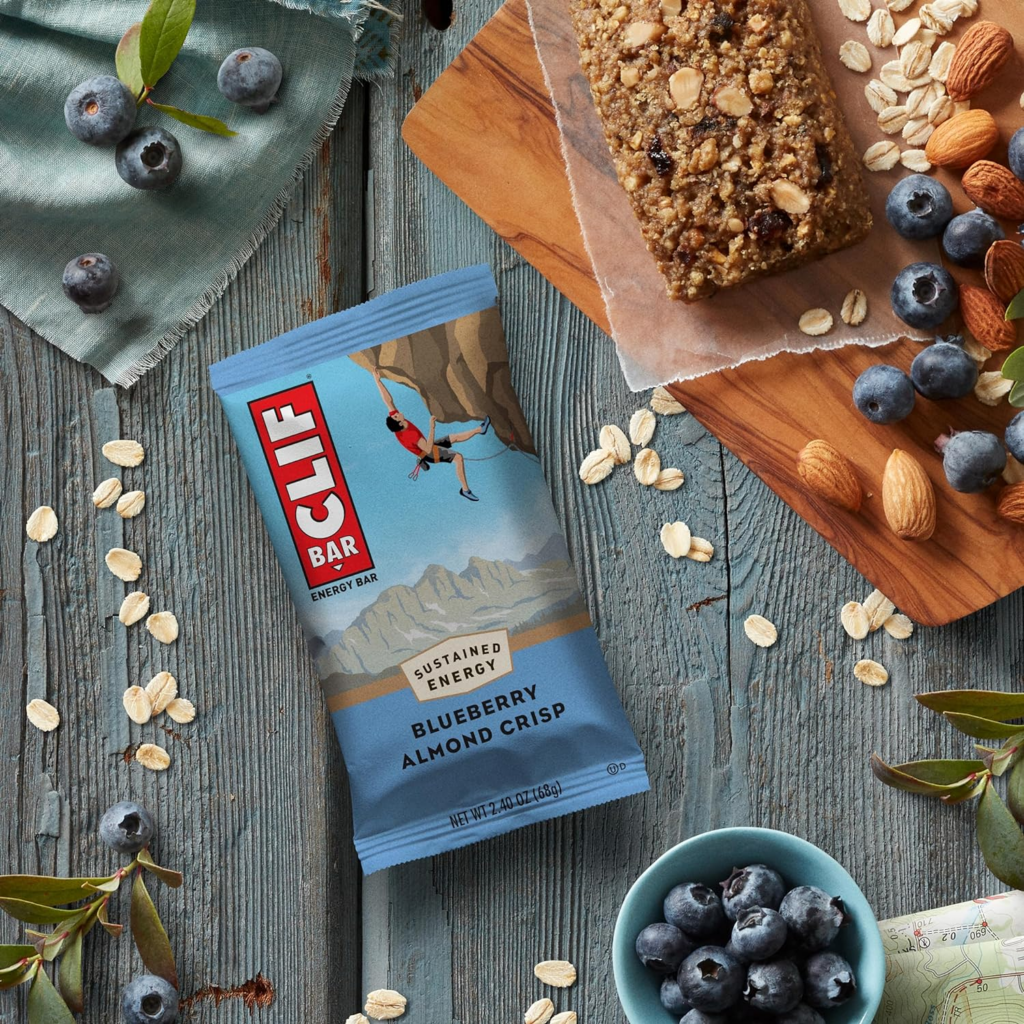
They have more protein and fiber than most nature valley bars. Clif Bars are a popular snack choice known for their higher protein and fiber content compared to most Nature Valley bars. Packed with nutritious ingredients, Clif Bars offer sustained energy and are a satisfying option for those seeking a more substantial and health-conscious snack. Get Clif Bar here.
2. Lara Bars

They have less sugar than most nature valley bars. Lara Bars are a great alternative to Nature Valley bars for those looking to reduce their sugar intake. These bars are known for their minimal ingredient lists, often consisting of just a few simple and natural components. With less sugar content, Lara Bars offer a wholesome and satisfying snack option for health-conscious individuals. Get LaraBar here.
3. KIND Bars
They are not only gluten-free but also vegan and non-GMO. They are made with all-natural ingredients, including nuts, seeds, fruit, and spices.

KIND Bars are a top choice for individuals seeking gluten-free, vegan, and non-GMO snack options. Crafted from a blend of all-natural ingredients like nuts, seeds, fruits, and spices, KIND Bars offer a delicious and health-conscious choice for those with dietary preferences and concerns. Buy KIND from Here.
4. Fruit by the Foot
This healthier option has half the amount of sugar as most nature valley bars. Fruit by the Foot is a healthier alternative to Nature Valley bars, boasting just half the amount of sugar.

These fruity snacks provide a sweet and satisfying treat with reduced sugar content, making them a preferred choice for those looking to enjoy a delightful snack without excessive sugar intake. Get it from here.
5. Homemade Granola Bars
If you’re looking for a homemade alternative to Nature Valley bars, consider homemade granola bars or a simple fruit and nut mix.
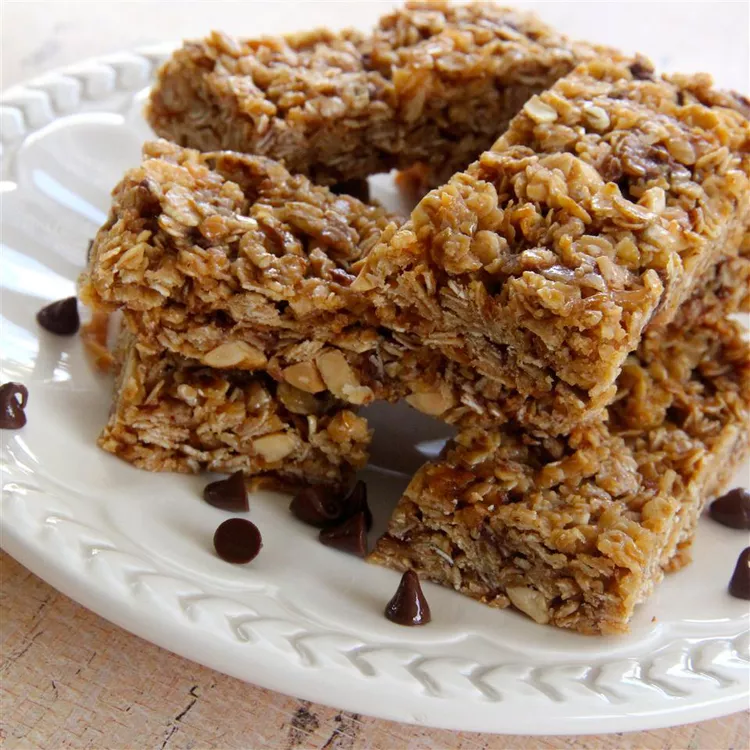
These options will likely be lower in sugar and calories and higher in fiber and nutrients, and of course, the best option than any packaged so-called healthy bars.
FAQs
Are nature valley bars good for weight loss?
While Nature Valley bars contain some healthy ingredients like whole grain and nuts, which might seem helpful in losing weight, they also contain a lot of sugar, calories, and other fattening ingredients. So, if you’re looking to lose weight, you may want to consider other options.
Are nature valley bars gluten-free?
Nature Valley has a whole range of gluten-free bars, where they specifically mention them as gluten-free. However, from that line, nature valley’s other bars are also made from non-glutinous whole grain oats. However, it is always better to read the labels to see if your preferred bars have gluten or not.
Are nature valley bars vegan?
Though Nature Valley markets itself as a health-conscious brand, not all of its products are vegan. In fact, some of its granola bars contain honey, an animal by-product. However, one of their bars- The Crunch and Fruit & Nut, is the most vegan-friendly of all as it seems not to contain any animal-derived ingredient like milk or honey.
Are nature valley bars dairy free?
Not all, but some of the nature valley bars are made for milk-free households. According to their ingredient labeling, the Nature Valley crunchy granola bars, Nature Valley oats & honey bars, and the Nature Valley Crunch and Fruit & Nut bars do not contain any dairy ingredients.
However, if you are completely lactose-intolerant, you may want to reassure yourself by reading the labels.
Final Thought
Are Nature Valley bars healthy? Its depend, while they often contain whole grains and nuts, providing essential nutrients and fiber, they can also be high in added sugars and unhealthy fats.
Nature Valley bars may not be what you’re putting into your body when you eat these supposedly nutritious snacks. Just because nature valley bars are labeled, natural doesn’t necessarily mean it’s healthy. In fact, many natural foods are processed and high in sugar, fat, and calories.
As such, you should always read the label on the bars before eating it to ensure you get the most nutritious version. If possible, head to Nature Valley’s website for more in-depth info about your favorite bars.
Related Posts

Subscribe for New Racipies
Get mental health tips, updates, and resources delivered to your inbox.