
Alani Caffeine Content: How Much Caffeine Is in Alani Nu Energy Drinks?

Medically reviewed by Dr. Aris Thorne Updated Date: May 14, 2026
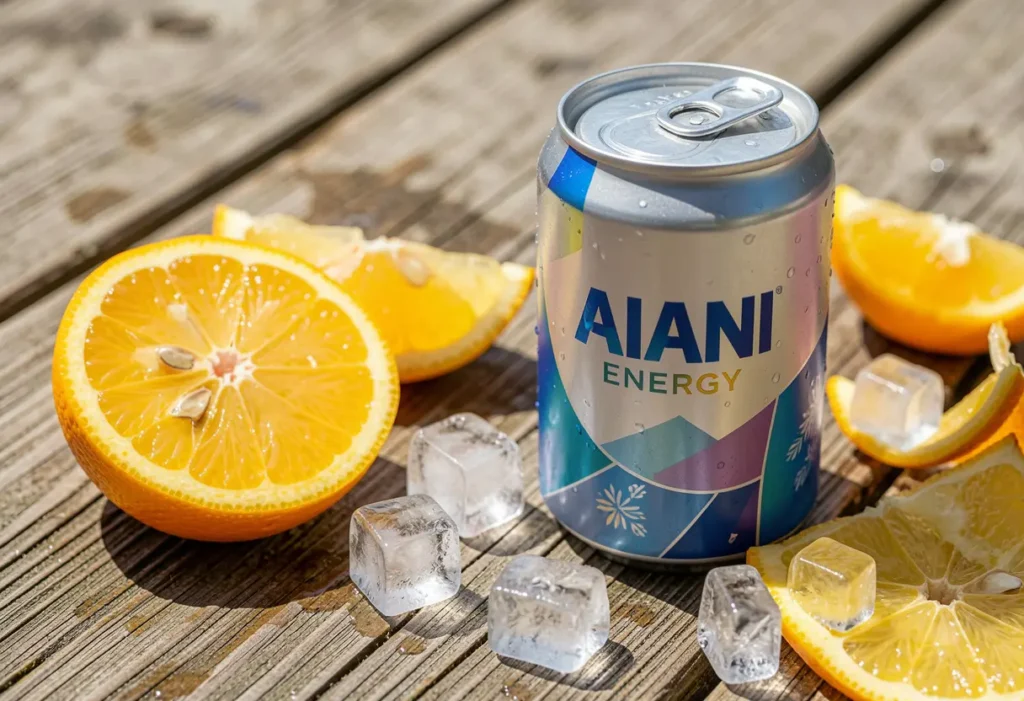
Every fitness aisle and gym bag in America seems to have one of those bright, colorful Alani Nu cans these days. They are marketed as clean, zero-sugar energy drinks built for active people — and they have built a genuinely devoted following. But before you crack one open before your next workout, it is worth knowing exactly what you are getting. The Alani caffeine content sits at 200 milligrams per standard 12-ounce can — a number that deserves your full attention.
Two hundred milligrams is not a casual amount. It equals roughly two cups of brewed coffee delivered in a single, easy-to-drink can. For context, the FDA considers 400 milligrams the upper safe daily limit for healthy adults — meaning one Alani Nu uses up exactly half your daily allowance before you have had your morning coffee. Understanding that number, what it does in your body, and how it compares to every other drink in your rotation is the difference between using this product smartly and overloading your system without realizing it.
This guide covers the exact caffeine content across every Alani Nu flavor, how it compares to Red Bull, Monster, Celsius, and coffee, who should avoid it entirely, and the practical safety guidelines that help you enjoy it without the downsides.
TL;DR — Quick Facts
- Every standard 12-ounce Alani Nu can contains exactly 200 mg of caffeine
- That equals roughly two cups of brewed coffee in a single serving
- All flavors contain the same 200 mg dose — switching flavors does not change your caffeine intake
- One can uses 50% of the FDA’s recommended daily caffeine limit for healthy adults
- Alani Nu contains zero sugar — sweetened with sucralose instead
- Children, teenagers, pregnant individuals, and people with heart conditions or anxiety should avoid it
- Sipping slowly over 30 to 60 minutes is safer than drinking it quickly before a workout
What Is Alani Nu and Why Caffeine Content Matters
Alani Nu is a zero-sugar energy drink brand launched in 2018 and targeted primarily at fitness-conscious consumers, particularly women. Its brightly colored cans, dessert-inspired flavor names, and clean ingredient list have made it one of the fastest-growing energy drink brands in the United States.
Unlike traditional energy drinks that rely on sugar for a significant portion of their energy effect, Alani Nu uses sucralose as its sweetener — keeping the calorie count low while delivering its energy primarily through caffeine. Each can also contains B vitamins including B6 and B12, which support energy metabolism, though the primary driver of the alertness effect is caffeine.
Understanding the Alani caffeine content matters because 200 milligrams is genuinely high for a single beverage. According to the FDA’s guidance on caffeine safety, healthy adults can safely consume up to 400 milligrams per day. One Alani Nu can puts you at exactly half that threshold — which means any additional coffee, tea, soda, or pre-workout supplement consumed the same day starts stacking on top of an already substantial base.
Exact Caffeine Content in Every Alani Nu Flavor
One of the most consistent things about Alani Nu is its caffeine uniformity across the product line. Unlike some energy drink brands that vary caffeine levels between flavors or product tiers, Alani Nu keeps every standard flavor at the same 200 milligram dose. Here is what that looks like across the most popular varieties.
| Alani Nu Flavor | Serving Size | Caffeine Content |
|---|---|---|
| Mimosa | 12 oz | 200 mg |
| Pink Slush | 12 oz | 200 mg |
| Witches Brew | 12 oz | 200 mg |
| Cotton Candy | 12 oz | 200 mg |
| Kimade | 12 oz | 200 mg |
| Lime Slush | 12 oz | 200 mg |
| Tropsicle | 12 oz | 200 mg |
| Hawaiian Shaved Ice | 12 oz | 200 mg |
The consistency is deliberate. Alani Nu built its brand around predictability — consumers know exactly what they are getting regardless of which flavor they choose. From a practical standpoint, this means there is no lower-caffeine flavor option within the standard lineup. If 200 milligrams feels too strong, the answer is not switching flavors — it is choosing a different product category entirely.
For a broader picture of where Alani Nu sits relative to other popular energy drinks, our guide on energy drinks with the most caffeine puts the full market in perspective.
Alani Nu vs Coffee: How the Numbers Compare
The most natural comparison point for any caffeinated beverage is brewed coffee. Most people have an intuitive sense of how coffee affects them, which makes it a useful benchmark for understanding what 200 milligrams actually feels like in practice.
According to NIH research on caffeine pharmacology, an 8-ounce cup of home-brewed coffee typically delivers between 80 and 100 milligrams of caffeine depending on the roast and brewing method. A single Alani Nu can therefore delivers roughly the same caffeine as two full cups of strong coffee — compressed into a single 12-ounce serving that most people drink within 20 to 30 minutes.
| Beverage | Serving Size | Caffeine |
|---|---|---|
| Alani Nu Energy | 12 oz | 200 mg |
| Brewed Coffee | 8 oz | 80–100 mg |
| Espresso | 1 oz | ~63 mg |
| Cold Brew Coffee | 12 oz | 150–200 mg |
The speed of consumption matters here. Coffee is typically sipped over 15 to 30 minutes. Many people drink an energy can more quickly, especially before a workout. Research published on PubMed on caffeine absorption rates shows that caffeine reaches peak plasma concentration within 30 to 60 minutes of consumption — meaning drinking a can quickly before exercise delivers a sharp, concentrated spike rather than a gradual rise.
Alani Nu vs Red Bull, Monster, and Celsius
How does Alani Nu stack up against the biggest names in the energy drink category? The differences are more significant than most people realize.
| Beverage | Serving Size | Caffeine |
|---|---|---|
| Alani Nu | 12 oz | 200 mg |
| Red Bull | 8.4 oz | 80 mg |
| Monster Energy | 16 oz | 160 mg |
| Celsius | 12 oz | 200 mg |
| Bang Energy | 16 oz | 300 mg |
| Coca-Cola | 12 oz | 34 mg |
Red Bull contains just 80 milligrams in its standard can — less than half the Alani Nu dose in a smaller serving. Monster delivers 160 milligrams but spreads it across 16 ounces, making the concentration per ounce lower. Celsius matches Alani Nu exactly at 200 milligrams per 12-ounce can, making the two the most direct competitors in the clean energy space. For a full breakdown of that comparison, our guide on Celsius caffeine content covers every Celsius variant in detail.
For a detailed breakdown of how Red Bull specifically compares, our guide on Red Bull caffeine content covers every size and variant available. If you are tracking your total daily intake across multiple drinks, our caffeine calculator by weight and age helps you stay within safe limits throughout the day.
How Caffeine Works in the Body at 200 Milligrams
Understanding the mechanism behind caffeine helps explain why 200 milligrams produces a noticeably stronger effect than a cup of tea or a standard soda. Caffeine works primarily as an adenosine receptor antagonist — adenosine being the neurotransmitter that accumulates in the brain throughout the day and progressively signals fatigue.
According to NIH PubMed Central research on caffeine and the central nervous system, by blocking adenosine receptors, caffeine prevents the fatigue signal from registering — creating the subjective experience of increased alertness and energy. At the same time, caffeine triggers a mild release of adrenaline, temporarily increasing heart rate and blood pressure and priming the body for physical exertion.
At 200 milligrams, these effects are pronounced. Research from PubMed on caffeine dose-response relationships indicates that doses in the 200 milligram range reliably improve reaction time, endurance performance, and cognitive focus in most adults. This is why the dose is effective as a pre-workout tool — but it is also why it demands respect, particularly in people who do not consume caffeine regularly or who have underlying sensitivities.
The Zero Sugar Profile and What It Means
One of Alani Nu’s core selling points is its zero sugar formulation. Unlike traditional energy drinks that combine caffeine with significant sugar loads — Red Bull contains 27 grams of sugar per can — Alani Nu uses sucralose as its primary sweetener, keeping the sugar content at zero grams per serving.
This matters for several reasons. Sugar-sweetened energy drinks deliver a combined caffeine and glucose spike that produces a sharp energy rise followed by a pronounced crash as blood sugar drops. Alani Nu’s zero sugar profile means the energy effect comes almost entirely from caffeine and B vitamins, producing a cleaner stimulant curve without the subsequent blood sugar dip.
According to NIH research on artificial sweeteners and metabolic health, sucralose is generally considered safe for consumption at levels found in commercial beverages, though ongoing research continues to examine long-term effects on gut microbiome composition. For most healthy adults, the sucralose in Alani Nu presents no meaningful health concern at typical consumption levels.
If you are managing blood sugar or navigating dietary choices around metabolic health, our guide on are apples good for diabetics explores similar themes around glycemic impact in everyday food and drink choices.
Alani Nu Caffeine Content in Canada and International Markets
The standard Alani Nu formulation sold in the United States contains 200 milligrams of caffeine per 12-ounce can. In Canada and certain international markets, Health Canada regulations on caffeine in energy drinks have historically required manufacturers to limit caffeine to 180 milligrams per serving for products marketed as energy drinks.
As a result, some Canadian market versions of Alani Nu may contain slightly less caffeine — typically in the 180 milligram range — though the exact formulation depends on current regulatory requirements and the specific product batch. If you are purchasing Alani Nu outside the United States, checking the nutrition facts panel on the specific can you have purchased is the most reliable way to confirm the exact caffeine content for that market version.
Safety Guidelines and Daily Limits
The FDA’s established safe daily caffeine limit for healthy adults is 400 milligrams. A single Alani Nu can accounts for exactly half that threshold.This means anyone who drinks an Alani Nu and then has a cup of coffee, a pre-workout supplement, or even a caffeinated soda has potentially exceeded or approached the daily safe limit — often without realizing it. If you are curious how common sodas stack up, our guide on does Pepsi have caffeine shows how quickly smaller sources add up across the day.
According to NIH research on caffeine toxicity thresholds, adverse effects including anxiety, heart palpitations, insomnia, and elevated blood pressure become more likely as daily intake approaches and exceeds 400 milligrams. Individual sensitivity varies considerably — factors including body weight, caffeine tolerance, medications, and genetic variations in caffeine metabolism all influence how a given dose is experienced.
Practical safety guidelines for Alani Nu consumption include sipping the can slowly over 30 to 60 minutes rather than drinking it quickly, avoiding consumption within six hours of bedtime, and carefully tracking all other caffeine sources consumed the same day. Our caffeine calculator makes daily tracking straightforward across multiple beverage sources.
Who Should Avoid Alani Nu

While Alani Nu is safe for most healthy adults when consumed responsibly, several groups face meaningful risks from its caffeine content.
Children and Teenagers
The developing cardiovascular and neurological systems of children and adolescents are significantly more sensitive to caffeine than those of adults. According to NIH PubMed Central research on caffeine in adolescents, regular caffeine consumption in young people is associated with disrupted sleep architecture, increased anxiety, elevated blood pressure, and potential long-term effects on brain development. Energy drinks with 200 milligrams of caffeine are not appropriate for anyone under 18.
Pregnant Individuals
Current evidence-based guidance recommends limiting caffeine to under 200 milligrams per day during pregnancy. A single Alani Nu can reaches that entire threshold in one serving — leaving no room for any additional caffeine from coffee, tea, chocolate, or other sources. According to NIH research on caffeine and pregnancy outcomes, caffeine consumption above recommended limits during pregnancy is associated with increased risk of low birth weight and pregnancy complications.
People With Anxiety or Heart Conditions
Caffeine at 200 milligrams produces a measurable increase in heart rate and blood pressure. For individuals with pre-existing cardiac conditions or clinical anxiety disorders, this cardiovascular stimulation can trigger palpitations, arrhythmias, or amplified anxiety symptoms. Anyone with a known heart condition or anxiety disorder should consult a healthcare provider before consuming high-caffeine products.
Common Side Effects of Exceeding Safe Limits
Consuming Alani Nu on top of other caffeinated beverages without tracking total daily intake is the most common way people experience unwanted side effects. According to PubMed research on caffeine overconsumption effects, the most frequently reported adverse effects from excessive caffeine include jitteriness and tremors, elevated heart rate and palpitations, headache, difficulty sleeping, increased anxiety, and gastrointestinal discomfort.
These effects are dose-dependent and generally resolve as caffeine clears the system. However, chronic daily overconsumption can lead to caffeine dependence — a state where the body adapts to the presence of caffeine and produces withdrawal symptoms including headache, fatigue, and irritability when intake is reduced or stopped. Taking occasional breaks from all caffeine sources helps prevent this adaptation from developing.
Is Alani Nu Healthy Overall
The honest answer is nuanced. For a healthy adult using Alani Nu intentionally as a pre-workout tool or productivity aid — and tracking total daily caffeine carefully — it is a reasonable choice. The zero sugar formulation avoids the metabolic concerns associated with sugary energy drinks, and the B vitamin content supports energy metabolism in a genuinely useful way.
The concern arises when it becomes a daily habit consumed alongside multiple other caffeinated beverages, or when it is used to compensate for chronic sleep deprivation rather than supplement an already healthy lifestyle. Caffeine does not replace sleep — it masks fatigue temporarily while the underlying sleep debt continues to accumulate.
For anyone curious about how energy drink ingredients fit into a broader picture of dietary health, our articles on are quest bars healthy and are protein bars healthy explore similar themes around fitness-marketed products and what their ingredient lists actually mean for everyday health.
Frequently Asked Questions
How Much Caffeine Is in an Alani Nu Energy Drink?
Every standard 12-ounce Alani Nu can contains exactly 200 milligrams of caffeine. This applies uniformly across all flavors in the standard lineup. The 200 milligram dose equals roughly two cups of brewed coffee and represents 50% of the FDA’s recommended daily caffeine limit of 400 milligrams for healthy adults. No standard Alani Nu flavor contains more or less than this amount.
Does Every Alani Nu Flavor Have the Same Caffeine?
Yes, all standard Alani Nu flavors contain exactly 200 milligrams of caffeine per 12-ounce can. The brand deliberately keeps caffeine content uniform across its entire flavor lineup. Switching flavors does not reduce your caffeine intake. If you need a lower caffeine option, choosing a different product category is the only way to meaningfully reduce your per-serving dose.
Is Alani Nu Stronger Than Red Bull?
Yes, Alani Nu is significantly stronger than Red Bull. A standard 8.4-ounce Red Bull contains 80 milligrams of caffeine, while a 12-ounce Alani Nu delivers 200 milligrams. That makes Alani Nu more than twice as strong per serving. Red Bull also contains sugar, while Alani Nu uses sucralose, making the two products quite different in their overall nutritional profiles beyond just caffeine.
Can You Drink Alani Nu Every Day?
Healthy adults can consume Alani Nu daily provided total caffeine from all sources stays under 400 milligrams. One can accounts for half that daily limit, leaving room for one additional moderate coffee. However, daily high-caffeine consumption can lead to tolerance and dependence over time. Taking periodic breaks from caffeine and prioritizing quality sleep remains important regardless of the specific product consumed.
Who Should Not Drink Alani Nu?
Children, teenagers, pregnant individuals, and people with heart conditions or clinical anxiety disorders should avoid Alani Nu. Its 200 milligram caffeine content is too high for developing nervous systems, exceeds safe pregnancy guidelines in a single serving, and can trigger cardiovascular stress in sensitive individuals. Anyone taking medications that interact with caffeine should also consult a healthcare provider before consuming high-caffeine energy drinks regularly.
Conclusion
Alani Nu has earned its popularity for good reason. It delivers a clean, predictable, zero-sugar energy boost that fits naturally into an active lifestyle. The branding is appealing, the flavors are genuinely enjoyable, and the zero-sugar formulation avoids the blood sugar concerns that come with traditional energy drinks.
That said, the Alani caffeine content of 200 milligrams per can is not something to take casually. It is a high dose that works best when consumed intentionally — tracked against your total daily caffeine intake, timed appropriately before activity, and avoided by anyone in a higher-risk category. Used this way, it is an effective and reasonable tool for energy and focus.
The key is awareness. Knowing exactly what the Alani caffeine content delivers — and how it fits into everything else you consume throughout the day — puts you in control of your energy, your sleep, and your long-term health. When in doubt about how high-caffeine beverages fit into your specific health picture, a registered dietitian can offer guidance tailored to your individual needs and goals.
References
- U.S. Food and Drug Administration — Spilling the Beans: How Much Caffeine is Too Much? — https://www.fda.gov/consumers/consumer-updates/spilling-beans-how-much-caffeine-too-much
- NIH PubMed — Caffeine and the Central Nervous System: Mechanisms of Action — https://pubmed.ncbi.nlm.nih.gov/1356551/
- NIH PubMed — Caffeine Absorption and Plasma Concentration — https://pubmed.ncbi.nlm.nih.gov/2333832/
- NIH PubMed — Caffeine Dose-Response and Exercise Performance — https://pubmed.ncbi.nlm.nih.gov/23241646/
- NIH PubMed Central — Caffeine Use in Children and Adolescents — https://www.ncbi.nlm.nih.gov/pmc/articles/PMC4462044/
- NIH PubMed Central — Caffeine Toxicity and Safety Thresholds — https://www.ncbi.nlm.nih.gov/pmc/articles/PMC5293322/
- NIH PubMed Central — Artificial Sweeteners and Metabolic Health — https://www.ncbi.nlm.nih.gov/pmc/articles/PMC5591507/
- NIH PubMed Central — Caffeine and Pregnancy Outcomes — https://www.ncbi.nlm.nih.gov/pmc/articles/PMC6489512/
- NIH PubMed — Adverse Effects of Caffeine Overconsumption — https://pubmed.ncbi.nlm.nih.gov/28603504/
- NIH PubMed Central — Caffeine and Anxiety Review — https://www.ncbi.nlm.nih.gov/pmc/articles/PMC6007565/
Related Posts






Subscribe for New Racipies
Get mental health tips, updates, and resources delivered to your inbox.
Savory Citrus Delight – Raw Trout Ceviche

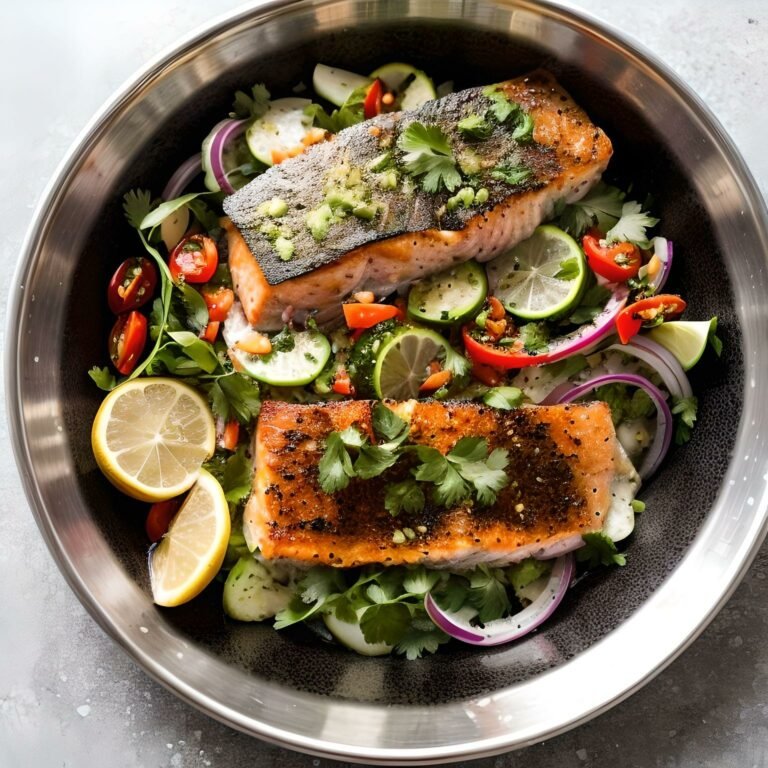
Get ready to tantalize your taste buds with a dish that’s like a zesty fiesta for your mouth! We’re about to embark on a flavor-packed adventure with our Savory Citrus Delight – Raw Trout Ceviche.
Imagine tender trout infused with the vibrant essence of citrus, a burst of freshness in every bite. It’s a culinary escapade where you’ll play the role of a taste explorer, navigating through the tangy twists and turns of this recipe.
So, grab your chef’s hat and a dash of excitement because we’re diving headfirst into the world of raw trout transformed into a lively and refreshing sensation!
| Name | Raw Trout Recipe |
| Cuisine | Latin American |
| Prep | 20 |
| Cook | 0 |
| Total | 20 |
| Yields | 4 |
Ingredients
- 1 pound fresh trout fillets, boneless and skinless
- 4 limes, juiced
- 2 lemons, juiced
- 1 orange, juiced
- 1 red onion, finely diced
- 2 tomatoes, diced
- 1 cucumber, peeled and diced
- 1 jalapeño pepper, seeded and minced (adjust to your spice preference)
- 1/2 cup fresh cilantro, chopped
- Salt and freshly ground black pepper, to taste
- Tortilla chips or lettuce leaves for serving
Instructions
- Prepare the Trout: Start by dicing the fresh trout fillets into small, bite-sized pieces. Place them in a large glass or stainless steel bowl.
- Citrus Bath: Squeeze the juice of limes, lemons, and orange over the diced trout. Ensure the trout pieces are fully immersed in the citrus juice. This is where the magic happens! The acid from the citrus juices will “cook” the trout, giving it a tender and flavorful texture.
- Mix and Chill: Gently stir the trout in the citrus juice to ensure all pieces are coated. Cover the bowl and refrigerate for about 15 minutes. The trout will turn a beautiful opaque color as it marinates in the citrus bath.
- Veggie Medley: While the trout is “cooking” in the citrus, finely dice the red onion, tomatoes, cucumber, and jalapeño pepper. You can adjust the amount of jalapeño to your preferred level of spiciness. For those who like it hot, leave in some seeds!
- Fresh Cilantro Kick: Chop up the fresh cilantro. Cilantro adds a burst of freshness and a lovely herbaceous note to the ceviche.
- Combine and Season: After the trout has marinated for about 15 minutes, remove it from the fridge. Drain off most of the excess citrus juice, leaving a bit for flavor. Add the diced vegetables and cilantro to the bowl with the trout. Gently mix everything together to create a colorful and flavorful ceviche.
- Season to Taste: Taste your creation and add a pinch of salt and a crack of black pepper to enhance the flavors. Remember that a little goes a long way, so start with a small amount and adjust as needed.
- Serve with Style: Time to plate up! You can serve your raw trout ceviche in a variety of ways. Try it with tortilla chips for that delightful crunch, or go lighter by wrapping spoonfuls of ceviche in fresh lettuce leaves for a low-carb option.

Enjoy: There you have it – a zesty, fresh, and utterly delicious raw trout ceviche that’s perfect for a light meal, appetizer, or party snack. The citrusy tang combined with the tender trout and colorful veggies will make your taste buds dance with delight. Share with friends, and watch it disappear!
Feel free to get creative with this recipe by adding your favorite ingredients or a hint of your favorite hot sauce for an extra kick. Whether you’re serving it at a gathering or simply enjoying it at home, this raw trout ceviche is sure to be a hit. Bon appétit!
5 Simple Raw Trout Recipes
Discover the elegance of raw trout with these 5 simple recipes. From zesty tartare to spicy sashimi, these dishes showcase the fresh flavors of this delicate fish.
1. Fresh Trout Tartare

Prep: 15 mins
Combine diced trout, capers, red onion, and fresh dill. Drizzle with olive oil and lemon juice. Serve with toasted baguette slices.
2. Trout Poke Bowl

Prep: 20 mins
Toss trout cubes with soy sauce, sesame oil, and green onions. Serve over rice or mixed greens, garnished with avocado, cucumber, and sesame seeds.
3. Zesty Trout Carpaccio

Prep: 10 mins
Thinly slice trout fillets and arrange on a plate. Drizzle with olive oil, lemon juice, and sprinkle with sea salt and fresh cracked pepper. Top with arugula and shaved Parmesan.
4. Trout Sashimi with Wasabi Mayo

Prep: 15 mins
Slice trout into thin sashimi-style pieces. Mix mayonnaise with wasabi paste for a spicy dip. Serve with pickled ginger and soy sauce.
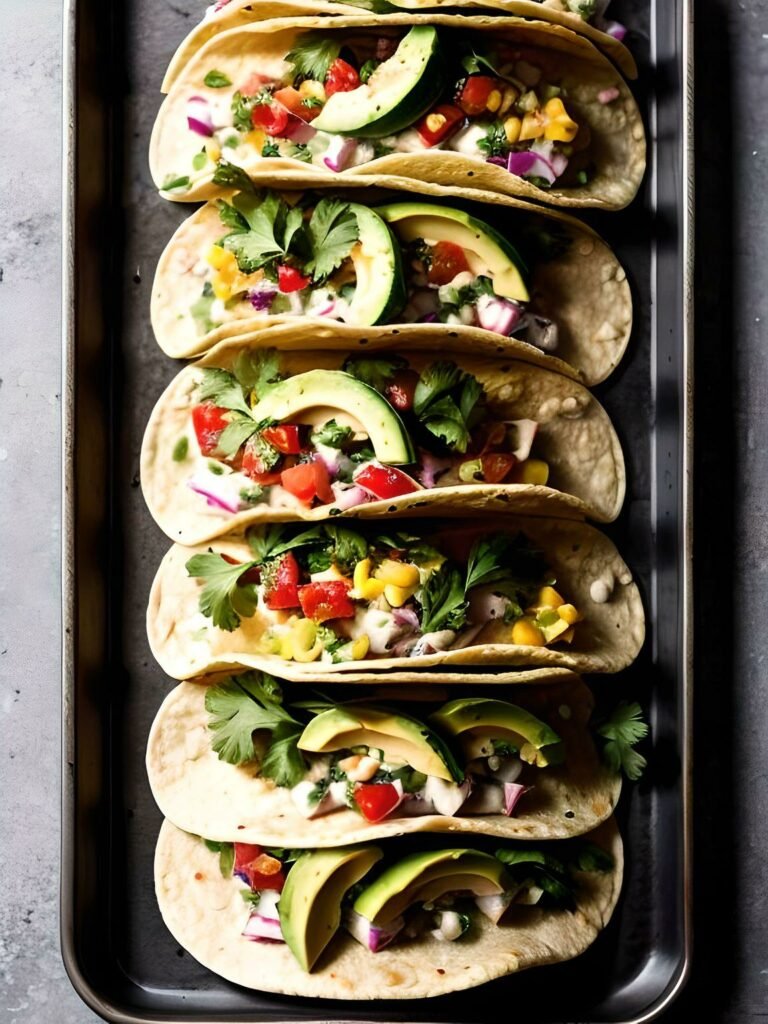
5. Citrusy Trout Ceviche Tacos
Prep: 25 mins
Follow the basic ceviche recipe. Spoon it into soft tortillas, top with sliced avocado, and drizzle with a creamy lime-cilantro dressing.
These recipes offer a variety of flavors and textures to enjoy the delicate taste of raw trout. Feel free to adjust ingredients to your taste and get creative with your presentation. Bon appétit!
Related Posts


Subscribe for New Racipies
Get mental health tips, updates, and resources delivered to your inbox.