
Monster Rehab Caffeine: How Much Caffeine Is in Monster Rehab? (Full Breakdown by Flavor, Size & Safety)

Energy drinks dominate modern convenience store shelves everywhere today. Therefore, understanding exactly how these beverages affect your body is crucially important for your health. Many active adults specifically ask about monster rehab caffeine levels to manage their daily intake. They want a refreshing pick-me-up without experiencing a massive, debilitating sugar crash later.
As a medical professional, I constantly evaluate dietary supplements and popular energy products for safety. Recently, a young college athlete visited my clinic complaining of sudden, terrifying heart palpitations. We quickly traced his severe symptoms directly back to his daily beverage consumption habits. He simply did not realize how much active stimulant he was actually consuming every afternoon.
Consequently, I created this comprehensive guide to break down the exact numbers for you. You will finally learn the medical facts about these popular tea-based recovery drinks today. By understanding the science, you can safely manage your daily monster rehab caffeine exposure.
TL;DR: Quick Overview
- Monster Rehab contains exactly 160 mg of caffeine per standard 16 oz can.
- The manufacturer formulates this specific beverage as a smooth, non-carbonated, tea-based energy drink.
- It absolutely contains active stimulants and is never considered a safe, caffeine-free product.
- The total caffeine amount closely matches traditional, highly sweetened regular Monster energy beverages.
- Healthy adults should consume these strong beverages strictly in moderation to avoid cardiovascular side effects.
Monster Rehab Caffeine Content
People very often ask for the exact monster rehab caffeine amount before purchasing. A standard 16-ounce can delivers precisely 160 milligrams of this powerful central nervous system stimulant. This specific chemical dosage provides a highly noticeable and immediate physical energy boost.
Furthermore, understanding the monster rehab caffeine content is vital for your daily health tracking. Consuming 160 milligrams places this beverage firmly in the moderate-to-high daily stimulant category. Therefore, you must carefully monitor what else you choose to drink during the day.
Similarly, many patients completely underestimate the true power of a smooth, non-carbonated beverage. Because it drinks exactly like mild iced tea, people frequently consume it much too quickly. Consequently, the stimulant hits your bloodstream rapidly and causes sudden, unexpected physiological changes.
Caffeine Content Chart (Per Can & Per 100ml)
Tracking your specific monster rehab caffeine per can helps prevent dangerous, accidental overconsumption. Here is a very clear, medical breakdown of the exact concentrations you will ingest.
| Serving Size | Total Caffeine |
|---|---|
| 16 oz (473 ml) | 160 mg |
| Per 100 ml | ~34 mg |
As a result, drinking even half a can provides a highly significant chemical dose. You must always read nutritional labels carefully before consuming any heavily marketed commercial energy product.
Caffeine in Peach Tea Flavor
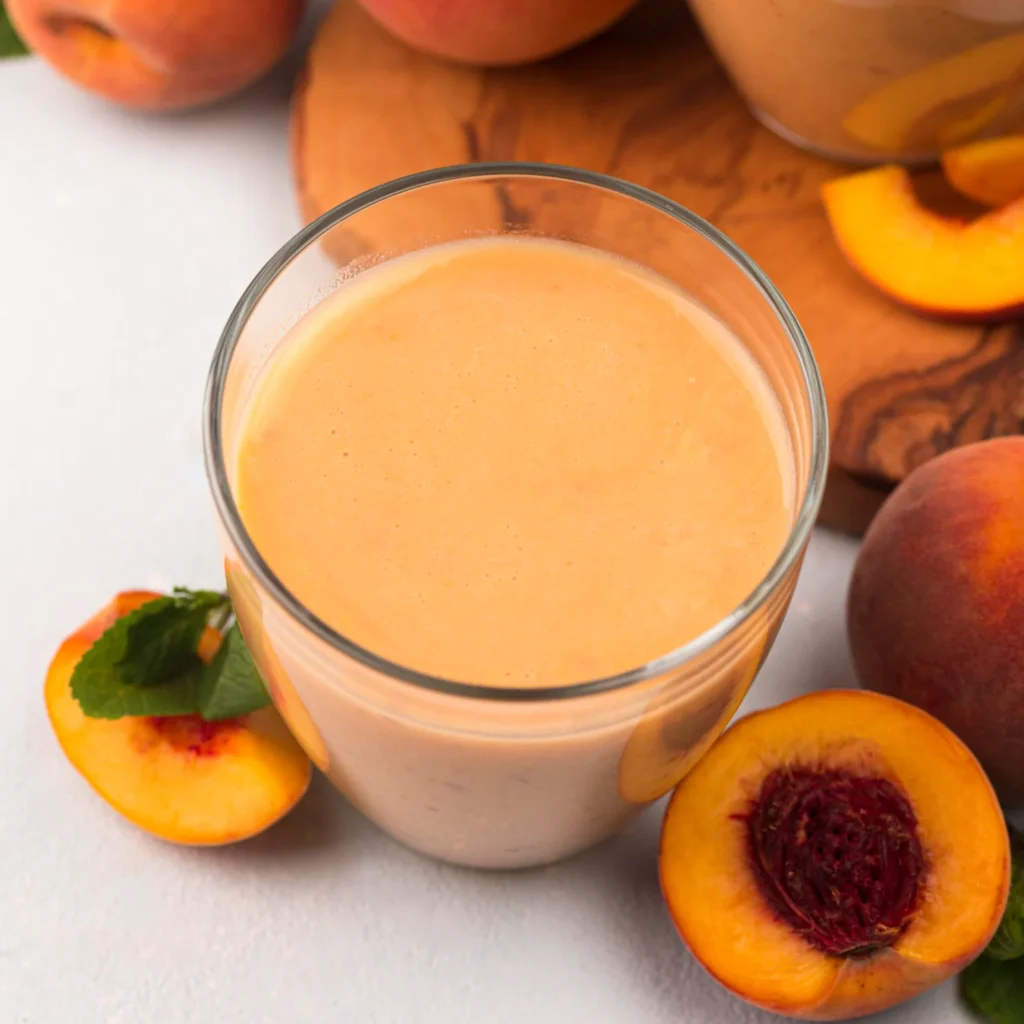
Consumers frequently ask how much caffeine is in monster rehab peach tea specifically. You might naturally assume that a fruity, pleasant tea flavor contains a milder stimulant profile. However, this specific flavor variation maintains the exact same potent chemical composition.
In fact, every single flavor variant within this specific product line contains 160 milligrams. The manufacturer strictly standardizes the monster rehab caffeine mg across the entire brand spectrum. Therefore, picking a sweeter flavor never reduces your overall neurological stimulant exposure.
Does Monster Rehab Have Caffeine?
Many confused patients frequently ask me, does monster rehab have caffeine inside its formula? The medical answer is an absolute, undeniable yes. You must never confuse a non-carbonated tea drink with a relaxing, hydration-only sports beverage.
If you specifically wonder, is monster rehab caffeine free, the answer is always no. The company explicitly designs this powerful beverage to rapidly boost physical energy and mental focus. Consequently, it contains highly active, powerful chemical stimulants in every single manufactured can.
Is Monster Rehab an Energy Drink?
People clearly see the word “rehab” and naturally assume it functions like a simple sports drink. So, is monster rehab an energy drink technically and legally? Yes, regulatory health agencies and medical professionals classify it strictly as a commercial energy drink.
However, the clever marketing strategy deliberately positions it as an athletic “recovery” beverage. Furthermore, the complex formulation includes helpful hydration electrolytes like magnesium and vital potassium. In addition, it packs incredibly high doses of various B vitamins for cellular metabolic support.
Comparing to Regular Monster
Patients very often ask about the monster rehab caffeine vs regular monster differences. Let us look closely at a direct clinical comparison of these two incredibly popular choices.
| Product | Caffeine (16 oz) |
|---|---|
| Monster Rehab | 160 mg |
| Regular Monster | 160 mg |
Consequently, if you wonder does monster rehab have less caffeine, it absolutely does not. The primary difference lies entirely in the lack of carbonation and the massive sugar reduction.
Nutritional Profile and Calories
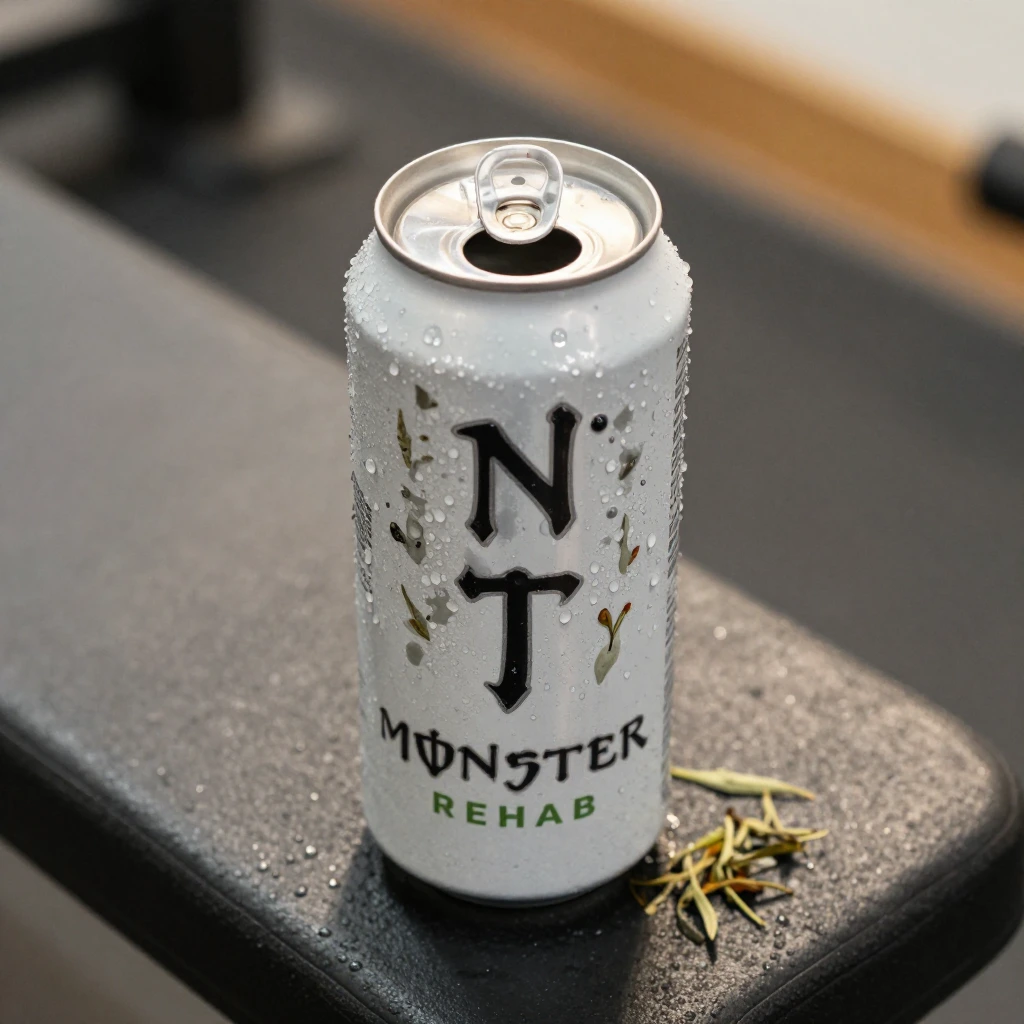
You must always consider Monster Rehab Calories when carefully planning your daily nutritional diet. Most flavors in this specific product line contain only 25 to 30 calories per can. This incredibly low caloric footprint makes it very popular among dedicated fitness enthusiasts.
Furthermore, the smooth beverage contains real tea extracts and incredibly minimal added sugars. Therefore, it provides a much smoother glycemic response than traditional, highly sweetened carbonated sodas. You successfully avoid the massive insulin spike usually associated with standard commercial energy drinks. For more on making smart food choices, see our guide on is mac and cheese healthy.
Mechanism of Action in the Body
Understanding exactly how these specific ingredients alter your body is crucial for public health. The primary active ingredient blocks adenosine receptors directly inside your brain’s neural pathways. Consequently, this chemical blockade temporarily prevents you from feeling natural physical fatigue.
Furthermore, the complex formula includes a synthetic amino acid called taurine. Taurine generally supports overall neurological function and actively helps regulate essential cellular minerals. However, mixing high-dose taurine with heavy stimulants creates incredibly complex cardiovascular reactions.
In my clinic, I carefully explain how added B vitamins heavily influence this biological process. B vitamins actively help your biological cells convert dietary food into usable physical energy. Therefore, the combination of strong stimulants and synthetic vitamins creates a very potent physical boost. For readers interested in cognitive support supplements, you might also explore our youthful brain reviews.
Moreover, because the drink completely lacks carbonation, rapid gastric emptying occurs much faster. Your stomach absorbs the liquid quickly, sending the chemicals directly into your active bloodstream. As a result, you feel the artificial energy peak much quicker than with standard sodas.
Potential Medical Side Effects
You must take monster rehab caffeine side effects very seriously to protect your heart. I regularly treat young adults suffering from acute, highly distressing caffeine-induced insomnia. When you consume 160 milligrams late in the afternoon, your brain simply cannot naturally relax.
Additionally, heavy daily consumption frequently triggers severe anxiety and uncontrollable physical jitters. The sudden influx of central nervous system stimulants causes your adrenal glands to panic instantly. Consequently, your body forcefully releases powerful stress hormones like cortisol and adrenaline into your blood.
Furthermore, I closely monitor my patients for dangerous increased heart rates and elevated blood pressure. Drinking these potent beverages rapidly forces your cardiovascular system to work much harder. Therefore, you must recognize these dangerous physical warning signs immediately and stop consumption.
Evidence-Based Safety Guidelines
We must firmly establish clear, medically verified limits for your daily commercial stimulant intake. The Food and Drug Administration clearly states that healthy adults can safely consume 400 milligrams daily. Therefore, drinking one single can perfectly fits within this moderate, widely accepted safety window.
However, you must strictly calculate your cumulative daily exposure from all possible dietary sources. If you drink a morning coffee and an afternoon Monster, you approach the absolute limit quickly. Consequently, exceeding this 400-milligram threshold significantly increases your personal risk of adverse cardiovascular events.
Who Should Avoid This Beverage?
Certain highly vulnerable populations must actively avoid this specific chemical beverage entirely. Firstly, pregnant individuals should completely bypass high-dose energy drinks to protect fragile fetal development. High stimulant levels easily cross the biological placenta and negatively affect the rapidly growing baby.
Furthermore, developing teenagers should never aggressively consume heavily caffeinated commercial products. Their immature nervous systems simply cannot process massive chemical surges safely or effectively. Additionally, anyone with pre-existing heart conditions or severe clinical anxiety disorders must avoid these drinks completely.
Comparison to Standard Coffee
Let us properly contextualize this commercial beverage against a traditional morning favorite. Many curious patients ask how this specific product compares to standard home-brewed drip coffee.
| Beverage | Typical Caffeine |
|---|---|
| Monster Rehab (16 oz) | 160 mg |
| Drip Coffee (8 oz) | 80–100 mg |
Consequently, drinking one full can easily equals consuming almost two standard cups of coffee. You must respect this substantial chemical potency when making your daily beverage choices.
Consumer and Expert Review
When evaluating a monster rehab caffeine review, consumer feedback frequently highlights the smooth delivery. Because the primary base consists of non-carbonated tea, it goes down very easily. People often report feeling much less jittery compared to traditional, highly aggressive energy drinks.
From a strict medical perspective, I highly appreciate the massive reduction in processed added sugars. However, the smooth, delicious taste makes it incredibly easy to consume far too quickly. Therefore, I constantly advise my patients to sip the beverage slowly over a full hour. For more on balancing indulgence with health, check out our analysis of are burgers healthy.
Contextualizing Energy Drink Levels
Understanding the standard monster energy caffeine per can helps you make much smarter dietary choices. Most traditional carbonated products from this popular brand contain between 150 and 160 milligrams. Therefore, the Rehab line completely aligns with the established, industry-standard stimulant dosage.
Furthermore, analyzing the caffeine in monster energy drink lines reveals a very consistent chemical pattern. The massive manufacturers engineer these beverages to deliver a highly specific, standardized chemical dose. You always know exactly how much powerful stimulant you ingest with every single purchase.
Addressing the Lower Caffeine Myth
Many amateur fitness blogs carelessly spread confusing misinformation about this specific product line. Patients often ask me, does monster rehab have less caffeine than the classic original? The definitive medical answer is absolutely no; the active chemical content remains nearly identical.
People falsely perceive it as “lighter” simply because it completely lacks aggressive carbonation and heavy syrup. The thin, watery tea-like consistency successfully tricks your human brain into thinking it is a milder beverage. However, your beating heart and nervous system process the exact same massive stimulant payload. When considering athletic performance and body composition, our piece on are sumo wrestlers healthy offers valuable perspective.
Frequently Asked Questions
How much active stimulant is in a standard can?
A standard 16-ounce can contains exactly 160 milligrams of the primary stimulating compound. This specific measurement provides a highly noticeable, moderate-to-strong physical energy boost for most healthy adults. Therefore, you must carefully track this amount against your daily allowable intake limit to avoid side effects.
Is this specific beverage completely free of stimulants?
No, this popular product absolutely contains a highly significant dose of active central nervous system stimulants. Many people mistakenly confuse its non-carbonated, iced-tea flavor profile with a relaxing, chemical-free sports hydration drink. You must always treat it strictly as a potent, commercial energy beverage.
Does it contain less stimulating power than the original version?
No, the chemical potency remains nearly identical to the brand’s original, highly carbonated flagship formula. Both specific products successfully deliver approximately 160 milligrams of active compounds directly into your fast-moving bloodstream. The only real difference involves the complete lack of carbonation and significantly reduced sugar content.
Is this particular formulation considered a healthier option?
It does contain significantly lower sugar calories compared to traditional, syrup-heavy commercial energy drinks. Furthermore, the added electrolytes and B-vitamins provide some minor, functional metabolic benefits for highly active adults. However, it still contains potent chemical stimulants, so you must always consume it in strict, careful moderation.
What is the medically safe daily consumption limit?
Healthy adults can safely consume one or two cans strictly within the FDA’s 400-milligram daily guideline. However, you must meticulously calculate any additional coffee or tea you drink throughout your busy day. I strongly advise my patients to limit themselves to one single can daily to prevent cardiovascular stress.
Conclusion
Navigating the complex, highly marketed world of modern energy drinks requires accurate, evidence-based medical knowledge. Ultimately, understanding your exact monster rehab caffeine intake actively protects your long-term cardiovascular health. This specific beverage deliberately delivers a potent 160 milligrams of active stimulants directly into your sensitive system.
While the non-carbonated tea formulation generously offers a smoother, low-calorie drinking experience, it remains incredibly strong. You must always strictly respect its powerful chemical profile and actively avoid drinking it too rapidly. In my busy medical practice, I constantly see the severe negative consequences of accidental, mindless overconsumption.
Therefore, I highly encourage you to treat these popular commercial beverages with appropriate clinical caution. Always monitor your total daily intake strictly, specifically avoiding other strong coffees or teas simultaneously. If you ever experience sudden clinical anxiety, insomnia, or a racing heart, stop drinking it immediately.
By making incredibly smart, medically informed choices, you can safely enjoy an occasional afternoon energy boost. Remember, true sustainable physical energy ultimately comes from proper hydration, excellent nutrition, and adequate daily sleep. Always prioritize your foundational health before reaching for a powerful dose of monster rehab caffeine.
Evidence-Based References:
- Mayo Clinic — Caffeine: How much is too much?
- American Academy of Child and Adolescent Psychiatry — Caffeine and Children
- National Center for Biotechnology Information — Caffeine in Food and Dietary Supplements: Examining Safety
- PubMed—Caffeine and Adenosine
- Food and Drug Administration – Spilling the Beans: How Much Caffeine is Too Much?
- National Institutes of Health Office of Dietary Supplements — Vitamin B12 Fact Sheet
- Riley Children’s Health — How Much Caffeine Is Safe for Your Teen?
- NCCIH — Energy Drinks
- PMC — Energy Drink Consumption: Beneficial and Adverse Health Effects
- PMC — The Dark Side of Energy Drinks: A Comprehensive Review of Their Impact on the Human Body
Related Posts




Subscribe for New Racipies
Get mental health tips, updates, and resources delivered to your inbox.
White Monster Caffeine Content: How Much Caffeine Is in Monster Ultra White? (Complete Guide by Size & Nutrition)


As a board-certified physician in preventive medicine, I frequently review dietary habits with my patients to optimize their health. One beverage that consistently appears in dietary logs is the popular Monster Energy Zero Ultra. Consequently, understanding the exact white monster caffeine content is essential for anyone consuming this beverage daily.
Many people choose this specific drink because it offers zero sugar and a refreshing, light taste. However, without realising the exact milligram dosage, you can easily exceed your daily recommended stimulant intake.
Recently, I interviewed a young patient experiencing sudden insomnia and unexplained daytime anxiety. After reviewing his daily habits, we discovered he was drinking three of these beverages every single day. This comprehensive guide will break down the exact caffeine amounts, ingredients, and safety profiles to help you avoid similar health pitfalls.
TL;DR: Quick Overview
- The standard 16 oz (500ml) white monster caffeine content is exactly 150 mg per can.
- This is a zero-sugar formulation that utilizes artificial sweeteners to keep calories extremely low.
- The total stimulant load is considered moderate-to-high compared to standard caffeinated sodas.
- It contains slightly less caffeine than high-performance energy brands like Bang or Reign.
- Most healthy adults can safely consume one can per day within the standard FDA guidelines.
White Monster Caffeine Content Overview
Understanding the baseline energy level of this beverage is the first step toward responsible consumption. The standard monster energy white monster caffeine content sits firmly at 150 mg. This amount classifies it as a potent, moderate-to-high stimulant beverage suitable for healthy adults.
When patients ask me about the white monster caffeine content mg , I always compare it to their standard coffee habits. Consuming 150 mg of an isolated stimulant hits your central nervous system quite rapidly. Furthermore, because the drink is carbonated and served cold, people tend to consume it much faster than a hot coffee.
This rapid consumption rate means the active ingredients enter your bloodstream quickly. Within roughly thirty to forty-five minutes, your blood plasma caffeine levels will reach their absolute peak. Therefore, you must treat this beverage with respect and avoid chugging it rapidly on an empty stomach.
Caffeine Content Chart for All Sizes
While the standard tall can is the most recognizable, the manufacturer produces various sizes globally. Tracking your intake requires knowing exactly which can you are holding. Different regions and specific convenience stores carry vastly different volumes.
For example, the white monster caffeine content 500ml is standard in Europe, while North America uses fluid ounces. Additionally, the big white monster caffeine content in the mega cans carries a significantly higher stimulant payload. Below is a clinical breakdown of the precise amounts per specific volume.
| Can Size | Approximate Caffeine |
| 250 ml (Mini European Can) | ~75 mg |
| 355 ml / 12 oz (Standard Sleek Can) | ~105 mg |
| 500 ml / 16 oz (Standard Tall Can) | 150 mg |
| 24 oz (Mega / Cap Can) | ~225 mg |
Detailed Breakdown of the 16 oz Standard Can
To fully grasp the impact of this beverage, we must deeply analyze the standard 16-ounce serving. The white monster caffeine content 16 oz formulation is the most widely consumed version globally. Consequently, it serves as the benchmark for all our clinical nutritional comparisons.
When you consume the 16 oz white monster caffeine content , you are ingesting precisely 150 mg of caffeine. From a pharmacokinetic perspective, this is a highly effective dose for enhancing acute cognitive focus. It actively blocks adenosine receptors in your brain, preventing you from feeling standard physical fatigue.
However, because this is a zero sugar white monster caffeine content formula, your body processes it differently than traditional sodas. Without a heavy carbohydrate load to slow down gastric emptying, the liquid moves quickly into your small intestine. As a result, the energy spike is sharp, sudden, and highly noticeable.
Furthermore, the half-life of this chemical is roughly three to five hours in a healthy adult liver. This means that if you consume a 16-ounce can at noon, up to 75 mg remains active in your bloodstream at 5:00 PM. Therefore, I strongly advise my patients to enforce a strict mid-afternoon cut-off time for these specific beverages.
Finally, the 150 mg dosage is carefully calibrated by the manufacturer to provide energy without overwhelming the average consumer. It avoids the massive 300 mg payloads seen in extreme pre-workout drinks. Thus, it remains a relatively balanced option for daily use if properly managed.
The 24 oz Mega Can Analysis
For individuals requiring prolonged energy, the brand offers a massive 24-ounce resealable variation. Naturally, the 24 oz white monster caffeine content is proportionally much higher than the standard can. Specifically, this massive container holds approximately 225 mg of active central nervous system stimulants.
Consuming this entire volume in a single sitting requires extreme clinical caution. A 225 mg payload pushes closer to the upper limits of acute single-dose safety for many individuals. Therefore, using the resealable cap to split the beverage across several hours is a highly recommended strategy.
Core Ingredients Explained
Evaluating a functional beverage requires looking far beyond just the primary stimulant. The white monster ingredients feature a proprietary energy blend designed to work synergistically. The monster energy ultra white ingredients combine several active compounds to prolong the perceived energy boost.
First, the formula utilizes taurine, an amino acid that supports overall neurological development and regulates cellular water balance. Second, it features a heavy dose of B-vitamins, including B3, B5, B6, and B12. These specific vitamins assist your mitochondria in converting dietary food into usable cellular energy.
Finally, because this is a zero-calorie drink, it relies entirely on artificial sweeteners. Specifically, the formula uses a precise blend of sucralose and erythritol to mimic the mouthfeel of real sugar. While generally recognized as safe by the FDA, some patients experience mild digestive bloating from high erythritol consumption.
The Flavor Profile Characteristics
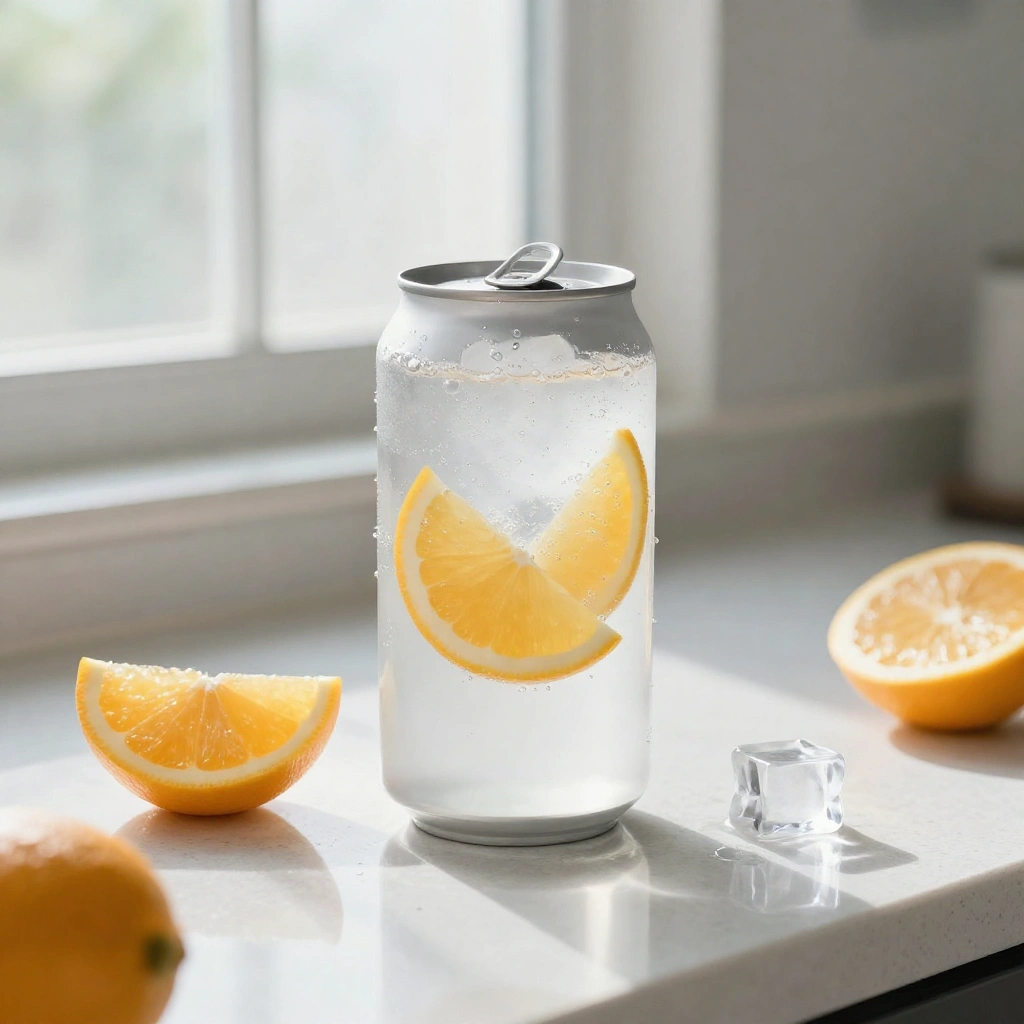
Many first-time consumers frequently ask me, ” what flavor is white monster ?” Unlike the harsh, medicinal taste of traditional energy drinks, this specific formulation is remarkably light. The manufacturer intentionally designed it to be highly palatable and exceptionally refreshing.
Specifically, it features a crisp, lightly carbonated citrus profile with subtle hints of grapefruit and lemon. It does not possess the heavy, syrupy texture commonly associated with the original green-branded cans. This “clean” taste makes it dangerously easy to consume quickly, which is why tracking your intake is vital.
Comparing Intake Against Standard Coffee
To contextualize the energy level, we must directly compare it to traditional morning beverages. When analyzing the white monster caffeine vs coffee debate, the numbers provide a clear clinical picture. A standard 8-ounce cup of home-brewed coffee contains roughly 80 to 100 mg of caffeine.
| Beverage Type | Caffeine Amount |
| Monster Ultra White (16 oz) | 150 mg |
| Standard Brewed Coffee (8 oz) | 80–100 mg |
Therefore, drinking a single tall can is roughly equivalent to consuming one and a half cups of standard coffee. If your body is already highly used to multiple cups of morning coffee, this beverage will feel quite similar. However, if you are strictly a decaf drinker, 150 mg will feel intensely stimulating.
Contrast With Other Energy Brands
The modern beverage market is saturated with various high-performance options. Understanding where this specific product sits on the spectrum helps you make informed dietary choices. Generally, this formulation sits firmly in the middle of the commercial pack.
For instance, a standard Red Bull contains only 80 mg of caffeine, making Monster significantly stronger. Conversely, fitness-focused brands like Reign or Bang often pack a staggering 300 mg per can. Therefore, Monster Ultra White provides a solid middle ground, offering more energy than a Red Bull but less than extreme pre-workouts.
Metric measurements per 100ml
For my international patients and those tracking macros precisely, metric conversions are highly useful. The White Monster caffeine per 100ml is a standardized way to compare liquid energy density. Specifically, this beverage contains exactly 30 mg of active stimulant per 100 milliliters of liquid.
This density is actually legally mandated in many European countries to protect consumer cardiovascular health. Knowing this concentration allows you to calculate the exact dosage of any can size simply by looking at the total volume. It is a highly effective way to manage your daily chemical limits.
Comprehensive Nutrition Facts
Beyond the stimulants, we must closely examine the complete white monster drink nutrition facts . Because it is marketed as a healthier alternative to traditional sodas, the white monster energy nutrition facts look quite different. It is entirely devoid of traditional carbohydrates and heavy syrups.
A standard 16-ounce serving contains roughly 10 to 15 total calories. Furthermore, it contains absolutely zero grams of sugar, making it highly popular among ketogenic dieters. It also includes trace amounts of sodium, which acts as a mild electrolyte to support hydration during physical activity.
Is This Beverage Medically Safe?
As a preventive medicine physician, I constantly evaluate the safety profiles of commercial supplements. When consumed responsibly by a healthy adult, this specific beverage is generally considered safe. The Centers for Disease Control and Prevention recognize that up to 400 mg of daily caffeine is acceptable for most people.
Since one can contains 150 mg, you remain well within the established safety parameters. However, the danger arises when patients combine this drink with other hidden stimulants throughout the day. If you drink a morning coffee, an afternoon Monster, and a pre-workout powder, you will rapidly exceed safe cardiac limits.
Potential Side Effects of Heavy Intake
Exceeding the recommended dosage frequently triggers highly uncomfortable physiological reactions. First and foremost, excessive stimulation of the central nervous system leads directly to severe clinical anxiety. I have treated multiple patients who mistook severe caffeine jitters for genuine panic attacks.
Additionally, consuming these beverages late in the day will absolutely destroy your sleep architecture. It reduces your deep, restorative REM sleep, leaving you chronically exhausted the following morning. Finally, daily heavy consumption can rapidly lead to chemical dependency, resulting in painful withdrawal headaches if you skip a day.
Populations Who Should Avoid Consumption
Despite its popularity, this powerful beverage is not medically appropriate for everyone. Specifically, teenagers and young adolescents should entirely avoid highly concentrated functional energy drinks. Their developing cardiovascular and neurological systems are exceptionally sensitive to heavy synthetic stimulation.
Furthermore, pregnant people must strictly monitor their intake to protect fetal development. Clinical guidelines strongly recommend keeping total daily intake below 200 mg during all trimesters. Finally, any individual with a diagnosed history of cardiac arrhythmias or severe generalized anxiety should consult their physician before consuming these products.
Differences From the Original Formula
Many patients wonder why they should choose the white can over the classic black and green version. The primary difference lies entirely in the carbohydrate and caloric density. The original formula utilizes heavy amounts of real sugar and carbohydrates to provide a secondary energy source.
Conversely, the white version relies entirely on artificial sweeteners to deliver the exact same 150 mg stimulant payload. Therefore, it provides the neurological alertness without the subsequent massive blood sugar crash. For patients managing their insulin response or weight, the zero-sugar option is clinically superior.
Frequently Asked Questions
What is the exact amount of caffeine per serving?
The standard 16-ounce tall can contains exactly 150 milligrams of active central nervous system stimulant. This dosage is consistent across all global markets for this specific standard can size.
Is this drink stronger than traditional roasted coffee?
Yes, it is moderately stronger than a standard serving of traditional roasted coffee. Specifically, it provides roughly fifty percent more energy than an eight-ounce cup of home-brewed coffee.
How much sugar and which sweetening agents does it contain?
This specific formulation contains absolutely zero grams of actual sugar. Instead, the manufacturer utilizes an FDA-approved blend of sucralose and erythritol to provide sweetness without calories.
What is the caffeine concentration in the 500ml metric version?
If you purchase the international half-liter version, the dosage remains identical to the American tall can. Therefore, a 500ml container provides precisely 150 milligrams of active stimulating ingredients.
Is it safe to consume this beverage on a daily basis?
Consuming one can daily is generally safe for healthy, non-pregnant adults. However, you must ensure your total combined stimulant intake from all dietary sources stays strictly below 400 milligrams.
Conclusion
In summary, understanding exactly what you consume is the cornerstone of excellent preventive health. The white monster caffeine content delivers a highly specific 150 mg dosage per standard 16-ounce can. This makes it a highly effective, zero-sugar tool for enhancing mental focus and physical endurance during your day.
Because it eliminates the heavy syrups found in traditional sodas, it avoids massive insulin spikes and subsequent energy crashes. However, you must respect the potency of this beverage and track it alongside your other daily coffees or teas. Consuming it too late in the afternoon will inevitably disrupt your crucial sleep architecture and recovery.
In my clinical practice, I always advise patients to treat these functional beverages as occasional tools rather than daily necessities. By staying well below the 400 mg daily clinical limit, you can safely enjoy the crisp, refreshing taste without compromising your long-term cardiovascular health.
Always monitor your body’s unique reactions, stay adequately hydrated with plain water, and prioritize actual restful sleep above all else.
Evidence-Based References:
- Food and Drug Administration (FDA) — Spilling the Beans: How Much Caffeine is Too Much?
- PubMed Central (PMC) — The Dark Side of Energy Drinks: A Comprehensive Review of Their Impact on the Human Body
- PubMed Central (PMC) — Caffeine, D-glucuronolactone and Taurine Content in Energy Drinks: Exposure and Risk Assessment
- PubMed Central (PMC) — Energy Drink Consumption: Beneficial and Adverse Health Effects
- PubMed Central (PMC) — The Effects of Energy Drinks on the Cardiovascular System: A Systematic Review
Related Posts

Subscribe for New Racipies
Get mental health tips, updates, and resources delivered to your inbox.