
Monster Rehab Caffeine: How Much Caffeine Is in Monster Rehab? (Full Breakdown by Flavor, Size & Safety)

Energy drinks dominate modern convenience store shelves everywhere today. Therefore, understanding exactly how these beverages affect your body is crucially important for your health. Many active adults specifically ask about monster rehab caffeine levels to manage their daily intake. They want a refreshing pick-me-up without experiencing a massive, debilitating sugar crash later.
As a medical professional, I constantly evaluate dietary supplements and popular energy products for safety. Recently, a young college athlete visited my clinic complaining of sudden, terrifying heart palpitations. We quickly traced his severe symptoms directly back to his daily beverage consumption habits. He simply did not realize how much active stimulant he was actually consuming every afternoon.
Consequently, I created this comprehensive guide to break down the exact numbers for you. You will finally learn the medical facts about these popular tea-based recovery drinks today. By understanding the science, you can safely manage your daily monster rehab caffeine exposure.
TL;DR: Quick Overview
- Monster Rehab contains exactly 160 mg of caffeine per standard 16 oz can.
- The manufacturer formulates this specific beverage as a smooth, non-carbonated, tea-based energy drink.
- It absolutely contains active stimulants and is never considered a safe, caffeine-free product.
- The total caffeine amount closely matches traditional, highly sweetened regular Monster energy beverages.
- Healthy adults should consume these strong beverages strictly in moderation to avoid cardiovascular side effects.
Monster Rehab Caffeine Content
People very often ask for the exact monster rehab caffeine amount before purchasing. A standard 16-ounce can delivers precisely 160 milligrams of this powerful central nervous system stimulant. This specific chemical dosage provides a highly noticeable and immediate physical energy boost.
Furthermore, understanding the monster rehab caffeine content is vital for your daily health tracking. Consuming 160 milligrams places this beverage firmly in the moderate-to-high daily stimulant category. Therefore, you must carefully monitor what else you choose to drink during the day.
Similarly, many patients completely underestimate the true power of a smooth, non-carbonated beverage. Because it drinks exactly like mild iced tea, people frequently consume it much too quickly. Consequently, the stimulant hits your bloodstream rapidly and causes sudden, unexpected physiological changes.
Caffeine Content Chart (Per Can & Per 100ml)
Tracking your specific monster rehab caffeine per can helps prevent dangerous, accidental overconsumption. Here is a very clear, medical breakdown of the exact concentrations you will ingest.
| Serving Size | Total Caffeine |
|---|---|
| 16 oz (473 ml) | 160 mg |
| Per 100 ml | ~34 mg |
As a result, drinking even half a can provides a highly significant chemical dose. You must always read nutritional labels carefully before consuming any heavily marketed commercial energy product.
Caffeine in Peach Tea Flavor
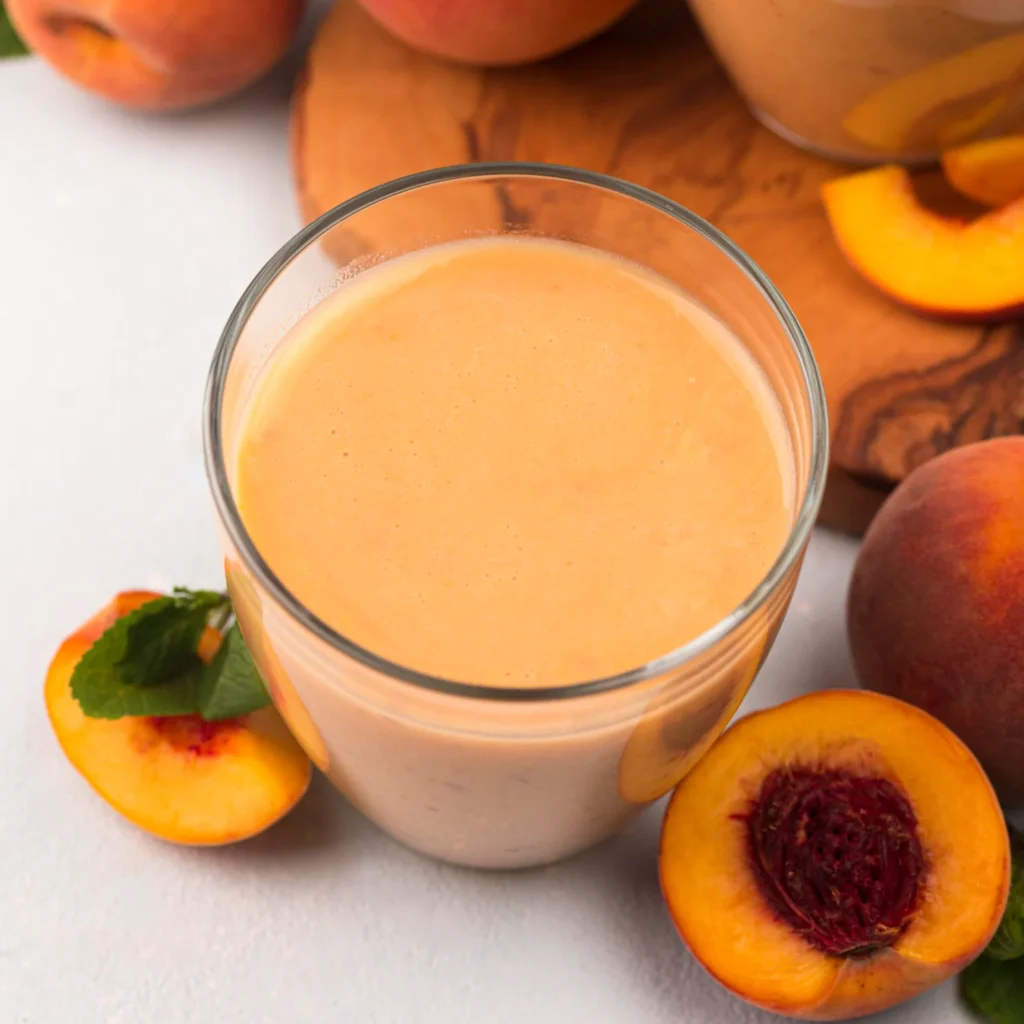
Consumers frequently ask how much caffeine is in monster rehab peach tea specifically. You might naturally assume that a fruity, pleasant tea flavor contains a milder stimulant profile. However, this specific flavor variation maintains the exact same potent chemical composition.
In fact, every single flavor variant within this specific product line contains 160 milligrams. The manufacturer strictly standardizes the monster rehab caffeine mg across the entire brand spectrum. Therefore, picking a sweeter flavor never reduces your overall neurological stimulant exposure.
Does Monster Rehab Have Caffeine?
Many confused patients frequently ask me, does monster rehab have caffeine inside its formula? The medical answer is an absolute, undeniable yes. You must never confuse a non-carbonated tea drink with a relaxing, hydration-only sports beverage.
If you specifically wonder, is monster rehab caffeine free, the answer is always no. The company explicitly designs this powerful beverage to rapidly boost physical energy and mental focus. Consequently, it contains highly active, powerful chemical stimulants in every single manufactured can.
Is Monster Rehab an Energy Drink?
People clearly see the word “rehab” and naturally assume it functions like a simple sports drink. So, is monster rehab an energy drink technically and legally? Yes, regulatory health agencies and medical professionals classify it strictly as a commercial energy drink.
However, the clever marketing strategy deliberately positions it as an athletic “recovery” beverage. Furthermore, the complex formulation includes helpful hydration electrolytes like magnesium and vital potassium. In addition, it packs incredibly high doses of various B vitamins for cellular metabolic support.
Comparing to Regular Monster
Patients very often ask about the monster rehab caffeine vs regular monster differences. Let us look closely at a direct clinical comparison of these two incredibly popular choices.
| Product | Caffeine (16 oz) |
|---|---|
| Monster Rehab | 160 mg |
| Regular Monster | 160 mg |
Consequently, if you wonder does monster rehab have less caffeine, it absolutely does not. The primary difference lies entirely in the lack of carbonation and the massive sugar reduction.
Nutritional Profile and Calories
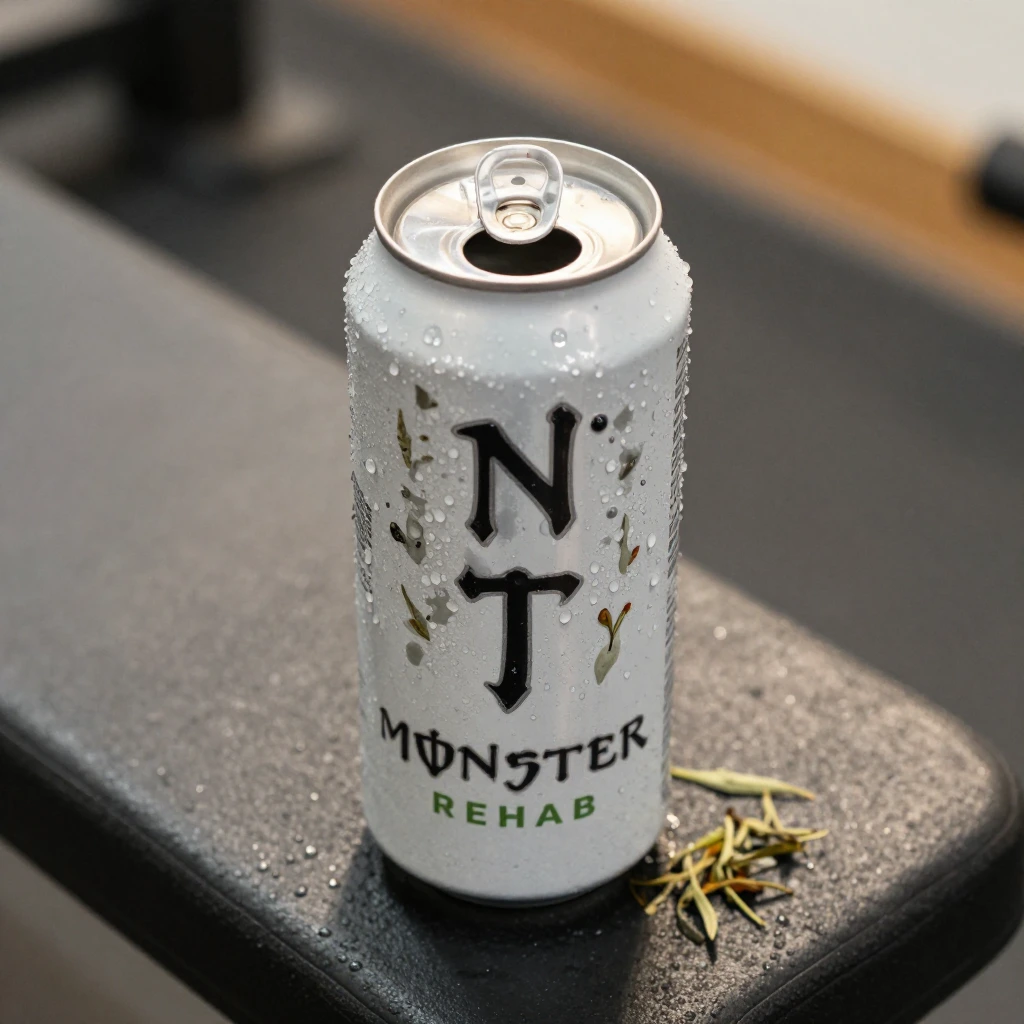
You must always consider Monster Rehab Calories when carefully planning your daily nutritional diet. Most flavors in this specific product line contain only 25 to 30 calories per can. This incredibly low caloric footprint makes it very popular among dedicated fitness enthusiasts.
Furthermore, the smooth beverage contains real tea extracts and incredibly minimal added sugars. Therefore, it provides a much smoother glycemic response than traditional, highly sweetened carbonated sodas. You successfully avoid the massive insulin spike usually associated with standard commercial energy drinks. For more on making smart food choices, see our guide on is mac and cheese healthy.
Mechanism of Action in the Body
Understanding exactly how these specific ingredients alter your body is crucial for public health. The primary active ingredient blocks adenosine receptors directly inside your brain’s neural pathways. Consequently, this chemical blockade temporarily prevents you from feeling natural physical fatigue.
Furthermore, the complex formula includes a synthetic amino acid called taurine. Taurine generally supports overall neurological function and actively helps regulate essential cellular minerals. However, mixing high-dose taurine with heavy stimulants creates incredibly complex cardiovascular reactions.
In my clinic, I carefully explain how added B vitamins heavily influence this biological process. B vitamins actively help your biological cells convert dietary food into usable physical energy. Therefore, the combination of strong stimulants and synthetic vitamins creates a very potent physical boost. For readers interested in cognitive support supplements, you might also explore our youthful brain reviews.
Moreover, because the drink completely lacks carbonation, rapid gastric emptying occurs much faster. Your stomach absorbs the liquid quickly, sending the chemicals directly into your active bloodstream. As a result, you feel the artificial energy peak much quicker than with standard sodas.
Potential Medical Side Effects
You must take monster rehab caffeine side effects very seriously to protect your heart. I regularly treat young adults suffering from acute, highly distressing caffeine-induced insomnia. When you consume 160 milligrams late in the afternoon, your brain simply cannot naturally relax.
Additionally, heavy daily consumption frequently triggers severe anxiety and uncontrollable physical jitters. The sudden influx of central nervous system stimulants causes your adrenal glands to panic instantly. Consequently, your body forcefully releases powerful stress hormones like cortisol and adrenaline into your blood.
Furthermore, I closely monitor my patients for dangerous increased heart rates and elevated blood pressure. Drinking these potent beverages rapidly forces your cardiovascular system to work much harder. Therefore, you must recognize these dangerous physical warning signs immediately and stop consumption.
Evidence-Based Safety Guidelines
We must firmly establish clear, medically verified limits for your daily commercial stimulant intake. The Food and Drug Administration clearly states that healthy adults can safely consume 400 milligrams daily. Therefore, drinking one single can perfectly fits within this moderate, widely accepted safety window.
However, you must strictly calculate your cumulative daily exposure from all possible dietary sources. If you drink a morning coffee and an afternoon Monster, you approach the absolute limit quickly. Consequently, exceeding this 400-milligram threshold significantly increases your personal risk of adverse cardiovascular events.
Who Should Avoid This Beverage?
Certain highly vulnerable populations must actively avoid this specific chemical beverage entirely. Firstly, pregnant individuals should completely bypass high-dose energy drinks to protect fragile fetal development. High stimulant levels easily cross the biological placenta and negatively affect the rapidly growing baby.
Furthermore, developing teenagers should never aggressively consume heavily caffeinated commercial products. Their immature nervous systems simply cannot process massive chemical surges safely or effectively. Additionally, anyone with pre-existing heart conditions or severe clinical anxiety disorders must avoid these drinks completely.
Comparison to Standard Coffee
Let us properly contextualize this commercial beverage against a traditional morning favorite. Many curious patients ask how this specific product compares to standard home-brewed drip coffee.
| Beverage | Typical Caffeine |
|---|---|
| Monster Rehab (16 oz) | 160 mg |
| Drip Coffee (8 oz) | 80–100 mg |
Consequently, drinking one full can easily equals consuming almost two standard cups of coffee. You must respect this substantial chemical potency when making your daily beverage choices.
Consumer and Expert Review
When evaluating a monster rehab caffeine review, consumer feedback frequently highlights the smooth delivery. Because the primary base consists of non-carbonated tea, it goes down very easily. People often report feeling much less jittery compared to traditional, highly aggressive energy drinks.
From a strict medical perspective, I highly appreciate the massive reduction in processed added sugars. However, the smooth, delicious taste makes it incredibly easy to consume far too quickly. Therefore, I constantly advise my patients to sip the beverage slowly over a full hour. For more on balancing indulgence with health, check out our analysis of are burgers healthy.
Contextualizing Energy Drink Levels
Understanding the standard monster energy caffeine per can helps you make much smarter dietary choices. Most traditional carbonated products from this popular brand contain between 150 and 160 milligrams. Therefore, the Rehab line completely aligns with the established, industry-standard stimulant dosage.
Furthermore, analyzing the caffeine in monster energy drink lines reveals a very consistent chemical pattern. The massive manufacturers engineer these beverages to deliver a highly specific, standardized chemical dose. You always know exactly how much powerful stimulant you ingest with every single purchase.
Addressing the Lower Caffeine Myth
Many amateur fitness blogs carelessly spread confusing misinformation about this specific product line. Patients often ask me, does monster rehab have less caffeine than the classic original? The definitive medical answer is absolutely no; the active chemical content remains nearly identical.
People falsely perceive it as “lighter” simply because it completely lacks aggressive carbonation and heavy syrup. The thin, watery tea-like consistency successfully tricks your human brain into thinking it is a milder beverage. However, your beating heart and nervous system process the exact same massive stimulant payload. When considering athletic performance and body composition, our piece on are sumo wrestlers healthy offers valuable perspective.
Frequently Asked Questions
How much active stimulant is in a standard can?
A standard 16-ounce can contains exactly 160 milligrams of the primary stimulating compound. This specific measurement provides a highly noticeable, moderate-to-strong physical energy boost for most healthy adults. Therefore, you must carefully track this amount against your daily allowable intake limit to avoid side effects.
Is this specific beverage completely free of stimulants?
No, this popular product absolutely contains a highly significant dose of active central nervous system stimulants. Many people mistakenly confuse its non-carbonated, iced-tea flavor profile with a relaxing, chemical-free sports hydration drink. You must always treat it strictly as a potent, commercial energy beverage.
Does it contain less stimulating power than the original version?
No, the chemical potency remains nearly identical to the brand’s original, highly carbonated flagship formula. Both specific products successfully deliver approximately 160 milligrams of active compounds directly into your fast-moving bloodstream. The only real difference involves the complete lack of carbonation and significantly reduced sugar content.
Is this particular formulation considered a healthier option?
It does contain significantly lower sugar calories compared to traditional, syrup-heavy commercial energy drinks. Furthermore, the added electrolytes and B-vitamins provide some minor, functional metabolic benefits for highly active adults. However, it still contains potent chemical stimulants, so you must always consume it in strict, careful moderation.
What is the medically safe daily consumption limit?
Healthy adults can safely consume one or two cans strictly within the FDA’s 400-milligram daily guideline. However, you must meticulously calculate any additional coffee or tea you drink throughout your busy day. I strongly advise my patients to limit themselves to one single can daily to prevent cardiovascular stress.
Conclusion
Navigating the complex, highly marketed world of modern energy drinks requires accurate, evidence-based medical knowledge. Ultimately, understanding your exact monster rehab caffeine intake actively protects your long-term cardiovascular health. This specific beverage deliberately delivers a potent 160 milligrams of active stimulants directly into your sensitive system.
While the non-carbonated tea formulation generously offers a smoother, low-calorie drinking experience, it remains incredibly strong. You must always strictly respect its powerful chemical profile and actively avoid drinking it too rapidly. In my busy medical practice, I constantly see the severe negative consequences of accidental, mindless overconsumption.
Therefore, I highly encourage you to treat these popular commercial beverages with appropriate clinical caution. Always monitor your total daily intake strictly, specifically avoiding other strong coffees or teas simultaneously. If you ever experience sudden clinical anxiety, insomnia, or a racing heart, stop drinking it immediately.
By making incredibly smart, medically informed choices, you can safely enjoy an occasional afternoon energy boost. Remember, true sustainable physical energy ultimately comes from proper hydration, excellent nutrition, and adequate daily sleep. Always prioritize your foundational health before reaching for a powerful dose of monster rehab caffeine.
Evidence-Based References:
- Mayo Clinic — Caffeine: How much is too much?
- American Academy of Child and Adolescent Psychiatry — Caffeine and Children
- National Center for Biotechnology Information — Caffeine in Food and Dietary Supplements: Examining Safety
- PubMed—Caffeine and Adenosine
- Food and Drug Administration – Spilling the Beans: How Much Caffeine is Too Much?
- National Institutes of Health Office of Dietary Supplements — Vitamin B12 Fact Sheet
- Riley Children’s Health — How Much Caffeine Is Safe for Your Teen?
- NCCIH — Energy Drinks
- PMC — Energy Drink Consumption: Beneficial and Adverse Health Effects
- PMC — The Dark Side of Energy Drinks: A Comprehensive Review of Their Impact on the Human Body
Related Posts



Subscribe for New Racipies
Get mental health tips, updates, and resources delivered to your inbox.
Chocolate


So cute and so good. A family member visiting from Spain brought these and other goodies.

Went to IKEA today to buy some things for the house and grabbed a bar of chocolate. I love their chocolate. Dark and rich.
Related Posts


Subscribe for New Racipies
Get mental health tips, updates, and resources delivered to your inbox.