
Energy Drink With Most Caffeine (2026 Ranked List): Strongest Brands, Caffeine Per Can & Safe Limits

Medically reviewed by AmeliaVance Dr. Amelia Updated Date: May 12, 2026
In my clinical practice, I frequently treat patients dealing with anxiety, heart palpitations, insomnia, and severe afternoon crashes caused by excessive stimulant intake. One of the most common questions I hear is about the energy drink with the most caffeine and whether these products are actually safe for daily use.
Many people consume highly caffeinated beverages without realizing how powerful modern energy drinks have become.
Recently, a patient came into my office complaining of rapid heartbeat, poor sleep, and constant restlessness. After reviewing his daily routine, we discovered he was drinking multiple high-caffeine energy drinks marketed as performance enhancers. He assumed they were no different than coffee, but his total daily caffeine intake had reached dangerously high levels.
The energy drink industry has evolved dramatically in recent years. What once included basic sodas and moderate stimulants has transformed into a market filled with highly concentrated beverages that often resemble pre-workout supplements more than casual drinks.
Some products now contain caffeine levels that can exceed what many adults should consume in an entire day from a single serving, according to guidance from the FDA on caffeine consumption.
In this guide, we’ll compare the highest-caffeine energy drinks, review safety recommendations, and explain how excessive caffeine intake can impact your heart, sleep, and long-term health.
TL;DR:
- Top contenders pack 300–400+ mg caffeine per can—brands like Bang, Reign, and Monster Ultra lead, but “more” isn’t always better for your health.
- FDA recommends max 400 mg caffeine daily for healthy adults; one high-caffeine energy drink can nearly hit that limit—leaving zero room for coffee, tea, or meds.
- High-caffeine drinks raise risks: rapid heartbeat, anxiety, insomnia, and digestive upset—especially when mixed with alcohol, exercise, or other stimulants.
- Avoid if you’re pregnant, under 18, have heart conditions, or take medications—caffeine sensitivity varies, and “zero sugar” doesn’t equal “risk-free.”
- MD verdict: Occasional use is fine for most adults, but prioritize sleep, hydration, and whole-food energy first. When in doubt, check labels and talk to your doctor.
What Is the Energy Drink With the Most Caffeine?
When patients ask me what the energy drink with the most caffeine is, they are often surprised by how high the numbers actually go. The highest caffeine energy drinks typically contain between 300 and 350 milligrams (mg) per can.
However, some extreme “performance energy drinks” and pre-workout hybrids can exceed 400 mg per can, depending on the region and specific product formulation. These extreme levels are equivalent to drinking four or more standard cups of coffee in a single, rapidly absorbed sitting.
Caffeine levels vary drastically by brand due to target demographics and marketing strategies. While traditional energy drinks aim for sustained daily energy, the newer class of hyper-caffeinated beverages targets bodybuilders, extreme athletes, and individuals seeking intense central nervous system stimulation.
For specific brand breakdowns, explore our Bang Energy caffeine guide and Reign caffeine content analysis.
Energy Drinks Ranked by Caffeine Content
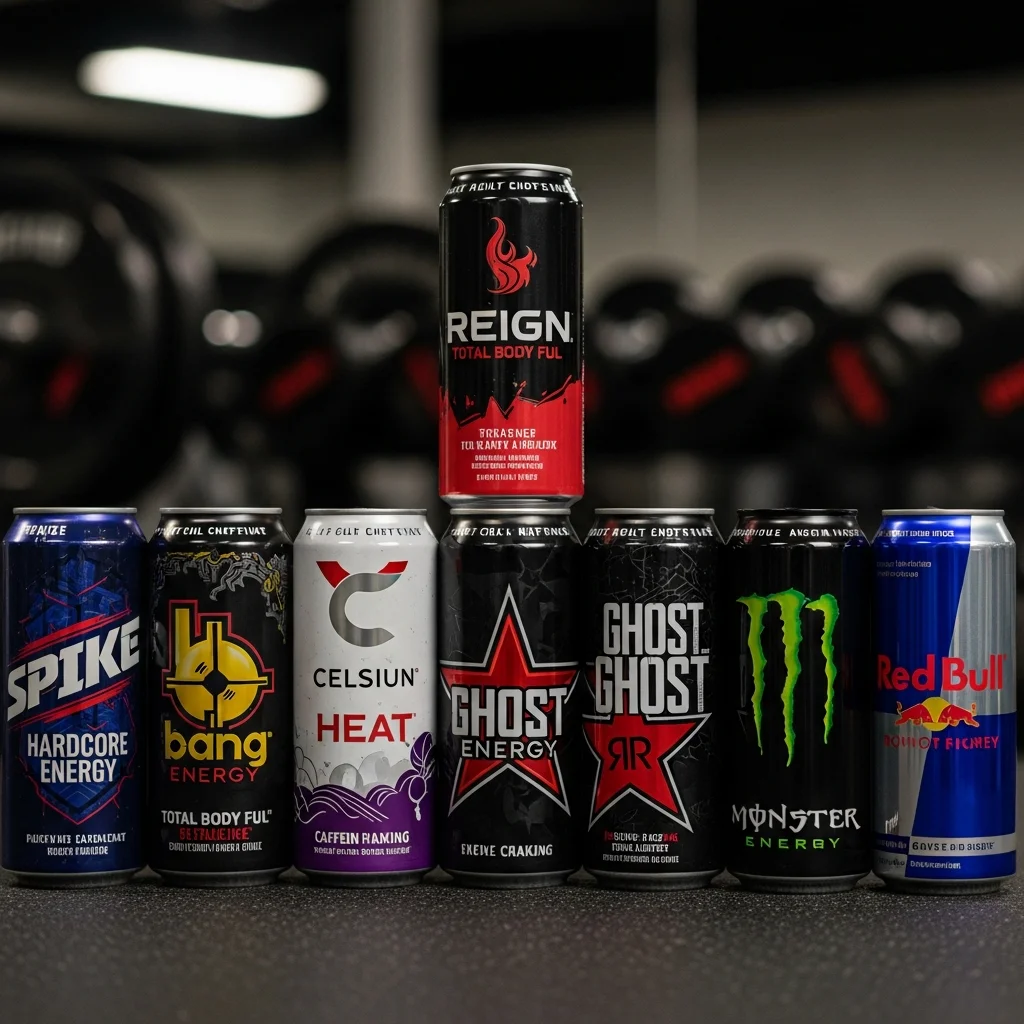
To make informed choices, you need to understand the hierarchy of these beverages. Below is a detailed breakdown of energy drinks with the highest caffeine content, categorized into three distinct tiers based on their stimulant potency.
Tier 1: Extreme Caffeine (300–400 mg+)
- Spike Hardcore Energy: ~350 mg per can
- Bang Energy: ~300 mg per can (in unrestricted regions)
- Reign Total Body Fuel: ~300 mg per can
Tier 2: High Caffeine (200–300 mg)
- Celsius Heat (Performance Line): ~300 mg per can
- Rockstar Energy (Thermo/Xdurance lines): ~300 mg per can
- Ghost Energy: ~200 mg per can
Tier 3: Moderate Caffeine (80–160 mg)
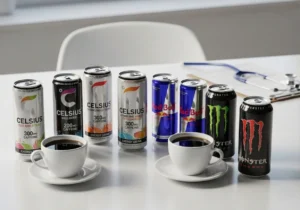
- Monster Energy (Standard & Ultra): ~140–160 mg per can
- Celsius (Standard Line): ~200 mg per can
- Red Bull: ~80 mg per 8.4 oz can
For detailed comparisons, see our Celsius caffeine content guide and Red Bull caffeine analysis.
The Extreme Options
The beverages in Tier 1 represent a massive dose of central nervous system stimulation. Products like Spike Hardcore Energy and Reign Total Body Fuel are not designed for casual sipping at a desk.
These are essentially liquid supplements. As a medical professional, I strongly advise against consuming these without first assessing your baseline cardiovascular health and stimulant tolerance, per the American Heart Association’s guidance on caffeine and heart disease.
The High Stimulant Middle Ground
Brands like Ghost and specific lines of Rockstar sit in the high-caffeine tier. They bridge the gap between everyday energy drinks and extreme sports supplements.
Consuming just two of these beverages within a 24-hour period can easily push a healthy adult past the FDA’s recommended daily safety limits.
Monster Energy Drink With Most Caffeine
Monster Energy is undeniably one of the most popular beverage brands globally. Consequently, many of my patients naturally assume it holds the title for the most potent drink.
When searching for the monster energy drink with the most caffeine, the data reveals a more moderate approach compared to the extreme Tier 1 brands. The standard Monster Original contains roughly 160 mg of caffeine per 16-oz can.
The wildly popular, sugar-free Monster Ultra line sits slightly lower at 150 mg per can. However, the Monster Java line (coffee-based variants) often contains over 200 mg of caffeine, depending on the specific flavor and can size. Learn more about Monster Zero Sugar caffeine levels.
Ultimately, while Monster dominates global volume and sales, it is nowhere near being the highest caffeine brand on the market. Their strategy relies on moderate, sustained stimulation rather than extreme central nervous system shock.
Sugar-Free Energy Drink With the Most Caffeine
A common misconception in my clinic is that zero-calorie drinks are inherently weaker. Patients often ask for a sugar-free energy drink with the most caffeine, assuming the lack of sugar reduces the potency.
In reality, sugar-free does NOT mean lower caffeine. Some of the most intensely caffeinated beverages on the planet are entirely devoid of sugar.
Brands like Bang Energy and Reign Total Body Fuel dominate this category. Both offer zero sugar, zero calories, and an immense ~300 mg of caffeine per 16 oz can.
Standard Celsius beverages also fit this category, offering zero sugar and 200 mg of caffeine. These drinks utilize artificial sweeteners like sucralose to mask the bitter taste of raw caffeine powder, allowing them to pack massive doses into zero-calorie formats.
Regional Breakdown of Caffeine Limits
Geography plays a massive role in what you can legally purchase. The energy drink with the most caffeine in one country might be entirely banned in another due to public health interventions.
Energy Drink With the Most Caffeine in the UK
In the United Kingdom, health authorities have placed stricter scrutiny on stimulant beverages. If you are looking for the energy drink with the most caffeine that UK consumers can buy, you will find a more regulated market.
UK regulations essentially cap extreme caffeine products, meaning the common maximum you will find on retail shelves is roughly 300 mg, often in imported fitness brands. Standard brands are heavily monitored for labeling compliance, according to the European Food Safety Authority’s caffeine guidance.
Energy Drink With the Most Caffeine in GCC
The Gulf Cooperation Council (GCC) region has seen a massive surge in energy drink consumption. Finding the energy drink with the most caffeine in GCC countries often comes down to import availability.
While Monster and Red Bull dominate the local convenience stores, fewer ultra-high caffeine brands (like 300mg+ American pre-workouts) are mainstream. Consumers often have to seek out specialty sports nutrition stores to find Tier 1 caffeine products.
Energy Drink With the Most Caffeine in Australia
Australia has some of the most stringent food safety standards regarding stimulants. Finding an energy drink with the most caffeine Australia allows on shelves requires understanding its formulation laws.
Australian regulations mandate a lower maximum allowed caffeine concentration compared to the US. Formulated Caffeinated Beverages (FCBs) generally cannot exceed 32 mg of caffeine per 100 ml, effectively banning the extreme 300 mg+ single-serving cans common in America.
300 mg vs 400 mg Caffeine Energy Drinks
When dealing with 300 mg caffeine energy drinks and 400 mg caffeine energy drink variants, we must discuss clinical safety. Many patients ask me, “Can I drink 400 mg of caffeine a day?”
The FDA states that 400 milligrams a day—roughly four or five cups of coffee—is an amount not generally associated with dangerous, negative effects for healthy adults. Therefore, a single 400 mg energy drink maxes out your daily limit in one sitting.
The physiological effects of 300 mg vs. 400 mg consumed rapidly are profound. At 300 mg, most adults will feel intense alertness and potential jitteriness.
At 400 mg delivered rapidly via liquid, individuals with low tolerance may experience acute anxiety, tremors, and a rapid, pounding heartbeat, as explained by the Mayo Clinic’s caffeine safety guidelines.
Tolerance differences matter immensely. A 200-pound athlete may metabolize a 300 mg beverage efficiently, while a 120-pound individual might end up in my clinic with severe palpitations from the exact same can.
Healthiest Energy Drink With Most Caffeine
Patients frequently demand the healthiest energy drink with the most caffeine. I always clarify that “healthiest” is a highly relative term when discussing extreme stimulants.
However, if you must consume high-caffeine beverages, there are ways to mitigate the metabolic damage. Look for drinks with low or zero sugar to prevent severe insulin spikes and the subsequent hypoglycemic crash.
Additionally, seek out beverages with added functional ingredients like B-vitamins, L-theanine (which can smooth out the caffeine jitters), and electrolytes.
Finally, prioritize clean caffeine sources. Beverages that derive their stimulants naturally from green tea extract, guarana, or yerba mate tend to offer a slightly more stable absorption curve compared to pure synthetic caffeine anhydrous, according to research from the National Institutes of Health on caffeine mechanisms.
Strongest Energy Drink Ever
For those pursuing pure extremes, queries about the highest caffeine drink ever or the highest caffeine content drinks are common in fitness circles.
Historically, this title belongs to niche, pre-workout crossover drinks that skirt the line between dietary supplements and standard beverages. Spike Hardcore Energy has long been notorious for boasting 350 mg of caffeine.
However, niche products and independent “focus” supplements have occasionally pushed past 400 mg per serving. These are highly region-dependent and are often pulled from shelves due to adverse health reports.
As a medical provider, I view anything exceeding 350 mg in a single serving as a clinical hazard rather than a dietary supplement.
Energy Drink vs Coffee vs Pre-Workout
To truly understand these beverages, we must compare them to other common stimulants. The debate of energy drinks vs coffee vs pre-workouts comes down to formulation and absorption.
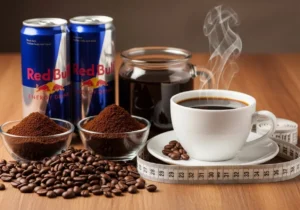
A standard cup of coffee contains about 90 mg of caffeine. It is warm, consumed slowly, and lacks carbonation, resulting in a gradual absorption speed.
Energy drinks, on the other hand, are often carbonated and consumed cold and fast. Energy drinks often feel stronger due to carbonation, artificial sweeteners, and additives like taurine that speed up gastric emptying and CNS delivery.
Pre-workouts are the most extreme, combining massive caffeine doses with vasodilators (like citrulline) to increase blood flow. This combination causes an intense stimulant spike, often followed by a severe crash effect that can lead to adrenal fatigue over time.
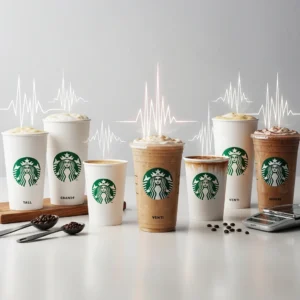
For coffee comparisons, see our Starbucks caffeine content guide and analysis of whether coffee is acidic.
Which Energy Drink Has More Caffeine: Monster or Red Bull?
This is the most common comparative question I receive. When determining which popular brand reigns supreme, the data is quite clear.
A standard 8.4 oz can of Red Bull contains approximately 80 mg of caffeine. In contrast, a standard 16-oz can of Monster Original contains about 160 mg.
Therefore, the winner in this specific matchup is Monster. However, it is vital to note that Monster is roughly double the physical volume of a standard Red Bull. Milligram for milligram per ounce, they are actually quite comparable, but Monster still delivers a higher total net dose per can.
Effects of High-Caffeine Energy Drinks
Consuming high-caffeine energy drinks affects the body systemically. It is not just about feeling “awake.”
Acute overconsumption leads directly to jitteriness, fine motor tremors, and significant anxiety. In severe cases, it triggers panic attacks in patients predisposed to generalized anxiety disorders, according to the CDC’s guidance on energy drink safety.
Furthermore, the sleep disruption is profound. Caffeine has a half-life of roughly five hours. Drinking a 300 mg beverage at 4:00 PM means you still have 150 mg active in your bloodstream at 9:00 PM, as explained by the Sleep Foundation’s caffeine and sleep research.
Most critically, these beverages cause a notable heart rate increase and spike in systolic blood pressure. For individuals with undiagnosed cardiac arrhythmias, this rapid stimulant delivery can be exceptionally dangerous.
Lowest Caffeine Energy Drinks
For patients looking to step down their consumption, finding the lowest caffeine content energy drinks is an excellent harm-reduction strategy. A standard Red Bull (80 mg) is a great starting point for those weaning off 300 mg extreme beverages.
Additionally, the market is currently seeing a rise in low-sugar, low-stimulant focus drinks. Brands are increasingly releasing 70-100 mg options aimed at sustained mental clarity rather than extreme physical stimulation.
Switching to these lower-tier options protects your adrenal health while still providing a mild cognitive boost. For tracking your intake, try our caffeine calculator.
Frequently Asked Questions
How long does caffeine from White Monster last in your system?
Caffeine peaks in your blood about 30–60 minutes after drinking White Monster. Its half-life is roughly 5 hours—meaning half the caffeine remains in your system then. Full clearance can take 8–10 hours.
This timing affects sleep quality. If you’re sensitive, avoid energy drinks after early afternoon. Track your personal response; metabolism varies widely.
Can teens safely drink White Monster Energy?
The American Academy of Pediatrics advises against energy drinks for children and teens. Developing brains and hearts are more sensitive to caffeine’s effects. One White Monster (150 mg) may exceed safe limits for adolescents.
If your teen seeks energy, prioritize sleep, balanced meals, and hydration instead. When in doubt, consult their pediatrician before allowing caffeinated beverages.
Does White Monster cause dehydration?
Caffeine has mild diuretic effects, but one White Monster won’t dehydrate most healthy adults. However, relying on it instead of water can tip the balance. Always pair energy drinks with extra water, especially during exercise or hot weather.
If you notice dry mouth, dark urine, or headaches, hydrate first. Water remains the gold standard for daily fluid needs.
What happens if you mix White Monster with alcohol?
Mixing caffeine and alcohol is risky. Caffeine masks alcohol’s sedative effects, making you feel “less drunk” while impairment remains.
This increases accident, injury, or overdose risk. The CDC and FDA warn against this combination. If you choose to drink alcohol, skip the energy drink. Your safety—and your liver—will thank you.
Are there caffeine-free alternatives to White Monster?
Yes—Monster offers caffeine-free Ultra flavors in some markets. Other brands like Zevia or Sparkling Ice provide zero-sugar, caffeine-free fizz. For natural energy, try sparkling water with lemon, herbal teas, or a short walk, according to Journal of the International Society of Sports Nutrition research.
If you’re cutting caffeine, taper slowly to avoid withdrawal headaches. Small swaps support sustainable energy without jitters or crashes.
Conclusion
Finding the energy drink with the most caffeine is easy in today’s saturated market, but consuming it safely requires clinical awareness. From the 350 mg extremes of Spike Hardcore to the more moderate 150 mg offerings of Monster Ultra, the varying levels of stimulation can profoundly impact your daily health.
As a healthcare professional, my advice is to always read the nutritional label, respect the FDA’s 400 mg daily limit, and treat these beverages as potent pharmacological tools rather than casual refreshments.
Prioritize zero-sugar options when possible, and never ignore your body’s warning signs of overstimulation. For additional beverage comparisons, explore our guides on what soda has the most caffeine.
Authoritative References
- FDA on caffeine consumption. https://www.fda.gov/consumers/consumer-updates/spilling-beans-how-much-caffeine-too-much?spm=a2ty_o01.29997173.0.0.44e155fbyUYorY
- American Heart Association’s guidance on caffeine and heart disease. https://www.heart.org/en/healthy-living/healthy-eating/eat-smart/nutrition-basics/caffeine-and-heart-disease
- Mayo Clinic’s caffeine safety guidelines. https://www.mayoclinic.org/healthy-lifestyle/nutrition-and-healthy-eating/in-depth/caffeine/art-20045678
- European Food Safety Authority’s caffeine guidance. https://www.efsa.europa.eu/en/topics/topic/caffeine
- National Institutes of Health on caffeine mechanisms. https://pmc.ncbi.nlm.nih.gov/articles/PMC4462044/
- CDC’s guidance on energy drink safety. https://www.cdc.gov/school-nutrition/energy-drinks/
- Sleep Foundation’s caffeine and sleep research. https://www.sleepfoundation.org/nutrition/caffeine-and-sleep
- Harvard T.H. Chan School of Public Health on caffeine. https://nutritionsource.hsph.harvard.edu/caffeine/
- Journal of the International Society of Sports Nutrition research. https://link.springer.com/article/10.1186/s12970-018-0218-y
- American Academy of Pediatrics on energy drinks. https://www.healthychildren.org/English/healthy-living/nutrition/Pages/the-effects-of-caffeine-on-kids-a-parents-guide.aspx?_gl=1yvbs63_gaMjA5MTUxMDY5Ny4xNzc4NTgwNDI1_ga_FD9D3XZVQQ*czE3Nzg2NDY2OTkkbzIkZzEkdDE3Nzg2NDY3MzUkajI0JGwwJGgw
Related Posts
Subscribe for New Racipies
Get mental health tips, updates, and resources delivered to your inbox.
Biscoff Butternut Squash Oatmeal Cookies

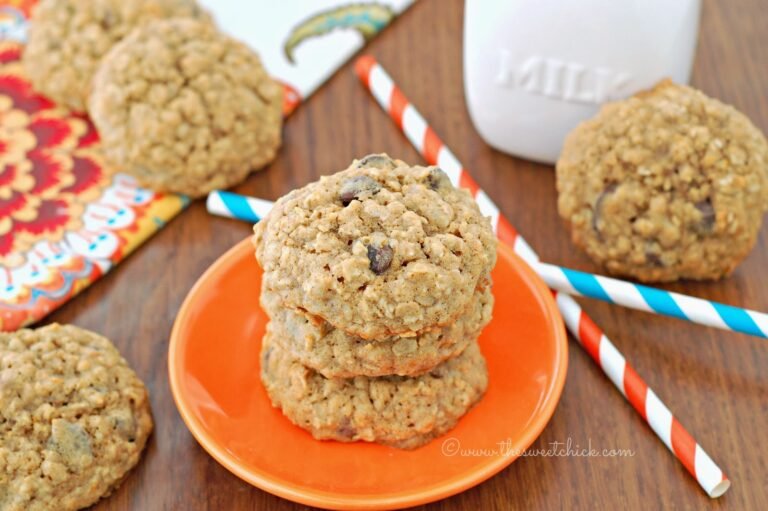
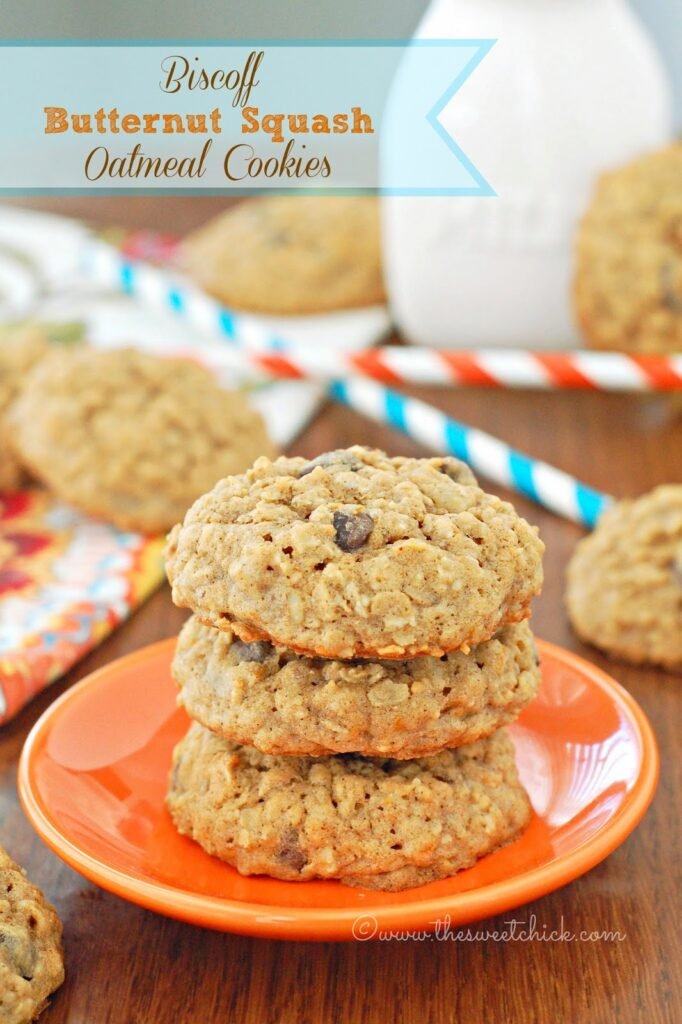
So I signed up for a neighborhood cookie exchange. I gotta say, I am really liking this new neighborhood. There’s a monthly get together of mom’s where I learned how to play Bunco. At Halloween everyone was sending out Boo-Baskets. Now we are exchanging cookies. It’s a very friendly atmosphere. I am currently testing out new cookie recipes for the exchange. Since I have been on a butternut squash trend, I thought I’d start there. I wanted to see what other flavorsI could mix with the squash. I found some Biscoff, dark chocolate chips, and some quick oats in the pantry. I am always up for something new.
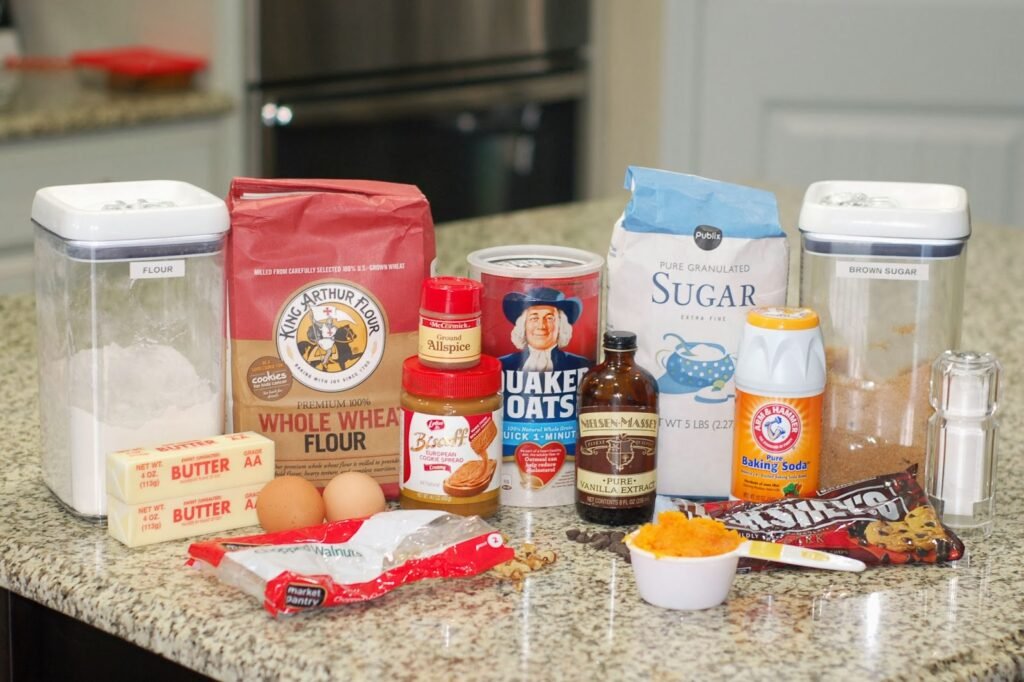
I’ll admit, I was a little skeptical about the combination of flavors myself. I was really just winging it. But hey, I am not going to know if it works, unless I try it.
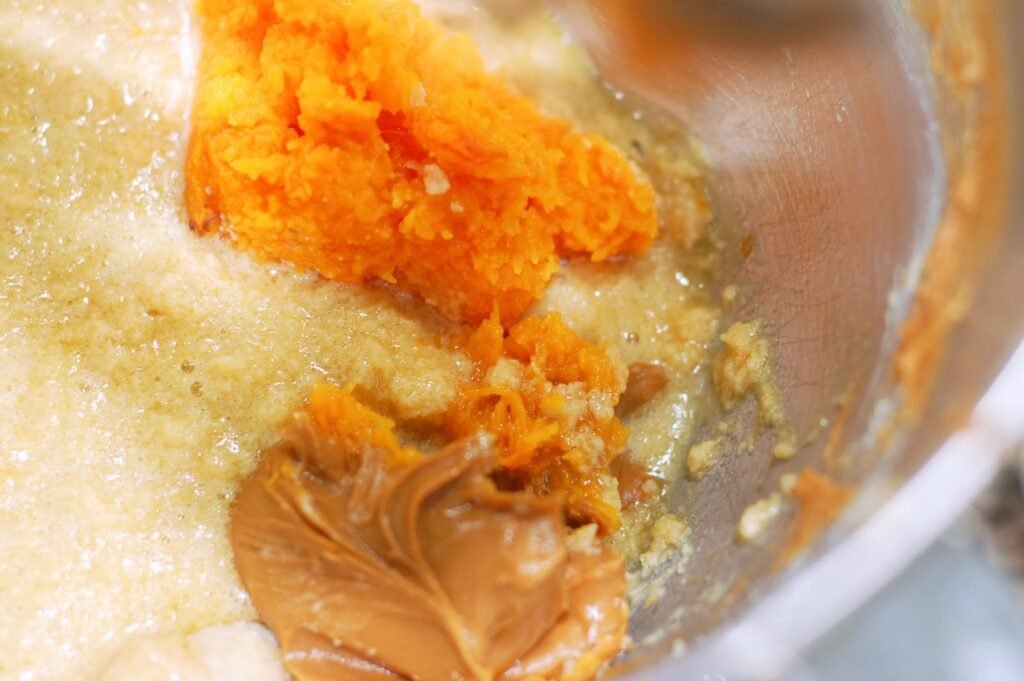
Butternut squash does have a little bit of sweetness in it when cooked, so I wanted to pair it with something else sweet, but something other than maple syrup. Thank goodness I had some Biscoff.

The walnuts are optional, but the chocolate chips are not. You gotta have them. You can use semi-sweet ones if you like, but I am a dark chocolate kinda gal.

I know it’s not safe to eat raw cookie dough, but I just had to have a nibble. It smelled so good.

The cookies came out soft and chewy, just like an oatmeal cookie should. And let me tell ya, Biscoff and butternut squash are fantabulous together.

If you don’t believe me, ask this guy. He is my picky eater. He doesn’t eat vegetables and if he doesn’t like the texture of a particular food, he gags on it. Much to the dismay of the rest of us eating next to him. He did not however have any problems shoving a whole cookie in his mouth and asking for another one. If that is not a measure of success, I don’t know what its.
I think my neighbors will be pleased with these Biscoff Butternut Squash Cookies also. I can’t wait for our cookie exchange.

Biscoff Butternut Squash Cookies
by The Sweet Chick
Prep Time: 15 minutes
Cook Time: 10-12 minutes
Keywords: bake dessert snack butternut squash biscoff dark chocolate chips quick oats cookie American fall
Ingredients (36 cookies)
- 1/2 cup + 2 tablespoons butter, softened
- 3/4 cups brown sugar
- 1/2 cup granulated sugar
- 2 eggs, beaten
- 1 teaspoon vanilla
- 1/2 cup butternut squash puree
- 1/3 cup Biscoff Spread
- 1 cup whole wheat flour
- 1/2 cup all purpose flour
- 1 teaspoon baking soda
- 2 teaspoons ground allspice
- 1/2 teaspoon salt
- 3 cups quick oats
- 1 cup dark chocolate chips
- 1/2 cup chopped walnuts
Instructions
Preheat oven to 350º F.
In a stand mixer cream together the butter and the sugars on medium speed.
Add eggs, vanilla, butternut squash and Biscoff and mix well.
In a medium bowl combine the flours, baking soda, allspice and salt until well blended, then slowly add to the wet ingredients.
Next add the quick oats and mix on low until all incorporated.
Then add the walnuts and chocolate chips and continue to mix on low until completely incorporated.
With a medium cookie scoop, drop by scoopful onto a greased cookie sheet at least 2 inches apart.
Bake at 350º for 10-12 minutes or until the tops are a golden brown.
Remove from oven and let cool for 2 minutes, then move to a cooling rack to completely cool.
Bet you can’t eat just one!
Related Posts



Subscribe for New Racipies
Get mental health tips, updates, and resources delivered to your inbox.