
Is Mac and Cheese Healthy? Calories, Nutrition, and a Awesome Recipe

Medically reviewed by Christiana George Updated Date: June 8, 2023

Do not deny it; you cannot refrain from having a spoonful or even a whole bowl of Mac and Cheese when it is in front of you. The thing about Mac n Cheese is that it is a classic dish, and everyone loves it.
And let us not forget how easy it is to make it. You can even get two or three-ingredient recipes online.
But is Mac and Cheese healthy? After all, it is just macaroni and cheese, right? Well, there is much more to the dish that you should know about before making it a habit to eat this affordable and tasty delicacy every day.
And the good news is that we will go in-depth with this topic. So, if you stick till the end, you can know it all!
You may also like: Pear And Blue Cheese Tart
Mac & Cheese Nutritional Information
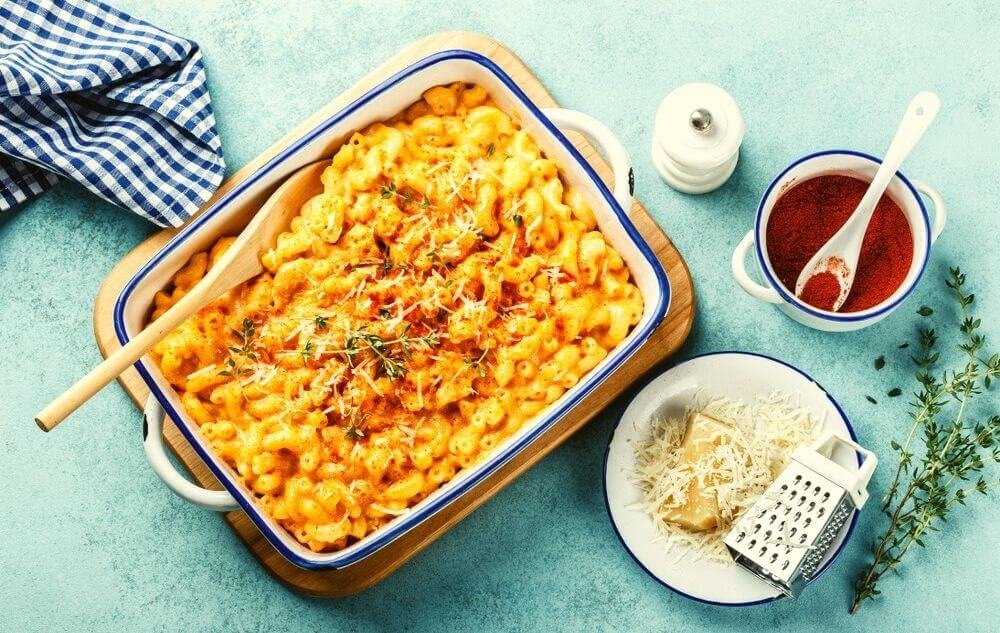
Before we go in-depth with the topic at hand, we would like to familiarize you with the nutritional content of a standard bowl of Mac & Cheese. So, let us take Kraft’s Mac and Cheese, for example.
A cup of that contains 376 calories. There is 669 mg of sodium, 16 grams of fat, 47 grams of carbs, 8.5 grams of sugar, 9.7 grams of protein, and 2.4 grams of fiber.
What about Velveeta and Stouffer’s Mac and Cheese? They are each hanging around 360 and 350 calories per serving. The nutritional content will be on the same alleyway as the Kraft’s.
With per serving of Mac & Cheese mainly being around 360 and 370 calories, you will be fulfilling about 1/5th of a daily 2000 calorie intake diet with just one meal! Now, what do these numbers mean? Let us prioritize the calorie count only.
Is Mac and Cheese Healthy?

1/5th of the daily 2000 calorie diet does not sound that bad. Well, the thing is, you cannot just focus your judgment based on the calorie count only. You also need to consider the amount of trans-fat, saturated fat, salt, sodium, and carb.
So, what determines whether your Mac and Cheese is healthy or not is the ingredients in it. Having too much of these regularly can make you gain massive body fat.
Yes! The creamy and rich dish that seems harmless can load you with carbohydrates. In fact, Mac & Cheese can cause havoc to your diet if you are following a strict weight loss meal plan. And if you even start having the one serving regularly, you will be very likely to find yourself on the obese territory after a couple of months.
Another thing that you should note is that the standard bowl of Mac and Cheese will have tons of preservatives, MSG, and other chemicals. Those are to enhance the dish’s taste and make it achieve a longer shelf life. But the thing is, those will cause harm to your health.
Does that mean Mac & Cheese is not healthy? Well, the average Mac & Cheese is not healthy. If you have it once a week, it will be totally fine. However, you should not pick up the habit of having it daily.
This video will show you Healthy Mac And Cheese Recipe
Why Do I Crave Mac & Cheese from Time to Time?
If you had the chance to enjoy a rich and creamy Mac n Cheese, you probably have picked up the habit of eating it three to four times a week. In fact, you could be switching one of your daily meals with one dish serving.
Nonetheless, the thing that might be making you crave Mac & Cheese is probably the cheese. Yes, you read that right! The cheese is the creamy and rich texture that Mac & Cheese gets and gives you comfort.
Do not believe us? When you are craving the dish, opt for a grilled sandwich instead. Make the sandwich with organic white cheddar cheese if possible because it is much better for health and nutrition.
After having the sandwich, you are more likely to notice that you no longer crave Mac n Cheese.
You may also like: Why Do Healthy Foods Taste Bad?
Healthy Alternative to Standard Mac & Cheese

So, by now, we have established that regular Mac n Cheese is not a healthy meal, and you should not have it regularly. But the thing is, there are more nutritious Mac n Cheese recipes out there.
And they are not that hard to make either. Take a look at these recipe instructions for chickpea pasta Mac & Cheese:
Step 1: Get the Right Ingredients
Before turning the stove on, you need to get your hands on the right ingredients. So, for six servings of this healthy Mac & Cheese, you would need:
- 12 ounces of chickpea pasta
- 1 cup of shredded cheddar cheese
- 1/2 teaspoon of xanthan gum
- 1/8 cup of butter
- 1 1/2 cup of chicken or vegetable broth
- 1 1/2 cup of unsweetened almond milk
- 1/2 teaspoon of salt
Among these, xanthan gum might be a new ingredient to you. It is a food additive that acts as a stabilizer or thickener. If you add it with broth, it will convert the broth to a goo-like substance. For that reason, you cannot go heavy with this ingredient for this recipe.
Nonetheless, it will make your healthy Mac n Cheese creamy and rich without needing to add too much cheese or fat-rich milk.
Step 2: Prepare the Chickpea Macaroni
Now that you have all the ingredients work with the chickpea macaroni. For this, you should follow the instructions on the packaging. Those instructions will work the best, and you will get a better overall result by following them correctly.
Set the pasta aside and move to the next step.
Step 3: Work with the Xanthan Gum
After you prepare the chickpea macaroni, it will be time to work with the ingredient that you were probably most excited about. Get yourself a large pot and put butter on it. Heat it and wait for it to turn slightly bubbly. Add the xanthan gum while mixing the butter.
Step 4: Create the Sauce
Next, you will have to mix the broth, unsweetened almond milk, and salt. Simmer the ingredients for around 6 minutes while stirring the mixture regularly.
Add the shredded cheese when the sauce gains a bit of thick texture. Mix until the cheese melts and creates a heavy and creamy sauce.
Step 5: Add the Pasta
Finally, you will need to add the cooked pasta. But do not just drop it inside the bowl and call it a day. Instead, mix the pasta properly with the sauce and ensure that the sauce gets evenly distributed to the pasta.
What is So Healthy About Chickpea Pasta Mac & Cheese?
Was the recipe we mentioned above not easy to make? But what is so healthy about it?
First of all, chickpea pasta contains more fiber and protein than regular macaroni. So, you will be cutting a good chunk of fat and carbs and replacing both with a proper amount of protein and fiber.
Another thing that makes the recipe above healthier than the standard Mac n Cheese is unsweetened almond milk. If you swap it with regular white milk, you will be cutting out a massive chunk of calories and fat.
Furthermore, the use of xanthan will eliminate the need to use refined white flour. And by swapping the flour, you will be further cutting a hefty amount of carbs from one serving of Mac and Cheese.
Let us not forget that the recipe we just went through is gluten-free. But butter makes it less suitable for both vegan and vegetarian people. Well, you can simply replace it with olive oil.
What about the cheese? Replace it with a high-quality non-dairy cheese. That will get you the same level of richness and creaminess. You could even cut down the carb more if you want to!
Instead of relying primarily on the chickpea pasta, add in a few cauliflower florets or broccoli florets. That will keep the carb level to the lowest.
What are the Other Healthy Alternatives to Standard Mac and Cheese?
Apart from the recipe we just went through, you can try sweet potato Mac & Cheese, organic Cheesy baked Quinoa, Quinoa Mac & Cheese, and Twice-baked Mac and Cheese spaghetti squash. These are quite popular, and they are tasty as well. Most importantly, they will not make you go fat.
Whatever you do, do not just get the microwavable Mac n Cheese. They may say that they are healthy and will not make you gain weight. However, they will have a lot of hidden fat and make you gain that extra belly fat in no time!
Frequently Asked Questions (FAQs)
Is mac and cheese good for losing weight?
As it can make you feel full, it can be added to the diet for losing weight. But it’s not exactly the best option.
Will mac and cheese make me fat?
It depends on the amount you’re eating. If it’s moderate, you should be fine.
Can you live off of mac and cheese?
Certainly no, if you want a healthy life. As you would miss out on all the vitamins and nutrients that are a must for a human body.
Final Words
So, is Mac and Cheese healthy? In short, it will depend on the Mac & Cheese you are having. If it is the standard one, it is not healthy.
On the other hand, if it is the recipe we just went through, it could be the perfect addition to your new balanced meal plan!
Related Posts



Subscribe for New Racipies
Get mental health tips, updates, and resources delivered to your inbox.
Are Red Apples Acidic? Exploring Red Apples and Acid Reflux


Apples are a beloved fruit worldwide, celebrated for their crisp texture, natural sweetness, and numerous health benefits. However, when it comes to their acidity and potential effects on digestive health, especially for individuals prone to acid reflux, questions often arise. Are red apples acidic? Can they help or worsen acid reflux symptoms? Let’s dive deep into the acidity of red apples, their nutritional benefits, and their impact on acid reflux management.
Understanding the Acidity of Red Apples
What Makes Red Apples Acidic? The Role of Malic Acid
Red apples, like all apple varieties, are mildly acidic. Their acidity stems primarily from malic acid, a natural compound responsible for the fruit’s tangy flavor. Malic acid, along with smaller amounts of ascorbic acid (Vitamin C), contributes to apples’ overall pH, which typically ranges between 3.3 and 3.9. This places them on the acidic side of the pH scale, which spans from 0 (highly acidic) to 14 (alkaline).
Interestingly, malic acid has a dual role. While it makes apples acidic, it also provides health benefits, including improved energy production and reduced fatigue. Furthermore, the acid content decreases as apples ripen, making fully ripened red apples slightly less acidic compared to greener varieties.
Comparing Red Apples and Green Apples in Acidity
According to the research published in the International Journal of Pharmaceutical Science and Research, when considering acidity, not all apples are created equal. Green apples, such as Granny Smith, are notably more acidic, with a pH closer to 3.2, compared to red apples like Red Delicious or Fuji. This difference in acidity makes red apples a more stomach-friendly choice, particularly for individuals managing conditions like gastroesophageal reflux disease (GERD)
For those with sensitive stomachs or acid reflux, opting for sweeter apple varieties is often advised. Sweet apples generally have lower acidity and higher sugar content, which can help mask their tartness and reduce the perception of sourness.
Author Tip: Are Apples Acidic?
Can Red Apples Trigger Acid Reflux Symptoms?
How Red Apples Affect People with Acid Reflux
Acid reflux, commonly known as heartburn, occurs when stomach acid flows back into the esophagus, causing discomfort. While red apples are acidic, their effect on acid reflux is not straightforward. For most individuals, red apples are considered a reflux-friendly food due to their natural fiber content and relatively low acid levels compared to other fruits like oranges or lemons.
Some studies suggest that the fiber in apples helps regulate digestion and prevent acid reflux episodes by promoting proper stomach emptying.
However, the mild acidity of apples may irritate those with heightened sensitivity to acidic foods, so moderation and variety in diet are key.
Red Apples vs. Processed Apple Products (Juice, Sauce, etc.)
It’s worth noting that while fresh red apples are generally well-tolerated, processed apple products like juice or applesauce can be less friendly for individuals with acid reflux. Apple juice, for instance, often has a pH of 3.35 to 4.00, making it similarly acidic but lacking the beneficial fiber found in whole apples. Additionally, commercial juices may contain added sugars, which can exacerbate reflux symptoms.
Applesauce, though softer on the digestive system, is often less effective in managing reflux due to its lower fiber content. When incorporating apples into your diet for reflux relief, it’s best to consume them in their whole, unprocessed form.
Are Red Apples Right for You?
Red apples, with their mild acidity and abundant nutritional benefits, are an excellent dietary choice for most people, including those managing acid reflux. Their high fiber content, coupled with natural sweetness, makes them both a satisfying and gut-friendly option. However, individual tolerance varies, so it’s important to monitor how your body responds to apples and adjust your consumption accordingly.
By incorporating red apples into a balanced, low-acid diet and avoiding trigger foods, you can enjoy their numerous health benefits while keeping acid reflux symptoms at bay. Whether enjoyed fresh, baked, or blended into smoothies, red apples can be a delicious and healthful addition to your daily routine.
Benefits of Red Apples for Digestive Health
Why Sweet Apples Are Better for Acid Reflux?
Sweet red apple varieties, such as Gala, Fuji, and Red Delicious, are preferred for their milder acidity and higher natural sugar content. These characteristics make them less likely to trigger acid reflux symptoms compared to tart apples like Granny Smith. Sweet apples also stimulate saliva production, which helps neutralize stomach acid and reduce the likelihood of heartburn
How Apples Support Gut Health?
Beyond their effects on acid reflux, red apples are a powerhouse of nutrients that support overall digestive health. They are rich in dietary fiber, primarily in the form of pectin, which promotes regular bowel movements and maintains a healthy gut microbiome. Fiber also helps stabilize blood sugar levels, making apples an excellent snack choice for sustained energy.
Moreover, red apples are packed with antioxidants such as flavonoids and polyphenols, which reduce inflammation and may protect against chronic diseases, including those affecting the digestive tract.
Tips for Consuming Apples Safely with Acid Reflux
Best Times to Eat Apples for Reflux Prevention
Timing plays a crucial role in managing acid reflux symptoms. Consuming apples between meals rather than immediately after can minimize the risk of heartburn. Eating an apple on an empty stomach may also be beneficial, as it can help neutralize stomach acid before it becomes problematic. Conversely, pairing apples with heavy or acidic meals may increase the likelihood of reflux symptoms.
Portion Sizes and Preparation Tips
For those with acid reflux, portion control is essential. Eating a medium-sized apple (about one cup of chopped fruit) is typically sufficient to enjoy its benefits without overwhelming the digestive system. To further reduce acidity, peeling the apple can be helpful, as the skin contains a higher concentration of certain acids. However, this also removes some of the fiber, so it’s important to weigh the benefits based on individual tolerance.
Common Misconceptions About Apples and Acid Reflux
Are Apples Alkalizing Foods?
Despite their acidity, apples are sometimes classified as alkaline-forming foods. This confusion arises because, after digestion, apples leave behind alkaline residues in the body, which may help balance overall pH levels. However, this does not mean that apples neutralize stomach acid directly.
Do Apples Neutralize Stomach Acid?
While anecdotal evidence suggests that eating an apple can alleviate heartburn, scientific research is limited. Apples’ natural sugars and fibers may provide temporary relief by soothing the stomach lining and promoting proper digestion. However, their effectiveness as a standalone remedy varies from person to person.
Red Apples in a Balanced Diet for GERD Management
Pairing Apples with Other Low-Acid Foods
For individuals managing GERD (gastroesophageal reflux disease), incorporating red apples into meals can provide a gentle, fiber-rich option. However, pairing apples with other low-acid foods enhances their digestive benefits. Foods like bananas, oatmeal, and yogurt (low-fat or plant-based options) complement apples well, offering a soothing effect on the stomach lining while reducing the risk of triggering reflux.
For example, an apple-banana smoothie made with almond milk is an excellent reflux-friendly breakfast or snack. Adding a tablespoon of flaxseeds or chia seeds increases fiber and omega-3 fatty acids, further supporting gut health.
Foods to Avoid When Eating Apples
While apples are generally safe for most people with reflux, combining them with certain foods can negate their benefits. Acidic or fatty foods such as citrus fruits, fried items, or tomato-based sauces should be avoided alongside apples, as they may exacerbate symptoms. Similarly, high-sugar apple desserts, like pies or caramel apples, can trigger acid reflux due to their added sugars and fats.
If you enjoy baked apples, opt for a recipe that minimizes sugar and fat. Baking apples with a sprinkle of cinnamon and a drizzle of honey is a healthier alternative that preserves the fruit’s natural goodness.
Author Tip: 7 Kinds of Foods to Avoid with GERD
What Are Some Creative Ways to Eat Apples for Acid Reflux?
There are numerous ways to incorporate red apples into a reflux-friendly diet. Some ideas include:
- Slicing apples and pairing them with almond butter for a nutrient-rich snack.
- Adding chopped apples to oatmeal or yogurt for a satisfying breakfast.
- Baking apples with a sprinkle of cinnamon for a healthy dessert.
- Including thin apple slices in a turkey or chicken sandwich for added crunch and sweetness.
Frequently Asked Questions
Are All Red Apples Equally Acidic?
No, not all red apples have the same acidity level. Varieties such as Red Delicious and Fuji are sweeter and less acidic compared to more tart options like Pink Lady or Braeburn. These sweeter apples are better suited for individuals with sensitive stomachs or acid reflux issues.
How Do Apples Compare to Other Fruits for Acid Reflux?
Red apples are often considered one of the most reflux-friendly fruits due to their moderate acidity and high fiber content. In comparison, citrus fruits like oranges and grapefruits are highly acidic and may aggravate symptoms. Bananas and melons, being less acidic, are also excellent choices for those managing acid reflux.
Can Eating Apples Prevent GERD Symptoms?
While apples cannot cure GERD, they can play a role in symptom management. Their fiber content helps regulate digestion, and their low-fat nature prevents excessive pressure on the stomach. Including apples as part of a balanced diet with other GERD-friendly foods may help reduce the frequency and severity of symptoms.
Is Apple Juice Good for Acid Reflux?
Fresh apple juice, while nutritious, is not as effective as whole apples for managing acid reflux. Juice lacks fiber and is often more concentrated in sugars, which can worsen symptoms. For those who prefer juice, diluting it with water can reduce its acidity.
Do Cooked Apples Have the Same Benefits as Fresh Ones?
Cooked apples retain many of their nutritional benefits, including fiber, but they may lose some vitamin C during the cooking process. Baking or steaming apples without adding excessive sugar or fat can make them easier to digest and equally beneficial for acid reflux management.
Final Thoughts
Incorporating red apples into your diet is not just about managing acid reflux; it’s about embracing a wholesome food that supports overall well-being. As you experiment with different varieties and preparations, focus on balance, moderation, and pairing apples with complementary foods. With thoughtful choices, you can enjoy the best of what red apples have to offer.
Related Posts
Subscribe for New Racipies
Get mental health tips, updates, and resources delivered to your inbox.