
Does Decaf Coffee Have Caffeine? Everything You Need to Know
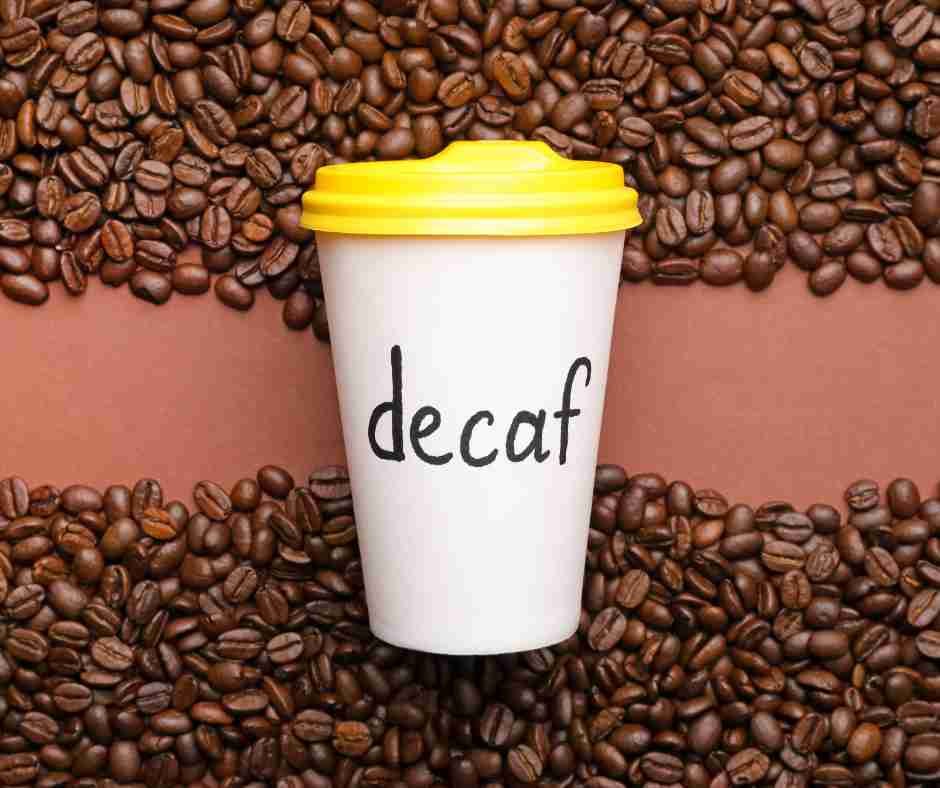
For the millions of coffee lovers who crave the rich, roasted flavor of a morning brew but dread the jitters, anxiety, or sleepless nights, decaf coffee feels like a miracle. It promises the ritual without the rush.
But there is a lingering question that often catches people off guard, usually at 10 PM when they are staring at the ceiling, wide awake: Does decaf coffee have caffeine?
The short answer is yes.
Contrary to popular belief, “decaffeinated” does not mean “caffeine-free.” If you have been chugging decaf under the assumption that it contains absolutely zero stimulants, you might be consuming more caffeine than you realize.
Whether you are pregnant, sensitive to stimulants, or just trying to cut back, understanding exactly what is in your cup is crucial.
In this definitive guide, we will uncover the truth. We will explore how much caffeine decaf coffee actually has, compare major brands like Starbucks and Dunkin’, analyze the safety of decaf for pregnancy and anxiety, and debunk the biggest myths surrounding the decaffeination process.
Does Decaf Coffee Have Caffeine?

Let’s get straight to the point: Does decaf coffee have caffeine in it?
Yes, it does. While the name implies the removal of caffeine, the process is never 100% perfect. Decaf coffee is not a void; it is a reduction.
The Definition of “Decaf”
To understand does decaf coffee still have caffeine in it, we have to look at the regulations.
- In the United States, the FDA requires that for a coffee to be labeled “decaffeinated,” at least 97% of the original caffeine content must be removed. This means up to 3% of the caffeine can remain.
- In Europe, the standards are often stricter, requiring 99.9% of the caffeine to be removed.
This 3% gap in the U.S. is where the confusion lies. If you start with a particularly potent bean, 3% of that caffeine can still add up to a measurable amount.
Why Can’t Caffeine Be Fully Removed?
Coffee beans are chemically complex. Caffeine is bound tightly within the bean’s cellular structure alongside proteins, oils, and sugars (flavor compounds). The challenge of decaffeination is stripping away the caffeine molecule without stripping away the flavor.
If manufacturers tried to remove 100% of the caffeine, they would likely destroy the bean’s structure entirely, resulting in a tasteless, mushy product. Therefore, a trace amount—does decaf coffee have any caffeine in it? Yes, it is the trade-off for keeping the coffee tasting like coffee.
How Much Caffeine Does Decaf Coffee Have?
If it’s not zero, then how much caffeine does decaf coffee have? The amount varies significantly based on the bean type (Robusta vs. Arabica), the decaffeination method, and the serving size.
The Numbers Game
On average, an 8-ounce cup of regular coffee contains about 95 mg of caffeine.
In comparison, how much caffeine does a cup of decaf coffee have? It typically ranges from 2 mg to 15 mg per cup.
While 2 mg sounds negligible, 15 mg is not. If you drink three large cups of decaf throughout the morning, you could be ingesting nearly 45-50 mg of caffeine—roughly the amount in a can of soda or a cup of black tea.
Factors Influencing Caffeine Levels
- Bean Origin: Robusta beans naturally contain almost twice as much caffeine as Arabica beans. If a cheaper decaf blend uses Robusta, the remaining percentage will be higher.
- Roast Level: Contrary to myth, dark roasts do not “burn off” significantly more caffeine than light roasts, but the volume measurements change. However, in decaf, the roast profile affects how much water you use to extract flavor, which can subtly shift the caffeine-per-cup ratio.
- Brew Time: The longer the water sits on the grounds, the more caffeine is extracted. A quick shot of decaf espresso will have less total caffeine than a decaf French Press that has steeped for 5 minutes.
Decaf vs. Regular Caffeine Chart
| Beverage (8 oz) | Caffeine Content (Average) |
| Regular Drip Coffee | 95 mg (Range: 70–140 mg) |
| Decaf Drip Coffee | 2–7 mg (Range: 2–15 mg) |
| Regular Espresso (1 oz) | 63 mg |
| Decaf Espresso (1 oz) | 0–3 mg |
| Instant Decaf Coffee | 2–3 mg |
| Cola (12 oz) | 34 mg |
Does Decaf Coffee Still Act as a Stimulant?
This is a common concern for those with high sensitivity. Does decaf coffee keep you awake? Or does decaf coffee give you energy?
The Threshold of Stimulation
For the average person, 5 mg of caffeine is physically imperceptible. It is not enough to block adenosine receptors (the chemicals in your brain that make you feel tired) effectively. Therefore, decaf coffee should not technically act as a stimulant or keep you awake.
The Placebo Effect & Sensitivity
However, for individuals who are “hypersensitive” to caffeine (slow metabolizers), even trace amounts can trigger a response.
- Psychological Stimulation: The smell and taste of coffee are deeply associated with waking up. Drinking decaf can trigger a placebo response where you feel more alert simply because your brain expects the caffeine kick.
- Accumulation: As mentioned, if you chain-drink decaf, you might accumulate enough caffeine to feel mild effects, such as a slightly elevated heart rate, though this is rare.
Is decaf coffee still a stimulant? Chemically, yes, but functionally, usually no.
How Is Coffee Decaffeinated?

To understand how does decaf coffee have no caffeine (or very little), we must look at the science. There are four main methods used today. All of them happen to the green (unroasted) beans.
1. The Swiss Water Process (Chemical-Free)
This is the gold standard for organic and high-quality decaf.
- The Method: Green beans are soaked in hot water to dissolve the caffeine. However, this also dissolves the flavor. That water is then passed through an activated charcoal filter, which captures the large caffeine molecules but lets the smaller oil and flavor molecules pass through. The beans are discarded, but the “flavor-charged” water is saved. New beans are added to this water. Since the water is already saturated with flavor, only the caffeine migrates out of the new beans.
- Result: 99.9% caffeine-free and excellent flavor retention.
2. The CO₂ Process (Supercritical Carbon Dioxide)
Commonly used for commercial-grade coffee.
- The Method: Steamed beans are bathed in liquid carbon dioxide under high pressure. The CO₂ acts as a solvent, binding exclusively to caffeine molecules and pulling them out of the bean.
- Result: Very selective removal, leaving carbohydrates and proteins intact.
3. Solvent-Based Methods (Direct & Indirect)
This is the most common method for mass-market brands because it is cheaper.
- Methylene Chloride or Ethyl Acetate: The beans are steamed and then rinsed with a chemical solvent that bonds to the caffeine. The solvent is then evaporated (it has a low boiling point).
- Safety Note: Critics often ask if the decaffeinated coffee side effects come from these chemicals. However, the roasting process (400°F+) evaporates virtually all traces of solvent, which boils at around 104°F.
Caffeine-Free Coffee Clarification
Is there such a thing as naturally caffeine-free coffee? There is a rare species called Coffea charrieriana found in Cameroon that is naturally caffeine-free, but it is not commercially available yet. For now, all “caffeine-free” coffee is processed.
Does Decaf Coffee Have Caffeine at Starbucks, Dunkin’ & Folgers?
Not all brands are created equal. Let’s look at the giants.
Does Starbucks Decaf Coffee Have Caffeine?
Yes. In fact, Starbucks decaf is notorious for having slightly higher caffeine levels than other brands because their “Grande” and “Venti” sizes are huge, and their roasts are potent.
- Pike Place Roast Decaf (Grande – 16 oz): Can contain anywhere from 15 mg to 25 mg of caffeine.
- Decaf Espresso Shot: Approx 3–12 mg per shot.
- Takeaway: Does decaf coffee have caffeine, Starbucks style? Yes. If you order a Venti Decaf, you might be consuming as much caffeine as a can of Coke.
Does Dunkin Decaf Coffee Have Caffeine?
Does Dunkin’ decaf coffee have caffeine? Yes, but generally less than Starbucks.
- Medium Decaf Coffee (14 oz): Approx 7–10 mg of caffeine.
- Dunkin’s beans are often roasted slightly lighter, and the brewing ratio differs, resulting in a lower caffeine yield per ounce.
Does Folgers Decaf Coffee Have Caffeine?
For the home brewer, does Folgers decaf coffee have caffeine?
- Folgers Classic Decaf (Instant): Because instant coffee is highly concentrated, it usually has very little caffeine per teaspoon, but it adds up. A standard cup made with crystals has about 2–4 mg.
- Folgers Ground Decaf: Roughly 99.7% caffeine-free, meaning a standard 8 oz cup has roughly 2–5 mg.
Does Decaf Coffee Have More Caffeine Than Tea?
This is a common dilemma for late-night drinkers: Decaf coffee or herbal tea? Or maybe regular tea?
Decaf Coffee vs. Regular Tea
Does decaf coffee have more caffeine than tea? No.
- Black Tea (8 oz): 47 mg.
- Green Tea (8 oz): 28 mg.
- Decaf Coffee (8 oz): 2–7 mg.
Regular tea is significantly more caffeinated than decaf coffee. If you are choosing between an Earl Grey and a Decaf Latte for a nightcap, the decaf latte is the safer bet for sleep.
Decaf Coffee vs. Decaf Tea
Does decaf tea have caffeine? Yes, decaf tea undergoes a similar process to decaf coffee.
- Decaf Black Tea: 2–5 mg.
- Herbal Tea (Peppermint, Chamomile, Rooibos): 0 mg.
If you want strictly zero caffeine, herbal tea is the only winner. Both decaf coffee and decaf tea sit in the “trace amounts” category.
Is Decaf Coffee Safe During Pregnancy?
Pregnancy brings a laundry list of dietary restrictions, and caffeine is at the top. Does decaf coffee have caffeine pregnant women need to worry about?
The Guidelines
Most health organizations (like ACOG) recommend pregnant women limit caffeine intake to 200 mg per day.
Since a cup of decaf coffee has roughly 2–5 mg, you would have to drink 40 to 100 cups of decaf to hit the dangerous limit.
Is It Safe?
Yes, is decaf coffee safe during pregnancy? It is widely considered safe. It allows expectant mothers to enjoy the comfort of coffee without spiking their blood pressure or crossing the placenta with high doses of stimulants.
- Caution: Always check if the decaf is “Swiss Water Processed” if you want to avoid any potential (though minimal) chemical solvent residues, just for peace of mind.
Is Decaf Coffee Better for Anxiety?
For those with anxiety disorders, caffeine is like throwing gasoline on a fire. It mimics a panic attack by raising heart rate and stimulating cortisol.
Is Decaf Ok for Anxiety?
Absolutely. Switching to decaf is often the number one recommendation for anxious patients.
- Cortisol: Regular caffeine spikes cortisol (the stress hormone). Decaf does not.
- Jitters: The 5 mg of caffeine in decaf is rarely enough to trigger the “fight or flight” physical response that regular coffee does.
- The Ritual: For many, the act of drinking coffee is soothing. Decaf allows you to keep the self-soothing ritual without the chemical anxiety spike.
Is Decaf Coffee Healthier Than Regular Coffee?
We know regular coffee is loaded with antioxidants. But is decaf coffee healthier than regular coffee? Or does the process strip away the good stuff?
Antioxidant Content
Decaf coffee contains nearly the same amount of antioxidants (hydrocinnamic acids and polyphenols) as regular coffee. Some studies suggest a slight loss (up to 15%) during the decaffeination process, but it remains a rich source of antioxidants in the Western diet.
Heart Health & Blood Pressure
Here, decaf might actually be the winner.
- Regular Coffee: Can cause temporary spikes in blood pressure.
- Decaf Coffee: Has been shown to have no significant effect on blood pressure, making it a better choice for those with hypertension.
Sleep
The difference between decaf coffee and regular coffee regarding sleep is obvious. Decaf protects your circadian rhythm, which is arguably the biggest health benefit of all.
Does Decaf Coffee Have Side Effects?
Are there hidden dangers of decaf coffee?
Chemical Concerns
As mentioned, people worry about solvent residues (Methylene Chloride). However, the FDA strictly limits residues to 10 parts per million (ppm), and practically speaking, roast temperatures incinerate it. There is no evidence that solvent-based decaf poses a cancer risk to humans.
Cholesterol (LDL)
Some studies have suggested that decaf coffee made from Robusta beans might increase free fatty acids, potentially impacting LDL cholesterol, but this link is weak and usually associated with heavy consumption (5+ cups a day).
Acidity
Decaffeinated coffee side effects still include acidity. Decaf coffee is still acidic (pH 5.0–5.1). If you have acid reflux or GERD, decaf can still irritate your stomach lining, although slightly less than caffeinated coffee (since caffeine relaxes the esophageal sphincter).
Does Decaf Coffee Affect Digestion or Hydration?

Does Decaf Coffee Make You Poop?
Yes.
Many people think caffeine is the only laxative in coffee. However, coffee stimulates the release of gastrin, a hormone that kickstarts colonic activity. This effect happens with both regular and decaf coffee. So, if you rely on coffee to stay “regular,” decaf will still do the job.
Does Decaf Coffee Dehydrate You?
Does decaf coffee dehydrate you? No.
Regular caffeine is a mild diuretic (makes you pee). Because decaf lacks caffeine, it does not have this diuretic effect. Drinking a cup of decaf coffee contributes to your daily hydration almost as much as a cup of water.
Does Decaf Coffee Taste Different?
The biggest complaint: Does decaf coffee taste different?
The Flavor Gap
Yes, it often does.
- Body: Caffeine contributes a slight bitterness and “body” to coffee. Removing it can make the coffee taste lighter or more watery.
- Processing: The process of soaking and steaming beans can inadvertently remove some of the delicate aromatic oils that give coffee its floral or fruity notes.
- Result: Decaf often tastes maltier, nuttier, and less acidic than regular coffee.
How to Find Good Decaf
- Buy Whole Bean: Ground decaf loses flavor twice as fast.
- Look for Swiss Water: This process generally preserves flavor better than solvent methods.
- Check the Roast Date: Decaf goes stale faster than regular beans because the structure of the bean has been compromised. Drink it fresh.
Decaf Coffee vs Regular Coffee (Full Comparison)
What is the difference between decaf coffee and regular coffee? Here is the side-by-side breakdown.
| Feature | Regular Coffee | Decaf Coffee |
| Caffeine (8oz) | ~95 mg | ~2–5 mg |
| Acidity | High | High (Slightly Lower) |
| Antioxidants | Very High | High |
| Effect on Sleep | Disruptive | Neutral |
| Effect on Anxiety | Can Worsen | Neutral |
| Diuretic Effect | Mild | None |
| Laxative Effect | Strong | Moderate/Strong |
| Taste | Complex, Bitter | Milder, Nutty |
What Reddit Gets Right (and Wrong) About Decaf Coffee
If you search “does decaf coffee have caffeine Reddit,” you will find a mix of science and hysteria.
What Reddit Gets Right
- “It varies by brand.” Redditors are quick to point out that a Starbucks Decaf Americano hits harder than a home-brewed Folgers. They are correct.
- “Swiss Water is best for taste.” The coffee snobs on Reddit consistently vote for Swiss Water Processed beans for the best flavor profile.
What Reddit Gets Wrong
- “Decaf is chemically toxic.” There is a persistent myth that drinking decaf is like drinking paint thinner due to the solvents. As explained, the “toxicity” is chemically negligible after roasting.
- “Decaf has zero caffeine.” You will still see users claiming they can drink 10 cups with zero effect. While they may not feel it, they are chemically ingesting caffeine.
Frequently Asked Questions (PAA-Optimized)
Does decaf coffee have caffeine?
Yes. Decaf coffee is not caffeine-free. It typically contains about 3% of its original caffeine, ranging from 2 mg to 7 mg per cup, compared to 95 mg in regular coffee.
How much caffeine is in a cup of decaf coffee?
An average 8 oz cup of decaf coffee contains 2–7 mg of caffeine. However, larger servings or commercial brands (like Starbucks) can contain up to 15–25 mg per cup.
Is decaf coffee caffeine-free?
No. “Decaffeinated” means caffeine has been removed, not eliminated. Only naturally caffeine-free herbal teas are truly 0 mg.
Does decaf coffee keep you awake?
It shouldn’t. The amount of caffeine is usually too low to affect sleep for most people. However, those with extreme caffeine sensitivity may still experience mild alertness or placebo effects.
Is decaf coffee safe during pregnancy?
Yes. It is generally considered safe. Since pregnant women are advised to limit caffeine to 200 mg/day, the small amount in decaf (2–5 mg) fits well within safety guidelines.
Conclusion: Is Decaf the Right Choice?
So, does decaf coffee have caffeine? Yes, it does. But it has significantly less than regular coffee—enough to make a massive difference for your sleep, anxiety, and health.
While it is not technically “caffeine-free,” the 2 to 7 milligrams found in a typical cup are negligible for the vast majority of the population. Whether you are an expectant mother, an anxious sleeper, or just someone who loves the taste of coffee at 8 PM, decaf allows you to enjoy the ritual without the repercussions.
The Bottom Line:
- For Zero Caffeine: Switch to herbal tea.
- For Low Caffeine: Decaf coffee is king.
- For Flavor: Choose Swiss Water Processed beans and grind them yourself.
Don’t let the “caffeine myth” scare you away. Decaf is a safe, healthy, and delicious way to keep coffee in your life, even when you need to wind down.
References & Further Reading
- U.S. Food & Drug Administration (FDA): Spilling the Beans: How Much Caffeine is Too Much?
- National Coffee Association: Decaffeinated Coffee.
- Swiss Water Decaffeinated Coffee Inc: The Science of Decaffeination.
- American College of Obstetricians and Gynecologists (ACOG): Caffeine During Pregnancy.
Related Posts

Subscribe for New Racipies
Get mental health tips, updates, and resources delivered to your inbox.
Are Nutri Grain Bars Healthy? Expert Insights and Nutrition Analysis

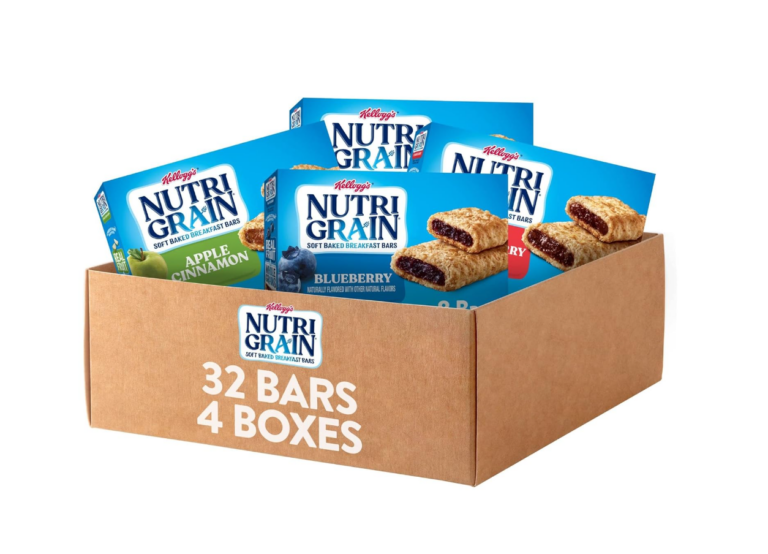
‘Nutri’ and ‘grain’- reading this, you might be wondering if all the healthy stuff is infused in Nutri Grain bars, right? Nutri Grain bars are indeed one of the most popular snack food items on the market right now, but are Nutri Grain bars healthy as you might think?
Nutri Grain bars are marketed as nutritious, low-calorie snacks that contain lots of essential vitamins and minerals, like calcium and iron. Yet Nutri Grain bars aren’t as healthy as you might think; in fact, their high calorie and sugar content can do more harm than good if you eat them regularly.
Here are some reasons Nutri Grain bars may not be as healthy as you think they are and some healthier alternatives to fill you up!
Are Nutri Grain Bars Healthy?
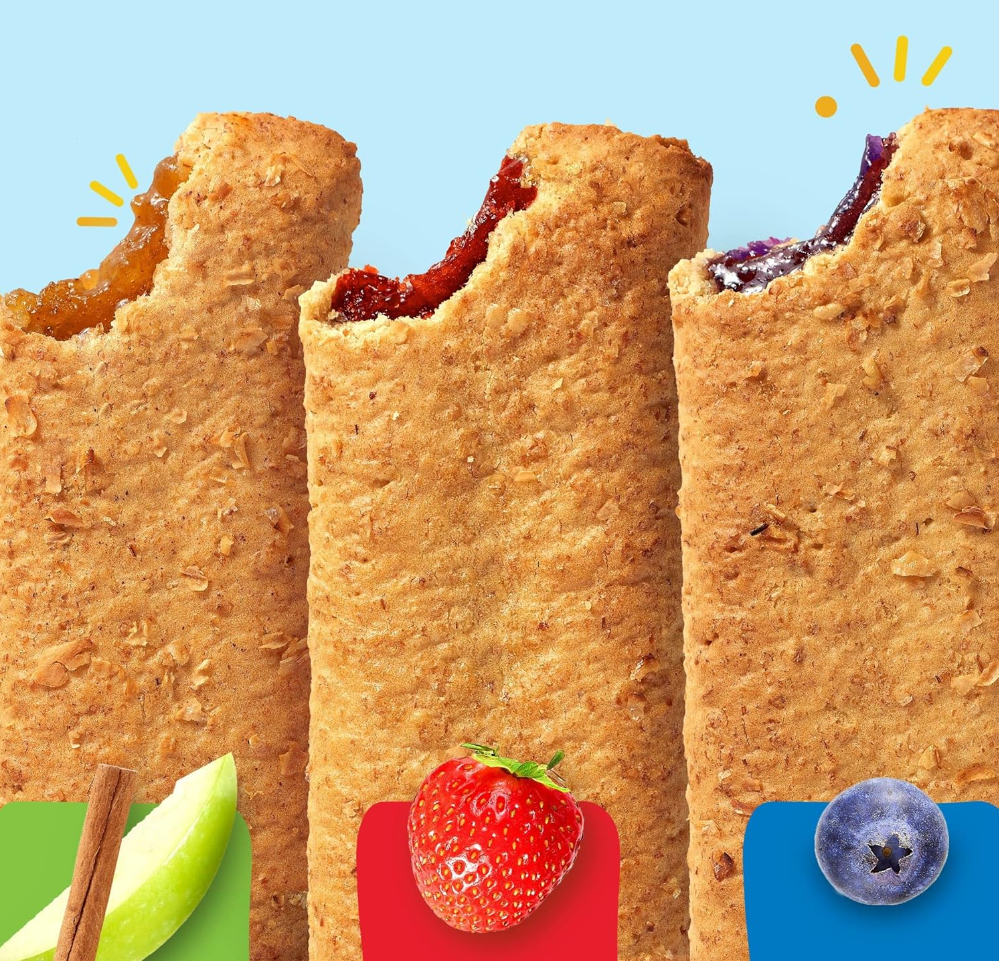
Who doesn’t know the Nutri Grain bars you find at the grocery store? They’re those delicious, crunchy little bars made of whole grains and nuts that are supposedly good for you, right? However, it turns out not so much.
Here are a few reasons Nutri Grain bars may not be as healthy as you think they are
- Excess Sugar, High Fructose Corn Syrup, And Hydrogenated Vegetable Oils
Many people think that just because it’s healthy to eat whole grains like oatmeal or wheat toast, it must be good for you to eat Nutri Grain bars as well.
While Nutri-Grain bars contain some whole grains, they also contain a lot of sugar, high fructose corn syrup, and hydrogenated vegetable oils. These ingredients can offset any health benefits that whole grains might provide.
- Inclusion Of Unnecessary Ingredients
While some of the ingredients in Nutri Grain bars are healthy, like whole grains and dried fruit, there are also a lot of unnecessary ingredients like added sugars and artificial flavors. And while they may be advertised as all-natural, the ingredient list proves otherwise.
For example, one bar includes a natural maple flavor but also contains monosodium glutamate (MSG) as well as partially hydrogenated soybean oil.
- Additives Contain Questionable Ingredients
If you take a look at the list of ingredients on a Nutri Grain bar, you’ll notice that many of them are additives. Additives are substances added to food to enhance its flavor, texture, or shelf life. These preservatives can be harmful to your health and may offset any benefits you would get from eating whole grains.
Some people avoid these additives because they may be unnatural and unhealthy. In fact, artificial sweeteners have been linked to an increased risk for cancer and neurotoxicity in lab animals!
- Contains Low Protein And Fiber Content
Although Nutri Grain bars contain negligible vitamins and minerals, they lack protein and fiber. Protein and fiber are essential nutrients that help keep you feeling full and satisfied after eating.
Low-quality protein also means a reduced ability to build muscle, repair tissues, and fight inflammation. On the other hand, fiber helps with digestion and may also help regulate blood sugar levels by slowing down the release of sugar into the bloodstream.
Related Article: Are Waffles Healthy? Exploring Expert Insights for Nutritious Choices
Nutritional Value of Nutri Grain Bars
Let’s look at the nutritional value of nutri-grain bars.
Nutritional fact of kellog’s Nutri Grain bar Mixed berry – 1 bar (116 g)
| Calories | 130 |
| Total fatSaturated fat | 3 g0.5 g |
| Cholesterol | 0 mg |
| Sodium | 105 mg |
| Potassium | 85 mg |
| Total carbsDietary fiberSugar | 25 g2 g13 g |
| Protein | 2 g |
| CalciumIron. | 2%4% of DV. |
While Nutri-Grain bars may be marketed as a healthy snack option, they may not be as healthy as you think.
For one, they are high in sugar. In fact, a single Nutri Grain bar can have up to 16 grams of sugar. All other flavors of these bars contain the same amount of sugar – plain strawberry (12 g), blueberry (13 g), and apple cinnamon (13 g).

Nonetheless, they also often contain large amounts of artificial sweeteners like sucralose, which may provide instant energy but has been linked to liver toxicity and stomach ulcers in the long run.
Moreover, there is no ingredient in the bars rich in protein, for which the protein content is equivalent to 1 g. It is not an ideal energy snack when you are on a diet or doing heavy workouts.
Finally, the fats found in many Nutri-Grain bars are typically unhealthy saturated fats that increase the risk of heart disease and stroke.
Related Article: Are Ritz Crackers Healthy? Expert Insights and Tips
Side Effects of Over Consuming Nutri Grain Bars
One mixed berry Nutri Grain bar from Kellogg’s contains 13 grams of sugar! Plus, the artificial ‘blueberry’ filling contains many additives. So, imagine what if you consume 4 bars at a time every day- that’s nearly 54 grams of added sugar, which is over the limit of the daily value (25-36 grams).
Compared to the number of calories in a single bar, which is 130-140, this much sugar content is insane.
Moreover, there is an unacceptable amount of sodium content in a single bar. The American Heart Association used to recommend 2300 mg of sodium daily in a normal adult’s diet, but now they recommend 1500 mg.
Covered by the sweetness of the bars, you may feel like there is no sodium in them. But unknowingly, you are consuming the same amount of salt as compared to a salty snack.
Sugar and salt are already slow poison that leads to many short- and long-term health problems.
Some side-effects of over-consuming Nutri-Grain bars include:
- Spike in blood sugar
- Abdominal pain
- Allergic reactions
- Weight gain/ obesity
- Diabetes
- Lower immune system
- Spike in blood pressure.
You won’t see these side effects in a single day or two unless you don’t overeat these unhealthy Nutri-Grain bars.
Who Should Avoid Nutri Grain Bars
Don’t worry; Nutri-Grain bars are not fatal and won’t kill you! Since it contains many unhealthy ingredients and somewhat allergic ones, some people should eat it as little as possible or even avoid it.
- People with celiac disease or gluten intolerance should avoid eating Nutri Grain bars as they contain gluten in the form of enriched flour to obtain that chewy texture.
- Additionally, people with nut allergies should avoid them as they contain nuts.
- Those following a vegan diet may also want to stay away from these bars as they may contain animal products like milk and eggs.
- Even though Nutri-Grain bars are marketed as a healthy snack, they may not be the best choice for diabetic patients. This is because Nutri-Grain bars are high in sugar and carbs, which can cause blood sugar levels to spike. If you have diabetes, limit your Nutri Grain bar consumption to one or two bars a week.
Related Article: Are Pretzels Healthy? – Pros, Cons and Healthy Alternative
Healthy Alternatives to Nutri Grain Bars
If you’re looking for a healthier alternative to Nutri-Grain bars, try making your own granola bars at home. Plenty of recipes online use healthy ingredients like oats, honey, and dried fruit. Not only are they filling, but nutritious too. With a few variations in flavor, it’s easy to make them taste just the way you want.
Meal-replacement shakes can also be an excellent option if you need something filling but don’t have time to prepare food. It takes just seconds to blend up a shake with yogurt, milk, protein powder (whey or soy), fruit, peanut butter or almond butter, and ice cubes. The options are limitless!
FAQs
Are Nutri-Grain bars good for weight loss?
Nutri Grain bars may not be the best choice if you’re trying to lose weight. Though they’re convenient and easy to eat on the go, they’re often high in sugar and calories, which can lead to weight gain. In the long run, if you continue to eat them on a daily basis, you may be able to gain weight instead of losing it.
Are Nutri-Grain bars vegan?
While many Nutri-Grain bars are vegan, some contain honey, which is a non-vegan ingredient. In addition, some of the flavors of Nutri-Grain bars contain dairy and other animal-based products.
So, it is always better to read the labels to see what ingredients are your preferred bars made of.
Are Nutri-Grain bars healthy for toddlers?
If you’re looking for a healthy snack for your toddler, Nutri Grain bars may not be the best choice. Because they’re high in sugar, the ingredients aren’t natural, there’s no nutritional value in the sugar, and they contain artificial flavors.
Moreover, they’re loaded with fats that raise cholesterol levels and increase the risk of heart disease and stroke. And finally, they don’t give children enough vitamins and minerals that they need to grow up strong and healthy!
Are Nutri-Grain bars good for diabetics?
While Nutri-Grain bars may be marketed as a healthy snack option, they may not be the best choice for people with diabetes. This is because Nutri-Grain bars are high in sugar and added sugar, which can cause blood sugar levels to spike.
Final Thought
If you are thinking – are Nutri Grain bars healthy – it’s time to throw out Nutri-Grain bars from your regular diet. The high sugar and calorie content can offset any nutritional benefits, and the processed ingredients may not be ideal for everyone.
However, there is no harm in treating yourself with one bar once in a while. The bottom line is that there are healthier options out there than Nutri-Grain bars.
Related Posts

Subscribe for New Racipies
Get mental health tips, updates, and resources delivered to your inbox.